
How War Reshaped Class Structure During Japan's Feudal Era


Welcome to Feudal Japan History, where we invite you to journey through the intricate tapestry of Japan's feudal era. Here, we delve deep into the Japan feudal era class structure, exploring how the tides of war sculpted societal hierarchies and cultural identities. In our featured article, "How War Reshaped Class Structure During Japan's Feudal Era," you will uncover the fascinating dynamics that defined this pivotal period. Join us as we unravel the threads of history, culture, and society, igniting your curiosity and inspiring you to explore the captivating world of feudal Japan.
- Introduction to Japan's Feudal Era Class Structure
- Historical Context of the Japan Feudal Era
- The Class Structure of Feudal Japan
- How War Reshaped Class Structure in Feudal Japan
- Case Studies of Key Conflicts and Their Impact
- Cultural Implications of Class Restructuring During War
- Conclusion: The Lasting Impact of War on Japan's Feudal Era Class Structure
- Further Reading and Resources
- Frequently Asked Questions
- Final Reflection: The Enduring Legacy of Japan's Feudal Era Class Structure
- Uncover the Impact of War on Japanese Society!
Introduction to Japan's Feudal Era Class Structure
The feudal era in Japan, spanning from the late 12th century to the mid-19th century, was a transformative period that deeply influenced the nation’s class structure. As a complex web of social hierarchies developed, the interplay between war, land ownership, and loyalty played a pivotal role in shaping the dynamics of society. The class structure during this time was not merely a reflection of wealth or power; it was intricately tied to the socio-political landscape, with samurai, peasants, and merchants each occupying distinct roles and responsibilities.
Understanding this class structure provides valuable insights into the societal norms and values that defined Japan during its feudal era. Through this article, we will explore how warfare and conflict reshaped these class dynamics, and examine the lasting implications on Japanese history and culture.
Overview of the Feudal System in Japan
The feudal system in Japan was characterized by a hierarchical structure that established clear social classes, each with specific duties and privileges. At the top of this hierarchy were the daimyōs, powerful feudal lords who owned large estates and commanded the loyalty of samurai warriors. Below them were the samurai, who served as both military protectors and local administrators.
The peasantry, which constituted the majority of the population, worked the land and provided the agricultural output necessary for sustenance and tax revenue. Merchants, though often seen as lower in status, played a crucial role in the economy, facilitating trade and commerce.
- Daimyōs: Feudal lords who held significant power and land.
- Samurai: Warrior class responsible for military service and local governance.
- Peasants: The largest class, primarily engaged in agriculture.
- Merchants: Though lower in social status, they were vital to the economy.
Importance of Class Structure in Feudal Japan
The class structure in feudal Japan was not only a reflection of social stratification but also a crucial factor in maintaining order and control within society. Each class had its own responsibilities and expectations, which helped to define the relationships between individuals and groups. The samurai, for example, were bound by a code of honor known as bushidō, which dictated their conduct and loyalty to their lords.
Meanwhile, peasants were essential for agriculture, serving as the backbone of the economy. The delicate balance of these relationships underscored the importance of loyalty, duty, and honor, which were fundamental to the feudal system.
Objectives of the Article
This article aims to provide a comprehensive exploration of how war and conflict influenced the class structure during Japan's feudal era. By examining historical events, societal norms, and cultural implications, we will uncover the following:
- The impact of military conflicts on class mobility and societal roles.
- The evolution of the samurai’s status and their relationship with other classes.
- The long-term effects of feudal class structures on modern Japanese society.
Through this exploration, we seek to offer readers a deeper understanding of the complexities of Japan's feudal era class structure and its relevance to Japan's historical narrative.
Historical Context of the Japan Feudal Era
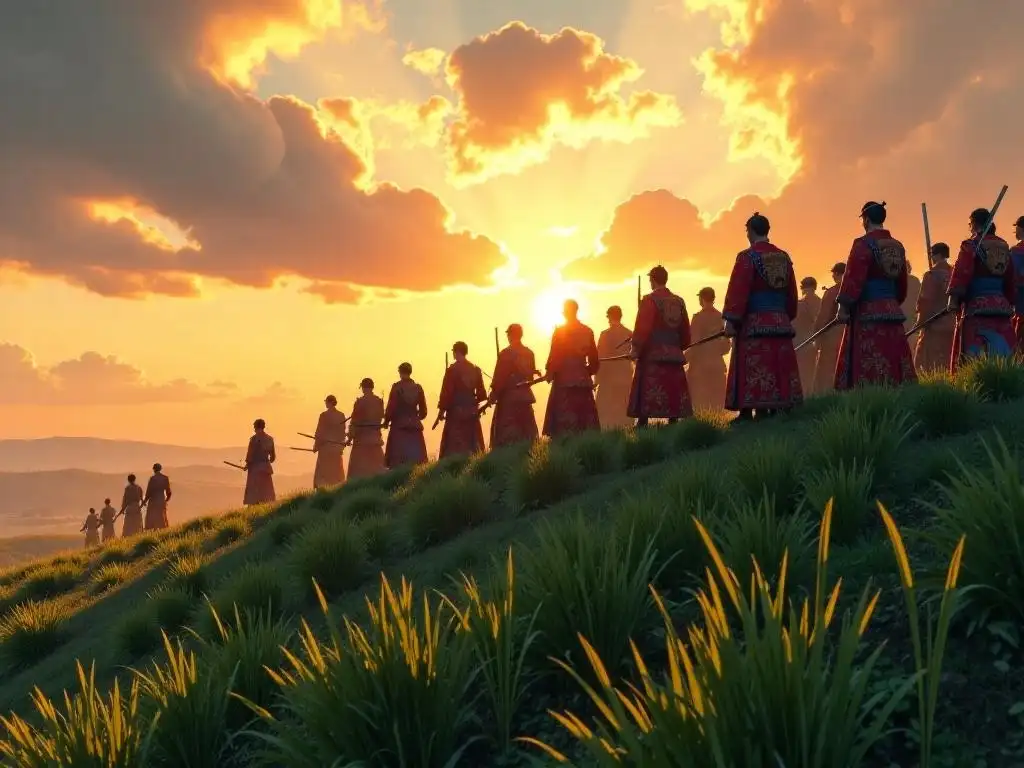
The Japan feudal era, spanning from the late 12th century to the mid-19th century, was characterized by a complex hierarchy of classes, significantly influenced by warfare and social upheaval. This period saw the emergence of powerful clans and the establishment of a military government, known as the shogunate, which fundamentally altered the social fabric of Japan.
During this time, the class structure was not only defined by birth but also by the ability to wield power and influence through military prowess. The samurai class, in particular, became pivotal in shaping societal norms and governance, acting as both warriors and administrators. The feudal system was deeply entrenched in the agrarian economy, where land ownership dictated social standing, which was further complicated by the dynamics of loyalty and service.
Timeline of Major Events in Japan's Feudal Era
| Year | Event Description |
|---|---|
| 1185 | The Genpei War concludes, leading to the establishment of the Kamakura shogunate. |
| 1333 | The Kamakura shogunate is overthrown by Ashikaga Takauji, marking the beginning of the Muromachi period. |
| 1467-1573 | The Onin War triggers a century of civil strife known as the Sengoku period. |
| 1603 | Tokugawa Ieyasu establishes the Tokugawa shogunate, bringing stability to Japan. |
| 1868 | The Meiji Restoration ends feudalism and restores imperial rule. |
This timeline highlights key transitions and conflicts that played crucial roles in redefining Japan's feudal class structure. Each event contributed to the shifting allegiances and power dynamics that characterized this era.
Key Wars and Conflicts Impacting Class Structure
The feudal era in Japan was marked by significant wars and conflicts that directly influenced the class structure, notably through the rise and fall of various clans.
- Genpei War (1180-1185):
- This conflict between the Taira and Minamoto clans resulted in the establishment of the Kamakura shogunate. The victory of the Minamoto shifted power away from the imperial court, solidifying the samurai's role in governance.
- Onin War (1467-1573):
- A civil war that set off the Sengoku period, this conflict led to the fragmentation of power among regional lords (daimyōs). The resulting chaos allowed ambitious samurai to rise in status and establish their own territories, further complicating the class structure.
- Sengoku Period (1467-1603):
- Known as the "Warring States" period, this era saw constant military conflict. The fluidity of alliances and the rise of new daimyōs led to a meritocratic shift within the samurai class, where military success could elevate social standing.
These wars not only altered the political landscape but also redefined social hierarchies, as power could be gained through military accomplishments rather than solely through heredity.
The Role of Samurai in Shaping Society
The samurai were the backbone of Japan's feudal society, serving as both warriors and local leaders. Their influence extended beyond the battlefield, deeply impacting cultural and social structures.
- Warrior Ethos: The samurai adhered to a strict code of conduct known as Bushidō, which emphasized loyalty, honor, and martial prowess. This ethos not only governed their behavior in warfare but also shaped societal values, influencing the behaviors of those within and outside their class.
- Land Ownership and Management: Samurai often received land in exchange for military service. As they managed these lands, they became local rulers, which solidified their power and influence over peasant classes. This relationship created a distinct class divide, with peasants bound to the land and samurai holding authority.
- Cultural Patronage: Beyond their military role, samurai were instrumental in the promotion of culture and arts. Their patronage helped cultivate Japanese arts, such as tea ceremonies, poetry, and martial arts, thereby enhancing their status within society.
The samurai's dual role as warriors and cultural leaders was crucial in shaping the class structure of the Japan feudal era, establishing a framework that would influence Japanese society for centuries to come.
The Class Structure of Feudal Japan
Understanding the class structure of the Japan feudal era requires a deep dive into the intricate layers of society that were shaped by war, power dynamics, and cultural shifts. This complex hierarchy dictated not only social interactions but also economic relationships and political authority.
The feudal era in Japan, spanning from the late 12th century to the 19th century, was characterized by a rigid social hierarchy that can be depicted as a pyramid. At the top sat the Emperor, but his power was largely symbolic, with real authority residing in the hands of military leaders. The hierarchy can be summarized as follows:
- Emperor
- Shogun
- Daimyo (Lords)
- Samurai
- Peasants
- Artisans and Merchants
This structure was heavily influenced by military conflicts, which often shifted power dynamics and redefined class roles.
The Emperor and the Imperial Court
The Emperor of Japan was considered the highest authority in the nation, believed to be divinely descended. However, during the feudal era, the Emperor's role became more ceremonial than political. The Imperial Court, composed of nobles and advisors, played a crucial role in cultural and religious matters but had limited influence over the military and governance.
- Ceremonial Role: The Emperor held religious significance, performing rituals that were vital for the nation's spiritual health.
- Political Influence: The court's power waned as the shogunate system established military rulers who operated independently of the Imperial authority.
The Shogun and Military Leadership
The Shogun was the de facto ruler of Japan, wielding substantial power over military and political affairs. Appointed by the Emperor, the Shogun's authority stemmed from the need for strong military leadership during periods of conflict.
- Military Governance: The Shogun maintained control through a network of vassals, ensuring loyalty and military support from the daimyo.
- Political Stability: The Shogunate system brought relative stability, allowing for the centralization of power and the establishment of laws that governed the land.
The Role of Daimyo (Lords) in Class Structure
Daimyo were powerful feudal lords who held vast lands and commanded samurai warriors. They played a crucial role in the class structure, acting as intermediaries between the Shogun and the lower classes.
- Land Ownership: The daimyo controlled large estates, collecting taxes from peasants and ensuring agricultural production.
- Military Responsibility: In times of war, daimyo were responsible for mobilizing their samurai to fight on behalf of the Shogun.
The Samurai Class and Its Significance
The samurai were the elite warrior class of feudal Japan, known for their adherence to bushido, the way of the warrior. Their status was not only military but also cultural, as they embodied the values of loyalty and honor.
- Warrior Ethos: Samurai were trained from a young age in martial arts and strategy, making them formidable fighters.
- Cultural Influence: Beyond warfare, samurai contributed to the arts and philosophy, deeply influencing Japanese culture.
Peasants: The Backbone of Feudal Society
Peasants formed the largest class in feudal Japan, responsible for agricultural production. Despite their lower status, they were essential to the economy and sustenance of the samurai class.
- Tax Obligations: Peasants worked the land owned by the daimyo and paid taxes in the form of rice or labor.
- Social Mobility: While generally bound to their land, some peasants could rise in status through exceptional service or skill.
Artisans and Merchants: Their Place in the Class System
Artisans and merchants occupied the lower tiers of the feudal class structure. Although they were essential for trade and craftsmanship, their social status was often viewed with disdain by the samurai and peasant classes.
- Artisans: Skilled workers produced goods that ranged from weapons to textiles, contributing significantly to local economies.
- Merchants: While merchants facilitated trade and wealth accumulation, they were often seen as opportunistic, leading to a complex relationship with the ruling classes.
The class structure during Japan's feudal era was a reflection of the societal values, economic necessities, and political realities of the time. Each class played a distinct role, shaped by the overarching influence of war and governance, creating a lasting impact on the evolution of Japanese society.
How War Reshaped Class Structure in Feudal Japan
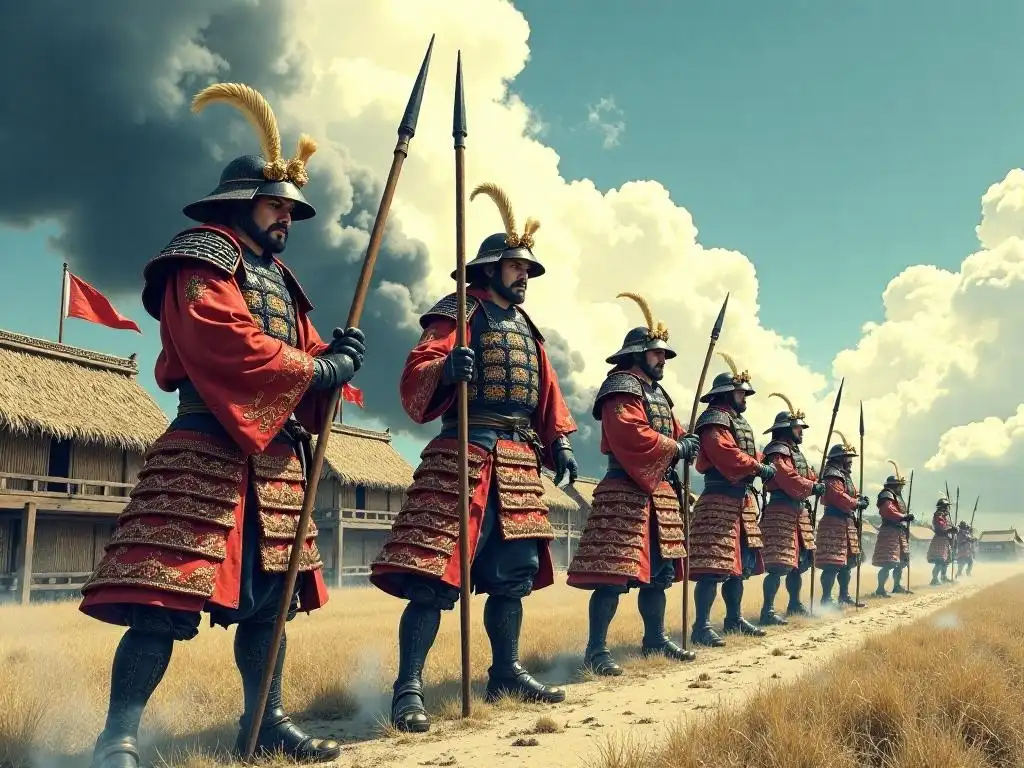
The feudal era in Japan was marked by a series of internal conflicts that significantly impacted the social hierarchy of the time. These conflicts not only dictated the rise and fall of various clans but also influenced the roles and status of different social classes. The period was characterized by a complex web of loyalties and rivalries, leading to a fluid class structure that was constantly in flux.
The Genpei War and Its Consequences
The Genpei War (1180-1185), a critical conflict between the Taira and Minamoto clans, played a pivotal role in reshaping Japan’s feudal class structure. This war marked the beginning of the Kamakura period and the establishment of the shogunate system.
- Rise of the Samurai Class: The war led to the ascent of the samurai class as a dominant military and political force. Previously, the samurai were primarily local warriors serving the nobility, but their pivotal role in the Genpei War solidified their status as the ruling class.
- Displacement of the Taira: The defeat of the Taira clan resulted in their aristocratic members being displaced or killed, which led to a redistribution of land and power favoring the victorious Minamoto clan. This shift diminished the power of the traditional aristocracy and elevated the position of warrior families.
- Shifts in Loyalty: The conflict also transformed loyalties within the social structure. Peasants and lower-ranking samurai began to align themselves with powerful warlords, creating a new dynamic where personal loyalty became paramount over hereditary status.
The Onin War and Changes in Power Dynamics
The Onin War (1467-1477) further exacerbated the fragmentation of Japanese society and contributed to the rise of the sengoku (warring states) period. This conflict not only reshaped the political landscape but also had lasting effects on class structures.
- Decentralization of Power: The Onin War led to the collapse of centralized authority in Kyoto, resulting in the rise of regional daimyōs (feudal lords) who asserted their power over local territories. This decentralization allowed for a more pronounced hierarchy among samurai, with some achieving significant autonomy and wealth.
- Emergence of New Classes: As the war dragged on, a new social class emerged, known as the "koshō" (local lords), who were often former samurai or wealthy merchants. Their rise illustrated a shift in power dynamics, where wealth and military prowess began to challenge traditional aristocratic status.
- Impact on the Peasantry: The prolonged conflict devastated agricultural productivity, leading to increased burdens on the peasantry. Consequently, many peasants were forced into servitude or banditry, further altering their social standing and reducing their agency within the feudal system.
Influence of External Threats on Class Structure
In addition to internal strife, external threats also played a significant role in shaping Japan's feudal class structure. These invasions necessitated a reevaluation of military roles and class dynamics, particularly within the samurai class.
Mongol Invasions and Their Effects on Samurai Class
The Mongol invasions in the late 13th century were a defining moment for the samurai class and had profound implications for Japan's feudal structure.
- Unification Against a Common Enemy: The invasions prompted a unification of various samurai clans, fostering a sense of national identity and shared purpose. This collaboration elevated the status of the samurai, as they were seen as defenders of the realm against foreign threats.
- Reinforcement of Samurai Status: The successful repulsion of the Mongol fleets, aided by typhoons known as "kamikaze" (divine winds), not only solidified the samurai's military reputation but also reinforced their social standing as elite warriors. This success created a sense of honor and prestige associated with samurai service.
- Economic Impacts: The invasions led to increased taxation and resource mobilization to finance military defenses, which in turn affected the peasantry. The burden of supporting the samurai and their campaigns often resulted in discontent and uprisings, further complicating the class structure and the relationship between samurai and peasants.
The interplay of internal conflicts and external threats during the feudal era of Japan illustrates a dynamic and evolving class structure, where war acted as a catalyst for significant social change.
Shifts in Power and Class Mobility Due to War
The feudal era in Japan was marked by continuous warfare, which had profound implications for the class structure of society. As conflicts erupted between rival clans, the fluidity of power began to reshape traditional hierarchies. War necessitated the mobilization of resources, leading to the emergence of new leaders and shifts in allegiances that allowed individuals from lower classes to rise in status. This phenomenon was particularly noticeable during the periods of the Gempei War (1180-1185) and the Sengoku period (1467-1603), where the chaos of battle created opportunities for ambitious samurai and even commoners.
In many instances, those who displayed exceptional bravery or strategic acumen on the battlefield could be rewarded with land, titles, or positions of authority. This shift was significant because it challenged the rigid class distinctions that had previously defined Japanese society. As a result, a more dynamic class structure emerged, where merit and martial prowess often outweighed noble birth. The increased mobility allowed for the formation of new alliances, further complicating the traditional understanding of social stratification.
Rise of New Classes from Conflict
As wars raged across Japan, new social classes began to emerge, reflecting the changing dynamics of power and influence. One notable new class was the ronin, or masterless samurai, who found themselves without a lord after their feudal lords were defeated or killed in battle. Many ronin became mercenaries or sought service under another lord, contributing to the shifting landscape of feudal allegiances. Their existence highlighted the tenuous nature of samurai status, as they could quickly fall from grace or ascend based on their circumstances.
Additionally, the constant need for soldiers led to the rise of peasant warriors, who took up arms to defend their lands or fight for their lords. This shift blurred the lines between traditional social classes, allowing for greater integration of the warrior class with peasant laborers. The emergence of these armed peasants laid the groundwork for the eventual establishment of a more prominent bourgeois class, which included wealthy merchants and landowners who gained power and influence during times of conflict.
This period also saw the rise of daimyō, powerful feudal lords who gained control over large territories through military conquest. Their dominance further established a new social order where loyalty, military strength, and economic power dictated class status, leading to an intricate web of relationships that defined the feudal landscape.
Decrease of Traditional Power Structures
The ongoing conflicts during Japan's feudal era had a significant impact on the decline of traditional power structures, particularly the influence of the imperial court and the nobility. As regional warlords (daimyō) consolidated power, the centralized authority of the emperor diminished, leading to a fragmented political landscape where local leaders wielded more influence than the imperial family. This decentralization of power fundamentally altered the relationship between the ruling elite and the common people.
Moreover, the rise of the samurai class as a dominant military force came at the expense of the once-prevalent aristocracy. The samurai, who were originally retainers to the nobility, began to assert their own authority, often disregarding the directives of traditional leaders. This shift was particularly evident during the Ashikaga shogunate, where the shōgun became the de facto ruler, sidelining the emperor and the court.
As traditional power structures weakened, the class system became more fluid. The distinctions between nobility and commoners began to blur, as individuals found new pathways to wealth and status through military service and commerce. This erosion of established hierarchies not only reshaped the class dynamics of feudal Japan but also laid the groundwork for the significant societal changes that would follow in the early modern period.
Case Studies of Key Conflicts and Their Impact
The Genpei War: A Turning Point in Class Structure
The Genpei War, fought between 1180 and 1185, serves as a pivotal moment in the transformation of Japan's feudal class structure. This conflict was primarily between the Taira and Minamoto clans, and it not only marked a significant military confrontation but also initiated profound shifts in the social hierarchy.
-
Rise of the Samurai Class:
The Genpei War allowed the samurai class to emerge as a dominant force. As local warriors from various regions were called upon to fight, their role transitioned from mere retainers to influential figures in society. This war laid the groundwork for the samurai's position as the ruling class in the ensuing Kamakura period.
-
Decline of Aristocratic Power:
The conflict led to the decline of the noble court's authority in Kyoto. The Taira clan, once powerful aristocrats, faced significant losses, resulting in a power vacuum that was filled by the victorious Minamoto. This shift diminished the influence of the old aristocracy and allowed for the establishment of a new governance system centered around military power.
-
Institutional Changes:
Following the war, the establishment of the Kamakura Shogunate marked a new governance model. The shogunate system prioritized military leaders over traditional aristocrats, thus reshaping Japan's feudal class structure. The samurai were granted lands and titles, solidifying their status in this new hierarchy.
The Sengoku Period: The Age of Warring States
The Sengoku Period (1467-1615) was characterized by constant military conflict among competing feudal lords, known as daimyōs. This era played a crucial role in redefining Japan's feudal class structure through its intense rivalries and shifting alliances.
-
Emergence of Powerful Daimyōs:
During this time, many daimyōs rose to power by consolidating their territories through warfare. This emergence created a more defined class of regional leaders who exerted significant influence, often rivaling the authority of the shogunate. The competition among daimyōs fostered a culture of military excellence and strategic alliances.
-
Impact on the Peasantry:
The ongoing conflicts transformed the lives of the peasant class. As daimyōs sought to secure their lands, many peasants were conscripted into service. This not only fortified the samurai ranks but also shifted the socio-economic dynamics, as peasants gained some leverage in negotiations for protection and better treatment from their lords.
-
Creation of New Social Orders:
The Sengoku Period led to the establishment of a more complex social hierarchy. The rise of merchant classes, supported by the war economy, allowed for greater economic mobility. Trade flourished as daimyōs sought resources to fund their campaigns, thus intertwining commerce with the feudal system and altering traditional notions of class.
The Role of Civil Wars in Shaping Samurai Identity
Civil wars were instrumental in solidifying the samurai identity during Japan's feudal era. These conflicts fostered a unique culture centered around loyalty, honor, and martial prowess.
-
Code of Bushido:
As civil wars proliferated, the samurai developed a strict code of conduct known as Bushido. This code emphasized virtues such as loyalty, bravery, and honor, which became essential elements of samurai identity. The constant threat of conflict reinforced these ideals, binding samurai to their lords and each other.
-
Cultural Expressions of Warfare:
The samurai's identity was further shaped by cultural expressions that emerged from the chaos of war. Literature, arts, and philosophy began to reflect the values and experiences of the samurai class, promoting a sense of unity and purpose among them. Notable works, such as The Tale of the Heike, illustrated the trials and tribulations faced by warriors, thereby solidifying their cultural legacy.
-
Political Alliances and Betrayals:
The nature of civil wars often led to shifting alliances among samurai, impacting their social standing. Betrayals were common, and the consequences of these actions could elevate or diminish a samurai's status. Such dynamics contributed to a culture of suspicion and strategic planning that defined samurai interactions, further embedding their identity in the feudal class structure.
The interplay of these conflicts and their impacts on society played a crucial role in shaping the class structure during Japan's feudal era, laying the foundations for future developments in Japanese history.
Cultural Implications of Class Restructuring During War
Changes in Samurai Culture and Ideology
The samurai class, traditionally characterized by their role as military nobility in feudal Japan, underwent significant ideological and cultural transformations during periods of war. As warfare intensified, the samurai evolved from mere warriors into complex figures symbolizing loyalty, honor, and sacrifice. This metamorphosis was fueled by the need for a cohesive identity that could unify disparate clans and foster loyalty to their lords.
The introduction of new military strategies, such as the use of firearms in the late 16th century, forced samurai to adapt not only their combat techniques but also their cultural identity. The shift from individual valor in battle to the necessity of cohesive tactics transformed the samurai's outlook on warfare. They began to prioritize collective success over personal glory, leading to a deeper sense of camaraderie among warriors.
Moreover, the constant threat of conflict prompted a reevaluation of the samurai's ethical code. The traditional code of conduct, which emphasized bravery and martial skills, began to incorporate values such as compassion and justice. This ideological evolution contributed to a more nuanced understanding of what it meant to be a samurai, influencing their interactions with other classes and reshaping societal expectations.
The Emergence of Bushido and Its Influence on Society
Bushido, often translated as "the way of the warrior," emerged as a defining ethos during the feudal era, particularly amidst the backdrop of constant warfare. This code encapsulated the values of loyalty, honor, and discipline, and it became the moral compass for samurai and, by extension, the society they influenced.
The codification of Bushido can be traced to several influential texts, such as "Hagakure" and "The Book of Five Rings." These works articulated the principles that governed samurai behavior, emphasizing the importance of honor above life itself. As a result, Bushido not only shaped the conduct of samurai but also permeated the broader social fabric, influencing the behavior of other classes, including merchants and peasants.
In daily life, the principles of Bushido encouraged a sense of duty and responsibility. For instance, the samurai's commitment to their lords fostered a culture of loyalty that reverberated through the lower classes. The emphasis on honor and respect also engendered a hierarchical relationship between samurai and the common people, leading to an acknowledgment of mutual obligations. As a result, the moral ideology of Bushido contributed to reinforcing the existing class structure while simultaneously inspiring a sense of unity among different societal segments.
Cultural Shifts Among Peasants and Artisans
While the samurai class experienced notable changes, the peasantry and artisan classes also underwent significant cultural shifts during periods of war. As feudal conflicts erupted, the demands placed on these classes evolved, prompting them to adapt their roles within the societal hierarchy.
During times of war, peasants often found themselves conscripted into military service or required to support the samurai through labor and resources. This involvement in warfare not only altered their daily lives but also shifted their perception of their own status in society. Increased interaction with samurai and the responsibilities they assumed led to a growing sense of agency and awareness of their societal importance. As a result, some peasants began to challenge the traditionally rigid class distinctions, leading to instances of rebellion and resistance against oppressive local lords.
Artisans, too, experienced a cultural redefinition as their skills became increasingly valued in wartime. The production of weapons, armor, and tools became paramount, elevating their status within the social hierarchy. Artisans started to develop guilds and associations, which allowed them to collectively negotiate their rights and improve their livelihoods. This newfound unity among artisans not only fostered a sense of identity but also facilitated the emergence of a middle class, challenging the existing samurai-dominated structure.
The cultural implications of class restructuring during Japan's feudal era reveal a complex interplay between war and society. The transformations experienced by samurai, the emergence of Bushido, and the evolving roles of peasants and artisans collectively shaped the class structure, demonstrating how conflict can catalyze profound cultural shifts within a society.
Conclusion: The Lasting Impact of War on Japan's Feudal Era Class Structure
Summary of Key Changes in Class Structure
The feudal era in Japan was marked by significant transformations in class structure, intricately linked to the various conflicts and wars that swept through the nation. The class hierarchy underwent notable shifts due to the rising influence of the samurai class, the establishment of powerful feudal lords (daimyōs), and the impact of military campaigns.
- Emergence of the Samurai Class:
- The samurai transitioned from mere warriors to influential landholders and administrators. Their role expanded, granting them significant power over the peasantry and solidifying their status within the class hierarchy.
- Notably, the Muromachi period (1336-1573) saw the samurai evolve into a distinct social class, characterized by a code of conduct (Bushidō) that emphasized loyalty and honor.
- Impact of Warring States Period (Sengoku Jidai):
- The Sengoku period (1467-1603) was a time of near-constant military conflict that fragmented political power. This chaos led to the rise of regional daimyōs, who fortified their territories and created personal armies.
- The resulting competition for land and resources intensified class divisions, as successful daimyōs could elevate their retainers, further stratifying society.
- Peasantry and Economic Shifts:
- As conflicts escalated, land ownership shifted, often leading to the displacement of traditional peasant communities. The taxation system became increasingly burdensome, reinforcing the economic divide between the ruling class and the peasantry.
- The emergence of a market economy during the later feudal period began to empower some merchants, challenging the rigid class lines and creating new social dynamics.
Reflection on the Legacy of Feudal Class Dynamics in Modern Japan
The repercussions of the feudal era's class structure are still evident in contemporary Japan. The historical roots of social stratification can be traced back to the power dynamics established during this time, influencing modern societal behaviors and values.
-
Cultural Attitudes and Work Ethic:
The legacy of the samurai's code continues to permeate Japanese culture, fostering a strong sense of loyalty, discipline, and respect for hierarchy in modern workplaces. These attributes are often celebrated in contemporary Japanese society, reflecting the historical importance of the samurai class.
-
Economic Stratification:
While Japan is known for its relatively equitable economic system today, remnants of the feudal class structure can still be observed in the disparities between urban and rural populations, as well as in the influence of historical family lineage in business and politics.
-
Social Movements and Change:
The historical context of class struggle during the feudal era has shaped modern social movements in Japan. Efforts toward social equality and labor rights can be seen as a response to the inequities rooted in the past, demonstrating a continual evolution of class consciousness.
The interplay of war and class structure during Japan's feudal era has left an indelible mark on the nation’s social fabric. Understanding these historical dynamics provides valuable insight into the complexities of Japan's modern society, where echoes of the past continue to resonate.
Further Reading and Resources
Recommended Books on Japan's Feudal Era Class Structure
-
"Warriors of Japan as Portrayed in the War Tales" by William Scott Wilson
This insightful book delves into the portrayal of samurai and their evolving roles within the Japanese feudal class structure during wartime. Wilson examines key historical texts that illustrate the societal shifts caused by conflicts.
-
"The Making of Modern Japan" by Jonah S. Goldstein
Goldstein's comprehensive work provides a detailed analysis of Japan's transition from the feudal era to modernity. It explores the implications of warfare on class hierarchy, emphasizing the impact on the samurai class and peasantry.
-
"The Samurai: A Military History" by Stephen Turnbull
In this book, Turnbull provides an extensive overview of the samurai's military role in feudal Japan. It highlights the connection between warfare and changes in class structure, particularly how military success could elevate individuals within the social hierarchy.
-
"Japan's Feudal Age: A History of the Kamakura and Muromachi Periods" by George Sansom
This work focuses on the Kamakura and Muromachi periods, offering insights into how warfare influenced social stratification and altered the dynamics between different classes.
-
"Peasants, Rebels, and Outcasts: The Underside of Modern Japan" by K. David P. Brown
Brown’s book provides a critical view of the lower classes in feudal Japan, detailing how war and rebellion reshaped their status and interactions with the ruling elites.
Online Resources for In-Depth Study of Feudal Japan
-
The National Diet Library of Japan
This online resource offers a wealth of historical documents and articles related to Japan's feudal era. Researchers can access primary sources that illuminate the societal changes prompted by warfare.
National Diet Library -
The Japan Times Archives
The Japan Times provides an extensive archive of articles and essays on Japanese history, including explorations of the feudal era class structure and its transformations due to military conflicts.
Japan Times Archives -
The Asia Society
This organization features educational materials and articles focused on Asian history, including Japan. Their resources cover various aspects of feudal Japan, with a specific emphasis on class dynamics and the effects of warfare.
Asia Society -
UCLA’s Center for Japanese Studies
The center offers a collection of scholarly articles and research papers on Japan’s feudal history. Many papers delve into the intricate connections between war and class structure.
UCLA Center for Japanese Studies -
Coursera: Japanese History Courses
Various universities offer online courses through Coursera that cover Japanese history, including the feudal era. These courses often include modules on class structure and the impact of warfare on society.
Coursera
These resources provide an excellent foundation for anyone looking to deepen their understanding of the Japan feudal era class structure and the transformative role of warfare during this period.
Frequently Asked Questions
What was the class structure in Japan's feudal era?
The Japan feudal era class structure was hierarchical, consisting of samurai, peasants, artisans, and merchants. Each class had specific roles and responsibilities, with samurai holding the highest status due to their military power.
How did war influence the class structure during the feudal era?
War played a pivotal role in reshaping the class structure, as it elevated the status of warriors and led to the emergence of powerful daimyos. This shift allowed for greater mobility among classes, particularly for those who proved their loyalty and prowess in battle.
The main social classes included the emperor, shogun, daimyos, samurai, peasants, artisans, and merchants. Each class contributed to the economy and society, with the samurai class being the ruling military elite.
Did the class structure change after periods of peace?
Yes, after periods of peace, the class structure became more rigid as the samurai focused on governance rather than warfare. This stability often reinforced the existing hierarchy and limited social mobility.
What role did culture play in the feudal class structure?
Culture significantly influenced the feudal class structure, as arts, literature, and religion were often patronized by the ruling classes. This led to a distinct cultural identity that was closely tied to one's class status and privileges.
Final Reflection: The Enduring Legacy of Japan's Feudal Era Class Structure
The intricate relationship between war and class structure during Japan's feudal era highlights how conflict can fundamentally reshape societal hierarchies. In examining the dynamics of samurai, peasants, and merchants, we see how the tumultuous events of this period not only influenced the distribution of power but also laid the groundwork for modern Japanese society. The lessons drawn from this historical context resonate today, reminding us that the consequences of conflict extend far beyond the battlefield.
Clearly, the class structure established during Japan's feudal era continues to echo in contemporary cultural and social dynamics. The rigid divisions of the past have evolved, yet they inform our understanding of social mobility and class relations today. As historian John Dower once said, “History is not just what happened; it is also what we make of it.” This perspective encourages us to reflect on how the legacies of feudalism still shape our interactions and societal norms, urging us to critically assess the structures that govern our lives.
As we ponder the implications of Japan's feudal era class structure, I invite you to consider your own position within the social fabric of today. How can the lessons learned from history inspire you to challenge existing hierarchies and advocate for a more equitable society? By engaging with the past, we can cultivate a deeper understanding of our present and take meaningful steps toward a future where class distinctions are not barriers but bridges to collective growth and understanding.
Uncover the Impact of War on Japanese Society!
Thank you for diving into the fascinating relationship between war and class structure during Japan's feudal era! You've explored how conflicts influenced societal dynamics, and now it's time to take action and deepen your understanding of this pivotal period.
Here are some meaningful steps you can take right now:
- Join a local history group or online forum to discuss your insights and learn from others' perspectives on feudal Japan.
- Read a biography of a notable samurai or warlord to understand how their experiences reflected the changes in class structure.
- Share this article with friends or on social media to spark conversations about the historical impacts of war!
How do you think the lessons from Japan's feudal conflicts can inform our understanding of class and society today?