
The Role of Literature in Preserving Japanese Folklore and Mythology

Welcome to Feudal Japan History, where we embark on an intriguing journey through the captivating tapestry of Japan's feudal era. Here, history comes alive as we delve into the intricate interplay of culture, society, and tradition. In our featured article, "The Role of Literature in Preserving Japanese Folklore and Mythology," we uncover the vital importance of Japanese folklore preservation literature in safeguarding the rich narratives that define this remarkable period.
Prepare to be fascinated as we explore how these timeless tales have shaped cultural identities and continue to resonate in today's world. Join us, and let your curiosity guide you deeper into the enthralling stories of feudal Japan!
- Introduction to Japanese Folklore Preservation Literature
- Historical Context of Japanese Folklore
- The Role of Literature in Preserving Japanese Folklore
- Key Authors and Their Contributions to Folklore Literature
- The Cultural Significance of Folklore in Literature
- Challenges in Preserving Japanese Folklore through Literature
- Contemporary Efforts in Folklore Preservation
- Conclusion: The Future of Japanese Folklore Preservation Literature
-
Frequently Asked Questions
- What is the significance of literature in preserving Japanese folklore?
- How has Japanese folklore preservation literature evolved over time?
- Who are some notable authors in the field of Japanese folklore literature?
- What role do myths and legends play in Japanese society today?
- How can one engage with Japanese folklore preservation literature?
- Final Reflection: The Enduring Legacy of Japanese Folklore Through Literature
- Uncover the Rich Tapestry of Japanese Folklore!
Introduction to Japanese Folklore Preservation Literature
Japanese folklore encompasses a rich tapestry of stories, beliefs, and traditions that have been passed down through generations, serving as a vital link to the cultural identity of Japan. Within this context, literature plays a crucial role in the preservation of these narratives, ensuring that the tales of gods, spirits, and mythical creatures continue to resonate with contemporary audiences.
The preservation of Japanese folklore through literature not only safeguards these stories but also provides insights into the societal values, beliefs, and practices of the feudal era. This article delves into the intricate relationship between literature and folklore, highlighting how literary works have contributed to the continuity and evolution of Japanese mythology throughout history.
Defining Japanese Folklore and Mythology
Japanese folklore refers to a vast array of traditional stories, legends, and cultural practices that reflect the beliefs and customs of the Japanese people. These narratives often revolve around:
- Mythical Creatures: Such as yokai (supernatural beings) and kami (deities).
- Cultural Heroes: Figures like Momotaro and Kintaro, who embody virtues admired in Japanese society.
- Moral Lessons: Many tales serve to impart ethical teachings and societal norms, emphasizing values such as loyalty, bravery, and respect for nature.
Mythology, on the other hand, can be seen as a subset of folklore, encompassing the divine narratives that explain the origins of the world and humanity's place within it. Key texts, such as the Nihon Shoki and Kojiki, serve as foundational sources of Japanese mythology, chronicling the creation myths and genealogies of gods and legendary figures. Together, folklore and mythology form a crucial part of Japan's cultural heritage, encapsulating the wisdom and experiences of past generations.
The Importance of Literature in Cultural Preservation
Literature serves as a powerful tool for preserving Japanese folklore and mythology, offering several key benefits:
- Documentation of Stories: Written texts allow for the recording of oral traditions, which may otherwise be lost to time. This documentation is essential for maintaining the integrity of the narratives.
- Accessibility: Literary works make folklore accessible to a broader audience, transcending geographical and temporal boundaries. This accessibility fosters a greater appreciation for cultural heritage among both Japanese and international readers.
- Adaptation and Evolution: Through literature, folklore can evolve and adapt to contemporary contexts. Authors reinterpret traditional tales, infusing them with modern sensibilities while preserving their core messages.
- Educational Value: Literature serves as an educational resource, providing insights into the customs, beliefs, and historical contexts of feudal Japan. It allows readers to engage with the cultural nuances that have shaped Japanese identity.
The interplay between literature and Japanese folklore preservation is essential for maintaining the richness of Japan's cultural legacy. As we explore this topic further, we will examine specific literary works and their contributions to the preservation and evolution of Japanese folklore and mythology.
Historical Context of Japanese Folklore

The Origins of Japanese Folklore and Mythology
Japanese folklore and mythology can be traced back to ancient times, deeply intertwined with the Shinto religion and the cultural practices of early Japanese society. These narratives often reflect the natural world, human emotions, and the spiritual beliefs of the people. The origins of these tales are rooted in oral traditions, where stories were passed down through generations, often evolving with each retelling.
Key elements in these early stories include kami (gods or spirits), yokai (supernatural creatures), and myths explaining the creation of the world. For instance, the Kojiki (712 AD) and Nihon Shoki (720 AD) are two pivotal texts that compiled these ancient tales, serving not only as historical records but also as vessels for folklore preservation. The narratives found in these texts emphasize the importance of harmony with nature, familial bonds, and the moral lessons that underpin everyday life in Japan.
Key Historical Periods Influencing Folklore Preservation
Throughout Japanese history, various periods have significantly impacted the preservation and evolution of folklore literature. Each era contributed unique perspectives and literary forms that helped shape the narratives passed down to future generations.
The Heian Period and Its Literary Contributions
The Heian Period (794-1185) is often regarded as a golden age of Japanese literature, marked by a flourishing of artistic expression and the establishment of court culture. During this time, the use of kana (syllabic writing) allowed for a broader audience to engage with literature, including folklore. Works such as The Tale of Genji not only reflected noble life but also integrated elements of folk traditions, weaving together the threads of mythology and everyday experiences.
This period also saw the emergence of zuihitsu (random writings), where authors would combine personal reflections with folklore, preserving oral traditions in written form. The Konjaku Monogatari (Tales of Times Now Past), a collection of stories compiled in the late Heian period, illustrates the merging of folklore with literary artistry, showcasing humor, morality, and supernatural events. These texts played a crucial role in the preservation of Japanese folklore, ensuring that traditional narratives continued to resonate with readers.
The Kamakura and Muromachi Periods: Shifts in Storytelling
The Kamakura (1185-1333) and Muromachi (1336-1573) periods brought about significant changes in the social and political landscape of Japan, which also influenced the storytelling traditions. This era saw the rise of the samurai class and the emergence of Buddhist influences, leading to new themes and narratives in folklore.
During the Kamakura period, narrative arts such as Noh and Kyogen began to flourish, integrating folklore elements into performances. These art forms allowed for a more dynamic retelling of stories, emphasizing moral lessons and cultural values. The use of folklore in performances helped to preserve these narratives in a way that was accessible and engaging to the public.
In the Muromachi period, the influence of Zen Buddhism further evolved storytelling, encouraging a focus on simplicity and the human experience. Folktales from this period often reflected the struggles and triumphs of common people, illustrating the connection between folklore and societal values. Collections of tales, such as the Shin Sarugakuki, documented these narratives, ensuring the continued preservation of Japanese folklore throughout changing times.
The historical context of Japanese folklore is rich and varied, with each period contributing significantly to the preservation of these vital cultural narratives. Through literature, oral traditions have been documented and transformed, allowing Japanese folklore to endure and evolve across generations.
The Role of Literature in Preserving Japanese Folklore
Literature has played a pivotal role in the preservation of Japanese folklore, serving as a vessel through which stories, myths, and cultural traditions have been transmitted across generations. This preservation is not merely an act of recording; it involves the careful interpretation and reinterpretation of tales that embody the values, beliefs, and historical narratives of the Japanese people. Through various literary forms, folklore has been enriched, adapted, and kept alive, ensuring that the essence of Japan's cultural heritage remains vibrant and accessible.
Literary Forms That Contribute to Folklore Preservation
The landscape of Japanese literature is diverse, encompassing a variety of forms that have contributed to the preservation of folklore. Each form offers unique avenues for storytelling, allowing the fluidity and adaptability of these narratives to flourish.
Anthologies of Folktales
Anthologies of folktales serve as critical repositories of oral traditions. Collected over centuries, these compilations provide insights into the values and experiences of the communities from which they originate.
- Notable Examples:
- "Konjaku Monogatari": Composed during the late Heian period, this anthology showcases over a hundred tales that reflect the complexities of life in feudal Japan.
- "Nihon Mukashibanashi": A collection that features stories passed down orally, highlighting moral lessons and cultural norms.
These anthologies not only preserve the stories themselves but also encapsulate the linguistic and stylistic nuances that define the era's literature.
Poetry and Folklore: The Interconnection
Poetry, particularly forms like haiku and tanka, has also been instrumental in the preservation and expression of folklore. These poetic forms often encapsulate folklore themes by distilling complex emotions and narratives into succinct verses.
- Themes in Poetry:
- Nature: Many poems draw on natural imagery, reflecting the Shinto belief in kami (spirits) residing in nature, thus intertwining folklore with the spiritual landscape of Japan.
- Seasonal Changes: Poems frequently celebrate seasonal transitions, often linked to folklore that explains natural phenomena or local customs.
Through poetic expression, the richness of folklore is woven into the fabric of literary culture, ensuring its endurance.
Famous Works of Literature That Preserve Folklore
Several seminal works of literature stand out for their profound impact on the preservation of Japanese folklore. These texts not only narrate stories but also provide a framework for understanding the cultural context in which they were created.
"Konjaku Monogatari" and Its Significance
" Konjaku Monogatari," or "Tales of Times Now Past," is one of the most significant collections of folktales from the late Heian period. Comprising over 100 stories, it reflects the diverse experiences of its time, ranging from the supernatural to the moralistic.
- Cultural Impact: This anthology has influenced countless adaptations in modern Japanese literature and theater, showcasing its enduring legacy.
- Folklore Elements: The tales often include yokai (supernatural beings) and moral lessons, providing insight into the societal norms and values of feudal Japan.
The significance of "Konjaku Monogatari" lies not only in its narrative content but also in its role as a cultural artifact that preserves the essence of Japanese folklore.
"Nihon Shoki" and Mythological Narratives
Another cornerstone of Japanese literature is the " Nihon Shoki," or "Chronicles of Japan," which serves as a historical record and mythological narrative. Completed in 720 AD, it is one of the oldest historical texts in Japan.
- Mythological Scope: The Nihon Shoki encompasses various myths, including the creation stories of the Japanese islands and tales of the gods, such as Amaterasu, the sun goddess.
- Preservation of Tradition: By documenting these myths, the Nihon Shoki plays a crucial role in preserving the spiritual and cultural identity of Japan, bridging past and present.
Through its detailed accounts, the Nihon Shoki not only provides a historical narrative but also safeguards the mythological elements that form the foundation of Japanese cultural heritage.
The interplay between literature and folklore in Japan reveals a rich tapestry of narratives that continue to resonate within the cultural consciousness. Through anthologies and significant works, the preservation of Japanese folklore is not just an act of remembrance but an ongoing dialogue with the past.
During the feudal period of Japan, several authors emerged as pivotal figures in the preservation and enhancement of Japanese folklore through literature. Their works not only chronicled the tales and myths of their time but also provided a lens through which future generations could understand the cultural and spiritual landscape of Japan.
The Influence of Matsuo Bashō on Folklore
Matsuo Bashō (1644-1694) is predominantly known for his contributions to haiku poetry; however, his works also play a significant role in the preservation of Japanese folklore. Bashō's travels across Japan led him to explore various regions, capturing the essence of local myths and legends. His travel diaries, such as Oku no Hosomichi (The Narrow Road to the Deep North), are rich in folklore references, intertwining personal experiences with regional tales.
- Key Contributions:
- Integration of Nature and Folklore: Bashō's poetry often reflects the harmony between nature and human experience, echoing the themes prevalent in Japanese folklore.
- Cultural Transmission: Through his writings, Bashō helped disseminate local tales and myths, ensuring their survival and appreciation in a rapidly changing society.
Bashō's legacy highlights the importance of literary forms in documenting and preserving the intricate tapestry of Japanese folklore.
The Narrative Style of Ueda Akinari
Ueda Akinari (1734-1809) was another notable figure whose narrative style significantly influenced folklore literature. His collection of supernatural tales, Ugetsu Monogatari (Tales of Moonlight and Rain), showcases the fusion of folklore with personal storytelling, creating a unique narrative tradition.
- Key Features:
- Emphasis on the Supernatural: Akinari's works often delve into themes of the supernatural, reflecting the deeply ingrained beliefs in spirits and the afterlife present in Japanese folklore.
- Moral and Ethical Lessons: His stories frequently convey moral lessons, serving as both entertainment and a means of cultural instruction.
Akinari’s ability to weave folklore into compelling narratives not only preserved these stories but also made them accessible to a wider audience, thus ensuring their relevance in the cultural consciousness of Japan.
As Japan transitioned into modernity, new authors emerged, reinterpreting traditional folklore and myths for contemporary audiences. Their works play a crucial role in the ongoing preservation and revival of Japanese folklore.
Contemporary Interpretations of Folklore
Modern authors have embraced the rich tapestry of Japanese folklore, crafting works that resonate with today's readers while honoring the original tales. Their reinterpretations often reflect contemporary issues and sensibilities.
- Examples of Modern Authors:
- Haruki Murakami: Although not exclusively focused on folklore, Murakami's narratives often incorporate elements of Japanese mythology and folklore, providing a bridge between traditional narratives and modern existential themes.
- Natsume Sōseki: His works, while primarily centered on the Meiji era, frequently reference earlier folklore, illustrating the lasting impact of these tales on Japanese identity.
These authors not only preserve folklore but also adapt it, ensuring that it remains a living part of Japan's cultural heritage. By weaving traditional elements into modern storytelling, they engage new audiences and encourage a deeper appreciation for Japan's rich folklore tradition.
The contributions of both historical and contemporary authors have been instrumental in the preservation and revitalization of Japanese folklore through literature. Their works serve as vital links between the past and present, ensuring that the stories of Japan's rich cultural history continue to resonate.
The Cultural Significance of Folklore in Literature

Literature in feudal Japan played a pivotal role in the preservation and propagation of Japanese folklore, which is crucial for understanding the cultural identity of the nation. Japanese folklore encompasses a rich tapestry of myths, legends, and tales that reflect the beliefs, values, and experiences of the people throughout history. The interweaving of folklore within literature not only provided entertainment but also served as a means to convey moral lessons and historical narratives.
The significance of folklore in literature can be traced back to various forms, including Noh plays, Kabuki theater, and epic poetry. These literary forms often drew upon local myths and supernatural tales, making folklore an integral part of the storytelling tradition. By embedding folklore into literary works, authors were able to preserve these narratives, ensuring that future generations would not only be aware of them but also appreciate their cultural heritage.
How Literature Reflects Societal Values and Beliefs
Literature serves as a mirror to society, reflecting the values and beliefs that shape a culture. In feudal Japan, the themes prevalent in folklore often revolved around honor, loyalty, and the natural order of the world. For instance, tales of samurai loyalty, such as those depicted in the Tale of the Heike, highlight the importance of duty and sacrifice, which were central to the Bushido code.
The narratives within folklore often illustrated the relationship between humanity and the divine, showcasing the belief in kami (spirits) that inhabit natural elements. These stories reinforced the Shinto values of harmony with nature and reverence for ancestral spirits, thus providing a framework for understanding the world around them. For example, the story of Yamato Takeru emphasizes courage and the triumph of good over evil, aligning with the societal ideals of bravery and righteousness.
Moreover, literature often incorporated social commentary, critiquing the rigid class structures of feudal Japan. The Konjaku Monogatari (Tales of Times Now Past) presents various stories that challenge or reinforce societal norms, allowing readers to reflect on their own beliefs and values. This interplay between folklore and literature not only entertained audiences but also educated them about the moral and ethical dilemmas of their time.
The Role of Oral Tradition in Literary Forms
Oral tradition was the backbone of Japanese folklore long before it was captured in written form. Storytelling was a communal activity, where tales were passed down through generations, often evolving over time. This oral heritage significantly influenced the development of literary forms in feudal Japan.
Epic storytelling and ballads were among the earliest forms of literature that drew from oral traditions. The Nara period saw the emergence of written texts, but the roots of these stories lay in the oral narratives shared by common folk. These tales often featured yokai (supernatural creatures) and heroic figures, which were integral to the cultural psyche. The transition from oral to written literature allowed for the preservation of these narratives, granting them permanence and accessibility.
Additionally, the kanbun and kana scripts facilitated the recording of oral tales, enabling authors to weave intricate narratives that preserved the essence of the original stories while also adapting them for literary consumption. This evolution was significant in capturing the nuances of regional folklore, as different areas had their own unique stories and variations.
The role of literature in preserving Japanese folklore is profound and multifaceted. By reflecting societal values and beliefs, as well as drawing upon oral traditions, literature ensured that these rich narratives were not only preserved but also celebrated, allowing the folklore of feudal Japan to continue to resonate with contemporary audiences.
Challenges in Preserving Japanese Folklore through Literature

The Threat of Modernization and Globalization
The advent of modernization and globalization presents significant challenges to the preservation of Japanese folklore through literature. As Japan has evolved into a modern society, traditional practices and narratives have increasingly been overshadowed by global cultural influences. This phenomenon can be observed in several key areas:
- Cultural Homogenization: The rapid spread of Western media, including films, music, and literature, often leads to a dilution of local traditions. For instance, the values and narratives celebrated in Japanese folklore may struggle to compete with more dominant global narratives, resulting in a shift in public interest.
- Changing Lifestyles: Urbanization and shifts towards modern lifestyles have altered the contexts in which folklore is traditionally shared. Ceremonies, festivals, and storytelling sessions that once served as vital platforms for folklore dissemination are becoming less common, leading to a decline in active engagement with these narratives.
- Digital Media: While digital platforms offer opportunities for folklore to reach broader audiences, they also pose risks. The simplification of complex narratives into easily consumable formats can lead to the loss of depth and cultural significance. For example, short social media posts may replace lengthy traditional narratives, reducing the nuanced understanding of folklore.
These factors create a landscape where the richness of Japanese folklore risks being overshadowed, thus challenging literature's role in preserving these vital cultural elements.
The Loss of Oral Traditions and Its Impact on Literature
Oral traditions have historically been a cornerstone of Japanese folklore, serving as the primary means through which stories, morals, and cultural values were transmitted across generations. However, the decline of these oral traditions presents a significant challenge for literature in preserving folklore.
- Decline of Storytellers: As the role of traditional storytellers diminishes, the transmission of folklore has increasingly shifted from oral to written forms. Many young people today may be unfamiliar with the narratives that shaped their culture, leading to a disconnect between generations.
- Literary Adaptations: While literature has the potential to capture and reinterpret oral tales, adaptations often introduce biases or alterations that can change the original meaning. For instance, a written retelling might prioritize certain themes or morals over others, leading to an incomplete or skewed representation of the original folklore.
- Fragmentation of Narratives: As oral traditions fade, the once cohesive narratives of folklore can become fragmented in written form. Oral storytelling allows for variations and improvisation, which enrich the tales, while written literature tends to fix narratives in a more rigid form. This shift can result in the loss of cultural richness and the experiential aspects associated with oral traditions.
- Educational Curriculum: The focus of educational curricula has also shifted towards modern literature and global works, often at the expense of traditional Japanese folklore. As schools prioritize contemporary themes, students may miss opportunities to engage with the rich tapestry of oral narratives that have defined Japanese culture.
Overall, the loss of oral traditions not only impacts the preservation of folklore but also challenges the literature that seeks to document and celebrate these cultural legacies. As literature attempts to fill the gap left by declining oral traditions, it must navigate the delicate balance of authenticity and accessibility to ensure that Japanese folklore remains vibrant and relevant.
Contemporary Efforts in Folklore Preservation
Modern Literary Projects Focused on Folklore
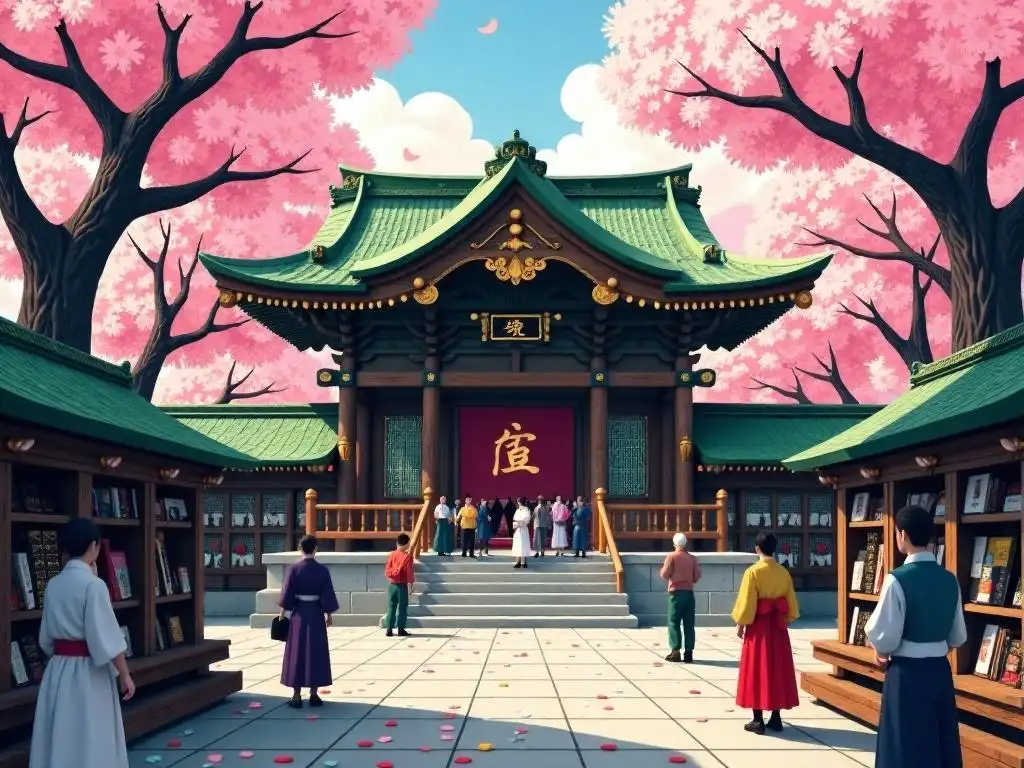
In recent years, various literary initiatives have emerged in Japan aimed at preserving and promoting its rich folklore and mythology. These projects often involve collaborations between authors, illustrators, and cultural historians, creating works that not only entertain but also educate readers about traditional stories and their significance.
Notable Projects
- Kikuchi Kan's Anthologies: Kikuchi Kan, a prominent figure in early 20th-century literature, compiled several anthologies that brought traditional Japanese folktales to a modern audience. His works often included detailed annotations that provided context and interpretation of the stories, thereby enhancing understanding and appreciation.
- Contemporary Retellings: Many contemporary authors are reimagining classic folklore tales, infusing them with modern sensibilities while retaining the core themes and morals. For example, Natsume Sōseki’s influences can be seen in modern adaptations that explore the human condition through the lens of traditional tales.
- Digital Platforms: With the rise of technology, various digital platforms have been established to archive and disseminate folklore literature. Websites and mobile applications now offer access to classic tales, complete with audio narrations and visual illustrations, making folklore more accessible to a wider audience.
- Collaborative Art Projects: Initiatives like "Folklore and Art" combine visual arts with storytelling, showcasing how traditional narratives can be expressed through various mediums. These projects often feature exhibitions that highlight the interconnection between folklore literature and cultural identity.
The Role of Education in Promoting Folklore Literature
Education plays a crucial role in the preservation of Japanese folklore literature, ensuring that future generations understand and appreciate their cultural heritage. Various educational strategies are employed to integrate folklore into the curriculum, fostering a sense of identity and continuity.
Key Educational Approaches
- Curriculum Integration: Many Japanese schools include folklore literature in their language arts programs, encouraging students to read and analyze traditional stories. This not only enhances their literacy skills but also instills an appreciation for cultural narratives.
- Folklore Festivals: Local festivals often incorporate storytelling sessions and performances of traditional folklore. Schools participate by organizing events that allow students to engage with these stories actively, either as performers or audience members, thus reinforcing their cultural significance.
- Collaborative Projects with Universities: Universities often collaborate with local communities to conduct research and publish findings related to folklore. Such partnerships can lead to the development of educational materials that can be used in schools, bridging the gap between academic study and community engagement.
- Workshops and Seminars: Various organizations conduct workshops aimed at teachers and educators, focusing on methods to teach folklore literature effectively. These sessions often emphasize the importance of storytelling as a means of cultural preservation.
By fostering an environment where folklore literature is valued and studied, educational efforts contribute significantly to the ongoing preservation of Japanese folklore. This not only enriches the cultural landscape but also ensures that these timeless narratives continue to resonate with future generations.
Conclusion: The Future of Japanese Folklore Preservation Literature
The Continuing Importance of Literature in Cultural Heritage
Literature has always played a pivotal role in the preservation of Japanese folklore, acting as a vessel for both oral traditions and written narratives. The interplay between stories, poems, and historical texts has allowed generations to access the rich tapestry of Japan's mythological past. As Japan navigates modernization, it becomes increasingly essential to recognize literature's continuing importance in safeguarding these cultural treasures.
The literary forms that have historically captured Japanese folklore include:
- Nihon Shoki (Chronicles of Japan): A foundational text that compiles myths, legends, and historical accounts, providing insight into Japan's early cultural identity.
- Konjaku Monogatari (Tales of Times Now Past): A collection of stories from the late Heian period that reflects the beliefs and values of the time, blending folklore with social commentary.
- Yamato Monogatari: An early example of Japanese narrative literature, weaving tales of love and adventure infused with elements of folklore.
Literature not only preserves these narratives but also allows for reinterpretation and adaptation, ensuring that they remain relevant in contemporary society. As the digital age transforms how we consume stories, new literary forms, such as graphic novels and online platforms, are emerging as vital tools for folklore preservation. These adaptations help to reach wider audiences, especially younger generations, thereby sustaining interest in Japan's rich cultural heritage.
Potential Paths for Future Research and Preservation Efforts
Looking ahead, several potential paths emerge for future research and preservation of Japanese folklore through literature. These avenues can help to deepen our understanding of folklore's role and its representation in various literary forms.
- Interdisciplinary Studies: Combining literature with anthropology, history, and digital humanities can yield rich insights into how folklore narratives have evolved. Researchers can explore how folklore informs contemporary literature or how modern media, like film and video games, adapt traditional tales.
- Archiving Oral Traditions: Efforts should be made to document oral storytelling traditions, which are often at risk of disappearing. Recording these narratives and the contexts in which they are told can provide valuable resources for scholars and practitioners alike.
- Community Engagement: Collaborating with local communities to gather folklore and traditional stories can strengthen cultural identity and promote awareness. Workshops, storytelling events, and educational programs can be effective in encouraging community participation in folklore preservation.
- Digital Preservation Initiatives: Utilizing technology for digitizing texts, creating online databases, and employing multimedia presentations can make folklore more accessible. This includes not only the preservation of written works but also audio and video recordings of oral traditions.
- Promoting Bilingual Editions: As Japan continues to attract global interest, producing bilingual editions of folklore literature can enhance cross-cultural understanding. This approach can make these stories accessible to a wider audience while preserving the original language and context.
The preservation of Japanese folklore through literature is not merely an academic endeavor but a cultural necessity. By engaging with the various pathways for research and preservation, we can ensure that these invaluable narratives endure for future generations to appreciate and learn from. The ongoing dialogue between past and present will be integral to maintaining the richness of Japan's folklore heritage.
Frequently Asked Questions
What is the significance of literature in preserving Japanese folklore?
Literature serves as a vital medium for transmitting and preserving Japanese folklore, capturing its rich stories and traditions through written texts, ensuring they are passed down through generations.
How has Japanese folklore preservation literature evolved over time?
Over the years, Japanese folklore preservation literature has evolved from oral traditions to written forms, adapting to changes in society while maintaining the essence of mythology and cultural identity.
Notable authors include Yoshiko Matsumoto and Haruki Murakami, who have both incorporated elements of folklore and mythology into their works, highlighting the importance of these traditions in contemporary literature.
What role do myths and legends play in Japanese society today?
Myths and legends continue to play a significant role in Japanese society, influencing modern art, literature, and popular culture, while also serving as a means of cultural education and identity.
How can one engage with Japanese folklore preservation literature?
Engaging with Japanese folklore preservation literature can be achieved through reading traditional texts, attending lectures, or participating in workshops that explore the storytelling traditions and their impact on Japanese culture.
Final Reflection: The Enduring Legacy of Japanese Folklore Through Literature
The preservation of Japanese folklore through literature is not merely an academic pursuit; it is a vital thread that weaves together the cultural identity of Japan today. In an era where globalization threatens to dilute unique traditions, literature serves as a powerful vessel for safeguarding the rich tapestry of myths and stories that define Japanese heritage. The resonance of these narratives is profound, reminding us that the tales of our ancestors hold the keys to understanding our present and shaping our future.
The influence of Japanese folklore literature extends far beyond the pages of books; it permeates art, film, and even daily life, fostering a sense of community and continuity. As we engage with these stories, we find ourselves connected to generations past, each tale echoing the values, fears, and hopes of those who came before us. Folklore is the heart of a culture, beating steadily through the ages, reminding us of who we are.
This ongoing dialogue between the past and present underscores the importance of literature in maintaining the vibrancy of Japanese folklore, ensuring that these timeless tales continue to inspire and educate.
As we reflect on the significance of preserving Japanese folklore through literature, let us embrace the responsibility to carry these stories forward. I invite you to explore the rich narratives that have shaped Japan's cultural landscape and to share them within your own communities. By doing so, we not only honor the legacy of our ancestors but also enrich our own lives and those of future generations. Together, we can ensure that the enchanting world of Japanese folklore remains alive and thriving, a testament to the power of storytelling in preserving our shared humanity.
Uncover the Rich Tapestry of Japanese Folklore!
Thank you for diving into the fascinating world of Japanese literature and its role in preserving folklore and mythology. You've uncovered the hidden gems of cultural heritage that shape Japan's identity. Now, it's time to take your newfound knowledge to the next level!
Here's how you can continue this journey:
- Explore local literature: Visit your library or an online bookstore to find classic and contemporary works that showcase Japanese folklore. Delve into the writings of authors like **Lafcadio Hearn** and **Yasunari Kawabata** to broaden your understanding of these rich narratives.
- Join a community: Connect with fellow literature lovers or folklore enthusiasts through social media platforms or local book clubs. Share insights and discuss your favorite stories and their impact on Japanese culture.
- Create your own tale: Let your imagination flow! Write a short story inspired by Japanese folklore or mythology, and consider sharing it with friends or submitting it to a literary forum for feedback.
Which element of Japanese folklore resonates with you the most, and how would you weave it into your own storytelling?