
Bushido and Zen: How Zen Buddhism Shaped the Samurai Ethos


Welcome to Feudal Japan History, where we embark on a captivating journey through the intriguing tapestry of Japan’s feudal era. Here, we delve deep into the historical, cultural, and societal threads that defined this remarkable period. In our featured article, "Bushido and Zen: How Zen Buddhism Shaped the Samurai Ethos," we explore the profound impact of Zen Buddhism on the Samurai Culture—a connection that redefined honor, discipline, and spirituality. Prepare to uncover the layers of wisdom and tradition that shaped a warrior's path, and let your curiosity guide you as you explore the intricacies of this fascinating relationship.
- Introduction to Zen Buddhism and Samurai Culture
- The Principles of Zen Buddhism
- The Emergence of Bushido
- The Influence of Zen Buddhism on Samurai Ethics
- Zen Aesthetics and Samurai Culture
- Case Studies: Notable Samurai and Their Zen Practices
- The Legacy of Zen Buddhism in Modern Samurai Culture
- Conclusion
- Frequently Asked Questions
- Final Reflection: The Enduring Legacy of Zen Buddhism in Samurai Culture
- Embrace the Wisdom of Bushido and Zen Today!
Introduction to Zen Buddhism and Samurai Culture
Zen Buddhism has profoundly influenced various aspects of Japanese society, particularly during the feudal era. This philosophical and spiritual tradition emphasizes meditation, mindfulness, and a direct experience of reality, which resonated deeply with the samurai way of life. The samurai, known for their strict code of conduct and martial prowess, found in Zen a framework to cultivate discipline, focus, and a sense of inner peace.
This article delves into the intricate relationship between Zen Buddhism and samurai culture, exploring how these two elements intertwined to shape the ethos of the warrior class during Japan’s feudal period. By understanding this connection, we can gain insights into the values that defined the samurai and their approach to life, death, and honor.
Overview of Zen Buddhism
Zen Buddhism, a school of Mahayana Buddhism, emerged in China as Chan Buddhism before making its way to Japan in the 12th century. It emphasizes direct experience of enlightenment (satori) through meditation and mindful living rather than solely relying on scriptures or rituals.
Some key principles of Zen Buddhism include:
- Zazen (sitting meditation): A fundamental practice where practitioners sit in silence to observe their thoughts and cultivate awareness.
- Mindfulness: Living in the present moment, which helps in reducing distractions and enhancing focus.
- Simplicity: Valuing simplicity and minimalism in both lifestyle and practice, which aligns with the samurai's aesthetic ideals.
- Direct Experience: Encouraging individuals to seek their own understanding of truths, rather than accepting dogma.
Zen's influence on samurai culture can be seen in their approach to combat, strategy, and personal conduct. The principles of Zen not only provided a spiritual foundation but also offered practical tools for the samurai to cope with the stresses of battle, cultivate resilience, and maintain clarity in the face of conflict.
The Historical Context of Samurai Culture
Samurai culture flourished from the late 12th century until the 19th century, during Japan's feudal period. The samurai were not merely warriors; they were also administrators, artists, and philosophers, playing a critical role in shaping Japan's historical landscape.
Key aspects of samurai culture include:
- Bushido: The "way of the warrior," a code of conduct that emphasized loyalty, honor, and self-discipline.
- Feudal System: The samurai served as vassals to powerful lords (daimyō), who granted them land in exchange for military service.
- Cultural Patronage: Samurai were instrumental in the development of various art forms, including tea ceremonies, poetry, and martial arts.
The integration of Zen Buddhism into this warrior ethos provided the samurai with a means to reconcile their martial duties with spiritual development. The practice of Zen meditation helped them cultivate a calm and focused mind, essential for both combat and governance. This historical context highlights the profound connection between Zen teachings and the samurai's way of life, illustrating how spirituality and martial prowess coalesced in a unique cultural milieu.
The Principles of Zen Buddhism

Zen Buddhism, a branch of Mahayana Buddhism that developed in China and later spread to Japan, emphasizes direct experience and meditation as pathways to enlightenment. Central to Zen philosophy is the idea of satori, or sudden enlightenment, which can be experienced through meditation and mindfulness practices. This approach significantly influenced the samurai culture, intertwining with the principles of Bushido—the way of the warrior.
At its core, Zen Buddhism promotes several key principles:
- Mindfulness: Being fully present in the moment, which fosters clarity and focus.
- Non-attachment: Releasing desires and material possessions, encouraging a sense of freedom.
- Simplicity: Valuing minimalism and purity in both thought and action.
- Direct Experience: Understanding truths through personal experience rather than through intellectual reasoning.
These principles align closely with the samurai's pursuit of discipline, honor, and a deep understanding of one’s self and surroundings, creating a powerful synergy between Zen and the warrior ethos.
Key Philosophical Concepts in Zen
Zen Buddhism introduces several philosophical concepts that have had a profound impact on Samurai culture:
- Impermanence (Anicca): Understanding that all things are transient encourages samurai to accept change and loss, fostering resilience. The mono no aware concept, which appreciates the beauty of fleeting moments, is integral to this understanding.
- No-Self (Anatta): The belief in the non-existence of a permanent self encourages humility among samurai warriors. This idea teaches that ego and personal identity are illusions, leading to a greater sense of connection with others and the universe.
- The Middle Way: Zen’s emphasis on balance and moderation helps samurai navigate between extremes, whether in warfare or personal conduct. This approach is foundational for maintaining a disciplined yet adaptable mindset.
- Meditative Insight: Dhyana, or meditation, is vital in Zen practice. For samurai, meditation cultivates mental clarity, emotional stability, and heightened awareness, essential for both combat and daily life.
The integration of these concepts into samurai training and lifestyle not only shaped their code of conduct but also reinforced their spiritual and philosophical beliefs, creating a warrior class deeply rooted in Zen principles.
Zen Practices and Their Significance
Zen practices are pivotal in shaping the samurai's ethos. Some of the most significant practices include:
- Zazen (Seated Meditation): This practice involves sitting in silence, focusing on breath and thoughts. It cultivates concentration and inner peace, essential for samurai in both battle and reflection.
- Koan Study: Engaging with paradoxical questions or statements, known as koans, challenges samurai to transcend logical thinking and attain deeper insights. This practice sharpens mental acuity and fosters creative problem-solving.
- Mindful Action (Samu): Zen encourages practitioners to incorporate mindfulness into everyday activities. For samurai, this meant being fully present during combat, training, and even mundane tasks, enhancing their effectiveness and awareness.
- Tea Ceremony (Chanoyu): This ritual embodies Zen principles of simplicity and mindfulness. For samurai, participating in or hosting a tea ceremony was a way to practice discipline, appreciate beauty, and cultivate calmness.
The significance of these practices extends beyond the individual warrior. They contributed to the development of a collective samurai identity, rooted in the principles of Zen Buddhism. This connection fostered a culture that valued introspection, grace in action, and a profound sense of duty towards others and the larger society.
The influence of Zen Buddhism on samurai culture is a testament to the transformative power of spirituality in shaping ethical frameworks and social conduct during Japan's feudal era. The principles and practices of Zen not only informed the samurai's approach to warfare but also enriched their understanding of life, honor, and the pursuit of a meaningful existence.
The Emergence of Bushido
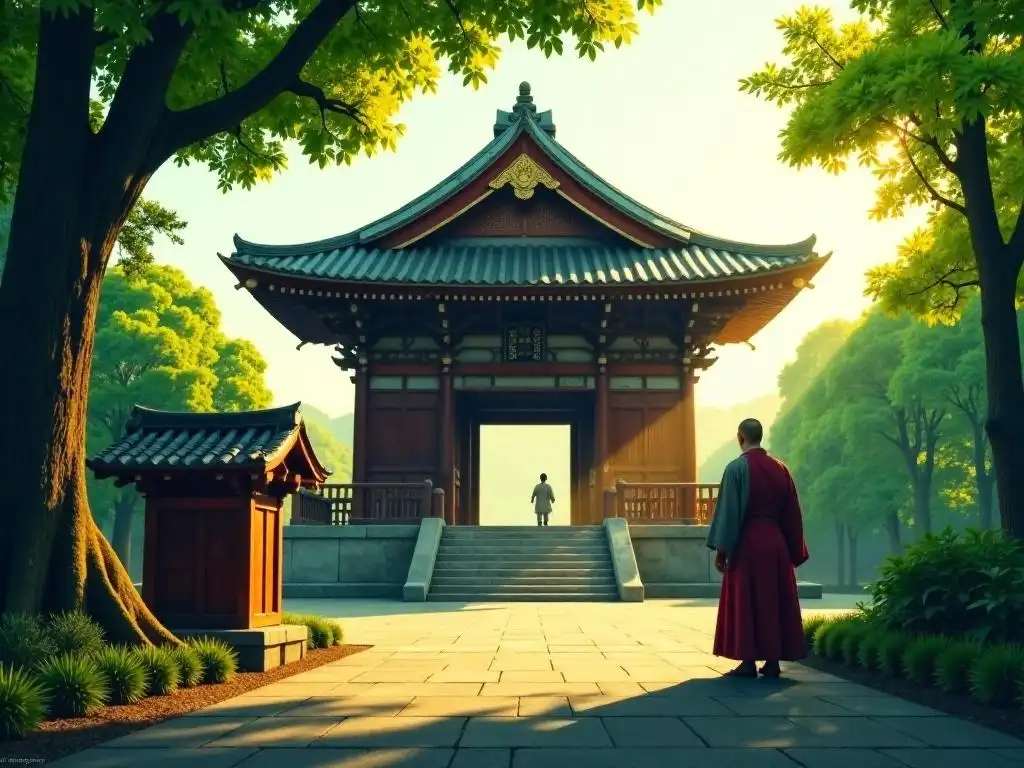
Defining Bushido: The Way of the Warrior
Bushido, often translated as “the way of the warrior,” is a term that encapsulates the ethical and moral code followed by the samurai class in feudal Japan. This code not only defined the samurai's conduct in battle but also governed their behavior in everyday life, emphasizing virtues such as loyalty, honor, and discipline.
Key Principles of Bushido:
- Loyalty: A samurai's unwavering allegiance to their lord was paramount. Betrayal was considered one of the gravest sins.
- Honor: Honor was the lifeblood of the samurai. The maintenance of personal and family honor often dictated a samurai's actions, potentially leading to a ritualized death rather than living with shame.
- Courage: Fearlessness in the face of adversity was a significant aspect of the samurai ethos, encouraging warriors to confront challenges head-on.
- Compassion: Despite their warrior status, samurai were also expected to exhibit compassion towards those weaker than themselves, reflecting a balance between strength and mercy.
The principles of Bushido were heavily influenced by Zen Buddhism, which encouraged self-discipline and mindfulness, allowing samurai to approach their duties with a sense of calm and focus. This integration of Zen philosophy helped to mold the samurai's approach to both warfare and personal conduct.
The Historical Development of Bushido
The evolution of Bushido can be traced back to the Kamakura period (1185-1333), a time when the samurai class began to emerge as a distinct social and political force in Japan. Initially, samurai were primarily warriors serving feudal lords, but over time, they developed into a privileged class with its own set of customs and values.
Key Eras in the Development of Bushido:
- Kamakura Period (1185-1333):
- The establishment of the Kamakura shogunate marked the rise of the samurai as a ruling class.
- The need for a cohesive identity among warriors led to the early formulation of Bushido principles.
- Muromachi Period (1336-1573):
- The samurai began to formalize their code, influenced by Zen Buddhism, which provided a spiritual foundation for the ideals of Bushido.
- The practice of Zen meditation became popular among samurai, promoting mental clarity and discipline.
- Edo Period (1603-1868):
- Stability during the Edo period allowed for the codification of Bushido into literature and teachings.
- Works like Hagakure and The Book of Five Rings articulated the philosophical underpinnings of Bushido, linking it inextricably to Zen principles.
Through these historical phases, Zen Buddhism emerged as a vital influence on samurai culture, shaping not only the warriors' approach to combat but also their understanding of life and death. This synthesis of martial prowess and spiritual discipline created a unique cultural identity that continues to fascinate historians and enthusiasts alike.
The emergence of Bushido as a way of life for samurai was deeply intertwined with the teachings of Zen Buddhism. The resulting ethos not only guided their actions on the battlefield but also offered insights into their inner lives, fostering a holistic approach to the samurai's role in feudal Japan.
The Influence of Zen Buddhism on Samurai Ethics
The intricate relationship between Zen Buddhism and the samurai ethos is a defining feature of Japan's feudal era. Zen, with its emphasis on discipline, mindfulness, and the pursuit of enlightenment, provided a philosophical framework that deeply influenced the values and conduct of the samurai class. The synthesis of these two elements created a unique ethical code that shaped the samurai's approach to life, death, and duty.
At the core of this influence was the concept of impermanence. Zen teachings emphasized the transient nature of existence, which resonated with the samurai's understanding of the fleeting essence of life and honor. This perspective fostered a sense of urgency in fulfilling one’s obligations, leading to a culture that valued loyalty and bravery. The samurai's commitment to their lords and clans was not merely a duty but a manifestation of their understanding of life’s temporary nature.
Furthermore, Zen Buddhism introduced the samurai to the notion of mindful action. This principle encouraged warriors to engage fully in each moment, whether in battle or in daily life. The samurai adopted this mindset, leading to a heightened awareness that enhanced their combat skills and decision-making abilities. This focus on the present moment became an integral part of the samurai’s martial training and ethical conduct.
Zen Teachings and Samurai Values
Zen teachings contributed significantly to the formation of key samurai values, including courage, honor, and self-discipline. The concept of killing with a clear mind, derived from Zen practices, allowed samurai to face combat without the paralysis of fear or doubt. This clarity of mind was cultivated through rigorous training in Zen meditation, which emphasized the importance of being present and focused.
Courage, as taught in Zen, is not merely the absence of fear but the ability to confront one’s fears directly. Samurai were trained to accept death as an inevitable part of life, which allowed them to act fearlessly in battle. The fearlessness derived from Zen principles enabled samurai to remain steadfast in their duties, even in the face of overwhelming odds.
Honor was another critical value shaped by Zen teachings. The samurai viewed honor as a reflection of their inner state and a responsibility towards their lords and families. Zen philosophy reinforced the idea that true honor comes from living in accordance with one's principles and values. This understanding led to the practice of seppuku (ritual suicide) as a means to preserve honor in the face of disgrace, showcasing the profound impact of Zen on samurai cultural practices.
The Role of Meditation in Samurai Life
Meditation played a pivotal role in the daily lives of samurai, influencing their mental fortitude and ethical decision-making. The practice of zazen (seated meditation) was not just a spiritual exercise but a fundamental aspect of a samurai's training regimen. Through meditation, samurai cultivated a state of inner peace that allowed them to maintain composure in high-stress situations.
The benefits of meditation extended beyond emotional stability; it also enhanced their physical abilities. Samurai were trained to harness their breath and focus their energy, which translated into improved martial prowess. The discipline of regular meditation practice instilled a sense of control and precision that was essential in combat scenarios.
Moreover, meditation fostered a deep sense of self-awareness. Samurai learned to reflect on their thoughts and actions, which encouraged ethical conduct and responsibility. This self-reflection was crucial in maintaining their moral compass, ensuring that their actions aligned with the ideals of Bushido—the code of the warrior.
The interplay between Zen Buddhism and samurai culture forged a unique ethical framework that shaped the samurai's identity. Through the teachings of Zen, samurai developed values that emphasized courage, honor, and mindfulness, which were essential for their roles as warriors and leaders in feudal Japan. The practice of meditation further enriched their lives, providing the clarity and focus needed to navigate the complexities of their existence.
Zen Aesthetics and Samurai Culture
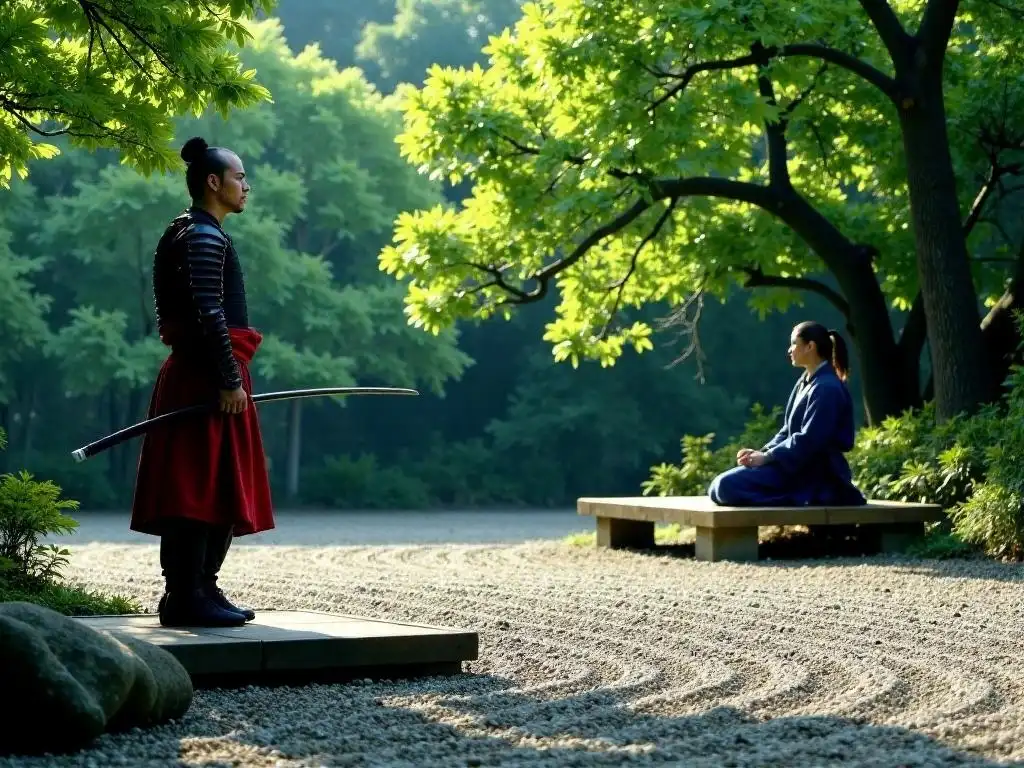
Zen aesthetics, characterized by simplicity, minimalism, and an appreciation for the natural world, profoundly influenced samurai culture during Japan's feudal era. This relationship is evident in various aspects of samurai life, from their martial practices to their artistic expressions. The interplay of Zen principles and samurai ideals fostered a unique cultural identity that emphasized discipline, mindfulness, and a deep connection to nature.
The Connection Between Zen Art and Samurai Ideals
The art forms associated with Zen Buddhism, such as ink painting (sumi-e), calligraphy, and tea ceremonies, resonate deeply with the samurai ethos. These artistic disciplines reflect key samurai values, including harmony, respect, and tranquility.
- Simplicity and Minimalism: Zen art emphasizes the beauty of simplicity. This aligns with the samurai's focus on efficiency and directness in combat. The notion of "less is more" is prevalent in both Zen aesthetics and samurai philosophy, where unnecessary embellishments are stripped away to reveal the essence of a subject.
- Mindfulness and Presence: The practice of Zen encourages individuals to be fully present in the moment. This mindfulness is crucial for samurai, who must maintain focus and clarity during combat. The meditative aspects of Zen training complement the samurai's need for mental discipline, enhancing their martial effectiveness.
- Nature as Inspiration: Zen art often incorporates natural elements, reflecting the samurai's connection to the environment. Whether it’s a serene landscape or a simple flower arrangement, these artworks evoke a sense of peace and grounding, mirroring the samurai's respect for the natural world and their role within it.
In essence, the connection between Zen art and samurai ideals is a testament to how spiritual and philosophical beliefs can shape cultural expressions, leading to a unique synthesis of aesthetics and ethics.
Influence of Zen on Samurai Architecture and Gardens
Zen Buddhism's influence extends beyond art into architecture and garden design, both of which play a significant role in samurai culture.
- Zen Temples and Samurai Residences: Samurai homes were often constructed with Zen principles in mind. The layout of these residences emphasized harmony with nature, featuring open spaces and sliding doors (fusuma) that blurred the lines between indoor and outdoor environments. This design allowed for a seamless transition between the two realms, fostering tranquility and mindfulness.
- Zen Gardens: The creation of Zen gardens (karesansui), characterized by their dry landscape and minimalistic design, reflects the samurai's introspective nature. These gardens serve as spaces for meditation and contemplation, where the samurai could reflect on their actions and philosophies. The arrangement of rocks, gravel, and plants in these gardens symbolizes various elements of nature, allowing samurai to connect with the universe on a spiritual level.
- Symbolism in Design: The use of symbolism in Zen architecture and gardens is essential. For instance, the placement of stones can represent mountains, while raked gravel might symbolize water. This symbolic language aligns with the samurai's understanding of the world, where every element holds deeper meaning and significance.
Zen Buddhism profoundly shaped the architectural and garden aesthetics of the samurai, creating environments that fostered contemplation, harmony, and a connection to the natural world. By embracing these Zen principles, samurai culture cultivated an ethos that transcended mere martial prowess, integrating spirituality into daily life.
Case Studies: Notable Samurai and Their Zen Practices
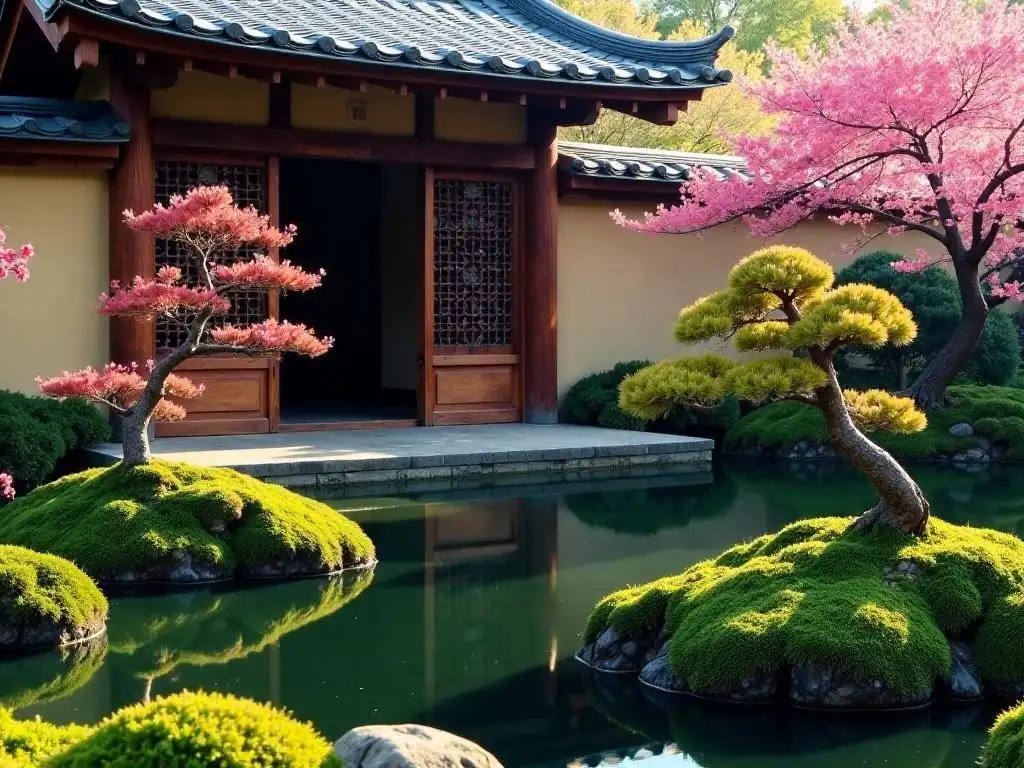
The intersection of Zen Buddhism and samurai culture is vividly illustrated through the lives of notable samurai who embodied the principles of Zen in their martial practices and philosophical outlooks. These case studies reveal how Zen shaped their approach to combat, discipline, and life itself.
Miyamoto Musashi and Zen Buddhism
Miyamoto Musashi, a legendary swordsman and strategist, is perhaps one of the most iconic figures in the discussion of Zen Buddhism's influence on samurai culture. His life and writings demonstrate a profound integration of Zen principles with martial discipline.
Born in 1584, Musashi is best known for his unique two-sword fighting style and his classic text, The Book of Five Rings (Go Rin no Sho). This work not only serves as a treatise on swordsmanship but also reflects Musashi's deep understanding of Zen philosophy.
- Meditation and Focus: Musashi practiced meditation to cultivate focus and mental clarity, essential for a warrior in battle. Through Zen meditation, he learned to eliminate distractions, allowing for a heightened state of awareness during combat.
- Embracing Impermanence: Musashi's approach to life was heavily influenced by the Zen concept of impermanence (mujo). He understood that life is fleeting, which inspired him to live fully in the moment, a principle that also guided his fighting strategy.
- Simplicity and Efficiency: His minimalist lifestyle and approach to swordsmanship reflected the Zen aesthetic of simplicity. Musashi believed that a clear and uncluttered mind would lead to more effective action, a belief that resonates throughout his teachings.
Musashi's legacy continues to inspire martial artists and practitioners of Zen alike, illustrating the profound impact of Zen on the samurai ethos.
Tsunetomo Yamamoto’s Contribution to Bushido
Tsunetomo Yamamoto, a samurai of the late Edo period, is another key figure whose writings provide insight into the relationship between Zen Buddhism and the samurai code of Bushido. His work, Hagakure, serves as a philosophical guide for samurai, emphasizing loyalty, honor, and the acceptance of death.
- Zen Acceptance of Death: Yamamoto's writings reflect a deep understanding of the Zen perspective on death. He posited that a samurai must embrace the inevitability of death, which leads to a fearless approach to life and battle. This acceptance is a cornerstone of Bushido, encouraging samurai to act decisively without fear.
- Mindfulness in Action: Hagakure emphasizes the importance of being present in each moment, a principle rooted in Zen practice. Yamamoto believed that mindfulness was crucial for a samurai to perform their duties effectively and honorably.
- The Role of Meditation: Yamamoto advocated for meditation as a means to cultivate inner peace and clarity. He argued that a calm mind is essential for a samurai, enabling them to make sound decisions in the heat of battle.
Both Miyamoto Musashi and Tsunetomo Yamamoto exemplify how Zen Buddhism profoundly shaped the samurai ethos, influencing their martial practices, philosophies, and overall approach to life. Their legacies serve as enduring reminders of the powerful synergy between Zen principles and the samurai way of life.
The Legacy of Zen Buddhism in Modern Samurai Culture
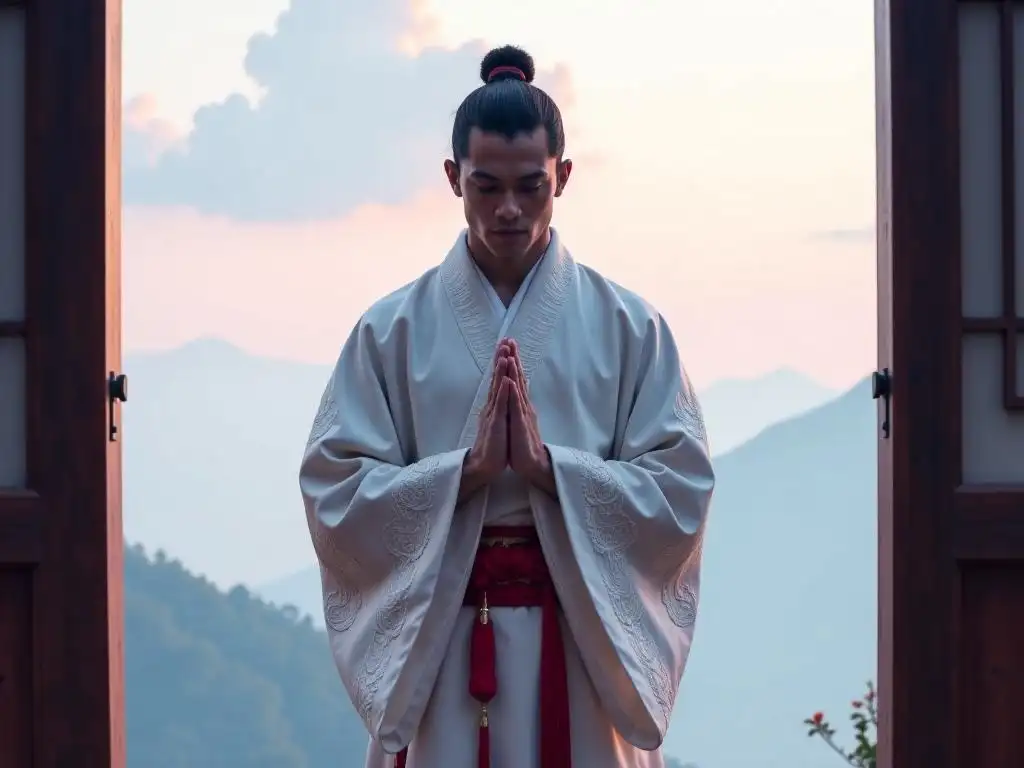
Zen Buddhism has left an indelible mark on the ethos of the samurai, shaping not only their conduct during Japan’s feudal era but also influencing contemporary interpretations of samurai ideals. Today, the legacy of Zen continues to resonate within modern Japanese society, particularly in martial arts, philosophy, and cultural practices that celebrate the ancient warrior spirit.
Contemporary Interpretations of Bushido
The principles of Bushido, or "the way of the warrior," have transformed dramatically in contemporary Japan, reflecting a blend of historical reverence and modern values. While the samurai code originally emphasized loyalty, honor, and courage, today, these virtues are interpreted through various lenses, including ethics, personal development, and social responsibility.
- Cultural Values: Modern interpretations of Bushido often incorporate elements of Zen, focusing on mindfulness, discipline, and the pursuit of inner peace. This shift aligns with contemporary issues such as mental health awareness and personal fulfillment.
- Education and Training: Many martial arts schools emphasize the Zen influence on Bushido, integrating meditation and mindfulness practices into their training regimens. This approach not only enhances physical skills but also promotes emotional and psychological well-being.
- Art and Literature: Zen-inspired themes in contemporary Japanese literature and art reflect the samurai’s enduring legacy. Works that explore themes of honor, sacrifice, and existential contemplation resonate with both domestic and international audiences, reinforcing the relevance of samurai ideals in modern storytelling.
In this context, Bushido serves as a framework for ethical living, encouraging individuals to cultivate virtues that transcend time and circumstance.
Zen Influences in Modern Martial Arts
Modern martial arts disciplines, such as Kendo, Aikido, and Karate, continue to draw heavily from Zen Buddhism, showcasing a synthesis of physical technique and spiritual development. The influence of Zen can be observed in various aspects of these martial arts:
- Mindfulness and Presence: Practitioners are encouraged to cultivate a state of mindfulness, where they fully engage with the present moment. This is akin to Zen meditation practices, allowing martial artists to develop focus and clarity during training and competition.
- Philosophical Underpinnings: Many martial arts schools incorporate Zen philosophies into their teachings, emphasizing concepts such as non-attachment, humility, and the acceptance of impermanence. This philosophical framework helps practitioners navigate the challenges of both martial arts and life.
- Meditative Practices: The integration of meditation into martial arts training serves to enhance mental discipline and emotional resilience. Techniques such as zazen (seated meditation) are often incorporated, enabling students to develop a deeper understanding of themselves and their reactions to stress and conflict.
- Spiritual Development: For many practitioners, the journey through martial arts is not solely about physical prowess; it is also about personal growth and spiritual enlightenment. The Zen influence encourages a holistic approach, where the body, mind, and spirit are cultivated in harmony.
The legacy of Zen Buddhism in modern samurai culture is profound, as it continues to shape ethical frameworks and practices in contemporary society. The synthesis of Zen principles with martial arts not only preserves the historical significance of the samurai but also provides a pathway for individuals seeking deeper meaning and purpose in their lives. As we explore the intersections of Zen Buddhism and samurai culture, it becomes clear that the lessons of the past remain vital in today’s world.
Conclusion
The Enduring Impact of Zen Buddhism on Samurai Ethos
Zen Buddhism profoundly influenced the samurai ethos, intertwining spiritual discipline with martial prowess. The connection between Zen and the samurai can be traced back to the Kamakura period (1185–1333), during which Zen teachings began to permeate samurai culture. This relationship established a framework in which samurai could cultivate mental clarity and emotional resilience, essential traits for warriors engaged in the chaos of battle.
Key Aspects of the Influence:
- Meditative Practices: Zen meditation, or zazen, fosters a state of mindfulness that allows samurai to maintain focus and composure in the heat of conflict. This practice enhances their ability to react instinctively, without hesitation.
- Philosophy of Impermanence: The Zen Buddhist concept of mujo (impermanence) teaches samurai to accept the transient nature of life and death. This acceptance not only alleviates the fear of mortality but also instills a sense of purpose in their duty as warriors.
- Simplicity and Directness: Zen promotes simplicity, encouraging samurai to adopt a straightforward approach in both combat and life. This principle is reflected in the minimalist aesthetics of the samurai’s armor and weapons, emphasizing functionality and efficiency.
- Moral Framework: Zen Buddhism provided a moral compass that guided samurai behavior. The emphasis on compassion, humility, and self-discipline shaped their approach to duty and honor, aligning with the ideals of Bushido.
The integration of Zen principles into the samurai way of life contributed to a unique cultural identity, characterized by a balance of ferocity in battle and tranquility in spirit.
Final Thoughts on Zen Buddhism and Samurai Culture
The relationship between Zen Buddhism and Samurai culture represents a fascinating synthesis of spiritual philosophy and martial discipline. This interplay not only shaped individual samurai but also influenced the wider societal values of feudal Japan.
Reflection on Their Coexistence:
- Cultural Exchange: The cross-pollination of Zen and samurai practices enriched Japanese culture, leading to advancements in art, literature, and even tea ceremonies. The aesthetics of Zen permeated various forms of Japanese expression, showcasing the beauty of simplicity and transience.
- Legacy: The enduring legacy of this relationship is visible in modern Japanese society, where principles of Zen continue to resonate. The ideals of mindfulness, discipline, and ethical conduct find relevance beyond the context of feudal Japan, influencing contemporary practices in martial arts, meditation, and personal development.
The profound impact of Zen Buddhism on the samurai ethos not only defined the lives of the warriors but also left an indelible mark on Japan’s cultural landscape. Understanding this relationship deepens our appreciation for the complexities of feudal Japan, illustrating how spirituality and martial values coalesce to form a unique historical narrative.
Frequently Asked Questions
What is Bushido in the context of Samurai culture?
Bushido refers to the code of conduct that governed the samurai class, emphasizing values such as honor, loyalty, and courage. It laid the foundation for the ethical framework of the samurai lifestyle.
How did Zen Buddhism influence samurai practices?
Zen Buddhism introduced concepts like meditation and mindfulness, which helped samurai develop mental focus and clarity, contributing to their skills in both combat and decision-making.
What role did spirituality play in Samurai culture?
Spirituality was integral to samurai life, with Zen teachings providing a sense of purpose and discipline. This connection to spirituality enhanced their inner strength and moral compass.
Can you explain the relationship between Zen and martial arts?
The relationship is profound; Zen principles are often incorporated into martial arts training, promoting mental discipline and emotional balance, which are essential for a samurai's effectiveness in battle.
Why is understanding Zen Buddhism and Samurai Culture important today?
Understanding this relationship provides insight into the historical context of Japan, revealing how philosophical beliefs shaped not only the samurai ethos but also broader Japanese society and culture.
Final Reflection: The Enduring Legacy of Zen Buddhism in Samurai Culture
The profound connection between Zen Buddhism and Samurai culture continues to resonate in today's world, illustrating how ancient philosophies can shape modern values. As we navigate the complexities of contemporary life, the principles of discipline, mindfulness, and inner peace that were integral to the samurai ethos offer invaluable lessons for personal growth and resilience. The samurai's commitment to a life of honor and balance is a timeless reminder of the strength found in harmony between action and contemplation.
Culture is a living tapestry, woven from the threads of history, philosophy, and practice, and the influence of Zen Buddhism on the samurai remains a powerful force in shaping societal values. The samurai's journey towards self-mastery and enlightenment through Zen teachings has left an indelible mark on Japanese culture and beyond. As the renowned Zen master D.T. Suzuki once said, "> Zen is not to be understood as a philosophy, but as a way of life." This perspective underscores the ongoing relevance of Zen principles in fostering a deeper understanding of ourselves and our place in the world.
As you reflect on the teachings of Zen Buddhism and their impact on the samurai ethos, consider how these lessons can be integrated into your own life. Embrace the opportunity to cultivate mindfulness, discipline, and a sense of purpose in your daily actions. By doing so, you not only honor the legacy of the samurai but also embark on your own journey towards personal enlightenment and fulfillment. Let the wisdom of the past guide you as you forge your path in the present and future.
Embrace the Wisdom of Bushido and Zen Today!
Thank you for taking the time to explore the profound relationship between Bushido and Zen Buddhism. We hope you found inspiration in how these teachings shaped the samurai ethos, embodying values such as honor, discipline, and mindfulness. Now, it's your turn to carry this wisdom forward!
Here are a few actions you can take right now:
- Reflect: Dedicate 10 minutes to meditation, focusing on a principle of Bushido that resonates with you. Allow this reflection to influence your mindset for the day.
- Share Your Insights: Initiate a conversation with friends or family about the aspects of the samurai ethos that you admire most. Encourage them to explore the teachings of Bushido and Zen alongside you.
- Join a Class: Seek out local or online opportunities for Zen meditation or martial arts. Engaging with a community can enhance your understanding and practice.
Which aspect of the samurai ethos inspires you to make a change in your daily life? We invite you to share your thoughts below!