
The Cultural Influence of the Samurai on Edo Society

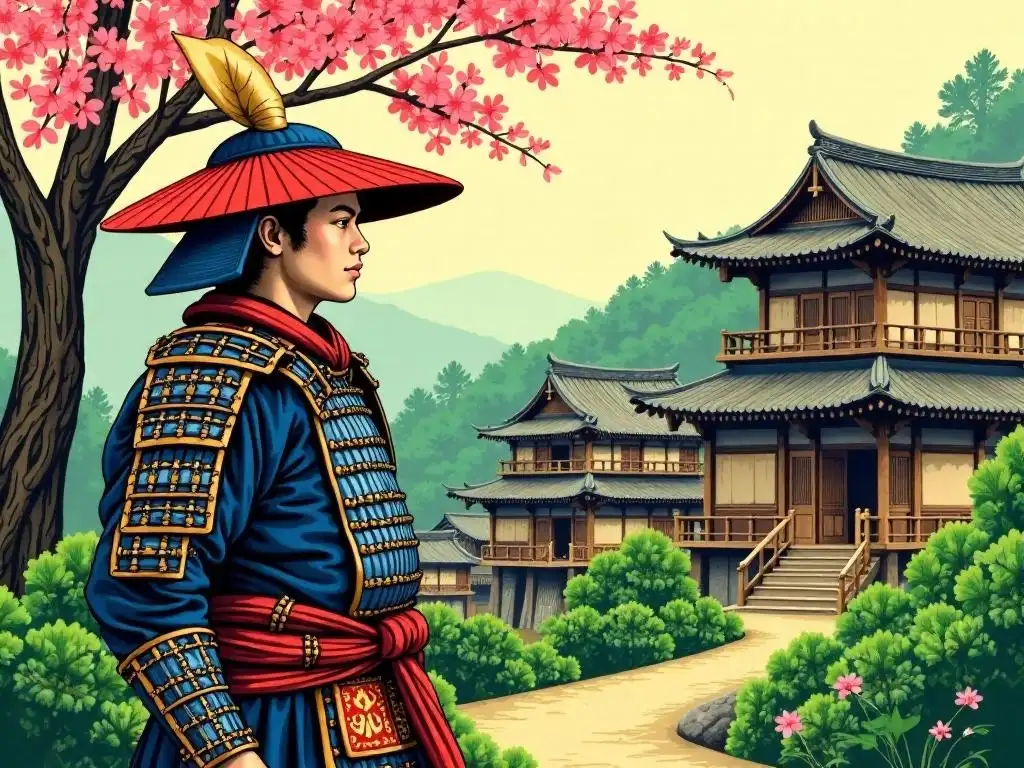
Welcome to Feudal Japan History, your gateway to the rich tapestry of Japan's feudal era. Here, we dive deep into the cultural influence of the samurai on Edo society, unraveling how these formidable warriors shaped the artistic, social, and political landscape of their time. As you embark on this journey through history, prepare to discover the intricate connections between valor and culture that defined an age. What secrets lie within the legacy of the samurai? Let your curiosity guide you as we delve into the fascinating world of Edo culture!
Introduction to Samurai Influence on Edo Culture
The Edo period (1603-1868) marks a significant era in Japanese history, defined by the relative peace and stability established by the Tokugawa shogunate. During this time, the samurai, traditionally known as warriors, evolved into a complex social class that profoundly influenced various aspects of Edo society, including culture, governance, and social norms.
This article delves into the samurai influence on Edo culture, exploring their role not only as warriors but also as patrons of the arts, educators, and cultural symbols. By understanding this multifaceted influence, we can better appreciate how the samurai helped shape the rich tapestry of Japanese culture during the Edo period.
Overview of the Samurai in Feudal Japan
The samurai were originally a warrior class that emerged in Japan during the late Heian period (794-1185). Over time, their roles expanded beyond mere warriors to become influential figures in politics and culture. The samurai adhered to the bushido code, which emphasized values such as loyalty, honor, and discipline. This code not only guided their conduct in battle but also shaped their interactions within society, leading to the development of a unique cultural identity that would have lasting impacts throughout the Edo period.
Significance of the Edo Period in Japanese History
The Edo period is often regarded as a golden age in Japanese history, characterized by peace, economic growth, and cultural flourishing. Following centuries of conflict, the Tokugawa shogunate established a centralized feudal system that promoted stability and security. This environment allowed arts and culture to thrive, paving the way for developments in literature, theater, and visual arts. The samurai, as both rulers and cultural patrons, played a crucial role in this period of transformation, influencing not only political structures but also the cultural landscape of Japan.
Historical Context of the Samurai in Edo Society
To fully grasp the cultural influence of the samurai during the Edo period, it is essential to examine the historical context in which they operated. This includes understanding the rise of the samurai class, the political and social structures of the time, and their role in shaping governance and society.
The Rise of the Samurai Class
The samurai class began to rise in prominence during the late Heian period as local warlords sought skilled fighters to protect their territories. By the time of the Edo period, the samurai had solidified their position as the ruling elite, enjoying privileges and responsibilities that set them apart from the peasantry and merchant classes. Their rise was marked by the consolidation of power under the Tokugawa shogunate, which formalized the samurai's role in society and governance.
Political and Social Structure of Edo Period Japan
Edo society was characterized by a strict social hierarchy, with the samurai at the top, followed by farmers, artisans, and merchants. This class structure was crucial in maintaining order and stability within society. The samurai, who were often landowners or held positions in government, played a vital role in enforcing the laws and policies of the Tokugawa shogunate. Their authority extended beyond military might, as they were also tasked with upholding social norms and cultural values that defined the Edo period.
Role of the Samurai in Shaping Governance and Society
The samurai's influence on governance during the Edo period cannot be overstated. They were not only key military leaders but also served as administrators and educators. By promoting Confucian ideals, the samurai helped shape the moral and ethical standards of society. Furthermore, their patronage of the arts, such as Noh theater, Ikebana, and calligraphy, fostered a rich cultural environment that left a lasting legacy on Japan's artistic heritage.
Understanding the multifaceted roles of the samurai in Edo society provides valuable insight into their profound cultural influence, which continues to resonate in contemporary Japan.
Key Aspects of Samurai Influence on Edo Culture
The influence of the samurai on Edo culture is multifaceted and deeply ingrained in various aspects of society. During the Edo period (1603-1868), a time of relative peace and stability, the samurai transitioned from warriors to cultural icons and societal leaders. Their impact can be observed in several key areas, including ethics, aesthetics, literature, and philosophy. This transformation not only reshaped the samurai themselves but also permeated the broader cultural landscape of Edo Japan.
One of the most significant aspects of samurai influence is their ethical framework, which was built around the principles of loyalty, honor, and discipline. This framework not only dictated the behavior of samurai but also served as a model for the emerging merchant and artisan classes, fostering a sense of moral responsibility and social order throughout Edo society. Additionally, the samurai's artistic pursuits, such as poetry, painting, and calligraphy, contributed to the rich cultural tapestry of the period, elevating traditional art forms and inspiring new movements.
Samurai Ethics and Bushido Code
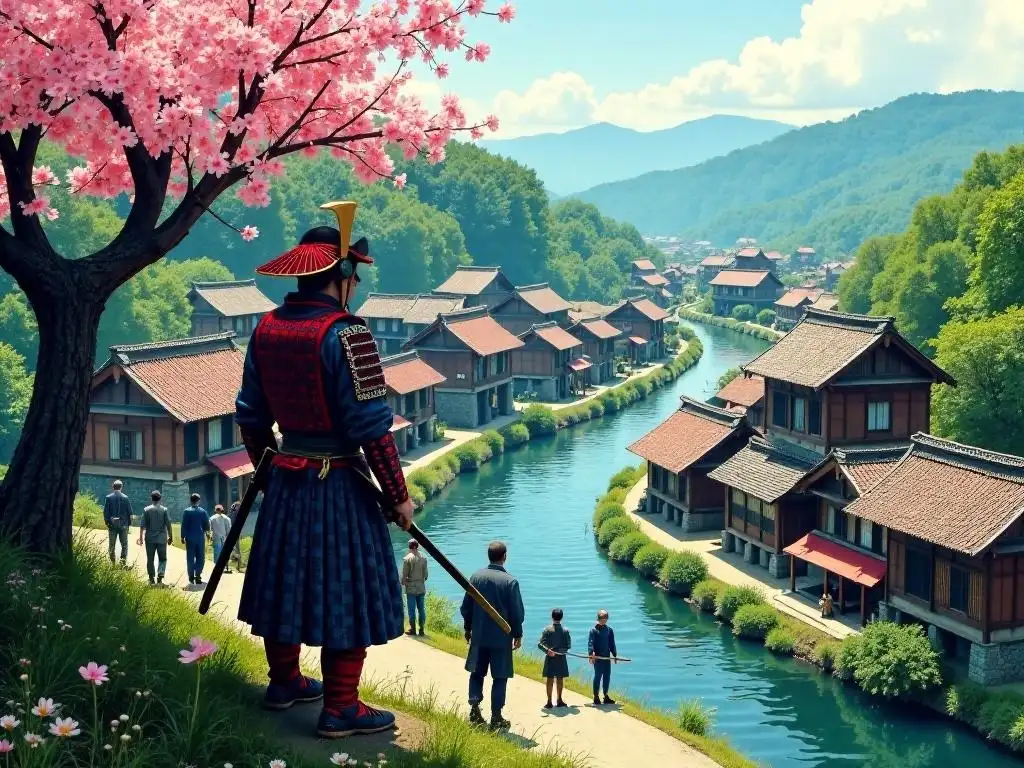
Central to the samurai's influence on Edo culture is the Bushido code, a set of ethical guidelines that governed their conduct. Bushido, which translates to "the way of the warrior," emphasizes virtues such as loyalty, honor, courage, and self-discipline. These principles not only guided samurai behavior on the battlefield but also shaped their interactions within society and with the ruling class.
The impact of Bushido extended beyond the samurai class. As these ideals became more widely known, they began to influence the values of the broader populace. The emphasis on loyalty and honor resonated deeply within the emerging merchant class, encouraging them to adopt similar values in their business dealings. This shared ethical framework helped to establish a sense of unity and social cohesion within Edo society, reinforcing the importance of reputation and moral integrity.
Moreover, the Bushido code inspired various forms of artistic expression, including literature and theater, where samurai ideals were celebrated and romanticized. This further embedded the samurai's ethical influence into the cultural fabric of Edo, leading to a society that valued not just material success, but also the principles of character and integrity.
Samurai Aesthetics and Art Forms
The samurai's aesthetic sensibilities significantly shaped the art and culture of the Edo period. As the samurai transitioned into a more civilian role, they became patrons of the arts, fostering the development of various artistic forms. Their appreciation for elegance and simplicity can be seen in traditional crafts such as pottery, textiles, and lacquerware, which often reflect the samurai's refined taste.
One notable contribution is the evolution of ink painting and calligraphy, where samurai artists expressed their philosophical beliefs and emotional states through brushwork. This artistic movement emphasized nature, simplicity, and the beauty of impermanence, echoing the samurai's understanding of life and death. The aesthetics of the samurai also influenced the world of theater, particularly in Kabuki and Noh, where samurai themes and characters were prevalent, allowing audiences to engage with their values and stories.
Furthermore, the principles of Wabi-Sabi, which celebrate the beauty of imperfection and transience, can be traced back to samurai aesthetics. This philosophy resonated with the samurai's acceptance of mortality, leading to a cultural appreciation for the fleeting nature of beauty and existence, which became a significant aspect of Edo culture.
The Samurai's Impact on Literature and Philosophy
The samurai's influence during the Edo period is prominently reflected in the literary and philosophical movements of the time. Their experiences and ideals inspired a body of work that explored themes of honor, loyalty, and the complexities of human existence. Samurai literature often celebrated heroic deeds and the moral dilemmas faced by warriors, allowing for a deeper exploration of ethical questions in society.
Samurai Contributions to Edo Literature
Samurai contributed significantly to the literary landscape of Edo Japan. Many samurai were educated and literate, producing works that ranged from poetry to historical narratives. Notable samurai authors, such as Matsuo Bashō, a master of haiku, infused their writings with reflections on nature and the human condition, echoing the samurai's philosophical insights.
In addition to poetry, the samurai also engaged in the production of historical texts that chronicled their lives and the events of their time. These writings not only served as records but also as moral lessons for future generations, illustrating the virtues and ideals that the samurai upheld. The tales of famous warriors, such as the "47 Ronin," became legendary, reinforcing the cultural values of loyalty and sacrifice while captivating the imaginations of the Edo populace.
Philosophical Movements Influenced by Samurai Ideals
The philosophical landscape of the Edo period was profoundly impacted by samurai ideals, particularly through the lens of Confucianism and Zen Buddhism. The samurai's emphasis on loyalty and duty aligned closely with Confucian principles, promoting a social hierarchy where respect for authority and familial bonds were paramount. This integration of Confucian thought into samurai culture helped shape educational practices and governance during the Edo period.
Zen Buddhism, on the other hand, influenced the samurai's approach to life and death. The practice of Zen meditation fostered a mindset of mindfulness and acceptance, which was particularly poignant for warriors who faced the constant threat of conflict. Philosophers and samurai alike explored themes of impermanence and self-discipline, contributing to a rich dialogue that permeated Edo society.
The samurai's cultural influence on Edo society is a testament to their legacy, as their ethics, aesthetics, literature, and philosophical contributions continue to resonate in modern Japanese culture. Their ideals not only shaped their own class but also left an indelible mark on the broader societal framework, fostering a cultural identity that is still celebrated today.
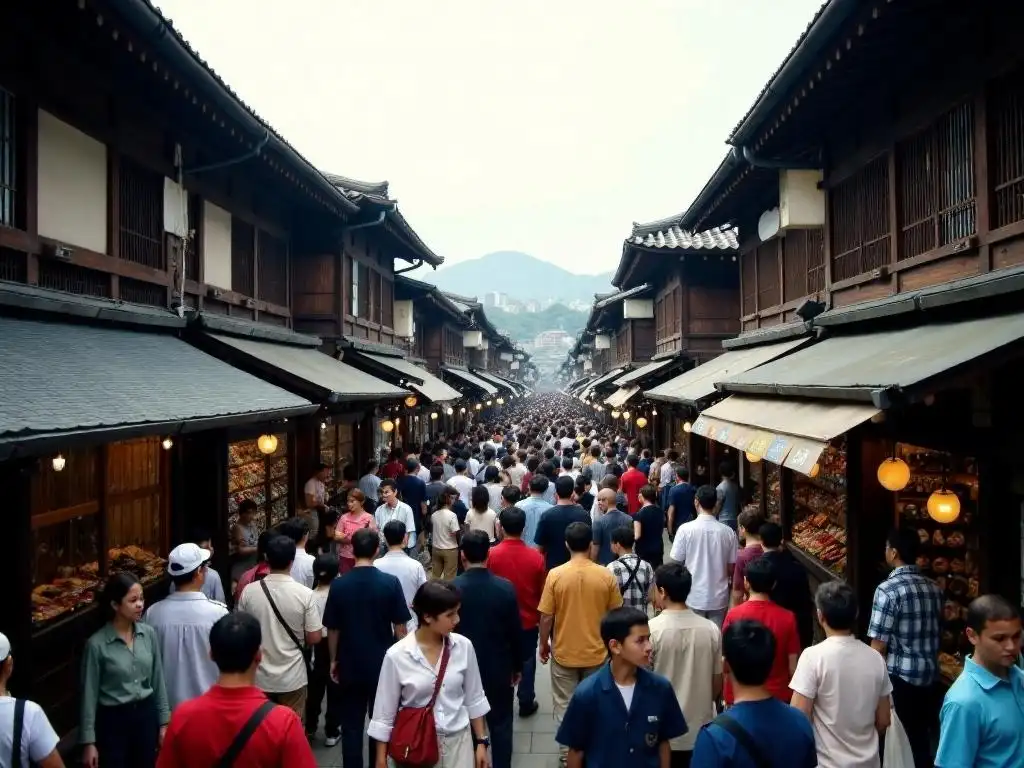
The samurai had a profound impact on the social structure of Edo society, shaping not only political dynamics but also cultural and social norms. This period, stretching from 1603 to 1868, was characterized by a rigid class hierarchy that placed the samurai at its pinnacle. Their role as warriors and administrators allowed them to exert significant influence over both the ruling Tokugawa shogunate and the general populace. The samurai were seen not just as military leaders but also as custodians of moral and ethical standards, which permeated various aspects of Edo life.
The samurai's influence extended beyond their immediate class. They were responsible for the enforcement of laws, which reinforced their authority and societal expectations. In this way, the samurai contributed to a culture that valued loyalty, honor, and discipline. This cultural framework was pivotal in establishing a sense of order and stability within Edo society, which was characterized by a flourishing urban culture, arts, and commerce.
The Samurai and Class Hierarchy in Edo Japan
In Edo Japan, society was divided into a strict class hierarchy known as the "shi-no-ko-sho" system, which categorized people into four main classes: samurai, farmers, artisans, and merchants. At the top of this hierarchy were the samurai, who not only enjoyed privileges but also bore the responsibility of governance and military service. Unlike the other classes, who were primarily concerned with economic activities, the samurai were tasked with upholding the law and maintaining peace.
This hierarchy enforced a distinct separation between classes, with the samurai serving as both protectors and rulers. Their status was reinforced through various means, including land ownership and the right to bear arms. The samurai's unique position allowed them to influence legislation and societal norms, further embedding their values within the fabric of Edo culture. The sense of loyalty and hierarchy instilled by the samurai resonated throughout the lower classes, shaping community interactions and social expectations.
Gender Roles and the Samurai Influence on Women
The samurai also significantly influenced gender roles within Edo society. While samurai men were engaged in martial pursuits and governance, women had distinct yet important roles. Samurai women, particularly those of higher status, were often educated and trained in the arts, reflecting the values of their warrior class. They were responsible for managing household affairs and raising children, instilling the samurai code of honor and discipline in future generations.
Though samurai women faced restrictions, they also enjoyed certain privileges that women in lower classes did not. For instance, they could inherit property and had a degree of social mobility, particularly if their husbands fell into disgrace or passed away. The samurai's ethical standards, emphasizing loyalty and honor, influenced how women were viewed and treated in society, promoting ideals of strength and virtue. This legacy of samurai influence on women can still be observed in contemporary Japanese culture, where these gender dynamics continue to evolve.
The Legacy of Samurai Influence on Modern Japanese Culture
The cultural influence of the samurai extends well beyond the Edo period, leaving an indelible mark on modern Japanese society. The values and traditions established during this era have shaped contemporary Japanese identity, influencing everything from martial arts to literature and visual arts. Understanding this legacy is crucial in grasping the complexities of Japan's cultural evolution.
Continuing Samurai Traditions in Contemporary Japan
Many samurai traditions have persisted into modern Japan, particularly in the realms of martial arts and cultural practices. Disciplines such as kendo, iaido, and judo can trace their origins back to samurai training. These practices not only emphasize physical skill but also reinforce the samurai ethos of discipline, respect, and perseverance.
Additionally, elements of samurai culture, such as the tea ceremony and calligraphy, continue to be celebrated as integral parts of Japan’s cultural heritage. Festivals and events that commemorate samurai history are common, serving to educate younger generations about their ancestral values. This ongoing reverence for the samurai reflects a deep-rooted appreciation for their role in shaping modern Japanese culture.
The Global Perception of Samurai and Japanese Culture
The samurai have become iconic symbols of Japanese culture globally, often romanticized in film, literature, and art. This global perception, while sometimes simplified, highlights the fascination with the samurai's code of honor, martial prowess, and aesthetic principles. As a result, the samurai have become cultural ambassadors of Japan, representing ideals such as courage, loyalty, and the pursuit of perfection.
This perception has influenced international interest in Japanese culture, leading to a resurgence of interest in traditional practices, martial arts, and historical studies. The samurai’s legacy not only enriches Japan’s cultural landscape but also fosters a deeper understanding and appreciation of its history on a global scale. As the world continues to engage with Japanese culture, the samurai remain a crucial thread in the tapestry of Japan's identity.
Conclusion: The Enduring Impact of Samurai on Edo Culture
The cultural influence of the samurai during the Edo period is profound and multifaceted, shaping not only the military and political landscape of Japan but also its social fabric and artistic expressions. The samurai class, with its rigid code of conduct, known as Bushido, instilled values such as honor, loyalty, and discipline that permeated various aspects of Edo society. This influence extended beyond the battlefield, affecting literature, theater, and even the everyday lives of the common people.
As protectors of peace during the long period of stability, the samurai transitioned from warriors to patrons of the arts, fostering a rich culture that included tea ceremonies, calligraphy, and traditional theater forms such as Kabuki and Noh. The samurai's role as cultural arbiters helped elevate these art forms, which became integral to Japanese identity and heritage. Their legacy is still felt today, as many of the principles and practices established during the Edo period continue to resonate within modern Japanese culture.
Summary of Key Points
- Samurai Code of Conduct: The principles of Bushido instilled values such as loyalty, honor, and discipline, influencing social norms.
- Cultural Patronage: Samurai transitioned from military roles to cultural patrons, significantly impacting the arts, including literature and traditional theater.
- Artistic Contributions: The samurai's support for various art forms, such as Ikebana (flower arranging) and Sado (tea ceremony), enriched Edo culture and established lasting traditions.
- Influence on Common People: The samurai's values and cultural practices filtered down to the everyday lives of the common people, shaping societal behaviors and expectations.
- Enduring Legacy: The samurai's influence remains evident in modern Japan, highlighting their significant role in the nation's cultural history.
Final Thoughts on the Cultural Significance of Samurai in Edo Society
The samurai's impact on Edo society is a testament to their complex role as both warriors and cultural leaders. Their ability to adapt and integrate into a peaceful society allowed them to cultivate a rich cultural environment that has left an indelible mark on Japan's history. The reverence for samurai ideals, such as discipline and respect, continues to be celebrated in contemporary Japanese culture, showcasing the enduring significance of this warrior class.
The samurai not only shaped the political landscape of the Edo period but also profoundly influenced its cultural development. Their legacy is a rich tapestry woven into the very fabric of Japanese identity, ensuring that the spirit of the samurai lives on in modern society, reflecting a unique blend of tradition and modernity. The samurai's cultural contributions remain a fascinating area of study, offering insights into how historical figures can shape society in lasting and meaningful ways.
- Introduction to Samurai Influence on Edo Culture
- Historical Context of the Samurai in Edo Society
- Key Aspects of Samurai Influence on Edo Culture
- Samurai Ethics and Bushido Code
- Samurai Aesthetics and Art Forms
- The Samurai's Impact on Literature and Philosophy
- Samurai Influence on Edo Society's Social Structure
- The Legacy of Samurai Influence on Modern Japanese Culture
- Conclusion: The Enduring Impact of Samurai on Edo Culture
Frequently Asked Questions
What was the role of the Samurai in Edo society?
The Samurai served as the ruling warrior class during the Edo period, influencing various aspects of politics, culture, and social structure.
How did Samurai values shape Edo culture?
The values of the Samurai, such as loyalty, honor, and discipline, heavily influenced Edo culture, impacting everything from art to literature and social norms.
What are some examples of Samurai influence in Edo art?
Edo art often depicted Samurai in various forms, such as woodblock prints and paintings, showcasing their status and aesthetic values that permeated the era.
Did the Samurai contribute to the development of Edo literature?
Yes, the Samurai contributed significantly to Edo literature by producing historical texts, poetry, and narratives that reflected their values and experiences, enriching the literary landscape.
How is the Samurai influence on Edo culture seen today?
The Samurai influence remains evident in Japanese culture today, seen in martial arts, traditional festivals, and even modern media that celebrate their legacy and values.
Final Reflection: The Enduring Legacy of Samurai Influence on Edo Culture
The cultural influence of the samurai on Edo society remains profoundly relevant today, as it highlights the intricate relationship between tradition and modernity. The samurai, once the epitome of honor and discipline, shaped not only the political landscape of their time but also the very fabric of Japanese culture that continues to resonate in contemporary society. Their values of loyalty, respect, and self-discipline are timeless principles that still inspire individuals and communities around the world.
Clearly, the samurai's impact extends beyond mere historical significance; it has woven itself into the cultural identity of Japan and influenced global perceptions of honor and martial arts. The samurai ethos has permeated various aspects of life, from literature and film to modern-day practices in martial arts and business ethics. As the renowned author Yukio Mishima once stated, The samurai is a man who has the courage to face death and the wisdom to live.
This quote encapsulates the duality of the samurai's legacy—embracing both the fearlessness of the warrior and the contemplative nature of the philosopher, which continues to inspire countless individuals in their personal and professional lives.
As we reflect on the lessons imparted by the samurai, let us consider how we can embody their principles in our own lives. Embrace the values of integrity, perseverance, and respect in your daily interactions, and strive to cultivate a sense of purpose that transcends the ordinary.
By doing so, we not only honor the legacy of the samurai but also contribute to a culture of understanding and resilience in our ever-evolving world. Take a moment to reflect on how the samurai's influence can guide your journey, and let their spirit inspire you to forge your own path with courage and conviction.
Unveil the Legacy of the Samurai Today!
Thank you for diving into the fascinating world of samurai culture and its profound impact on Edo society! We hope you gained valuable insights into how this noble class shaped Japan's history and traditions. Now, it’s time to take your curiosity to the next level!
Here are some actions you can take to further explore this rich heritage:
- Join a historical reenactment group or attend a workshop to experience samurai culture firsthand.
- Read about influential samurai figures and their philosophies to deepen your understanding.
- Share your newfound knowledge with friends or on social media to spark discussions about the samurai's legacy.
What aspects of samurai culture intrigue you the most, and how will you integrate these lessons into your own life? We’d love to hear your thoughts!