
Land Ownership and Loyalty: Economic Foundations of the Samurai Class


Welcome to Feudal Japan History, where we embark on a captivating journey through the rich tapestry of Japan’s feudal era. Here, we unravel the intricate dynamics of samurai class land ownership, revealing how economic foundations shaped loyalty and power during this fascinating period. Prepare to delve deep into the historical, cultural, and societal aspects that defined the lives of these legendary warriors. Join us as we explore how land ownership was not just a matter of wealth but a symbol of allegiance and identity. Let the exploration begin!
- Introduction to the Samurai Class and Land Ownership
- Historical Context of Samurai Class Land Ownership
- Economic Foundations of the Samurai Class
- Samurai Class Land Ownership: Structure and Hierarchy
- Loyalty and Land Ownership: The Interconnection
- The Impact of Land Ownership on Samurai Identity
- Decline of the Samurai Class and Changes in Land Ownership
- Conclusion: The Lasting Impact of Samurai Class Land Ownership
-
Frequently Asked Questions
- What role did the samurai class play in land ownership during feudal Japan?
- How did loyalty influence land ownership among samurai?
- What types of land ownership existed for the samurai class?
- How did the economic foundations of the samurai class impact Japanese society?
- What was the relationship between samurai land ownership and local peasants?
- Final Reflection: The Enduring Legacy of Samurai Class Land Ownership
- Embrace the Legacy of the Samurai: Take Action Today!
Introduction to the Samurai Class and Land Ownership
The samurai class, a prominent feature of Japan's feudal era, played a crucial role in shaping the socio-economic landscape of the time. As warriors and landholders, their status was intricately linked to land ownership, which served not only as a source of wealth but also as a foundation for their loyalty to feudal lords.
This article delves into the economic foundations of the samurai class by examining the significance of land ownership within their culture and the broader implications it had on feudal society. By exploring these aspects, we aim to provide a comprehensive understanding of the complex relationships between land, loyalty, and the samurai's role in Japan's history.
Overview of the Samurai Class in Feudal Japan
The samurai were more than mere warriors; they were a distinct social class that emerged during the late Heian period (794-1185) and solidified their influence throughout the Kamakura (1185-1333) and Muromachi (1336-1573) periods. Characterized by their adherence to the Bushido code, which emphasized loyalty, honor, and martial prowess, the samurai served as military retainers to powerful feudal lords, known as daimyōs. This relationship was built on mutual obligation: the samurai provided military service, while the daimyō granted them land and protection.
Land ownership in feudal Japan was not merely a matter of wealth; it was a symbol of status and power. The samurai's control over land enabled them to collect taxes, maintain their households, and support their retinues. This economic base was essential for sustaining their lifestyle and fulfilling their role as protectors of the realm. The samurai class thus became a pivotal element in Japan's feudal system, influencing both political and social structures.
Importance of Land Ownership in Samurai Culture
In samurai culture, land ownership was synonymous with identity and duty. The land was not just a physical asset; it represented a bond between the samurai and their lord, as well as their community. The concept of "shōen," or estate, underscores the economic and social importance of land during this period. These estates were often granted to samurai in exchange for military service, establishing a direct link between land, loyalty, and the samurai's role in the feudal hierarchy.
Moreover, land ownership fostered a sense of responsibility. Samurai were expected to protect their lands and the people who lived on them, further cementing their status as both warriors and stewards of the land. The intricate relationships formed through land ownership also influenced the political landscape, as loyalty and service were often rewarded with land, creating a cycle of obligation that defined the samurai's existence.
Objectives of the Article
This article aims to achieve several key objectives:
- Examine the relationship between land ownership and the samurai class: Understand how land ownership shaped the identity and responsibilities of samurai.
- Highlight the economic implications of land ownership in feudal Japan: Analyze the role of land as a source of wealth and power within the samurai class.
- Explore the cultural significance of land in samurai society: Discuss how land ownership influenced social structures and the samurai's place within them.
By addressing these objectives, we hope to provide readers with a nuanced perspective on the economic foundations of the samurai class and their enduring impact on Japanese history.
Historical Context of Samurai Class Land Ownership

The Emergence of the Samurai Class in Japan
The samurai class emerged in Japan during the late Heian period (794-1185), a time characterized by political instability and the decline of imperial power. As the central authority weakened, local warlords, known as daimyōs, began to rise in prominence, forming their own military retinues composed of skilled warriors— the samurai. Initially, samurai served as bodyguards and enforcers for the nobility, but as feudalism established itself, their roles evolved significantly.
This transformation was primarily driven by the need for security and order in a fragmented political landscape. The samurai became not only warriors but also landowners, utilizing their military prowess to acquire and defend territories. Their loyalty to a daimyō was often secured through land grants, which became a critical foundation of the samurai economy. Thus, the concept of land ownership was tied intricately to loyalty and service, solidifying the samurai's status within the socio-political hierarchy.
Evolution of Land Ownership During the Feudal Era
Throughout the feudal era, land ownership underwent significant changes that shaped the samurai class. Initially, land was owned by the imperial family and the nobility; however, as power shifted to the daimyōs, they began to consolidate land through conquests and alliances. The samurai were granted parcels of land as compensation for their military service, in a system known as shiki, which allowed them to collect taxes from farmers working the land.
This system not only incentivized loyalty but also facilitated the growth of a self-sustaining economy. The samurai class became responsible for the administration of their lands, managing agriculture, and ensuring the productivity of their estates. This shift led to a unique relationship between the samurai and the peasantry; while the samurai wielded military power, they relied on the labor of farmers to sustain their economic base.
The emergence of the jōkamachi (castle towns) further exemplified this evolution. As samurai established their residences, these towns became centers of trade and governance, reflecting a growing complexity in land ownership dynamics. The samurai class's economic power was directly linked to the land they controlled, establishing a cycle of loyalty and land ownership that defined feudal Japan.
Key Historical Events Influencing Samurai Land Rights
Several pivotal events influenced the land rights of the samurai class throughout Japan's feudal history. One of the most significant was the Genpei War (1180-1185), which led to the establishment of the Kamakura Shogunate. This conflict marked the transition of power from the imperial court to military rulers, fundamentally altering land distribution. The victorious Minamoto clan was granted extensive lands, reinforcing the notion that military success directly translated into land ownership.
Another critical event was the Onin War (1467-1477), which escalated the fragmentation of feudal power. The ensuing chaos allowed various daimyōs to seize territories from one another, resulting in a more competitive landscape for land ownership. In this period, samurai who could prove their valor in battle were often rewarded with new lands, while those who failed to align with powerful lords faced dispossession.
The Meiji Restoration (1868) marked a significant turning point in the legal status of samurai land ownership. The abolition of the feudal system eliminated hereditary land rights, leading to the dissolution of the samurai class as a distinct social order. Former samurai were forced to adapt to new economic realities, transitioning from landowners to tenants or entrepreneurs in a rapidly modernizing Japan.
The historical context of samurai class land ownership reveals a complex interplay of loyalty, military service, and evolving socio-political structures in feudal Japan. Understanding these dynamics is essential to grasping the economic foundations that supported the samurai class throughout their existence.
Economic Foundations of the Samurai Class

The Role of Agriculture in Samurai Wealth
Agriculture was the backbone of the economy during Japan's feudal era, and it played a crucial role in the wealth accumulation of the samurai class. The samurai's economic power largely derived from their control over agricultural land, which was vital for sustaining their status and fulfilling their obligations.
-
Land as a Source of Income:
The samurai class primarily obtained wealth through the ownership of rice fields, which were the most significant form of agricultural production. Rice was not only a staple food but also a currency of exchange. The productivity of these fields directly influenced the samurai's financial situation and their ability to maintain their households.
-
Feudal Land Grants:
Under the feudal system, land was granted to samurai by their daimyō (feudal lords) in exchange for military service. This system ensured that samurai had a stable income through their agricultural holdings, which were often managed by peasant farmers. The relationship was symbiotic; while samurai gained wealth, the peasants received protection and a degree of autonomy.
-
Cultural Significance of Land:
The samurai's identity was deeply intertwined with their land ownership. Holding land symbolized status and honor, reinforcing the social hierarchy of the time. The connection between the samurai and their land fostered a culture that valued loyalty, duty, and a sense of belonging to a specific domain.
Taxation and Land Revenue Sources for Samurai
Taxation was a critical mechanism that ensured the financial sustainability of the samurai class and the feudal system at large. The revenues generated from land taxes constituted a significant portion of the samurai's income.
-
Taxation Structure:
The primary tax levied on agricultural produce was known as "shōen," which was a form of land tax collected from the farmers working the land. This system allowed samurai to benefit from a portion of the harvest, which was often set at around 40% of the yield. The remaining produce was retained by the farmers for their subsistence.
-
Diverse Revenue Streams:
Beyond agricultural taxes, samurai also derived income from various other sources, including:
- Commercial Ventures: Some samurai engaged in trade or established businesses, further diversifying their income sources.
- Land Rental: Samurai could lease parts of their lands to other farmers, generating additional revenue without direct involvement in farming.
- Tribute and Gifts: Loyalty and service to the daimyō could also result in receiving tributes or gifts, enhancing their wealth.
-
Impact of Land Ownership on Political Power:
The ability to collect taxes and manage land effectively increased a samurai's political leverage. Wealthy samurai could influence decisions and policies within their domains, ensuring the continuity of their power and the stability of their economic foundations.
Economic Incentives for Samurai Land Ownership
The economic incentives for land ownership among the samurai class were multifaceted and directly linked to their social status, military obligations, and personal security.
-
Wealth Accumulation:
Owning land provided a reliable source of income, which was essential for maintaining the lifestyle expected of a samurai. This wealth allowed them to pay for armor, weapons, and other necessities that were crucial for their role as warriors.
-
Social Mobility and Prestige:
Land ownership was a means of climbing the social ladder within the rigid class structure of feudal Japan. Samurai who were able to acquire more land often gained greater prestige and influence, further solidifying their position within society.
-
Security and Stability:
In an era marked by conflict and instability, land ownership offered a sense of security. It ensured that samurai had the resources needed to support their families and fulfill their duties, even during times of political upheaval. The ability to cultivate and protect their lands also provided a strategic advantage in military engagements.
The economic foundations of the samurai class were deeply rooted in land ownership, agricultural production, and the taxation systems that supported their wealth. The intertwining of land and loyalty established a framework that not only defined the samurai's economic status but also their cultural and social identity within the feudal landscape of Japan.
Samurai Class Land Ownership: Structure and Hierarchy
Types of Land Ownership Among Samurai
During Japan's feudal era, the concept of land ownership was deeply intertwined with the social hierarchy and obligations of the samurai class. Land ownership among samurai was categorized primarily into two types: private and public land ownership.
Private vs. Public Land Ownership
- Private Land Ownership: This type of ownership allowed samurai to control specific parcels of land that they had received as a reward for their loyalty and service. These lands were often cultivated and managed by peasant farmers, who paid taxes or offered a portion of their harvest in return for protection and the right to work the land. Private land ownership was crucial for the samurai’s economic stability, as it provided a direct source of income and resources.
- Public Land Ownership: In contrast, public land ownership involved lands that were owned by the shogunate or by the feudal lords (daimyō). These lands were typically larger and could support hundreds of peasants, who worked the land under the supervision of the samurai. The samurai would receive a share of the produce, but they did not have absolute control over these lands. Instead, they were responsible for maintaining order and collecting taxes, while the ultimate ownership remained with the ruling authority.
The distinction between these two types of land ownership significantly influenced the samurai's social status, economic power, and their relationships with both the peasants and their lords.
The Role of Feudal Lords in Land Distribution
Feudal lords played a pivotal role in the distribution of land within the samurai class. The daimyō were responsible for granting land to their vassals based on loyalty, military service, and the need for local governance. This system created a network of obligations and dependencies:
- Land Grants: When a samurai demonstrated loyalty and skill in battle, a daimyō might reward them with land grants. These grants varied in size and productivity, directly affecting the samurai's wealth and status.
- Tax Collection: The samurai were tasked with collecting taxes from the peasants who worked their lands. In return for their military protection, peasants would pay a portion of their harvest, which served as the primary income for the samurai.
- Military Obligations: In exchange for the land, samurai were expected to provide military service to their lords, reinforcing the feudal bond of loyalty. This relationship ensured that land ownership was not merely an economic asset but also a commitment to serve and protect the interests of the daimyō.
This hierarchical structure established a clear relationship between land ownership and loyalty, where the samurai's status was directly linked to their landholdings and their feudal obligations.
The Concept of Vassalage and Land Tenure
The concept of vassalage was central to the economic foundations of the samurai class. It defined the relationships between samurai, their lords, and the land they controlled. Vassalage was characterized by a mutual agreement where loyalty and service were exchanged for land tenure.
- Loyalty and Service: A samurai who received land from a daimyō became a vassal, bound by obligations to serve in military campaigns, provide counsel, and assist in governance. This loyalty was often solidified through rituals, such as the exchange of vows and oaths.
- Land Tenure: The tenure of land by the samurai was not permanent; it was contingent upon their service and loyalty. If a samurai failed in their obligations, they could lose their land and status. This precariousness instilled a strong sense of duty and commitment among the samurai class.
- Inheritance: Land ownership could be passed down through generations, but it was often subject to the approval of the feudal lord. This ensured that the loyalty of each generation remained aligned with the interests of the daimyō.
The interplay between land ownership, vassalage, and loyalty was fundamental to the economic and social structure of the samurai class in feudal Japan. Understanding this relationship provides insight into how the samurai maintained their power and influence throughout the era.
In feudal Japan, land ownership was a fundamental aspect of the societal hierarchy, particularly within the samurai class. The samurai were not merely warriors; they were also landholders and administrators, deeply intertwined with the agricultural economy that sustained their power. Understanding the structure of land ownership among the samurai provides insight into their social status and the intricate relationships that defined feudal Japan.
At the top of the land ownership hierarchy were the daimyōs, powerful feudal lords who governed large territories known as han. These domains were often granted by the emperor or shōgun in exchange for military service and loyalty. The daimyōs held significant political and economic power, controlling the land and its resources, which included the taxes collected from the peasantry.
Below the daimyōs were the samurai retainers, who served as vassals. These samurai were granted smaller parcels of land, known as fiefs, in return for their loyalty and military service. The size of the fief directly correlated with the samurai's rank and status within the hierarchy. A higher-ranking samurai would typically receive more land, which in turn allowed for greater economic independence and social influence.
The samurai class was characterized by a strict code of loyalty known as bushi-do, which emphasized honor, duty, and family allegiance. This loyalty was often reinforced through land ownership, as the samurai's connection to their lord was maintained by the land they held. The land was not just a source of income; it was a symbol of their loyalty and commitment to serve their daimyō.
Social mobility within the samurai class was limited, as land ownership was primarily hereditary. While it was possible for lower-ranking samurai to rise through the ranks, such advancements depended heavily on military prowess and the favor of their superiors. The inheritance of land ensured that wealth and power remained concentrated among established families, further entrenching the social hierarchy.
Land ownership within the samurai class was intricately linked to social hierarchy and loyalty. The daimyōs controlled vast territories, while samurai retainers were granted smaller fiefs that reflected their rank. This structure not only defined the social order but also reinforced the samurai's role as both warriors and landholders, shaping the economic landscape of feudal Japan.
Loyalty and Land Ownership: The Interconnection
The Relationship Between Land and Loyalty Among Samurai
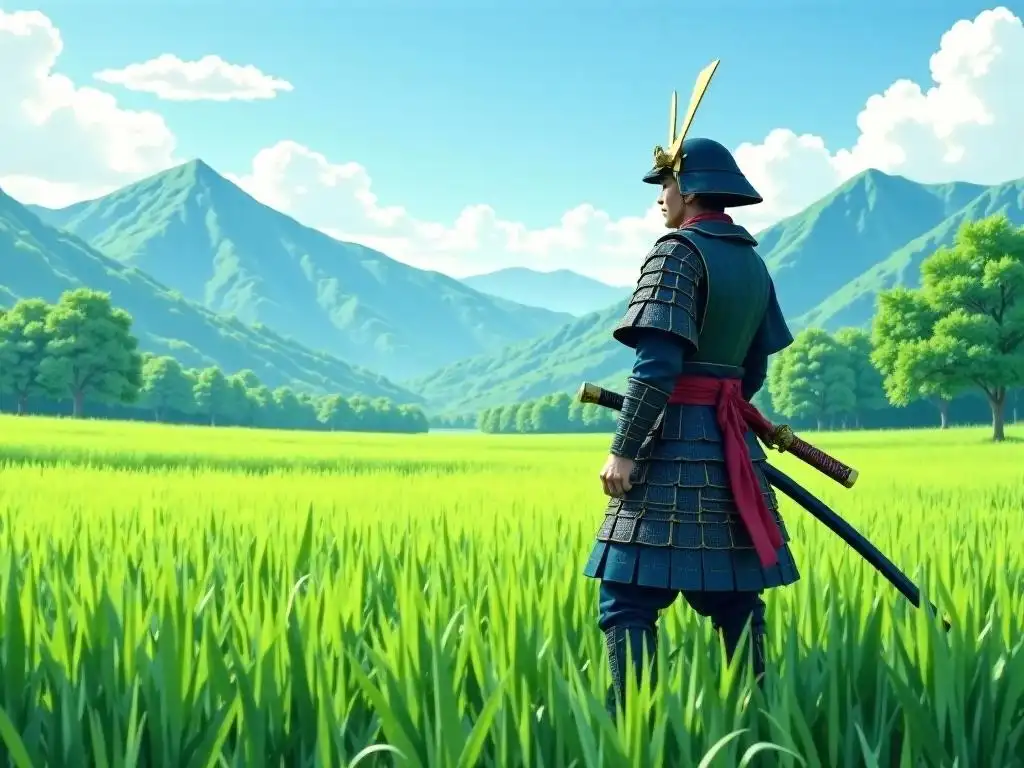
The samurai class in feudal Japan operated within a complex framework of loyalty and land ownership, where territory and allegiance were intricately linked. Land was not merely a resource; it was a symbol of status and a means to secure loyalty from vassals. This relationship was governed by the principles of bushi, or the samurai code, which emphasized honor, duty, and mutual obligation.
The samurai's loyalty to their daimyo (feudal lord) was often rewarded with land grants, which were essential for maintaining their status and financial stability. In return, samurai were expected to provide military service and support during conflicts. This system of reciprocity created a bond that ensured the loyalty of the samurai while simultaneously reinforcing the authority of the daimyo. For instance, the Kamakura period (1185-1333) saw the emergence of this land-loyalty dynamic, as samurai fought for their lords in exchange for land rights.
Moreover, the size and quality of landholdings directly influenced a samurai's social standing. Samurai who controlled larger estates could command greater respect and wield more power within their domains. This hierarchy was evident in the way land was distributed among samurai families, often leading to rivalries and conflicts over territory, which further cemented the loyalty ties through shared interests and mutual threats.
Feudal Obligations: Service in Exchange for Land
The feudal obligations of the samurai class were clear-cut and well-defined. In exchange for land ownership, samurai were bound to fulfill specific duties, primarily military service, but also administrative and agricultural tasks. This arrangement created a structured society where the roles and responsibilities of each party were articulated through a system of agreements and oaths.
- Military Service: Samurai were expected to mobilize their forces and engage in battles on behalf of their daimyo. This service was often seasonal, correlating with agricultural cycles, allowing samurai to manage their lands while also preparing for warfare.
- Taxation and Revenue: Landowners, particularly samurai, were responsible for collecting taxes from the peasants working their lands. This income was crucial for supporting the samurai's military expenditures and maintaining their households. The taxes could be in the form of rice, which was the primary currency in feudal Japan.
- Loyalty Oaths: Loyalty was formalized through oaths taken during ceremonies. These oaths were not merely symbolic; they established a legal framework that dictated the responsibilities of both samurai and daimyo. Breaching such an oath could lead to severe consequences, including loss of land or even death.
This system created a strong interdependence between samurai and their lords, fortifying the socio-political structure of feudal Japan. The obligations tied to land ownership ensured that samurai remained loyal, as their economic stability was intertwined with their military duties.
Case Studies of Prominent Samurai and Their Land Holdings
Examining specific samurai figures illuminates the nuances of land ownership and loyalty within this class. Here are notable case studies that exemplify the relationship between land and the samurai's role in feudal society.
- Minamoto no Yoritomo: As the founder of the Kamakura shogunate, Yoritomo was pivotal in shaping the samurai class's relationship with land. After establishing his rule, he distributed land to loyal vassals, ensuring their support and allegiance. His policies not only solidified his power but also laid the groundwork for future samurai governance.
- Oda Nobunaga: A key figure in the unification of Japan, Nobunaga expanded his domain through strategic land acquisitions. His innovative taxation system allowed him to maintain a powerful army, demonstrating how land ownership facilitated military strength. Nobunaga's ability to reward loyal samurai with land was critical to his success in the late 16th century.
- Tokugawa Ieyasu: The founder of the Tokugawa shogunate exemplifies the enduring significance of land ownership in securing loyalty. By centralizing power and controlling land distribution, Ieyasu created a stable society where samurai were bound to their lords through both economic and social ties. His legacy is reflected in the efficient governance that characterized the Edo period.
The relationship between land ownership and loyalty among the samurai class was foundational to the economic and societal structures of feudal Japan. By understanding these dynamics, we gain insights into the broader implications of loyalty and land distribution in shaping Japan's historical narrative.
The Impact of Land Ownership on Samurai Identity

The relationship between land ownership and the samurai class is not merely economic; it is deeply intertwined with identity, status, and the very fabric of feudal society in Japan. This connection laid the groundwork for the samurai's unique position within the social hierarchy, shaping their values, responsibilities, and aspirations. Understanding how land ownership influenced the samurai identity provides a comprehensive view of their societal role during the feudal era.
Land as a Symbol of Status and Power
For the samurai, land ownership was more than just a source of income; it was a crucial indicator of social standing and influence. The amount and quality of land one controlled often directly correlated with the samurai's rank within the hierarchy.
- Feudal Hierarchy: The samurai class was divided into various ranks, from low-ranking warriors to high-ranking daimyō. Land ownership played a pivotal role in this stratification:
- Daimyō: These feudal lords governed large estates, commanding vast resources and loyal retainers.
- Ronin: Samurai without land, often struggling for recognition and purpose, exemplified the importance of land ownership in defining status.
The more land a samurai owned, the greater his power and influence in both local and national contexts. This power was not only political but also military; land provided the resources necessary to maintain a fighting force, reinforcing the samurai's role as both a warrior and a landholder.
The Psychological Aspects of Land Ownership for Samurai
The psychological implications of land ownership for the samurai were profound. Land was not just a possession; it represented a legacy, a connection to ancestors, and a duty to protect and cultivate. This psychological bond can be explored through several dimensions:
- Sense of Duty: The samurai's loyalty to their land and lord was paramount. Owning land meant a commitment to defend it at all costs, reflecting the bushidō code of honor and loyalty.
- Identity Formation: For many samurai, their identity was tied to the land they controlled. Losing land could equate to losing one's status and purpose, often leading to a crisis of identity.
The emotional weight of land ownership also impacted interpersonal relationships among samurai. Rivalries could stem from land disputes, and alliances were frequently forged through land transactions, further entrenching the psychological complexities of land ownership.
Cultural Significance of Land in Samurai Literature and Art
Throughout history, land has been a recurring theme in samurai literature and art, symbolizing the values and ideals of the samurai class. The portrayal of land ownership in various cultural expressions serves as a testament to its importance in shaping the samurai ethos:
- Literature: Classic texts, such as "The Tale of the Heike," depict the samurai's relationship with land, showcasing how land ownership influenced their motivations and actions.
- Art: Samurai-themed artwork often features landscapes that highlight the beauty and significance of the land, serving as a reminder of the samurai's duty to their domain.
In these cultural representations, land is often depicted as a source of pride and a reflection of one's character. The samurai's connection to their land transcended mere economic considerations, embedding itself in the very essence of their identity and cultural heritage.
Land ownership was a cornerstone of the samurai class, shaping their status, psychological identity, and cultural expressions. The intricate relationship between samurai and land continues to be a vital subject for understanding their role in Japan's feudal history.
Decline of the Samurai Class and Changes in Land Ownership
The decline of the samurai class during the late 19th century was a significant turning point in Japanese history, fundamentally altering the landscape of land ownership and the socio-economic structure of the nation. As the Meiji Restoration took place in 1868, the samurai class faced profound changes that led to their eventual dissolution and the reconfiguration of land ownership across Japan.
Factors Leading to the Decline of Samurai Power
Several interrelated factors contributed to the decline of samurai power:
- Political Transformation:
- The Meiji Restoration dismantled the feudal system that had empowered the samurai for centuries. The new government sought to centralize power and eliminate the privileges of the samurai, rendering their military and political roles obsolete.
- The introduction of a conscript army diminished the samurai's exclusive right to bear arms, further weakening their status.
- Economic Shifts:
- The samurai's stipends, traditionally paid in rice, were transformed into cash payments. This change devalued their economic standing as the country transitioned to a market economy.
- As agricultural practices modernized, many samurai found it increasingly difficult to maintain their lands and livelihoods, leading to financial instability.
- Social Changes:
- The rise of a new merchant class challenged the samurai's traditional social hierarchy. Merchants, once viewed with disdain, began to accumulate wealth and influence, which undermined the samurai's social standing.
- Education and Western ideas promoted egalitarianism, further eroding the rigid class structures that had supported samurai dominance.
- Cultural Transformation:
- The samurai's code of honor, or bushido, began to lose its societal relevance as modern values took hold. The emphasis on loyalty and martial prowess was supplanted by a focus on industrial and economic development.
- As Japan opened up to Western influences, samurai ideals became romanticized, but their practical application diminished significantly.
Transformation of Land Ownership in Modern Japan
The transformation of land ownership post-samurai era was marked by several key developments:
- Abolition of Feudal Land Rights:
- With the 1871 Land Tax Reform, the government abolished the samurai's land rights and redistributed land to common farmers. This policy aimed to increase agricultural productivity and generate tax revenue for the state.
- Land Ownership and Economic Development:
- The new land ownership system encouraged private ownership, fostering a capitalist economy. Farmers became landowners, leading to increased agricultural innovation and productivity.
- Land became a crucial asset that supported industrial growth, as urbanization and infrastructure development required substantial land resources.
- Impact on Samurai Residences:
- Many samurai, now stripped of their privileges, were forced to sell their estates and adapt to the changing economic landscape. Their traditional residences often fell into disrepair or were repurposed for commercial use.
Lasting Legacy of Samurai Land Ownership in Contemporary Society
The legacy of samurai land ownership continues to influence contemporary Japanese society in several ways:
- Cultural Heritage:
- The remnants of samurai estates and castles, now preserved as cultural heritage sites, attract tourism and serve as a reminder of Japan's feudal past.
- Land Use Practices:
- Traditional agricultural practices, rooted in samurai land stewardship, persist in some regions, reflecting a connection to the past and contributing to Japan's unique agricultural identity.
- Modern Economic Structures:
- The transition from samurai land ownership to modern land use has shaped Japan's current economic frameworks, including property rights and land taxation policies.
- Influence on Popular Culture:
- The samurai class continues to inspire contemporary Japanese culture, from literature and film to fashion, often romanticizing the values of loyalty, honor, and martial skill.
The decline of the samurai class and the transformation of land ownership in Japan were pivotal in shaping modern Japanese society. The changes initiated during this period laid the groundwork for contemporary land use and economic structures, while also preserving elements of samurai heritage that continue to resonate today.
Conclusion: The Lasting Impact of Samurai Class Land Ownership
Summary of Key Points Discussed
In our exploration of the samurai class land ownership, we have uncovered several critical elements that shaped the economic landscape of feudal Japan. Key points include:
- Feudal Land System: The samurai class was intricately tied to the land, with their status and power largely derived from land ownership. The system of han (domains) allocated land to samurai in exchange for military service, creating a direct link between land and loyalty.
- Economic Functions: Land ownership was not just a matter of prestige; it served practical economic functions. Samurai managed agricultural production, collected taxes, and ensured the maintenance of order within their domains. This responsibility fostered a sense of duty and commitment to their vassals and peasants.
- Social Hierarchies: Land ownership reinforced social hierarchies within the samurai class and between the samurai and the peasants. The distribution of land often dictated power dynamics and influenced social mobility, thereby shaping the societal framework of the era.
- Cultural Significance: Beyond economics, land ownership carried significant cultural weight. It was a symbol of honor, loyalty, and a testament to a samurai's standing within the warrior society. The ideals of bushido were often embodied in the stewardship of land.
Reflection on the Economic Foundations of the Samurai Class
The economic foundations of the samurai class were crucial in establishing the political and social structures of feudal Japan. Their dependence on land ownership created a complex web of loyalty and obligation. The samurai were not only warriors but also landlords, whose prosperity was linked to their ability to manage resources effectively.
This dual role influenced the evolution of the samurai identity, where the cultivation of land became synonymous with their honor and duty. The intricate relationship between land and loyalty fostered a sense of community and responsibility among the samurai, which was essential for maintaining stability during turbulent times.
Furthermore, the economic model of land ownership and its management provided a framework that influenced later socio-economic developments in Japan. The legacy of the samurai class in land ownership is evident in the enduring respect for agricultural producers and the structured hierarchy that still resonates in modern Japanese society.
Future Research Directions in Samurai Economic History
As we look to the future of research on samurai class land ownership, several avenues warrant further exploration:
- Regional Variations: Analyzing the differences in land ownership practices across various han could provide insights into regional economic disparities and governance styles.
- Impact of Land Reforms: Investigating how land reforms during the Meiji Restoration affected the samurai class and their economic standing could yield valuable lessons about adaptation and resilience in changing political climates.
- Cultural Influences: A deeper examination of how cultural attitudes towards land ownership evolved alongside economic practices could shed light on the broader societal shifts in Japan.
- Comparative Analyses: Comparing the samurai class's economic strategies with those of other feudal societies around the world could enhance our understanding of feudal economies and their legacies.
The study of samurai class land ownership remains a rich field for academic inquiry, offering opportunities to deepen our understanding of Japan's historical economic frameworks and their lasting impact on contemporary society.
Frequently Asked Questions
What role did the samurai class play in land ownership during feudal Japan?
The samurai class held significant power through land ownership, which was often granted by their daimyō in exchange for loyalty and military service.
How did loyalty influence land ownership among samurai?
Loyalty was crucial; samurai were rewarded with land as a means to ensure allegiance to their feudal lords, enhancing both economic stability and military support.
What types of land ownership existed for the samurai class?
The samurai class primarily practiced kanri, or the management of land, where they could hold fiefs or estates that generated income through agriculture and taxes.
How did the economic foundations of the samurai class impact Japanese society?
The economic foundations based on land ownership allowed the samurai class to maintain power, influencing social hierarchies and the overall stability of feudal society.
What was the relationship between samurai land ownership and local peasants?
Samurai land ownership often meant that local peasants worked the land, paying taxes or providing services in return for protection and the right to cultivate plots for their livelihoods.
Final Reflection: The Enduring Legacy of Samurai Class Land Ownership
The intricate relationship between land ownership and loyalty within the samurai class remains profoundly relevant today, as it underscores the foundational principles of power, responsibility, and social hierarchy. In a world where economic disparities continue to shape societal structures, understanding how the samurai class navigated their land ownership can provide valuable insights into contemporary issues of wealth distribution and loyalty in various forms, from personal relationships to corporate dynamics. The lessons drawn from this historical context resonate with the ongoing quest for balance between power and responsibility in our modern society.
The influence of the samurai class on Japan's cultural and social landscape is undeniable, as their values of loyalty and honor continue to permeate contemporary Japanese society. The legacy of land ownership among the samurai not only shaped their status but also established a framework for loyalty that transcended generations.
As noted by historian John W. Hall, “The samurai were not merely warriors; they were the embodiment of a social order that defined loyalty and duty.” This enduring ethos invites us to reflect on our own commitments and the ways in which our relationships are influenced by the foundations we build, whether they be economic, social, or emotional.
As we contemplate the lessons of land ownership and loyalty from the samurai class, I encourage you to reflect on your own life and the values that guide your relationships and responsibilities. Consider how the principles of loyalty and stewardship can be applied in your personal and professional spheres. By embracing these ideals, we can foster a sense of community and responsibility that echoes the rich legacy of the samurai, ensuring that their teachings continue to inspire future generations.
Embrace the Legacy of the Samurai: Take Action Today!
Thank you for exploring the captivating world of the samurai and their economic foundations. Your interest not only deepens your understanding of feudal Japan but also honors the legacy of resilience and loyalty these warriors embodied. Now, it's time to transform that knowledge into meaningful action!
- Dive deeper into samurai history by exploring additional resources and archival materials. Consider visiting a local library or online databases to discover rare texts related to their unique economic systems.
- Share your insights! Engage with friends and family about the revolutionary impact of land ownership on the samurai class—this might spark an intriguing conversation or even inspire a book club.
- Plan a visit to a historical site or museum that showcases the samurai era. This immersive experience can significantly enhance your appreciation for their rich culture.
Which aspect of the samurai's relationship with land ownership or loyalty resonates most with you, and how has it influenced your perspective on historical social structures?