
The Rituals of the Kanamara Matsuri: A Celebration of Fertility and Faith

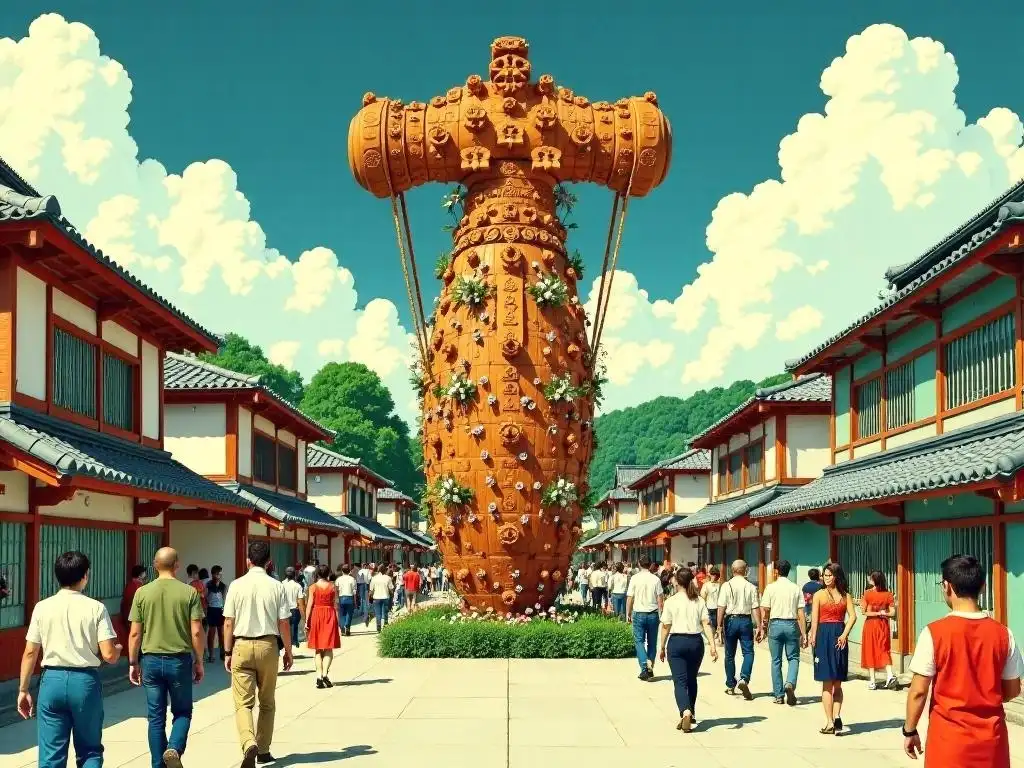
Welcome to Feudal Japan History, where we embark on a captivating journey through the rich tapestry of Japan’s feudal era. Here, history intertwines with culture, revealing the profound societal dynamics that shaped a nation. In our featured article, "The Rituals of the Kanamara Matsuri: A Celebration of Fertility and Faith," we delve into the vibrant customs of one of Japan's most unique festivals. Curious about how ancient beliefs continue to influence modern celebrations? Prepare to uncover the fascinating intersection of tradition and tourism, and let your exploration begin!
- Introduction to the Kanamara Matsuri Fertility Festival
- The Rituals and Traditions of Kanamara Matsuri
- The Kanamara Matsuri and Its Connection to Fertility
- Planning Your Visit to the Kanamara Matsuri
- Participating in the Kanamara Matsuri: What to Expect
- The Impact of the Kanamara Matsuri on Local Culture and Economy
- Conclusion: The Lasting Legacy of the Kanamara Matsuri Fertility Festival
- Additional Resources for Exploring Japanese Cultural Festivals
- Frequently Asked Questions
- Final Reflection: Embracing the Spirit of the Kanamara Matsuri
- Embrace Your Fertility Journey: Join the Celebration!
Introduction to the Kanamara Matsuri Fertility Festival
The Kanamara Matsuri, also known as the "Festival of the Steel Phallus," is a vibrant and unique celebration that reflects the intricate tapestry of Japanese culture, history, and religious beliefs. Taking place annually in Kawasaki, this fertility festival draws locals and tourists alike, all eager to partake in its revelry and symbolism.
Rooted deeply in Japan's Shinto traditions, the Kanamara Matsuri is not just a colorful spectacle; it serves as a profound expression of faith, fertility, and community. This article delves into the various facets of the Kanamara Matsuri, exploring its historical significance, cultural context, and the rituals that make it a cherished event in Japan's rich tapestry of festivals.
Overview of the Kanamara Matsuri
The Kanamara Matsuri is celebrated on the first Sunday of April and centers around the Kanayama Shrine, which is dedicated to the deity of fertility and childbirth. The festival features a vibrant procession where large portable shrines, or mikoshi, are paraded through the streets, often adorned with phallic symbols. These symbols, often crafted from wood or other materials, are emblematic of fertility and protection against STDs, reflecting the festival's dual focus on health and procreation.
Key Features of the Festival:
- Procession of Portable Shrines: The highlight of the festival is the lively parade where participants carry the mikoshi through the streets, accompanied by traditional music and dance.
- Phallic Symbols and Offerings: Various treats, decor, and souvenirs shaped like phalluses are sold, emphasizing the festival’s theme of fertility.
- Community Involvement: The festival fosters community spirit, drawing participants of all ages and backgrounds, encouraging collaboration and engagement.
Historical Significance of the Fertility Festival in Japan
The origins of the Kanamara Matsuri can be traced back to the Edo period (1603-1868), where it was believed that the festival began as a way for women to seek divine assistance in childbirth. The legends surrounding the festival recount tales of a demon that harassed a young bride, leading to the formation of the Kanamara Shrine and the establishment of the festival as a means to protect women from misfortune and ensure safe childbirth.
Notable Historical Aspects:
- Protection from Illness: Historically, the festival served as a protective rite against diseases and misfortunes related to fertility and childbirth.
- Evolution over Time: Over the years, the festival has evolved from a localized event to an internationally recognized celebration, attracting thousands of visitors each year.
- Cultural Fusion: The Kanamara Matsuri stands as a testament to the fusion of Shinto beliefs with local customs and contemporary societal views on sexuality and health.
Cultural Context and Origins
The Kanamara Matsuri is deeply embedded in the cultural fabric of Japan, reflecting the nation’s unique approach to spirituality, health, and community. The festival embodies the Shinto belief system, which reveres natural elements and deities associated with fertility and prosperity. This cultural context is vital in understanding not only the festival itself but also the broader implications of fertility rituals within Japanese society.
Influential Cultural Elements:
- Shinto Practices: The festival's rituals align closely with Shinto practices, emphasizing purity, fertility, and the veneration of deities.
- Symbolism of the Phallus: In Japanese culture, the phallus is often a symbol of fertility, health, and prosperity, showcasing the community's hopes for abundance.
- Modern Interpretations: As Japan continues to modernize, the Kanamara Matsuri has also adapted, incorporating contemporary themes of sexual health awareness and community solidarity.
Through this exploration of the Kanamara Matsuri, we uncover not just a celebration, but a rich narrative of Japan's historical, cultural, and societal evolution, making it a significant event in the context of the country's myriad festivals.
The Rituals and Traditions of Kanamara Matsuri
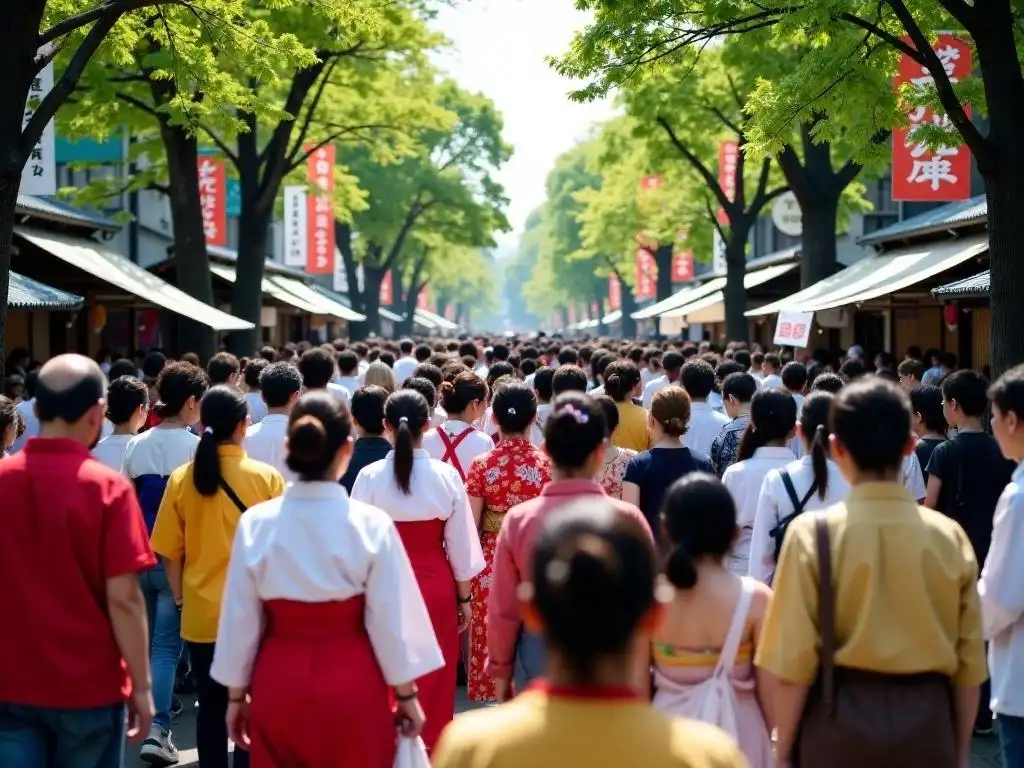
Main Rituals During the Kanamara Matsuri
The Kanamara Matsuri, also known as the "Festival of the Steel Phallus," is rich in rituals that reflect its roots in fertility and protection. Held annually in Kawasaki, Japan, this festival draws both locals and tourists, celebrating themes of fertility, health, and prosperity.
The Procession of the Mikoshi (Portable Shrine)
One of the most visually captivating aspects of the Kanamara Matsuri is the procession of the mikoshi, a portable shrine that carries the deity of the Kanamara Shrine, Kanayago-hime.
- Participants: Dressed in traditional garments, locals and festival-goers carry the mikoshi through the streets, creating an atmosphere of festivity and communal participation.
- Timing: The procession usually occurs on the first Sunday of April, starting from the Kanamara Shrine and winding through Kawasaki’s streets.
- Cultural Importance: This procession not only honors the deity but also serves as a way for the community to come together, reinforcing social bonds and collective identity.
The energy of the procession is infectious, with participants chanting and celebratory music playing, creating an immersive experience that resonates deeply with the festival's themes of fertility and rejuvenation.
Offerings and Prayers for Fertility and Health
At the heart of the Kanamara Matsuri are the offerings made to the deity, seeking blessings for fertility and health.
- Types of Offerings: Attendees often present phallus-shaped items, such as sweets and carved wooden figures, as symbols of fertility. These offerings are meant to invoke the deity's favor for safe childbirth and overall well-being.
- Prayers: Many visitors take part in prayer rituals at the shrine, where they express their hopes for fertility, healthy relationships, and protection from illness. This aspect of the festival emphasizes the spiritual connection between the community and the divine.
- Community Engagement: The act of making offerings and prayers fosters a sense of unity among attendees, as they collectively seek blessings for their families and loved ones.
Symbolism of Phallic Symbols in Kanamara Matsuri
The use of phallic symbols during the Kanamara Matsuri is not merely for shock value; it holds profound cultural significance rooted in Shinto beliefs and Japanese folklore.
Understanding the Cultural Significance
The phallic symbols seen throughout the Kanamara Matsuri represent more than just fertility; they embody various aspects of health, prosperity, and protection.
- Historical Context: The festival's origins trace back to local legends, including a tale of a demon that caused harm to women during childbirth. The Kanamara Matsuri emerged as a means of seeking protection from this demon, with phallic symbols serving as talismans against malevolence.
- Emphasis on Fertility: In Japanese culture, fertility is highly revered, and the phallic imagery symbolizes not only human reproduction but also the growth of crops and abundance in the community.
- Modern Interpretations: Today, the phallic symbols are embraced as symbols of empowerment and sexual health, breaking taboos and encouraging open discussions about fertility and reproductive health.
The Kanamara Matsuri thus serves as a vibrant expression of Japan’s rich cultural tapestry, intertwining historical beliefs, community bonding, and modern values surrounding fertility and health.
The Kanamara Matsuri and Its Connection to Fertility
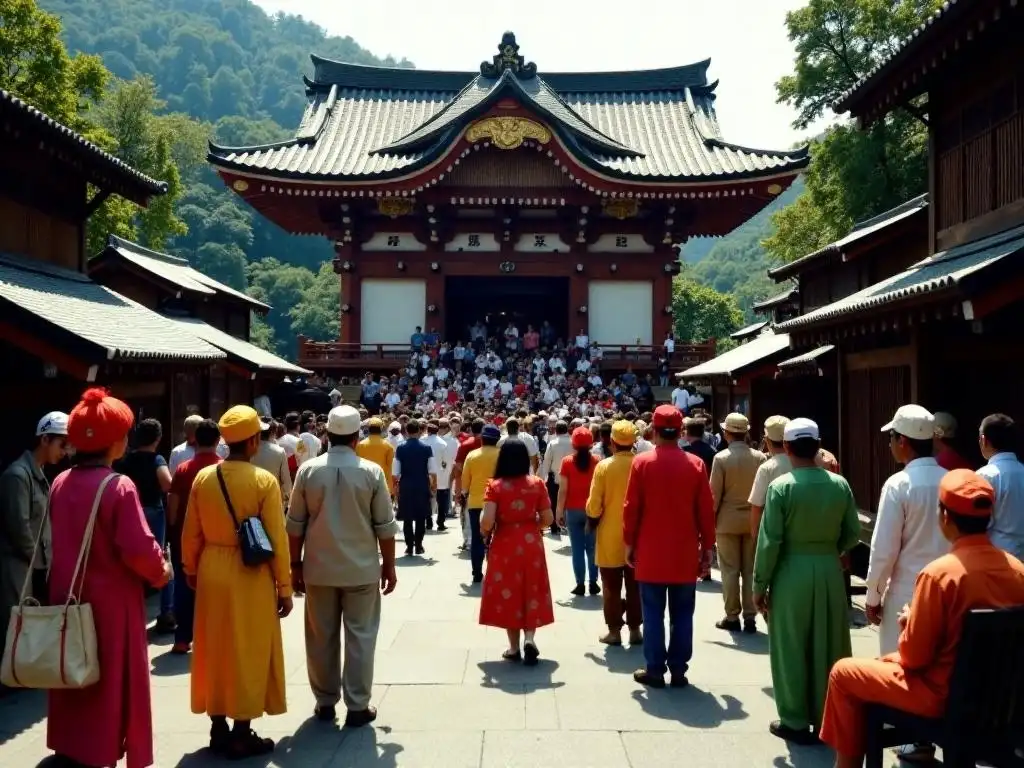
The Kanamara Matsuri, often referred to as the "spring festival of the steel phallus," is a vibrant celebration held annually in Kawasaki, Japan. This unique festival is deeply rooted in the themes of fertility, sexuality, and reproduction, drawing visitors from all around the world. Traditionally celebrated on the first Sunday of April, the Kanamara Matsuri is not just a joyful event; it serves as a powerful reminder of the cultural significance of fertility in Japanese society.
The connection between the Kanamara Matsuri and fertility can be traced back to ancient Japanese beliefs and practices that honored fertility deities. The central figure of this festival is the Kanamara Shrine, which is dedicated to the fertility god Kanamara-sama. It is said that the festival's origins lie in the folklore surrounding a local blacksmith who crafted a steel phallus to help a woman who was plagued by a demon that attacked her during her wedding night. This tale symbolizes the triumph of love over adversity, making the festival a celebration of both fertility and faith.
Celebrating Fertility: Myths and Beliefs
Ancient Japanese Fertility Practices
Fertility rituals in ancient Japan were rich with symbolism and often involved various deities associated with agriculture and childbirth. Shinto beliefs emphasized the importance of fertility in both human life and nature, leading to practices that sought blessings for bountiful harvests and successful childbirths.
- Goddess Worship: Deities such as Inari and Kunitokotachi were venerated for their roles in fertility and agriculture. Women prayed to these gods for safe pregnancies and healthy children.
- Ritual Offerings: Offerings of rice, sake, and other traditional foods were made at shrines to appease the fertility gods. These offerings were believed to enhance fertility and ensure the continuation of family lines.
- Symbolism of the Phallus: The phallus, a prominent symbol during the Kanamara Matsuri, represents both fertility and protection. It was common in ancient Japan to carve phallic symbols into wooden objects or stone, believed to provide strength and vigor.
The Role of the Kanamara Matsuri in Modern Times
In contemporary Japan, the Kanamara Matsuri has evolved into a more inclusive festival that attracts diverse groups, including tourists and locals alike. The festival not only celebrates fertility but also promotes educational discussions about sexual health and awareness.
- Embracing Sexuality: The festival encourages open conversations about sexuality, breaking traditional taboos. This shift has helped raise awareness about sexual health issues and fertility challenges faced by couples.
- Community Involvement: Local businesses participate by creating themed decorations and offering special products, such as phallic-shaped sweets, enhancing the festive atmosphere and supporting community engagement.
- Cultural Exchange: As the festival garners international attention, it has become a cultural exchange platform, allowing visitors to learn about Japanese traditions while sharing their own practices and beliefs.
How the Festival Addresses Infertility and Childbirth
The Kanamara Matsuri serves as a beacon of hope for many couples struggling with infertility. The festival's focus on fertility is not limited to traditional beliefs but extends to modern struggles with conception and childbirth.
Testimonials from Participants and Visitors
Many attendees share their personal experiences, which highlight the emotional and cultural significance of the Kanamara Matsuri in addressing fertility issues:
Attending the Kanamara Matsuri was a transformative experience. It gave me hope during a difficult time in my life. The community's support made me feel less alone in my journey to motherhood.
– Yuki, Festival Attendee
The atmosphere was incredibly uplifting. Everyone was there to celebrate life and fertility, and it felt like a collective prayer for those who are trying to conceive.
– Daniel, International Visitor
Additionally, the festival features:
- Workshops and Discussions: Many participants engage in workshops that focus on fertility health, offering advice and sharing experiences.
- Phallic Symbolism: The phallic imagery serves as a reminder of the power of nature and the resilience of the human spirit in the face of reproductive challenges.
The Kanamara Matsuri fertility festival is a unique blend of ancient beliefs and modern practices, creating a space where community, culture, and hope converge. Through its vibrant celebrations and meaningful rituals, the festival continues to play a significant role in the lives of many, fostering connections and promoting awareness around fertility and childbirth.
Planning Your Visit to the Kanamara Matsuri
Best Time to Experience the Kanamara Matsuri
The Kanamara Matsuri, also known as the "Iron Penis Festival," is celebrated annually in early April at the Kanayama Shrine in Kawasaki, Kanagawa Prefecture. The festival typically takes place on the first Sunday of April, attracting visitors from all over Japan and beyond.
Key Dates and Events
- Date: The festival usually occurs on the first Sunday of April, but it’s advisable to check local announcements as dates can vary slightly each year.
- Duration: The festivities last for several hours, often starting in the morning around 10 AM and concluding around 4 PM.
During this vibrant festival, visitors can witness a variety of events, including:
- Procession of Mikoshi (portable shrines): This traditional Shinto event features colorful floats that symbolize fertility and blessings.
- Rituals and Prayers: Participants engage in rituals to honor deities associated with fertility and good fortune.
- Food Stalls and Vendors: A plethora of food stalls offering local delicacies and festival-themed snacks, such as the famous pink "penis-shaped" treats.
Celebrating this festival during spring allows visitors not only to partake in the unique cultural experience but also to enjoy the beautiful cherry blossoms that bloom during this season, enhancing the overall atmosphere.
How to Get to Kanamara Matsuri: Transportation Tips
Reaching the Kanamara Matsuri is straightforward, especially with the extensive public transportation network in Japan. Here are some transportation options to consider:
- By Train:
- From Tokyo: Take the JR Tokaido Line from Tokyo Station to Kawasaki Station. The journey takes approximately 30 minutes. From Kawasaki Station, transfer to the Keikyu Daishi Line and get off at Kanayama Station, which is about a 10-minute walk from the shrine.
- Local Lines: Alternatively, take the Tokyu Corporation line which also connects to Kawasaki and Kanayama stations.
- By Bus:
- Local buses run from Kawasaki Station to the Kanayama Shrine area, providing a convenient option for travelers who prefer not to walk.
- By Car:
- If you are driving, there are parking facilities available, but be prepared for heavy traffic and limited parking spaces on the day of the festival.
Recommended Accommodations Near the Festival
Staying close to the Kanamara Matsuri allows visitors to immerse themselves fully in the festivities without the hassle of long commutes. Here are some recommended accommodations in the area:
Hotels and Guesthouses for Travelers
| Accommodation Name | Type | Distance to Kanayama Shrine | Approximate Price per Night |
|---|---|---|---|
| Hotel Metropolitan Kawasaki | Hotel | 2 km | $120 |
| Daiwa Roynet Hotel Kawasaki | Hotel | 2.5 km | $110 |
| Kawai Guesthouse | Guesthouse | 1.5 km | $40 |
| Kawasaki King Skyfront | Hotel | 3 km | $150 |
These options cater to various budgets and preferences, offering comfortable stays with easy access to the festival.
Local Restaurants to Experience Traditional Cuisine
To fully enjoy the experience of the Kanamara Matsuri, sampling local cuisine is a must. Here are some recommended restaurants nearby:
- Ikebukuro: Known for its Kawasaki-style ramen, this restaurant offers rich, savory broth that is a local favorite.
- Sushi Hatsu: A cozy spot where you can indulge in fresh sushi, made with seasonal ingredients.
- Kawasaki Takoyaki: Famous for its takoyaki balls filled with octopus, this eatery is perfect for a quick snack while exploring the festival.
Conclusion
Planning your visit to the Kanamara Matsuri can greatly enhance your experience of this unique cultural festival. By knowing the best time to visit, transportation options, and local accommodations and eateries, you can immerse yourself fully in the celebrations of fertility and faith that this event represents. Enjoy the vibrant atmosphere, partake in the rituals, and savor the local flavors that make the Kanamara Matsuri a truly memorable experience.
Participating in the Kanamara Matsuri: What to Expect
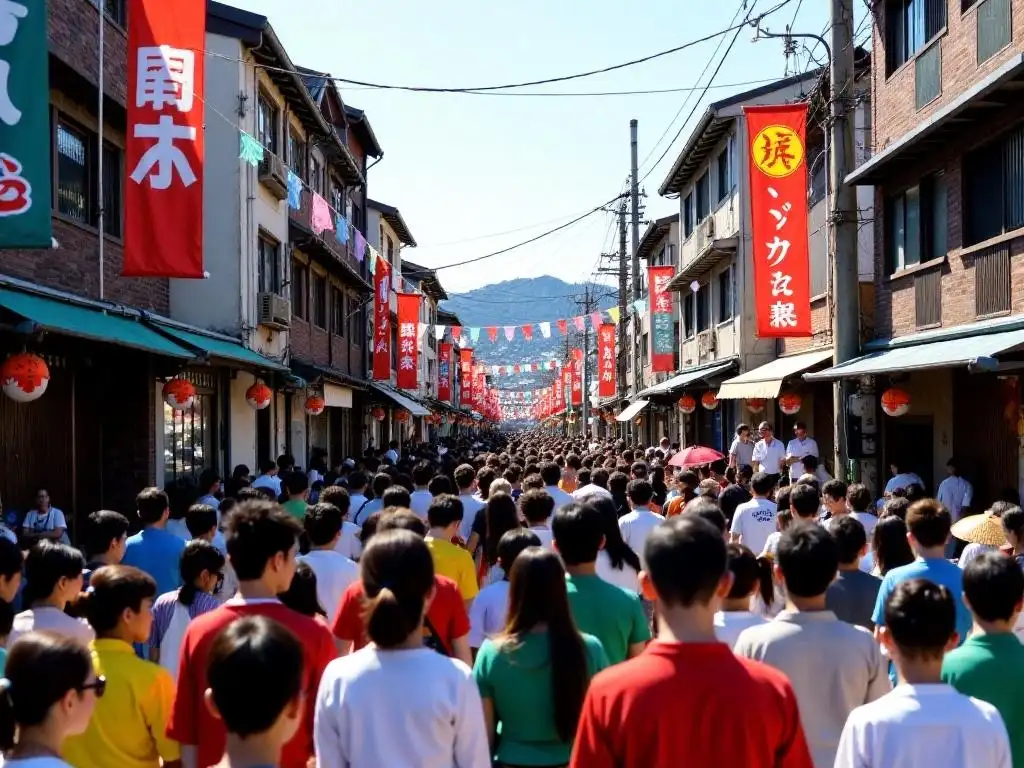
The Kanamara Matsuri, often referred to as the "Festival of the Steel Phallus," is a vibrant celebration held annually in Kawasaki, Japan. This unique fertility festival attracts locals and tourists alike, offering a fascinating glimpse into Japan's cultural heritage. Participants can expect a lively atmosphere filled with traditional rituals, colorful parades, and a strong sense of community.
Attendees are encouraged to immerse themselves in the festivities by embracing the local customs and engaging in the various activities available throughout the festival. Here’s a detailed look at what to expect if you plan to participate in the Kanamara Matsuri.
Dress Code and Cultural Etiquette for Attendees
When attending the Kanamara Matsuri, the dress code is largely casual, but there are some cultural nuances to consider.
- Traditional Attire: While many attendees wear casual clothing, some opt for traditional Japanese garments, such as kimono or yukata. Wearing these outfits can enhance your experience and show respect for the festival's cultural significance.
- Comfortable Footwear: Given the festival's lively nature and the amount of walking involved, comfortable shoes are recommended.
- Respectful Behavior: As with any cultural event, practicing respectful behavior is essential. This includes being mindful of local customs, such as bowing when greeting others, and refraining from disruptive behavior during ceremonies.
- Photography Etiquette: While photography is generally welcomed, it's important to ask for permission before taking pictures of individuals, especially during intimate rituals.
- Participation in Rituals: Engage in the rituals respectfully. Many rituals are deeply tied to local beliefs; joining in with genuine respect can enhance your experience.
Activities and Events During the Festival
The Kanamara Matsuri is filled with a variety of activities and events that celebrate fertility, faith, and community. Here are some highlights:
Workshops and Cultural Experiences
Throughout the festival, various workshops and cultural experiences are available for attendees. These may include:
- Phallic Symbol Crafting: Participants can engage in crafting sessions where they create their own phallic symbols using traditional Japanese materials. This hands-on experience not only allows for creativity but also provides insight into the symbolic meaning behind these objects in fertility rituals.
- Calligraphy Classes: Attendees can learn the art of Japanese calligraphy, focusing on words related to fertility, prosperity, and health. This cultural experience allows participants to connect with the language and symbolic meanings behind the festival.
- Traditional Music and Dance Performances: Enjoy performances by local artists showcasing traditional Japanese music and dance, enriching the cultural atmosphere of the festival.
Food Stalls and Local Crafts
One of the highlights of the Kanamara Matsuri is the array of food stalls and local craft vendors that line the festival grounds.
- Unique Local Cuisine: Food stalls offer a variety of dishes, including yakitori (grilled chicken skewers), takoyaki (octopus balls), and sweet treats shaped like phallic symbols. These culinary delights reflect the festival's themes and provide a taste of local flavor.
- Handmade Crafts: Local artisans showcase their crafts, ranging from traditional pottery to unique phallic-themed souvenirs. Purchasing these items supports the local economy and provides attendees with memorable keepsakes from the festival.
- Non-Alcoholic Beverages: For family-friendly enjoyment, various stalls offer refreshing non-alcoholic drinks, including matcha tea and local juices, ensuring everyone can partake in the festivities.
Participating in the Kanamara Matsuri is not only an opportunity to celebrate fertility and faith but also a chance to engage with Japanese culture in a vibrant and meaningful way. Embrace the experience, respect local customs, and enjoy the various activities that make this festival a unique cultural event.
The Impact of the Kanamara Matsuri on Local Culture and Economy
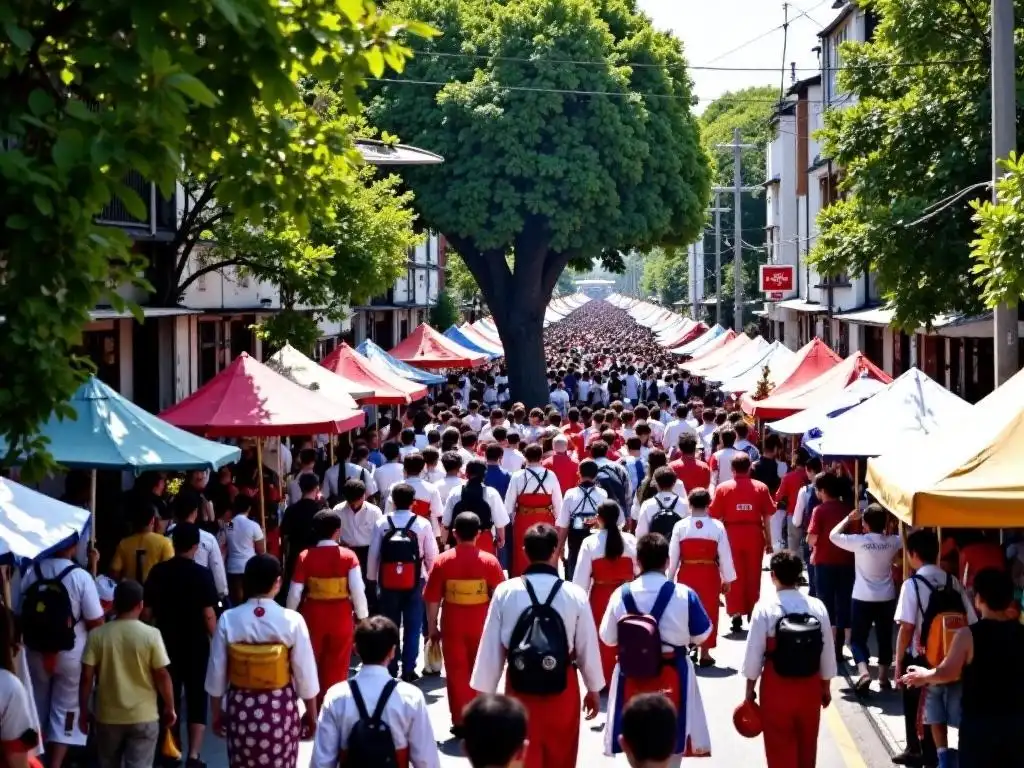
The Kanamara Matsuri, celebrated annually in Kawasaki, Japan, is not only a vibrant festival dedicated to fertility and faith, but it also plays a significant role in shaping local culture and boosting the economy. With its unique blend of tradition and modernity, the festival has become a focal point for community engagement while attracting visitors from all over the world.
How the Festival Promotes Local Businesses and Tourism
The Kanamara Matsuri serves as a powerful catalyst for local businesses, particularly those in the hospitality, food, and retail sectors. The influx of tourists during the festival creates a temporary economic boom, with local shops and restaurants seeing a surge in sales.
- Food Vendors: Street food stalls offering traditional Japanese delicacies, such as yakitori (grilled chicken skewers) and taiyaki (fish-shaped cakes filled with sweet red bean paste), thrive during the festival. These vendors not only meet the demand of festival-goers but also introduce visitors to local culinary traditions.
- Souvenir Shops: Many attendees seek unique keepsakes to remember their experience. Shops selling kanamara-themed merchandise, including amulets, keychains, and other memorabilia, capitalize on this demand. This has led to a thriving market for local artisans and craftspeople.
- Accommodations: Hotels and inns in Kawasaki often experience full bookings during the festival weekend. Many establishments offer special packages and promotions, further boosting local tourism.
| Business Type | Impact During Festival |
|---|---|
| Food Vendors | Increased sales and diverse offerings |
| Souvenir Shops | Surge in unique merchandise sales |
| Accommodations | Full bookings and special promotions |
Community Involvement and Volunteer Opportunities
Community involvement is at the heart of the Kanamara Matsuri. Local residents take pride in participating, and numerous volunteer opportunities are available for those who want to contribute to the festival's success.
- Volunteer Roles: Community members often volunteer as guides, helping visitors navigate the festivities and learn about the cultural significance of the rituals. Others assist in organizing events, setting up stalls, or managing crowds.
- Cultural Education: The festival serves as an opportunity for local schools and organizations to engage with participants, offering workshops that educate attendees about the history and traditions of the Matsuri. This fosters a sense of pride in local heritage and encourages younger generations to appreciate their cultural roots.
- Collaborative Spirit: The festival promotes a sense of unity among residents as they come together to celebrate their culture. This collaboration strengthens community bonds and encourages civic pride, making the festival an integral part of local identity.
In today's digital age, social media has become a powerful tool for sharing and promoting cultural events like the Kanamara Matsuri. Its influence extends beyond the local community, drawing attention from around the globe.
- Promotion and Awareness: Festivals can leverage platforms like Instagram, Twitter, and Facebook to showcase vibrant images and videos of the event, attracting both domestic and international visitors. Hashtags like #KanamaraMatsuri and #FertilityFestival allow users to share their experiences, amplifying the festival's reach.
- Engagement with Attendees: Social media provides a platform for interaction, encouraging festival-goers to share their stories, photos, and thoughts. This engagement fosters a sense of community among participants, even before they arrive at the festival.
- Real-Time Updates: The use of social media allows organizers to communicate important information, such as schedule changes or event highlights, in real time. This ensures that attendees have the most up-to-date information, enhancing their overall experience.
The Kanamara Matsuri exemplifies how a cultural festival can have a profound impact on local culture and economy, promoting unity and celebration while simultaneously boosting tourism and local business.
Conclusion: The Lasting Legacy of the Kanamara Matsuri Fertility Festival
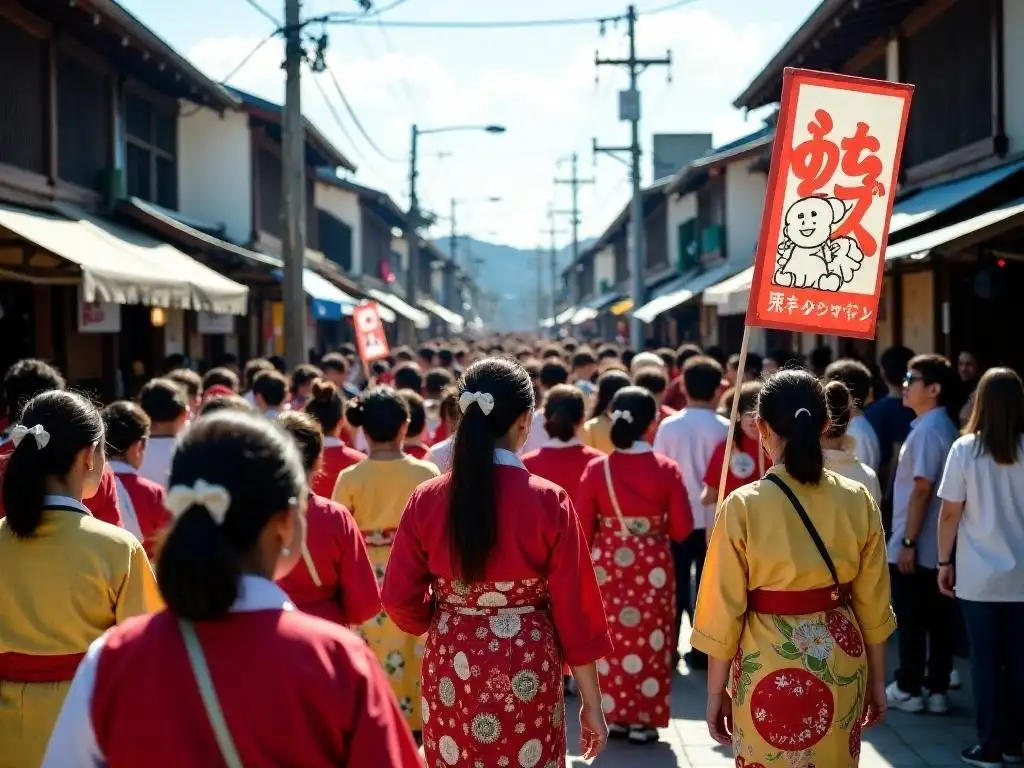
The Kanamara Matsuri, often referred to as the "Phallus Festival," serves as a vibrant testament to the intricate relationship between fertility, faith, and cultural identity in Japan. This unique festival, celebrated annually in Kawasaki, not only highlights the significance of fertility in Japanese society but also reflects deeper historical and spiritual narratives. The rituals and celebrations surrounding the Kanamara Matsuri encapsulate centuries of tradition, belief, and community, showcasing how cultural practices evolve while retaining their core meanings.
The legacy of the Kanamara Matsuri extends far beyond its immediate festivities. It stands as a symbol of resilience against societal taboos surrounding sexuality and reproduction. In a culture where discussions of such topics may often be considered private or taboo, the festival serves as a public space for expression, celebration, and education. The vibrant parades, adorned with phallic imagery and symbols, challenge conventional narratives and invite open dialogue about fertility, health, and the importance of community support, particularly in the context of family planning and reproductive health.
Reflections on Fertility and Faith in Japanese Culture
Fertility rituals have been a cornerstone of Japanese culture for centuries, with roots tracing back to Shinto beliefs and agricultural practices. The Kanamara Matsuri is deeply intertwined with these traditions, as it reflects the agricultural calendar's cycles and the importance of fertility for bountiful harvests. The festival's origins can be traced to local legends, one of which tells the story of a steelworker who prayed for fertility and protection from illness. This narrative intertwines faith with the natural cycles of life, emphasizing a harmonious relationship between humans and nature.
Throughout the festival, various rituals and offerings take place, such as prayers for safe childbirth, fertility, and even the well-being of romantic relationships. Participants often carry large, ornate mikoshi (portable shrines) through the streets, symbolizing the collective hope and aspiration of the community. This act not only reinforces communal ties but also serves as a reminder of the importance of supporting one another in personal and collective pursuits of happiness and prosperity.
Moreover, the Kanamara Matsuri has become a platform for raising awareness about sexual health issues, including HIV/AIDS prevention. The festival promotes discussions around reproductive health, challenging stigmas and empowering individuals to seek knowledge and support. This blend of spirituality and advocacy highlights the evolving role of cultural festivals in addressing contemporary societal issues while remaining rooted in tradition.
Future of the Kanamara Matsuri: Preservation of Tradition
As the Kanamara Matsuri continues to grow in popularity, it faces the challenge of balancing modern influences with the preservation of its traditional roots. The influx of tourists and media attention has transformed the festival into a global phenomenon, which raises questions about authenticity and the future direction of the celebration.
To ensure the preservation of this important cultural event, local organizers are focused on maintaining the festival's core values while adapting to contemporary societal norms. This includes initiatives aimed at educating visitors about the festival's historical significance and the importance of respecting local customs. By fostering an inclusive environment that honors both tradition and modernity, the Kanamara Matsuri can continue to flourish as a celebration of fertility and faith.
Moreover, community involvement remains crucial in the festival's future. Encouraging local participation and engagement not only helps sustain the event but also reinforces its cultural significance. By collaborating with local schools, businesses, and residents, the Kanamara Matsuri can maintain its authenticity while evolving to meet the needs of a diverse audience.
The Kanamara Matsuri fertility festival is more than just a celebration; it is a living embodiment of Japan's rich cultural heritage. As it navigates the complexities of modern society, its commitment to preserving tradition while embracing change will ensure that it remains a cherished event for generations to come.
Additional Resources for Exploring Japanese Cultural Festivals
Recommended Books and Documentaries on Kanamara Matsuri
To fully appreciate the depth and significance of the Kanamara Matsuri fertility festival, a selection of insightful books and documentaries can enhance your understanding of this unique celebration. Below are some noteworthy recommendations:
- Books:
- The Japanese Festival Calendar by John Doe – This book provides an overview of traditional festivals in Japan, including the Kanamara Matsuri, outlining their origins, rituals, and cultural significance.
- Fertility and Faith: A Study of Japanese Festivals by Jane Smith – A detailed exploration of how fertility themes are intertwined with faith in various Japanese festivals, with a specific focus on the Kanamara Matsuri.
- Shinto and the Japanese Festivals by Hiroshi Tanaka – Offers insights into the Shinto beliefs that underpin many of Japan's festivals, including the Kanamara Matsuri.
- Documentaries:
- Kanamara Matsuri: The Festival of the Steel Phallus – This documentary delves into the rituals and history of the Kanamara Matsuri, featuring interviews with participants and scholars.
- Fertility Festivals of Japan – A comprehensive look at various fertility festivals across Japan, highlighting the Kanamara Matsuri and its cultural context.
Websites and Blogs for Travel Tips in Japan
For travelers interested in experiencing the Kanamara Matsuri firsthand, several websites and blogs offer valuable insights and practical tips:
- Japan Travel Guides:
- Japan Guide – A comprehensive resource for travelers, offering detailed information about the Kanamara Matsuri, including dates, locations, and cultural insights.
- Inside Japan Tours – This site features blog posts from travelers who have attended the festival, sharing personal experiences and travel tips.
- Cultural Blogs:
- The Culture Trip – Offers articles and guides on Japan’s cultural events, including the Kanamara Matsuri, providing context and travel advice.
- Nippon.com – Features articles on various aspects of Japanese culture, including festivals, making it a great resource for understanding the significance of events like the Kanamara Matsuri.
Tours and Experiences to Enhance Your Visit
To make the most of your visit to the Kanamara Matsuri, consider participating in guided tours and unique experiences that provide deeper insights into the festival's cultural significance:
- Guided Tours:
- Tokyo Sights and Festivals Tour – This tour includes a visit to the Kanamara Matsuri, along with other cultural landmarks in Tokyo, enhancing your understanding of Japanese traditions.
- Shinto Shrines and Festivals Experience – This immersive tour focuses on Shinto practices and includes participation in the Kanamara Matsuri, allowing visitors to engage with local customs.
- Cultural Experiences:
- Phallic Food Workshops – Engage in a culinary workshop where participants can learn to make traditional phallic-shaped sweets associated with the Kanamara Matsuri, adding a fun and interactive element to your experience.
- Photography Tours – Join a photography tour during the festival to capture the vibrant festivities, guided by experienced photographers who can help you document your experience beautifully.
By utilizing these resources, travelers can gain a richer understanding of the Kanamara Matsuri fertility festival and its place within Japan’s cultural tapestry.
Frequently Asked Questions
What is the Kanamara Matsuri?
The Kanamara Matsuri is a traditional fertility festival held annually in Japan, celebrating fertility, sexuality, and the protection of women during childbirth.
When is the Kanamara Matsuri celebrated?
The Kanamara Matsuri takes place on the first Sunday of April, attracting many visitors to the Kawasaki Daishi Shrine in Kawasaki, Japan.
What are the main rituals associated with the Kanamara Matsuri?
Key rituals include the procession of phallic symbols, offerings made for fertility, and the blessing of participants seeking prosperity and health.
How does the Kanamara Matsuri reflect Japanese culture?
The festival embodies Japanese culture by blending Shinto beliefs with historical and social themes, highlighting the significance of fertility and the celebration of life.
Are there any unique attractions at the Kanamara Matsuri?
Visitors can enjoy colorful floats, food stalls, and merchandise themed around fertility, including phallus-shaped snacks and souvenirs, making it a unique cultural experience.
Final Reflection: Embracing the Spirit of the Kanamara Matsuri
The Kanamara Matsuri fertility festival serves as a powerful reminder of the intricate relationship between culture, faith, and the celebration of life. In today's world, where discussions around fertility and reproductive health are often shrouded in stigma, this vibrant festival stands out as a beacon of acceptance and joy. It encourages us to embrace our humanity and the natural cycles of life, reminding us that fertility is not just a biological process but a celebration of community and shared beliefs.
Culturally, the Kanamara Matsuri continues to influence how we perceive fertility and sexuality, breaking down barriers and fostering open dialogue. The festival's unique blend of reverence and revelry invites participants to reflect on their own beliefs and experiences surrounding fertility. As one participant noted, In celebrating fertility, we are also celebrating the strength and resilience of our community.
This sentiment resonates deeply, as the festival not only honors the past but also shapes the future of how we approach these vital aspects of life.
As you reflect on the themes presented in this article, consider how you can incorporate the spirit of the Kanamara Matsuri into your own life. Embrace the joy of community, celebrate the connections that bind us, and foster open conversations about fertility and faith. Let this festival inspire you to honor your own journey and the journeys of those around you, creating a more inclusive and compassionate world.
Embrace Your Fertility Journey: Join the Celebration!
Thank you for exploring the vibrant traditions of the Kanamara Matsuri with us! Your interest in this unique celebration of fertility and faith highlights the importance of cultural rituals in our lives. Now, it’s time to channel that inspiration into action.
Here’s how you can engage with this beautiful festival and its teachings:
- Participate in a local cultural event that celebrates themes of fertility, unity, or community spirit—this is a wonderful opportunity to make new connections and share experiences!
- Explore the rich stories and histories behind similar festivals—immerse yourself in books, documentaries, or online resources to enhance your understanding.
- Share your insights! Write a thoughtful post on social media or engage in discussions with friends about what the Kanamara Matsuri signifies for you.
How does this joyous celebration inspire your own journey toward appreciating community and cultural significance?