
The Strategic Importance of Feudal Castles in Japan's History


Welcome to Feudal Japan History, where we delve deep into the captivating world of Japan’s feudal era, unveiling the rich tapestry of its historical, cultural, and societal intricacies. In this journey, we invite you to explore the strategic importance of Japanese feudal castles, magnificent fortresses that served not only as military strongholds but also as symbols of power and resilience. What secrets lie within their ancient walls?
Join us as we unravel the stories behind these architectural marvels and discover how they shaped the very fabric of Japanese history. Read on to embark on a fascinating exploration that promises to illuminate the past like never before!
Feudal castles, known as shiro in Japanese, stand as monumental symbols of Japan's historical and cultural landscape, encapsulating the essence of a transformative era that shaped the nation. These fortifications were not merely military structures; they were pivotal in the socio-political framework of feudal Japan. The importance of Japanese feudal castles extends beyond their architectural grandeur; they served as the epicenters of power, governance, and local administration, playing a critical role in the lives of samurai, daimyos, and the common populace.
Exploring the strategic significance of these castles offers valuable insights into Japan's feudal era, revealing how these structures influenced military tactics, economic stability, and cultural development. As we navigate through the intricacies of these historical fortresses, we will uncover their historical significance, unique architectural features, and the enduring legacy they leave on the Japanese landscape today.
Introduction to Japanese Feudal Castles
Japanese feudal castles date back to the late 12th century and flourished from the 15th to the 17th centuries, during the Sengoku (Warring States) period. These castles were designed not only for defense but also to demonstrate the power and status of the ruling samurai class.
- Key Features of Feudal Castles:
- Location: Typically situated on elevated ground or surrounded by water to enhance defensive capabilities.
- Moats and Walls: Thick stone walls and deep moats were common, creating formidable barriers against invaders.
- Main Keep (tenshu): The central tower served as the residence of the lord and a lookout point for any approaching threats.
The design and layout of these castles often reflected the strategic needs of the time, with intricate plans that facilitated both defense and administration. They became symbols of authority, influencing local governance and serving as hubs for political and military activity.
The Historical Significance of Japanese Feudal Castles
The role of feudal castles in Japan's history is profound, affecting not only military strategies but also the socio-political landscape of the era. These structures were crucial during periods of conflict, acting as strongholds for clans and serving as bases for military operations.
- Conflict and Control:
- Castles enabled daimyos to exert control over their territories, allowing them to manage resources and maintain order.
- The strategic placement of castles often determined the outcomes of battles, influencing the rise and fall of clans.
- Cultural Centers:
- Beyond their military importance, castles served as cultural hubs where art, literature, and governance flourished.
- Many castles housed administrative offices, schools, and even temples, making them pivotal in the cultural and societal development of their regions.
Architectural Features of Japanese Feudal Castles
The architectural design of feudal castles reflects a blend of functionality and aesthetic appeal, showcasing the ingenuity of Japanese craftsmanship. Each castle was uniquely tailored to its environment and purpose, yet several common features can be observed across many structures.
- Distinctive Elements:
- Tenshu (Main Keep): Often the most striking feature, the tenshu was multi-storied and designed to provide a commanding view of the surroundings.
- Yagura (Turrets): These fortified towers served as lookout points and storage for weapons and supplies.
- Stone Foundations: Many castles were built on solid rock foundations, enhancing their sturdiness and longevity.
- Defensive Innovations:
- Narrow Entryways: Designed to limit access and provide a tactical advantage during sieges.
- Arrow Slits and Gun Emplacements: These features allowed defenders to engage attackers while remaining protected.
The strategic importance of these architectural elements cannot be overstated; they were integral to the castles' roles as both fortifications and symbols of power. Today, many of these castles have been preserved as historic sites, inviting visitors to explore their rich past and appreciate their architectural beauty.
Cultural Importance of Japanese Feudal Castles
Japanese feudal castles, or shiro, are not just impressive architectural feats; they represent a significant aspect of Japan's cultural heritage. These castles served multiple purposes, including military defense, administrative centers, and symbols of power. The design and construction of these castles were deeply influenced by the cultural and social norms of the time, making them a reflection of the era's values and aesthetics.
One of the most notable cultural aspects of these castles is their architectural style. Many castles incorporate elements of traditional Japanese aesthetics, such as simplicity, asymmetry, and harmony with nature. The use of natural materials, intricate woodwork, and the incorporation of gardens and moats illustrate the Japanese appreciation for beauty and nature. The tenshu (main keep) often features ornate roofs and elaborate decorations, showcasing the power and status of the ruling samurai.
Moreover, feudal castles played a crucial role in the preservation of Japanese arts and crafts. Various craftspeople, from carpenters to painters, thrived in the atmosphere around these castles. Their work often included creating stunning wall paintings, decorative screens, and intricate carvings, which have left a lasting impact on Japanese art history. Festivals and ceremonies often took place within the castle grounds, further embedding these structures into the cultural fabric of Japanese society.
Feudal Castles in the Context of Japanese National Identity
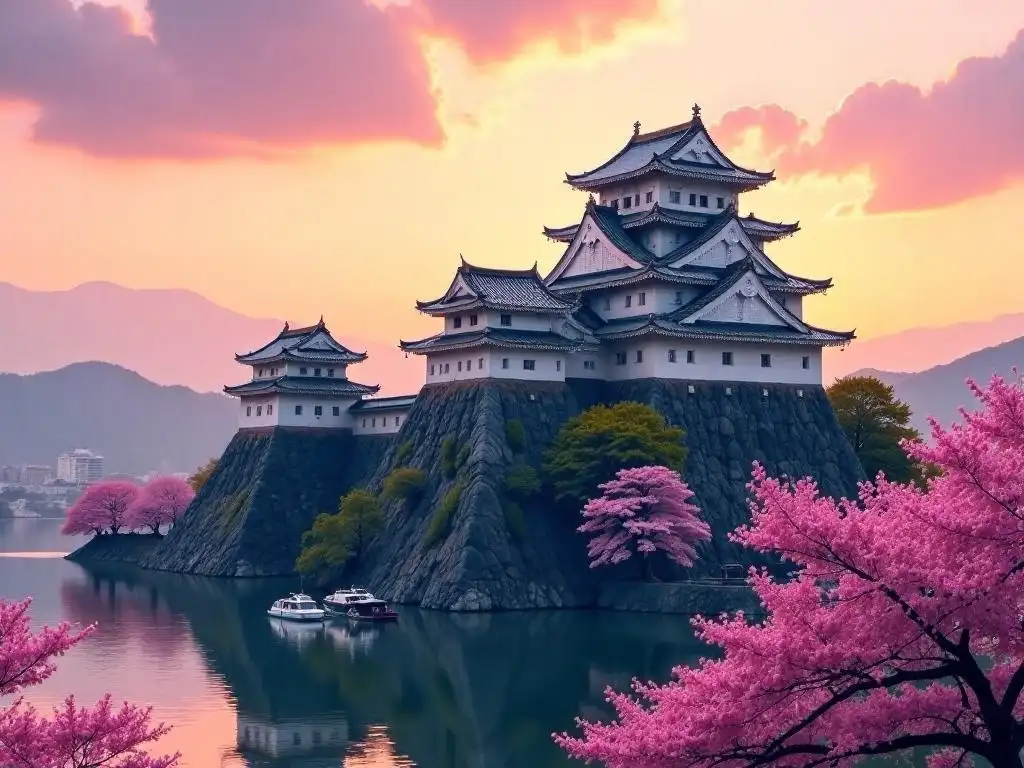
Feudal castles are a vital component of Japan's national identity, symbolizing the historical power dynamics and societal structures of the feudal era. They encapsulate the essence of the samurai class and their role in shaping Japan's history. These castles represent the feudal lords' authority and the complex relationships between different classes within society.
As Japan transitioned from a feudal society to a modern nation-state, the castles became symbols of nostalgia and national pride. They evoke a sense of historic continuity and connection to Japan’s past. This transformation is particularly evident during the Meiji Restoration, when the government sought to promote national unity and identity by emphasizing Japan’s rich history. Many castles were preserved or restored during this time, reinforcing their importance in the collective memory of the Japanese people.
In contemporary Japan, these castles have become popular tourist attractions, further solidifying their role in national identity. They serve as educational sites where visitors can learn about Japan's feudal history, samurai culture, and architectural innovation. By visiting these sites, both locals and international tourists engage with Japan's cultural narrative, reinforcing the castles' significance in the modern context.
Notable Examples of Japanese Feudal Castles
Several feudal castles stand out in Japan's history, each with its unique story and architectural features. Here are a few notable examples:
- Himeji Castle: Often referred to as the "White Heron Castle" due to its elegant and white exterior, Himeji Castle is a UNESCO World Heritage site. Built in the 17th century, it is renowned for its well-preserved structure and complex defensive systems. The castle also exemplifies the beauty of Japanese castle architecture.
- Matsumoto Castle: Known as the "Crow Castle" because of its striking black walls, Matsumoto Castle is one of Japan’s most complete and beautiful castles. Built in the late 16th century, it features a unique combination of both defensive and aesthetic elements, making it a prime example of feudal architecture.
- Nagoya Castle: Famous for its golden shachihoko (a mythical creature resembling a fish), Nagoya Castle was originally constructed in the early 17th century. The castle played a role in the unification of Japan during the Edo period and remains an important cultural landmark.
- Osaka Castle: This castle is not only significant for its historical role in the unification of Japan but also for its stunning architecture and expansive gardens. Originally built in the 16th century, it has undergone several reconstructions and now serves as a museum showcasing the history of the region.
Each of these castles offers a glimpse into Japan's feudal past, serving as reminders of the country's rich history, cultural evolution, and the strategic importance of these formidable structures.
The Modern Relevance of Japanese Feudal Castles
Japanese feudal castles, once the bastions of power and defense during the tumultuous periods of the Sengoku and Edo eras, continue to hold significant relevance in modern Japan. These structures serve not only as historical landmarks but also as cultural symbols that reflect the rich heritage of the nation. Today, they attract millions of tourists each year, contributing to local economies while educating visitors about the complexities of Japan's feudal history.
In addition to their role as tourist attractions, feudal castles are also integral to cultural events and festivals. Many castles host reenactments of historical battles, traditional arts, and crafts fairs, helping to keep ancient customs alive. This connection to the past fosters a sense of identity and continuity among local communities, reinforcing the idea that these castles are not relics but vibrant parts of Japan’s living history.
Moreover, Japanese feudal castles are increasingly recognized for their potential in the field of urban development and tourism management. As cities expand, there is a growing emphasis on integrating historical sites into modern urban landscapes. This approach allows for the preservation of cultural heritage while accommodating contemporary needs, thus ensuring that these castles remain relevant in today's society.
Preservation and Restoration of Feudal Castles
The preservation and restoration of feudal castles in Japan is a complex and ongoing endeavor, involving a combination of historical research, architectural expertise, and community involvement. Many of these castles have undergone extensive restoration to maintain their structural integrity and historical authenticity. The process often involves meticulous craftsmanship, with artisans using traditional methods and materials to replicate the original designs.
One of the most significant challenges in preserving these structures is the threat posed by natural disasters, particularly earthquakes, which are common in Japan. Consequently, modern preservation efforts include engineering innovations that enhance the castles' resilience while respecting their historical significance. For instance, some castles have been fitted with advanced seismic protection systems, which allow them to withstand earthquakes while maintaining their original appearance.
In addition to physical restoration, there is a growing emphasis on the digital preservation of these sites. Virtual tours and augmented reality experiences are becoming increasingly popular, providing global audiences with access to Japan's feudal heritage. These technologies not only enhance educational opportunities but also encourage a deeper appreciation for the cultural importance of these castles, fostering a sense of stewardship among future generations.
Conclusion: The Lasting Legacy of Japanese Feudal Castles

The importance of Japanese feudal castles extends far beyond their historical context; they embody the spirit of resilience, artistry, and cultural identity that has defined Japan throughout the centuries. As symbols of a bygone era, these castles serve as reminders of the social hierarchies, military strategies, and architectural innovations that shaped the nation’s feudal past.
Today, efforts to preserve and promote these historical sites are crucial in maintaining Japan's cultural heritage. By engaging local communities and encouraging tourism, feudal castles continue to play a pivotal role in educating people about Japan's rich history and traditions.
As we look towards the future, the legacy of Japanese feudal castles is not only preserved in their stone walls but also in the stories they tell and the connections they foster between past and present. Thus, the importance of Japanese feudal castles is not merely historical; it is a living legacy that continues to inspire and captivate new generations.
Recommended Resources for Further Exploration
To gain a deeper understanding of the strategic importance of Japanese feudal castles, consider exploring the following resources:
- Books
- The Japanese Castle by E. P. Jones: This book offers a detailed overview of the architectural evolution and strategic significance of castles throughout Japan’s history.
- Japanese Castles: 1540-1640 by Stephen Turnbull: A comprehensive guide focusing on notable castles during the tumultuous Sengoku period, exploring their designs and functions.
- Documentaries
- The Age of the Samurai: Battle for Japan: This docuseries delves into the feudal era, highlighting the role of castles in warfare and governance.
- Japan’s Hidden History: This documentary provides insights into the cultural and historical contexts of feudal castles, showcasing their architectural grandeur.
- Online Courses
- Feudal Japan: A Study of Samurai Culture and Architecture on platforms like Coursera and edX, which often include modules focused on the castles and their strategic roles.
- Japanese Architecture: From Ancient to Modern available on various educational platforms, covering the evolution of castle design and their significance in society.
- Museums and Historical Sites
- Himeji Castle: Recognized as a UNESCO World Heritage site, this castle is an excellent example of feudal architecture and is often regarded as the finest surviving example in Japan.
- Matsumoto Castle: Known as the "Crow Castle," it offers insights into the defensive structures of feudal Japan and is a must-visit for history enthusiasts.
References
- Turnbull, Stephen. Japanese Castles: 1540-1640. Osprey Publishing, 2003.
- Jones, E. P. The Japanese Castle. Tuttle Publishing, 2002.
- NHK World-Japan. The Age of the Samurai: Battle for Japan. Retrieved from NHK World.
- Coursera. Feudal Japan: A Study of Samurai Culture and Architecture. Available for enrollment.
- UNESCO World Heritage Centre. Himeji-jo. Retrieved from UNESCO.
- Matsumoto Castle Official Website. Information on visiting and historical significance.
- Introduction to Japanese Feudal Castles
- The Historical Significance of Japanese Feudal Castles
- Architectural Features of Japanese Feudal Castles
- Cultural Importance of Japanese Feudal Castles
- Feudal Castles in the Context of Japanese National Identity
- Notable Examples of Japanese Feudal Castles
- The Modern Relevance of Japanese Feudal Castles
- Preservation and Restoration of Feudal Castles
- Conclusion: The Lasting Legacy of Japanese Feudal Castles
- Recommended Resources for Further Exploration
- References
Frequently Asked Questions
What were the primary functions of feudal castles in Japan?
Feudal castles served as military strongholds, residences for feudal lords, and administrative centers. They played a crucial role in managing territories and defending against enemies.
How did feudal castles influence Japanese society?
These castles not only showcased power and authority of the samurai class, but they also affected social hierarchy and local governance, shaping the societal structure during the feudal era.
What architectural features are typical of Japanese feudal castles?
Japanese feudal castles are characterized by their stone foundations, moats, and multi-tiered roofs. These features were designed for defense and symbolism, reflecting the status of the lord.
Why are feudal castles considered important in Japan's history?
Feudal castles symbolize the political power and military strategy of the time. They are essential for understanding the cultural dynamics and historical conflicts that shaped Japan.
How have feudal castles influenced modern Japan?
Many feudal castles have become cultural heritage sites, attracting tourists and serving as educational resources. They provide insights into Japan's historical development and architectural evolution.
Final Reflection: The Enduring Legacy of Japanese Feudal Castles
The importance of Japanese feudal castles extends far beyond their historical context; they symbolize the intricate interplay of power, culture, and architecture that shaped Japan's past and continues to resonate today. As we navigate a world increasingly defined by rapid change, the lessons learned from these formidable structures remind us of the value of resilience, strategy, and community in the face of adversity.
Castles were not merely military fortifications; they were the heart of feudal society, embodying the social hierarchies and cultural values of their time. The architectural ingenuity and strategic location of these castles influenced the development of regional identities and governance in Japan. A castle is more than stone and mortar; it is a testament to the people who built it and the stories that unfolded within its walls.
This ongoing influence is evident in modern Japan, where the preservation of these historical sites fosters a sense of national pride and cultural continuity.
As we reflect on the significance of Japanese feudal castles, let us consider how their lessons can be applied to our lives today. Take a moment to think about the foundations of your own community and the structures that support it. How can you contribute to building a resilient and cohesive environment? By embracing the strategic importance of our own "castles," we can foster connections that withstand the test of time, ensuring that the legacies we create today will inspire future generations.
Unveil the Secrets of Japan's Feudal Castles!
Thank you for diving into the fascinating world of feudal castles in Japan! Your exploration of their strategic importance not only enriches your understanding of history but also connects you to a unique cultural legacy. Now, it's time to take that knowledge and bring it to life!
- Explore local historical sites or museums that feature exhibits on feudal Japan – you may be surprised by what you discover!
- Join a community group or forum focused on Japanese history to share insights and learn from others who appreciate this vibrant past.
- Organize a mini-research project on a specific castle or samurai family and share your findings with friends or on social media.
What aspect of Japan's feudal castles intrigues you the most, and how do you plan to explore it further?