
Commodities in Isolation: What Feudal Japan Exported and Imported


Welcome to Feudal Japan History! Step into the captivating world of Japan's feudal era, where intricate trade networks and valuable commodities shaped a society in isolation. In our featured article, " Commodities in Isolation: What Feudal Japan Exported and Imported," we delve into the fascinating economic exchanges that defined this unique period.
Uncover the secrets of what goods flowed in and out of Japan, and how these trade commodities influenced not just the economy, but the very fabric of feudal life. Curious about the hidden treasures and trade dynamics of this era? Join us as we unravel the wealth of knowledge waiting for you!
During the feudal era, Japan existed under a complex web of isolationist policies that significantly influenced its trade dynamics with the outside world. This period, primarily from the early 17th century until the mid-19th century, is marked by the Tokugawa shogunate's efforts to maintain a controlled environment, limiting foreign interactions while simultaneously fostering domestic economic growth. Understanding the commodities that were both exported and imported during this time provides valuable insights into Japan's economic strategies, cultural exchanges, and the overall impact of isolation on its development.
Feudal Japan's trade commodities were shaped by a combination of internal resources and external demands. While the country sought to limit foreign influence, it could not entirely sever ties with the global economy. This paradox resulted in a unique trade landscape characterized by specific goods that were highly valued both locally and abroad. In this article, we will delve into the various commodities that defined Japan's trade during this isolationist period, exploring their significance and the broader implications for Japanese society and culture.
Overview of Feudal Japan's Trade Policies
The isolationist policies of feudal Japan, particularly the sakoku (鎖国) system, played a pivotal role in determining the flow of commodities in and out of the nation. Under the Tokugawa shogunate, Japan restricted foreign trade to select ports and limited interactions with Western nations. While this safeguarding aimed to preserve Japan's culture and prevent foreign influence, it also spurred domestic production of various goods, consequently impacting the export and import landscape.
- Key Policies:
- Sakoku: A strict policy limiting foreign influence and trade.
- Restricted Ports: Trade was primarily conducted through Nagasaki, which became the sole gateway for Dutch and Chinese merchants.
- Domestic Focus: Encouraged the development of local industries and self-sufficiency.
Exported Commodities from Feudal Japan
Japan's exports during the feudal period were diverse, reflecting the country's unique resources and craftsmanship. The most notable commodities included:
- Silk: Renowned for its quality, Japanese silk was sought after in various international markets, particularly in China and Europe.
- Pottery and Ceramics: Unique Japanese pottery, such as Arita and Imari ware, gained popularity for its intricate designs and craftsmanship.
- Lacquerware: Highly valued for its beauty and durability, lacquerware items were exported to neighboring countries and beyond.
- Tea: The export of tea, particularly matcha, became a significant trade commodity, appreciated for its cultural and ceremonial importance.
Imported Commodities in Feudal Japan
Despite its isolationist stance, Japan still engaged in the import of essential goods that were not produced locally or were in high demand:
- Spices: Various spices, particularly from Southeast Asia, were imported to enhance culinary practices.
- Western Technology: Limited imports included firearms and navigational instruments, which were crucial for military and maritime advancements.
- Cotton and Textiles: As Japan's textile industry began to evolve, cotton became an important import to meet domestic needs.
Conclusion
The trade commodities of feudal Japan reveal a complex interplay between isolation and economic necessity. While the country sought to shield itself from foreign influences, its interactions with the outside world through selective trade facilitated the exchange of goods that enriched Japanese society. Understanding these dynamics provides a clearer picture of how feudal Japan navigated the challenges and opportunities presented by its isolationist policies while still engaging with the broader global economy.
- Overview of Feudal Japan's Trade Policies
- Exported Commodities from Feudal Japan
- Imported Commodities in Feudal Japan
- Conclusion
Introduction to Feudal Japan Trade Commodities
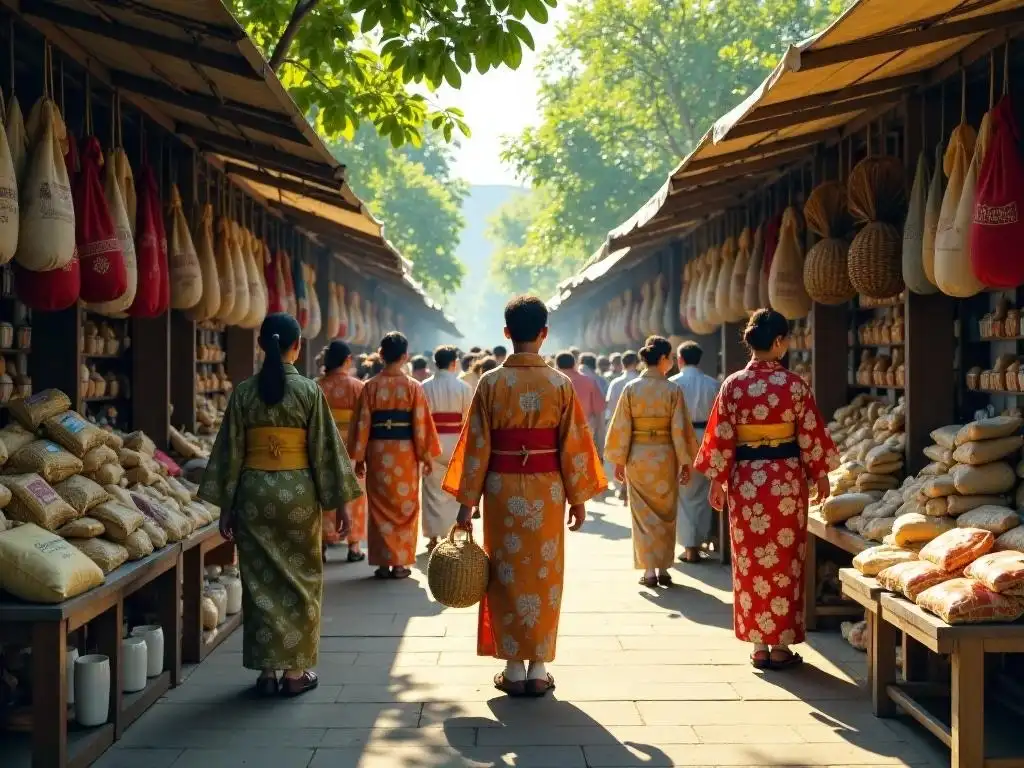
Feudal Japan, spanning from the 12th to the 19th century, was characterized by a unique set of economic practices and trade dynamics that were heavily influenced by the country's isolationist policies. The era saw Japan engaging in trade that was both limited and regulated, leading to a distinct pattern of exports and imports. Understanding the commodities that were traded during this time provides insight into the economic framework and cultural exchanges that shaped feudal society.
Overview of Feudal Japan's Economic Landscape
During the feudal era, Japan's economy was primarily agrarian, with rice serving as the cornerstone of agricultural production. The economy was organized around the daimyōs (feudal lords) who controlled vast estates and operated under a system of serfdom. Here's a detailed breakdown of the economic landscape:
- Agriculture: Rice was not only a staple food but also a form of currency. The quality and quantity of rice produced determined the wealth and power of the daimyō.
- Craftsmanship: Artisans produced various goods, including textiles, ceramics, and metalworks, which were essential for both domestic consumption and trade.
- Market Exchanges: Local markets played a crucial role in the distribution of goods. Villagers exchanged surplus produce and crafted items, creating a localized economy.
- Limited Trade Networks: Trade was often restricted to certain ports, such as Nagasaki, which became a hub for foreign trade under the Tokugawa shogunate's regulations. This led to a controlled import-export system.
The isolationist policies implemented during the Tokugawa period (1603-1868) notably shaped these economic factors, limiting foreign influence and maintaining a focus on domestic production.
Significance of Trade in Isolationist Policies
Despite the restrictive nature of Japan's isolationist policies, trade remained a significant aspect of the economy, with certain commodities emerging as vital to both domestic and international exchanges. The following points highlight the significance of trade within this context:
- Controlled Imports: The Tokugawa shogunate allowed limited trade with specific countries, primarily the Dutch and Chinese. This control enabled Japan to selectively import valuable goods such as:
- Silk: Highly sought after for its quality, silk became a staple import that catered to the Japanese elite.
- Spices: Essential for culinary purposes and preserving food, spices were imported to enhance local dishes.
- Strategic Exports: Japan also exported commodities that were unique to its culture and economy, including:
- Ceramics: Renowned for their craftsmanship, Japanese ceramics found markets abroad, particularly in China and the Netherlands.
- Textiles: Kimono fabrics, especially those dyed with indigo, were highly valued and traded.
- Impact on Society: Trade, even in limited forms, facilitated cultural exchanges and the introduction of foreign ideas, technologies, and goods. This interaction, albeit restricted, played a crucial role in the evolution of Japanese society during the feudal period.
- Economic Stability: The strategic management of trade under isolation allowed Japan to maintain economic stability, protect local industries, and foster a sense of national identity amidst external pressures.
While Japan's isolationist policies created barriers to trade, they also shaped a unique economic landscape where selected commodities became pivotal in defining the feudal era's economic and cultural identity. Understanding these nuances provides a richer perspective on the complexities of Feudal Japan's trade commodities.
Historical Context of Isolationist Policies in Feudal Japan
The Sakoku Edict: Origins and Implications
The Sakoku Edict, issued in 1635 by Tokugawa Iemitsu, was a pivotal measure that defined Japan's isolationist policies during the Edo period. This edict sought to limit foreign influence and maintain domestic stability by restricting trade and interaction with the outside world. Under the Sakoku policy, Japanese citizens were prohibited from traveling abroad, and foreign nationals were largely barred from entering Japan, except for a few controlled points of access.
Key Features of the Sakoku Edict
- Limited Trade Partners: The edict permitted trade exclusively with the Dutch and the Chinese, who were allowed to conduct business through the port of Nagasaki. This decision was strategic, as it aimed to manage foreign interactions while still benefiting from trade.
- Control Over Christianity: One of the primary motivations behind the edict was to eradicate the influence of Christianity, which had gained a foothold in Japan during the previous century. The Tokugawa Shogunate viewed Christianity as a threat to their authority, leading to the expulsion of missionaries and the persecution of converts.
- Cultural Preservation: By isolating Japan, the government aimed to preserve its unique cultural identity. The edict effectively curbed the influx of foreign ideas and practices, allowing traditional Japanese culture to flourish during the Edo period.
The implications of the Sakoku Edict were profound, as it shaped Japan's economic landscape and influenced the types of commodities that were traded both domestically and internationally.
The Role of the Tokugawa Shogunate in Trade Regulation
The Tokugawa Shogunate played a crucial role in regulating trade during the feudal era, implementing strict policies that governed economic exchanges. Their approach to trade was multifaceted, combining control, oversight, and strategic partnerships.
Trade Regulations and Enforcement
- Licensing System: The Shogunate established a licensing system that controlled which merchants could engage in trade. Only those with the appropriate permits were allowed to conduct business, ensuring that the government could monitor and manage all economic activities.
- Taxation of Commodities: The Tokugawa regime imposed taxes on various commodities, which included rice, silk, and textiles. This taxation not only generated revenue for the state but also allowed the Shogunate to maintain economic stability and control over local markets.
- Market Control: The Shogunate controlled major markets and enforced regulations on prices to prevent inflation and protect consumers. This oversight was essential in maintaining the balance of power among the daimyō (feudal lords) and the central authority.
Impact on Commodities
The isolationist policies and trade regulations enforced by the Tokugawa Shogunate had a significant impact on the types of commodities that were exported and imported. The following commodities became central to Japan's trade during this period:
- Exported Goods:
- Silk: Highly sought after in foreign markets, silk became one of Japan's most lucrative exports.
- Porcelain and Ceramics: Japanese porcelain gained international acclaim for its quality and artistry.
- Imported Goods:
- Spices: Limited imports included spices that were not grown in Japan, used primarily by the elite.
- Books and Knowledge: The Dutch were allowed to bring in scientific and technical books, which contributed to Japan’s intellectual development despite the broader isolation.
The Tokugawa Shogunate's policies created a unique economic environment in feudal Japan, where trade was both limited and highly regulated, ultimately shaping the nation’s historical relationship with commodities and commerce.
Exported Commodities of Feudal Japan
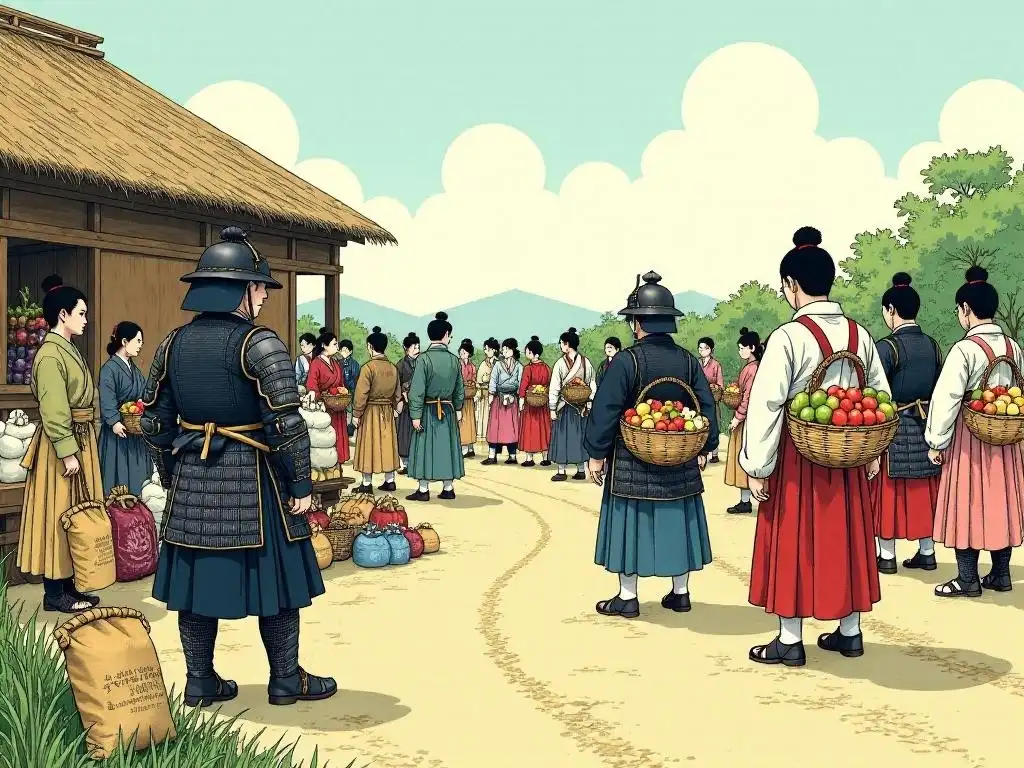
Feudal Japan, particularly during the Edo period (1603-1868), was characterized by its isolationist policies, but it still engaged in trade, particularly with limited foreign nations such as the Dutch and Chinese. This trade network facilitated the export of various commodities that were not only significant for economic growth but also for cultural exchange. The primary commodities exported included agricultural products and manufactured goods, each contributing to Japan's unique position in the global trade landscape of the time.
Key Agricultural Exports
Rice: The Staple of Feudal Japan
Rice was the cornerstone of Japan's agricultural economy and served as a critical export commodity. It was not only a staple food for the Japanese population but also a measure of wealth and social status. The following points illustrate the significance of rice in Feudal Japan:
- Cultivation and Quality: Japanese rice, particularly the short-grain variety, was renowned for its quality and taste. Cultivation techniques, including flooded fields (paddy farming), maximized yields and contributed to a surplus that could be traded.
- Economic Impact: Rice was often used as currency in feudal Japan, where samurai were paid in koku (a unit of measurement for rice). This established rice not merely as a food source but as a fundamental component of the economy.
- Trade Routes: Rice was traded domestically and with foreign entities, particularly in the 17th century when trade with the Dutch at Nagasaki allowed for rice exports to reach markets beyond Japan.
Silk: Japan’s Luxurious Offering
Silk emerged as another significant export, showcasing Japan's artisanal skills and contributing to its international reputation. The features of silk trade during Feudal Japan include:
- Quality and Production: Japanese silk, especially from regions like Nishijin in Kyoto, was highly prized for its fine texture and vibrant colors. The intricate weaving techniques made Japanese silk garments sought after by elites in Asia.
- Cultural Significance: Silk was not only a commodity but also a symbol of status, used in ceremonial garments and gifts. This cultural aspect enhanced its demand in foreign markets.
- Export Dynamics: The export of silk, often channeled through the Dutch, allowed Japan to acquire foreign goods while promoting its own luxurious textiles on the global stage.
Manufactured Goods and Artisanal Products
Pottery and Ceramics: Craftsmanship in Trade
Japanese pottery and ceramics, known for their unique designs and high quality, played an essential role in trade. Key aspects include:
- Styles and Techniques: Different regions, such as Arita and Kutani, developed distinct styles of ceramics that catered to both domestic and international markets. Techniques like glazing and painting set Japanese pottery apart from imports.
- Global Appeal: The beauty and functionality of Japanese ceramics made them popular among foreign traders. They were often exported to China, Korea, and beyond, where they were appreciated for their craftsmanship.
- Cultural Exchange: Through trade, Japanese pottery influenced and was influenced by foreign designs, leading to a rich tapestry of cultural exchange reflected in the artifacts.
Woodblock Prints: Cultural Exports in Feudal Japan
Woodblock prints, or ukiyo-e, represent one of the most iconic exports of Feudal Japan. Their significance can be outlined as follows:
- Artistic Innovation: Ukiyo-e prints captured scenes of daily life, landscapes, and kabuki actors, showcasing the artistic prowess of Japanese craftsmen. The vibrant colors and intricate designs appealed to both local and international audiences.
- Global Influence: The export of woodblock prints, particularly during the 19th century, had a profound impact on Western art movements, influencing Impressionists and other artists who were captivated by the aesthetic.
- Trade Networks: These prints were traded primarily through the Dutch, which allowed them to reach European markets, thus enhancing cultural ties and introducing Japanese aesthetics to the West.
Through these exported commodities, Feudal Japan strategically engaged in trade that not only bolstered its economy but also allowed for significant cultural exchanges that would shape its historical narrative. The nuanced approach to trade during this era highlights the complex interplay between isolationist policies and the global market dynamics of the time.
Imported Commodities during the Isolation Period
Essential Imports for Daily Life
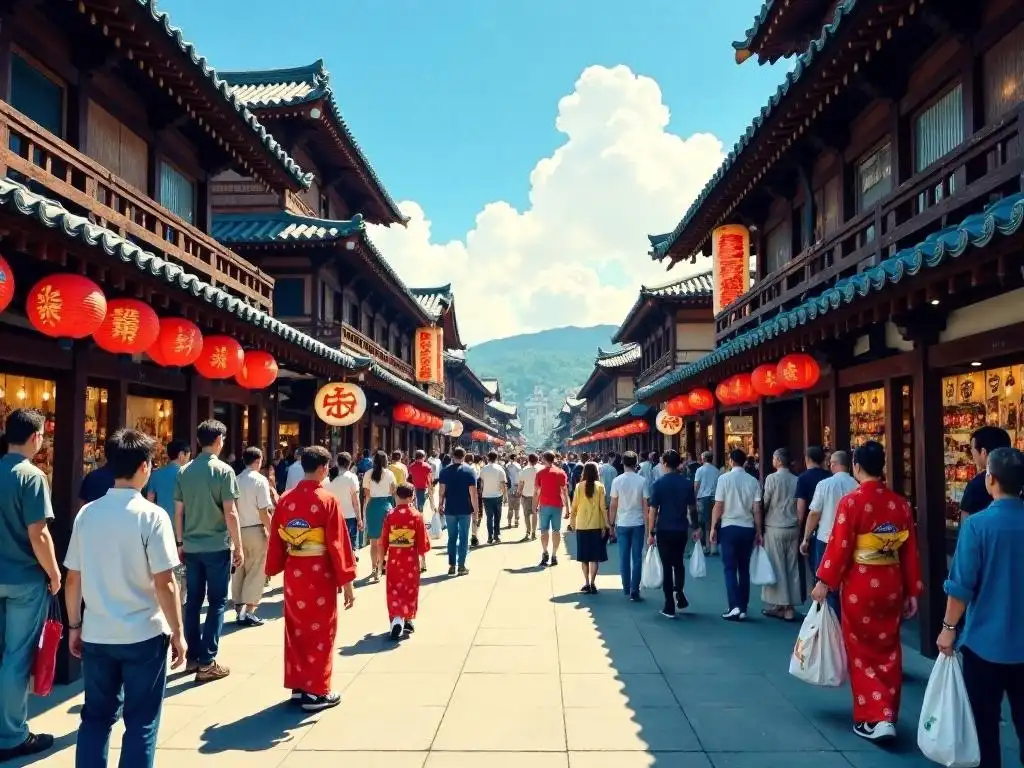
During Japan's feudal era, particularly under the Tokugawa shogunate (1603-1868), the country adopted a policy of isolation known as Sakoku. Despite this isolation, certain crucial commodities were imported to sustain daily life and support the economy. This section highlights the essential imports that shaped the lives of people during this period.
Grains and Foodstuffs: Importing Necessities
Grains, particularly rice, were the backbone of the Japanese diet and economy. However, regional shortages could occur due to natural disasters or poor harvests. To mitigate these challenges, Japan imported various foodstuffs, including:
- Rice: Although Japan primarily produced its own rice, high-quality varieties from regions such as Korea were sometimes imported.
- Wheat and Barley: These grains were essential for making noodles and other staples, especially in areas where rice cultivation was less favorable.
- Fish and Seafood: While the Japanese archipelago boasted abundant marine resources, specific regions imported preserved fish and seafood to diversify diets and ensure supplies.
The importation of these essential foodstuffs not only ensured food security but also facilitated the growth of a diverse culinary culture, which included various regional specialties and influences.
Textiles: The Demand for Foreign Fabrics
The textile trade flourished in Japan as the demand for high-quality fabrics surged. Although Japan was known for its exquisite silk production, imports of foreign textiles played a significant role in satisfying the populace's desire for variety. Key imports included:
- Cotton Fabrics: Originating from Southeast Asia, cotton became increasingly popular due to its comfort and versatility.
- Silk from China: While Japan produced silk, the rich and vibrant silks from China were sought after by the nobility and wealthy merchants.
- Woolen Goods: Imported from European countries, woolen textiles were valuable for their warmth and durability, particularly in colder regions.
The influx of these textiles not only enriched the wardrobes of the Japanese elite but also influenced local textile production, leading to the development of unique styles and patterns that merged foreign techniques with traditional craftsmanship.
Cultural and Technological Imports
The isolationist policies of Japan did not entirely halt the flow of new ideas and technologies. Certain imports during the feudal era significantly impacted Japanese society, particularly in the realms of warfare and science.
Firearms: The Impact on Feudal Warfare
The introduction of firearms to Japan marked a pivotal moment in feudal warfare. Initially brought by Portuguese traders in the mid-16th century, firearms quickly became integrated into military strategy and tactics. Key points regarding this import include:
- Matchlock Guns: The earliest firearms, known as tanegashima, revolutionized battlefield dynamics, allowing for more effective ranged combat.
- Impact on Samurai Warfare: The samurai class adapted to the presence of gunpowder weapons, leading to changes in armor design and combat training.
- Shift in Power Dynamics: The effectiveness of firearms contributed to the rise of powerful warlords and the eventual unification of Japan under the Tokugawa shogunate.
The importation of firearms not only altered traditional warfare practices but also symbolized the broader cultural exchanges occurring during this period of isolation.
Western Science and Medicine: Knowledge Exchange
In addition to military technology, Japan also imported significant knowledge from the West, particularly in science and medicine. The introduction of Western ideas facilitated advancements in various fields:
- Western Medicine: Dutch traders brought medical texts and practices that introduced new treatments and surgical techniques, challenging traditional Japanese practices.
- Scientific Knowledge: The study of Western sciences, such as astronomy and cartography, began to take root, leading to increased literacy and curiosity about the natural world.
- Cultural Exchange: This knowledge transfer fostered a more cosmopolitan view among Japan’s educated elite, who began to embrace and adapt Western concepts.
The incorporation of Western science and medicine played a crucial role in transforming Japanese society, laying the groundwork for future modernization efforts that would emerge in the Meiji Restoration.
Through these imports, Feudal Japan navigated the complexities of isolation while enriching its cultural and economic landscape, showcasing a fascinating interplay between foreign commodities and domestic life.
Impact of Trade Commodities on Feudal Society
Feudal Japan's trade commodities played a pivotal role in shaping the economy and social structure during its isolationist policies. The exchange of goods such as silk, rice, pottery, and metals facilitated economic growth and established a complex social hierarchy.
- Economic Growth:
- The import and export of commodities led to the accumulation of wealth, particularly among the ruling samurai class and wealthy merchants. The demand for luxury goods, such as silk and porcelain, spurred local production and trade.
- For instance, the silk trade flourished, particularly with China, contributing to a burgeoning market where local weavers began to create their own silk products, which were highly sought after domestically and abroad.
- Social Stratification:
- The growing wealth from trade created a distinct separation between classes in feudal society. The samurai, once primarily focused on military prowess, began to see economic status as equally important, leading to a new social dynamic where wealth influenced power.
- Merchants, traditionally viewed as lower in the social hierarchy, began to amass considerable wealth through trade. Despite their economic influence, they were often still marginalized socially, highlighting the paradox of wealth versus social standing in feudal Japan.
- Regional Variations:
- Different regions specialized in various commodities, leading to localized economies. For example, the Kansai region became known for its textiles, while the Kanto area excelled in rice production. This regional specialization not only fostered economic interdependence but also reinforced the importance of local culture and customs.
The trade commodities during feudal Japan not only fueled economic growth but also significantly impacted the social fabric, leading to a complex hierarchy that defined the era.
The Role of Merchants in Feudal Japan’s Economy
Merchants in feudal Japan played a crucial, albeit often contentious, role in the economy shaped by isolationist policies. Their involvement in trade and commerce not only contributed to economic activity but also challenged traditional social norms.
- Economic Contributions:
- Merchants facilitated the distribution of commodities across Japan, enhancing local economies and creating networks that linked distant regions. They became vital in the movement of essential goods, such as rice, which was the backbone of the Japanese economy.
- The rise of merchant guilds, known as za, allowed merchants to organize, protect their interests, and negotiate better trade terms. These guilds played a significant role in the development of urban centers, fostering commerce and cultural exchange.
- Cultural Impact:
- The income generated by merchants often funded artistic endeavors and cultural developments. For instance, the flourishing of kabuki theatre and ukiyo-e woodblock prints can be attributed in part to financial support from wealthy merchants seeking to enhance their status through patronage of the arts.
- Merchants also introduced new ideas and products into Japanese society, influencing everything from culinary practices to fashion. As they traveled for trade, they brought back foreign customs and goods, gradually enriching the cultural tapestry of feudal Japan.
- Social Tensions:
- Despite their economic power, merchants faced social discrimination and were often looked down upon by the samurai class. This tension between the wealth of merchants and the traditional values of the samurai created a unique societal dynamic, as merchants sought to elevate their status while navigating the rigid class structure.
- The Sankin-kōtai system, which required feudal lords to spend part of the year in the capital, also created opportunities for merchants to interact with the ruling class, thereby slowly reshaping social perceptions of their role.
Merchants were instrumental in the economic development of feudal Japan, serving as the backbone of trade and commerce. Their contributions not only impacted the economy but also led to significant cultural shifts, even as they struggled against the constraints of social hierarchy.
Challenges Faced in Trade during Isolation

The isolationist policies of Japan during the Edo period (1603-1868), particularly the Sakoku system, profoundly influenced its trade dynamics. While the intention behind these policies was to maintain stability and control over foreign influences, they also posed significant challenges for both domestic and foreign traders.
Restrictions and Limitations of the Sakoku System
The Sakoku system, which translates to "locked country," imposed stringent restrictions on foreign trade and interaction. Under this system, foreign ships were largely banned from entering Japanese ports, effectively limiting the exchange of commodities. Here are some key restrictions:
- Limited Ports of Trade: Only a few designated ports, such as Nagasaki, were allowed for foreign trade. This concentration created bottlenecks and limited the variety of goods available to Japanese traders.
- Permitted Foreign Entities: The Dutch and Chinese were the only foreign traders allowed to engage in commerce. This exclusivity restricted the flow of diverse commodities into and out of Japan.
- Regulation of Goods: The types of commodities that could be imported or exported were heavily regulated. For instance, while Japan exported silk and ceramics, it primarily imported silver and certain medicines, limiting the overall trade balance.
- Cultural Exchange Restrictions: The prohibition of foreign books and ideas stifled innovation and limited the knowledge that could be gained through trade, impacting sectors such as agriculture and technology.
The result of these restrictions created a trade environment that was not only isolated but also somewhat stagnant, as the exchange of ideas and commodities was minimal.
The Black Market and Smuggling Activities
Despite the strict regulations of the Sakoku system, trade did not cease entirely. A thriving black market emerged, demonstrating the resilience and adaptability of traders. Key aspects of this underground economy included:
- Smuggling Routes: Many traders resorted to clandestine routes to bring in prohibited goods. Coastal areas became hotspots for smuggling activities, where merchants would engage in risky dealings to circumvent regulations.
- Diverse Commodities: The black market facilitated the exchange of a variety of goods, including textiles, spices, and weapons, which were not officially permitted. This created a shadow economy that often met the demands of the local populace.
- Corruption and Collusion: Local officials sometimes turned a blind eye to smuggling operations, resulting in a network of corruption that further complicated the enforcement of isolationist policies.
- Cultural Impact: The influx of banned commodities through smuggling not only affected the economy but also led to cultural exchanges that contradicted the spirit of the Sakoku system.
While the isolationist policies of Feudal Japan aimed to maintain control and stability, they inadvertently fostered an underground trade network that challenged the very foundations of the Sakoku system. The complexities of these trade dynamics highlight the intricate balance between regulation and the inherent desire for commerce that permeated Japanese society during this era.
Conclusion: The Legacy of Feudal Japan's Trade Commodities
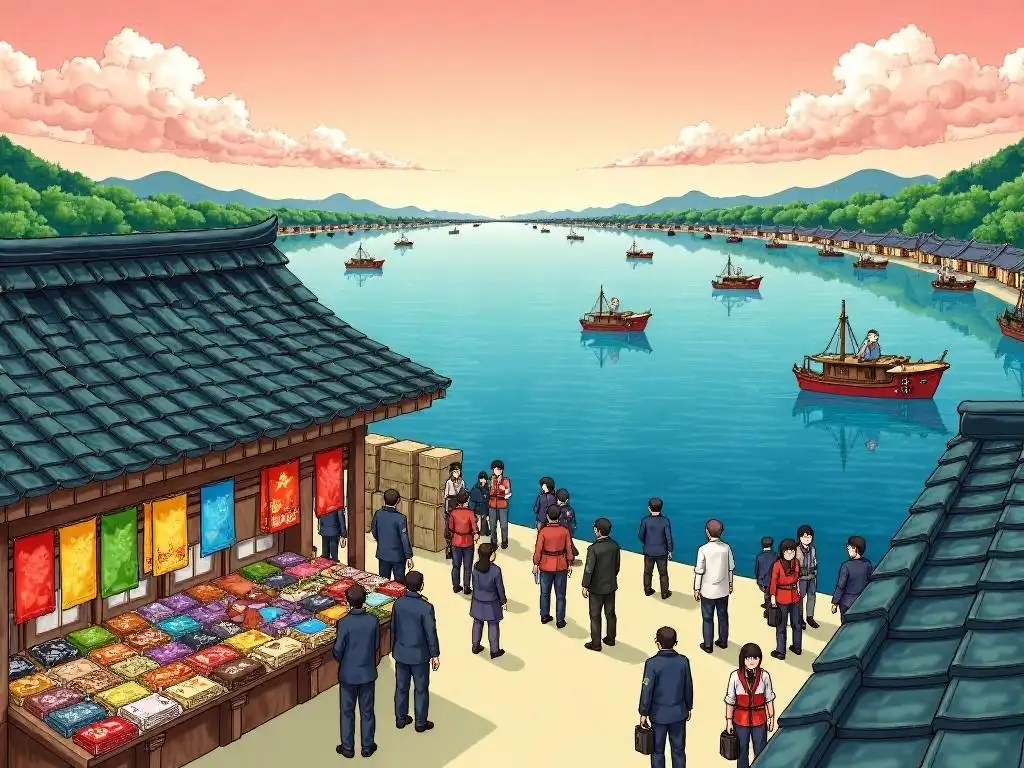
The legacy of trade commodities during Feudal Japan is a multifaceted topic reflecting the complex interplay between isolationist policies and economic development. While Japan famously adopted a policy of sakoku, or closed country, from the early 17th century to the mid-19th century, this did not entirely sever its ties to the outside world. Instead, it shaped a unique economic landscape that influenced both domestic production and trade relationships.
Reflection on Isolationist Policies and Economic Development
Feudal Japan's isolationist policies, particularly under the Tokugawa shogunate, played a critical role in shaping the nation’s economic landscape. These policies restricted foreign influence and trade primarily to the Dutch and Chinese, creating a highly controlled trading environment.
- Limited Trade Partners: Japan's trade was mainly conducted through the port of Nagasaki, with the Dutch East India Company serving as the primary conduit for European goods. This exclusivity led to a unique exchange of commodities such as silk, porcelain, and spices, which were highly sought after in Japan.
- Domestic Production Growth: With limited imports, Japan focused on enhancing its domestic production capabilities. This led to advancements in agricultural practices and the growth of industries, particularly in textiles and ceramics. The production of high-quality goods became an essential component of Japan's economy during this era.
- Cultural Influences: The controlled nature of trade allowed for a selective infusion of foreign ideas and goods. While the isolationist policies were aimed at preventing external influences, they inadvertently fostered a strong sense of cultural identity and pride in Japanese craftsmanship, evident in the flourishing of local arts and industries.
The economic development during this period laid the groundwork for the eventual modernization of Japan in the late 19th century. The practices, technologies, and commodities that emerged from Feudal Japan’s trade have had a lasting impact on the nation’s economic trajectory.
The Influence of Feudal Trade on Modern Japan
The trade dynamics established during the feudal era have continued to influence Japan’s economy long after the end of isolationist policies. Understanding this legacy provides insight into the foundations of Japan's current economic structure.
- Export Powerhouse: The commodities that Japan developed during feudal times, such as silk and ceramics, have evolved into major exports. Today, Japan is known for its high-quality automotive and electronic products, but the emphasis on quality craftsmanship can be traced back to the meticulous artisanal practices of the feudal era.
- Cultural Heritage: The isolationist trade practices fostered a unique cultural heritage that remains a significant aspect of Japan’s identity. Traditional crafts, such as pottery and textiles, continue to thrive and are celebrated both domestically and internationally, reflecting the skills honed during the feudal period.
- Modern Trade Relationships: The historical trade routes and practices have influenced Japan’s modern trade relationships. As a nation that values quality and innovation, Japan's approach to trade today still reflects the lessons learned from its feudal past, promoting both domestic industries and international partnerships.
Feudal Japan's trade commodities and the isolationist policies surrounding them have left a profound legacy on Japan's economic history. The interplay between limited foreign influence and local production not only shaped the economy of the time but also laid the groundwork for Japan's emergence as a global economic power. Understanding this legacy is crucial for appreciating the complexities of Japan's economic development and cultural identity in the modern era.
Further Reading and Resources on Feudal Japan Trade Commodities
Recommended Books and Articles on Economic History
To gain a deeper understanding of the trade commodities in Feudal Japan, several authoritative texts and articles can provide valuable insights. Here’s a curated list of recommended readings:
- "The Economic History of Japan: 1600-1990" by Tetsuji Yamamoto
- This book offers a thorough examination of Japan's economy from the early modern period through the modern era, shedding light on trade practices, agricultural developments, and commodity exports.
- "Japan's Economy: A Historical Perspective" by David M. P. McAlpin
- McAlpin’s work focuses on the evolution of Japan's economy, including its isolationist policies and the resulting impacts on trade commodities.
- "The Merchant in Japan: A Study of the 17th-Century Trading System" by Mark Ellis
- This article delves into the role of merchants during the Edo period, detailing how their activities influenced the import and export of various commodities.
- "Silk and Spices: The Trade Routes of Feudal Japan" by Hiroshi Nakagawa
- An insightful analysis of the luxury commodities that Japan traded, particularly silk and spices, and their significance in global trade networks.
- "The Role of Trade in Japan's Feudal Economy" - Journal of Asian Studies
- This journal article examines how trade shaped the economic landscape of Feudal Japan, highlighting various commodities that were pivotal during this period.
Online Archives and Collections for Research on Feudal Japan
For those interested in conducting more in-depth research on Feudal Japan's trade commodities, several online resources can be invaluable:
- National Diet Library Digital Collections
- A vast repository of historical documents, including trade records and merchant accounts from the Edo period. Researchers can access primary sources that detail the nature of commodities exchanged during this time.
- The Japanese Historical Society Archives
- This online archive offers access to a wide range of documents, including trade agreements, economic analyses, and reports on the export and import of goods throughout Japan's feudal era.
- Japan National Tourism Organization (JNTO) Historical Resources
- While primarily a tourism organization, JNTO provides educational material and resources about Japan’s history, including insights into trade practices and the significance of various commodities.
- The Asia-Pacific Journal: Japan Focus
- This online journal publishes articles that explore various aspects of Japanese history, including economic developments and trade commodities in Feudal Japan. It is a great source for contemporary analyses and scholarly papers.
By exploring these resources, readers can enhance their understanding of Feudal Japan's trade commodities and the broader implications of its isolationist policies on the economy.
Frequently Asked Questions
What were the main commodities exported by Feudal Japan?
Feudal Japan primarily exported silk, pottery, and tea. These luxury goods were highly sought after by foreign markets, contributing to Japan's economy.
How did trade operate in Feudal Japan?
Trade in Feudal Japan was often regulated by daimyos and shoguns, with strict controls on what could be traded. Local markets thrived, but international trade was limited and carefully monitored.
What impact did isolation have on Feudal Japan's trade?
Japan's isolationist policies, especially during the Edo period, limited contact with foreign nations, affecting the availability of foreign commodities. This led to a unique development of local industries.
Were there any imported commodities in Feudal Japan?
Yes, Feudal Japan imported items like spices, metal, and cotton. These goods were essential for local markets and influenced Japanese culture and fashion.
How did cultural exchanges influence trade in Feudal Japan?
Cultural exchanges during trade facilitated the introduction of foreign ideas and technologies, which influenced local practices and led to the development of unique Japanese commodities.
Final Reflection: The Enduring Legacy of Feudal Japan's Trade Commodities
The intricate web of trade during Feudal Japan not only shaped its economy but also laid the groundwork for cultural exchanges that resonate today. In an era marked by isolation, the commodities that Japan exported and imported reveal a profound narrative of resilience and adaptation. This historical lens reminds us that even in periods of seclusion, the exchange of goods can foster connections that transcend borders and time.
Considering the impact of these trade commodities, we can see how they influenced not just Japan's economy but also its cultural identity. The delicate balance between isolation and interaction during this period allowed for a unique blend of influences that shaped Japanese society. As historian John W. Hall once said, Trade is not merely an exchange of goods but a bridge between cultures.
This sentiment underscores the importance of understanding how the commodities of Feudal Japan served as conduits for cultural dialogue, enriching both Japan and its trading partners.
As we reflect on the lessons from Feudal Japan's trade practices, let us recognize the value of connection in our own lives. I invite you to explore the commodities you engage with daily—what stories do they tell? How do they connect you to others, both near and far? By embracing the spirit of exchange and understanding the significance of our interactions, we can foster a more interconnected world, much like the one that flourished during Japan's feudal era.
Explore the Rich Tapestry of Feudal Japan's Trade!
Thank you for diving deep into the world of Feudal Japan's commerce and the intriguing dynamics of its exports and imports during this fascinating era! We hope you’ve gained valuable insights into the economic exchanges that shaped the culture and society of the time. Now, it's time to take that knowledge further!
Here are some actionable steps to deepen your understanding and appreciation of Feudal Japan's trade:
- Delve into primary sources: Visit your local library or online archives to find original documents, artwork, or trading logs from the period. Experience history firsthand!
- Join a discussion group or online forum: Connect with fellow history enthusiasts to share insights and theories about Japan's trade practices. Engagement enriches understanding!
- Create a visual trade map: Illustrate the key commodities traded during this era. This creative exercise can solidify your knowledge and inspire others!
How do you believe the trade relationships established during Feudal Japan continue to influence global commerce today?