
The Social Hierarchy and Economic Roles During Japan's Isolationist Era

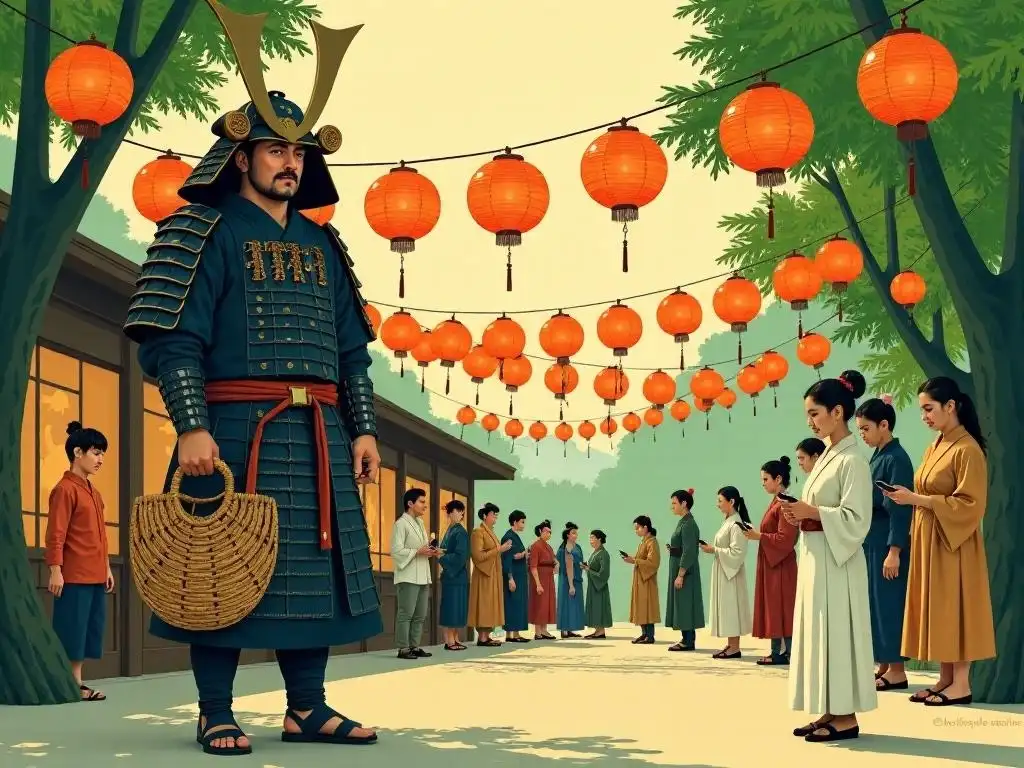
Welcome to Feudal Japan History, where we invite you to journey through the captivating tapestry of Japan's feudal era. As we delve into the intricate layers of cultural and societal dynamics, today’s exploration focuses on the Japan isolationist era hierarchy. Discover how this complex structure shaped the lives and economies of its people, influencing everything from trade to social roles. Are you ready to uncover the secrets of a time when isolation defined a nation? Let’s dive into the fascinating world of economic history together!
Introduction to Japan's Isolationist Era
The isolationist era of Japan, particularly during the Edo Period (1603-1868), marks a significant chapter in the nation’s history, characterized by a unique blend of social stratification and economic structures. This period, known as sakoku, or "locked country," was a time when Japan deliberately limited foreign influence and trade, fostering an environment of self-sufficiency and internal development.
Understanding the intricate social hierarchy and economic roles during this era provides valuable insights into how Japan navigated its identity and governance amidst external pressures. The keyword "Japan isolationist era hierarchy" encapsulates the essence of this exploration, as it delves into the multifaceted layers of society that defined the norms, responsibilities, and privileges of its people.
Overview of the Edo Period (1603-1868)
The Edo Period, initiated by Tokugawa Ieyasu, was a time of relative peace and stability in Japan after centuries of civil war. The shogunate established a feudal system that organized society into distinct classes, each with defined roles and responsibilities. The era saw the rise of a merchant class, the chōnin, alongside traditional samurai and agrarian classes, which shifted the economic landscape. The isolationist policies implemented during this time aimed to prevent the spread of Christianity and foreign influence, thus preserving Japanese culture and social order.
Key features of the Edo Period include:
- Political Structure: The Tokugawa shogunate held centralized power, with local daimyo managing regional affairs.
- Cultural Flourishing: The period also witnessed a boom in arts, literature, and the popularization of urban culture, particularly in cities like Edo (modern Tokyo).
- Economic Developments: Despite its isolation, the economy thrived through internal trade and agriculture, with a burgeoning merchant class that played a crucial role in the economy.
Significance of Isolationist Policies in Japan
The isolationist policies set forth by the Tokugawa shogunate had profound implications for Japan's social and economic dynamics. By limiting foreign interactions, Japan was able to cultivate a unique cultural identity while enhancing domestic stability. Key significances include:
- Cultural Preservation: The restrictions on foreign influence allowed traditional Japanese customs, arts, and values to flourish without external disruption.
- Economic Control: By managing trade and limiting foreign goods, Japan could develop its industries and foster a self-reliant economy.
- Social Stability: The rigid social hierarchy reinforced loyalty and duty within classes, minimizing class conflict and ensuring a degree of order in society.
Understanding the Japan Isolationist Era Hierarchy
The social hierarchy during Japan's isolationist era was distinctly stratified, reflecting the values and priorities of the time. Each class had specific roles, obligations, and privileges, creating a structured society that governed daily life and interactions.
The Structure of Social Classes in Feudal Japan
The feudal social structure of Japan was typically divided into four main classes, often described as follows:
- Samurai: The warrior class, responsible for military service and governance. They were the elite of society, who adhered to the bushido code of honor and loyalty.
- Farmers (Peasants): The backbone of the economy, farmers were vital for food production. They held a respected status but were often burdened with heavy taxation.
- Artisans: Skilled craftsmen who produced goods and contributed to local economies. Their work was crucial for the development of urban centers.
- Merchants: Although they were economically significant, merchants were often looked down upon due to the perception that they profited from the labor of others. Despite this, they gained wealth and influence over time.
This hierarchical structure was not merely a social construct; it defined the economic interactions and responsibilities of each class, ultimately shaping the trajectory of Japan during its isolationist era. Understanding these dynamics is essential for comprehending how Japan balanced internal development with external pressures throughout its history.
Economic Roles Within the Hierarchical Structure
During Japan's isolationist era, particularly during the Edo period (1603-1868), a distinct social hierarchy emerged that defined economic roles and responsibilities. This hierarchy was characterized by the rigid class system that categorized individuals into specific roles, limiting their social mobility and economic participation. At the top of this hierarchy were the samurai, followed by farmers, artisans, and merchants. Each class had a distinct function that contributed to the overall economy, yet their interactions were heavily regulated by the Tokugawa shogunate’s policies.
The economic roles within this structure were not only reflective of social status but also dictated by the shogunate’s emphasis on maintaining order and stability. The samurai were primarily warriors and retainers of the daimyo, but their roles extended into governance and land management. Farmers, the backbone of the agrarian economy, provided sustenance and agricultural productivity, while artisans contributed skilled labor and craftsmanship.
Merchants, although considered lower in status, played a crucial role in facilitating trade and commerce, albeit under strict regulations. This hierarchical organization allowed for a relatively stable economic environment, albeit one that stifled innovation and broader economic development due to its rigid nature.
The Role of the Samurai in Economic Activities
Samurai, traditionally seen as the military elite, also held significant economic power during the isolationist era. While their primary function was to serve as warriors, many samurai were also responsible for local governance and administration under the daimyo. This dual role placed them in a unique position within the economic structure, as they managed agricultural lands and collected taxes from peasants.
In addition to land management, some samurai engaged in various economic activities, including:
- Land Ownership: Samurai often received stipends in the form of rice, which incentivized them to manage agricultural production effectively.
- Tax Collection: Samurai served as tax collectors, which gave them control over the economic resources of their domains.
- Investment in Commerce: With limited personal wealth, some samurai invested in merchant ventures, seeking alternative income sources.
Despite their economic involvement, samurai were discouraged from engaging in trade directly, adhering to the Confucian ideals that prioritized agricultural productivity over commerce. This created a complex relationship where they depended on the success of the peasant class while simultaneously enforcing their rule.
The Peasant Class: Farmers and Laborers
The peasant class, comprising the majority of the population during Japan's isolationist era, was integral to the economy, primarily through agriculture. Farmers worked the land and produced rice, which was the staple food and the primary measure of wealth and tax revenue. Their roles were characterized by:
- Agricultural Production: Peasants cultivated rice and other crops, ensuring food security for the population.
- Tax Responsibilities: They were subject to heavy taxation, often paying up to 40% of their harvest to the local samurai or daimyo, which could lead to hardship during poor harvests.
- Community Organization: Peasants often organized themselves into mutual aid societies, pooling resources for irrigation, pest control, and disaster relief.
Although the peasant class was essential for the economy, their status was low within the social hierarchy, and they faced numerous restrictions. Despite this, some peasants could improve their standing by becoming prosperous landowners, albeit this was rare due to the rigid class structure.
The Merchant Class: Growth and Restrictions
Merchants, despite their lower social status, played a critical role in the economy during the isolationist era. They facilitated trade and commerce across the archipelago, contributing to the growth of urban centers. However, their activities were heavily regulated by the shogunate, including:
- Restrictions on Wealth Accumulation: Merchants were often restricted from owning land, which limited their ability to gain higher social status.
- Regulatory Oversight: The government imposed strict regulations on trade practices, prices, and the types of goods that could be sold.
- Role in Urban Development: Despite restrictions, merchants contributed to the growth of cities such as Edo (Tokyo), where vibrant marketplaces flourished.
Over time, the merchant class began to accumulate significant wealth, leading to a gradual shift in economic power dynamics. This wealth allowed some merchants to influence local politics, although they remained socially inferior to the samurai and farmer classes.
The isolationist policies of the Tokugawa shogunate had profound implications for Japan's social hierarchy. These policies, which included the exclusion of foreign influence and the promotion of a self-sustaining economy, reinforced existing social structures while simultaneously limiting economic innovation and growth.
How Isolationism Reshaped Economic Roles
Isolationism led to a clear delineation of economic roles within society. By prioritizing agriculture and minimizing foreign trade, the shogunate sought to maintain stability and control. This approach resulted in:
- Emphasis on Agrarian Economy: The shogunate's policies favored agricultural production, which reinforced the importance of the peasant class while marginalizing other economic activities.
- Limited Trade Opportunities: With foreign trade largely restricted, merchants faced challenges in expanding their businesses, which stunted the development of a diverse economy.
- Consolidation of Power: The isolationist policies allowed the samurai class to maintain control over resources and governance, perpetuating the existing hierarchy.
These economic roles remained largely unchanged throughout the isolationist period, leading to a stagnation of social mobility and economic diversification.
Social Mobility and Its Constraints
Social mobility during Japan’s isolationist era was heavily constrained by the rigid class system established by the Tokugawa shogunate. While there were instances of individuals moving between classes, these occurrences were minimal and often came with significant obstacles. Key factors included:
- Legal Restrictions: The shogunate enforced strict laws that governed social class, making it difficult for individuals to change their status.
- Cultural Norms: Confucian ideals permeated society, emphasizing loyalty and duty to one’s class, further discouraging attempts at upward mobility.
- Economic Barriers: Economic activities were largely dictated by one’s class, with limited opportunities for lower classes to engage in wealth-generating ventures.
As a result, the majority of the population remained confined to their social roles, perpetuating a cycle of economic dependency and limiting the potential for innovation and growth within the economy. The isolationist policies, while aimed at maintaining order, ultimately reinforced the existing social hierarchy and stifled economic development in Japan.
Case Studies of Economic Roles During the Isolationist Era
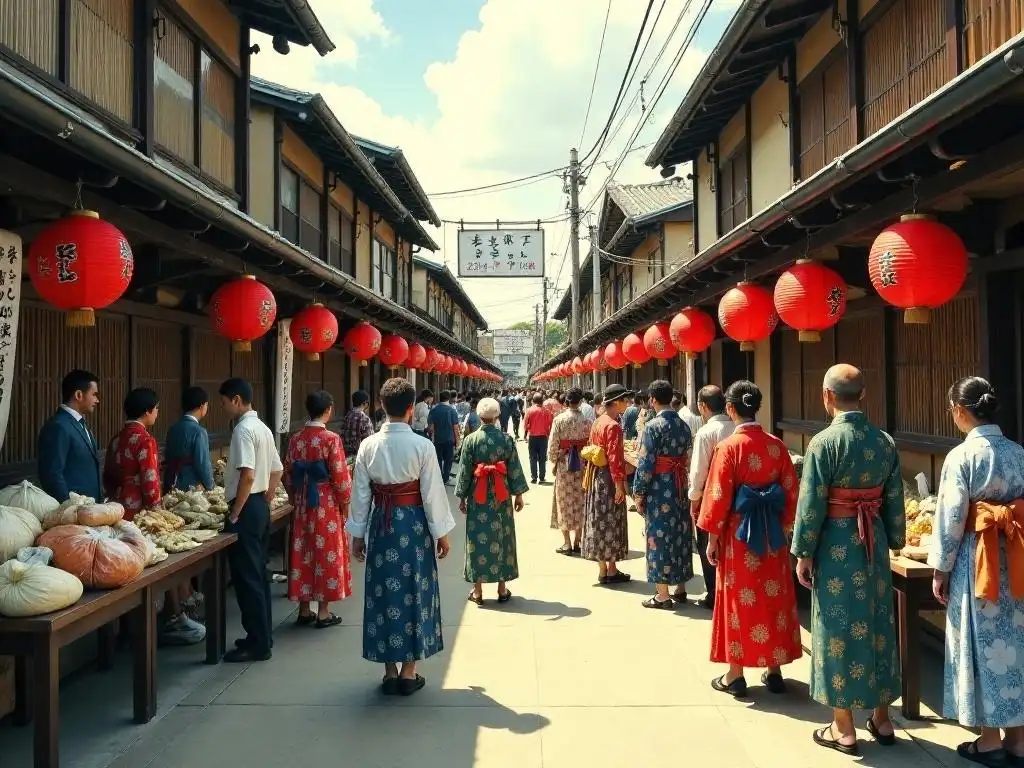
The Japan isolationist era, particularly during the Edo period (1603-1868), was characterized by a distinct social hierarchy that influenced economic roles and structures. This period saw the consolidation of power by the Tokugawa shogunate, leading to a rigid class system where each social stratum had specific responsibilities and privileges. Within this framework, various case studies exemplify how different classes contributed to the economy, reflecting both their power and limitations.
One notable case is the Daimyo, the feudal lords who ruled over specific regions. They played a crucial role in local economies by overseeing agricultural productivity and engaging in trade. The wealth of a Daimyo was often measured by the amount of rice they could produce, which formed the basis of taxation. This direct link between land management and economic power made Daimyo significant players in the economic landscape of feudal Japan.
Additionally, the Samurai, although primarily recognized as warriors, also engaged in various economic activities. Many samurai families managed lands and operated businesses, especially in urban areas, where they often transitioned into roles as bureaucrats or merchants. Their ability to navigate different economic roles allowed them to maintain their status even during periods of social change.
Analyzing the Role of Specific Daimyo
The role of specific Daimyo during the isolationist era can be seen through the lens of their economic strategies and governance. For instance, Uesugi Kenshin, a prominent Daimyo from the 16th century, is known for developing his domain’s agriculture and irrigation systems. His policies not only improved crop yields but also strengthened his economic standing and that of his retainers.
Another notable example is Matsudaira Ietada of the Fukui Domain. He implemented progressive taxation systems that incentivized agricultural production while ensuring that the local populace was not overburdened. His approach led to a prosperous domain, showcasing how effective governance could foster economic growth.
Moreover, the Shimazu clan in Satsuma was pivotal in expanding trade relations with foreign entities, particularly during the latter part of the isolationist period. By engaging in limited international trade, they enhanced their economic influence and established connections that would later be critical during Japan's modernization.
The Economic Contributions of Notable Samurai Families
While samurai are typically associated with the military class, several notable families made significant economic contributions that shaped regional economies. The Miyoshi family, for example, utilized their military prowess to gain control over trade routes and manage commerce in their territories effectively. They invested in infrastructure, such as roads and markets, facilitating trade and contributing to local economic development.
Another influential family was the Oda clan, which, under Oda Nobunaga, revolutionized trade practices by promoting the use of currency over bartering. This shift not only enhanced economic efficiency but also laid the groundwork for a more integrated market system across Japan.
Furthermore, the Date clan of the Sendai Domain engaged in innovative agricultural practices and trade, effectively turning their region into a hub for both agriculture and commerce. Their ability to adapt to changing market conditions allowed them to thrive economically during the isolationist era.
Conclusion: Legacy of the Japan Isolationist Era Hierarchy
The legacy of the Japan isolationist era hierarchy is deeply embedded in the country’s historical narrative. The social and economic structures established during this time have had lasting implications on Japan's development, shaping its societal norms and economic practices even into the modern age.
Lasting Effects on Modern Japanese Society
The rigid class distinctions of the isolationist era have evolved, but their echoes can still be felt in contemporary Japanese society. The emphasis on hierarchy and respect for authority remains a significant aspect of Japanese culture. Many modern businesses continue to reflect the feudal system's organizational structures, valuing seniority and loyalty as essential components of corporate culture.
Moreover, the agricultural practices and regional economic strategies developed during the Edo period have influenced modern farming techniques and local economies. The focus on self-sufficiency and regional trade persists, as seen in contemporary movements promoting local produce and sustainable practices.
Reflection on the Economic Structures Established During Isolation
The economic structures established during Japan's isolationist era laid the foundation for the country's eventual modernization. The duality of agriculture and commerce, combined with a strong emphasis on local governance, facilitated a unique economic environment that allowed Japan to adapt quickly during the Meiji Restoration.
The isolationist policies, while restrictive, fostered a sense of identity and resilience among the Japanese people. The balance between maintaining tradition and embracing innovation continues to define Japan's economic landscape today, reflecting a legacy that is both complex and enduring.
- Introduction to Japan's Isolationist Era
- Understanding the Japan Isolationist Era Hierarchy
- Economic Roles Within the Hierarchical Structure
- The Impact of Isolationist Policies on Social Hierarchy
- Case Studies of Economic Roles During the Isolationist Era
- Analyzing the Role of Specific Daimyo
- The Economic Contributions of Notable Samurai Families
- Conclusion: Legacy of the Japan Isolationist Era Hierarchy
Frequently Asked Questions
The social hierarchy during Japan's isolationist era was structured with the Emperor at the top, followed by the Shogun, Daimyo, Samurai, and peasants. This hierarchy dictated political power and economic roles within society.
How did the isolationist policy affect Japan's economy?
Japan's isolationist policy limited foreign trade and influenced the economic roles of its citizens. The focus shifted to self-sufficiency and the development of domestic industries, fostering a unique economic environment.
What role did the Samurai play in this hierarchy?
The Samurai were elite warriors who served the Daimyo and upheld the Bushido code. Their role was pivotal in maintaining peace and order, while also enforcing the social structure of the time.
Cultural aspects, including Confucian values and Buddhism, reinforced the social hierarchy by promoting loyalty and respect for authority. These beliefs shaped individuals' roles within society and their interactions with one another.
What were the economic roles of peasants during this era?
Peasants were the backbone of the economic system, primarily engaged in agriculture. Their labor supported the Daimyo and Samurai, making them essential to the feudal economy despite their low social status.
Final Reflection: Understanding the Legacy of Japan's Isolationist Era Hierarchy
The exploration of Japan's isolationist era hierarchy reveals not only the intricate social structures that defined a pivotal period in Japanese history but also their lasting impact on contemporary society. As we navigate a world increasingly defined by globalization, the lessons from this era remind us of the complexities of social stratification and economic roles that continue to shape our interactions today. The rigid class system of the Edo period, with its emphasis on stability and order, serves as a striking reminder of how historical contexts can dictate societal norms and values.
The influence of this hierarchical structure extends far beyond its time, echoing in modern Japan's cultural and social dynamics. The remnants of the past can still be felt in the way social interactions are framed and how economic roles are perceived. As noted by historian John W. Hall, The past is never dead. It's not even past.
This sentiment underscores the importance of understanding historical hierarchies, as they inform contemporary issues such as class disparity and social mobility. By examining the past, we gain insight into the present and can better navigate the complexities of our own societal structures.
As we reflect on the lessons from Japan's isolationist era, I invite you to consider how these insights can inform your own understanding of social and economic roles today. What can we learn from the past to foster a more equitable society? Embrace the opportunity to challenge existing hierarchies and contribute to a future where collaboration and inclusivity take precedence over rigid classifications. Let us carry forward the wisdom of history, using it as a guide to create a more just and interconnected world.
Thank you for diving into the fascinating world of Japan's isolationist era with us! You've gained valuable insights into the complex social hierarchy and economic roles that shaped this unique period in history. Now it's time to take your knowledge further and engage with this rich topic even more.
Here are some actions you can take to deepen your understanding and explore the social dynamics of feudal Japan:
- Dive Deeper: Research a significant figure from the era, such as a samurai or a merchant, and discover how their actions influenced society. Utilize resources like academic journals, books, or documentaries to enrich your research.
- Join the Conversation: Share your favorite insight from this article on social media! Tag us and inspire others to explore the captivating history of Japan.
- Engage with Others: Participate in a history forum or a local group focused on feudal Japan. Connecting with fellow enthusiasts can lead to exciting discussions and valuable discoveries.
What have you learned about how social roles influenced economic dynamics in today’s society? We invite you to share your thoughts below!