
Exploring the Natural Landscapes Surrounding Feudal Castles

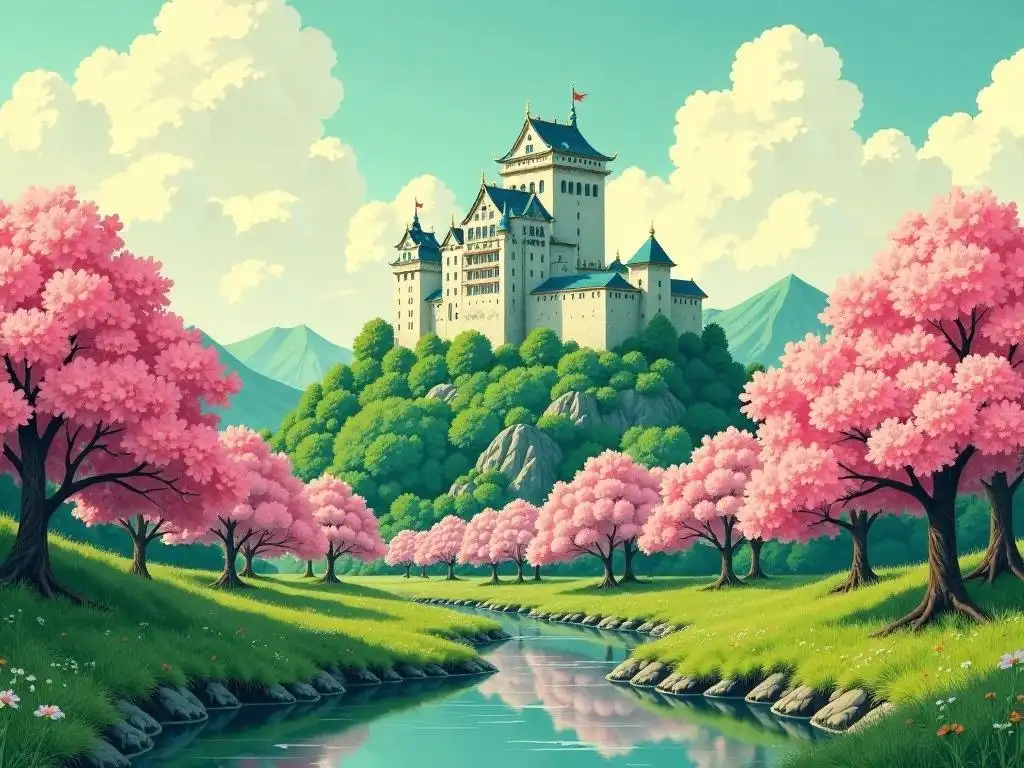
Welcome to Feudal Japan History, where we invite you to embark on a journey through the captivating natural landscapes of feudal Japan. As you delve into our featured article, Exploring the Natural Landscapes Surrounding Feudal Castles, you’ll uncover the breathtaking scenery that not only framed the majestic castles of this era but also shaped the very culture and society that thrived within their walls.
Prepare to be enchanted by the lush mountains, serene rivers, and vibrant flora that tell the untold stories of a time long past. Let your curiosity guide you as you explore the intricate connections between nature and history in this remarkable chapter of Japan’s heritage.
Introduction to Natural Landscapes of Feudal Japan
The natural landscapes of feudal Japan are not just a backdrop for the majestic castles that dot the countryside; they are integral to understanding the historical, cultural, and societal fabric of the era. During the feudal period, which spanned from the late 12th century to the early 17th century, the environment played a crucial role in the lives of samurai, farmers, and the ruling classes. The striking mountains, serene rivers, and lush forests surrounding these castles were often seen as symbols of power and protection, shaping the strategic locations chosen for these fortifications.
From the rugged terrain of the Japanese Alps to the tranquil shores of coastal regions, the diverse landscapes profoundly influenced architectural styles, defensive strategies, and even the daily lives of those who inhabited these strongholds. In this article, we will embark on a journey through these captivating natural settings, uncovering how they intertwine with the history of Japan's feudal castles and the stories they tell.
The Role of Nature in Feudal Japanese History
Nature was not merely a passive element in feudal Japan; it actively shaped the course of history. The geographical features of the land dictated where castles were built, as well as their layout and design. Key aspects include:
- Defensive Strategies: Castles were often constructed on elevated terrain or near natural barriers, such as rivers and mountains, to provide a tactical advantage against invaders. This strategic positioning allowed for better surveillance of surrounding areas and made sieges more difficult.
- Cultural Significance: The landscapes surrounding these castles were often imbued with cultural and spiritual meanings. For example, certain mountains were considered sacred, influencing the design and orientation of nearby castles. The aesthetic integration of nature into castle architecture reflected the Shinto belief in kami (spirits) residing in natural elements.
- Economic Resources: The natural resources available in the vicinity of a castle played a significant role in its sustainability. Proximity to fertile lands ensured food production, while access to forests provided timber for construction and fuel. This interconnectedness of nature and economy was vital for the survival of feudal lords and their retainers.
- Art and Literature: The beauty of Japan’s landscapes inspired countless works of art, poetry, and literature during the feudal period. This cultural heritage continues to influence modern interpretations of Japan's natural beauty, highlighting the enduring connection between nature and the human experience.
The natural landscapes of feudal Japan were fundamental to the historical narrative of the period. They not only influenced the practical aspects of castle construction and defense but also enriched the cultural, spiritual, and economic dimensions of life during this fascinating era.
Iconic Feudal Castles and Their Surrounding Landscapes
The natural landscapes that encircle Japan's feudal castles are not just breathtaking; they also play a significant role in the historical and cultural narratives of these architectural marvels. From majestic mountains to serene rivers and vibrant flora, the settings provide a vivid backdrop that enhances the beauty and strategic significance of these castles. Let's delve into some of the most iconic feudal castles and their stunning environments.
1. Himeji Castle and the Scenic Surroundings
Himeji Castle, often referred to as the "White Heron Castle" due to its elegant white exterior, is surrounded by a landscape that complements its grandeur. Nestled in the Hyōgo Prefecture, the castle is set against a backdrop of rolling hills and lush gardens. The surrounding area features:
- Kokoen Garden: A beautiful garden that showcases traditional Japanese landscaping with ponds, tea houses, and seasonal flowers, providing a tranquil escape for visitors.
- Mount Shosha: The nearby mountain offers hiking trails that reveal breathtaking views of Himeji Castle from different angles, especially stunning during cherry blossom season.
- Rivers and Canals: The castle is strategically located near rivers, which historically provided water for defense and sustenance. Today, they enhance the picturesque landscape.
The harmonious integration of Himeji Castle with its natural surroundings illustrates the Japanese aesthetic principle of wabi-sabi, celebrating the beauty in imperfection and transience.
2. Matsumoto Castle and the Japanese Alps
Matsumoto Castle, recognized for its unique black exterior, is framed by the majestic Japanese Alps, creating a dramatic and picturesque scene. Located in Nagano Prefecture, the landscapes around Matsumoto Castle are characterized by:
- Alpine Scenery: The towering peaks of the Alps serve as a stunning backdrop, especially during the winter months when they are capped with snow, offering a striking contrast to the castle’s dark facade.
- Nakamachi Street: This traditional street lined with wooden buildings and shops leads to the castle, providing visitors a glimpse into the historical context while surrounded by the natural beauty of the mountains.
- Taisho Pond: The reflection of Matsumoto Castle in the waters of Taisho Pond creates a postcard-worthy image, particularly during the cherry blossom season when the surrounding trees burst into bloom.
The natural elements surrounding Matsumoto Castle not only enhance its aesthetic appeal but also reflect the strategic importance of the location in feudal Japan, where mountains provided natural defense.
3. Kumamoto Castle and the Cherry Blossom Scenery
Kumamoto Castle is another iconic structure renowned for its imposing architecture and historical significance. The castle is enveloped by the lush landscapes of Kumamoto Prefecture, known particularly for its cherry blossoms. Key features include:
- Shiroyama Park: This park, located nearby, is famous for its cherry blossom trees that bloom in spring, creating a spectacular floral display that attracts hundreds of visitors each year.
- Historic Moats and Gardens: The castle's moats are not only functional but also enhance the natural beauty of the environment, with gardens that showcase native plants and seasonal blooms.
- Surrounding Mountains: The nearby mountains provide a scenic backdrop and host hiking trails that offer panoramic views of the castle and its cherry blossom-laden surroundings.
Kumamoto Castle's integration with its natural environment highlights the importance of nature in feudal Japanese culture and offers a serene experience for those who visit.
Natural Landscapes and Their Impact on Feudal Architecture
The natural landscapes of feudal Japan were more than mere scenery; they significantly influenced the design and construction of castles. The interplay between architecture and nature can be observed in several ways:
- Strategic Locations: Castles were often built on elevated ground or near water sources, utilizing the natural terrain for defense. This strategic positioning allowed for better surveillance of surrounding areas and enhanced protection against enemies.
- Aesthetic Considerations: The choice of materials and architectural styles often reflected the natural environment. Many castles incorporated local stone and wood, blending seamlessly with their surroundings and showcasing the beauty of the landscape.
- Cultural Significance: Natural elements, such as cherry blossoms, mountains, and rivers, were often intertwined with cultural practices and seasonal festivals. These landscapes not only provided a backdrop for feudal life but also influenced the rituals and traditions of the time.
The natural landscapes surrounding feudal castles in Japan are integral to understanding their historical significance and architectural beauty. They serve as a reminder of the harmonious relationship between humans and nature that is a hallmark of Japanese culture.
Cultural Significance of Natural Landscapes in Feudal Japan
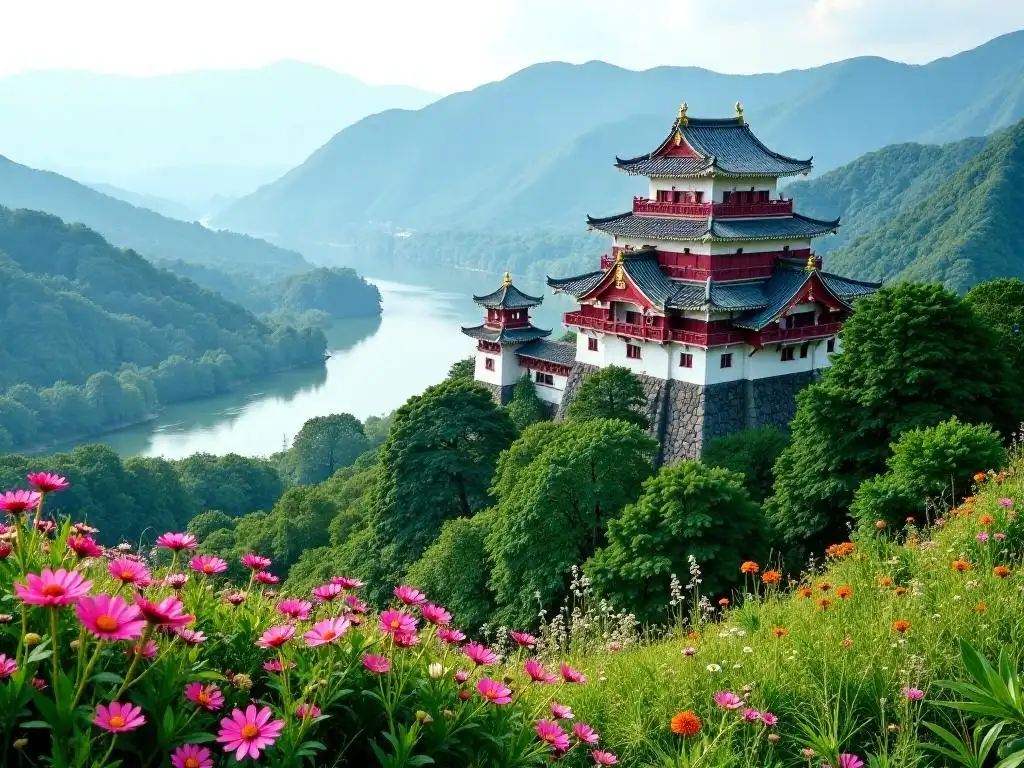
Natural landscapes in feudal Japan played a crucial role in shaping the cultural identity and spiritual beliefs of its people. The connection between nature and the samurai class was deeply rooted in the philosophy of Shinto, which emphasizes respect for the natural world. This reverence is evident in the design of many feudal castles, which were often strategically placed to harmonize with their surrounding environments. For instance, castles like Himeji, located near a mountain, were not only defensive structures but also sites of beauty that showcased the natural landscape.
Moreover, the Japanese aesthetics of Wabi-Sabi—the appreciation of beauty in imperfection and transience—were greatly influenced by natural elements. Poets and artists drew inspiration from the changing seasons, mountains, rivers, and flora, infusing their works with a sense of harmony and balance. The famous haiku poetry form often reflects this close relationship with nature, capturing fleeting moments that echo the cycles of life. As such, feudal landscapes were not merely backdrops but integral to the cultural tapestry of Japan, influencing art, literature, and philosophy throughout the era.
Modern Exploration of Feudal Landscapes
Today, the natural landscapes surrounding feudal castles offer unique opportunities for modern exploration and appreciation. As tourism to these historic sites grows, visitors can engage with the beauty of Japan's natural heritage while learning about its rich history. This exploration fosters a deeper understanding of how these landscapes influenced feudal society and continue to resonate in contemporary culture.
1. Eco-Tourism Opportunities
Eco-tourism has emerged as a popular way to experience the natural landscapes of feudal Japan while promoting conservation and sustainability. Many regions surrounding historical castles, such as Matsumoto Castle in the Japanese Alps or Kumamoto Castle near lush countryside, have developed eco-friendly initiatives that allow visitors to immerse themselves in nature. Activities include guided hikes through ancient forests, bird watching in wetlands, and participating in local agricultural practices.
This approach not only enhances the visitor experience but also supports local economies and preserves the natural beauty that has captivated generations. Eco-tourism encourages a profound respect for the environment, aligning with the traditional Japanese belief in living harmoniously with nature.
2. Photography and Art Retreats in Nature
The stunning natural landscapes surrounding feudal castles provide an ideal setting for photography and art retreats. Artists and photographers can capture the essence of Japan's unique scenery, characterized by dramatic mountains, serene rivers, and vibrant seasonal changes. Workshops often take place in picturesque locations such as Nijo Castle, where participants can learn techniques from experienced instructors while being inspired by the breathtaking views.
These retreats not only promote creativity but also cultivate a deeper appreciation for the historical and cultural context of the landscapes. Participants often engage in collaborative projects, blending traditional Japanese art forms with contemporary practices, thus fostering a dialogue between past and present. Such experiences allow individuals to connect with the natural world while exploring the rich narratives embedded in Japan's feudal heritage.
Essential Tips for Exploring Natural Landscapes of Feudal Japan
When venturing into the stunning natural landscapes surrounding feudal castles in Japan, there are several essential tips to enhance your experience and ensure a respectful and enjoyable exploration.
- Research Before You Go: Understanding the historical context of the castles and their natural surroundings can greatly enrich your visit. Familiarize yourself with the specific castle's history, the role of its landscape in feudal Japan, and any notable natural features, such as rivers, mountains, or gardens.
- Plan Your Route: Many feudal castles are located near hiking trails or scenic viewpoints. Consider mapping out your route beforehand to include not only the castle itself but also the surrounding natural landscapes that can enhance your experience. Utilize local maps and guides to find the best scenic spots.
- Respect Nature and Cultural Heritage: While enjoying the natural beauty, it's important to tread lightly. Stay on marked trails, avoid littering, and respect any signs indicating private property or restricted areas. Many of these landscapes are not only beautiful but hold deep cultural significance.
- Choose the Right Season: The natural landscapes surrounding feudal castles transform dramatically with the seasons. Spring offers cherry blossoms, summer provides lush greenery, autumn showcases vibrant foliage, and winter can cloak the scenery in serene snow. Plan your visit according to what natural beauty you wish to witness.
- Consider Guided Tours: If you're unfamiliar with the area or the historical context, consider joining a guided tour. Expert guides can provide insights into both the natural landscapes and the historical significance of the castles, creating a more enriching experience.
- Capture the Moment: Bring a camera or a sketchbook to document your experience. The interplay of castles against the backdrop of mountains, rivers, and forests presents countless opportunities for photography or artistic expression. Just remember to enjoy the moment as well!
Conclusion: Appreciating the Natural Landscapes of Feudal Japan
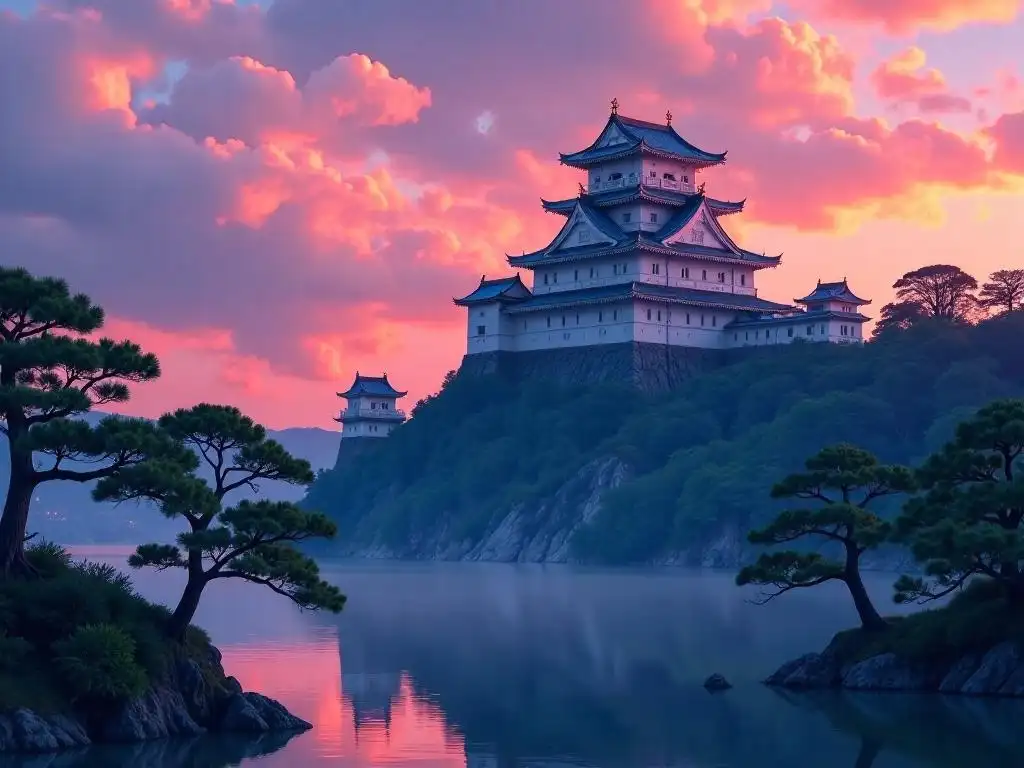
The natural landscapes of feudal Japan offer a breathtaking backdrop to the historic castles that once served as the seats of power for samurai lords. Each site not only reflects the architectural ingenuity of the time but also highlights the harmonious relationship between nature and culture. As you explore these landscapes, take a moment to appreciate the tranquility and beauty that they provide, allowing you to connect with the history that shaped the nation.
Understanding how geography influenced feudal society is essential. The mountains often served as natural fortifications, while rivers provided essential resources and transportation routes. This interplay of nature and human endeavor is intrinsic to the identity of feudal Japan, inviting travelers to reflect on the past while enjoying the serene vistas.
Additional Resources
To further enhance your exploration of the natural landscapes surrounding feudal castles in Japan, consider the following resources:
- Books: Look for titles focusing on Japanese history, especially those that delve into the feudal era and its castles. Works by historians such as John Whitney Hall or John M. Merriman can provide deeper insights.
- Documentaries: Explore documentaries that showcase Japan's historical sites and landscapes. They often include interviews with experts and stunning visuals that can prepare you for your visit.
- Travel Guides: Utilize travel guides specifically focused on Japan's historical tourism. They can offer practical tips and highlight must-see sites.
- Local Tourism Websites: Check local tourism websites for updated information on feudal castles, including visitor hours, events, and any special exhibitions related to the natural landscapes.
- Cultural Events: Keep an eye out for cultural events or festivals that may be taking place near these castles, as they often feature traditional performances and local artisans that can enrich your experience.
By leveraging these resources, you can deepen your appreciation of the natural landscapes of feudal Japan while enjoying an immersive travel experience.
Call to Action
Exploring the natural landscapes surrounding feudal castles is an enriching experience that combines history with breathtaking scenery. If you are captivated by the allure of feudal Japan and its majestic castles, why not embark on your own adventure?
- Plan Your Visit: Research specific feudal castles such as Himeji Castle, Matsumoto Castle, and Kumamoto Castle, each surrounded by unique natural landscapes that enhance their beauty.
- Engage with Nature: Take the time to hike the trails, stroll through gardens, and enjoy the seasonal changes that paint the scenery in vibrant colors. The cherry blossoms in spring, the lush greenery in summer, the breathtaking foliage in autumn, and the serene snow-covered landscapes in winter all provide a backdrop that complements these historical sites.
- Capture the Moments: Bring your camera or sketchbook to document your journey. The interplay between the castles and their natural surroundings creates stunning compositions that are worthy of preservation.
Join us in uncovering the stories and landscapes that shaped Japan’s feudal era, and immerse yourself in the beauty that continues to inspire travelers today. Discover the natural landscapes of feudal Japan—your adventure awaits! 🌸🏯✨
- Introduction to Natural Landscapes of Feudal Japan
- The Role of Nature in Feudal Japanese History
- Iconic Feudal Castles and Their Surrounding Landscapes
- Natural Landscapes and Their Impact on Feudal Architecture
- Cultural Significance of Natural Landscapes in Feudal Japan
- Modern Exploration of Feudal Landscapes
- Essential Tips for Exploring Natural Landscapes of Feudal Japan
- Conclusion: Appreciating the Natural Landscapes of Feudal Japan
- Additional Resources
- Call to Action
- What are the main natural landscapes surrounding feudal castles in Japan?
- How did the natural environment influence feudal castle design?
- What role did nature play in the daily life of feudal Japan?
- Can you describe the cultural significance of landscapes in feudal Japan?
- Are there any notable locations in Japan that exemplify these landscapes?
Frequently Asked Questions
What are the main natural landscapes surrounding feudal castles in Japan?
The natural landscapes typical of feudal Japan include mountains, forests, and rivers, which provided both beauty and strategic advantages for castle defense.
How did the natural environment influence feudal castle design?
Feudal castle design was heavily influenced by the natural environment, as builders utilized the topography for defense, positioning castles on hills or near water sources.
What role did nature play in the daily life of feudal Japan?
In feudal Japan, nature played a crucial role in agriculture, resource gathering, and cultural practices, deeply influencing the societal structure and daily activities of its inhabitants.
Can you describe the cultural significance of landscapes in feudal Japan?
The cultural significance of landscapes is evident in art, literature, and festivals, as nature was often seen as a reflection of spiritual beliefs and harmony with the environment.
Are there any notable locations in Japan that exemplify these landscapes?
Yes, locations such as Himeji Castle and Matsumoto Castle are excellent examples where the natural landscapes enhance the beauty and historical context of feudal architecture.
Final Reflection: The Enduring Beauty of Natural Landscapes in Feudal Japan
The intricate relationship between feudal castles and their surrounding natural landscapes is not just a historical curiosity; it is a testament to the harmonious coexistence of human ingenuity and nature. Today, as we face rapid urbanization and environmental challenges, understanding this connection becomes increasingly vital. The landscapes that once cradled these majestic fortresses remind us of a time when nature was revered and integrated into daily life, urging us to reflect on our own interactions with the environment.
The natural landscapes of feudal Japan have left an indelible mark on our cultural consciousness, influencing art, literature, and even modern architectural practices. The serene beauty of these settings continues to inspire contemporary artists and environmentalists alike. Nature is not a place to visit. It is home.
This quote resonates deeply as we consider the landscapes that shaped the lives of those who lived in feudal Japan, reminding us that our surroundings are integral to our identity and well-being.
As you ponder the lessons drawn from the natural landscapes surrounding feudal castles, I invite you to take a moment to reflect on your own relationship with nature. How can you cultivate a deeper appreciation for the environment in your daily life? Whether it's through exploring local parks, engaging in conservation efforts, or simply taking time to enjoy the beauty around you, let the legacy of feudal Japan inspire you to foster a more profound connection with the natural world.
Unveil the Beauty of Nature Beyond the Castles!
Thank you for taking the time to explore the enchanting natural landscapes surrounding feudal castles! By diving into this rich topic, you’ve gained deeper insights into the breathtaking environments that flourished alongside Japan's storied past. Now, let’s transform that knowledge into action!
- Embark on a virtual tour of a renowned feudal castle enveloped by nature—explore captivating documentaries and online resources that showcase their stunning beauty.
- Share your newfound insights! Engage with friends or fellow history enthusiasts by discussing the fascinating relationship between Japan's natural landscapes and its historic castles on social media.
- Consider planning a visit to a local historical site—experiencing nature and history together creates unforgettable memories!
What surprising connections did you discover between the natural landscapes and the feudal castles that inspire you the most?