
Discover the Art of Shodo: A Beginner's Guide to Japanese Calligraphy

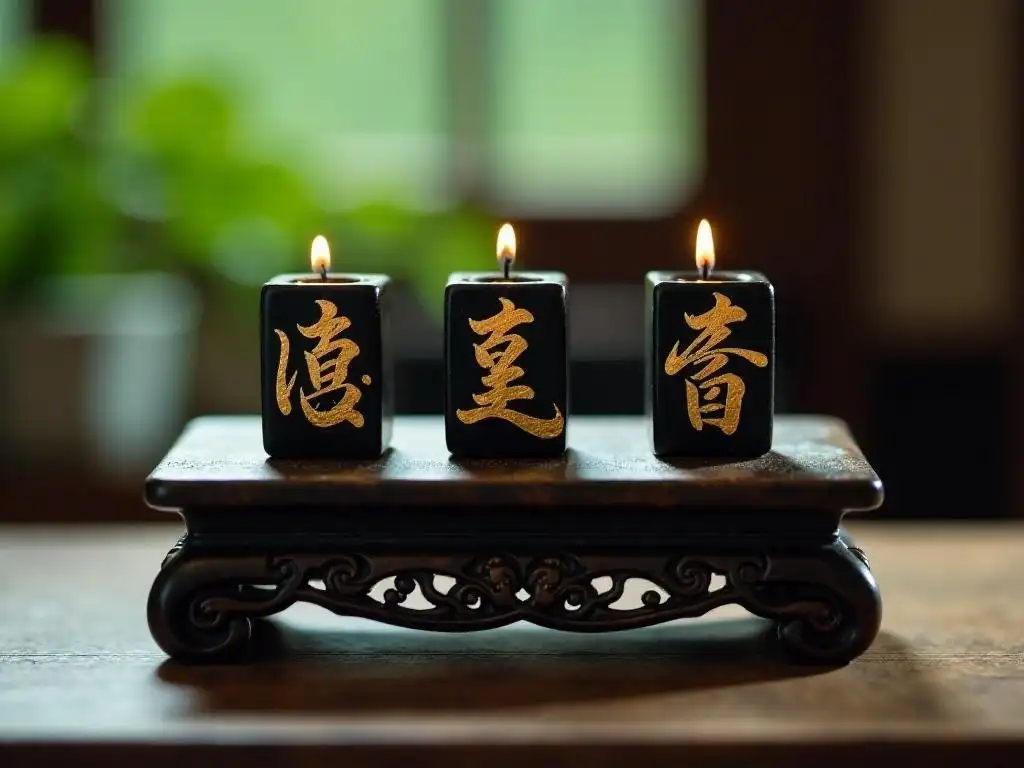
Welcome to Feudal Japan History! Here, we invite you to embark on a fascinating journey through the intricate tapestry of Japan’s feudal era, where tradition and artistry intertwine. Today, we delve into the captivating world of Japanese calligraphy for beginners, exploring the elegant strokes and profound meanings behind this ancient art form known as Shodo. Are you ready to uncover the secrets of brush and ink that have shaped Japanese culture for centuries? As you read on, you'll discover not just techniques, but also the rich history that breathes life into every character. Let the exploration begin!
- Introduction to Japanese Calligraphy for Beginners
- Essential Tools for Japanese Calligraphy
- Basic Techniques in Japanese Calligraphy
- Learning the Characters: A Beginner’s Guide
- Step-by-Step Tutorial: Creating Your First Calligraphy Piece
- Common Mistakes to Avoid in Japanese Calligraphy
- Expanding Your Skills: Advanced Techniques in Japanese Calligraphy
- Recommended Products for Japanese Calligraphy Enthusiasts
- Conclusion: Embracing the Art of Shodo
- Additional Resources for Japanese Calligraphy
- Frequently Asked Questions
- Final Reflection: Embracing the Beauty of Japanese Calligraphy
- Unleash Your Creativity with Shodo Today!
Introduction to Japanese Calligraphy for Beginners
Japanese calligraphy, known as Shodo (書道), is a timeless art form that blends aesthetics with cultural significance, making it an essential aspect of Japan's rich heritage. As a beginner, you may find the intricate strokes and philosophies behind this art both captivating and daunting. However, understanding the basics of Shodo opens the door to not only mastering a skill but also appreciating the historical context from which it originates. This guide aims to provide you with a comprehensive introduction to Japanese calligraphy, focusing on techniques, tools, and the profound meanings embedded within this beautiful art form.
Understanding Shodo: The Art of Japanese Calligraphy
Shodo is more than just writing; it is a form of artistic expression that combines the precision of brushwork with the fluidity of ink. At its core, Shodo embodies the harmony between the physical act of writing and the spiritual essence it represents. Here are some key elements to understand:
- The Tools of the Trade:
- Brush (Fude): A traditional brush made from animal hair, varying in size and shape to create different strokes.
- Ink (Sumi): A thick, black ink made from soot and animal glue, typically ground on an ink stone.
- Paper (Washi): Specially crafted paper designed to absorb ink beautifully, enhancing the final appearance of the calligraphy.
- Basic Techniques:
- Strokes: Each character is composed of strokes that follow a specific order and direction, emphasizing balance and proportion.
- Posture: Proper posture and grip are crucial for achieving fluid movements and precise control over the brush.
- Philosophy Behind Shodo:
- Shodo is deeply rooted in the principles of Zen Buddhism, where the act of writing becomes a meditative practice, encouraging mindfulness and focus.
- Each stroke reflects the emotions and intentions of the writer, turning the written word into a personal expression of art.
The Importance of Japanese Calligraphy in Feudal Japan
During the feudal era in Japan, Shodo played a pivotal role in both societal and cultural development. It was not merely a means of communication but a significant form of art that influenced various aspects of life, including education, religion, and governance. Here’s how:
- Cultural Significance:
- Calligraphy was admired as a high art form, practiced by samurai and nobility alike, symbolizing status and refinement.
- It served as a means for expressing philosophical beliefs and aesthetic ideals prevalent during the time.
- Education and Literacy:
- Mastery of Shodo was essential for scholars and bureaucrats, as it demonstrated one’s education and intellectual capabilities.
- Schools often incorporated calligraphy into their curriculum, promoting literacy and artistic expression among the youth.
- Religious Practices:
- Calligraphy was employed in religious texts and rituals, enhancing the spiritual significance of the written word.
- Many Buddhist monks practiced Shodo as a form of meditation, reflecting their devotion and discipline.
Understanding the importance of Shodo in feudal Japan not only enriches your appreciation of this art form but also provides a deeper connection to the historical and cultural landscape of Japan. As you embark on your journey to learn Japanese calligraphy, remember that each stroke is a step toward discovering a profound legacy that continues to inspire artists and enthusiasts around the world.
Essential Tools for Japanese Calligraphy
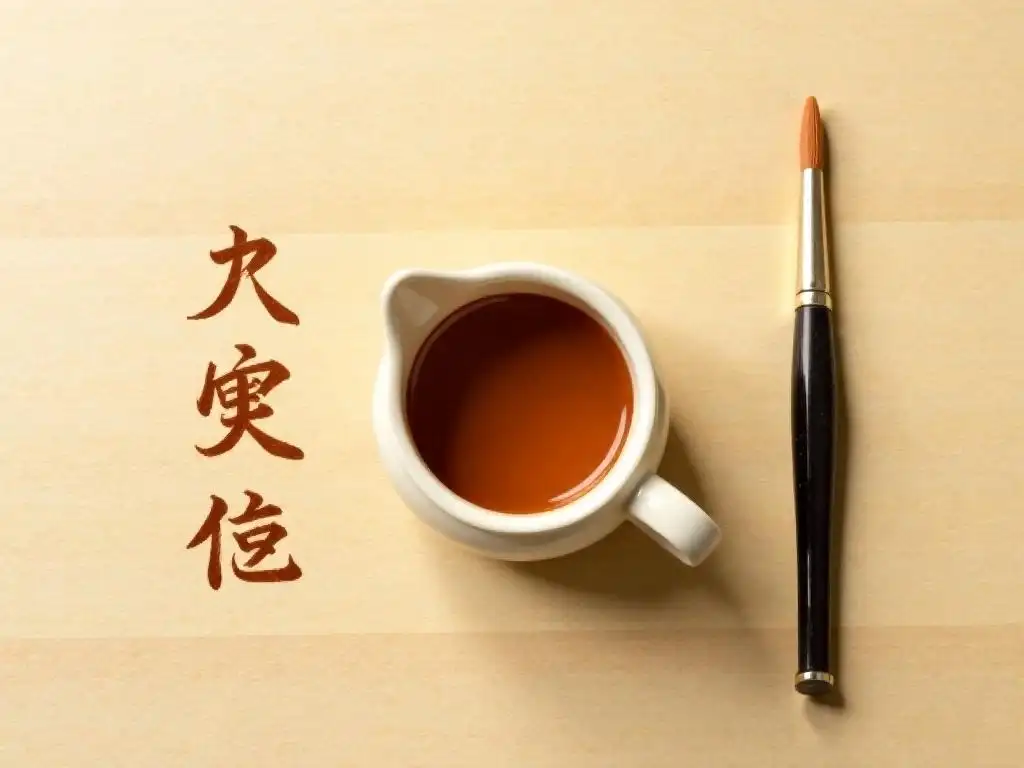
Calligraphy Brushes: Choosing the Right Brush for Beginners
Selecting the right brush is crucial in mastering Japanese calligraphy, especially for beginners. The brush (fude) is not just a tool; it embodies the essence of Shodo, influencing both technique and expression. Here are the key considerations when choosing a calligraphy brush:
- Types of Brushes:
- Wolf Hair Brushes: Soft and flexible, ideal for beginners to create smooth strokes.
- Goat Hair Brushes: Versatile and suitable for both fine and broad strokes.
- Mixed Hair Brushes: Combine different hairs for balanced performance.
- Sizes:
- Brushes come in various sizes, typically ranging from small (for detailed work) to large (for broader strokes). Beginners are encouraged to start with a medium-sized brush, which offers a good balance for most techniques.
- Handle Length:
- Short handles provide greater control for detailed work, while long handles allow for expressive movements. Beginners should consider a medium-length handle for versatility.
Inks and Sumi: The Best Inks for Authentic Shodo
The choice of ink is fundamental in Japanese calligraphy. The traditional ink used is called Sumi, made from soot and animal glue. Here’s what beginners should know about inks:
- Types of Inks:
- Liquid Sumi: Ready to use and convenient for beginners. However, it may lack the depth of handmade ink.
- Stick Sumi: Requires grinding with water on an ink stone, allowing for a more authentic experience and customization of ink density.
- Choosing Quality:
- Look for high-quality Sumi that produces a rich, deep black. This enhances the visual impact of the calligraphy.
- Experimenting with Colors:
- While traditional Shodo often uses black ink, beginners can experiment with colored inks for creative expressions. This can help in understanding the flow and behavior of different inks.
Paper Types: Selecting the Perfect Rice Paper for Calligraphy
The paper used in Japanese calligraphy is as important as the brush and ink. The right paper enhances the brush’s strokes and absorbs ink properly. Here’s a breakdown of the types of paper suitable for beginners:
- Types of Rice Paper:
- Washi Paper: Traditional Japanese paper known for its strength and texture. It absorbs ink beautifully, making it a favorite among calligraphers.
- Shuen Paper: A blend of washi and other fibers, offering a smoother surface that works well for beginners.
- Weight and Texture:
- Beginners should opt for paper with a weight of 40-60 gsm. This provides the right balance for ink absorption without being too fragile.
- Textured papers can help beginners learn how to control their brushstrokes, as they provide feedback during writing.
- Pre-Printed Grids:
- Many beginners benefit from using paper with pre-printed grids or guidelines. This helps in developing proper stroke order and spacing.
By choosing the right tools, inks, and papers, beginners can embark on their journey into the world of Japanese calligraphy with confidence and creativity.
Basic Techniques in Japanese Calligraphy
How to Hold a Calligraphy Brush Properly
Holding a calligraphy brush correctly is crucial for achieving fluidity and control in your strokes. Here are some essential tips for beginners:
- Grip:
- Hold the brush lightly, approximately one-third from the end of the handle. This grip allows for greater flexibility and movement.
- Use your thumb, index, and middle fingers to support the brush, while the ring and pinky fingers can rest against your palm for stability.
- Angle:
- Aim for a 45-degree angle between the brush and the paper. This angle helps to create the desired brush strokes and encourages ink flow.
- Adjust the angle slightly based on the stroke you are creating; for example, a vertical stroke might require a slightly steeper angle.
- Relaxation:
- Maintain a relaxed grip to prevent stiffness in your hand and wrist. Tension can lead to uneven strokes and hinder your overall technique.
- Practice:
- Spend time practicing your grip and angle on scrap paper before moving on to actual calligraphy projects.
Remember, the way you hold your brush can significantly influence the beauty and precision of your work!
Mastering Basic Strokes: The Foundation of Shodo
Mastering basic strokes is fundamental in Japanese calligraphy, as these strokes form the building blocks of more complex characters. Here are some of the primary strokes to practice:
- Dot (点):
- A simple yet essential stroke that starts with a gentle downward motion and tapers off at the end.
- Practice varying the size and pressure to create different effects.
- Horizontal Stroke (横):
- Begin from the left and move to the right, maintaining even pressure throughout the stroke.
- Focus on keeping the stroke straight and consistent.
- Vertical Stroke (縦):
- Start from the top and move downward, ensuring that you lift the brush gently at the end for a clean finish.
- Pay attention to the speed; a slower downward motion can create a more elegant line.
- Curved Stroke (弧):
- This stroke involves a smooth, sweeping motion. Start from one side and curve toward the opposite side, maintaining fluidity.
- Practice different curves to develop your control and style.
- Diagonal Stroke (斜):
- A diagonal stroke requires careful control of the brush angle. Begin from the top and move diagonally down, adjusting your pressure to create depth.
The Importance of Posture in Japanese Calligraphy
Posture plays a significant role in the practice of Japanese calligraphy. Proper posture not only enhances your performance but also helps prevent fatigue. Here are some pointers on maintaining good posture while practicing Shodo:
- Seating Position:
- Sit comfortably on a flat surface, ensuring your back is straight and relaxed.
- If using a low table, sit cross-legged or in a kneeling position, keeping your feet flat on the ground for stability.
- Hand Position:
- Keep your writing hand relaxed and supported. Avoid excessive tension in your wrist or fingers.
- Your non-writing hand can be used to stabilize the paper, preventing it from moving as you write.
- Eye Level:
- Position your paper so that it is at eye level. This alignment helps maintain a natural posture and reduces strain on your neck.
- Breathing:
- Remember to breathe deeply and evenly. A calm mind and body will enhance your focus and creativity during your practice.
Adopting the right posture can significantly improve your calligraphy skills and overall enjoyment of the art form!
By focusing on these fundamental techniques, beginners can lay a strong foundation in Japanese calligraphy, paving the way for more advanced practices in Shodo. Happy writing!
Learning the Characters: A Beginner’s Guide
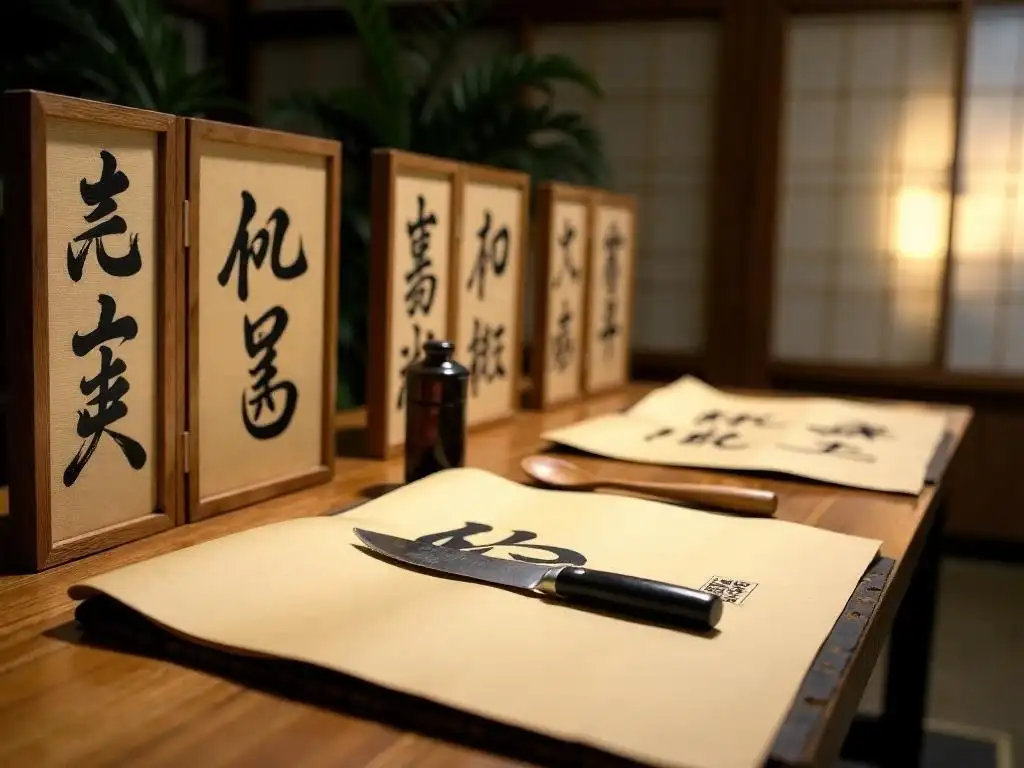
Hiragana, Katakana, and Kanji: An Introduction to Japanese Scripts
Japanese writing consists of three main scripts: Hiragana, Katakana, and Kanji. Each of these scripts serves a unique purpose and has distinct characteristics, making them essential for anyone interested in mastering Japanese calligraphy for beginners.
- Hiragana: This syllabary is primarily used for native Japanese words and grammatical functions. It consists of 46 basic characters, each representing a specific sound. Hiragana is often the first script taught to beginners due to its simplicity and fundamental role in the language.
- Katakana: Similar in structure to Hiragana, Katakana is used mainly for foreign words, onomatopoeia, and the names of plants, animals, and scientific terms. Like Hiragana, it also has 46 basic characters, but they are distinct in appearance and usage.
- Kanji: These are logographic characters borrowed from Chinese, representing entire words or concepts. Kanji can be quite complex, with thousands of characters in existence, but only about 2,000 are commonly used in daily life. Learning Kanji is crucial for reading and writing in Japanese, making it an essential component of Japanese calligraphy.
Understanding the differences between these scripts is vital for beginners. Mastering Hiragana and Katakana lays the groundwork for tackling Kanji, which can be more challenging but rewarding in the journey of learning Japanese calligraphy.
Simple Characters to Start With: Practice Your First Kanji
Starting your journey with Japanese calligraphy for beginners can be daunting, especially when it comes to learning Kanji. However, by focusing on simple and commonly used characters, you can build confidence and skill. Here are a few Kanji characters that are ideal for beginners:
- 日 (hi) - Meaning "day" or "sun."
- 月 (tsuki) - Meaning "moon" or "month."
- 山 (yama) - Meaning "mountain."
- 川 (kawa) - Meaning "river."
- 木 (ki) - Meaning "tree."
These characters not only have simple strokes but also represent fundamental elements of nature, making them easier to remember. When practicing these characters, focus on:
- Stroke Order: Following the correct stroke order is crucial in calligraphy for maintaining balance and aesthetics in your writing. For instance, the character 日 starts with a horizontal stroke followed by a vertical one.
- Repetition: Practice each character multiple times to gain muscle memory. Aim for consistency in size and shape.
- Fluid Motion: As you become more comfortable, work on making your strokes fluid and connected, which is a hallmark of beautiful Japanese calligraphy.
Resources for Learning Japanese Characters: Apps and Books
To enhance your learning experience in Japanese calligraphy for beginners, utilizing the right resources is essential. Here are some recommended apps and books that can help you on your journey:
Apps
- Kanji Study: This app offers a comprehensive learning platform for Kanji, featuring flashcards, quizzes, and stroke order animations.
- Human Japanese: A thorough app that teaches Japanese from the ground up, including Hiragana, Katakana, and basic Kanji.
- Write It! Japanese: Focused on teaching writing, this app provides practice for all three scripts with stroke order guidance.
Books
| Title | Description |
|---|---|
| Remembering the Kanji | A popular book that simplifies the learning of Kanji through mnemonics. |
| Japanese for Busy People | A practical guide that covers basic Japanese, including scripts and phrases. |
| The Complete Guide to Japanese Calligraphy | Offers insights into techniques and styles of Japanese calligraphy. |
Using a combination of these resources will provide a well-rounded foundation in Japanese characters and calligraphy techniques. Remember to practice regularly and immerse yourself in the beauty of the script as you learn!
Step-by-Step Tutorial: Creating Your First Calligraphy Piece
Creating your first piece of Japanese calligraphy (shodo) can be an exciting endeavor that allows you to express yourself through a unique and traditional art form. This step-by-step tutorial will guide you through the essential aspects of preparing your workspace, selecting a design or quote, and sketching your guidelines for a successful calligraphy piece.
Preparing Your Workspace for Japanese Calligraphy
To begin your journey into Japanese calligraphy, it is crucial to set up a conducive workspace. Here are the key elements to consider:
- Flat Surface: Choose a clean, flat surface such as a table or desk. Ensure that it is well-lit to accurately see the details of your work.
- Materials Needed: Gather the following materials:
- Brushes: A couple of different-sized calligraphy brushes (fude) for varied strokes.
- Ink: Traditional sumi ink or bottled calligraphy ink.
- Paper: High-quality rice paper or calligraphy paper for best results.
- Weights: To hold down your paper, preventing it from shifting as you work.
- Comfortable Seating: Use a comfortable chair to maintain good posture while you work, as calligraphy may require prolonged periods of focus.
- Reference Materials: Have some reference books or printed examples of Japanese calligraphy nearby to inspire and guide your letterforms.
By preparing your workspace thoughtfully, you create an environment that fosters creativity and concentration, essential for mastering Japanese calligraphy.
Step 1: Choosing a Design or Quote for Your Calligraphy
Selecting a design or quote is a crucial first step in creating your calligraphy piece. Here are some tips to help you choose wisely:
- Personal Significance: Opt for a quote or phrase that resonates with you personally. This could be a proverb, a line from a poem, or a meaningful saying. For instance, the phrase “一期一会” (ichi-go ichi-e), meaning “one time, one meeting,” embodies the spirit of treasuring moments.
- Simplicity is Key: As a beginner, start with simple designs or short quotes to avoid feeling overwhelmed. This will allow you to focus on mastering the strokes and techniques.
- Visual Aesthetics: Consider how the characters will flow together visually. Some kanji characters lend themselves to beautiful, flowing designs, while others may require more precision.
- Research Styles: Familiarize yourself with different styles of Japanese calligraphy, such as Kaisho (block style) for clarity or Sosho (cursive style) for elegance. Choose a style that you feel comfortable with and that complements your chosen phrase.
By carefully selecting a design or quote, you set a meaningful foundation for your calligraphy piece, allowing your creativity to flourish.
Step 2: Sketching Guidelines for Your Calligraphy
Before diving into the actual calligraphy, sketching guidelines can significantly enhance your accuracy and control. Here’s how to do it effectively:
- Grid Paper: Use grid paper to help visualize the space each character will occupy. This will ensure consistent size and spacing.
- Light Pencil Sketch: Lightly sketch the outline of your chosen phrase on the paper. This serves as a roadmap for your brush strokes. Consider these points:
- Character Placement: Determine where each character will be placed in relation to the others.
- Stroke Order: Familiarize yourself with the correct stroke order for each character, which is crucial in maintaining the balance and flow of your writing.
- Spacing and Alignment: Pay attention to the spacing between each character. A harmonious layout is essential for a visually appealing piece. Utilize a ruler to mark even spacing if necessary.
- Guideline Removal: Once you are satisfied with your light pencil sketch, go over it with your brush, allowing the ink to flow naturally. After the ink dries, gently erase the pencil guidelines to leave a clean finish.
By sketching guidelines before you begin, you will enhance your confidence and precision, ensuring a polished final piece.
With this structured approach, you are now equipped with the knowledge to create your first Japanese calligraphy piece. Embrace the process, enjoy the art, and remember that practice is key to mastering this beautiful tradition!
Step 3: Inking Your First Character: Tips and Techniques
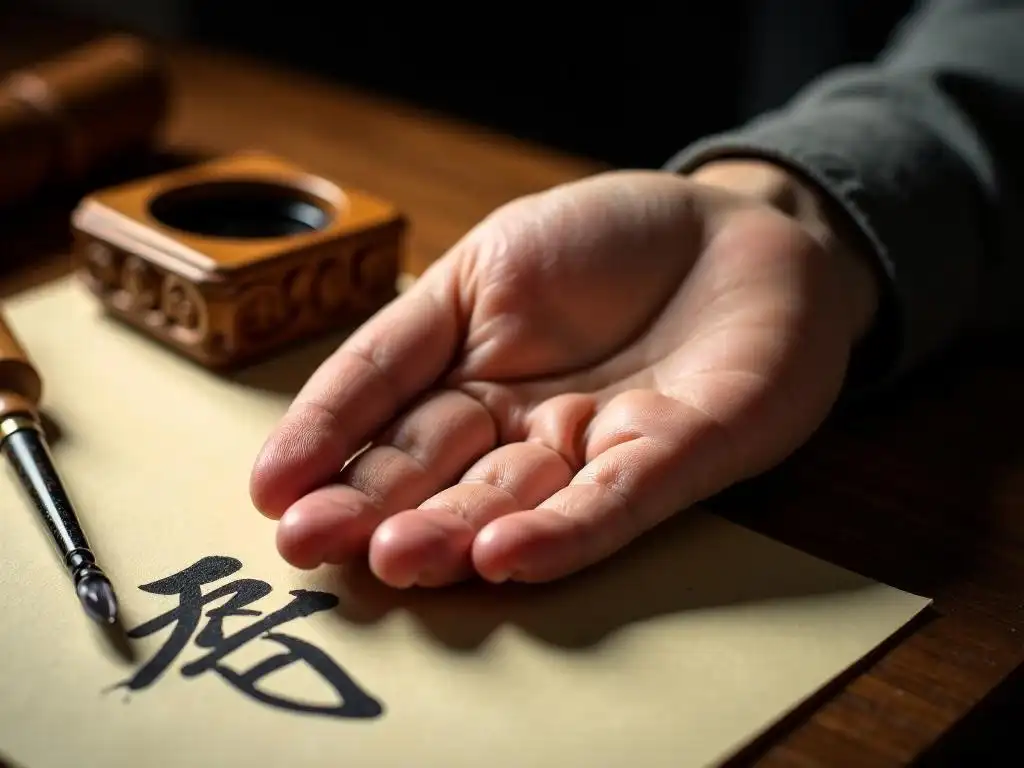
As you prepare to ink your first character in Japanese calligraphy, it's essential to approach this step with both patience and precision. Here are some key tips and techniques to help you create a beautiful character:
- Choose the Right Brush Technique:
- Hold the brush upright, using your wrist and fingers for control rather than moving your entire arm. This will allow for more delicate strokes.
- Experiment with varying pressure as you write. Light pressure produces fine lines, while heavier pressure creates bold strokes.
- Practice Basic Strokes:
- Before diving into your character, practice fundamental strokes such as horizontal, vertical, and diagonal lines. These basic forms are the building blocks of all Japanese characters.
- Use practice sheets with outlined characters to guide your brush movements and develop muscle memory.
- Maintain Consistency:
- Aim for consistent thickness in your strokes. Uneven lines can detract from the overall aesthetic of your piece.
- Pay attention to the speed of your brush movement; a steady pace will help maintain uniformity.
- Mind Your Angles:
- The angle at which you hold your brush can significantly impact your strokes. Experiment with different angles to achieve the desired effect.
- Typically, a 45-degree angle works well for most characters, but slight adjustments might be necessary based on the specific stroke.
- Take Your Time:
- Calligraphy is as much about the process as it is about the final product. Don’t rush through the inking. Take your time to enjoy each stroke and make adjustments as needed.
- If you make a mistake, consider it part of the learning process. Embrace imperfections as they can add character to your work.
- Cleaning Your Brush:
- After inking, clean your brush thoroughly with water to preserve its bristles and keep it in good condition for future use.
By applying these techniques, you will create a strong foundation for your first character, setting the stage for a stunning calligraphy piece.
Step 4: Finalizing Your Calligraphy Piece: Adding Finishing Touches
Once you have completed inking your character, it's time to add those essential finishing touches that will elevate your calligraphy piece. Here are some steps to consider:
- Review and Assess:
- Step back and review your work. Look for any areas that may need correction, such as uneven strokes or smudges.
- Use a clean cloth to gently dab away any unwanted ink spots.
- Add a Seal:
- In traditional Japanese calligraphy, a red ink seal (hanko) is often applied to signify the artist's identity. Consider creating your own seal or using a pre-made one for authenticity.
- Place the seal in the bottom corner or near the character, ensuring it complements your piece without overwhelming it.
- Incorporate Background Elements:
- To enhance your artwork, you may choose to add subtle background elements, such as light washes of color or additional strokes that frame the character.
- Ensure these elements do not overshadow the main character; they should enhance, not distract.
- Choose the Right Mounting Technique:
- If you plan to display your calligraphy, consider mounting it on a decorative scroll or framing it. This not only showcases your work but also protects it from damage.
- Select mounting materials that complement the style of your calligraphy, such as traditional washi paper for a classic look.
- Preservation Tips:
- To ensure longevity, keep your calligraphy piece away from direct sunlight and humidity. Consider using UV-protective glass if framing.
- Store it flat in a protective sleeve or portfolio to prevent creasing or bending.
- Sign Your Work:
- Don’t forget to sign your name in a discreet manner, adding a personal touch to your artwork. It can be placed at the bottom corner, similar to the seal.
By following these steps, you'll be able to finalize your calligraphy piece beautifully, ensuring it not only reflects your effort but also stands as a testament to your journey into the art of Japanese calligraphy.
Common Mistakes to Avoid in Japanese Calligraphy
Japanese calligraphy, or Shodo, is an art form that requires precision, patience, and practice. As beginners embark on their journey to master this discipline, it's crucial to be aware of common pitfalls that can hinder progress. By understanding and avoiding these mistakes, aspiring calligraphers can enhance their skills more effectively and enjoy the process.
Overcoming the Challenges of Brush Control
One of the most significant challenges novices face in Japanese calligraphy is brush control. Mastering the brush stroke involves more than just holding it correctly; it requires a deep understanding of pressure, angle, and movement.
- Grip and Posture: Beginners often hold the brush too tightly or at an awkward angle. A relaxed grip allows for smoother strokes.
- Recommended Position: Hold the brush about one-third from the end, using your fingers to control its movement rather than your wrist.
- Pressure Application: In Shodo, varying the pressure applied during strokes creates contrast and character.
- Practice Exercise: Use a practice sheet to draw horizontal lines, experimenting with light and heavy pressure to see how it affects the stroke's width and intensity.
- Stroke Sequence: Each character in Japanese calligraphy has a specific stroke order. Ignoring this can lead to uneven characters.
- Tip: Familiarize yourself with the stroke order through practice sheets or guides specifically designed for beginners.
Avoiding Common Ink and Paper Issues
The choice of ink and paper can significantly impact the quality of your work. Beginners often overlook these crucial elements, leading to unsatisfactory results.
- Ink Consistency: Using ink that is too thick or too thin can disrupt the flow of your brush strokes.
- Recommendation: Test your ink on a scrap piece of paper before starting your work to ensure it flows smoothly.
- Paper Selection: Not all paper is suited for Japanese calligraphy. Some papers absorb ink too quickly, while others do not absorb it enough.
- Ideal Choices: Rice paper or washi paper are excellent options for beginners, as they provide a balance between absorption and texture.
- Paper Preparation: Failing to prepare your paper can lead to bleeding or feathering of the ink.
- Preparation Steps: Ensure your paper is flat and free of wrinkles. This can be achieved by gently pressing it under a weight for a short period.
Tips for Maintaining Consistency in Your Style
Consistency is key in Japanese calligraphy, but achieving it can be challenging for beginners. Here are strategies to help maintain a consistent style throughout your practice.
- Regular Practice: Consistency in style comes from repetitive practice. Set aside time each day to practice your strokes and characters.
- Practice Schedule: Aim for at least 30 minutes daily, focusing on different characters or techniques each session.
- Create a Reference Guide: Keeping a reference guide with examples of your preferred styles can help you maintain uniformity in your characters.
- Visual Aid: Use a sketchbook to collect examples of your best work along with notes on techniques used.
- Self-Assessment: Regularly assess your work and compare it to established styles. This will help identify areas needing improvement.
- Feedback Loop: Consider sharing your work with fellow calligraphers or online communities for constructive feedback.
By being mindful of these common mistakes and implementing these tips, beginners can cultivate their skills in Japanese calligraphy more effectively, resulting in beautiful, expressive works of art.
Expanding Your Skills: Advanced Techniques in Japanese Calligraphy
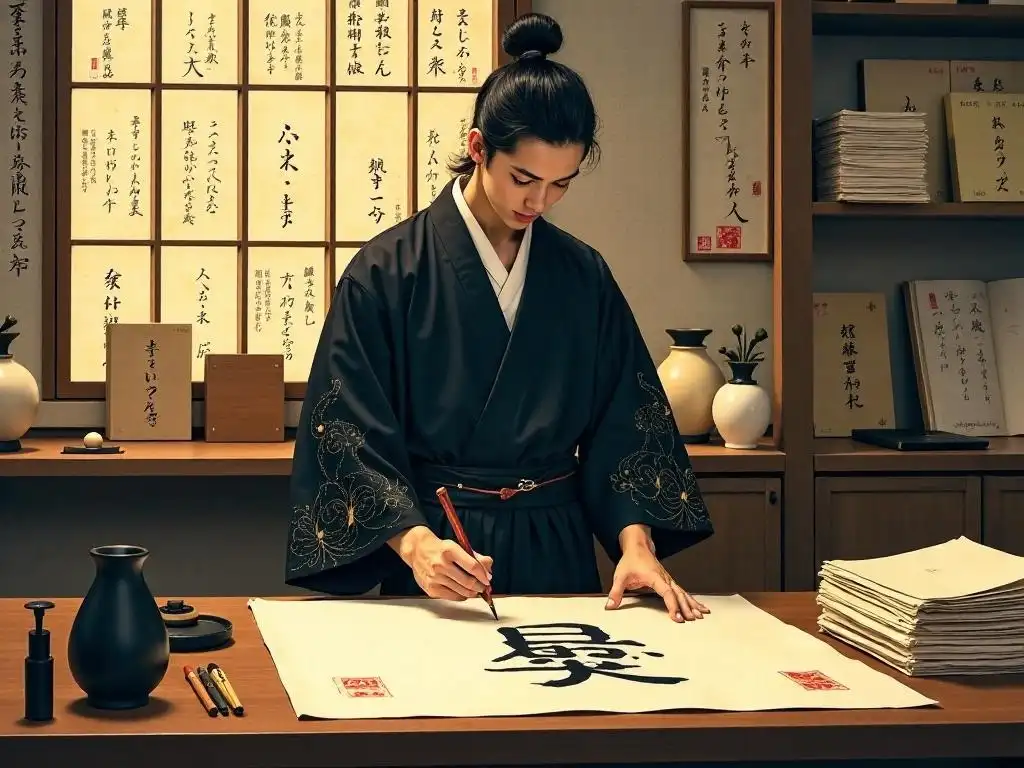
Experimenting with Different Styles: Kaisho, Gyosho, and Sosho
Japanese calligraphy, or shodo, offers a rich tapestry of styles that can elevate your practice. As you progress, it’s essential to explore the three primary styles: Kaisho, Gyosho, and Sosho. Each style has its unique characteristics, providing different expressions and aesthetics.
- Kaisho (楷書): This is the standard style, often referred to as "block script." It's characterized by its clear, legible strokes, making it an excellent starting point for beginners. Each character is written with precision, and mastering Kaisho lays the foundation for all other styles.
- Gyosho (行書): Known as "semi-cursive script," Gyosho combines the clarity of Kaisho with a flowing, more artistic approach. It’s less rigid than Kaisho, allowing for more personal expression while still maintaining readability. As you develop your skills, practicing Gyosho can help you create a more dynamic form of calligraphy.
- Sosho (草書): This "cursive script" is the most fluid and expressive style. Characters in Sosho are often simplified and connected, requiring a deeper understanding of stroke order and form. While it may seem daunting, mastering Sosho can lead to stunning, expressive works that showcase your unique style.
To effectively experiment with these styles, consider creating a comparison table:
| Style | Characteristics | Ideal For |
|---|---|---|
| Kaisho | Clear, legible, precise | Beginners, formal works |
| Gyosho | Flowing, semi-cursive | Personal expression |
| Sosho | Fluid, connected, expressive | Advanced calligraphers |
Incorporating Color and Design Elements into Your Calligraphy
Once you've gained confidence in the basic strokes and styles of Japanese calligraphy, the integration of color and design can enhance your pieces significantly. Here are some ways to incorporate these elements into your work:
- Ink Variations: Experiment with different types of ink, such as colored inks or metallics, to add depth and vibrancy. Combining traditional black ink with color can create striking contrasts.
- Backgrounds: Consider using textured or colored paper as a background for your calligraphy. This not only adds visual interest but also can enhance the overall mood of your piece.
- Design Elements: Incorporate motifs like cherry blossoms ( sakura), waves, or clouds into your calligraphy. These elements can frame your characters or serve as a complementary design.
- Layering Techniques: Try layering your calligraphy over watercolor washes or subtle patterns. This technique can create a unique aesthetic and transform a simple piece into a work of art.
- Personal Touch: Integrate your own artistic flair by adding doodles or symbols that represent your personality or story. This personalizes your work and makes it uniquely yours.
Joining Calligraphy Workshops and Online Classes
Engaging with others in the calligraphy community can significantly enhance your skills and understanding of shodo. Here are some avenues to explore:
- Local Workshops: Many art studios and community centers offer workshops in Japanese calligraphy. These hands-on sessions provide valuable feedback from instructors and fellow students, fostering a supportive environment for learning.
- Online Classes: Platforms like Skillshare and Udemy have a variety of online courses tailored for beginners. These can be particularly beneficial if you prefer a flexible learning schedule. Look for classes that focus on specific styles or techniques to deepen your knowledge.
- Calligraphy Clubs: Joining a local or online calligraphy club can connect you with like-minded individuals. This is an excellent way to share your work, receive critiques, and learn new techniques.
- Social Media Communities: Platforms like Instagram and Facebook have vibrant communities centered around calligraphy. Following experienced calligraphers can provide inspiration, while participating in challenges can motivate you to practice regularly.
Expanding your skills in Japanese calligraphy involves exploring different styles, incorporating vibrant design elements, and engaging with the broader shodo community. With dedication and practice, you can elevate your art and express your creativity through this beautiful medium.
Recommended Products for Japanese Calligraphy Enthusiasts
Exploring the world of Japanese calligraphy, or Shodo, can be a rewarding experience, especially for beginners. To help you start your journey, we have compiled a list of recommended products that will enhance your practice and deepen your understanding of this beautiful art form.
Top Calligraphy Brushes for Beginners: Kuretake No. 40
The Kuretake No. 40 brush is an excellent choice for beginners venturing into Japanese calligraphy.
- Features:
- Material: Made from a blend of soft goat hair, which allows for smooth ink flow and flexibility.
- Size: Medium size makes it versatile for both fine details and bold strokes.
- Handle: Lightweight and comfortable grip, ensuring control over strokes.
- Benefits:
- Easy to use, allowing beginners to focus on technique rather than struggling with the tools.
- The brush retains its shape well, making it suitable for a variety of styles, from Kanji to more artistic representations.
By incorporating the Kuretake No. 40 into your toolkit, you'll find it easier to experiment with different calligraphic styles, helping you develop confidence in your skills.
Best Inks for Japanese Calligraphy: Yasutomo Sumi Ink
When it comes to inks, Yasutomo Sumi Ink stands out as a top choice for newcomers to Japanese calligraphy.
- Features:
- Type: Traditional sumi ink, made from high-quality soot and sticky rice.
- Consistency: Provides a rich, deep black color that dries quickly, minimizing smudging.
- Versatility: Suitable for both brush and pen calligraphy, making it a flexible option for various projects.
- Benefits:
- Yasutomo Sumi Ink delivers a smooth application, allowing for clean lines and precise strokes.
- It is known for its archival quality, ensuring your works of art remain vibrant for years.
Incorporating Yasutomo Sumi Ink into your practice will elevate your calligraphy, providing the depth and character that is essential for authentic Japanese calligraphy.
Essential Calligraphy Books for Beginners: "The Art of Japanese Calligraphy" by John Stevens
For those looking to deepen their understanding of Japanese calligraphy, "The Art of Japanese Calligraphy" by John Stevens is a must-have resource.
- Overview:
- This book serves as both a guide and a source of inspiration, covering the historical context and techniques of Shodo.
- It includes step-by-step instructions, illustrations, and exercises to practice.
- Key Features:
- Illustrations: Detailed images that demonstrate stroke order and brush techniques.
- Cultural Insights: Offers a glimpse into the philosophy and aesthetics behind Japanese calligraphy, enriching your practice beyond mere technique.
- Benefits:
- Perfect for beginners, as it breaks down complex concepts into manageable lessons.
- Encourages creativity and personal expression, allowing you to develop your unique style.
By adding "The Art of Japanese Calligraphy" to your collection, you'll gain invaluable knowledge that will enhance your skills and appreciation for this timeless art form.
With these recommended products, you are well on your way to mastering Japanese calligraphy. Each tool and resource is designed to support your journey, helping you cultivate your skills with confidence and creativity.
Conclusion: Embracing the Art of Shodo
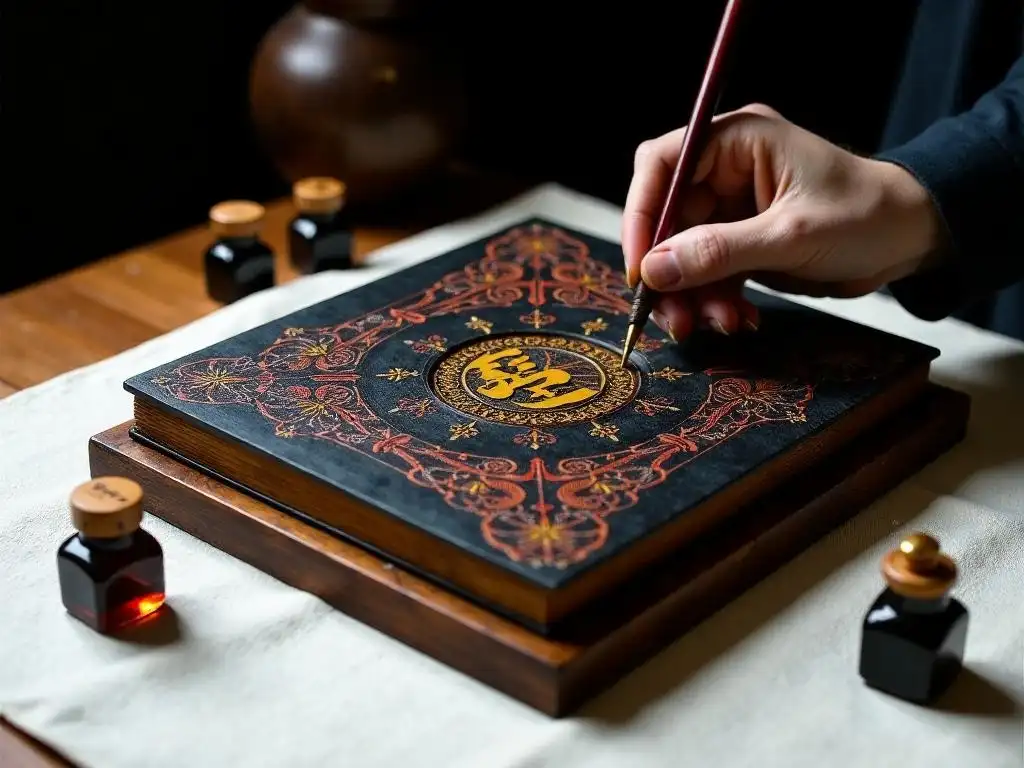
The Journey of Learning Japanese Calligraphy
Embarking on the journey of learning Shodo, or Japanese calligraphy, is a profound experience that transcends mere penmanship. It combines artistry, discipline, and a deep connection to Japanese culture. For beginners, the initial steps may seem daunting, but with patience and practice, the beauty of this ancient art form can be unveiled.
- Understanding the Basics:
- Tools of the Trade: Familiarity with essential tools such as ink (sumi), brushes (fude), and paper (washi) is crucial. Each tool offers a unique texture and response, influencing your calligraphy style.
- Strokes and Techniques: Mastering the fundamental strokes is the bedrock of Shodo. Beginners should focus on creating consistent, fluid strokes, as they form the basis for more complex characters.
- Cultural Significance:
- Shodo is steeped in history, with roots tracing back to the introduction of Chinese characters to Japan. Understanding its evolution enriches the learning experience.
- The spiritual aspect of Shodo promotes mindfulness, allowing practitioners to engage in a meditative process while focusing on each stroke.
- Practice Makes Perfect:
- Regular practice is essential to develop muscle memory. Set aside dedicated time for practice, experimenting with different characters and styles.
- Consider joining a local class or online tutorials specifically tailored for beginners. Community support can enhance your learning and provide valuable feedback.
Encouragement to Explore and Practice Shodo Further
As you conclude your initial exploration of Shodo, remember that the art of Japanese calligraphy is not just about creating beautiful characters; it is also about expressing yourself and connecting with a rich cultural heritage.
- Set Goals: Challenge yourself by setting small, achievable goals, such as mastering a new character each week. This approach keeps your practice focused and rewarding.
- Document Your Progress: Keep a journal of your calligraphy journey. Not only does this record your improvement, but it also allows for reflection on your artistic growth.
The beauty of Shodo lies not in perfection, but in the journey itself.
Lastly, don’t hesitate to delve deeper into the myriad resources available for learning Shodo. Whether through books, online courses, or workshops, the world of Japanese calligraphy has much to offer. Embrace the process, enjoy the creativity, and let your unique expression shine through each stroke. Happy writing! 🖌️
Additional Resources for Japanese Calligraphy
Skillshare offers a variety of online courses specifically designed for beginners interested in Japanese calligraphy. These courses are structured to provide a comprehensive introduction to the art of Shodo, enabling learners to grasp the fundamental techniques and styles.
- Course Highlights:
- Basic Techniques: Learn essential brush handling and stroke order.
- Character Focus: Explore how to write basic Kanji and Kana characters.
- Cultural Insights: Gain an understanding of the cultural significance of calligraphy in Japan.
Here are some popular classes available on Skillshare:
| Course Title | Instructor | Duration | Focus Area |
|---|---|---|---|
| Intro to Japanese Calligraphy | Yuki Tanaka | 1 hour | Brush Techniques |
| Mastering Kanji in Calligraphy | Haruto Taniguchi | 2 hours | Kanji Characters |
| The Art of Brush Strokes | Sakura Yoshida | 1.5 hours | Stroke Techniques |
These online sessions often include interactive components such as video demonstrations, assignments, and peer feedback, making it easier for beginners to practice and improve their skills. Additionally, Skillshare offers a free trial, allowing newcomers to explore multiple classes without a commitment.
Community and Forums for Japanese Calligraphy Enthusiasts: Reddit's r/Shodo
Engaging with others who share your interest in Japanese calligraphy can significantly enhance your learning experience. One of the best online communities for this purpose is the Reddit community r/Shodo.
- What You Can Find in r/Shodo:
- Beginner Tips: Experienced calligraphers often share advice and techniques tailored for beginners.
- Showcase Your Work: Members frequently post their calligraphy projects for constructive feedback.
- Resource Sharing: Discover links to tutorials, videos, and articles that can improve your practice.
Key Features of r/Shodo:
- Active Discussions: Participate in threads discussing various aspects of Shodo.
- Weekly Challenges: Join in on community challenges to practice and showcase your skills.
- Expert Insights: Occasionally, skilled calligraphers host Q&A sessions to answer questions and provide guidance.
Being part of a community like r/Shodo not only provides motivation but also cultivates a deeper understanding of the art form through shared experiences and collective knowledge.
By utilizing these resources, beginners can effectively immerse themselves in the world of Japanese calligraphy and develop their skills with confidence.
Frequently Asked Questions
What is Shodo in Japanese calligraphy?
Shodo, or Japanese calligraphy, is an art form that emphasizes brush techniques and the expression of emotions through written characters. It combines aesthetics with the spiritual practice of writing.
Do I need special materials to start Shodo?
Yes, to begin practicing Shodo, you will need specific materials like calligraphy brushes, ink, rice paper, and an ink stone. These tools are essential for achieving the desired brush strokes and texture.
Is Shodo suitable for beginners?
Absolutely! Shodo is very accessible for beginners. Many resources and guides are available to help you learn the fundamentals and techniques, making it a rewarding practice for all skill levels.
How can I improve my Shodo skills?
Improvement in Shodo comes from consistent practice and studying various styles. Engaging with tutorials, workshops, and seeking feedback from experienced calligraphers can significantly enhance your skills.
Where can I find resources for learning Japanese calligraphy?
You can find resources for learning Japanese calligraphy in books, online tutorials, and local workshops. Many websites also offer step-by-step guides tailored for beginners to get started in Shodo.
Final Reflection: Embracing the Beauty of Japanese Calligraphy
The art of Shodo, or Japanese calligraphy, remains profoundly relevant in today's fast-paced digital world, reminding us of the beauty in simplicity and mindfulness. As we navigate through our daily lives filled with screens and instant communication, the practice of Japanese calligraphy invites us to slow down, appreciate the moment, and connect with our inner selves. This ancient art form transcends mere writing; it is a meditative experience that fosters creativity and self-expression.
Creativity and tradition intertwine in the strokes of Shodo, influencing not only artists but also those seeking a deeper connection to their cultural heritage. The resurgence of interest in traditional arts, including Japanese calligraphy, speaks to a collective yearning for authenticity and mindfulness in our lives. As the renowned calligrapher Shozo Sato once said, Calligraphy is not just about writing; it is about the spirit behind the strokes.
This sentiment resonates deeply as we witness a growing appreciation for the patience and dedication that Shodo embodies, encouraging us to embrace our unique journeys.
As you reflect on the insights shared in this article, I invite you to consider how you can incorporate the principles of Shodo into your own life. Whether through the practice of calligraphy or simply by embracing the mindfulness it teaches, take a moment to slow down and appreciate the beauty around you. Let the art of Japanese calligraphy inspire you to cultivate patience, creativity, and a deeper connection to your own story. The journey of a thousand strokes begins with a single brush; may you find joy in every stroke you take.
Unleash Your Creativity with Shodo Today!
Thank you for taking the time to explore the fascinating world of Shodo with us! You've gained insights into Japanese calligraphy that not only enrich your understanding of this art form but also provide a therapeutic way to express yourself. Now, it’s your turn to embrace the beauty of Shodo and let your creativity flow!
Here are some actionable steps to get you started:
- Gather your materials: Invest in a basic Shodo kit or collect items from around your home, such as brushes, paper, and ink, to practice your skills.
- Join a local workshop or online class: Connect with a community of like-minded enthusiasts where you can learn together, exchange tips, and find inspiration.
- Share your journey: Document your progress on social media or within a dedicated group. You might encourage others to pick up the brush as well!
What aspect of Shodo excites you the most, and how will you incorporate it into your daily routine? We would love to hear your thoughts!