
The Intersection of Zen and Tea: The Cultural Significance of Chanoyu

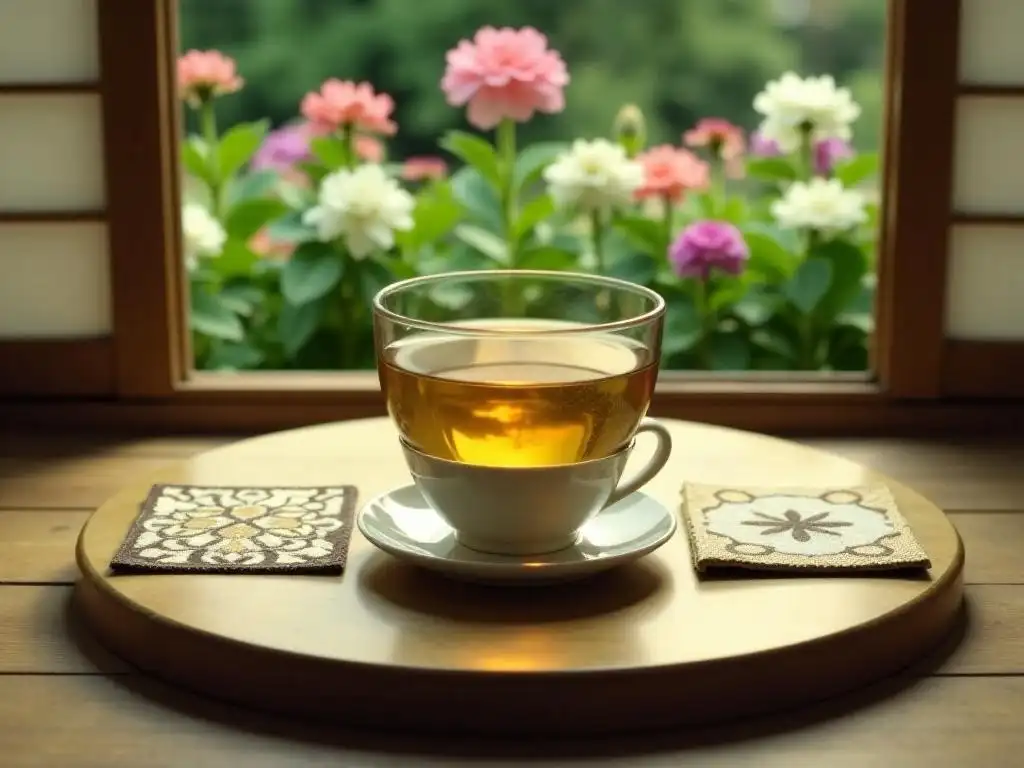
Welcome to Feudal Japan History, where we invite you to embark on an enthralling journey through the intricate tapestry of Japan’s feudal era. In our featured article, "The Intersection of Zen and Tea: The Cultural Significance of Chanoyu," we delve deep into the harmonious blend of spirituality and tradition that defines this captivating practice. Discover how Chanoyu not only serves as a ritual of tea preparation but also as a profound reflection of cultural values and aesthetic sensibilities.
Are you ready to uncover the layers of meaning behind this timeless tradition? Join us as we explore the rich history and cultural nuances that shaped this pivotal aspect of feudal Japan!
Understanding the Cultural Significance of Chanoyu in Feudal Japan
The cultural significance of Chanoyu, or the Japanese tea ceremony, is deeply rooted in the historical and philosophical landscape of feudal Japan. This intricate practice transcends mere tea drinking; it embodies the principles of Zen Buddhism, emphasizing simplicity, mindfulness, and a profound appreciation for the present moment.
As we delve into the layers of Chanoyu, we uncover not only the artistry involved in the preparation and presentation of tea but also its role as a medium for social interaction, spiritual reflection, and cultural expression during a pivotal era in Japanese history. The tea ceremony is a fascinating intersection of aesthetics and ideology, revealing much about the values and beliefs that shaped Japanese society.
The Origins of Chanoyu
Historical Context of Tea Culture in Japan
The origins of tea culture in Japan trace back to the early 9th century when Buddhist monks introduced tea from China. Initially consumed for its medicinal properties, tea gradually gained popularity among the aristocracy and samurai classes. By the 12th century, the practice of drinking tea became more widespread, leading to the establishment of tea gardens and the formalization of tea preparation methods. The introduction of powdered tea (matcha) and the emergence of tea houses marked significant milestones in the evolution of this cultural practice.
Introduction to Zen Buddhism and Its Principles
Zen Buddhism, which arrived in Japan in the 12th century, played a crucial role in shaping the cultural landscape of the time. Its emphasis on mindfulness, simplicity, and a direct experience of reality resonated deeply with the aesthetics of Chanoyu. Central to Zen philosophy is the idea of "ichi-go ichi-e," a Japanese term meaning "one time, one meeting," which reflects the uniqueness of each tea gathering. This principle encourages participants to savor each moment, fostering a sense of presence and appreciation that is fundamental to the tea ceremony.
The Development of Chanoyu
Evolution of Tea Ceremony Practices
As tea culture evolved, so did the practices surrounding Chanoyu. By the 15th and 16th centuries, tea ceremonies began to adopt more formalized rituals. Influential figures such as Sen no Rikyū refined the aesthetics and philosophy behind the practice, emphasizing the importance of harmony, respect, purity, and tranquility—known as the Four Principles of Tea. The ceremony became a sophisticated art form, integrating various elements such as calligraphy, flower arrangement, and pottery, each reflecting the values of Zen aesthetics.
Influences of Zen Philosophy on Chanoyu
Zen philosophy's influence is evident in the very structure of the tea ceremony, which prioritizes simplicity and tranquility. The minimalist design of tea rooms, the choice of utensils, and the deliberate pace of the ceremony all reflect Zen ideals. Practitioners engage in a meditative state, focusing on the preparation of tea as a form of expression and communication. This fusion of Zen and tea culture not only highlights the spiritual dimensions of Chanoyu but also reinforces its status as a vital cultural practice that embodies the essence of feudal Japan.
In exploring the cultural significance of Chanoyu, we gain insights into the interplay of art, philosophy, and social customs that defined an era, revealing the profound connections between Zen Buddhism and the Japanese tea ceremony.
The Elements of Chanoyu
Chanoyu, also known as the Japanese tea ceremony, is a rich and complex practice that embodies the essence of Japanese culture and Zen Buddhism. This ceremonial art form is not merely about drinking tea; it encompasses a set of refined elements that reflect philosophical ideals and cultural significance. The elements of Chanoyu include the atmosphere, the setting, the participants, and the various procedures. Each aspect is meticulously crafted to create a harmonious experience that promotes mindfulness and appreciation for simplicity and beauty.
Key Components of the Tea Ceremony
The tea ceremony consists of several key components that contribute to its overall significance. These components can be categorized into physical elements and experiential aspects:
- Tea (Matcha): The powdered green tea used in Chanoyu is central to the ceremony. Its preparation and presentation are done with great care, symbolizing purity and tranquility.
- Chaji and Chakai: These are two main types of tea gatherings. Chaji typically involves a full-course meal and is more formal, while Chakai is a simpler gathering focused on serving tea and sweets.
- Setting: The environment where the ceremony takes place is crucial. A tea room (chashitsu) is designed with simplicity and natural elements, often overlooking a garden to foster a connection with nature.
- Ritual Movements: Every action in Chanoyu, from the preparation to the serving of tea, is performed with deliberate precision. This reflects the Zen principle of mindfulness and presence in the moment.
These components work together to create an experience that transcends the mere act of drinking tea, embodying a meditative practice that is both a personal journey and a social event.
The Role of Utensils in Chanoyu
In Chanoyu, every utensil holds significant meaning and is chosen with great care. The main utensils include:
- Tea Bowl (Chawan): The tea bowl is where the matcha is prepared and served. Its shape and texture contribute to the aesthetic experience, and each bowl tells a story through its craftsmanship.
- Tea Whisk (Chasen): Used to whisk the matcha into a frothy consistency, the chasen is crafted from bamboo, and its design is integral to the preparation process.
- Tea Scoop (Chashaku): This bamboo scoop is employed to measure the matcha, further emphasizing the importance of precision in the ceremony.
- Water Kettle (Taki): The kettle symbolizes the transformation of water into tea, representing the essential element of change and the cycle of nature.
Together, these utensils not only facilitate the preparation and serving of tea but also reflect the beauty of craftsmanship and the philosophical underpinnings of Chanoyu.
The Cultural Significance of Chanoyu
The cultural significance of Chanoyu extends far beyond the act of drinking tea; it serves as a profound expression of Japanese values, aesthetics, and the influence of Zen Buddhism on society. The tea ceremony encapsulates ideals such as harmony, respect, purity, and tranquility, which are essential to the Japanese worldview.
Chanoyu as a Spiritual Practice
Chanoyu is deeply rooted in Zen principles, making it a spiritual practice as much as a cultural one. The ritualistic nature of the ceremony encourages participants to engage in mindfulness, allowing them to immerse themselves fully in the present moment. This focus on the here and now fosters a sense of inner peace and serves as a form of meditation. The act of preparing and serving tea becomes a spiritual journey, where the practitioner cultivates a connection with nature, self, and others.
Social Aspects of Tea Ceremonies in Feudal Society
In feudal Japan, Chanoyu played a vital role in social interactions among the samurai class and their patrons. It was a means of establishing and reinforcing social bonds, where participants engaged in meaningful conversations while enjoying tea. The ceremony often served as a platform for diplomacy and conflict resolution, reflecting the importance of etiquette and respect in feudal society. Moreover, the hierarchical structure of participants in a tea gathering showcased the cultural norms of respect and humility, essential virtues in the samurai code.
The Impact of Chanoyu on Japanese Aesthetics and Arts
Chanoyu has had a lasting influence on various aspects of Japanese aesthetics and arts. The principles of simplicity and elegance from the tea ceremony can be seen in traditional Japanese architecture, garden design, and even in the art of flower arranging (Ikebana). The concept of wabi-sabi, which embraces imperfection and transience, is also deeply embedded in Chanoyu and has permeated Japanese art forms, such as pottery, calligraphy, and painting. This aesthetic philosophy promotes an appreciation for the beauty of natural materials and the passage of time, shaping the unique character of Japanese culture.
Zen Buddhism’s Influence on Chanoyu
Zen Buddhism has had a profound impact on the development and practice of Chanoyu, the Japanese tea ceremony. This influence is evident in the ceremony's emphasis on simplicity, tranquility, and the cultivation of inner peace. The tea ceremony serves as a form of meditation, allowing participants to step away from the chaos of everyday life and immerse themselves in a moment of mindfulness.
The essence of Zen is captured in the principles of Chanoyu, where each movement and gesture carries significant meaning. The preparation and consumption of tea become an act of meditation, encouraging practitioners to focus entirely on the present moment. This alignment with Zen ideals fosters a deep appreciation for the beauty of simplicity and the quietude of nature, which are core tenets of both Zen philosophy and Chanoyu.
Moreover, the aesthetics of Chanoyu reflect Zen values, promoting a sense of harmony and balance. The careful selection of tea utensils, the arrangement of the tea room, and the use of natural materials all exemplify the Zen pursuit of beauty in imperfection. This connection not only enriches the experience of the tea ceremony but also deepens the understanding of Zen’s broader cultural significance in Japan.
Meditation and Mindfulness in Tea Practices
Meditation and mindfulness are central to the practice of Chanoyu, transforming the act of making and drinking tea into a profound spiritual experience. Each step in the tea preparation process is deliberately performed with intention and care, allowing participants to cultivate mindfulness.
During the ceremony, practitioners engage in a form of active meditation, where they become acutely aware of their surroundings, the texture of the tea utensils, and the warmth of the tea. This heightened awareness invites a state of tranquility and fosters a deep connection with the moment. The repetitive motions involved in preparing the tea—such as whisking the matcha or pouring the hot water—serve to ground participants, enabling them to let go of distractions and immerse themselves fully in the experience.
Furthermore, the act of sharing tea with others embodies the principles of mindfulness and presence. As participants engage in dialogue and exchange, they practice active listening and appreciation for one another’s company, reinforcing bonds and fostering a sense of community. Thus, meditation and mindfulness are not merely individual pursuits in Chanoyu but are also integral to the shared experience among participants.
The Concept of Wabi-Sabi in Chanoyu
Wabi-sabi, a Japanese aesthetic philosophy centered on the beauty of imperfection and transience, is deeply woven into the fabric of Chanoyu. This concept celebrates simplicity, naturalness, and the ephemeral nature of life, which aligns seamlessly with the tea ceremony's principles.
In Chanoyu, wabi-sabi is expressed through the use of rustic tea utensils, often handmade and bearing marks of wear and age. These items reflect the beauty of imperfection, inviting appreciation for the unique stories they tell. The tea room itself is designed to embody wabi-sabi, often featuring asymmetrical elements and a minimalistic approach that emphasizes natural materials and textures.
Moreover, the fleeting moments experienced during the tea ceremony—such as the gentle steam rising from a bowl of freshly whisked matcha or the ephemeral beauty of a single flower in a vase—echo the idea that beauty is found in transience. Participants are encouraged to embrace these moments, recognizing that each tea gathering is unique and will never be replicated. Thus, wabi-sabi enriches the cultural significance of Chanoyu, inviting practitioners to appreciate the beauty of the ordinary and the transient.
Chanoyu in Modern Japan
In modern Japan, Chanoyu continues to hold cultural significance, adapting to contemporary society while preserving its traditional roots. The tea ceremony has evolved, reflecting changes in social practices and lifestyles, yet it remains a vital means of cultural expression and spiritual practice.
Contemporary Interpretations of the Tea Ceremony
Contemporary interpretations of Chanoyu often incorporate elements that resonate with modern sensibilities while remaining true to the core principles of the ceremony. Many practitioners explore innovative approaches to the tea ceremony, blending traditional practices with contemporary aesthetics and themes. For instance, some tea masters experiment with different types of tea, utensils, and settings, creating a dynamic and personalized experience for participants.
Workshops and events are increasingly being organized to introduce younger generations to the art of Chanoyu, often incorporating modern art and design elements. These initiatives aim to bridge the gap between tradition and modernity, encouraging a renewed interest in the tea ceremony as a means of cultural engagement. Additionally, the rise of social media has allowed for broader sharing of tea experiences, fostering a community of enthusiasts who connect over their love for Chanoyu.
Preservation of Chanoyu Traditions
Despite the changes in modern interpretations, the preservation of Chanoyu traditions remains a priority for many tea masters and cultural institutions in Japan. Efforts are being made to teach traditional techniques and philosophies to ensure that the essence of the tea ceremony is passed down through generations.
Tea schools and cultural centers play a crucial role in this preservation, offering classes and workshops that focus on the historical aspects of Chanoyu, as well as its practical execution. By emphasizing the importance of etiquette, craftsmanship, and the philosophical underpinnings of the ceremony, these institutions help maintain the integrity of Chanoyu while adapting to contemporary contexts.
Furthermore, festivals and public demonstrations are organized to showcase the beauty and significance of the tea ceremony. These events not only celebrate the art of tea but also educate the public about its cultural heritage, fostering a deeper appreciation for this intricate practice. As Chanoyu continues to evolve, the commitment to preserving its traditions ensures that its cultural significance endures in modern Japan.
Conclusion
The cultural significance of Chanoyu extends far beyond the act of preparing and serving tea; it embodies a profound philosophy rooted in Zen Buddhism. This practice reflects the values of simplicity, mindfulness, and harmony, which were central to the feudal Japanese worldview. The tea ceremony is not merely an aesthetic experience but a spiritual journey that allows participants to engage with the present moment and appreciate the beauty of transience. As this practice evolved, it shaped various aspects of Japanese society, influencing art, architecture, and interpersonal relationships.
Moreover, Chanoyu served as a bridge between the elite and the common people, democratizing aesthetics and spirituality in a time when rigid social hierarchies defined interactions. The elegance of Chanoyu thus represents a unique fusion of cultural, spiritual, and social elements that continue to resonate in contemporary Japan. The lasting impact of this tradition showcases the intricate tapestry of Japan's feudal past and its ongoing influence in modern cultural practices.
The Lasting Legacy of Chanoyu in Japanese Culture
Chanoyu holds a distinguished place in the legacy of Japanese culture, acting as a vessel through which historical and spiritual values have been preserved and transmitted across generations. Central to this legacy is the concept of wabi-sabi, which celebrates the beauty of imperfection and the transient nature of life. This aesthetic principle is evident in the simplicity and subtlety of tea utensils, the architecture of tea rooms, and the overall ambiance of the tea ceremony.
Furthermore, Chanoyu has inspired various forms of Japanese art, including ceramics, calligraphy, and flower arranging ( ikebana). The meticulous attention to detail and the reverence for nature evident in these art forms can be traced back to the principles established through Chanoyu. As a result, the tea ceremony has not only enriched Japan's artistic landscape but has also contributed to the preservation of traditional craftsmanship.
In contemporary society, Chanoyu continues to be celebrated in cultural festivals, educational programs, and as a form of therapy that promotes mindfulness and relaxation. This enduring legacy highlights the significance of Chanoyu as a cultural touchstone, bridging the past with the present and fostering a deeper understanding of Japanese identity.
The Ongoing Relevance of Zen Principles in Chanoyu
Zen principles remain deeply embedded in the practice of Chanoyu, ensuring its relevance in today's fast-paced world. Mindfulness, a core tenet of Zen Buddhism, encourages participants to engage fully with the present moment, allowing for a transformative experience during the tea ceremony. This practice of mindfulness fosters a sense of peace and presence that can be particularly valuable in modern life, where distractions abound and stress levels are high.
Additionally, the Zen concept of shunyata, or emptiness, plays a critical role in the tea ceremony. It emphasizes the importance of letting go of attachments and preconceived notions, allowing individuals to approach the ceremony with an open heart and mind. This aspect of Chanoyu encourages participants to appreciate the beauty of the moment without judgment, cultivating an attitude of acceptance and tranquility.
Chanoyu also serves as a reminder of the interconnectedness of all things, a fundamental principle in Zen philosophy. The careful selection of tea, the arrangement of utensils, and the serene environment all reflect a harmonious relationship with nature and the universe. This awareness of connection fosters a sense of community and belonging among participants, reinforcing the importance of compassion and empathy in human interactions.
The ongoing relevance of Zen principles in Chanoyu enriches the cultural significance of this practice, making it not only a tradition rooted in history but also a relevant and transformative experience for contemporary practitioners. Through the lens of Zen, Chanoyu continues to inspire individuals to cultivate mindfulness, appreciation for beauty, and a deeper understanding of the world around them.
Frequently Asked Questions
What is Chanoyu?
Chanoyu, also known as the Japanese tea ceremony, is a ritualistic preparation and serving of matcha (powdered green tea), emphasizing aesthetic beauty and spiritual tranquility.
How does Chanoyu reflect Zen principles?
Chanoyu embodies Zen principles by promoting mindfulness, simplicity, and harmony in both the ceremony and the environment, allowing participants to achieve a sense of inner peace.
What are the historical origins of Chanoyu?
The origins of Chanoyu can be traced back to the 12th century, evolving through various cultural influences and becoming formalized in the 16th century under the guidance of tea masters like Sen no Rikyū.
Why is Chanoyu significant in Japanese culture?
Chanoyu holds significant cultural importance as it fosters community, promotes respect for nature, and serves as a medium for artistic expression, deeply intertwining with Japanese identity.
How does Chanoyu influence modern Japanese society?
Today, Chanoyu continues to influence Japanese aesthetics and social practices, serving as a symbol of tradition while adapting to contemporary contexts, thus maintaining its relevance in modern life.
Final Reflection: The Enduring Essence of Chanoyu
The cultural significance of Chanoyu resonates profoundly in today's fast-paced world, reminding us of the beauty found in simplicity and mindfulness. As we navigate the complexities of modern life, the principles embedded in the tea ceremony offer a sanctuary of tranquility and connection, urging us to pause and appreciate the present moment. In a society often driven by haste, the practice of Chanoyu stands as a powerful testament to the art of slowing down and savoring life's subtleties.
Chanoyu has not only shaped Japanese culture but has also influenced global perspectives on mindfulness and hospitality. The ritualistic nature of the tea ceremony fosters a deep appreciation for nature, aesthetics, and interpersonal relationships, transcending cultural boundaries. As we witness a growing interest in mindfulness practices around the world, we can see how Chanoyu's influence continues to inspire individuals seeking balance and serenity in their lives. Tea is a religion of the art of life.
– Okakura Kakuzō. This quote encapsulates the essence of Chanoyu, highlighting its role as a guiding philosophy that enriches our everyday experiences.
As you reflect on the lessons of Chanoyu, consider how you can incorporate its principles into your own life. Embrace the art of mindfulness, cultivate appreciation for the small moments, and foster connections with those around you. Let the cultural significance of Chanoyu inspire you to create your own rituals that celebrate simplicity and presence, transforming your daily routine into a meaningful practice of gratitude and awareness. The journey toward a more mindful existence begins with a single cup of tea.
Embrace Serenity: Start Your Journey with Chanoyu!
Thank you for diving into the fascinating world of Chanoyu, where the art of tea meets the tranquility of Zen. You've uncovered the cultural richness of this timeless practice, and now it's time to bring that serenity and mindfulness into your own life.
Here are a few practical steps you can take right now:
- Host a mini tea ceremony: Invite friends or family to join you in a simple tea gathering at home. Emphasize the rituals—slow down, savor the moment, and share your experiences!
- Explore local tea shops: Seek out places that offer authentic teas or even host workshops on Japanese tea culture. Discover the flavors that resonate with you.
- Engage in mindful moments: Dedicate a few minutes each day to meditate or reflect while enjoying a cup of tea. Use this time to appreciate the flavors and the present moment.
How will you incorporate the peaceful principles of Chanoyu into your daily routine? Share your thoughts below!