
Protecting Your Body: A Buyer's Guide to Martial Arts Protective Gear

Welcome to Feudal Japan History, where we invite you to embark on a captivating journey through the rich tapestry of Japan's feudal era. Here, you'll uncover the intricacies of historical, cultural, and societal developments that shaped this fascinating period. In our featured article, "Protecting Your Body: A Buyer's Guide to Martial Arts Protective Gear," we delve into the essential equipment that has safeguarded warriors throughout history. Curious about how these protective elements evolved and their significance in martial arts? Keep reading to discover the gear that not only protects but also embodies the spirit of the samurai!
Introduction to Martial Arts Protective Gear in Japan
Martial arts in Japan are not only a way of life but also a deep-seated tradition that spans centuries. As practitioners engage in the rigorous physical demands of various disciplines—from Karate to Kendo—they must prioritize their safety and well-being. This is where martial arts protective gear plays a crucial role.
In Japan, the significance of protective gear is deeply rooted in both the philosophy and practicality of martial arts training. It serves to minimize injuries, allowing students and masters alike to practice their techniques with confidence and reduce the risk of harm during sparring and competition. The right equipment not only enhances performance but also fosters a culture of safety and respect in dojos across the nation.
As you embark on your journey in martial arts, understanding the various types of protective gear available is essential. This buyer's guide will provide a comprehensive overview of the martial arts protective gear in Japan, helping you make informed decisions about what to wear as you train.
Types of Martial Arts Protective Gear
Understanding the different types of martial arts protective gear is essential for anyone serious about their training. Each category of gear serves a specific purpose, ensuring the safety of practitioners while allowing them to perform at their best. Below are the primary types of protective gear you should consider:
Headgear for Martial Arts Practitioners
Headgear is an integral part of martial arts protective gear, particularly in contact sports. It is designed to protect the head from impacts and reduce the risk of concussions. Key features of quality headgear include:
- Cushioning Material: Provides shock absorption.
- Face Masks: Offers additional protection for the face.
- Adjustable Straps: Ensures a snug fit during training sessions.
In Japan, various styles of headgear are available, often tailored for specific martial arts disciplines, such as Kumite in Karate or Judo competitions.
Body Protectors for Safe Training
Body protectors are vital for shielding the torso during practice sessions. They come in various designs, including vests and chest protectors. When choosing a body protector, consider the following:
- Material: Look for lightweight, durable fabrics that provide both comfort and protection.
- Ventilation: Proper airflow is essential for extended training sessions.
- Coverage: Ensure adequate coverage to protect vital organs without restricting movement.
In Japanese martial arts, body protectors are particularly common in disciplines that involve striking, making them essential for safe and effective training.
Hand and Foot Protection: Gloves and Shin Guards
Protecting your hands and feet is crucial in martial arts, where strikes are frequent. The following items are essential:
- Gloves: Designed to protect the hands during sparring, gloves should offer both protection and dexterity. Look for options with padding that conforms to the shape of your hand.
- Shin Guards: These protect the shins from impacts during kicks and strikes. Ensure they fit securely and don’t impede mobility.
In Japan, practitioners often select gloves and shin guards that comply with their specific martial arts style, ensuring maximum safety and performance.
Supportive Gear: Mouthguards and Groin Protectors
Finally, supportive gear plays a significant role in ensuring comprehensive protection during martial arts training. Here’s what to consider:
- Mouthguards: Essential for preventing dental injuries, mouthguards should fit snugly and be comfortable to wear. Custom-fitted options provide the best protection.
- Groin Protectors: These are crucial for male practitioners, offering protection against accidental strikes to sensitive areas.
In Japan, the use of mouthguards and groin protectors is common in both recreational and competitive settings, emphasizing the importance of safety in all aspects of martial arts practice.
By investing in the right martial arts protective gear, you not only enhance your training experience but also uphold the traditions of safety and respect that define Japanese martial arts.
Key Features to Consider When Buying Martial Arts Protective Gear
When selecting martial arts protective gear, it's crucial to consider several key features to ensure that you make an informed decision. With various styles of martial arts, each with its own requirements, understanding these features can greatly enhance your training experience and safety.
Material Quality and Durability
The material used in martial arts gear is fundamental to its effectiveness and longevity. High-quality materials such as:
- Leather: Often used for gloves and shin guards, offering durability and comfort.
- Synthetic Fabrics: Lightweight and breathable, these materials are commonly found in uniforms and pads.
- Foam Padding: Essential for impact absorption, look for high-density foam that maintains its shape over time.
Durability is particularly important, as gear that wears out quickly can compromise your safety during training or competitions. Always check for reinforced stitching and reliable brand reputations, which can indicate a product's resilience.
Comfort and Fit: Ensuring Proper Protection
Comfort is key when it comes to protective gear, as ill-fitting equipment can hinder performance and increase the risk of injury. When selecting gear, consider the following:
- Adjustability: Look for adjustable straps or closures that allow for a snug fit without restricting movement.
- Sizing: Different brands may have unique sizing charts, so always refer to these when purchasing. Gear should fit closely while still allowing for mobility.
- Weight: Lighter gear can reduce fatigue during extended training sessions, but it should still provide adequate protection.
A well-fitted piece of equipment not only feels better but also offers better protection. Take the time to try on different sizes and styles before making a purchase.
Safety Standards and Certifications
Martial arts protective gear should meet specific safety standards to ensure it effectively protects the wearer. Look for certifications from recognized organizations, such as:
- CE (Conformité Européenne): Indicates that the gear complies with European health, safety, and environmental protection standards.
- ISO (International Organization for Standardization): Provides guidelines for quality assurance and safety.
Checking for these certifications can help you avoid subpar products and ensure that your gear will provide the necessary protection during training and competitions.
Buying Tips for Martial Arts Protective Gear
When entering the market for martial arts protective gear, a few strategic tips can help you navigate the options available and make the best choices for your needs.
Where to Buy: Online vs. Local Stores
Deciding where to purchase your martial arts protective gear can impact your experience significantly. Consider the following advantages and disadvantages of both options:
- Online Shopping:
- Pros: Wider selection, often better prices, and the convenience of shopping from home.
- Cons: Cannot try before you buy, leading to potential sizing issues, and shipping times can delay your training.
- Local Stores:
- Pros: Ability to try on gear and get immediate feedback from knowledgeable staff, fostering a better understanding of fit and comfort.
- Cons: Limited selection and potentially higher prices compared to online options.
Ultimately, the choice may depend on your personal preference and urgency to acquire the gear.
Budgeting for Your Gear: Affordable vs. Premium Options
Setting a budget for your martial arts protective gear is essential, as prices can vary widely based on brand, material, and features. Here’s how to approach budgeting:
- Affordable Options: Entry-level gear is available for those just starting or on a budget. While these may lack some advanced features, many still provide adequate protection for beginners.
- Premium Options: Investing in high-quality gear often pays off in the long run. Premium products usually feature superior materials, better construction, and enhanced comfort, which can improve your overall training experience.
When budgeting, consider how frequently you'll be training and the level of competition you may participate in. A balanced approach, where you invest in key pieces while saving on others, can be a smart way to ensure you have the best protection without overspending.
Best Martial Arts Protective Gear Recommendations
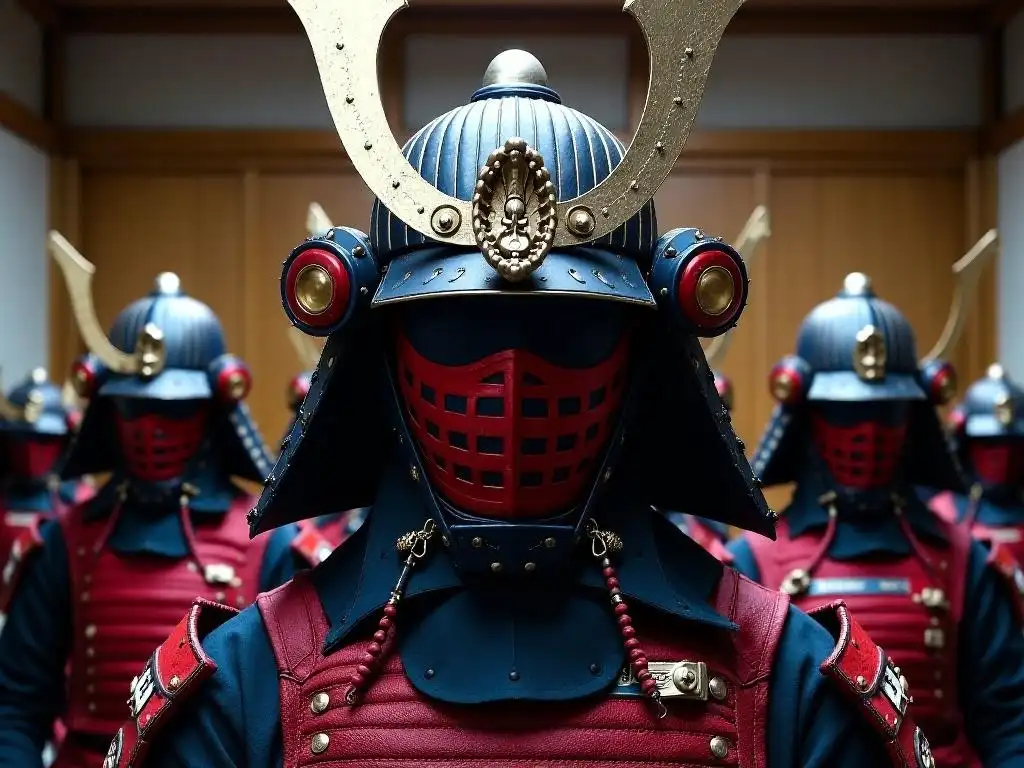
When engaging in martial arts, whether for sport, self-defense, or physical fitness, ensuring your safety is paramount. The right protective gear not only minimizes the risk of injury but also enhances your overall performance. Below, we explore the top recommendations for protective gear that practitioners in Japan should consider, tailored to various martial arts styles.
Top Headgear for Martial Arts in Japan
Headgear is essential for protecting the most vital part of your body during sparring and competitions. In Japan, several brands are known for their quality and durability in martial arts headgear.
- Shureido Headgear
- Features: Lightweight, adjustable chin strap, and excellent shock absorption.
- Best For: Karate, because it allows for visibility and comfort while providing ample protection.
- Mizuno Samurai Headgear
- Features: High-density foam padding, reinforced stitching, and a sleek design.
- Best For: Kendo practitioners, offering protection without compromising on movement.
- Adidas Martial Arts Headguard
- Features: Soft padding and a secure fit, available in various sizes.
- Best For: Taekwondo, as it combines safety with a lightweight feel.
Choosing headgear that fits well is crucial; it should cover your forehead, temples, and the back of your head without obstructing your vision.
Best Body Protectors for Different Martial Arts Styles
Body protectors serve to shield the torso from strikes and impacts, a critical component of training in many martial arts.
- Kumite Body Protector
- Features: Made with durable synthetic leather, it is lightweight yet offers substantial protection.
- Best For: Karate competitions, designed to absorb kicks and punches effectively.
- Taekwondo Chest Guard
- Features: Designed with high-impact foam and adjustable straps for a snug fit.
- Best For: Taekwondo, ensuring flexibility while protecting the ribs and vital organs.
- Kendo Do (Chest Protector)
- Features: Constructed from a combination of bamboo and cotton, providing traditional protection.
- Best For: Kendo practitioners, as it maintains the spirit of the art while ensuring safety.
Selecting the right body protector depends on your specific martial arts discipline, as each style has unique requirements and standards.
Recommended Hand and Foot Protection Gear
Hands and feet are often the most exposed parts during training and sparring, making appropriate protection essential.
- Karate Mitts
- Features: Open-finger design for dexterity, made from durable synthetic leather.
- Best For: Karate, allowing for both protection and grip.
- Taekwondo Foot Pads
- Features: Lightweight and flexible, these pads provide cushioning for kicks.
- Best For: Taekwondo, enabling quick foot movements while offering protection.
- Boxing Gloves
- Features: Thick padding with wrist support, ideal for striking.
- Best For: Mixed martial arts, ensuring safety during heavy sparring sessions.
When selecting hand and foot protection, consider the fit, padding, and material to ensure you have the best performance and safety.
Conclusion: Protecting Yourself in Martial Arts
Investing in quality martial arts protective gear is vital for ensuring safety and enhancing performance during practice and competitions. By choosing the right headgear, body protectors, and hand and foot protection tailored to your specific martial art, you can train confidently and effectively. Remember that while gear provides essential protection, proper training and awareness are equally important in minimizing the risk of injury. Stay safe and enjoy your martial arts journey!
As you embark on your journey into the world of martial arts, the importance of selecting the right protective gear cannot be overstated. Whether you are a seasoned practitioner or just starting, investing in high-quality martial arts protective gear is essential for ensuring your safety and enhancing your training experience.
Here are a few key points to consider:
- Prioritize Safety: Protective gear helps mitigate the risks associated with training and competitions, allowing you to focus on honing your skills without fear of injury.
- Enhance Performance: The right gear not only protects you but also boosts your confidence, enabling you to perform at your best.
- Tailored Fit: Different martial arts disciplines require specific types of gear. Make sure to choose equipment that is appropriate for your style, whether it’s karate, judo, or kendo.
Now is the time to take action! Explore the various options available, compare the features and prices, and invest in gear that suits your needs.
🛒 Start Shopping Today! Equip yourself with the best martial arts protective gear in Japan to ensure a safe and enjoyable training experience. Your body will thank you!
- Introduction to Martial Arts Protective Gear in Japan
- Types of Martial Arts Protective Gear
- Key Features to Consider When Buying Martial Arts Protective Gear
- Buying Tips for Martial Arts Protective Gear
- Best Martial Arts Protective Gear Recommendations
- Conclusion: Protecting Yourself in Martial Arts
- What types of martial arts protective gear are available in Japan?
- How important is it to wear protective gear while practicing martial arts?
- Where can I purchase martial arts protective gear in Japan?
- What should I consider when buying martial arts protective gear?
- Are there any specific brands known for quality martial arts protective gear in Japan?
Frequently Asked Questions
What types of martial arts protective gear are available in Japan?
There are various types of protective gear including headgear, chest protectors, shin guards, and gloves designed specifically for different martial arts disciplines.
How important is it to wear protective gear while practicing martial arts?
Wearing protective gear is crucial as it helps prevent injuries and ensures a safer training environment, allowing practitioners to focus on technique without the fear of harm.
Where can I purchase martial arts protective gear in Japan?
You can find protective gear at specialized martial arts stores, online retailers, and sporting goods stores throughout Japan, offering a variety of brands and styles.
What should I consider when buying martial arts protective gear?
When purchasing protective gear, consider factors such as fit, material quality, and specific martial arts needs, ensuring that the gear offers optimal protection and comfort.
Are there any specific brands known for quality martial arts protective gear in Japan?
Yes, brands like Mizuno, Adidas, and Tokaido are well-known for their high-quality martial arts protective gear that combines durability with performance.
Final Reflection: The Importance of Martial Arts Protective Gear in Today’s World
In a world where physical activity and self-defense are increasingly relevant, the significance of martial arts protective gear cannot be overstated. As practitioners of martial arts in Japan and beyond strive to hone their skills, the right protective equipment plays a crucial role in ensuring safety and enhancing performance. Today, as we witness a resurgence in interest in martial arts, understanding the importance of proper gear is more vital than ever.
The influence of martial arts protective gear extends beyond mere safety; it shapes the cultural landscape of martial arts practice. As a martial artist, I have experienced firsthand the peace of mind that comes from knowing I am well-protected during training and competition. This sentiment resonates with many, as we collectively acknowledge that gear is not just an accessory but an essential component of our practice. Safety is not a gadget but a state of mind.
– Eleanor Everet. This quote encapsulates the essence of our commitment to safety in martial arts, highlighting how protective gear fosters a mindset focused on well-being and resilience.
As you reflect on the insights shared in this article, I invite you to consider your own journey in martial arts. Take a moment to assess your protective gear and ensure it aligns with your training needs. Whether you are a seasoned practitioner or just starting, investing in quality protective equipment is a step towards not only safeguarding your body but also enhancing your martial arts experience. Embrace the lessons learned here and empower yourself to train with confidence, knowing that you are equipped to face any challenge that comes your way.
Gear Up for Victory!
Thank you for diving into our guide on martial arts protective gear! You've learned how essential it is to keep your body safe while training and competing, and now it's time to take action. Protecting yourself is not just about gear; it's about your commitment to martial arts and your well-being.
Here are a few steps you can take to enhance your training experience:
- Invest in Quality Gear: Choose reliable protective gear that fits well and provides maximum protection tailored to your specific martial art.
- Join a Local Class: Find a reputable dojo or training facility nearby to practice under professional guidance and apply what you’ve learned.
- Share Your Journey: Connect with fellow martial artists—share your experiences and gear recommendations online within martial arts communities or on social media platforms.
What’s the first piece of gear you're excited to purchase, and how do you think it will improve your practice? Share your thoughts below!