
The Role of Tea Masters: Guardians of Tradition in Feudal Japan

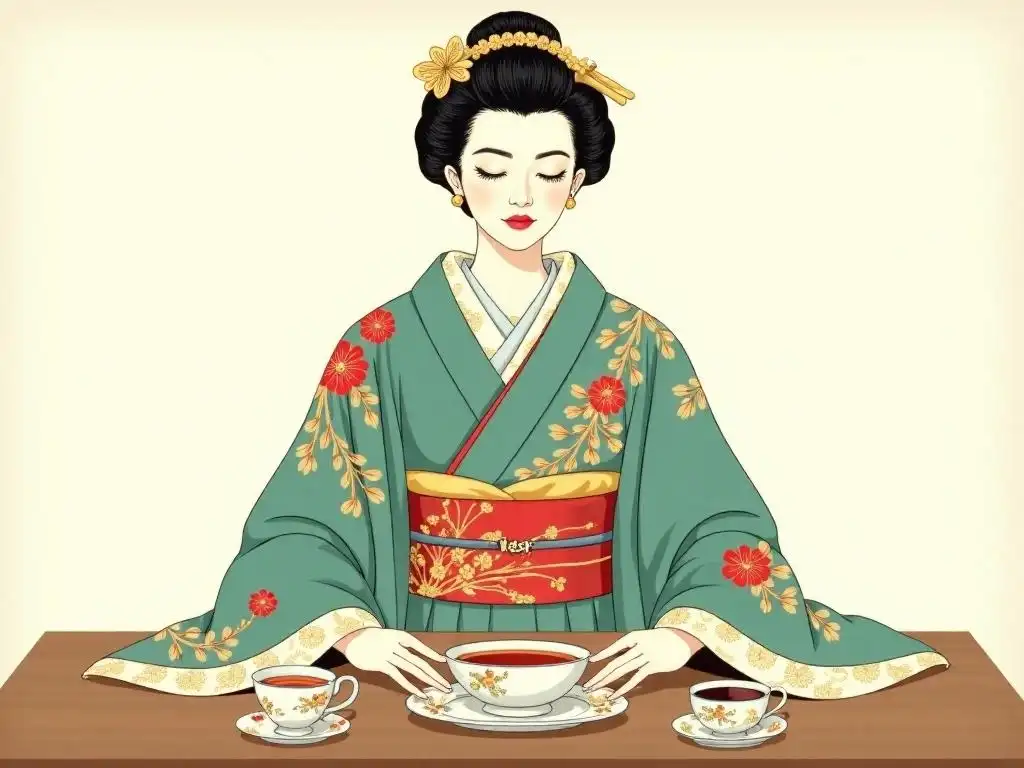
Welcome to Feudal Japan History, where we embark on a captivating journey through the intricate tapestry of Japan's feudal era. Here, we delve into the rich historical, cultural, and societal nuances that defined this remarkable period. In our featured article, "The Role of Tea Masters: Guardians of Tradition in Feudal Japan," we uncover the profound significance of tea masters and their pivotal role in preserving Japan's cherished customs.
As you explore this fascinating topic, prepare to be drawn into a world where every cup of tea tells a story, and tradition reigns supreme. Join us as we sip from the well of knowledge and discover the essence of feudal Japan!
Introduction to Tea Masters in Feudal Japan
In the intricate tapestry of feudal Japan's cultural history, tea masters emerged as pivotal figures, weaving a unique blend of artistry, philosophy, and tradition into the very fabric of society. These esteemed individuals were not merely brewers of tea; they were custodians of a profound cultural ritual that transcended the simple act of drinking.
The role of tea masters, especially during the flourishing periods of the Muromachi and Edo eras, encapsulates the essence of Japanese aesthetics, mindfulness, and social harmony. As we delve into the world of tea masters in feudal Japan, we uncover their significance in shaping the tea ceremony, a ritual that embodies the ideals of tranquility and respect, and how these masters safeguarded the cultural heritage that continues to resonate in Japan today.
Definition and Importance of Tea Masters
Tea masters, known as chajin or sado practitioners, were individuals who dedicated their lives to the art of tea. Their expertise extended beyond the preparation of tea; it encompassed a deep understanding of the philosophical underpinnings of the tea ceremony, which emphasized harmony, respect, purity, and tranquility—principles that are still revered today. The significance of tea masters in feudal Japan can be summarized as follows:
- Cultural Custodians: They preserved and transmitted the intricate rituals and aesthetics associated with the tea ceremony.
- Educators: Tea masters taught their disciples not just the techniques of tea preparation but also the spiritual aspects of the practice.
- Artists: They were skilled in various arts, including pottery, calligraphy, and flower arrangement, integrating these elements into the tea experience.
Their influence extended beyond the tea room, impacting social interactions, politics, and even the arts, making them key figures in the cultural landscape of feudal Japan.
Overview of the Tea Ceremony's Cultural Significance
The tea ceremony, or chanoyu, is a highly ritualized practice that exemplifies the principles of Zen Buddhism and the aesthetics of Japanese culture. It is not merely about enjoying tea; rather, it is a meditative experience aimed at achieving mindfulness and appreciation of the present moment. Some aspects of its cultural significance include:
- Symbol of Hospitality: The tea ceremony represents the host's sincerity and effort to create a welcoming environment for guests.
- Artistic Expression: Each ceremony is an artistic performance, reflecting the host's personality and creativity through the choice of utensils, the arrangement of the tea room, and the overall atmosphere.
- Philosophical Depth: The ceremony embodies the Zen ideals of simplicity and tranquility, encouraging participants to reflect on their thoughts and emotions.
Through these elements, the tea ceremony serves as a microcosm of Japanese culture, highlighting the importance of nature, aesthetics, and social relationships.
Historical Context of Tea Masters
To fully understand the role of tea masters in feudal Japan, it is essential to explore the historical backdrop that shaped their emergence and evolution. The introduction of tea to Japan and its subsequent integration into Japanese culture marks a significant shift in social practices and artistic expression.
Origins of Tea Culture in Japan
Tea was introduced to Japan in the early 9th century, likely via Buddhist monks who had traveled to China. Initially, tea was consumed for its medicinal properties and as a means to enhance meditation practices. Over the centuries, tea culture evolved, particularly during the Kamakura period (1185–1333) when the practice began to take a more formalized shape. Key points in its origins include:
- Buddhist Influence: Monks recognized the calming effects of tea, integrating it into their spiritual practices.
- Warrior Class Engagement: The samurai class began to appreciate tea for its stimulating effects, leading to the establishment of tea gatherings.
As tea became more popular, the role of dedicated tea masters began to emerge, marking the beginning of a rich tradition.
The Evolution of Tea Masters through the Feudal Era
The feudal era of Japan saw the tea ceremony transform into a sophisticated art form, heavily influenced by the political and cultural dynamics of the time. The development of tea masters can be traced through several significant phases:
- Muromachi Period (1336–1573):
- This era fostered the establishment of the tea ceremony as a formal practice, with influential tea masters like Sen no Rikyū shaping its philosophies and aesthetics.
- Edo Period (1603–1868):
- The tea ceremony became a symbol of status and refinement among the samurai and merchant classes, leading to increased demand for skilled tea masters. Rikyū's teachings emphasized simplicity and natural beauty, principles that became hallmarks of the tea ceremony.
- Modern Influence:
- As Japan transitioned into modernity, the legacy of tea masters persisted, with their teachings continuing to influence contemporary practices and the global appreciation of Japanese tea culture.
Through these historical developments, tea masters established their significance, ensuring that the traditions surrounding tea were preserved and adapted, reflecting the evolving cultural landscape of Japan.
The Responsibilities of Tea Masters
Tea masters in feudal Japan held a vital role in the preservation and transmission of cultural practices surrounding the tea ceremony. Their responsibilities extended beyond merely preparing and serving tea; they were custodians of a rich tradition that encompassed aesthetic principles, philosophical teachings, and social etiquette. Each responsibility was meticulously carried out, reflecting the deep respect for the art of tea and its significance in Japanese society.
Conducting Traditional Tea Ceremonies
One of the primary responsibilities of tea masters was to conduct traditional tea ceremonies, known as chanoyu. These ceremonies are not only about the act of drinking tea; they are a complex interplay of art, spirituality, and social interaction. During the ceremony, the tea master meticulously prepares matcha (powdered green tea) in a serene environment, often within a tea room that is designed to embody simplicity and tranquility.
Every aspect of the ceremony is executed with precision, from the selection of utensils to the arrangement of flowers. The tea master guides participants through the process, emphasizing mindfulness and respect. This ritualistic nature encourages attendees to engage in a meditative state, fostering a connection between the participants and the tea itself. By conducting these ceremonies, tea masters ensured that the intricate customs and philosophies associated with tea drinking were not lost to time.
Preserving Tea Preparation Techniques
Tea masters were also responsible for preserving the various techniques used in tea preparation, ensuring that the methods passed down through generations remained authentic. This involved not just the physical act of making tea but also an understanding of the materials, tools, and processes that contribute to the experience.
For instance, the selection of high-quality tea leaves, the grinding process of the matcha, and the temperature of the water are all critical components that require expertise. Tea masters often engaged in rigorous training, mastering these aspects to maintain the integrity of the art. By holding workshops and demonstrations, they shared their knowledge with practitioners and enthusiasts, thus safeguarding traditional methods against the influences of modernization and change.
Teaching and Mentoring Future Generations of Tea Practitioners
Another crucial responsibility of tea masters was to teach and mentor future generations of tea practitioners. This mentorship was essential for ensuring that the values and techniques inherent in the tea tradition were passed on. Tea masters often took on apprentices, guiding them through years of training that covered not only the practical skills of tea preparation but also the philosophical underpinnings of the tea ceremony.
The teacher-student relationship in this context was steeped in respect and dedication. Apprentices learned about the importance of humility, attention to detail, and the spiritual aspects of tea, which helped them to develop a profound appreciation for the art. By nurturing new talent, tea masters played a pivotal role in sustaining the cultural heritage of tea in Japan.
The Art of the Tea Ceremony
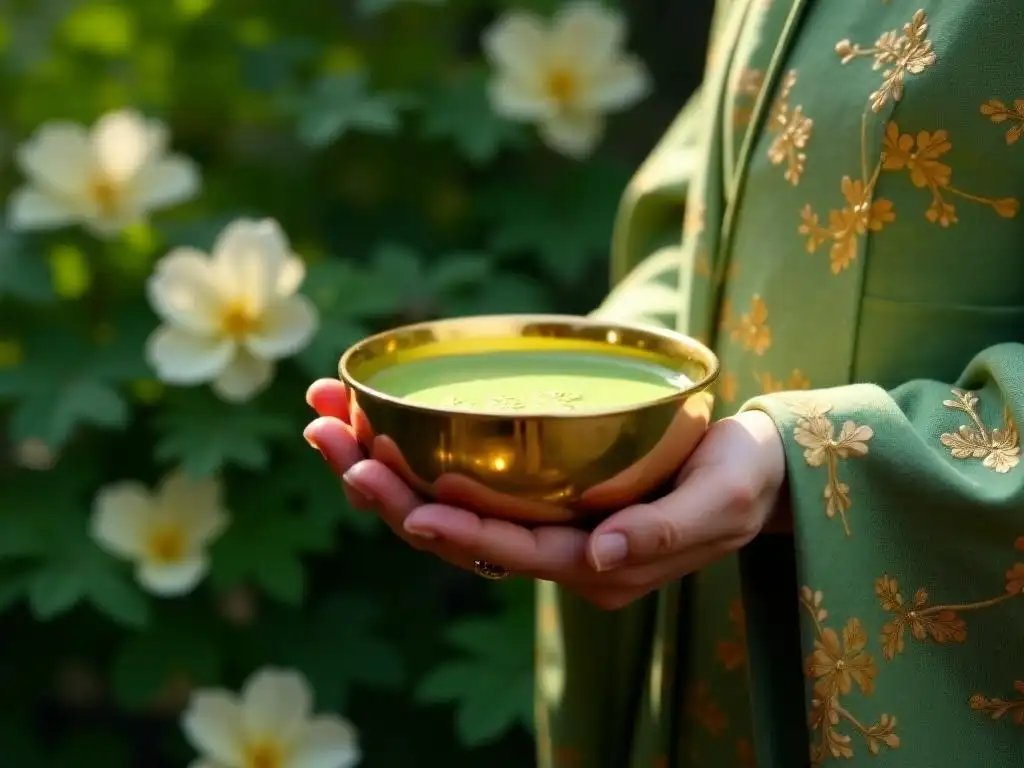
The tea ceremony is often regarded as a supreme expression of Japanese aesthetics and philosophy. It is a multifaceted art form that integrates various elements, each contributing to the overall experience. Understanding these elements helps to appreciate the depth and significance of the tea ceremony in feudal Japan.
Key Elements of Traditional Tea Ceremonies
Several key elements define traditional tea ceremonies, creating a harmonious atmosphere that enhances the experience for participants. Among these elements are:
- Utensils: The selection of tea bowls, tea whisks ( chasen), and other tools are carefully chosen for their aesthetic qualities and functional roles.
- Setting: The tea room, or chashitsu, is designed to promote tranquility, often featuring natural materials, minimal decoration, and a connection to nature.
- Seasonal Themes: The ceremony often reflects the seasons, with decorations and tea selections chosen to resonate with the time of year, reinforcing the connection to nature.
These elements combine to create a unique ambiance, allowing participants to immerse themselves fully in the moment.
Symbolism and Aesthetics in Tea Preparation
Symbolism plays a crucial role in tea preparation, with each action and item holding deeper meanings. The aesthetics of the tea ceremony are rooted in the principles of wabi-sabi, which celebrates imperfection and the beauty of simplicity.
- Tea Bowls: Each bowl is often unique, showcasing the craftsmanship of the potter and inviting reflection on the beauty of individuality.
- Movement and Gesture: Every movement, from the whisking of the tea to the serving, is performed with grace and intention, symbolizing respect and mindfulness.
These elements underscore the philosophy of the tea ceremony, where each action is a form of meditation and a chance to connect with the present moment.
The Role of Rituals in Enhancing Experience
Rituals are integral to the tea ceremony, serving to elevate the experience from a simple act of drinking tea to a profound cultural expression. The structured nature of the ceremony fosters a sense of order and tranquility, allowing participants to escape the chaos of everyday life.
- Welcoming Guests: The rituals of greeting and serving guests create an atmosphere of hospitality and respect.
- Mindfulness Practices: Engaging in the ritual encourages participants to focus their thoughts and appreciate the subtleties of the experience, enhancing their connection to the tea and each other.
Through these rituals, tea masters cultivate an environment where the essence of the tea ceremony can be fully appreciated, ensuring that it remains a cherished tradition in Japanese culture.
The Influence of Zen Buddhism on Tea Masters
The relationship between tea masters and Zen Buddhism is deeply intertwined, significantly shaping the practices and philosophies surrounding the Japanese tea ceremony. During the feudal era, Zen Buddhism emerged as a dominant spiritual force, influencing various cultural aspects, including art, literature, and, notably, the tea ceremony. Tea masters, often trained in Zen, adopted its principles to create a ceremonial practice that transcended mere beverage preparation, transforming it into a path of spiritual exploration and mindfulness.
Zen teachings emphasized simplicity, tranquility, and a deep connection to nature, all of which became central themes in the tea ceremony. The meticulous attention to detail and the serene atmosphere cultivated during the tea ritual reflect Zen's influence, fostering a space where participants could engage in meditation and contemplation. This synergy between Zen Buddhism and tea culture established the tea ceremony as not just a social activity but a profound spiritual experience, allowing individuals to connect with themselves and the world around them.
Zen Philosophy and Its Integration into Tea Culture
Zen philosophy advocates for mindfulness and presence, principles that are seamlessly integrated into the tea ceremony. The act of preparing and serving tea is approached with a meditative mindset, where each movement is deliberate and infused with intention. This practice encourages participants to appreciate the moment, fostering an awareness that transcends the physical act of drinking tea.
The aesthetics of the tea ceremony also reflect Zen ideals. The simplicity of the utensils, the natural materials used, and the uncluttered setting all embody the Zen principle of wabi-sabi, which values the beauty found in imperfection and transience. The tea master, acting as both a facilitator and spiritual guide, embodies these principles, leading participants through a ceremony that celebrates simplicity, harmony, and the appreciation of nature's fleeting beauty.
The Spiritual Journey of a Tea Master
The journey of a tea master in feudal Japan is both a personal and spiritual odyssey. Many tea masters began their training within the confines of Zen monasteries, where they learned not only the technical skills of tea preparation but also the underlying philosophies that guide the practice. This dual training fostered a unique perspective, allowing tea masters to view their craft as a means of spiritual enlightenment and self-discovery.
Throughout their journey, tea masters often faced rigorous challenges that tested their resolve and commitment to the art. These experiences not only honed their skills but also deepened their understanding of the nature of life and impermanence. As they progressed, tea masters became custodians of not only the tea ceremony itself but also the Zen teachings that accompany it, passing on their knowledge to future generations.
Prominent Tea Masters in Feudal Japan
The history of tea in Japan is marked by several prominent tea masters whose contributions have left a lasting impact on the cultural landscape. These figures were not only skilled practitioners of the tea ceremony but also philosophers and innovators who shaped the practice into what it is today. Their influence is evident in the continued reverence for the tea ceremony as an art form and a spiritual practice.
Notable Figures and Their Contributions
One of the most notable figures in the realm of tea mastery is Sen no Rikyū (1522-1591), widely regarded as the father of the Japanese tea ceremony. Rikyū's teachings emphasized simplicity, naturalness, and the importance of the spiritual experience in the tea ceremony. He introduced the concept of wabi-cha, which encapsulated the essence of rustic simplicity and deep connection to nature.
Another influential figure was Takeno Jōō, who played a pivotal role in developing the aesthetics of the tea ceremony during the late 16th century. Jōō's emphasis on the spiritual aspects of tea preparation and the importance of creating a serene atmosphere significantly shaped the rituals associated with tea drinking.
These masters, alongside others like Kobori Enshū and Yamanoue no Soji, contributed to the evolution of tea culture, each leaving their unique mark on the practice and ensuring its place in Japanese heritage.
Legacy of Tea Masters in Japanese Culture
The legacy of tea masters in Japan extends far beyond their individual practices; it is a testament to the enduring significance of the tea ceremony in Japanese culture. Their teachings and philosophies have been meticulously preserved, continuing to inspire contemporary tea practitioners and enthusiasts alike. The principles established by these masters are still reflected in modern tea ceremonies, which remain a vital part of Japanese cultural identity.
Moreover, the impact of tea masters has permeated various aspects of Japanese life, influencing art, architecture, and even social etiquette. The values of mindfulness, respect, and harmony that are integral to the tea ceremony resonate through many facets of Japanese society, emphasizing the importance of tradition and cultural continuity. Today, tea ceremonies are celebrated not only as an art form but as a means of fostering community and connection, rooted in the profound legacies of Japan's esteemed tea masters.
Challenges Faced by Tea Masters
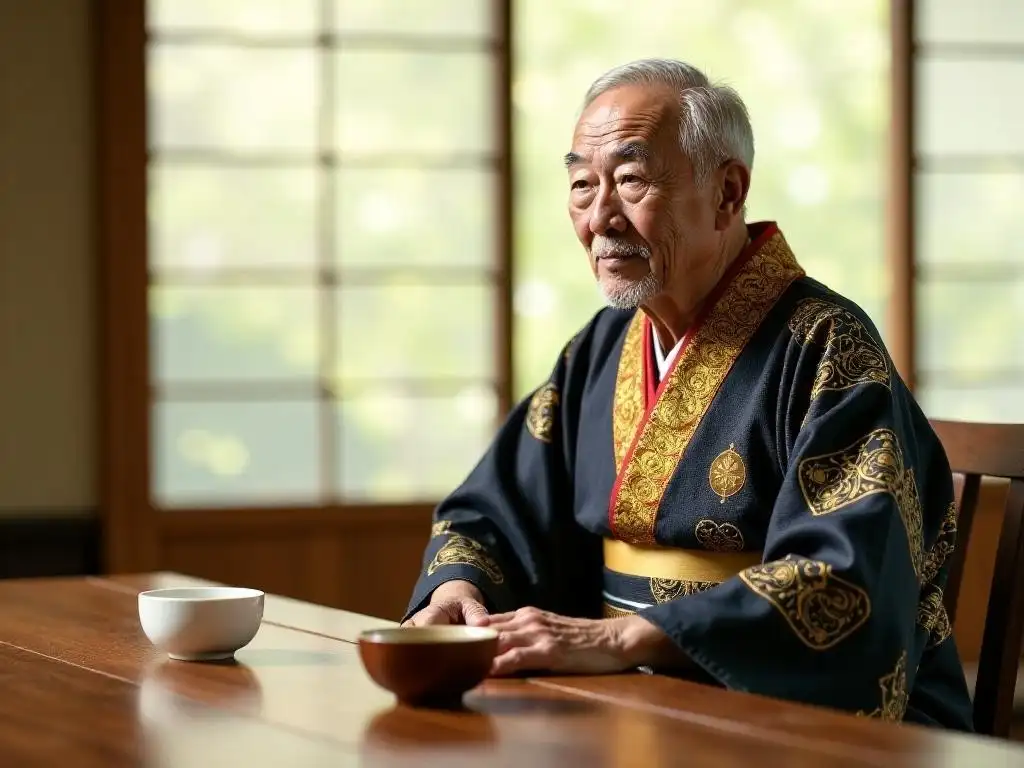
Tea masters in feudal Japan encountered a myriad of challenges that tested their resilience and commitment to the art of tea. One significant challenge was the societal changes that occurred throughout the feudal era. As Japan transitioned from the Kamakura to the Edo period, the rigid class structures and the rise of the samurai class altered the social dynamics. This shift often led to a decline in the patronage of tea ceremonies, as the samurai were preoccupied with warfare and governance.
Additionally, tea masters faced the challenge of maintaining the purity of the tea ceremony amidst increasing commercialization. With the growing popularity of tea among the rising merchant class, there was a risk that the spiritual and aesthetic aspects of the tea ceremony could be diluted. Tea masters had to navigate this delicate balance, ensuring that the essence of the ceremony remained intact while also appealing to the evolving tastes of society.
Another challenge was the impact of natural disasters and economic fluctuations. Periods of famine or disaster could drastically reduce the availability of high-quality tea leaves, complicating the preparation and presentation of the tea ceremony. Consequently, tea masters had to adapt their practices to cope with these constraints, often relying on their creativity and resourcefulness to uphold traditional standards.
Societal Changes During the Feudal Era
The feudal era in Japan was marked by significant societal changes that influenced the role of tea masters. During this period, the rigid class system established by the samurai and noble classes dictated the cultural landscape. The samurai, who held political and military power, began to see the value of the tea ceremony as a means of demonstrating their refinement and cultural sophistication. This shift elevated the status of tea masters, as they became essential figures in the samurai's pursuit of a cultured image.
However, the rise of the merchant class during the Edo period brought about a new dynamic. With increased wealth among merchants, tea began to be consumed more widely, leading to a democratization of tea culture. This change posed both opportunities and challenges for tea masters, as they had to navigate a landscape where their traditional practices were now accessible to a broader audience. While this expansion allowed for greater appreciation of the tea ceremony, it also risked the dilution of its sacred practices.
Moreover, the societal upheavals, including political strife and the eventual unification of Japan under a single shogunate, created an environment where the tea ceremony could either flourish or falter. Tea masters had to remain vigilant and adaptable, ensuring that their teachings and practices resonated with the changing values of society.
The Impact of War and Political Shifts on Tea Practices
War and political shifts significantly impacted tea practices throughout feudal Japan. The frequent conflicts between rival clans and the overarching instability often disrupted the delicate social fabric. During times of war, the focus on martial prowess overshadowed cultural pursuits, leading many tea masters to adapt their practices to reflect the realities of their time.
In particular, the Sengoku period, marked by constant warfare, saw a decline in formal tea ceremonies as warriors prioritized military strategy and survival over cultural refinement. However, even amidst these turbulent times, some tea masters leveraged their art to promote peace and reconciliation. They organized tea gatherings that acted as neutral grounds for discussions, fostering a sense of camaraderie among rival factions.
With the eventual unification of Japan under Tokugawa Ieyasu in the early 17th century, a renewed interest in cultural pursuits emerged. The peace established during the Edo period allowed tea practices to flourish once more. Tea masters capitalized on this stability, developing refined styles of tea preparation and enhancing the aesthetics of the tea ceremony. This period of peace also provided the opportunity for the teachings of legendary tea masters, such as Sen no Rikyū, to be codified and disseminated widely, ensuring that the art of tea continued to evolve while remaining rooted in tradition.
Conclusion: The Enduring Legacy of Tea Masters
The legacy of tea masters in feudal Japan extends far beyond their time, influencing contemporary tea culture both in Japan and around the world. Their dedication to the principles of harmony, respect, purity, and tranquility—known as the "Four Principles of Tea"—continue to resonate within modern Japanese society. The meticulous attention to detail and the deep appreciation for nature that characterized the tea ceremony laid the groundwork for various cultural practices, including ikebana (flower arranging) and calligraphy.
Tea masters also played a crucial role in preserving and transmitting traditional Japanese aesthetics. Their influence helped to cultivate an appreciation for simplicity and subtlety, qualities that remain central to Japanese art and design. As a result, the tea ceremony is not merely a ritualistic practice; it is an embodiment of a philosophy that values mindfulness and presence, qualities that are increasingly relevant in today's fast-paced world.
The Role of Tea Masters in Modern Japanese Culture
In modern Japan, tea masters continue to hold a revered position within society. They are seen as custodians of an ancient tradition, responsible for educating new generations about the art of tea. Many tea schools, such as the Urasenke and Omotesenke, have been established to preserve and promote the teachings of historical tea masters. These institutions provide training not only in the technical aspects of tea preparation but also in the philosophical underpinnings of the tea ceremony.
Moreover, tea masters have adapted their practices to fit contemporary lifestyles. While traditional tea ceremonies remain popular, many tea masters now offer workshops and informal gatherings that appeal to a broader audience. This approach has helped to revitalize interest in the tea ceremony, making it accessible to those who may not have the time or resources to engage in a formal setting.
Reflections on Tradition and Innovation in Tea Practices
The relationship between tradition and innovation is a defining characteristic of tea practices in modern Japan. While tea masters honor the historical roots of the tea ceremony, they also recognize the importance of adapting to changing societal norms and preferences. This balance between preserving tradition and embracing innovation is evident in the way tea is consumed today, with new flavors, blends, and infusion techniques emerging as popular trends.
Additionally, the rise of global interest in Japanese tea culture has spurred tea masters to explore new avenues for expression. Collaborations with artists, chefs, and designers showcase the versatility of tea beyond the traditional ceremony, allowing for innovative interpretations that still honor the core principles of the practice. As tea masters navigate this dynamic landscape, they continue to reflect on the meaning and significance of tea in both personal and communal contexts.
The enduring legacy of tea masters as guardians of tradition in feudal Japan has shaped not only the cultural identity of Japan but also the appreciation of tea worldwide. Their ability to adapt while remaining committed to the principles of the tea ceremony serves as a testament to the resilience and relevance of this cherished art form.
Additional Resources for Further Exploration
Exploring the role of tea masters in feudal Japan opens a fascinating window into the cultural and societal dynamics of the era. To deepen your understanding, numerous resources are available, ranging from books to documentaries. Below are some curated suggestions that provide insights into the art of tea and its practitioners.
Recommended Readings on Tea Culture in Feudal Japan
-
"The Book of Tea" by Okakura Kakuzō
A classic text that delves into the philosophy and aesthetics of the Japanese tea ceremony, this book explores the cultural significance of tea across various facets of Japanese life.
-
"The Tea Ceremony" by Sen Soshitsu XV
Authored by a prominent tea master, this book offers an authentic perspective on the intricacies of the tea ceremony, including its history, rituals, and the role of the tea master.
-
"Tea in Japan: Essays on the History of Chanoyu" by Paul Varley and Kumakura Isao
This collection of essays provides a comprehensive analysis of the historical and cultural evolution of tea and its ceremonies in Japan, emphasizing the contributions of tea masters.
-
"The Art of Japanese Tea Ceremony" by George S. K. Wada
This book examines the aesthetics and philosophy behind the tea ceremony, highlighting the significance of the tea master in maintaining tradition and innovation.
-
"Chado: The Way of Tea" by Sen no Rikyū
Focusing on the teachings of one of Japan's most revered tea masters, this book outlines the spiritual and artistic dimensions of the tea ceremony.
Documentaries and Films about Tea Masters and Ceremonies
-
"The Way of Tea: A Story of Tea in Japan"
This documentary offers a deep dive into the rituals surrounding the tea ceremony, showcasing the lives of various tea masters and their dedication to preserving this ancient practice.
-
"The Last Tea Master"
This film follows the journey of a contemporary tea master as he navigates the complexities of maintaining traditional practices in a modern world, providing insights into the evolving role of tea masters.
-
"Tea: The Story of Tea in Japan"
A visually captivating documentary that explores the history of tea in Japan, highlighting key figures, including renowned tea masters, and their impact on Japanese culture.
-
"Chanoyu: The Japanese Tea Ceremony"
This film provides an intimate look at the tea ceremony's rituals and philosophies, featuring interviews with tea masters who reveal the nuances of their craft.
-
"The Spirit of Tea"
This documentary showcases the serene beauty of tea ceremonies while illustrating the spiritual connection between the tea master, the tea, and the participants.
These resources not only enrich one’s knowledge of the tea culture in feudal Japan but also highlight the enduring legacy of tea masters as guardians of tradition.
- Introduction to Tea Masters in Feudal Japan
- Historical Context of Tea Masters
- The Responsibilities of Tea Masters
- The Art of the Tea Ceremony
- The Influence of Zen Buddhism on Tea Masters
- Prominent Tea Masters in Feudal Japan
- Challenges Faced by Tea Masters
- Conclusion: The Enduring Legacy of Tea Masters
- Additional Resources for Further Exploration
Frequently Asked Questions
What was the role of tea masters in feudal Japan?
Tea masters were highly respected individuals responsible for the ceremonial preparation and presentation of tea. They played a crucial role in preserving the aesthetic and cultural traditions associated with tea.
How did tea masters influence Japanese culture?
Tea masters helped shape Japanese aesthetics and philosophy through the tea ceremony (Chanoyu). Their teachings emphasized mindfulness, simplicity, and harmony, influencing broader cultural practices.
What training did tea masters undergo?
Becoming a tea master required extensive training in various skills, including the art of tea preparation, floral arrangements, and calligraphy. They often apprenticed under experienced masters to hone their craft.
How did tea masters contribute to feudal society?
Tea masters served as cultural ambassadors, promoting peace and connection among the warrior class and nobility. Their gatherings fostered social bonds and diplomatic relations during turbulent times.
Are there notable tea masters from feudal Japan?
Yes, figures such as Sen no Rikyū are among the most famous tea masters, credited with establishing many of the principles and practices that define the tea ceremony today. Their legacies continue to influence modern tea culture.
Final Reflection: The Enduring Legacy of Tea Masters in Feudal Japan
The role of tea masters in feudal Japan is not just a historical footnote; it is a profound testament to the intricate relationship between culture and tradition. Today, as we navigate a world increasingly dominated by rapid change and technological advancement, the principles embodied by these guardians of tea culture remind us of the importance of preserving our heritage. The meticulous art of tea preparation and the philosophy surrounding it serve as a beacon of mindfulness and respect for the past, urging us to slow down and appreciate the beauty in simplicity.
The influence of tea masters extends far beyond the confines of a tea room; it permeates our social fabric and cultural identity. Their dedication to the craft has shaped not only the aesthetics of tea ceremonies but also the values of harmony, respect, and tranquility that resonate in contemporary society. As the renowned tea master Sen no Rikyū once said, Tea is a way of life.
This notion continues to inspire countless individuals, encouraging a deeper connection to the rituals that define our lives and the communities we inhabit.
As we reflect on the lessons imparted by the tea masters of feudal Japan, let us embrace the opportunity to cultivate our own traditions and practices that honor our heritage. I invite you to explore the rituals in your life that bring you peace and connection, and to share these experiences with others. In doing so, we not only honor the legacy of those who came before us but also ensure that the values of mindfulness and community endure for generations to come.
Discover the Art of Tea Mastery Today!
Thank you for diving into the fascinating world of tea masters and their vital role in preserving tradition during feudal Japan. Your interest not only deepens your understanding of this rich cultural heritage but also opens the door to exploring mindful practices in your own life.
Now, let’s take the next step together! Here are some actionable ways you can connect further with this beautiful tradition:
- Attend a Tea Ceremony: Find a local or online tea ceremony to experience the art and tranquility of this ancient practice firsthand.
- Explore Authentic Tea Varieties: Research and sample different types of Japanese teas to discover your favorites and appreciate their unique qualities.
- Share Your Experience: Engage with others by discussing what you learned in this article on social media or in forums dedicated to Japanese culture.
What aspect of tea culture do you find most intriguing, and how do you plan to incorporate it into your daily life?