
The Role of Religion in Shaping Class Structure in Feudal Japan


Welcome to Feudal Japan History, where we embark on a captivating journey through the intricate tapestry of Japan's feudal era. In our featured article, "The Role of Religion in Shaping Class Structure in Feudal Japan," we delve into the profound connections between faith and societal hierarchy. How did religious beliefs influence the rigid class distinctions of this unique period? Join us as we uncover the layers of history, culture, and social dynamics that defined an era, inviting you to explore the compelling narratives that shaped a nation. Your adventure into the heart of feudal Japan's social history starts here!
The feudal era of Japan, spanning from the late 12th century to the mid-19th century, represents a fascinating chapter in the nation's history, characterized by a rigid class structure and the profound influence of various religious beliefs. Religion and class structure in Japan played pivotal roles in defining social roles, responsibilities, and interactions among different societal groups.
This article delves into how religious ideologies not only shaped the class system but also reflected and reinforced the existing hierarchies. By exploring the intricate relationship between religion and social stratification, we can better understand the complexities of feudal Japanese society and how these elements interwove to form a unique cultural fabric.
Understanding Feudal Japan's Class Structure
Overview of the Japanese Feudal System
Feudal Japan was structured around a hierarchical system that prioritized loyalty, land ownership, and military prowess. At the top of this system was the Emperor, viewed primarily as a figurehead, with real power often held by the shoguns and daimyos (feudal lords). The class system can be broadly categorized into four main groups:
- Samurai: The warrior class, responsible for military service and protection of the realm.
- Farmers: Essential for sustenance and agriculture, farmers were often viewed with respect but were also heavily taxed.
- Artisans: Skilled workers who produced goods but were generally lower in status than farmers.
- Merchants: Often the lowest in the hierarchy despite their wealth, merchants were seen as profit-driven and not contributing directly to society.
This structure was deeply intertwined with cultural norms and religious beliefs that dictated the roles and expectations of each class.
Key Classes in Feudal Japan: Samurai, Peasants, Merchants, and Clergy
Each class in feudal Japan had distinct roles and responsibilities, often influenced by religious teachings:
- Samurai: Governed by the code of Bushido, samurai adhered to principles that emphasized honor, loyalty, and service, often rooted in Zen Buddhism.
- Peasants: Seen as the backbone of society, they were often at the mercy of their lords but found solace and guidance in Shinto beliefs, which connected them to the land and nature.
- Merchants: Despite their economic power, merchants often faced social stigma. Confucian ideals promoted a disdain for profit-seeking, positioning them lower in the societal hierarchy.
- Clergy: Representing various religious sects, such as Shinto and Buddhism, clergy held a unique position that could intersect with political power, especially in the case of influential Buddhist monks.
The Influence of Religion on Japanese Society
Overview of Major Religions in Feudal Japan
Religion in feudal Japan primarily revolved around Shinto, Buddhism, and to a lesser extent, Confucianism. Each of these faiths contributed significantly to the cultural and societal norms that governed the class structure.
- Shinto: The indigenous spirituality of Japan, focusing on kami (spirits) and rituals that strengthen community ties and agricultural productivity.
- Buddhism: Introduced in the 6th century, Buddhism offered teachings on morality and the afterlife, influencing samurai ethics and the worldview of many Japanese.
- Confucianism: While not a religion in the traditional sense, Confucianism's emphasis on hierarchy, filial piety, and social harmony reinforced the existing class structure.
The Interplay Between Religion and Social Hierarchy
The relationship between religion and class structure in feudal Japan was complex and reciprocal. Religious beliefs often justified the social order, promoting the idea that each class had its predetermined role in society. For example:
- Buddhist teachings may have encouraged samurai to uphold their duties, framing their role as protectors of the realm in a spiritual context.
- Shinto practices often reinforced the connection between the land and the farmers, elevating their status as custodians of nature.
The intertwining of religion and class not only shaped societal norms but also provided a framework for understanding one's place within the broader cosmos, ultimately influencing the dynamics of power and authority in feudal Japan.
As we explore further, the nuanced relationship between these elements will reveal much about the cultural and historical significance of religion in shaping the social fabric of feudal Japan.
Religion and Class Structure in Japan: A Historical Context
The interplay between religion and class structure in feudal Japan is a nuanced subject that reveals the intricate tapestry of societal norms and beliefs. The two dominant religious influences during this period were Shinto and Buddhism, each contributing to the development of social hierarchies and class identities. Shinto, the indigenous spirituality, emphasized the veneration of kami (spirits) and the importance of ancestry, which helped to legitimize the ruling class and foster a sense of loyalty among the samurai.
Buddhism, introduced from China and Korea, added another layer of complexity, particularly through its teachings on suffering and enlightenment. The synthesis of these two belief systems shaped the worldview of different classes, influencing everything from governance to daily life. The samurai, as the warrior elite, found their identity intertwined with both Shinto rituals and Zen Buddhist practices, while the peasantry navigated their existence through the lens of Buddhist compassion and karma. This relationship between religion and class established a framework that determined social roles, responsibilities, and the overall structure of feudal society.
The Impact of Shinto Beliefs on Samurai Identity
Shinto beliefs played a pivotal role in defining the samurai's identity and their perception of honor and duty. The samurai were often seen as the protectors of the realm and the enforcers of the will of the kami. Their allegiance to their lords was not merely a matter of feudal obligation but was deeply rooted in spiritual commitments. Rituals and ceremonies conducted at Shinto shrines reinforced their status and provided a divine justification for their actions in battle.
Moreover, the samurai's code of conduct, known as bushido, was imbued with Shinto ideals. This code emphasized virtues such as loyalty, bravery, and honor, all of which were believed to be in alignment with the will of the kami. The samurai's relationship with Shinto thus not only shaped their personal identities but also solidified their role within the broader class structure, establishing a clear hierarchy where they were positioned as both warriors and spiritual guardians of the land.
Buddhist Teachings and Their Influence on Peasant Life
Buddhism, particularly in its various forms such as Pure Land and Nichiren Buddhism, had a significant impact on the lives of the peasantry in feudal Japan. The teachings of Buddhism provided a framework for understanding suffering and the transient nature of life, which resonated deeply with the hardships faced by farmers and laborers. The concept of karma and the promise of rebirth offered peasants a sense of hope and purpose, encouraging them to endure their struggles with the belief that their current suffering could lead to better circumstances in the next life.
Temples often served as community centers, providing not just spiritual guidance but also education and support during times of crisis, such as droughts or famines. Religious festivals and rituals were integral to agricultural life, aligning farming practices with the rhythms of Buddhist observances. This relationship allowed for a unique bond between the peasants and Buddhist monks, as religious leaders often became mediators and advocates for the common people, influencing their social standing within the rigid class structure.
The Role of Religious Institutions in Class Dynamics
Religious institutions in feudal Japan were instrumental in shaping class dynamics and maintaining the social order. They served as powerful entities that not only provided spiritual guidance but also wielded significant political influence. Monks and temple leaders often acted as intermediaries between the ruling elite and the peasantry, negotiating terms that could alleviate the burdens of taxation or military service.
Temples accumulated wealth and land, allowing them to establish a degree of autonomy and power that sometimes rivaled that of the samurai. This economic strength enabled religious institutions to exert influence over local governance and social norms. The connections between temples and the samurai class were particularly pronounced, as many samurai sought the blessings of Buddhist leaders to legitimize their authority and gain spiritual merit. Thus, the relationship between religion and class was not merely one of belief but also one of power and resource management.
Case Studies of Religion Influencing Class Structure
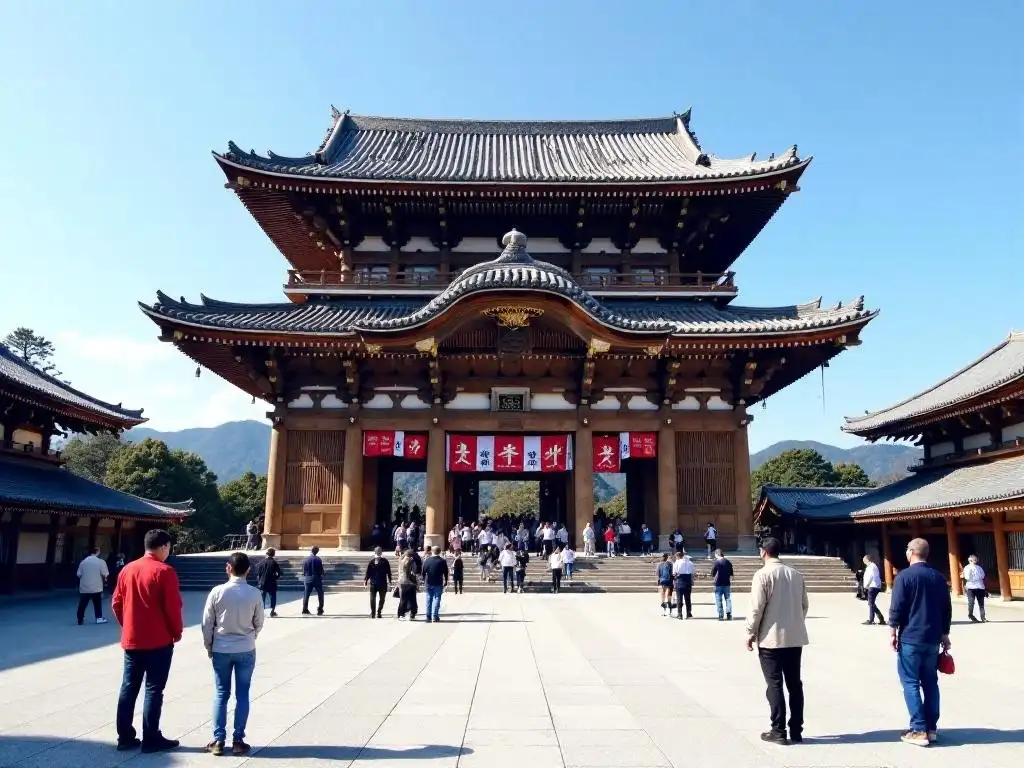
The Samurai and Zen Buddhism: A Spiritual Bond
Zen Buddhism became particularly influential among the samurai class due to its emphasis on discipline, meditation, and direct experience of enlightenment. Samurai sought out Zen teachings as a means to cultivate mental clarity and focus, which were essential qualities in battle. The practice of Zen not only enhanced their martial skills but also instilled a deeper understanding of life and death, shaping their approach to warfare and loyalty.
The relationship between Zen and the samurai also manifested in the arts, particularly in the development of tea ceremonies, calligraphy, and garden design. These cultural practices reflected the samurai's quest for beauty and harmony, further intertwining their identity with Zen principles. This spiritual bond solidified their position within the class structure, distinguishing them as not only warriors but also cultured individuals who adhered to a higher philosophical ideal.
Peasant Revolts and the Influence of Religious Leaders
Throughout feudal Japan, instances of peasant revolts often had a religious underpinning. Religious leaders, especially those from Buddhist sects, played crucial roles in mobilizing the peasantry against oppressive feudal lords. These leaders provided both spiritual and practical support, framing the struggles for social justice within the context of Buddhist teachings on compassion and social harmony.
One notable example is the Ikko-Ikki movement in the 15th and 16th centuries, where followers of the Jodo Shinshu sect rose against samurai oppression. Their revolt was fueled by a combination of social grievances and the belief that their fight was righteous in the eyes of the Buddha. The involvement of religious figures in such uprisings demonstrates how deeply intertwined religion was with the social fabric of feudal Japan and how it could serve as a catalyst for change within the rigid class structure.
The Clergy's Position: Balancing Power and Faith
The clergy in feudal Japan navigated a complex landscape of power and faith. Buddhist monks and Shinto priests often found themselves in precarious positions, balancing their religious duties with the political realities of the time. While they wielded significant influence over the populace, their power was contingent upon their relationships with both the samurai and the common people.
Clerics could act as advisors to feudal lords, offering spiritual counsel that could sway decisions about governance and land management. However, this alliance with the ruling class also placed them in a position of vulnerability, as they had to maintain their moral authority while aligning with those who held power. The clergy's ability to mediate between different classes and navigate the intricacies of feudal society illustrates the significant role religion played in shaping class structures and social dynamics in feudal Japan.
The Transformation of Class Structure through Religious Reforms
During the feudal era in Japan, religion played a pivotal role in shaping the class structure, influencing not only the social hierarchy but also the cultural ethos of the time. The two dominant religious traditions—Shinto and Buddhism—interacted in complex ways, leading to significant transformations in societal roles and status.
Initially, Shinto, the indigenous religion of Japan, was intertwined with the imperial family and the state, reinforcing the divine status of the emperor and the nobility. This connection established a spiritual justification for the hierarchical structure, positioning the ruling class as divinely sanctioned leaders. Conversely, with the introduction and eventual prominence of Buddhism in the 6th century, a new dimension was added to Japan’s class dynamics. Buddhism emphasized moral conduct and the potential for personal enlightenment, which sometimes challenged the existing social order.
Over time, religious reforms, particularly during the Kamakura period (1185-1333), began to democratize certain aspects of religious life. The rise of new Buddhist sects, such as Pure Land Buddhism, made religious practice more accessible to the common people, thereby slightly altering the rigid class distinctions. This shift allowed commoners to engage with religious practices that were previously reserved for the elite, fostering a sense of agency and spiritual equality among different social strata.
The Impact of the Meiji Restoration on Religion and Class
The Meiji Restoration of 1868 marked a significant turning point in the relationship between religion and class structure in Japan. The new government sought to modernize and centralize power, leading to the dissolution of the feudal system and the restructuring of societal roles. One of the major reforms was the separation of Shinto from Buddhism, which had previously coexisted relatively harmoniously. The government promoted Shinto as the national religion and aligned it with the state, further entrenching the emperor’s divine status while diminishing the influence of Buddhist institutions.
This era also saw the introduction of Western ideas, which fundamentally challenged traditional class structures. Education reforms made learning accessible to a broader population, fostering a meritocratic society. The notion of class began to shift from hereditary status to one based on individual achievement and contribution to society. As a result, many former samurai and lower classes adapted to new roles in the burgeoning capitalist economy, thus redefining their status within the newly formed social hierarchy.
Modern Perceptions of Religion and Class in Japan
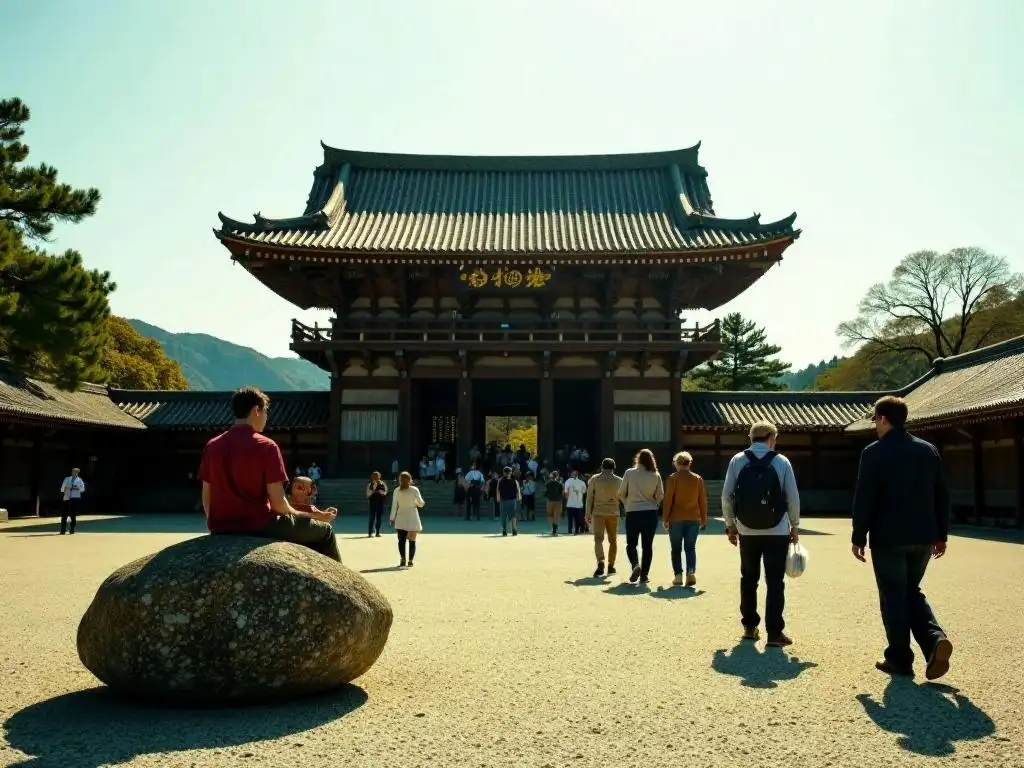
In contemporary Japan, the relationship between religion and class structure has evolved significantly. While traditional class distinctions have largely diminished, the influence of religion persists, albeit in more subtle forms. Shinto and Buddhism continue to play important roles in cultural practices and rituals, but their impact on social hierarchy is less pronounced than in the past.
Today, many Japanese individuals identify as non-religious or practice a blend of Shinto and Buddhist customs without strong adherence to the doctrines. This syncretic approach reflects a shift towards individualism and personal spirituality rather than collective religious identity. Consequently, the rigid class structures of the past have given way to a more fluid social landscape where economic status and professional achievement are prioritized over traditional lineage and religious affiliation.
Conclusion: The Lasting Legacy of Religion on Class Structure in Japan
The historical interplay between religion and class structure in Japan has left a lasting legacy that continues to influence societal dynamics. From the divine justification of the ruling class during the feudal era to the modernization efforts of the Meiji Restoration, the evolution of religious thought and practice has been intricately linked to shifts in social hierarchy.
Summary of Key Points
- Feudal Era Influence: Religion, particularly Shinto and Buddhism, shaped the social hierarchy, intertwining spiritual authority with political power.
- Reforms and Accessibility: Religious reforms democratized certain practices, allowing commoners greater access to spiritual life.
- Modernization and Change: The Meiji Restoration transformed class structures by promoting meritocracy and separating state and religion.
- Contemporary Views: Modern Japan sees a blending of religious practices with a more individualistic approach, reducing the importance of traditional class distinctions.
Final Thoughts on Religion and Class Structure in Japanese Society
The relationship between religion and class structure in Japan is a testament to the dynamic nature of cultural and societal evolution. While the religious foundations of class hierarchy have weakened over time, their historical significance remains relevant in understanding the complexities of modern Japanese society. The legacy of these interactions continues to shape perceptions of identity and social standing, highlighting the enduring influence of religion even in a rapidly changing world.
References for Further Reading on Religion and Class Structure in Feudal Japan
Understanding the intricate relationship between religion and class structure in Feudal Japan requires delving into a variety of scholarly resources. This section provides a curated list of recommended books, articles, and online resources that offer deeper insights into the subject.
Recommended Books and Articles
-
"The Origins of the Japanese Nation: The Writings of the 8th Century" by John S. Brownlee
This book explores the development of the Japanese state and highlights the influence of Shinto and Buddhism on the societal hierarchy during the early feudal period.
-
"Religion and Society in Japan: The Influence of Shinto and Buddhism" by Richard D. McCoy
McCoy’s work provides an analysis of how Shinto and Buddhism shaped social norms and the class structure, offering a comprehensive examination of religious influence over time.
-
"Feudal Japan: The History and Legacy of the Samurai Era" by Charles River Editors
This title discusses the political and social structure of feudal Japan, with specific emphasis on the role of religion in reinforcing class distinctions and governance.
-
"Buddhism and the State in Sixteenth-Century Japan" by David L. McBride
McBride's article sheds light on the interplay between Buddhism and feudal governance, illustrating how religious institutions influenced the power dynamics among the ruling class.
-
"The Role of Religion in Japanese Society" by Jeffrey M. C. Kline
This article examines the impact of various religious practices on social stratification, particularly within the samurai class and their interactions with commoners.
Online Resources for In-Depth Exploration
-
National Diet Library of Japan
The National Diet Library provides extensive resources on the historical texts and documents related to religion and social structure in Japan. Their archives can be invaluable for researchers looking for primary sources.
-
Japan Society
The Japan Society offers a wealth of articles and lectures focusing on the historical context of religion in Japan, with specific sections dedicated to the feudal period and its societal structures.
-
The Asia-Pacific Journal: Japan Focus
This online journal features articles by scholars on various aspects of Japanese history, including the intersection of religion and class. Many articles are freely accessible and provide contemporary analyses.
-
The Japanese Historical Society
This resource provides a database of publications and ongoing research projects focusing on the social history of Japan, including the role of religion in shaping class dynamics throughout the feudal era.
-
Stanford Encyclopedia of Philosophy: Japanese Philosophy
This online encyclopedia includes articles discussing the philosophical underpinnings of Japanese religions, such as Shinto and Buddhism, and their societal implications during the feudal period.
These resources serve as a foundation for anyone seeking to understand the complexities of religion and class structure in Feudal Japan, offering both historical context and scholarly insights.
- Understanding Feudal Japan's Class Structure
- The Influence of Religion on Japanese Society
- Religion and Class Structure in Japan: A Historical Context
- Case Studies of Religion Influencing Class Structure
- The Transformation of Class Structure through Religious Reforms
- The Impact of the Meiji Restoration on Religion and Class
- Modern Perceptions of Religion and Class in Japan
- Conclusion: The Lasting Legacy of Religion on Class Structure in Japan
- References for Further Reading on Religion and Class Structure in Feudal Japan
- What was the significance of religion in feudal Japan?
- How did Buddhism and Shinto contribute to the class structure?
- Were there any social classes that were particularly influenced by religion?
- How did the class structure impact religious practices in feudal Japan?
- Can we see the impact of religion on modern Japan's class structure?
Frequently Asked Questions
What was the significance of religion in feudal Japan?
Religion played a crucial role in shaping societal norms and class structures, influencing everything from political authority to daily life.
How did Buddhism and Shinto contribute to the class structure?
Buddhism and Shinto created a spiritual hierarchy, with religious leaders often holding significant power and influence over samurai and commoners.
Yes, the warrior class, particularly the samurai, were heavily influenced by Zen Buddhism, which shaped their ethics and martial practices.
How did the class structure impact religious practices in feudal Japan?
The class structure dictated access to religious education and rituals, often privileging the nobility over the peasantry in terms of religious engagement.
Can we see the impact of religion on modern Japan's class structure?
While modern Japan has evolved, remnants of the feudal class structure and its religious influences can still be observed in cultural practices and social dynamics today.
Final Reflection: The Enduring Influence of Religion on Class Structure in Japan
The intricate relationship between religion and class structure in feudal Japan remains profoundly relevant today, as it unveils the historical roots of social stratification that continue to echo in modern society. Understanding how religious beliefs shaped the hierarchy of samurai, farmers, artisans, and merchants not only sheds light on Japan's past but also invites us to examine the persistent influence of these structures in contemporary social dynamics. The interplay of faith and class has left an indelible mark on cultural identity, reminding us that the foundations of our societies are often built upon complex historical narratives.
The exploration of religion's role in shaping class structure reveals a tapestry of cultural and social influences that have evolved over centuries. This ongoing legacy is evident in how traditional beliefs still permeate modern Japanese society, influencing everything from family structures to community interactions. As we reflect on this, we are reminded of the words of philosopher Alan Watts: The more a thing tends to be permanent, the more it tends to be lifeless.
This insight encourages us to recognize that while class structures may seem rigid, they are, in fact, fluid and subject to change, shaped by the very beliefs that once defined them.
As we consider the lessons from feudal Japan, let us take a moment to reflect on our own beliefs and their impact on our social interactions. How can we challenge existing structures in our lives that may perpetuate inequality or division? By embracing the lessons of history, we can foster a more inclusive society that values diversity and encourages dialogue. The journey toward understanding and transformation begins with each of us, inviting us to actively engage in reshaping our communities for a more equitable future.
Unveil the Transformative Power of Religion in Feudal Japan
Thank you for diving into the intricate world of feudal Japan and exploring how religion shaped its class structure! Your interest in this unique historical dynamic highlights the importance of understanding the past to better appreciate societal evolution.
Now, let's translate that curiosity into action! Here are a few steps you can take to deepen your knowledge and engage with others on this fascinating topic:
- Explore more: Dive into additional articles on our site about the influence of various religions in feudal Japan. You might discover connections you hadn't considered before!
- Share your insights: Discuss your newfound understanding with friends or family. Share this article on your social media to spark conversations about history and its societal implications.
- Join a community: Seek out forums or groups focused on feudal societies. Participate in discussions to broaden your perspective and learn from others' experiences.
Which aspects of religion's influence on class structure do you find most intriguing, and why do you think they are significant in today's context?