
The Role of Festivals and Rituals in Reinforcing Class Distinctions

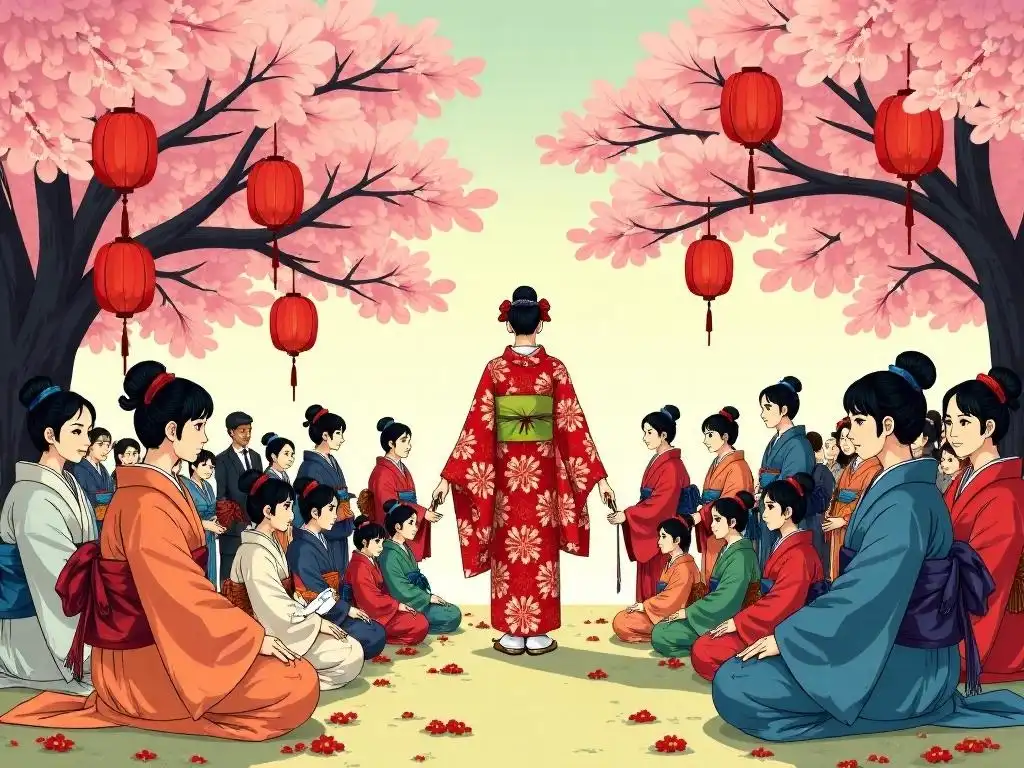
Welcome to Feudal Japan History, where the echoes of a bygone era come alive! Here, we embark on a comprehensive exploration of Japan’s feudal period, diving deep into the historical, cultural, and societal nuances that shaped this fascinating time. In our featured article, “The Role of Festivals and Rituals in Reinforcing Class Distinctions,” we unravel the intricate tapestry of Japanese feudal festivals and rituals—discover how these vibrant celebrations not only brought communities together but also fortified the very class structures that defined them.
Curiosity piqued? Join us as we journey through the past and uncover the stories that have shaped Japan's rich heritage!
Festivals and rituals held a significant place in the cultural landscape of feudal Japan, serving not only as occasions for celebration but also as vital mechanisms for reinforcing class distinctions. The intricate tapestry of Japanese feudal festivals and rituals reflects the societal hierarchy of the time, delineating the roles and responsibilities of various classes while emphasizing their differences.
Through an exploration of these events, we gain insight into how they shaped the social fabric, influenced cultural norms, and maintained the power dynamics that characterized feudal Japan. This article will delve into the multifaceted roles that festivals and rituals played in upholding class structures, offering a comprehensive understanding of their historical and cultural significance.
Introduction to Japanese Feudal Festivals and Rituals
Japanese feudal festivals and rituals were deeply intertwined with the agricultural calendar, religious beliefs, and the socio-political landscape of the era. These events were not merely festive occasions; they were steeped in tradition and often orchestrated by the ruling samurai class to assert their dominance and control over the lower classes. Festivals celebrated the deities and spirits that were thought to influence agricultural success, while rituals often involved elaborate ceremonies that emphasized the status of the samurai.
In this context, festivals and rituals served multiple purposes:
- Cultural expression: They allowed different classes to express their unique identities.
- Social cohesion: They fostered a sense of community among participants while simultaneously highlighting the distinctions between classes.
- Political assertion: They were tools for the ruling class to reinforce their power and influence.
The Importance of Festivals in Feudal Japan
Festivals in feudal Japan were pivotal in marking the passage of seasons, agricultural cycles, and significant life events. They functioned as communal gatherings that not only celebrated local deities but also reinforced the existing social order. The participation of various classes in these events was often dictated by strict protocols that reflected their societal roles.
For instance, during the rice planting festivals, the samurai might oversee the festivities, while farmers performed rituals to ensure a good harvest. Such hierarchical participation underlined the power dynamics at play, showcasing the samurai's authority over the agrarian classes.
Overview of Rituals in Japanese Society
Rituals in feudal Japan were integral to both spiritual life and social order. They encompassed a range of practices, from Shinto rites to Buddhist ceremonies, each serving as a reflection of the values and beliefs of the time.
- Religious rituals often involved elaborate ceremonies conducted by priests, which were attended by the nobility while commoners participated in simpler forms.
- Life-cycle rituals such as weddings and funerals further illustrated class distinctions, with the samurai class enjoying more elaborate and costly ceremonies compared to their lower-class counterparts.
These rituals not only marked transitions in life but also acted as public displays of wealth and status, reinforcing the hierarchical structure of society.
Historical Context of Class Structure in Feudal Japan
To understand the role of festivals and rituals in reinforcing class distinctions, it is crucial to grasp the historical context of class structure in feudal Japan. The feudal system was characterized by a rigid hierarchy that determined individuals' rights, duties, and social standing.
The Hierarchical Society of Feudal Japan
Feudal Japan operated under a strict class structure famously delineated into four main classes:
- Samurai: The warrior class, who were the elite and held significant power.
- Farmers: Considered essential for sustaining the population, yet often lived under harsh conditions.
- Artisans: Skilled craftsmen who contributed to the economy but were seen as lower than farmers.
- Merchants: Often regarded with disdain, despite their wealth, as they did not produce goods themselves.
This hierarchy was not merely a social construct but was deeply embedded in the cultural practices, including festivals and rituals, that played a role in maintaining these distinctions.
Key Social Classes: Samurai, Farmers, Artisans, and Merchants
Each class in feudal Japan had distinct roles and expectations that were often reflected in the festivals and rituals they participated in:
- Samurai: As the ruling class, they organized and led major festivals, utilizing these events to display their power and reinforce their status.
- Farmers: Engaged in seasonal festivals that celebrated harvests, their participation was often limited to lower-profile roles unless called upon for contributions to grand samurai-led events.
- Artisans: Their involvement in festivals primarily revolved around showcasing their craftsmanship but was often overshadowed by the grandeur of samurai-led events.
- Merchants: While wealthy, their roles in festivals were often minimized as they were seen as outsiders to the traditional hierarchy.
Understanding these dynamics provides a clearer picture of how Japanese feudal festivals and rituals were not just cultural expressions but also powerful tools for reinforcing class distinctions throughout the era.
Japanese Feudal Festivals: An Overview
Japanese feudal festivals, known as matsuri, played a crucial role in the cultural and social fabric of feudal Japan. These festivals were not only important for community cohesion but also served to reinforce the existing class structures of the time. Each festival was infused with local traditions, religious significance, and seasonal celebrations, showcasing the rich tapestry of Japanese culture. Festivals often involved elaborate rituals, processions, and offerings to deities, which reflected the spiritual beliefs and social hierarchies of the period.
During the feudal era, festivals provided an opportunity for different classes to interact, albeit in a structured manner that emphasized their social standing. The way festivals were conducted, from the types of ceremonies performed to the roles individuals played, highlighted the distinctions among the samurai, farmers, artisans, and merchants. This interplay of celebration and class distinction allowed the ruling elites to maintain their power while allowing the lower classes a sense of participation within their prescribed roles.
Major Festivals Celebrated During the Feudal Era
Several major festivals characterized the feudal era in Japan, each with its own historical significance and local variations. Some of the most prominent festivals included:
- Gion Matsuri: Originating in Kyoto, Gion Matsuri is one of Japan's most famous festivals, celebrated in July. It features grand processions of floats, known as yama, and reflects the city's cultural heritage and the power of the ruling class in Kyoto during the Heian period.
- Aoi Matsuri: Also celebrated in Kyoto, this festival occurs in May and is marked by a procession of participants dressed in Heian-period clothing. The festival is closely tied to the imperial family, reinforcing their status and connection to the divine.
- Kanda Matsuri: Held in Tokyo, this festival occurs in May and November, celebrating the Kanda Shrine. The festival features a vibrant parade and is a demonstration of the power and influence of the samurai class in the Edo period.
- Tanabata: Celebrated across Japan on the night of July 7, Tanabata is based on a legend of star-crossed lovers. While primarily a romantic festival, it also served as a time for communities to come together, reinforcing social bonds within the class structures.
These festivals not only provided entertainment but also reinforced social hierarchies through their organization, rituals, and the roles assigned to various classes during the celebrations.
Regional Variations in Festivals and Their Cultural Significance
The regional variations in Japanese feudal festivals reflect the diversity of local cultures and the significance of geographical factors in shaping these celebrations. Each area developed its own unique festivals, combining elements of Shinto and Buddhist practices with indigenous customs.
- In the Tohoku region, for example, festivals often featured traditional dances and offerings to local deities, showcasing the agricultural lifestyle of the peasants and the importance of harvests.
- In contrast, coastal regions like Osaka and Kobe emphasized maritime festivals, celebrating the sea and its bounty. These festivals often involved elaborate boat processions and rituals to ensure safe fishing and trading, highlighting the economic importance of the merchant class.
- Kyoto, as the imperial capital, had festivals that were heavily influenced by the court's rituals, showcasing the power dynamics between the imperial family and the samurai class. Events like the Aoi Matsuri emphasized the connection between the state and the divine, reinforcing the emperor's role as both a political and spiritual leader.
These regional differences not only reflect local customs and beliefs but also illustrate how festivals served to reinforce social hierarchies, with each class participating in ways that reflected their status and roles within society.
Rituals and Their Role in Class Reinforcement
Rituals in feudal Japan were instrumental in maintaining and reinforcing class distinctions. They were often tied to religious practices, agricultural cycles, and social customs, acting as a means for individuals to express their identity within their respective classes. Rituals varied significantly among the different social strata, emphasizing the values and expectations associated with each class.
For instance, samurai rituals often included practices related to bushido, the way of the warrior, which emphasized honor, loyalty, and martial prowess. These rituals served to solidify the samurai’s elite status and their role as protectors of the realm. Conversely, rituals among the peasantry typically revolved around agricultural cycles, celebrating planting and harvests, which were crucial for their survival and community cohesion.
The Significance of Rituals in Class Identity
Rituals played a vital role in shaping class identity and ensuring the continuity of social structures. For the ruling class, rituals served as a demonstration of power and legitimacy. Ceremonies such as the enthronement of a shogun or the performance of specific rites by the emperor reinforced their divine right to rule and their connection to the spiritual world.
In contrast, lower classes participated in rituals that emphasized community solidarity and shared experiences. These rituals often included communal gatherings and festivals that allowed them to express their cultural identity while still acknowledging the hierarchical structure of society. The participation of the lower classes in these rituals, while limited, was essential for maintaining social harmony and reinforcing their roles within the feudal system.
Rituals Unique to Each Social Class
Each social class in feudal Japan had its own unique set of rituals that not only defined their cultural practices but also reinforced their position within the social hierarchy.
- Samurai: Rituals such as seppuku (ritual suicide) and tea ceremonies highlighted the samurai's values of honor and discipline. These practices were deeply ingrained in their identity and served to legitimize their status as the ruling warrior class.
- Farmers: Agricultural rituals, such as rice planting festivals, were critical for farmers. These rituals often involved offerings to deities to ensure a good harvest, reflecting their dependence on the land and the divine for their livelihood.
- Artisans and Merchants: Rituals among artisans and merchants often revolved around trade and craftsmanship. Festivals celebrating local gods of commerce or specific crafts allowed them to assert their social contribution and economic importance while still acknowledging their lower status compared to the samurai.
By reinforcing distinct cultural practices through rituals, each class was able to maintain its identity while contributing to the broader societal structure that characterized feudal Japan.
Case Studies of Notable Festivals and Their Class Implications
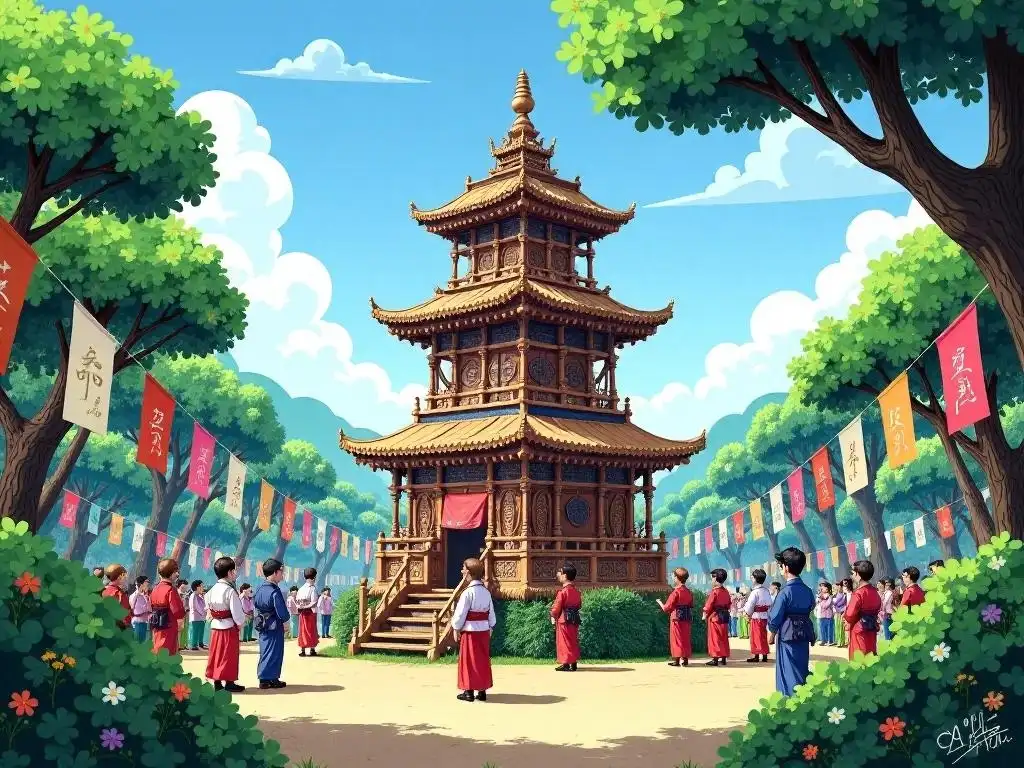
Festivals in feudal Japan played a crucial role in reflecting and reinforcing class distinctions within society. These events not only celebrated seasonal changes and local deities but also served as platforms for showcasing power dynamics among the various social classes. By examining specific festivals, we can gain insights into how these celebrations mirrored the hierarchical structure of feudal society.
The Gion Matsuri: A Reflection of Elite Power
The Gion Matsuri, held annually in Kyoto, is one of Japan's most famous festivals, traditionally associated with the purification of the city and the warding off of disease. Originating in the 9th century, this festival highlights the power of the aristocracy and the samurai class. The elaborate floats, known as yama and hoko, are constructed and paraded by various districts, symbolizing not only local pride but also the economic and social status of the sponsoring families.
The festival's grand processions and the involvement of affluent families showcase their wealth and influence. Each float is ornately decorated, often featuring intricate craftsmanship that emphasizes the skills and resources available only to the elite. The Gion Matsuri thus serves as a vivid representation of class power, with the upper class asserting their dominance through the display of opulence and social connections.
The Aoi Matsuri: Royal and Samurai Connections
Another significant festival, the Aoi Matsuri, held in May, is steeped in royal tradition and samurai connections. This festival dates back to the Heian period and is characterized by its procession from the Imperial Palace to the Kamo Shrines. Participants don exquisite costumes that reflect the style of the Heian court, emphasizing the deep-rooted connections between the imperial family and the samurai class.
The Aoi Matsuri not only reaffirms the legitimacy of the ruling class but also highlights the relationship between the emperor and the samurai. The involvement of high-ranking samurai in the festival symbolizes their loyalty to the emperor, reinforcing the hierarchical structure of feudal society. The festival's rituals, centered around agricultural blessings, further illustrate the intertwined nature of political power and social order in Japan's feudal era.
The Impact of Agricultural Festivals on Peasant Class
Agricultural festivals, such as the Niiname-sai, played a vital role in the lives of the peasant class. Celebrated annually, these festivals were dedicated to rice harvests, offering thanks to deities for bountiful crops. While these festivals provided a sense of community among peasants, they also highlighted their subordinate status within the feudal hierarchy.
During the Niiname-sai, local lords would often attend, showcasing their authority and control over the agricultural production of the region. The rituals performed during these festivals, including offerings of rice and other food items, served as a reminder of the peasants' dependence on their feudal lords. Although these events fostered a sense of solidarity among the peasantry, they simultaneously reinforced the existing class divisions by emphasizing the power dynamics inherent in the feudal system.
Festivals in feudal Japan were dual-edged; they fostered community spirit while simultaneously reinforcing social divisions. The interplay between unity and separation was a defining characteristic of these celebrations, shaping the social landscape of the era.
How Festivals Fostered Community Among Classes
Despite the rigid class structure, festivals occasionally provided opportunities for interaction among different social classes. Events like the Gion Matsuri invited participation from various strata of society, allowing for a temporary suspension of the usual social barriers. The communal aspect of festivals encouraged collaboration among locals, as they worked together to prepare for the celebrations.
Moreover, these gatherings fostered a sense of belonging and shared cultural identity, transcending class distinctions to some extent. Peasants, artisans, and merchants would come together to celebrate, creating a unique blend of social interactions that could momentarily diminish the strict class divisions imposed by the feudal system.
The Role of Festivals in Reinforcing Class Divisions
Conversely, festivals also served to solidify existing class divisions. The ornate displays of wealth and power by the elite during events like the Aoi Matsuri contrasted sharply with the simpler, more modest celebrations of the peasantry. This division was not merely aesthetic; it was deeply rooted in the socio-economic realities of the time.
The rituals and practices associated with festivals often reflected the values and priorities of the ruling class, reinforcing their dominance and the subordinate status of lower classes. The visibility of wealth and privilege during these events functioned as a constant reminder of the social hierarchy, ensuring that class distinctions remained firmly entrenched within the cultural fabric of feudal Japan.
Modern Perspectives on Japanese Feudal Festivals and Rituals
In contemporary Japan, the significance of feudal festivals and rituals is often revisited through a modern lens, where historical practices are appreciated not only for their cultural heritage but also for their role in shaping societal values and class distinctions. These festivals serve as a bridge between the past and present, allowing modern society to reflect on the hierarchical structures that have influenced Japanese culture throughout history. Many of these festivals have been preserved or adapted to fit modern sensibilities, blending traditional practices with contemporary themes. This evolution highlights ongoing societal dialogues about class, identity, and community engagement.
The Evolution of Festivals in Contemporary Japan
The transformation of Japanese festivals from their feudal origins to the present day is marked by a shift in their purposes and the audiences they serve. While many festivals continue to celebrate regional deities and agricultural cycles, their emphasis has increasingly turned toward community bonding and cultural tourism.
- Preservation Efforts: Various organizations work to maintain the authenticity of these festivals, ensuring that traditional rituals are performed accurately to honor their historical roots.
- Adaptation for Modern Audiences: Festivals such as the Gion Matsuri in Kyoto or the Aoi Matsuri have adapted by incorporating elements that appeal to younger generations and tourists. This includes modern performances, food stalls, and interactive experiences that engage attendees.
- Cultural Exchange: Many festivals now invite international participation, fostering a dialogue between Japan and the global community. This exchange offers insights into Japan’s rich cultural tapestry while also challenging traditional class perceptions.
Despite these changes, the remnants of feudal class distinctions remain evident, as certain rituals and privileges are still reserved for specific social classes, reflecting the historical hierarchies that once dominated the landscape.
Lessons from Feudal Festivals for Understanding Class Today
The examination of feudal festivals provides valuable lessons for contemporary society regarding the persistence of class distinctions.
- Understanding Hierarchies: Many modern festivals still echo the structures of the past, where certain roles and responsibilities are assigned based on social standing. For instance, positions of honor during rituals often reflect historical hierarchies, reminding us of the enduring nature of class distinctions.
- Cultural Significance: The rituals associated with these festivals often highlight the values and beliefs of different classes, offering insights into the evolving nature of social identity in Japan.
- Community vs. Individualism: The communal aspect of festivals, while encouraging unity, can also serve to reinforce class divisions by showcasing the privileges of the elite during celebrations. Observing these dynamics can deepen our understanding of how class operates within modern Japanese society.
Conclusion: The Lasting Legacy of Festivals and Rituals in Class Distinctions
The legacy of Japanese feudal festivals and rituals is profound, as they continue to influence societal norms and class structures in contemporary Japan. While these celebrations have adapted over time, their historical roots remain deeply embedded in cultural practices, providing a lens through which to examine social hierarchies.
The Enduring Influence of Japanese Feudal Festivals on Society
Japanese feudal festivals have left an indelible mark on societal structures and cultural practices. The rituals associated with these festivals serve not only to commemorate historical events but also to reinforce community bonds and social stratification.
- Symbolism in Rituals: The rituals often symbolize the relationship between the ruling class and the common people, illustrating how power dynamics are perpetuated through cultural practices.
- Cultural Identity: Festivals contribute to a shared cultural identity, yet they also highlight the distinctions between different social classes, reminding participants of their place within the societal framework.
Reflection on the Cultural Heritage of Class Distinctions in Japan
As Japan continues to navigate its historical legacy, the cultural heritage derived from feudal festivals prompts reflection on the complexities of class distinctions.
- Historical Awareness: Understanding the origins and evolution of these festivals encourages a deeper appreciation of Japan’s historical narrative, particularly how it informs contemporary societal norms.
- Reevaluation of Class: By recognizing the influence of these rituals, modern society can engage in meaningful conversations about class and its implications, fostering a more inclusive approach to cultural heritage that honors the past while looking towards the future.
The role of festivals and rituals in reinforcing class distinctions during the feudal era remains relevant today, offering opportunities for reflection and dialogue about the ongoing impact of history on contemporary society.
- Introduction to Japanese Feudal Festivals and Rituals
- Historical Context of Class Structure in Feudal Japan
- Japanese Feudal Festivals: An Overview
- Rituals and Their Role in Class Reinforcement
- Case Studies of Notable Festivals and Their Class Implications
- The Impact of Festivals on Social Cohesion and Division
- Modern Perspectives on Japanese Feudal Festivals and Rituals
- Conclusion: The Lasting Legacy of Festivals and Rituals in Class Distinctions
- What were the primary festivals and rituals during the Japanese feudal era?
- How did festivals reinforce class distinctions in feudal Japan?
- What is the significance of rituals in relation to social order?
- How did religion influence festivals and rituals in feudal Japan?
- Are any of these festivals still celebrated today in modern Japan?
Frequently Asked Questions
What were the primary festivals and rituals during the Japanese feudal era?
Festivals and rituals such as Shinto ceremonies, seasonal festivals, and Buddhist observances played a crucial role in Japanese feudal society, reflecting the cultural values and class distinctions of the time.
How did festivals reinforce class distinctions in feudal Japan?
Festivals often showcased the privileges of the ruling class, with elaborate celebrations reserved for nobility, while the commoners participated in simpler, community-focused events, highlighting the hierarchical structure of society.
Rituals were essential in maintaining social order by promoting loyalty to the ruling class and reinforcing the status quo, thus ensuring that each class understood its role within the feudal system.
How did religion influence festivals and rituals in feudal Japan?
Religion played a pivotal role in shaping festivals and rituals, intertwining Shinto and Buddhist practices, which were used to seek divine favor and legitimize the authority of the ruling classes.
Are any of these festivals still celebrated today in modern Japan?
Yes, many traditional festivals have been preserved and are still celebrated today, though they may have evolved over time, reflecting both their historical significance and the modern context of Japanese society.
Final Reflection: The Enduring Legacy of Class Distinctions in Japanese Festivals
The exploration of Japanese feudal festivals and rituals reveals their profound influence on societal structures, emphasizing how these cultural practices have historically reinforced class distinctions. Today, as we navigate a world increasingly aware of social hierarchies, the lessons from these festivals remind us that cultural expressions can both unite and divide. The intricate layers of tradition embedded in these events serve as a mirror reflecting the complexities of our own societal dynamics.
Cultural rituals and festivals are not merely celebrations; they are powerful narratives that shape our understanding of identity and belonging. The ongoing influence of these practices can be seen in contemporary Japan, where remnants of feudal class systems still resonate in social interactions and community events. As noted by cultural historian Yujiro Nakamura, Festivals are the pulse of society, revealing the underlying currents of power and privilege that persist through generations.
This observation underscores the importance of recognizing how historical contexts continue to inform our present-day experiences and social structures.
As we reflect on the role of festivals and rituals in reinforcing class distinctions, I invite you to consider your own relationship with cultural practices. How do the traditions you participate in shape your understanding of community and identity?
Let this be a moment to engage with the complexities of your cultural landscape, acknowledging both the beauty and the challenges that arise from these shared experiences. By doing so, we can foster a deeper awareness of our societal fabric and work towards a more inclusive future, where the lessons of the past guide us in creating a more equitable society.
Embrace the Richness of Cultural Celebrations!
Thank you for taking the time to explore the fascinating interplay between festivals, rituals, and social hierarchies in historical contexts. You've gained valuable insights into how these cultural markers shaped societal structures—now it's time to take action!
Here are a few ways you can deepen your appreciation and engagement:
- Join a local festival or cultural event to experience firsthand the vibrancy and traditions that bring communities together.
- Share your insights about this topic with friends or on social media—what aspects of cultural practices resonate with you the most?
- Explore further! Dive into historical texts or documentaries that reveal more about how rituals influenced social dynamics.
As you contemplate these actions, ask yourself: How do you think modern celebrations reflect or challenge social hierarchies in today’s society? Your thoughts could spark a meaningful discussion!