
Cultural Festivals as a Reflection of Regional Identities in Japan

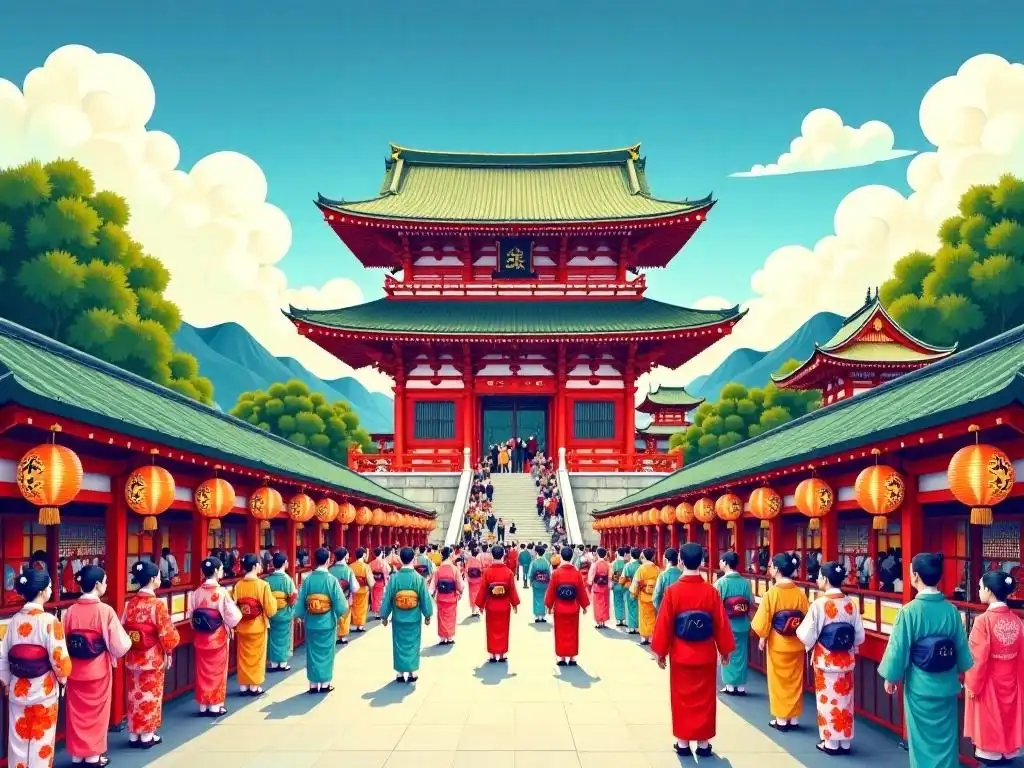
Welcome to Feudal Japan History, where we embark on a fascinating journey through the captivating tapestry of Japan's feudal era. Here, you will discover how cultural festivals serve as a vibrant reflection of regional identities, each celebration steeped in rich history and tradition. Have you ever wondered how these festivals have shaped the cultural landscape of Japan?
Dive deeper into our article on "Cultural Festivals as a Reflection of Regional Identities in Japan," and uncover the stories, rituals, and societal significance that make these events truly unique. Prepare to be inspired and enlightened as you explore the intricate connections between culture and community in this enchanting period of history!
- Introduction to Japan's Cultural Festivals History
- Historical Context of Japan's Cultural Festivals
- Major Categories of Cultural Festivals in Japan
- Regional Spotlight: Cultural Festivals and Regional Identities
- Key Elements That Define Japan's Cultural Festivals
- The Role of Cultural Festivals in Contemporary Japan
- Conclusion: The Lasting Legacy of Japan's Cultural Festivals
- Additional Resources
-
Frequently Asked Questions
- What are the main themes of the article "Cultural Festivals as a Reflection of Regional Identities in Japan"?
- How do cultural festivals in Japan reflect regional identities?
- What historical significance do these festivals hold in Japan?
- How do cultural festivals contribute to Japan's tourism industry?
- What role do local communities play in maintaining these cultural festivals?
- Final Reflection: Celebrating Identity Through Japan's Cultural Festivals
- Embrace the Richness of Japan's Cultural Heritages!
Introduction to Japan's Cultural Festivals History
Japan's cultural festivals, known as matsuri, are vibrant celebrations that serve as a window into the nation's rich historical tapestry. These events, deeply rooted in local traditions, showcase the diversity and uniqueness of regional identities across the archipelago. From the lively parades of the Gion Matsuri in Kyoto to the solemn rituals of the Jingu Matsuri in Ise, each festival reflects the customs, beliefs, and historical narratives of its specific locale.
Understanding the evolution of these cultural festivals provides not only insight into Japan's past but also highlights the interplay between cultural heritage and contemporary society. As we delve into the significance of these festivals, we will uncover how they embody the essence of community spirit, regional pride, and the preservation of cultural heritage that has endured through centuries.
The Importance of Cultural Festivals in Japanese Society
Cultural festivals play a crucial role in Japanese society, offering a space for communal engagement and cultural expression. These events are more than mere celebrations; they are integral to the social fabric, fostering a sense of belonging and continuity among participants. The importance of cultural festivals can be summarized in several key points:
- Community Cohesion: Festivals bring together individuals from various backgrounds, creating a sense of unity and shared identity. This is especially vital in rural areas where traditions might be at risk of fading.
- Cultural Preservation: Many festivals are steeped in historical significance, often rooted in Shinto or Buddhist practices. They serve as a means to pass down customs and narratives from one generation to the next.
- Economic Impact: Cultural festivals also contribute significantly to local economies, attracting tourists and generating revenue for small businesses. For instance, the Sapporo Snow Festival draws millions of visitors, boosting the local tourism industry.
- Artistic Expression: Festivals often feature traditional performances, crafts, and culinary delights, showcasing the region's artistic heritage and promoting local artisans.
Overview of Regional Identities in Japan
Japan is a tapestry of diverse regional identities, each characterized by its own unique cultural practices, dialects, and traditions. The country's geography, historical events, and local resources have greatly influenced these identities, which are vividly expressed through their respective festivals.
- Geographical Influence: The natural landscape, including mountains, rivers, and seas, shapes local traditions. For example, coastal regions may celebrate sea-related festivals, while mountainous areas might focus on harvest rituals.
- Historical Context: Many regional identities have been shaped by historical events, such as the influence of samurai culture in certain areas or the impact of trade routes on local customs.
- Cultural Exchange: Over centuries, various regions have experienced cultural exchanges, leading to the fusion of traditions and the creation of unique festival practices. This blending is evident in festivals like the Nebuta Matsuri in Aomori, which incorporates elements from both local and foreign influences.
Cultural festivals in Japan are not only a celebration of traditions but also a reflection of the intricate regional identities that make up the nation's cultural landscape. Through these festivals, the unique stories of Japan's diverse locales come to life, offering an engaging exploration of the past and present.
Historical Context of Japan's Cultural Festivals
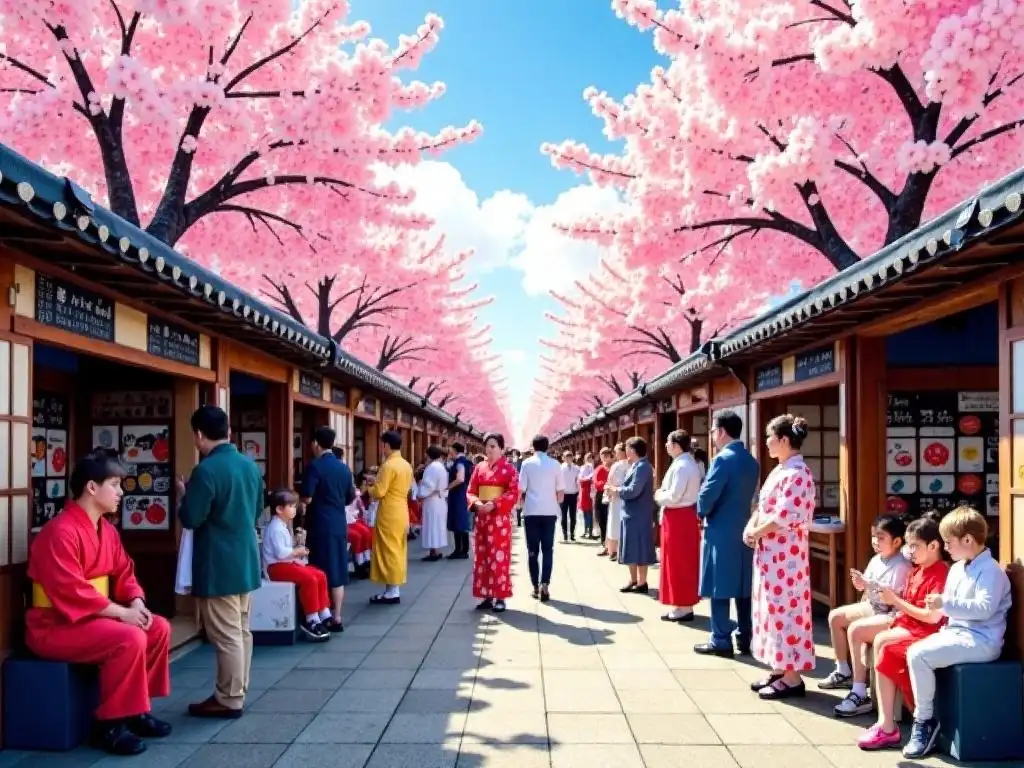
The Evolution of Japan's Cultural Festivals Through the Ages
Japan's cultural festivals, or matsuri, have a rich history that reflects the evolution of society, spirituality, and local customs over centuries. These festivals can be traced back to ancient times, where they initially served agrarian purposes, celebrating harvests and invoking blessings for bountiful crops. The Shinto belief system played a crucial role in the establishment of these early festivals, as the Japanese people sought to honor their kami (spirits) through rituals and offerings.
As Japan transitioned through various historical periods, such as the Nara (710-794) and Heian (794-1185) periods, the nature of these festivals began to shift. The influence of Buddhism, which arrived from the continent, introduced new elements to festivals, merging Shinto practices with Buddhist rituals. This fusion resulted in a variety of regional celebrations that highlighted local deities, community identities, and seasonal changes.
Moving into the Edo period (1603-1868), Japan witnessed a significant transformation in cultural festivals. The Edo period was characterized by urbanization and population growth, leading to the emergence of elaborate festivals in towns and cities. Festivals like the Gion Matsuri in Kyoto and the Kanda Matsuri in Edo (Tokyo) became grand events that showcased local traditions, artistry, and communal spirit. These festivals often included parades featuring intricately designed floats, traditional music, and dance performances.
The Meiji Restoration in 1868 brought about modernization and Western influences, which also affected cultural festivals. While some traditional aspects were preserved, new themes and practices emerged, reflecting Japan's rapid industrialization. This period saw festivals becoming more inclusive and accessible, with greater participation from diverse social classes and communities.
Today, Japan's cultural festivals continue to evolve, incorporating modern elements while maintaining their historical roots. These festivals are now celebrated not only for their cultural significance but also as a means of tourism, attracting visitors from around the globe eager to experience authentic Japanese traditions.
Influence of Feudalism on Cultural Festival Practices
Feudalism significantly shaped the cultural landscape of Japan, and its influence is particularly evident in the practices surrounding cultural festivals. During the feudal era, which lasted from the late 12th century until the 19th century, the social structure was defined by a hierarchy of lords (daimyō), samurai, and peasants. This stratification had profound implications for how festivals were organized and performed.
1. Patronage of the Samurai Class:
The samurai class played a pivotal role in the patronage of cultural festivals. Many festivals were organized to honor local deities, with the samurai often funding these events to display their power and influence within their domains. This patronage not only served to strengthen their status but also fostered community loyalty and cohesion. For instance, the Mikoshi (portable shrines) carried during festivals were sometimes provided by samurai families, symbolizing their connection to both the spiritual and physical realms.
2. Festivals as a Means of Control:
Feudal lords utilized festivals as a means of social control and stability. By sponsoring elaborate celebrations, they could distract the populace from potential grievances and promote a sense of unity among their subjects. Festivals often included traditional games, contests, and theatrical performances, which served to strengthen community ties and reinforce the social order.
3. Regional Variations Reflecting Local Identity:
Feudalism also contributed to the diversity of cultural festivals across Japan. Different regions developed unique traditions and customs, often influenced by local resources, agricultural practices, and historical events. For example, the Aoi Matsuri in Kyoto reflects the Heian period's aristocratic culture, while the Nebuta Matsuri in Aomori showcases the region's agricultural heritage and folklore. These regional identities became integral to the festivals' characters, solidifying the link between the local populace and their cultural heritage.
The interplay between feudalism and cultural festivals in Japan illustrates how societal structures can shape cultural expressions. The historical context of these festivals not only highlights their significance in local identities but also serves as a window into the broader narrative of Japan's feudal past. Understanding this relationship enriches our appreciation of the Japan cultural festivals history and their enduring relevance in contemporary society.
Major Categories of Cultural Festivals in Japan
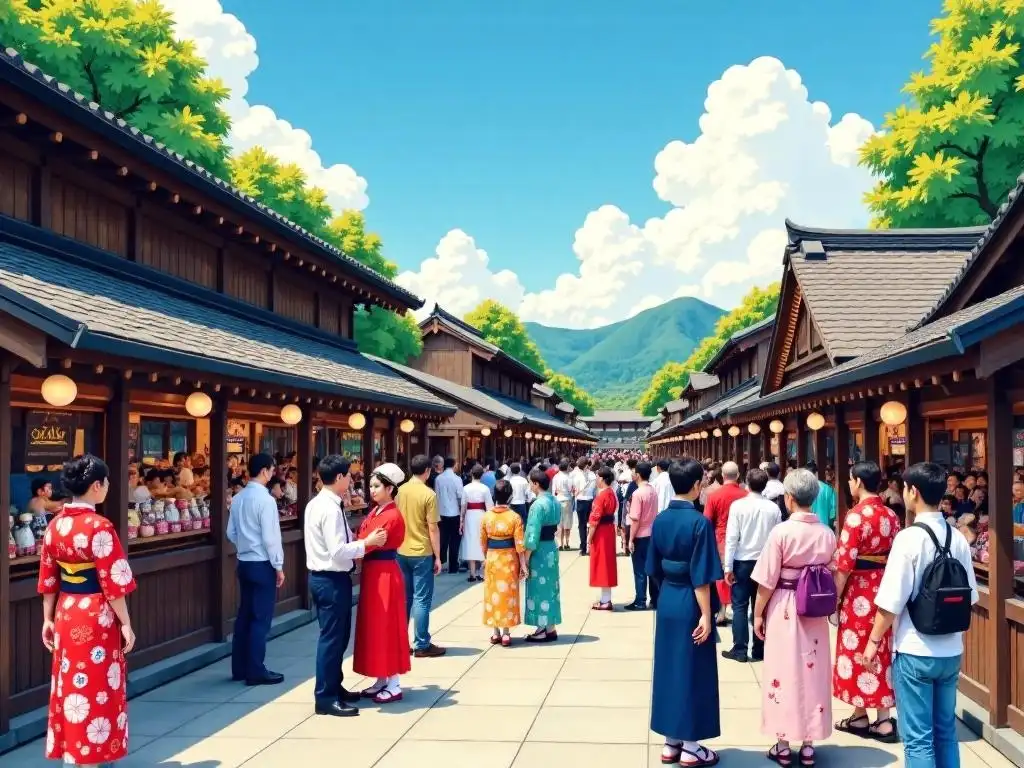
Japan's cultural festivals are vibrant expressions of regional identities, deeply rooted in history, tradition, and communal values. They can be categorized into three major types: religious festivals, seasonal festivals, and historical reenactments. Each category showcases unique facets of Japan’s rich cultural tapestry, reflecting local customs and the intertwined nature of community and spirituality.
Religious Festivals: Shinto and Buddhist Influences
Religious festivals, known as matsuri, are significant events that celebrate the spiritual beliefs of the Japanese people. These festivals often revolve around Shinto and Buddhist traditions, where deities and ancestral spirits are honored.
- Shinto Festivals:
- Gion Matsuri: Held in Kyoto, this month-long festival in July venerates the local deities and is famous for its grand processions of floats, known as yamaboko.
- Kanda Matsuri: Celebrated in Tokyo every two years, this festival honors the Kanda Myojin Shrine and features parades with portable shrines ( mikoshi), showcasing the community's devotion.
- Buddhist Festivals:
- Obon: A time for honoring deceased ancestors, this festival occurs in mid-August. Families often visit graves, light lanterns, and hold dances ( bon odori) to guide spirits back to the world of the living.
- Higan: Celebrated during the equinoxes, this festival encourages reflection on the cycle of life and death, with special offerings made at temples and family altars.
Religious festivals serve not only as spiritual observances but also as community bonding experiences, reinforcing local identities through shared rituals and celebrations.
Seasonal Festivals: Celebrating Nature and Agriculture
Seasonal festivals in Japan are intrinsically linked to the agricultural calendar, reflecting the profound respect for nature and the changing seasons. These festivals celebrate harvests, seasonal changes, and the beauty of the natural world.
- Hanami:
- A cherished spring tradition, hanami involves enjoying the fleeting beauty of cherry blossoms. Communities gather under blooming sakura trees for picnics, celebrating the arrival of spring and the transient nature of life.
- Tanabata:
- Celebrated in July, this festival commemorates the meeting of two celestial lovers, Orihime and Hikoboshi. Participants write wishes on colorful strips of paper and hang them on bamboo, creating a stunning visual representation of hopes and dreams.
- Shichi-Go-San:
- This autumn festival honors the growth of children aged three, five, and seven. Families dress their children in traditional attire, visit shrines, and celebrate their health and happiness, reinforcing familial bonds and cultural heritage.
Seasonal festivals not only mark significant moments in the agricultural calendar but also foster appreciation for nature’s beauty and cycles, strengthening the connection between communities and their environment.
Historical Reenactments: Preserving Feudal Traditions
Historical reenactments play a crucial role in preserving Japan's feudal traditions, allowing communities to connect with their heritage and educate younger generations. These festivals are often steeped in local lore and historical significance.
- Kamakura Matsuri:
- Celebrated in the historical town of Kamakura, this festival revives the spirit of the Kamakura period (1185-1333) through parades of samurai, traditional music, and art exhibitions that showcase feudal culture.
- Nara Tokae:
- This event illuminates Nara’s rich history with thousands of lanterns lit throughout the city, creating a magical atmosphere that echoes the grandeur of the Nara period (710-794). The festival emphasizes the importance of historical awareness and cultural continuity.
- Jidai Matsuri:
- Held in Kyoto, this festival features a grand procession that spans several centuries of Japanese history, with participants dressed in period costumes representing various eras, from the Heian period to the Edo period. It emphasizes the region's historical legacy and cultural evolution.
By reenacting historical events, these festivals not only celebrate Japan's feudal past but also provide insight into the values, traditions, and social structures that have shaped contemporary Japanese society.
Through these diverse categories of cultural festivals, we can appreciate how Japan’s cultural festivals history encapsulates regional identities, spirituality, and the enduring legacy of feudal traditions, enriching the social fabric of the nation.
Regional Spotlight: Cultural Festivals and Regional Identities
Festivals in Hokkaido: Blending Traditions and Modern Influences
Hokkaido, Japan's northernmost island, is known for its stunning natural landscapes and rich cultural heritage, which are vividly reflected in its regional festivals. Prominent among these is the Sapporo Snow Festival, held annually in February. This festival showcases breathtaking ice and snow sculptures, attracting millions of visitors each year. The festival's origins date back to 1950, when local students built snow statues in Odori Park. Today, it has evolved into a grand event featuring intricate sculptures, live performances, and food stalls, thereby blending traditional winter celebrations with modern tourism appeal.
Key Highlights of Hokkaido Festivals:
- Sapporo Snow Festival:
- Location: Sapporo
- Time: February
- Features: Snow and ice sculptures, light displays, local cuisine
- Yuki Matsuri:
- A smaller winter festival celebrating local culture, focusing on community spirit.
Hokkaido's festivals often incorporate indigenous Ainu traditions, emphasizing the island’s unique cultural identity. The Ainu Matsuri, celebrated in various locations, showcases traditional Ainu music, dance, and crafts. This festival not only highlights the Ainu heritage but also promotes cultural understanding and preservation in contemporary society.
Kyoto's Gion Matsuri: A Deep Dive into Historical Significance
The Gion Matsuri, held in Kyoto throughout July, is one of Japan’s most famous festivals, deeply rooted in the history of the city. Its origins trace back to the 9th century as a purification ritual to appease the gods during an outbreak of plague. Over time, it has transformed into a vibrant celebration of Kyoto's cultural heritage, featuring elaborate floats known as yamaboko.
Historical Aspects of Gion Matsuri:
- Yamaboko Junko:
- The grand procession of floats occurs on July 17, showcasing the craftsmanship and artistry of Kyoto artisans.
- Kamo Shrine:
- The festival is closely associated with the Kamo Shrine, highlighting its significance in local spiritual life.
The Gion Matsuri also reflects Kyoto's regional identity through its neighborhood participation. Each yamaboko is decorated by local districts, fostering a sense of community pride and collaboration. This festival not only serves as a cultural showcase but also reinforces the city's historical narratives and traditions.
Osaka's Tenjin Matsuri: Celebrating Water and Heritage
Osaka's Tenjin Matsuri, celebrated on July 24 and 25, is one of Japan's three great festivals, dedicated to Sugawara no Michizane, the deity of scholarship. The festival uniquely combines land and river processions, embodying the city's deep connection to water as a source of life and prosperity.
Features of Tenjin Matsuri:
- Land Procession:
- Involves elaborate floats and traditional music, parading through the streets of Osaka.
- River Procession:
- A boat procession on the Yodogawa River, featuring decorated boats and fireworks, creating a spectacular visual display.
The Tenjin Matsuri is not only a tribute to education and scholarship but also a celebration of Osaka's maritime heritage. The festival's activities, including traditional dances and performances, highlight local customs and foster community engagement. This event encapsulates Osaka's vibrant cultural identity while showcasing its historical significance in Japan's feudal past.
Through these diverse festivals, each region of Japan expresses its unique identity and historical narratives, making cultural festivals a vital aspect of the country's heritage. Understanding the Japan cultural festivals history allows visitors and locals alike to appreciate the rich tapestry of traditions that continue to shape Japan's societal landscape today.
Okinawa's Eisa Festival: Cultural Fusion and Identity
The Eisa Festival, celebrated in Okinawa during the Obon season, is a vibrant manifestation of the island's unique cultural identity. This festival, which honors the spirits of ancestors, showcases a blend of traditional Okinawan dance, music, and the influences of various cultural interactions that have shaped the region over centuries. As a significant event in Okinawa's cultural calendar, it draws attention not only from locals but also from tourists eager to experience this colorful celebration.
The origins of the Eisa Festival can be traced back to the Ryukyu Kingdom, where it was initially performed as a ritual to welcome the spirits of the deceased during the Obon, a Buddhist tradition observed across Japan. The festival has evolved over time, incorporating elements from various cultures, including influences from Chinese and Japanese traditions, as well as the indigenous practices of the Okinawan people. This cultural fusion is evident in the lively performances that feature traditional instruments like the sanshin (a three-stringed instrument), drums, and vibrant costumes, which often reflect the island's rich history and agricultural roots.
Eisa performances typically involve groups of dancers who move in sync while playing music, creating a dynamic and engaging atmosphere. Each performance is characterized by energetic dance styles that vary from village to village, showcasing distinct local identities. This diversity in interpretation allows different communities to express their individual cultural heritage while contributing to the collective identity of Okinawa. The festival not only reinforces local traditions but also serves as a reminder of the island's resilience and adaptability in the face of historical challenges, including colonization and cultural assimilation.
In recent years, the Eisa Festival has gained international recognition, with performances being held outside of Okinawa, allowing a broader audience to appreciate this unique cultural expression. This expansion reflects a growing awareness and appreciation of Okinawa's distinct identity within the broader context of Japanese culture. As a result, the festival has become an important cultural ambassador for Okinawa, fostering connections between local communities and the global audience while preserving its rich heritage.
The Eisa Festival is a profound representation of Okinawa's cultural identity, illustrating the region's historical influences and its ongoing evolution. Through its vibrant performances and communal spirit, the festival not only honors the ancestors but also solidifies the bonds within the community, showcasing the beauty of cultural fusion that defines Okinawa today.
Key Elements That Define Japan's Cultural Festivals
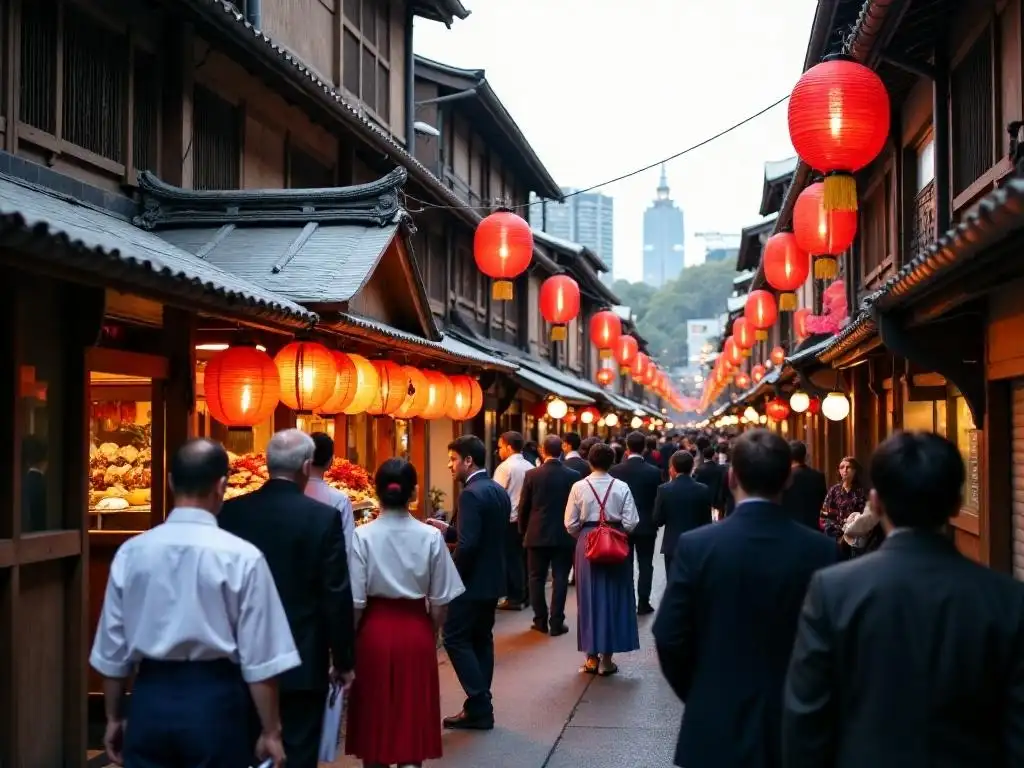
Japan's cultural festivals, or matsuri, serve as vibrant reflections of the nation’s rich history, traditions, and regional identities. These festivals are often characterized by specific elements that highlight the uniqueness and diversity of local cultures. Understanding these key components provides insights into how Japan's cultural festivals contribute to the preservation of heritage and community bonds.
Traditional Attire: Kimono and Its Role in Festivals
One of the most visually striking aspects of Japan's cultural festivals is the traditional attire, particularly the kimono. The kimono is more than just clothing; it is a symbol of Japan's cultural heritage and craftsmanship.
- Variety of Styles: There are many types of kimonos, each suited for different occasions. For festivals, vibrant colors and intricate patterns are common, reflecting the festive spirit.
- Yukata: A casual summer kimono, often worn during summer festivals.
- Furisode: A formal kimono with long sleeves, typically worn by young unmarried women.
The choice of kimono can signify various aspects of the wearer’s identity, such as age, marital status, and even the specific festival being celebrated.
Wearing a kimono during festivals connects individuals to their cultural roots, reinforcing community ties and celebrating shared heritage.
Unique Culinary Experiences: Festival Foods and Their Significance
Food plays a crucial role in Japan's cultural festivals, offering unique culinary experiences that reflect local ingredients and traditions. Each region often boasts its own specialty dishes, creating an array of flavors that are integral to the festival atmosphere.
- Street Food Culture: Festivals are famous for their street food stalls, where visitors can indulge in various delicacies.
- Takoyaki: Octopus balls, particularly popular during summer festivals.
- Yakisoba: Stir-fried noodles served with a variety of toppings.
- Symbolic Dishes: Many festival foods carry symbolic meanings, representing prosperity, happiness, or protection.
- Kushi-katsu: Skewered and fried meat, often enjoyed during the Kushikatsu Matsuri in Osaka, symbolizes good fortune.
These culinary experiences not only satisfy the palate but also foster a sense of community as families and friends gather to enjoy meals together, reinforcing social bonds.
Art and Performance: Theatrical Expressions in Festivals
Artistic expressions through performance are at the heart of Japan's cultural festivals, showcasing the country's rich artistic heritage. From traditional theater to dance, these performances are vital in narrating historical tales and regional stories.
- Theatrical Forms: Various forms of theater are often incorporated into festivals:
- Kabuki: A classical Japanese dance-drama known for its stylization and elaborate makeup.
- Noh: A highly stylized form of drama that combines music, dance, and acting, often performed in traditional costumes.
- Dances and Parades: Festivals frequently feature local dances, which can vary significantly from region to region.
- Awa Odori: A lively dance that celebrates the Obon festival, inviting participants to join in and celebrate with joyous movements.
These performances not only entertain but also serve as a medium for storytelling, conveying historical narratives and cultural values. By participating in these artistic expressions, festival-goers connect with their heritage and contribute to the ongoing narrative of Japan's cultural identity.
The key elements that define Japan's cultural festivals—traditional attire, unique culinary experiences, and artistic performances—collectively illustrate the depth of regional identities and the shared heritage that continues to thrive in modern Japan. Each festival is a testament to the enduring spirit of community, tradition, and cultural pride.
The Role of Cultural Festivals in Contemporary Japan
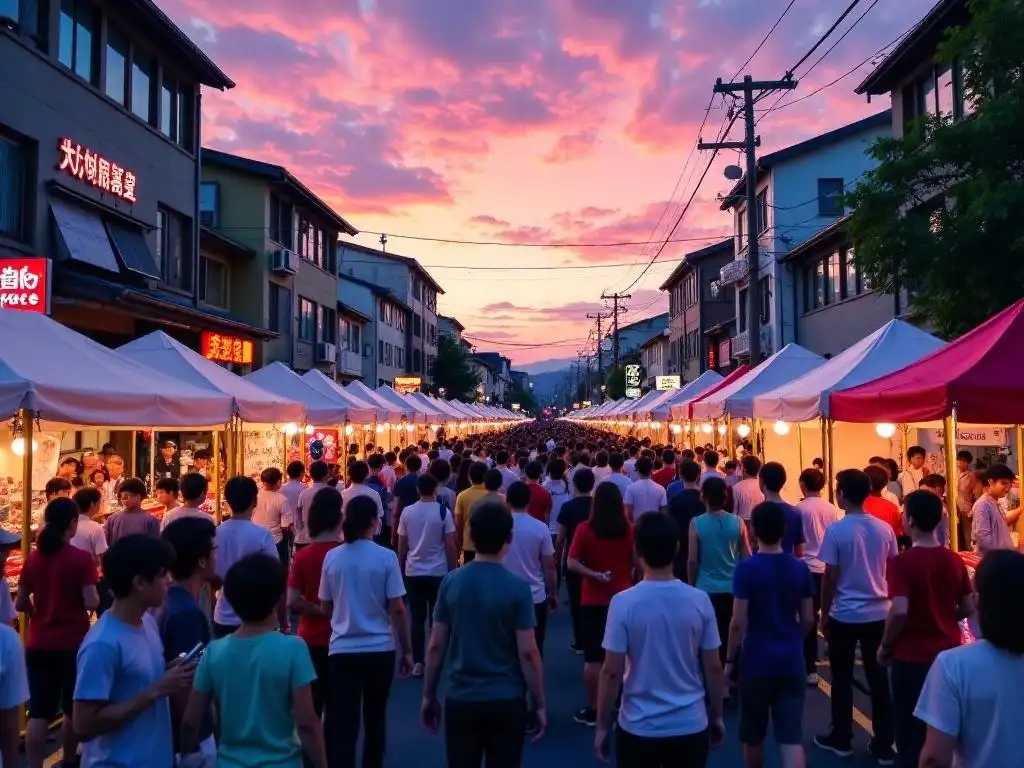
Cultural festivals in Japan serve as vibrant expressions of regional identities, playing a crucial role in contemporary society. These festivals are not merely events but are deeply intertwined with the history, traditions, and social fabric of the communities they represent. They provide a unique opportunity for locals and visitors alike to engage with Japan's rich cultural heritage.
Revitalization of Local Economies Through Festivals
Cultural festivals significantly contribute to the revitalization of local economies across Japan. These events attract thousands of visitors, generating substantial income for communities.
- Increased Tourism: Festivals often coincide with peak tourist seasons, drawing in both domestic and international travelers. For instance, the famous Gion Matsuri in Kyoto sees a surge in visitors, which benefits local businesses such as hotels, restaurants, and shops.
- Local Artisans and Vendors: Many festivals feature stalls run by local artisans, showcasing traditional crafts, food, and products. This not only provides a platform for local entrepreneurs but also encourages the preservation of traditional craftsmanship.
- Job Creation: The organization and execution of festivals require manpower, leading to temporary job opportunities for locals. This can be particularly beneficial in rural areas where employment options may be limited.
| Economic Impact Aspect | Description |
|---|---|
| Visitor Spending | Tourists spend money on accommodation, food, and souvenirs. |
| Local Business Support | Increased foot traffic helps sustain local businesses. |
| Employment Opportunities | Temporary jobs created for festival staff and vendors. |
The interplay of these factors showcases how cultural festivals are not just celebrations; they are vital economic engines that breathe life into communities.
Festivals as a Tool for Cultural Preservation and Education
Cultural festivals play an instrumental role in the preservation and education of Japan's rich heritage. They serve as living history lessons, allowing participants to experience traditions firsthand.
- Cultural Transmission: Through various performances, such as traditional dances, rituals, and music, festivals transmit cultural knowledge from one generation to the next. For example, the Nebuta Matsuri in Aomori not only entertains but also educates participants about the region's history and legends.
- Community Engagement: Festivals often involve the entire community, encouraging participation from all age groups. This fosters a sense of belonging and pride in local traditions, ensuring that these customs are maintained and celebrated.
- Visitor Education: Tourists attending these festivals gain a deeper understanding of Japan's cultural diversity. Many events include workshops or demonstrations that provide insights into traditional practices, such as paper-making or kimono-wearing.
Festivals are a bridge connecting the past and the present, allowing us to celebrate our heritage while educating others.
– Anonymous
Impact of Tourism on Japan’s Cultural Festivals
The relationship between tourism and cultural festivals in Japan is complex and multifaceted. While tourism can enhance the visibility and funding of these events, it also poses certain challenges.
- Positive Aspects: Increased tourist attendance can lead to greater financial support for festivals, enabling organizers to enhance their offerings and improve overall quality. Popular festivals like the Sapporo Snow Festival have expanded due to tourist interest, showcasing elaborate ice sculptures and attracting millions each year.
- Cultural Dilution: However, there is a risk of cultural dilution when festivals become overly commercialized or tailored to tourist expectations. Local traditions might be altered or simplified to cater to a broader audience, which can lead to a loss of authenticity.
- Sustainability Concerns: The influx of tourists can place pressure on local resources and infrastructure, necessitating careful management to ensure that the cultural integrity of festivals is preserved while accommodating visitors.
| Challenge | Description |
|---|---|
| Commercialization | Risk of altering traditions to attract tourists. |
| Resource Strain | Increased visitor numbers can overwhelm local infrastructure. |
| Authenticity Loss | Traditional practices may be simplified for broader appeal. |
The balance between celebrating cultural heritage and managing tourism effectively is crucial for the continued success of Japan's cultural festivals. As these events evolve, they must strive to maintain their core values while embracing the opportunities that tourism brings.
Conclusion: The Lasting Legacy of Japan's Cultural Festivals
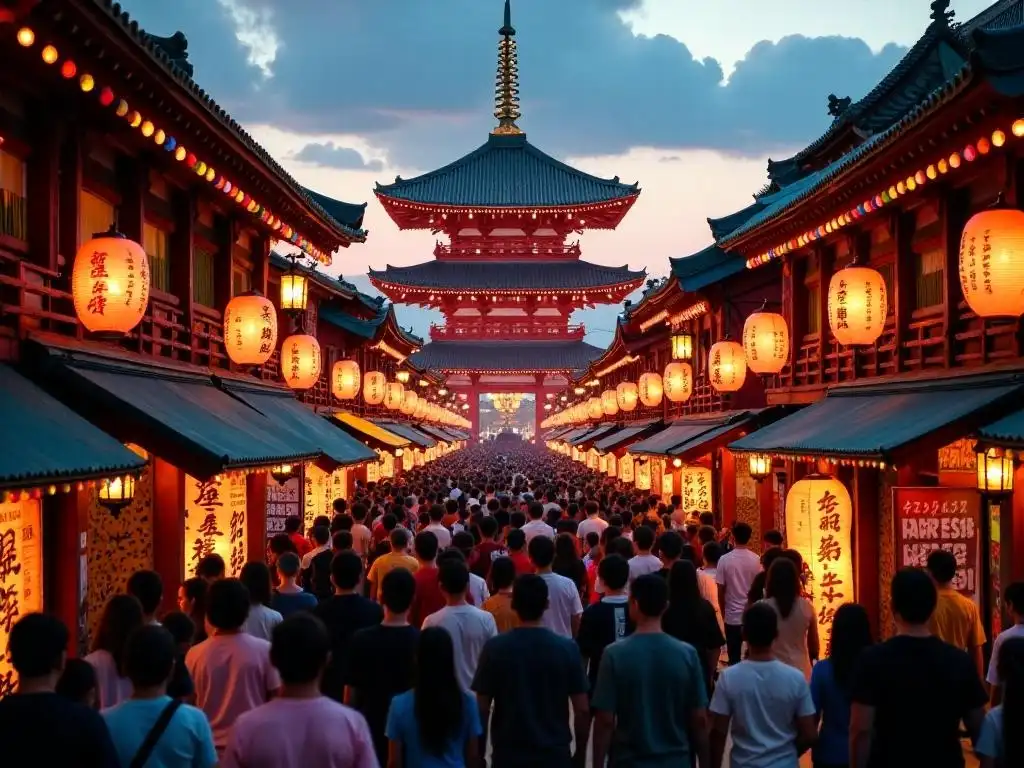
Japan's cultural festivals, or matsuri, serve as vibrant expressions of the country's diverse regional identities and historical narratives. These festivals have evolved over centuries, reflecting the various local traditions, agricultural practices, and spiritual beliefs that define distinct communities across Japan. The legacy of these events is not only rooted in their historical significance but also in their ability to adapt and thrive in contemporary society.
The intricate interplay of history, culture, and community engagement found in these festivals ensures that they remain relevant. For example, events like the Gion Matsuri in Kyoto, with its origins in the 9th century, continue to attract attention due to their elaborate parades and historical reenactments. Similarly, the Nebuta Matsuri of Aomori showcases stunning illuminated floats that tell both historical and mythical stories, embodying the region's cultural heritage.
As Japan moves forward, the preservation and promotion of these festivals are crucial. They not only foster a sense of community pride but also serve as a means of cultural transmission to younger generations. The sustainability of these festivals is increasingly being recognized, with local governments and organizations actively working to incorporate modern technology and practices while staying true to traditional roots.
Reflection on Regional Identities and Future Trends
Regional identities in Japan are vividly illustrated through the lens of cultural festivals. Each festival encapsulates the unique traditions, customs, and stories of its locality, often showcasing specific agricultural products, religious practices, or historical events. For instance:
- The Awa Odori Festival in Tokushima features traditional folk dances that celebrate the region's history and communal spirit.
- Tanabata Matsuri, celebrated in various regions, highlights the wish-making customs linked to the stars, often showcasing local artistic flair through colorful decorations.
As societal values shift, many festivals are adapting to modern trends while maintaining their historical essence. Innovative approaches may include:
- Incorporating technology such as live streaming to reach global audiences.
- Sustainability practices that use eco-friendly materials and promote local crafts.
- Cultural exchanges that invite international participation, fostering a deeper understanding of Japan's rich heritage.
The future of Japan's cultural festivals appears promising, with an increasing emphasis on inclusivity and cultural education. These trends not only enhance the festivals’ appeal to visitors but also strengthen community bonds, paving the way for a more interconnected cultural landscape.
Encouragement for Visitors to Experience Japan's Rich Festival Culture
For travelers seeking to immerse themselves in the local culture, attending a Japanese festival offers a unique opportunity to witness the vibrant tapestry of traditions that define regional identities. Visitors are encouraged to:
- Plan trips around major festivals, such as the Sapporo Snow Festival or the Takayama Matsuri, to experience these events at their peak.
- Engage with local communities, participate in traditional activities, and savor regional delicacies that are often showcased during festivals.
- Explore lesser-known festivals that may offer a more intimate glimpse into local customs and practices, providing a more authentic experience.
Experiencing Japan's cultural festivals is not just about observation; it is an invitation to participate in the rich narrative of a society steeped in history and tradition. By embracing these festivals, visitors contribute to the preservation of cultural heritage while creating lasting memories of their journey through Japan.
Japan's cultural festivals are a dynamic and essential part of the country's identity, reflecting the historical and cultural richness of its regions. Engaging with these festivals allows travelers to connect deeply with the soul of Japan, ensuring that the legacy of these celebrations continues to thrive for generations to come.
Additional Resources
Recommended Books on Japan's Cultural Festivals History
For those who wish to delve deeper into the fascinating world of Japan's cultural festivals, several books provide extensive insights into their historical significance, regional variations, and cultural implications. Here are some highly recommended titles:
-
"Festivals of Japan: A Guide to the Country's Cultural Events"
This comprehensive guide explores various festivals across Japan, detailing their origins, practices, and regional characteristics. Each festival is presented with vibrant descriptions and historical context.
-
"The Japanese Festival: A History and Cultural Guide"
This book offers a thorough analysis of the evolution of Japanese festivals, emphasizing their role in shaping community identities and social cohesion. It also addresses the impact of modernization on traditional celebrations.
-
"Celebrating Japan: A Cultural Guide to Festivals and Events"
This resource highlights major cultural festivals and events throughout Japan, providing insights into their meanings and the local customs associated with them. It serves as an excellent companion for travelers seeking to understand the cultural backdrop of each festival.
-
"Shinto Shrines and Festivals: The Heart of Japanese Culture"
Focusing on the spiritual aspect of festivals, this book discusses the connection between Shinto practices and various celebrations in Japan, exploring how religion intertwines with cultural identity.
-
"The Art of Japanese Festivals: Craftsmanship and Celebration"
This beautifully illustrated book showcases the artistic elements involved in festival preparations and performances, shedding light on the craftsmanship behind floats, costumes, and other festival artifacts.
Tours and Experiences: Exploring Japan's Cultural Festivals
Experiencing Japan's cultural festivals firsthand is a profound way to understand the country's diverse regional identities. Here are some notable festivals and associated tours that travelers should consider:
-
Gion Matsuri (Kyoto)
Held throughout July, this iconic festival features grand processions of floats and traditional music. Travelers can join guided tours that include visits to preparation sites and exclusive viewing spots during the parade.
-
Nebuta Matsuri (Aomori)
This vibrant summer festival, celebrated in early August, showcases stunning lantern floats and energetic performances. Local tour operators often offer packages that include accommodations and guided experiences during the festival.
-
Takayama Matsuri (Gifu)
Known for its beautifully decorated floats, this festival takes place in spring and autumn. Touristic experiences may include workshops on traditional crafts and local culinary tastings, providing a holistic view of the region's culture.
-
Oni Matsuri (Hiroshima)
This unique festival takes place in February, featuring traditional rituals and lively parades. Those interested can participate in local tours that explore the festival's history and significance within the community.
Useful Websites for Planning Festival Visits in Japan
When planning a trip to experience Japan's cultural festivals, the following websites are invaluable resources for information, travel tips, and festival schedules:
-
Japan National Tourism Organization (JNTO)
The official tourism website provides extensive information on festivals, including dates, locations, and cultural significance. It also offers practical travel advice and itineraries.
-
Japan Travel Guide
This site features articles on various festivals, travel tips, and user-generated content that can help travelers connect with local experiences and insights.
-
Local Tourism Boards
Many prefectures have their own tourism websites dedicated to local festivals. These websites often include event schedules, maps, and accommodation options, making them crucial for festival planning.
-
Social Media Platforms
Following relevant hashtags on platforms like Instagram or Twitter can provide real-time updates and insights from festival-goers, enhancing the travel experience through shared stories and visuals.
By utilizing these resources, travelers can deepen their understanding of Japan's cultural festivals and ensure an enriching experience that reflects the rich tapestry of regional identities across the country.
Frequently Asked Questions
What are the main themes of the article "Cultural Festivals as a Reflection of Regional Identities in Japan"?
The article explores regional identities through cultural festivals, highlighting their role in expressing local traditions, customs, and values across different areas of Japan.
How do cultural festivals in Japan reflect regional identities?
Cultural festivals serve as a showcase of regional identities, celebrating unique traditions and heritage that distinguish one area from another, thus fostering local pride and community unity.
What historical significance do these festivals hold in Japan?
These festivals are deeply rooted in Japanese history, often originating from ancient rituals and agricultural practices, providing insight into the evolution of societal norms and community values over time.
How do cultural festivals contribute to Japan's tourism industry?
Cultural festivals attract tourists by offering immersive experiences into Japan's heritage and traditions, promoting local economies while enhancing the cultural appreciation of visitors.
What role do local communities play in maintaining these cultural festivals?
Local communities are essential in preserving and celebrating their festivals, ensuring that traditional practices are passed down through generations, thus maintaining a sense of identity and continuity within the region.
Final Reflection: Celebrating Identity Through Japan's Cultural Festivals
Cultural festivals in Japan serve as vibrant expressions of regional identities, weaving together history, tradition, and community spirit. In an era where globalization often threatens to dilute local customs, these festivals stand as a testament to the resilience of cultural heritage. They remind us that our roots are not just remnants of the past but living narratives that shape our present and future.
The influence of these festivals extends beyond mere celebration; they foster a sense of belonging and pride within communities. Each festival encapsulates unique stories, traditions, and values that resonate with both locals and visitors alike. As the renowned Japanese author Haruki Murakami once said, The most important thing we learn at school is the fact that the world is full of mysteries.
This sentiment echoes in the way cultural festivals invite us to explore and appreciate the rich tapestry of Japan's diverse regional identities, encouraging a deeper understanding of the world around us.
As you reflect on the significance of cultural festivals, consider how they can inspire you in your own life. Embrace the diversity of your surroundings, seek out local traditions, and participate in celebrations that resonate with you. By engaging with cultural expressions, you not only honor the past but also contribute to the ongoing narrative of your community. Let us celebrate our identities and the stories that connect us, ensuring that the spirit of these festivals continues to thrive for generations to come.
Embrace the Richness of Japan's Cultural Heritages!
Thank you for taking the time to explore the vibrant world of cultural festivals in Japan! You've gained insights into how these celebrations beautifully mirror the unique regional identities of the country. Now, let’s deepen your connection to this fascinating topic and take some actionable steps together.
- Dive deeper into the cultural festivities by planning a visit to a local festival or even one in Japan. Experience the music, food, and traditions firsthand!
- Share your newfound knowledge with friends and family by hosting a gathering where you discuss and celebrate various Japanese festivals. You might even consider cooking a traditional dish to accompany your discussions!
- Join online communities or forums focused on Japanese culture; your insights and experiences could inspire others to appreciate these unique identities as well.
What aspect of Japan’s rich cultural festivals intrigues you the most, and how would you like to incorporate it into your own life?