
Unveiling the Secrets of Japan's Most Iconic Feudal Castles


Welcome to Feudal Japan History, where we invite you to embark on a fascinating journey through the mysterious corridors of Japan's feudal era. In our featured article, "Unveiling the Secrets of Japan's Most Iconic Feudal Castles," we delve into the hidden stories and architectural wonders of these majestic structures. What secrets lie within their ancient walls? How did they shape the cultural landscape of Japan? Prepare to be captivated as we uncover the mysteries that have stood the test of time. Your adventure into the heart of feudal Japan starts here—dare to explore further!
Introduction to Japan's Feudal Era Castles
Japan's feudal era, spanning from the late 12th century to the early 17th century, is a period rich in history, culture, and architectural marvels. Among the most captivating remnants of this time are the iconic castles that dotted the landscape, serving not just as military fortifications but also as symbols of power and prestige for the samurai lords who ruled over vast territories. These castles, often nestled within breathtaking natural surroundings, were intricate structures, representing the zenith of Japanese architectural design and defensive ingenuity.
As we delve into the secrets of these magnificent feudal castles, we uncover stories that echo the tumultuous battles, political intrigues, and vibrant cultural practices of the time. Each castle has its own unique narrative, reflecting the local customs and the artistic influences of the period. From the imposing stone walls of Himeji Castle to the elegant wooden structures of Matsumoto Castle, these sites are not merely historical landmarks; they are portals to a fascinating past that continues to intrigue both historians and travelers alike.
In this article, we will embark on a journey through some of Japan's most iconic castles, revealing their hidden secrets and discussing their significance within the broader context of the Japan feudal era. Prepare to explore the architectural wonders, learn about the notable figures who inhabited these fortresses, and discover the cultural practices that flourished within their walls. Whether you are a history enthusiast or a curious traveler, the secrets of Japan's feudal castles await your discovery!
- What are the main features of Japan's feudal era castles?
- Why are these castles significant in Japan's historical context?
- What are some of the secrets associated with these castles?
- How can visitors experience the cultural aspects of these castles today?
- Are there specific castles known for their unique secrets?
The Historical Significance of Feudal Castles in Japan
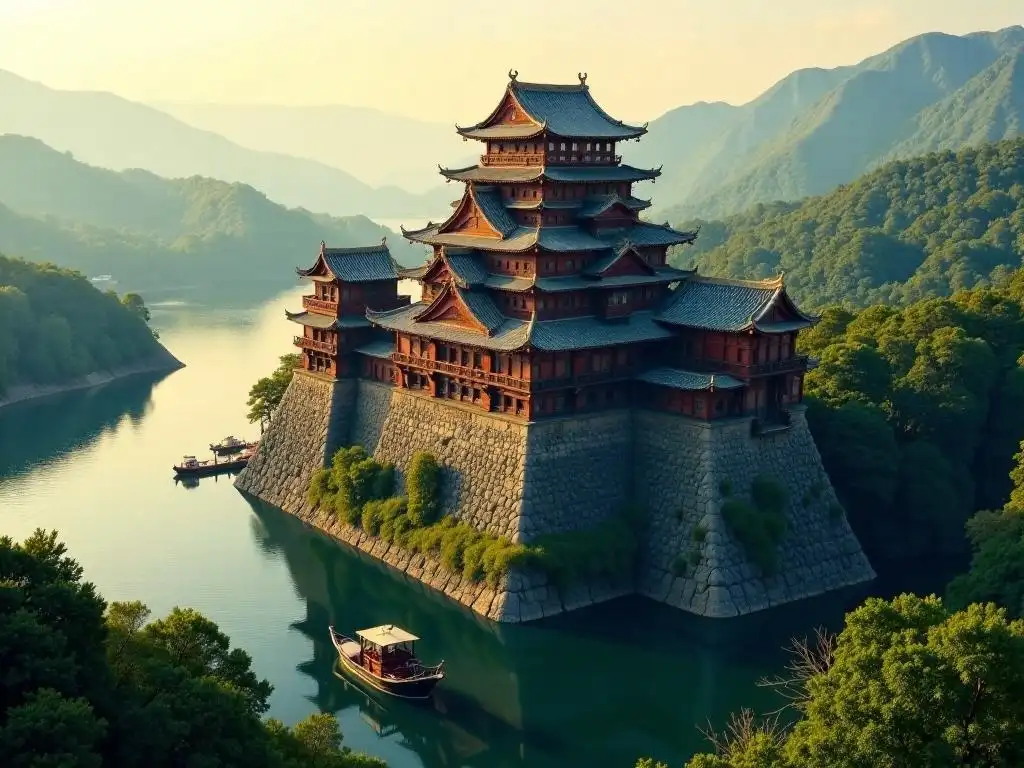
Japan's feudal era, spanning from the late 12th century to the mid-19th century, was marked by the rise of samurai culture and a complex social hierarchy. Central to this era were the feudal castles, which served not only as military strongholds but also as symbols of power and authority. These castles played a pivotal role in the governance and defense of territories, reflecting the social and political dynamics of the time.
Feudal castles were strategically constructed in locations that offered natural defenses, such as hills or rivers. They became the residence of daimyō (feudal lords) and the center of administration for their domains. The significance of these castles can be seen in their ability to consolidate power and control over the land. As the feudal system evolved, so did the complexity and grandeur of these fortifications, making them a testament to the technological and cultural advancements of the era.
The Role of Castles in Japan's Feudal Society
In Japan's feudal society, castles served multiple roles that extended beyond mere military fortifications. They were the heart of political power, housing the daimyō and their families, along with their retainers and soldiers. The social hierarchy within these castles was strictly defined, mirroring the broader societal structure:
- Daimyō: The feudal lords who governed the land and its people.
- Samurai: The warrior class that served the daimyō, responsible for defending the castle and enforcing the lord's rule.
- Peasants: Those who worked the land and provided the economic foundation for the castle's inhabitants.
Castles also acted as economic centers, facilitating trade and agriculture. The surrounding lands were often cultivated to sustain the castle's population, and the daimyō would collect taxes and resources to maintain their power. Furthermore, castles served as cultural hubs, where art, literature, and philosophy flourished under the patronage of the ruling class.
The political significance of castles cannot be understated. They were often the sites of crucial battles, negotiations, and betrayals, shaping the course of Japan's history. The construction of a castle could signal the establishment of a new power base, while its fall could denote the end of an era. Notable examples include the Siege of Osaka Castle in the early 17th century, which marked the end of the Toyotomi clan's power and solidified the Tokugawa shogunate's control.
Architectural Evolution of Japanese Castles
The architecture of Japanese castles evolved significantly throughout the feudal era, reflecting the changing needs and technologies of the time. Originally, castles were simple wooden structures known as yūshū or machi, but as warfare became more sophisticated, so did the castles' designs. The following phases highlight this evolution:
- Early Structures:
- Initial castles were primarily defensive wooden fortifications.
- Simple designs with watchtowers and palisades.
- The Sengoku Period (1467–1603):
- A surge in castle construction due to constant warfare.
- Development of complex layouts featuring multiple moats and stone walls.
- Introduction of tenshu (main keep) as a focal point of the castle.
- Azuchi-Momoyama Period (1573–1603):
- Castles became symbols of power and prestige.
- Notable castles from this era include Azuchi Castle, renowned for its opulent design and advanced fortifications.
- Edo Period (1603–1868):
- A shift towards more ornate and grandiose designs.
- Use of stone bases, elaborate gates, and intricate gardens.
- Castles like Himeji and Kumamoto exemplify the height of architectural refinement.
The architectural styles also reflected regional variations, with different clans incorporating local materials and aesthetics into their designs. The use of natural landscapes to enhance the defensive capabilities and beauty of the castles became a hallmark of Japanese castle architecture.
The evolution of feudal castles in Japan encapsulates the technological, political, and cultural developments of the era. Today, these castles stand as a testament to Japan's rich history, attracting visitors who seek to uncover the secrets of the feudal past. Exploring these historic structures offers a glimpse into the intricate tapestry of life during Japan's feudal era, making them essential destinations for any history enthusiast.
Iconic Feudal Castles to Explore in Japan
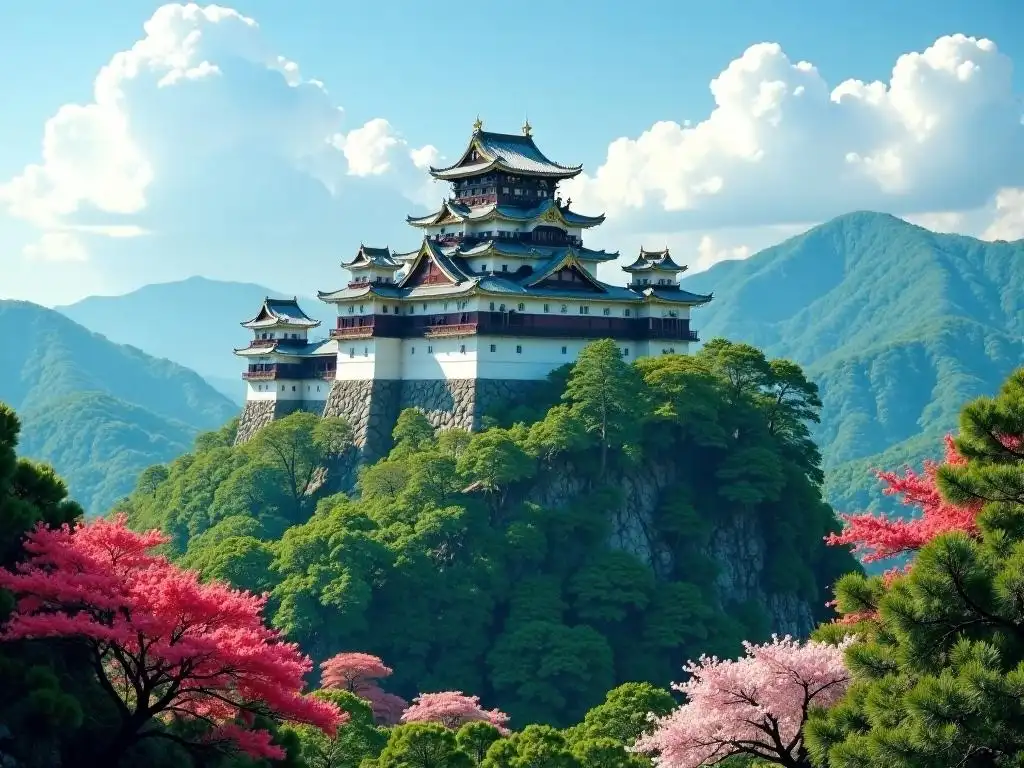
Japan's feudal era is characterized by a rich tapestry of history, culture, and architectural marvels. Among its most enthralling legacies are the castles that stand as testaments to the power and artistry of the samurai. These iconic structures not only served as military fortifications but also as symbols of authority and prestige. Below, we delve into some of the most significant castles that reveal the secrets of the Japan feudal era.
Himeji Castle: The White Heron Castle
Himeji Castle, often referred to as the "White Heron Castle" due to its stunning white exterior resembling a heron taking flight, is a UNESCO World Heritage Site and one of Japan's most spectacular castles.
- Construction and Design
- Completed in the early 17th century, it showcases a combination of defensive features and aesthetic elegance.
- The castle's design incorporates a series of moats, stone walls, and watchtowers, creating a formidable defense against invaders.
- The intricate wooden interior and the expansive grounds are meticulously maintained, providing visitors with a glimpse into feudal life.
- Secrets of the Castle
- Himeji Castle is famed for its advanced defensive techniques, including a complex maze of paths designed to confuse attackers.
- The castle’s strategic location on the hilltop allowed for excellent visibility and control over the surrounding area.
- Hidden passages and secret rooms within the castle served not only practical defensive purposes but also as places for clandestine meetings.
Matsumoto Castle: The Crow Castle
Matsumoto Castle, known as "Crow Castle" for its dark wooden exterior, is one of Japan's most beautiful and well-preserved castles. This striking structure provides insight into the architectural innovations of the feudal period.
- Historical Significance
- Built in the late 16th century, Matsumoto Castle is notable for its unique design, which blends defensive features with residential elements.
- The castle is surrounded by a picturesque moat, with cherry blossom trees that create a stunning backdrop during the spring.
- Unveiling the Secrets
- The castle's interior reveals fascinating insights into samurai life, including living quarters and armories.
- One of the castle's secrets lies in its ingenious use of "hidden" floors, designed to provide escape routes or concealment from enemies.
- Its strategic position allowed for the control of trade routes, making it a vital stronghold during the feudal era.
Kumamoto Castle: A Testament to Resilience
Kumamoto Castle stands as a symbol of resilience and strength in the face of adversity. This majestic castle was originally constructed in the early 17th century and has been a focal point of Japanese history.
- Architectural Marvel
- Renowned for its impressive stone walls and unique design, Kumamoto Castle features a series of interconnected buildings and defensive structures.
- The castle is notable for its massive stone foundations, some weighing over 100 tons, which have withstood numerous earthquakes.
- Secrets of Survival
- Kumamoto Castle's layout includes various hidden chambers and escape routes, showcasing the strategic ingenuity of its architects.
- The castle has survived multiple sieges and natural disasters, illustrating the resilience of Japanese craftsmanship.
- Recent restoration efforts have revealed additional secrets about its original design and construction methods, emphasizing the importance of preserving these historical treasures.
These castles not only tell the story of Japan’s feudal past but also invite visitors to explore the intricate blend of history and culture that defines this remarkable era. As you wander through their halls, you'll uncover the secrets that lie within, making each castle a unique experience in the exploration of Japan's feudal era castles secrets.
Cultural Insights: Myths and Legends Surrounding Japanese Castles
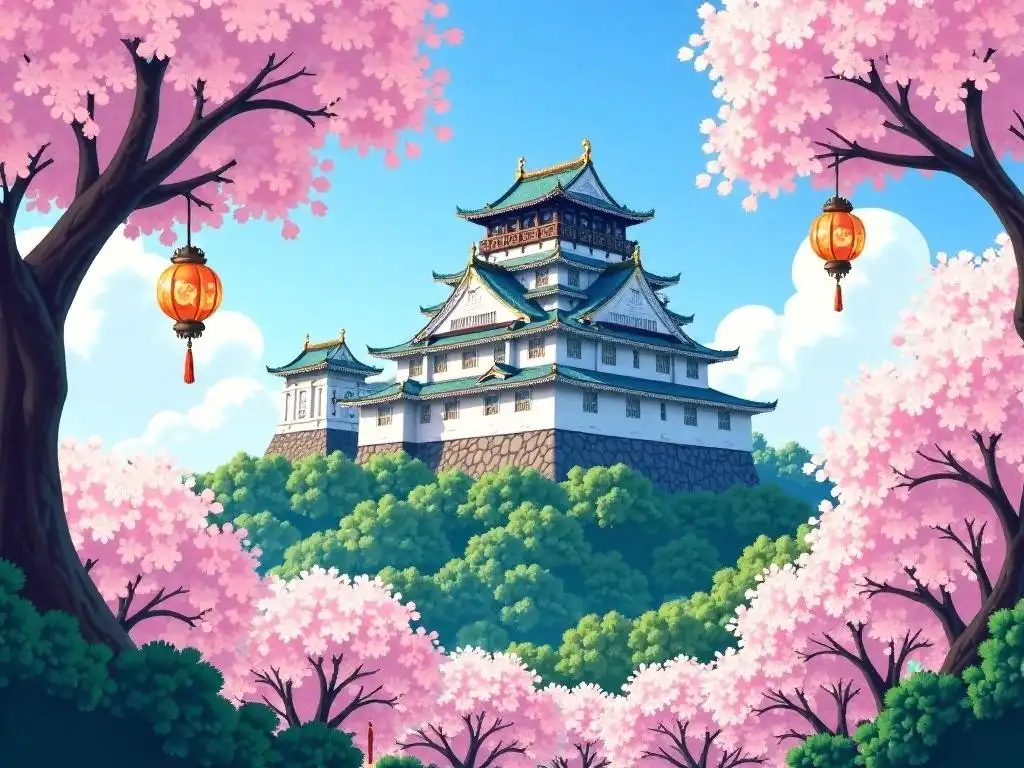
The feudal era in Japan is rich with myths and legends that have become intertwined with the history of its iconic castles. From tales of vengeful spirits to heroic samurai, these stories not only reflect the cultural values of the time but also add layers of intrigue to the castles themselves. Understanding these myths can enhance the experience of visiting these historical sites, providing a deeper appreciation for their significance.
Famous Legends Associated with Japan’s Feudal Castles
Japanese castles are often shrouded in legends that speak of their past and the events that occurred within their walls. Here are some of the most famous legends associated with these grand structures:
- The Curse of Himeji Castle: One of Japan's most celebrated castles, Himeji, is rumored to be haunted by the spirit of Okiku, a servant who was falsely accused of losing valuable dishes. According to legend, she was thrown into a well and her spirit now rises from it, counting dishes and wailing in sorrow. Visitors often report a chilling atmosphere near the well, adding to the castle's eerie allure.
- The Ghost of Matsue Castle: Matsue Castle is said to be haunted by the ghost of a samurai who was betrayed and killed by his lord. Legend has it that his spirit roams the castle grounds, seeking vengeance. This story reflects the samurai code of loyalty and honor, emphasizing the tragic consequences of betrayal during the feudal era.
- The Dragon of Kumamoto Castle: According to local lore, Kumamoto Castle is protected by a dragon that resides in the nearby river. This dragon is believed to bring good fortune to the castle and its inhabitants. The legend highlights the connection between nature and the supernatural, as well as the importance of protection and prosperity during the tumultuous feudal period.
These legends not only serve to entertain but also illustrate the values and beliefs held by the people during the feudal era, often emphasizing themes of loyalty, betrayal, and the supernatural.
Historical Figures Linked to Japan's Feudal Castles
Several notable historical figures are intricately linked to the castles of Japan, each contributing to their legacy in unique ways. Some of these figures include:
- Toyotomi Hideyoshi: One of Japan's most famous unifiers, Hideyoshi played a crucial role in the construction of Osaka Castle. He transformed it into a symbol of power and prestige, reflecting the wealth and might of the Toyotomi clan. His strategic vision and military acumen were pivotal in establishing control over Japan during the late 16th century.
- Ieyasu Tokugawa: The founder of the Tokugawa shogunate, Ieyasu is closely associated with Edo Castle (now Tokyo). Under his leadership, the castle became the center of political power in Japan for over 250 years. Ieyasu's legacy is profound, as his establishment of a stable government set the stage for the peaceful Edo period.
- Date Masamune: Known as the "One-Eyed Dragon," Date Masamune was a prominent feudal lord associated with Sendai Castle. His reputation as a fierce warrior and a cultured leader helped him gain respect and influence in the Tohoku region. Masamune's efforts to modernize and develop his territory left a lasting impact, making Sendai a significant cultural center.
These historical figures not only shaped the castles with their architectural and military innovations but also left behind rich legacies that continue to fascinate scholars and tourists alike. The stories of their lives are woven into the very fabric of these historic sites, making each visit a journey through time.
Practical Tips for Visiting Japan’s Feudal Castles

Essential Travel Tips for Castle Explorations
Visiting Japan's feudal castles is not just a journey through time; it's an opportunity to immerse oneself in the rich history and culture of the Japan feudal era. Here are some essential travel tips to enhance your castle exploration experience:
-
Research the Castles in Advance
Familiarize yourself with the key features of each castle. Some notable ones include:
- Himeji Castle: Renowned for its stunning white exterior and intricate wooden structures.
- Matsumoto Castle: Known as the "Crow Castle" for its black exterior, offering breathtaking views of the Japanese Alps.
- Nijo Castle: Famous for its beautiful gardens and unique nightingale floors.
-
Plan Your Itinerary Wisely
Many castles are spread across different prefectures, so planning your itinerary can save you time. Consider grouping castles by region to maximize your visit:
- Kansai Region: Himeji, Osaka, and Nijo Castles.
- Chubu Region: Matsumoto and Takeda Castles.
-
Check Opening Hours and Accessibility
Some castles may have seasonal hours or be closed for maintenance. Always check official websites or local tourist information before heading out. Accessibility can also vary, especially in mountainous areas.
-
Wear Comfortable Footwear
Castle grounds can be extensive, often featuring steep paths and uneven surfaces. Comfortable walking shoes will make your experience more enjoyable.
-
Engage with Guided Tours
Many castles offer guided tours led by knowledgeable guides. These tours often provide insights into the architectural secrets and historical significance of the castles, enriching your visit.
-
Respect the Cultural Etiquette
Be mindful of local customs while exploring. For instance, be quiet in sacred areas, remove your shoes where required, and refrain from touching artifacts unless permitted.
Must-Have Products for a Memorable Visit
To ensure that your visit to Japan's feudal castles is not only enjoyable but also comfortable, consider bringing the following must-have products:
| Product | Description |
|---|---|
| Portable Charger | Essential for keeping your devices charged, especially if you’re using maps or taking photos. |
| Water Bottle | Staying hydrated is crucial, especially during long walks around castle grounds. |
| Camera | Capture the stunning architecture and picturesque surroundings of the castles. |
| Travel Guidebook | A good guidebook can provide historical context and interesting anecdotes about each castle. |
| Lightweight Backpack | Ideal for carrying essentials while keeping your hands free for exploration. |
| Local SIM Card or Wi-Fi | Stay connected to navigate easily and share your experiences in real time. |
| First Aid Kit | A small kit with band-aids and other necessities can be handy for minor injuries. |
By being well-prepared with these tips and products, you'll be able to uncover the secrets of Japan's iconic feudal castles while creating unforgettable memories.
Conclusion: Embracing the Secrets of Japan’s Feudal Castles
The exploration of Japan's feudal castles transcends mere sightseeing; it offers a deep dive into the historical and cultural tapestry of the Japan feudal era. Each castle stands as a testament to the architectural ingenuity and strategic prowess of its time. They embody the tumultuous journeys of samurais, the political maneuvers of shoguns, and the artistry of craftsmen who decorated these formidable structures. As we conclude our journey through Japan’s most iconic feudal castles, it’s essential to reflect on their legacy and the invaluable insights they provide into Japan’s rich past.
Recap of the Historical and Cultural Significance
Japan's feudal castles are not just remnants of stone and wood; they are vibrant storytellers of a bygone era. Here’s a recap of their significance:
- Strategic Importance: Many castles were built on elevated ground or surrounded by moats, serving as defensive fortifications against invaders. For example, Himeji Castle, often regarded as the finest surviving example, showcases sophisticated design aimed at both defense and aesthetics.
- Cultural Hubs: Castles were centers of governance and culture, where samurai lords held court and engaged in the arts. The castles often housed temples and gardens, reflecting the blend of nature and architecture that is quintessentially Japanese.
- Symbol of Power: Each castle represented the authority and wealth of its lord. Castles like Matsumoto and Kumamoto not only served military purposes but also symbolized the feudal hierarchy and the intricate power dynamics of their time.
- Preservation of Heritage: Many of these castles have been meticulously preserved or restored, allowing modern visitors to experience the grandeur of feudal Japan. They are crucial in educating future generations about the historical significance of this era.
Call to Action: Plan Your Visit to Discover Japan’s Feudal Era
Are you ready to step back in time and uncover the secrets of Japan's feudal era castles? Here’s how you can plan your visit:
- Research: Start by identifying the castles you wish to explore. Each has its unique story and architectural style. Some must-visit castles include:
- Himeji Castle: Known for its stunning white exterior and intricate design.
- Matsumoto Castle: Featuring a beautiful black exterior and a picturesque setting against the Japanese Alps.
- Nagoya Castle: Famous for its golden shachihoko (a mythical creature) adorning the roof.
- Timing: Consider visiting during the cherry blossom season (March to April) or the autumn foliage period (November) for a breathtaking backdrop.
- Guided Tours: Opt for guided tours that delve deeper into the history and secrets of these castles. Local guides often share fascinating anecdotes that are not found in guidebooks.
- Cultural Experiences: Look for opportunities to participate in traditional tea ceremonies or samurai experiences that some castles offer, enhancing your understanding of the feudal culture.
- Logistics: Ensure you have a well-planned itinerary that includes transportation methods, accommodation, and ticket bookings for castle entries.
Embarking on this journey will not only fulfill your travel ambitions but also enrich your understanding of Japan’s feudal history. Dive into the past, unravel the secrets, and create memories that will last a lifetime! 🏯✨
Frequently Asked Questions
What are the main features of Japan's feudal era castles?
Japan's feudal era castles are characterized by their defensive architecture, intricate designs, and strategic locations. They often included moats, wooden structures, and multiple layers of fortifications.
Why are these castles significant in Japan's historical context?
These castles played a crucial role in the military and political landscapes of feudal Japan, serving as strongholds for warlords. They were central to the power dynamics and regional control during the feudal period.
What are some of the secrets associated with these castles?
Many castles contain hidden chambers, trapdoors, and secret passages designed for escape or defense. These features reflect the architectural ingenuity of the time and the need for security.
How can visitors experience the cultural aspects of these castles today?
Visitors can explore the restored castles, engage in guided tours, and participate in cultural events that showcase traditional crafts, samurai performances, and historical reenactments, enriching their understanding of the feudal era.
Are there specific castles known for their unique secrets?
Yes, castles like Himeji Castle and Matsumoto Castle are renowned not only for their stunning architecture but also for their unique historical secrets, including defensive mechanisms and the architectural techniques that have withstood the test of time.
Final Reflection: The Enduring Legacy of Japan's Feudal Castles
The secrets of Japan's feudal era castles are not just relics of the past; they are vibrant symbols of resilience and cultural identity that resonate deeply in today's society. As we explore these architectural marvels, we uncover stories of power, artistry, and the intricate dynamics of a society that shaped Japan's history. The allure of these castles continues to captivate our imagination, reminding us that history is not merely a collection of dates and events but a living narrative that influences our present and future.
The impact of these castles extends beyond their physical structures; they serve as cultural touchstones that connect us to the values and traditions of a bygone era. Each stone and timber tells a story of the people who lived and thrived within their walls, fostering a sense of belonging and continuity. As historian John W. Hall once said, History is not just about the past; it is about the present and the future.
This sentiment rings true as we witness how these castles inspire contemporary art, tourism, and even architectural design, bridging the gap between eras and inviting us to reflect on our shared heritage.
As you contemplate the secrets of Japan's feudal castles, I invite you to consider how these lessons from the past can inform your own journey. Embrace the spirit of resilience and creativity that these structures embody, and let them inspire you to uncover your own hidden strengths and stories. Whether through travel, study, or personal reflection, take the time to connect with history and allow it to shape your understanding of the world today. In doing so, you not only honor the legacy of these magnificent castles but also enrich your own life with the wisdom they impart.
Unleash the Wonders of Japan's Feudal Castles!
Thank you for joining us on this journey through Japan's magnificent feudal castles! We hope you’ve gained valuable insights into their rich history and architectural beauty. Now it's time to take the next steps and immerse yourself further in this captivating world.
- Dive deeper: Plan a visit to one of Japan's iconic castles to experience their grandeur firsthand.
- Share your discovery: Connect with fellow history enthusiasts by sharing this article on social media.
- Engage with locals: Use a travel app to discover recommended castle tours and gain historical insights from knowledgeable guides who can reveal hidden gems.
What intrigues you the most about the castles of feudal Japan, and how do you plan to delve into their fascinating history further?