
The Samurai Trail: MustVisit Destinations for Enthusiasts in Japan

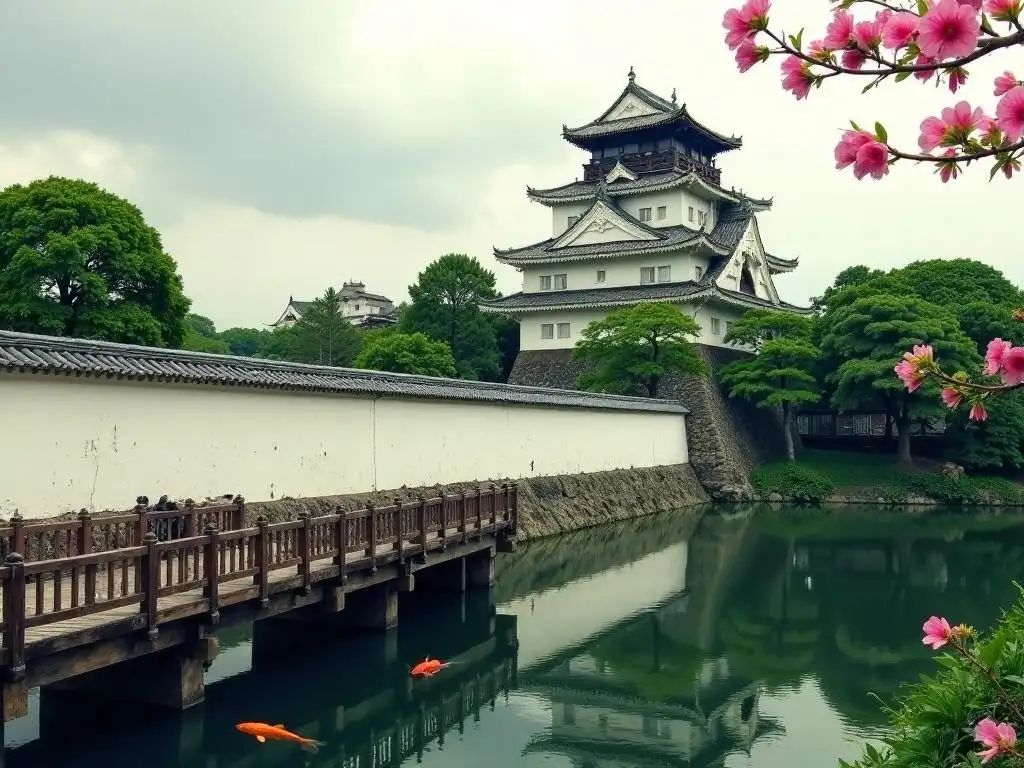
Welcome to Feudal Japan History, where we invite you to embark on a journey through time to uncover the rich tapestry of Japan’s feudal era. In our featured article, “The Samurai Trail: Must-Visit Destinations for Enthusiasts in Japan,” we delve into the samurai historical sites that are not just remnants of the past, but vibrant stories waiting to be explored. From ancient castles to sacred temples, each destination holds a piece of the samurai legacy.
Are you ready to follow in the footsteps of these legendary warriors? Join us as we unravel the secrets of a captivating history that continues to inspire and intrigue.
Introduction to Samurai Historical Sites in Japan
The rich tapestry of Japan's feudal era is woven with the valor, discipline, and cultural significance of the samurai, a warrior class that shaped the nation's history and identity. Exploring samurai historical sites in Japan offers enthusiasts a unique opportunity to step back in time and witness the legacy of these iconic figures. From ancient castles and battlefields to shrines and museums, each site tells a story of honor, loyalty, and the intricate customs that defined the samurai way of life.
Japan's samurai heritage is not merely a relic of the past; it continues to resonate in modern culture through films, literature, and even martial arts. By visiting these historical sites, travelers can deepen their understanding of the samurai's role in shaping Japan's social and political landscape. Whether you are a history buff, a cultural enthusiast, or simply a curious traveler, the journey along the Samurai Trail promises to be both enlightening and awe-inspiring.
As we embark on this exploration of must-visit destinations, we will uncover the significance of each location, providing insight into the samurai's impact on Japanese society. From the stunning architecture of feudal castles to the tranquil beauty of traditional gardens, these sites offer a glimpse into a world where honor and tradition reigned supreme. Join us as we navigate through the past, honoring the legacy of the samurai and discovering the places that celebrate their enduring spirit. 🏯✨
Key Features of Samurai Historical Sites in Japan

Samurai historical sites in Japan offer enthusiasts a unique glimpse into the lives, architecture, and culture of these iconic warriors. These sites are not just remnants of the past; they are vital components of Japan's rich heritage. Below are some key features that define these historical landmarks.
Architectural Marvels of Samurai Residences
The architecture of samurai residences, known as buke-zukuri, reflects the social status and lifestyle of the samurai class. These structures exhibit a blend of functionality and aesthetics, designed to serve both defensive and residential purposes. Key architectural features include:
- Tatami Flooring: Traditional straw mats that create a serene atmosphere within samurai homes, emphasizing simplicity and harmony.
- Engawa: A wooden corridor that connects the interior with the outside, often adorned with beautiful gardens, providing a tranquil space for relaxation and contemplation.
- Shōji: Sliding doors made of wood and paper that allow natural light to filter through while maintaining privacy.
- Tōrō: Stone lanterns often found in samurai gardens, showcasing the importance of nature in samurai culture and aesthetics.
Prominent examples of samurai residences that showcase these architectural marvels include:
| Samurai Residence | Location | Notable Features |
|---|---|---|
| Himeji Castle | Himeji | Stunning white plaster walls and elaborate defenses. |
| Nijo Castle | Kyoto | Beautiful gardens and intricate wall paintings. |
| Katsura Imperial Villa | Kyoto | Harmonious design and exquisite landscaping. |
These residences provide insights into the daily lives of samurai, their values, and their artistic sensibilities.
Cultural Significance of Samurai Historical Sites
Samurai historical sites are not only significant for their architectural beauty but also for their cultural implications. They serve as reminders of the samurai's role in shaping Japan's history, ethics, and societal structure. Key aspects of their cultural significance include:
- Preservation of History: These sites are crucial for understanding Japan's feudal era, offering tangible connections to the past. They attract historians, researchers, and tourists alike, keen to explore the legacies of samurai culture.
- Symbol of Honor and Bushido: Samurai historical sites embody the principles of Bushido, the samurai code of conduct that emphasizes honor, courage, and loyalty. Visiting these sites provides a deeper appreciation for these values that have influenced contemporary Japanese society.
- Cultural Festivals and Events: Many samurai historical sites host annual festivals that celebrate samurai heritage, such as reenactments of battles or traditional martial arts displays. These events bring history to life and connect communities to their ancestral roots.
- Educational Opportunities: Institutions dedicated to preserving samurai history offer workshops, guided tours, and educational programs. These initiatives help engage the public and foster a greater understanding of the samurai's impact on Japanese culture.
Samurai historical sites in Japan are vital for appreciating the intricate tapestry of Japan's feudal past. They not only showcase remarkable architecture but also serve as cultural hubs that celebrate and preserve the enduring legacy of the samurai.
Top Samurai Historical Sites to Explore

Exploring the rich history of the samurai in Japan is a captivating journey that reveals the profound cultural and societal influences these warriors had on the nation. Here are three must-visit destinations where enthusiasts can immerse themselves in the legacy of the samurai.
1. Kyoto: The Heart of Samurai Culture
Kyoto, once the imperial capital of Japan, is a treasure trove of samurai history. This city is renowned for its well-preserved temples, traditional wooden houses, and stunning gardens, which together create a picturesque backdrop for understanding the samurai ethos.
- Nijo Castle: Built in 1603, Nijo Castle served as the residence of the shogun during his visits to Kyoto. The castle’s architecture is a fine example of samurai culture, featuring beautiful gardens and intricate designs. Noteworthy are the "nightingale floors," which chirp when walked upon, designed to alert guards of intruders.
- The Samurai and Ninja Museum: This interactive museum offers a comprehensive overview of samurai history, including exhibits on weaponry, armor, and martial arts. Visitors can even try on samurai armor and participate in sword demonstrations.
- Kinkaku-ji (Golden Pavilion): While primarily known for its stunning golden exterior, this Zen temple also reflects the aesthetic values of the samurai class. The surrounding gardens are designed in accordance with samurai principles of harmony and balance.
2. Kamakura: The Birthplace of Samurai Tradition
Kamakura is often recognized as the birthplace of the samurai tradition, making it a key destination for those interested in samurai historical sites in Japan. This coastal city is home to numerous temples, shrines, and monuments that pay homage to the samurai's legacy.
- Hachimangu Shrine: Dedicated to Hachiman, the god of war, this shrine played a significant role in samurai culture. It is a site where samurai would pray for victory in battle, making it a pilgrimage site for many warriors.
- The Great Buddha (Daibutsu): This iconic bronze statue stands at 13.35 meters high and represents the Amida Buddha. The statue, which dates back to 1252, is a symbol of Kamakura's historical significance and reflects the spiritual beliefs of the samurai during the Kamakura period.
- Tsurugaoka Hachimangu: This important Shinto shrine is dedicated to the deity Hachiman and is an essential part of Kamakura’s samurai heritage. The shrine features beautiful architecture and offers several festivals that celebrate samurai culture.
3. Nagasaki: A Unique Samurai Legacy
Nagasaki presents a unique blend of samurai history and international trade, making it a fascinating destination for enthusiasts. The city’s historical context provides insights into the samurai's interactions with foreign cultures.
- Dejima Island: Originally a Dutch trading post, Dejima is a symbol of Japan’s early interaction with the West. Samurai were involved in trade negotiations here, and the architecture reflects a unique blend of Japanese and Western styles.
- Nagasaki Prefectural Art Museum: This museum houses an impressive collection of artifacts, including samurai swords and armor. The exhibits detail the evolution of samurai culture in Nagasaki and its impact on local history.
- Glover Garden: This open-air museum showcases Western-style houses from the late 19th century, where samurai were known to mingle with foreign traders. Here, visitors can explore the cultural exchange that influenced samurai society during Japan's modernization.
By visiting these historical sites, enthusiasts can gain a deeper understanding of the samurai's multifaceted legacy, their role in shaping Japan's history, and the cultural nuances that continue to resonate in modern-day Japan.
4. Matsumoto: The Samurai's Mountain Fortress
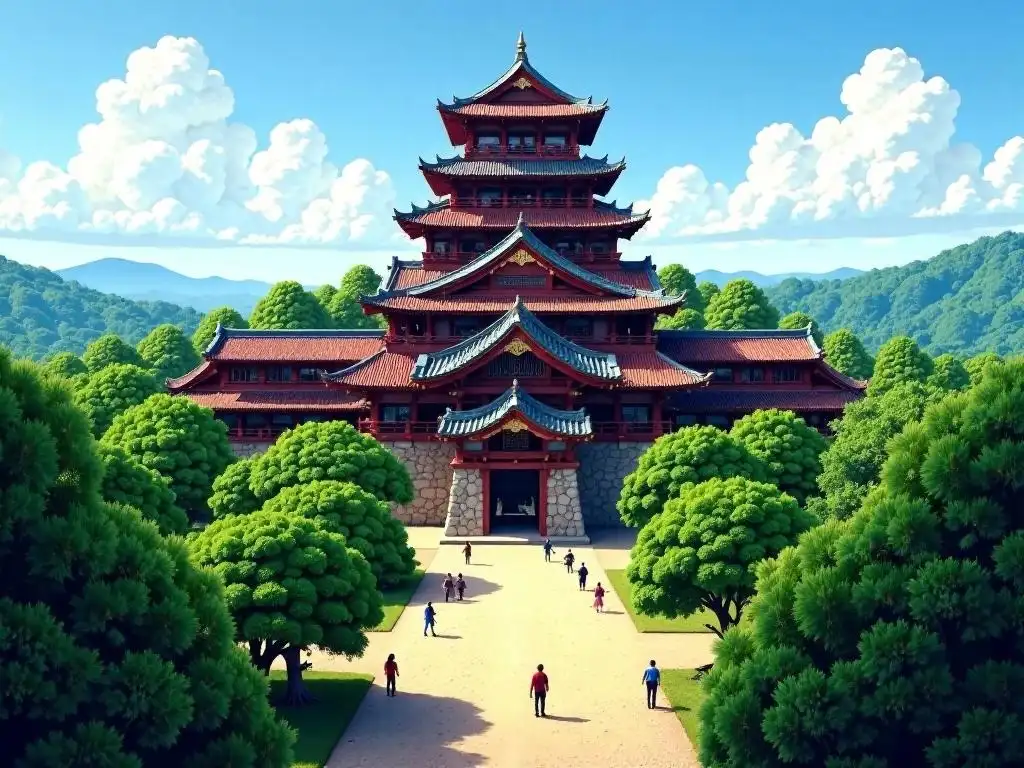
Matsumoto, nestled in the heart of the Japanese Alps, is renowned for its stunning castle, Matsumoto Castle, often referred to as the "Crow Castle" due to its dark wooden exterior. This well-preserved structure is a prime example of a flatland castle and has a rich history dating back to the late 16th century. The castle features a unique six-story main keep that offers breathtaking views of the surrounding mountains and countryside.
Visitors can explore the castle's interior, which houses artifacts and exhibits related to the samurai era, including armor, weapons, and traditional samurai clothing. The castle grounds are also beautifully landscaped, making it an ideal spot for a leisurely stroll, especially during cherry blossom season when the trees around the castle bloom in vibrant pink hues.
In addition to the castle, Matsumoto is home to the Nakamachi Street, where the traditional wooden buildings and merchant houses transport visitors back to the Edo period. Here, you can find shops selling local crafts, including the famous Matsumoto washi (Japanese paper), and taste local delicacies, such as soba noodles. The combination of natural beauty and historical significance makes Matsumoto a must-visit destination for those interested in samurai history.
5. Sendai: The City of the Date Clan
Sendai, known as the "City of Trees," was founded by the powerful samurai Date Masamune in the early 17th century and is recognized for its significant contributions to samurai culture. The city is a hub for enthusiasts keen on exploring the heritage of the Date clan, particularly through its historic sites and monuments.
One of the key attractions is the Sendai Castle, or Aoba Castle, which was constructed in 1601 and served as the stronghold for the Date clan. Though the original structure no longer stands, the ruins provide a glimpse into the castle's former glory. From the site, visitors can enjoy panoramic views of the city and the surrounding landscape, which Date Masamune himself chose for its strategic advantage.
Additionally, the Zuihoden Mausoleum, the final resting place of Date Masamune, showcases the elaborate architecture and artistic craftsmanship characteristic of the samurai era. This serene site is adorned with intricate carvings and surrounded by lush cedar trees, making it a peaceful spot for reflection on the legacy of the Date clan.
Sendai also hosts the annual Sendai Tanabata Festival, which celebrates the region's cultural heritage and attracts visitors from all over Japan, further highlighting the enduring influence of the samurai tradition in contemporary society. For those keen on samurai history, Sendai offers a rich tapestry of experiences that blend the past with the present.
Planning Your Samurai-Themed Tour in Japan
Choosing the Right Time to Visit Samurai Historical Sites
When planning your journey to explore Samurai historical sites in Japan, timing can significantly enhance your experience. The ideal time to visit these sites often depends on various factors, including weather, local festivals, and the overall tourist season.
Optimal Seasons for Visiting
- Spring (March to May): This season is renowned for its beautiful cherry blossoms (sakura), which create a stunning backdrop for many historical sites. Visiting during the sakura season allows you to experience the traditional hanami (flower viewing) culture, often celebrated in samurai-themed locations such as Hiroshima's Shukkeien Garden or Kyoto's Nijo Castle.
- Autumn (September to November): The fall foliage transforms the landscape, making it an equally captivating time to visit. Locations like Kamakura and Nara feature vibrant autumn colors that enhance the historical ambiance, offering a picturesque setting for exploring samurai heritage.
- Summer (June to August): While summer can be hot and humid, it is also the season for various festivals (matsuri) celebrating samurai heritage. Events such as the Gion Matsuri in Kyoto or the Kamakura Fireworks Festival are excellent opportunities to witness traditional performances and samurai parades.
- Winter (December to February): For those who prefer fewer crowds, winter can be a serene time to visit. Major sites such as Himeji Castle and Tsuruga Castle are less crowded, allowing for a more intimate exploration of samurai history.
Local Festivals and Events
Engaging in local festivals can significantly enrich your samurai-themed tour. Here are some notable events:
- Oni Matsuri (Demon Festival): Celebrated in Tottori, this festival features traditional samurai performances and reenactments.
- Kawagoe Matsuri: This festival in Saitama showcases Edo-period floats, and samurai-themed parades, providing a glimpse into the historical significance of the samurai.
- Samurai and Ninja Festival: Held in Kamakura, this festival offers a unique opportunity to witness samurai demonstrations, martial arts, and traditional crafts.
Recommended Tours and Travel Packages
For enthusiasts eager to delve deeper into Japan's samurai history, several curated tours and travel packages cater to various interests and budgets. Here are some excellent options:
Guided Samurai Tours
- Samurai Experience in Kyoto
- Duration: 1 Day
- Highlights: Dress like a samurai, participate in a sword-fighting workshop, and visit historical sites such as Nijo Castle and Kinkaku-ji (Golden Pavilion).
- Price: Approximately ¥15,000 (USD 140).
- Edo Samurai Journey in Tokyo
- Duration: 2 Days
- Highlights: Explore the Samurai and Ninja Museum with Experience and visit the historic Edo-Tokyo Museum. Includes a guided tour of Ueno Park's historical sites.
- Price: Approximately ¥30,000 (USD 280).
Self-Guided Travel Packages
- Samurai Heritage Trail
- Duration: 5 Days
- Itinerary: Start in Kyoto, visit Nara, Hiroshima, and end in Okayama. This package includes accommodation, transport, and detailed guides on samurai history at each location.
- Price: From ¥120,000 (USD 1,120).
- Cultural Immersion Package
- Duration: 7 Days
- Itinerary: A mix of samurai heritage sites and cultural experiences, including tea ceremonies and traditional craft workshops across Kanazawa, Kamakura, and Osaka.
- Price: Starting at ¥200,000 (USD 1,850).
Tips for Booking Your Tour
- Book in Advance: Popular tours can fill up quickly, especially during peak seasons.
- Check Reviews: Websites like TripAdvisor and local travel blogs can provide insights into the best tour operators.
- Customize Your Experience: Many companies offer customizable itineraries to suit your interests, including specific samurai-related sites.
By planning your visit thoughtfully and considering these recommended tours, you'll be well-equipped to embark on an enriching journey through Japan's samurai history.
Tips for Maximizing Your Samurai Experience
When embarking on a journey through Japan's rich history of the samurai, it’s crucial to immerse yourself fully to truly appreciate the cultural significance of these warriors. Here are some tips for maximizing your experience at samurai historical sites in Japan.
Engaging with Local Guides and Experts
One of the best ways to enhance your visit to samurai historical sites in Japan is to engage with local guides and experts. These individuals often have extensive knowledge about the history, culture, and significance of the locations you are visiting. Here are some benefits of hiring a local guide:
- In-Depth Knowledge: Local guides can provide insights that are not available in standard guidebooks. They can share stories about notable samurai, their battles, and how they influenced Japanese culture.
- Cultural Context: Understanding the historical context of the samurai within Japanese society is essential. Guides often explain the social hierarchy, the role of samurai in feudal Japan, and how their legacy continues to shape modern Japan.
- Personalized Experience: Engaging with guides allows for a more tailored experience. You can ask questions, explore specific interests, and even discover lesser-known sites that may not be on the standard tourist trail.
To find reputable local guides, consider using platforms that specialize in cultural tours or directly contacting museums and historical societies in the area you plan to visit.
Essential Products for Samurai Enthusiasts
For those passionate about samurai history, having the right products can enhance your experience both during and after your travels. Here are some essential items to consider:
- Books and Literature:
- Historical Accounts: Look for biographies and historical narratives about famous samurai like Miyamoto Musashi or Oda Nobunaga.
- Cultural Studies: Consider books that delve into the philosophy of bushido (the way of the warrior) and its impact on contemporary society.
- Replica Weapons:
- Katanas: High-quality replicas of samurai swords can serve as both a collectible and a decorative item. Ensure you purchase from reputable sources that focus on craftsmanship.
- Naginata and Other Weapons: Consider adding replicas of other traditional weapons, such as the naginata, to your collection for a broader understanding of samurai warfare.
- Clothing and Attire:
- Kimono and Hakama: Wearing traditional attire during your visits can deepen your connection to the samurai culture. Many shops in historical areas offer rentals or sales of authentic garments.
- Armor Replicas: If you’re looking for something unique, consider acquiring a replica of samurai armor to display in your home.
- Art and Decor:
- Prints and Paintings: Invest in artwork that depicts samurai in action or historical scenes to create a thematic atmosphere in your living space.
- Calligraphy Scrolls: Look for scrolls that feature quotes or phrases related to samurai philosophy, enhancing your appreciation for their values.
- Interactive Experiences:
- Workshops: Participate in workshops that teach traditional samurai skills, such as swordsmanship or calligraphy. These experiences can provide hands-on learning about samurai techniques and arts.
By engaging with local guides and investing in quality products, you can significantly enrich your exploration of samurai historical sites in Japan, making your journey both memorable and educational.
Frequently Asked Questions
What are some notable Samurai historical sites in Japan?
Some of the most notable sites include Himeji Castle, Kamakura, and Nikko. These locations offer rich insights into the lives and legacies of samurai warriors.
How can I plan a trip along the Samurai Trail?
To plan your trip, consider creating an itinerary that includes key destinations, transportation options, and local guides. Researching ahead will help you maximize your experience.
Are there guided tours available at these historical sites?
Yes, many historical sites offer guided tours led by knowledgeable experts. These tours often provide in-depth insights into the cultural significance of the samurai era.
What is the best time to visit these Samurai historical sites?
The best time to visit is during spring (March-May) or autumn (September-November) when the weather is pleasant and the natural scenery enhances the beauty of the sites.
Yes, several cultural events celebrate samurai heritage, such as festivals, reenactments, and exhibitions. These events provide a unique opportunity to experience samurai culture firsthand.
Final Reflection: Embracing the Legacy of the Samurai
The journey through the historical sites of the samurai is not just a trip through Japan's past; it is a profound exploration of honor, discipline, and cultural heritage that resonates deeply in today's world. As we navigate our modern lives, the values embodied by the samurai—courage, loyalty, and respect—remain relevant, reminding us of the importance of integrity in our personal and professional endeavors. The allure of samurai history continues to captivate enthusiasts, drawing them to the very places where these legendary warriors once walked.
The impact of samurai culture on contemporary Japanese society and beyond is undeniable, weaving a rich tapestry of tradition that influences art, literature, and even modern martial arts. The preservation of samurai historical sites serves as a testament to the enduring legacy of these warriors, fostering a sense of identity and pride among the Japanese people. As the renowned author and historian, John Man, once said, The samurai spirit is not just a relic of the past; it is a living force that shapes the values and aspirations of a nation.
This ongoing influence invites us to reflect on how the principles of the samurai can inspire our own lives, urging us to cultivate a sense of purpose and commitment in our daily actions.
As you consider your own journey along the Samurai Trail, I invite you to reflect on the lessons of the samurai and how they can be applied to your life. Take a moment to ponder what honor, discipline, and respect mean to you, and how you can embody these values in your interactions with others.
Whether you are planning a visit to Japan or simply seeking to deepen your understanding of its rich history, let the spirit of the samurai guide you toward a more meaningful and intentional existence. Embrace the legacy of the samurai, and let it inspire you to forge your own path with courage and conviction.
Embark on Your Samurai Adventure Today!
Thank you for immersing yourself in the captivating world of Japan’s samurai heritage! We hope you discovered exciting destinations and insights that ignite your passion for feudal history. Now, it’s time to put that knowledge into action and explore these remarkable places for yourself.
- Plan a visit to one of the featured destinations — select your favorite location and begin your journey in the footsteps of the samurai.
- Join a local history tour to gain deeper insights into the samurai's legacy and meet fellow enthusiasts who share your passion.
- Share your journey — post about your experiences on social media or your favorite travel blog using #SamuraiTrail to inspire others!
What aspect of samurai culture intrigues you the most, and how do you plan to explore it on your next adventure?