
Art and Propaganda: How Culture Shaped Perceptions During Japan's Unification

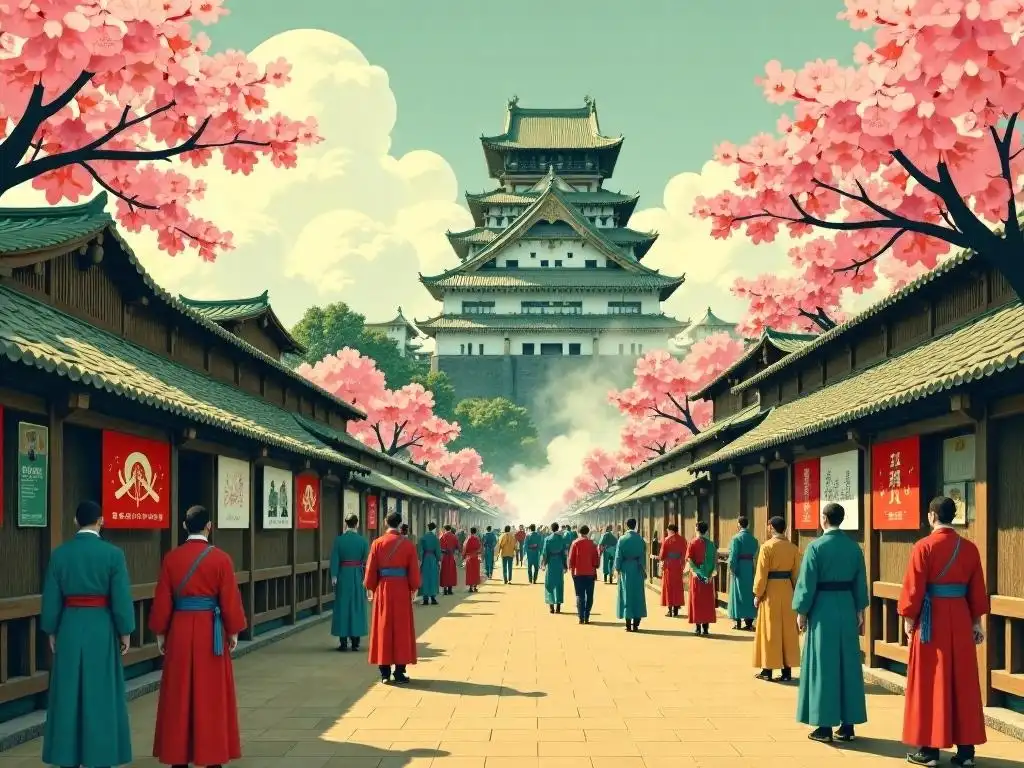
Welcome to Feudal Japan History, where the captivating tapestry of Japan’s feudal era unfolds before your eyes. Dive deep into our exploration of the Japan feudal era culture influence, as we unravel the intricate ways art and propaganda shaped perceptions during the tumultuous period of unification. What role did culture play in the political dynamics of the time? Join us on this journey to uncover the fascinating intersections of art, power, and society that defined an era. Prepare to be intrigued and inspired as you delve into the rich narratives that shaped Japan’s historical landscape!
- Introduction to Japan's Feudal Era Culture Influence
- The Role of Art in Japan's Feudal Era
- Propaganda Techniques Used During Japan's Unification
- Cultural Influence on Political Movements
- The Impact of Religion on Art and Propaganda
- The Legacy of Japan's Feudal Era Culture Influence
- Conclusion
-
Frequently Asked Questions
- What role did art play in the Japan feudal era culture influence?
- How did propaganda affect cultural perceptions in feudal Japan?
- What were some key cultural elements during Japan's unification?
- In what ways did the Japan feudal era culture influence modern Japanese society?
- How did the unification of Japan impact its cultural landscape?
- Final Reflection: The Enduring Influence of Japan's Feudal Era Culture
- Unveil the Power of Culture in Shaping Perspectives!
Introduction to Japan's Feudal Era Culture Influence
The feudal era of Japan, spanning from the late 12th century to the early 17th century, represents a pivotal period in the nation's history. It was a time characterized by the emergence of powerful samurai clans, the establishment of a hierarchical social structure, and significant political upheaval.
As Japan underwent the intricate process of unification, the cultural landscape evolved in tandem, heavily influenced by the prevailing political ideologies and the aspirations of its leaders. This article delves into how art and propaganda were wielded as tools to shape public perception during this transformative era, illustrating the profound intersections between culture and politics in the context of Japan's unification.
Overview of Japan's Unification Period
The unification of Japan, primarily occurring during the late 16th century under the leadership of figures such as Oda Nobunaga, Toyotomi Hideyoshi, and Tokugawa Ieyasu, marked a significant turning point in the nation's history. This period was marked by the end of centuries of civil strife and the fragmentation of power among regional daimyōs. The efforts to unify Japan were not solely military; they were also deeply cultural and ideological.
- Key Events:
- Oda Nobunaga: Initiated the unification process through strategic military campaigns, effectively dismantling the Ashikaga shogunate.
- Toyotomi Hideyoshi: Consolidated power further and implemented land reforms that impacted the socio-economic fabric of Japan.
- Tokugawa Ieyasu: Established the Tokugawa shogunate, which brought about over two centuries of relative peace known as the Edo period.
During this time, the promotion of a unified Japanese identity became essential. The cultural expressions of the era, including literature, theater, and visual arts, were employed to celebrate historical narratives that supported the newly emerging power structures.
Importance of Art and Propaganda in Shaping Perceptions
Art and propaganda played crucial roles in shaping the perceptions of the populace during Japan's unification. These cultural elements were not only means of expression but also vehicles for political messaging and social cohesion.
- Art as Propaganda:
- Visual Arts: Artists began depicting heroic samurai figures and historical events that glorified the unification efforts. Paintings and woodblock prints often illustrated the virtues of loyalty, bravery, and the divine right of leaders.
- Theater: Kabuki and Noh theater became popular mediums for dramatizing the narratives of unification, fostering a sense of shared identity and purpose among the audience.
- Cultural Narratives:
- The retelling of historical events through artistic means helped to legitimize the authority of the unifiers. By embedding their stories within popular culture, leaders like Tokugawa Ieyasu were able to craft a narrative that emphasized their role as the saviors of Japan from chaos.
Through the strategic use of art and propaganda, the ruling powers of the feudal era were able to manipulate public sentiment, reinforce social hierarchies, and cultivate a unified national identity that has resonated throughout Japanese history. Understanding this complex interplay between culture and politics provides valuable insights into the lasting influences of Japan's feudal era culture.
The Role of Art in Japan's Feudal Era
Traditional Art Forms and Their Cultural Significance
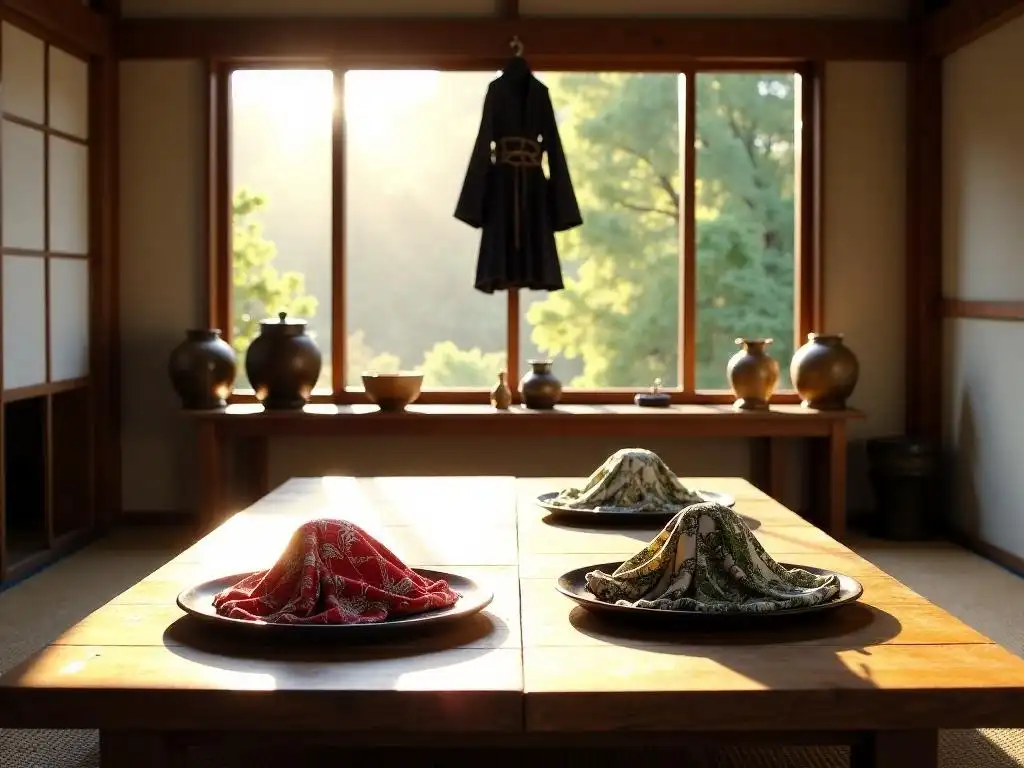
During the Japan feudal era, art was not merely a form of expression; it served as a vital instrument for communicating values, social hierarchies, and cultural narratives. Traditional art forms such as painting, calligraphy, ceramics, and theater played significant roles in shaping societal perceptions and reinforcing the prevailing ideologies of the time.
- Painting: This medium included styles like Nihonga and Ukiyo-e, which captured the essence of the era. Ukiyo-e, or "pictures of the floating world," often depicted landscapes, kabuki actors, and beautiful women, reflecting the aesthetic values of the time and promoting a sense of escapism amidst the struggles of feudal life.
- Calligraphy: Esteemed as both an art and a discipline, calligraphy not only represented the beauty of the written word but also the moral character of the calligrapher. The practice was deeply intertwined with Zen Buddhism, emphasizing mindfulness and the pursuit of perfection.
- Ceramics: Japanese ceramics, especially those from regions like Arita and Seto, were not only functional but also artistic expressions. They often featured intricate designs that conveyed themes of nature and simplicity, aligning with the broader Wabi-Sabi aesthetic that celebrated imperfection.
- Theater: Traditional forms such as Noh and Kabuki not only entertained but also conveyed moral lessons and historical narratives, thereby reinforcing societal norms and collective memory.
These art forms were essential in shaping the perceptions of the feudal society, serving both as a reflection of and a response to the cultural dynamics of the time.
Notable Artists and Their Contributions to Society
The Japan feudal era was home to several artists whose works transcended mere aesthetic value, profoundly influencing society and culture. Here are a few notable figures:
- Hokusai: Famous for his woodblock prints, particularly "The Great Wave off Kanagawa," Hokusai's works encapsulated the beauty and power of nature. His art inspired both contemporaries and future generations, influencing not only Japanese art but also Western Impressionism.
- Sesshū Tōyō: A master of ink painting, Sesshū's works reflect the Zen Buddhist principles of simplicity and depth. His landscapes often conveyed the spiritual connection between humans and nature, fostering a sense of harmony and reflection within society.
- Katsushika Hokusai: Renowned for his innovative approaches to ukiyo-e, Hokusai was pivotal in elevating this art form. His prints often depicted the life and culture of the Edo period, contributing to a shared cultural identity among the populace.
- Yasuda Yukihiro: A lesser-known but influential artist, Yasuda integrated Western techniques with traditional Japanese methods, bridging cultural gaps and fostering a new artistic dialogue during the late feudal era.
These artists not only created visually stunning works but also engaged with social issues, often using their platforms to critique societal injustices or promote national pride during a tumultuous period of unification.
How Art Reflected Societal Values and Beliefs
Art during Japan's feudal era was a mirror reflecting the prevailing values, beliefs, and struggles of its society. The themes depicted in various art forms often aligned with the social hierarchy, religious beliefs, and philosophical ideologies of the time.
- Confucianism and Hierarchical Structures: Many artworks emphasized the importance of social order and respect for authority, illustrating Confucian values that permeated feudal society. Portraits of samurai and noble families often highlighted their status and virtues, reinforcing the social hierarchy.
- Buddhism and Spiritual Reflection: The influence of Buddhism on art cannot be overstated. Temples and monasteries often commissioned artworks that represented Buddhist teachings, promoting moral values and spiritual enlightenment, which were crucial during the times of conflict and unification.
- Nature and Transience: A significant aspect of Japan feudal era culture was the appreciation for nature and the concept of Mono no Aware, the beauty of transience. Artworks often depicted seasonal changes, fleeting moments, and the impermanence of life, encouraging viewers to find beauty in the ephemeral.
Art in the Japan feudal era was more than mere decoration; it was a powerful tool for cultural influence, shaping societal perceptions and reflecting the complex interplay of values, beliefs, and historical contexts. Through their works, artists contributed to the collective memory and identity of a society in the midst of profound transformation.
Propaganda Techniques Used During Japan's Unification
Definition of Propaganda in the Context of Feudal Japan
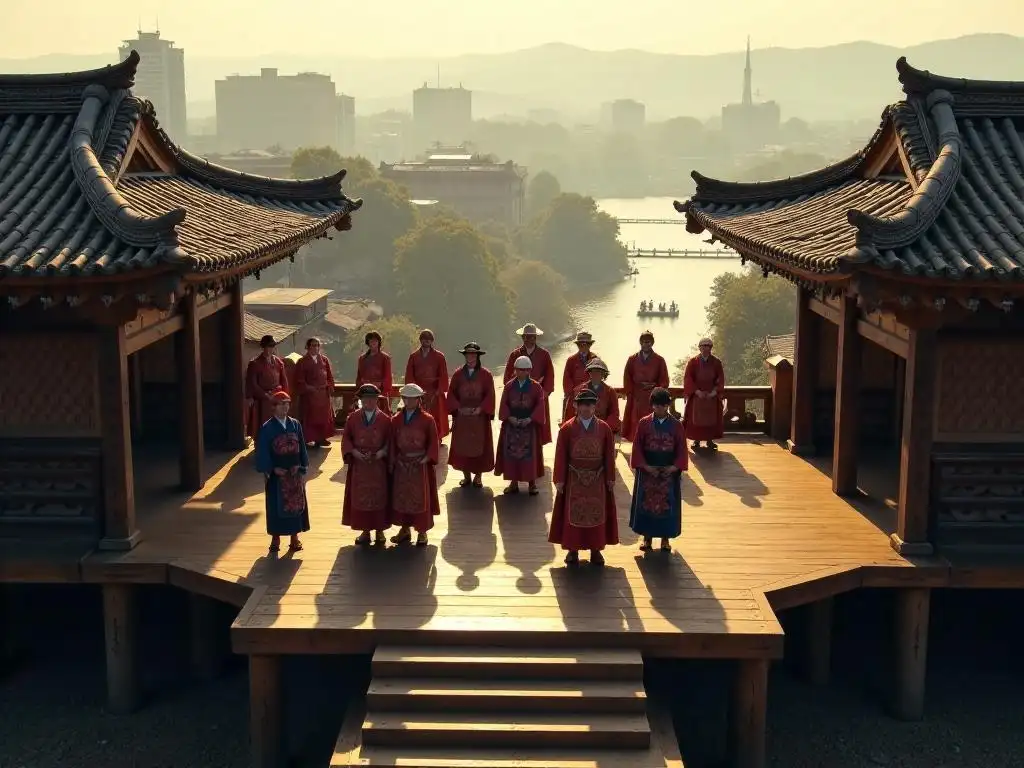
In the context of Feudal Japan, propaganda refers to the strategic dissemination of information, ideas, and cultural narratives aimed at shaping public perception and garnering support for political leaders and their agendas. This period, characterized by the rise of powerful clans and the eventual unification under leaders like Oda Nobunaga, Toyotomi Hideyoshi, and Tokugawa Ieyasu, saw the use of propaganda as a critical tool for consolidating power and establishing legitimacy.
Propaganda during this era was not merely about falsehoods or manipulation; it often intertwined with cultural identity, religious beliefs, and historical narratives. Leaders would employ various artistic forms to convey messages that reinforced their authority, glorified their achievements, and promoted a shared national identity. The concept of "bushido" (the way of the warrior) was frequently highlighted, emphasizing loyalty, honor, and valor, which helped legitimize the actions of feudal lords in the eyes of their samurai and the general populace.
Methods of Dissemination: From Oral Traditions to Visual Arts
The dissemination of propaganda in Feudal Japan encompassed a diverse array of methods, evolving alongside advancements in communication technology and cultural expression. The primary methods included:
- Oral Traditions: Stories and legends were passed down through generations, often by traveling storytellers (narrators known as kibyōshi). These narratives served to glorify heroic deeds of leaders and instill loyalty among the populace.
- Literature and Poetry: Works such as The Tale of the Heike and various waka poems were instrumental in crafting the historical narrative that aligned with the interests of ruling powers. These literary forms often recounted the valor and righteousness of certain clans, fostering a sense of unity and purpose among the people.
- Visual Arts: Paintings, woodblock prints (ukiyo-e), and theater (such as kabuki) played a significant role in propaganda. These art forms depicted battles, heroic samurai, and mythical subjects that honored the ruling class. For example, artists like Katsushika Hokusai utilized visual storytelling to convey messages that resonated with the masses.
- Religious Influence: Temples and shrines were often co-opted to serve propaganda purposes, where religious festivals and rituals were used to promote the divine right of rulers. The association with Buddhist or Shinto deities helped to elevate the status of leaders as semi-divine figures.
Analysis of Key Propaganda Campaigns
Several key propaganda campaigns during Japan's unification exemplify the intricate relationship between culture and political power, showcasing how art and strategic messaging were employed to influence public perception.
- Oda Nobunaga's Campaigns:
- Nobunaga utilized a combination of military prowess and cultural patronage to establish his authority. His use of Noh theater to depict his victories and the promotion of painting and calligraphy that celebrated his lineage helped solidify his image as a unifier.
- Toyotomi Hideyoshi's Cultural Patronage:
- Hideyoshi, following Nobunaga's death, embraced cultural propaganda by commissioning grand architectural projects like the Osaka Castle and promoting tea ceremonies that symbolized peace and unity. He also fostered literature that narrated his rise, further embedding his legacy into the cultural fabric of Japan.
- Tokugawa Ieyasu's Legacy:
- After the unification, Ieyasu's administration employed propaganda to legitimize the Tokugawa shogunate's rule. The establishment of the Edo period saw the proliferation of woodblock prints that celebrated the peace and prosperity under Tokugawa rule, contrasting it with the chaos of the preceding Warring States period.
Propaganda during Japan's unification was more than mere manipulation; it was a sophisticated blend of culture, art, and politics, deeply embedded in the historical narratives that shaped the nation’s identity. The influence of these propaganda techniques continues to resonate in modern Japan, where historical perceptions remain a crucial element of national pride and cultural heritage.
Cultural Influence on Political Movements
The Interplay of Art and Politics in Feudal Japan
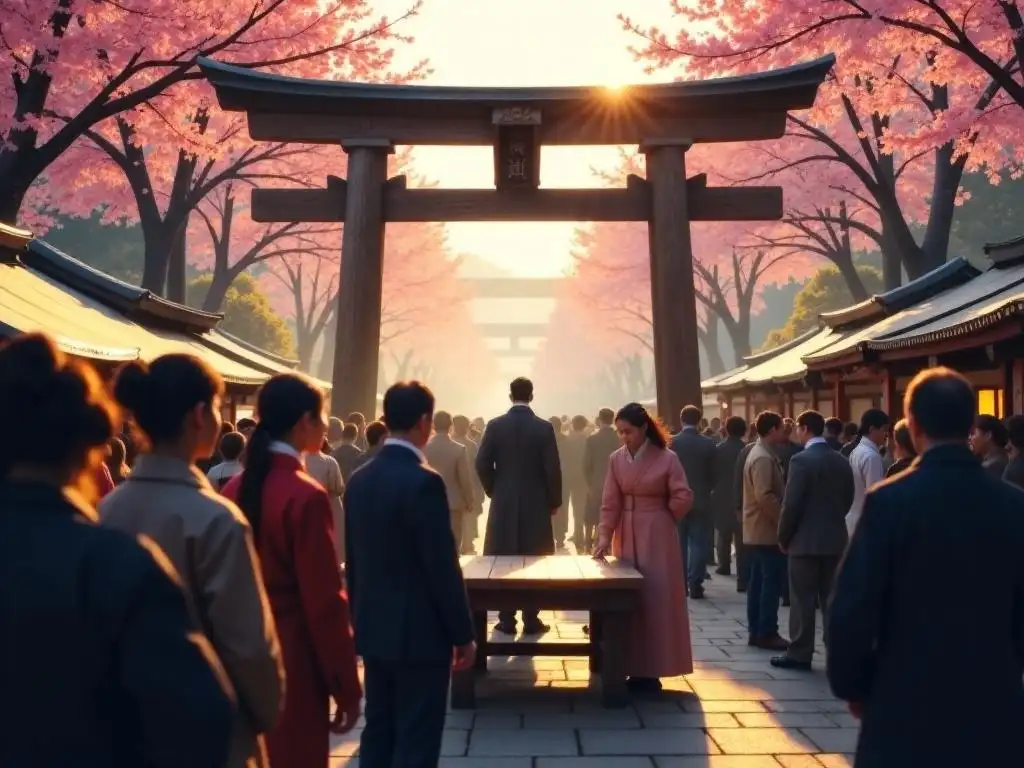
Throughout the Japan feudal era, art and politics were intricately intertwined, often serving as conduits for propaganda and cultural expression. The artistic movements that emerged during this period were not merely aesthetic but were deeply rooted in the socio-political context of the time. As various clans vied for power and influence, they employed art as a means to shape public perception and legitimize their rule.
For instance, the Noh theater, which developed in the 14th century, played a significant role in this dynamic. It was used to convey the ideals of loyalty and honor, often portraying samurai virtues and historical events that aligned with the ruling clan's narrative. The themes presented in Noh plays reinforced the legitimacy of the ruling powers while simultaneously offering moral lessons to the audience.
Furthermore, the evolution of ukiyo-e (floating world pictures) during the Edo period provided a visual commentary on society, politics, and the lives of the samurai. Artists like Hokusai and Hiroshige depicted scenes that not only celebrated the beauty of nature but also subtly critiqued the social order and political climate. This duality in art allowed for a complex relationship where culture influenced political perceptions, and political events inspired artistic expression.
Case Studies: Specific Events Where Culture Shaped Political Perceptions
Several key events in the unification of Japan illustrate how culture actively shaped political perceptions. One notable example is the Battle of Sekigahara in 1600, which marked a decisive turning point in Japan's political landscape. Following this battle, the victor, Tokugawa Ieyasu, utilized art to consolidate his power.
The Establishment of the Tokugawa Shogunate
- Cultural Patronage: Ieyasu became a patron of the arts, commissioning works that depicted his triumph and the stability of his regime. This artistic output not only celebrated the new shogunate but also presented it as a restoration of order following the chaos of the Sengoku period.
- Literature and Poetry: The literature of the time, such as haiku and narrative poetry, often reflected themes of loyalty to the shogunate and the virtues of the samurai, reinforcing the socio-political hierarchy.
Another significant event was the Meiji Restoration in 1868, which saw the end of the Tokugawa era. The new government harnessed Western artistic influences to promote modernization.
- Visual Arts and Propaganda: The use of Western techniques in painting and printmaking helped create a narrative of progress, portraying Japan as a modern nation in the eyes of both its citizens and the international community.
- Exhibitions: The Tokyo National Industrial Exhibition of 1877 showcased Japan's industrial and cultural advancements, blending traditional crafts with modern innovations, thereby shaping perceptions of Japan as a rising power.
The Role of Samurai and Their Influence on Cultural Narratives
The samurai class played a pivotal role in shaping Japan's feudal culture and its political narratives. Revered as the warrior elite, samurai were not only military leaders but also cultural icons whose values permeated the arts and societal norms.
Ideals of Bushido
The concept of Bushido, or the "way of the warrior," encapsulated the ethical framework of the samurai. This code emphasized loyalty, honor, and martial prowess, which were frequently depicted in various art forms:
- Literature: Samurai literature, including Tales of the Heike, conveyed the struggles and virtues of the samurai, reinforcing their role as protectors of the realm.
- Visual Arts: Paintings and prints often romanticized samurai life, illustrating them in noble pursuits or heroic battles, thus embedding their cultural significance in the public consciousness.
Cultural Narratives and Public Perception
The samurai's influence extended beyond their military might; they were instrumental in shaping cultural narratives that resonated with the populace. Their values were celebrated in:
- Theater: Kabuki and Noh performances often depicted samurai as heroes or tragic figures, highlighting the complexities of loyalty and honor.
- Festivals and Ceremonies: Samurai were central figures in local festivals, where their participation fostered a sense of community and cultural pride, further solidifying their status as cultural and political icons.
The cultural influence during Japan's feudal era significantly impacted political movements and perceptions. Through art, literature, and the ideals of the samurai, a rich tapestry of narratives emerged that shaped the historical landscape of Japan's unification.
The Impact of Religion on Art and Propaganda
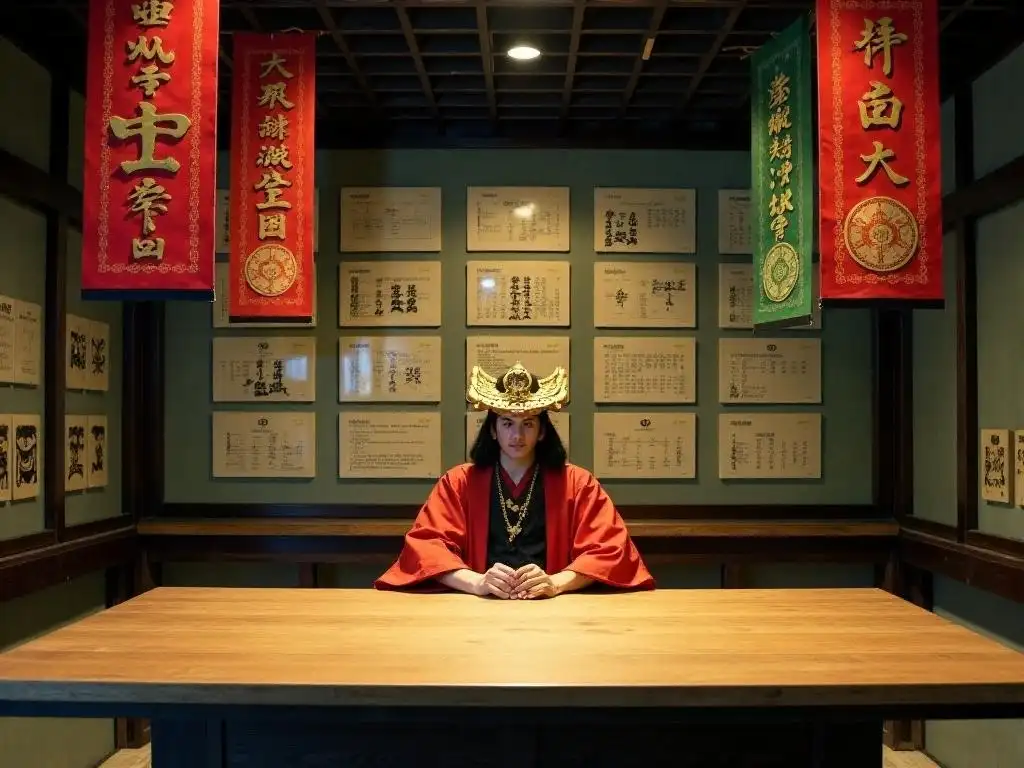
The intersection of religion and art during Japan's feudal era played a pivotal role in shaping societal perceptions and political narratives. As various factions vied for power, the artistic expressions of the time often reflected the underlying religious beliefs that influenced both culture and governance. This section explores how Shinto and Buddhism informed artistic endeavors, how religious art served as a conduit for political messaging, and how spirituality intertwined with the emerging sense of national identity.
Shinto and Buddhist Influences on Cultural Expression
Shinto and Buddhism, the two predominant religions in Japan during the feudal era, significantly influenced artistic expression.
- Shinto's Nature-Centric Aesthetics:
- Shinto, being inherently tied to nature and the worship of kami (spirits), fostered a deep appreciation for the natural world in artistic representations.
- Artworks often depicted landscapes, flora, and fauna, emphasizing harmony with the environment. Traditional art forms, such as ukiyo-e (floating world prints), showcased picturesque scenes that celebrated the beauty of Japan's landscapes, which were seen as manifestations of divine presence.
- Buddhist Iconography:
- Buddhism introduced a range of iconographic elements that permeated various art forms. Statues of deities, mandalas, and temple murals became common, serving both religious and aesthetic purposes.
- The depiction of Buddhist themes in art provided a visual narrative that conveyed moral lessons, encouraging devotion and reflection among the populace.
- Syncretism of Beliefs:
- The blending of Shinto and Buddhist elements, known as Shinbutsu shūgō, resulted in unique artistic expressions that reflected the duality of Japan's spiritual landscape. This syncretism allowed for the incorporation of Buddhist motifs into Shinto practices, creating artworks that resonated with a broader audience.
Religious Art as a Tool for Political Messaging
Art, particularly religious art, became a powerful medium for political messaging during Japan's unification.
- Visual Propaganda:
- Rulers and warlords utilized religious art to legitimize their authority. For example, the portrayal of a samurai alongside Buddhist figures could serve to reinforce the idea of divine right and moral duty.
- Temples and shrines often commissioned artworks that depicted the ruling class in a favorable light, creating a narrative that aligned political power with spiritual favor.
- Cultural Narratives:
- During the unification process, art became a tool for weaving narratives that celebrated the achievements of prominent leaders. The depiction of the Yamato lineage, for instance, frequently included divine ancestry through the sun goddess Amaterasu, enhancing the legitimacy of the ruling family.
- Propagandistic artworks were designed to evoke emotional responses, often portraying battles as not only physical confrontations but also spiritual endeavors supported by divine forces.
- Public Engagement:
- Religious festivals and the accompanying art encouraged public participation, fostering a sense of community and shared identity. The artwork associated with these festivals often highlighted the power of the community under the guidance of a divine protector, further intertwining political allegiance with spiritual devotion.
The Relationship Between Spirituality and National Identity
The blending of spirituality and national identity during Japan's feudal era was characterized by a strong connection between religious beliefs and the concept of a unified nation.
- Mythology and Nationalism:
- The mythological narratives surrounding Shinto deities, particularly the idea of a singular Japanese identity rooted in divine ancestry, helped to shape a collective consciousness. This was particularly evident during periods of conflict when the notion of a united Japan was essential for mobilizing support.
- Cultural Rituals and Unity:
- Rituals performed at shrines and temples served to reinforce a sense of belonging and collective identity among the populace. These rituals often highlighted the importance of loyalty to the ruler as a manifestation of spiritual duty.
- Art as a Reflection of Identity:
- The art of the period increasingly began to reflect a burgeoning sense of nationalism. Themes celebrating the beauty and uniqueness of Japan, influenced by spiritual beliefs, fostered a national identity that resonated across different social classes.
The interplay between religion and art during Japan's feudal era was instrumental in shaping not only cultural expressions but also political narratives and national identity. The influences of Shinto and Buddhism provided a rich tapestry through which leaders communicated their authority and the populace engaged with their faith and identity. This complex relationship continues to inform our understanding of how art and propaganda functioned within the context of Japan’s unification.
The Legacy of Japan's Feudal Era Culture Influence
Long-term Effects on Modern Japanese Society
The cultural influence of Japan's feudal era has left an indelible mark on modern Japanese society, shaping various aspects of daily life, values, and arts. The samurai ethos, which emphasized loyalty, honor, and discipline, continues to resonate in contemporary Japanese culture. For instance, many Japanese still admire the virtues associated with the samurai, which are reflected in various forms of media, including literature, film, and even business practices.
Key Aspects of Feudal Influence:
- Art and Aesthetics:
- The aesthetics of the feudal period, characterized by simplicity and natural beauty, can be seen in modern Japanese design and architecture, such as the minimalist approach in contemporary homes.
- Ikebana (flower arranging) and tea ceremonies (茶道, sadō) are direct descendants of feudal cultural practices, emphasizing harmony and respect for nature.
- Social Structures:
- The hierarchical social system of the feudal era laid the groundwork for modern societal norms, where respect for authority and seniority remains significant.
- The concept of wa (和), or harmony, which was crucial in feudal interactions, still plays a vital role in maintaining social cohesion in contemporary Japan.
- Culinary Traditions:
- Many traditional Japanese dishes, such as sushi and ramen, have their roots in feudal times. The local ingredients and cooking methods developed during this era continue to influence Japan's culinary landscape.
The cultural festivals held throughout Japan often celebrate feudal history, showcasing traditional arts such as Noh and Kabuki theater, which serve not only as entertainment but also as a means of preserving cultural heritage. These long-term effects illustrate how the values and practices of the Japan feudal era culture influence continue to permeate modern life.
How Historical Perspectives Continue to Shape Cultural Narratives Today
The historical narratives surrounding Japan's unification and the feudal era play a critical role in shaping contemporary cultural narratives. The retelling of these histories often conveys moral lessons and reflects societal values, making them relevant in today’s context.
Influences on Modern Narratives:
- Literature and Media:
- Modern Japanese literature often draws from feudal themes, exploring concepts of loyalty and betrayal through historical fiction. Authors like Yasushi Inoue and Haruki Murakami weave these elements into their narratives, allowing readers to reflect on the implications of historical events on current society.
- Anime and manga frequently depict samurai and feudal settings, serving as both entertainment and a means to engage younger generations with their heritage.
- Education:
- The portrayal of the feudal era in educational curricula emphasizes the importance of historical context in understanding modern Japan. Students learn about the samurai's role in shaping national identity, reinforcing cultural pride and continuity.
- Public Perception:
- Historical events from the feudal period are often romanticized or reinterpreted to foster national pride. This can be seen in various public monuments, statues, and historical reenactments that celebrate figures like Oda Nobunaga and Toyotomi Hideyoshi, who played crucial roles in Japan's unification.
By examining these narratives, we can see how the past continually influences the present, shaping cultural perceptions and societal norms. The legacy of Japan's feudal era culture influence is not a relic of history but a living part of the Japanese identity that evolves while remaining rooted in its rich heritage.
Conclusion
Summary of Key Points on Art and Propaganda in Japan's Unification
Throughout the tumultuous period of Japan's unification, spanning from the late 15th to the early 17th centuries, art and propaganda played pivotal roles in shaping societal perceptions and political narratives. The following key points underscore the influence of culture during this critical era:
- Art as a Political Tool: Artistic expressions, especially in the form of ukiyo-e (woodblock prints) and Noh theater, were utilized to disseminate political ideologies. These art forms often glorified the actions of key figures, such as Oda Nobunaga and Toyotomi Hideyoshi, thereby reinforcing their legitimacy and power.
- Symbolism and Imagery: The use of specific symbols, such as the crane or cherry blossom, was prevalent in artworks, evoking themes of peace, prosperity, and national identity. These symbols were strategically employed to foster a sense of unity among the populace amidst the chaos of civil war.
- Literature and Propaganda: Historical texts and poetic works often served as propaganda, framing the narratives of unification in a manner that highlighted the divine right of leaders while diminishing the reputations of their rivals. Works like "The Tale of Heike" provided moral lessons that justified the unification process.
- Religious Influence: Buddhist and Shinto imagery were interwoven into the art of the period, enhancing the spiritual justification for political actions. Temples and shrines incorporated art that depicted leaders as divine figures, merging the secular with the sacred to legitimize their rule.
- Cultural Exchange and Adaptation: The unification period also saw significant cultural exchange, particularly with the introduction of Western artistic techniques. This blending of styles not only enriched Japanese art but also allowed for innovative propaganda methods that appealed to a broader audience.
These elements collectively highlight how Japan's feudal era culture influence shaped perceptions and facilitated the unification process, ultimately impacting the nation's trajectory.
Final Thoughts on the Importance of Cultural Influence in Political History
The examination of art and propaganda during Japan's unification reveals the profound impact of culture on political history. It is essential to recognize that culture is not merely a backdrop but an active participant in the shaping of historical narratives and public sentiment.
In the context of Japan's feudal era, culture served as a unifying force that helped consolidate power, forge national identity, and justify political actions. As leaders sought to legitimize their authority, they turned to cultural expressions that resonated with the people, illustrating the reciprocal relationship between politics and culture.
Understanding this interplay encourages a more nuanced view of historical events, emphasizing that the advancement of society is often interwoven with the threads of cultural influence. As we study the nuances of the past, we gain insights into how similar dynamics might manifest in contemporary political landscapes, making the study of cultural influence an enduring and vital aspect of political history.
The exploration of Japan's feudal era culture influence not only enriches our understanding of historical events but also highlights the timeless relevance of culture in shaping political realities.
Frequently Asked Questions
What role did art play in the Japan feudal era culture influence?
Art served as a powerful medium to express political ideologies and social values, reflecting the societal norms and beliefs during the unification period.
How did propaganda affect cultural perceptions in feudal Japan?
Propaganda was utilized to shape public opinion and reinforce the authority of rulers, influencing how culture and identity were perceived by the masses.
What were some key cultural elements during Japan's unification?
Key elements included literature, painting, and theater, which not only showcased artistic talent but also conveyed messages that aligned with the ruling powers' objectives.
In what ways did the Japan feudal era culture influence modern Japanese society?
The cultural legacies of the feudal era continue to influence Japanese art, literature, and values, which are reflected in contemporary practices and beliefs.
How did the unification of Japan impact its cultural landscape?
The unification led to a consolidation of various cultural practices, creating a more standardized national identity that blended regional traditions into a cohesive cultural framework.
Final Reflection: The Enduring Influence of Japan's Feudal Era Culture
Art and propaganda during Japan's unification serve as a powerful reminder of how culture shapes perceptions and narratives. Today, as we navigate a world filled with competing ideologies and cultural expressions, understanding the historical context of Japan's feudal era becomes increasingly relevant. The way art was employed to influence public sentiment and unify a nation underscores the profound impact of cultural narratives in shaping societal values and beliefs. This historical lens prompts us to consider how contemporary art and media continue to mold our perceptions in the modern age.
Culture is not merely a reflection of society; it is a driving force that shapes our collective identity. The art and propaganda of Japan's feudal era illustrate how cultural expressions can be harnessed to unify a populace and promote specific ideologies. As we witness the ongoing influence of these historical narratives in today's global culture, we are reminded of the words of Japanese philosopher Nishida Kitarō: The true self is not separate from the world; it is a part of the world.
This sentiment encapsulates the interconnectedness of culture and identity, emphasizing that our understanding of the past continues to inform our present and future.
As you reflect on the lessons from Japan's unification, I invite you to consider how you can engage with culture in your own life. Think about the art, literature, and media that shape your perceptions and how you can use these tools to foster understanding and unity in your community. By actively participating in cultural dialogues and embracing the diverse narratives that surround us, we can honor the legacy of Japan's feudal era while contributing to a more inclusive and empathetic world.
Unveil the Power of Culture in Shaping Perspectives!
Thank you for diving into the fascinating interplay of art and propaganda during Japan's unification! You've explored how culture profoundly influenced societal perceptions and historical narratives. Now, let’s turn those insights into action!
Here’s how you can continue your journey of exploration and engagement:
- Dive deeper: Explore specific pieces of art from the era and consider their impact on public sentiment. Visit local galleries or online exhibitions that focus on Japanese history.
- Share your thoughts: Discuss this article with friends or on social media. Sharing insights can spark new conversations and broaden understanding.
- Join a community: Connect with individuals who share your interest in Japanese history through online platforms or local groups. Engaging with others can deepen your perspective and enhance your knowledge.
Which artwork or historical piece do you believe had the most significant impact on society during Japan's unification? We invite you to share your thoughts below!