
The Unification of Japan: Myths, Legends, and Historical Truths

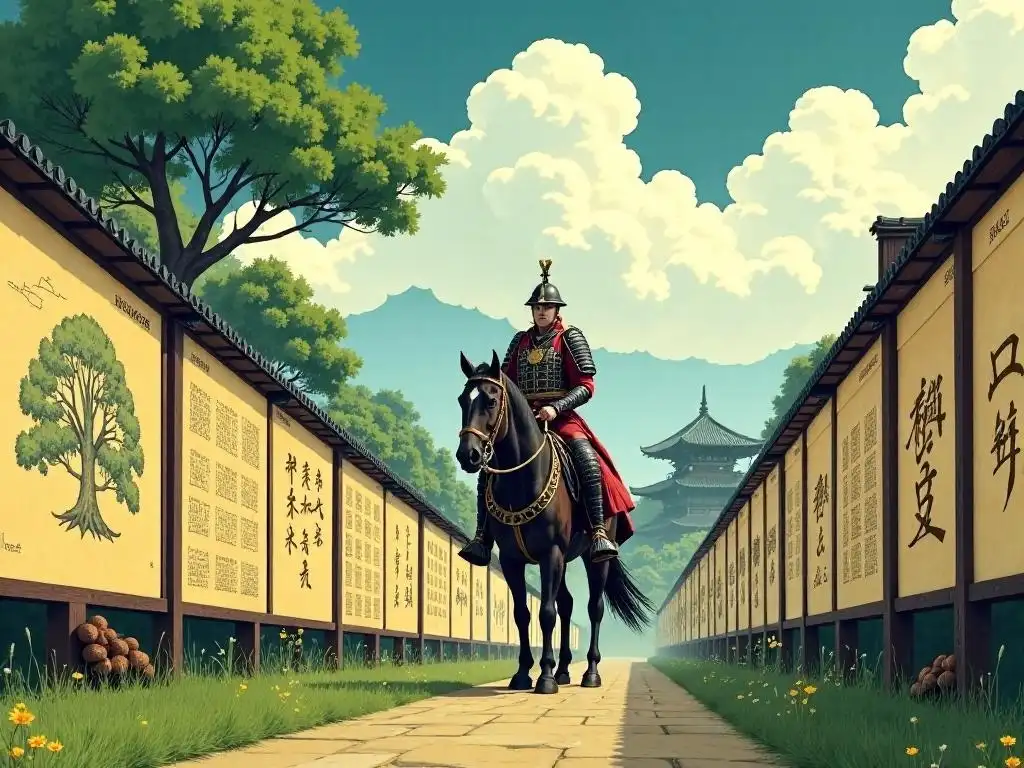
Welcome to Feudal Japan History, where we invite you to journey through the captivating tapestry of Japan's feudal era. Immerse yourself in the political history that shaped a nation, as we unravel the intricate narratives surrounding the unification of Japan. What myths and legends have intertwined with historical truths in this transformative period? Prepare to ignite your curiosity and deepen your understanding as we delve into an era rich with intrigue, conflict, and resolution. Join us as we explore the forces that united a divided land, and discover the stories that continue to resonate today.
Introduction to the Unification of Japan History
The unification of Japan stands as a pivotal event in the nation's history, marking the transition from a fragmented landscape of warring states to a centralized power. This transformation, which occurred primarily during the late 16th century under the leadership of figures such as Oda Nobunaga, Toyotomi Hideyoshi, and Tokugawa Ieyasu, not only reshaped the political structure of Japan but also influenced its cultural and societal frameworks.
Understanding this complex period requires a nuanced exploration of the myriad myths, legends, and historical truths that have emerged over centuries. As we delve into the unification of Japan history, we will uncover how these narratives have both reflected and shaped the identity of a nation, ultimately leading to the rich tapestry of modern Japanese society.
Overview of Japan's Feudal Era
Japan's feudal era, spanning from the late 12th century until the mid-19th century, was characterized by a decentralized system of governance where power was held by local lords (daimyō) and their samurai warriors. This period saw the rise of powerful clans, constant warfare, and shifting alliances, which created a backdrop of instability and strife.
Key features of this era include:
- Military Governance: The samurai class played a crucial role in maintaining order and enforcing the will of their daimyō.
- Land Ownership: Control over land was synonymous with power, leading to fierce competition among feudal lords.
- Cultural Flourishing: Despite the conflict, this era also saw significant advancements in art, literature, and philosophy, which would come to shape Japanese culture.
Importance of Unification in Japanese History
The unification of Japan was not merely a political achievement; it was a transformative process that laid the foundation for the modern nation-state. The consolidation of power under a central authority allowed for:
- Stability: The end of constant warfare fostered a period of peace known as the Edo period (1603-1868), which enabled economic growth and cultural development.
- Cultural Cohesion: A unified Japan led to a shared identity among its people, promoting a sense of national pride and cultural continuity.
- Legal and Administrative Reforms: The establishment of a centralized government facilitated the implementation of standardized laws and regulations, enhancing governance and societal order.
Myths Surrounding the Unification of Japan
As with many historical events, the unification of Japan is steeped in myths and legends that often blur the lines between fact and fiction. These narratives have been passed down through generations, influencing perceptions of history and identity.
Popular Myths about the Unification of Japan
Several popular myths have emerged regarding the unification process, often romanticizing the figures involved and the events that transpired. Common themes include:
- The Heroic Samurai: Tales of samurai valor and honor often overshadow the political machinations and brutal tactics employed during the unification.
- Divine Mandate: Some narratives suggest that the unification was preordained by divine forces, attributing the success of leaders like Tokugawa Ieyasu to supernatural intervention.
The Role of Legends in Shaping Historical Narratives
Legends play a significant role in shaping the historical narratives surrounding Japan's unification. They serve to:
- Inspire National Pride: Legends of legendary figures and epic battles create a sense of heroism that resonates with the national identity.
- Simplify Complex Events: By condensing multifaceted historical processes into digestible stories, legends make it easier for people to understand and relate to their past.
Analyzing the Impact of Myths on National Identity
The myths surrounding the unification of Japan have profound implications for national identity. By examining these narratives, we can see how they:
- Influence Contemporary Culture: Modern media, literature, and education continue to perpetuate these myths, affecting how Japanese people view their history.
- Shape Political Discourse: Myths can be harnessed to promote specific political agendas, highlighting the importance of historical interpretation in contemporary society.
The exploration of the unification of Japan reveals a rich interplay between historical reality and myth, each influencing the other in the formation of a national identity that endures to this day.
Historical Truths of Japan's Unification
The unification of Japan, a pivotal moment in the nation's history, is often romanticized in myths and legends. However, the historical truths reveal a complex tapestry of political maneuvering, military strategy, and cultural exchange. The process of unification primarily occurred during the late 16th century, culminating in the establishment of the Tokugawa shogunate in 1603. This era was marked by significant conflict, including the Sengoku period, where numerous daimyos (feudal lords) vied for power across the archipelago.
The historical narrative surrounding the unification often highlights key figures like Oda Nobunaga, Toyotomi Hideyoshi, and Tokugawa Ieyasu, who played crucial roles in consolidating power. Each figure's rise was characterized by strategic alliances, military conquests, and the implementation of administrative reforms. The eventual unification under Tokugawa Ieyasu established a centralized feudal system that profoundly influenced Japan's political landscape for over 250 years.
Furthermore, the myths surrounding the unification often obscure the hardships faced by the common people during this tumultuous time. Land reforms, taxation, and the imposition of a rigid social hierarchy were all consequences of the unification efforts. Understanding these truths provides a more nuanced perspective on how Japan transitioned from a fragmented collection of warring states to a unified nation.
Key Figures in the Unification of Japan
-
Oda Nobunaga (1534-1582)
Oda Nobunaga is often regarded as the first of the three unifiers of Japan. He is known for his ruthless tactics and innovative military strategies. Nobunaga's conquests of territories in the central region of Japan set the stage for subsequent unification efforts. His establishment of the first reliable supply lines and the use of firearms in warfare were revolutionary for the time.
-
Toyotomi Hideyoshi (1537-1598)
Following Nobunaga's assassination, Toyotomi Hideyoshi rose to power and continued the unification process. Hideyoshi was instrumental in consolidating territories and implementing policies that promoted social order. His famous land surveys and tax reforms helped stabilize the economy and strengthened the central authority.
-
Tokugawa Ieyasu (1543-1616)
The final unifier of Japan, Tokugawa Ieyasu, established the Tokugawa shogunate after his victory at the Battle of Sekigahara in 1600. Ieyasu's leadership marked the beginning of the Edo period, characterized by peace, stability, and strict social order. His policies laid the groundwork for over two centuries of relative tranquility known as the Pax Tokugawa.
Major Events Leading to the Unification
Several key battles and political maneuvers were instrumental in the unification of Japan:
- Battle of Okehazama (1560): A decisive victory for Oda Nobunaga against a much larger force, this battle showcased his military prowess and rallied support for his cause.
- Siege of Osaka (1614-1615): This series of confrontations between Tokugawa Ieyasu and the Toyotomi clan marked the final defeat of the Toyotomi and solidified Tokugawa's control over Japan.
- Battle of Sekigahara (1600): Often considered the turning point of the unification process, Ieyasu's decisive victory here allowed him to establish the Tokugawa shogunate and bring about a new political order.
These events, along with strategic marriages, alliances, and betrayals, played significant roles in shaping the path toward a unified Japan.
Cultural Aspects of the Unification of Japan
The unification of Japan did not solely impact the political landscape; it significantly influenced cultural expressions and societal norms. As the nation transitioned from feudal conflicts to a centralized government, various cultural aspects evolved, reflecting both harmony and the complexities of this transformative era.
How Unification Influenced Japanese Culture
The unification of Japan ushered in a period of cultural flourishing known as the Edo period. With the establishment of peace, arts and literature began to thrive. The samurai class transitioned from warriors to cultural patrons, fostering the growth of traditional arts such as tea ceremony, flower arrangement (ikebana), and calligraphy.
Moreover, the unification promoted a sense of national identity among the Japanese people. As regional differences began to fade, a shared cultural heritage emerged, characterized by the proliferation of kabuki theatre, ukiyo-e woodblock prints, and haiku poetry. The arts became avenues for expressing the values and philosophies that resonated within a unified society.
The Role of Religion and Spirituality in Unification
Religion played a crucial role during Japan's unification, influencing both political legitimacy and cultural practices. The introduction of Christianity by European missionaries in the late 16th century posed both a challenge and an opportunity for the unifying leaders. While initially embraced by some, including Nobunaga, the Tokugawa shogunate later adopted a policy of isolation, viewing Christianity as a potential threat to their authority.
Simultaneously, the consolidation of power allowed Shintoism and Buddhism to flourish. These religions provided spiritual cohesion and legitimacy to the ruling classes. Temples and shrines were constructed, promoting religious practices that reinforced social order and cultural values. The syncretism of Shinto and Buddhism became a defining characteristic of Japanese spirituality during this period.
The Arts during the Unification Period
The arts experienced a renaissance during the unification of Japan, with significant developments in various forms. The Edo period saw the rise of:
- Ukiyo-e: This genre of woodblock prints depicted the "floating world," showcasing landscapes, kabuki actors, and beautiful women. Artists like Hokusai and Hiroshige became famous for their works, which are celebrated for their beauty and detail.
- Kabuki Theatre: Emerging as a popular form of entertainment, Kabuki combined drama, music, and dance. Its vibrant performances attracted diverse audiences and reflected social themes relevant to the times.
- Literature: The unification period also witnessed the proliferation of literature, with works such as "The Tale of Genji" and various haiku collections gaining prominence. These literary forms allowed for the exploration of human emotions and the beauty of nature, resonating deeply with the cultural ethos of the time.
The unification of Japan was not merely a political achievement; it was a catalyst for profound cultural transformation that shaped the identity and artistic expressions of the nation for centuries to come.
Societal Changes Resulting from Unification
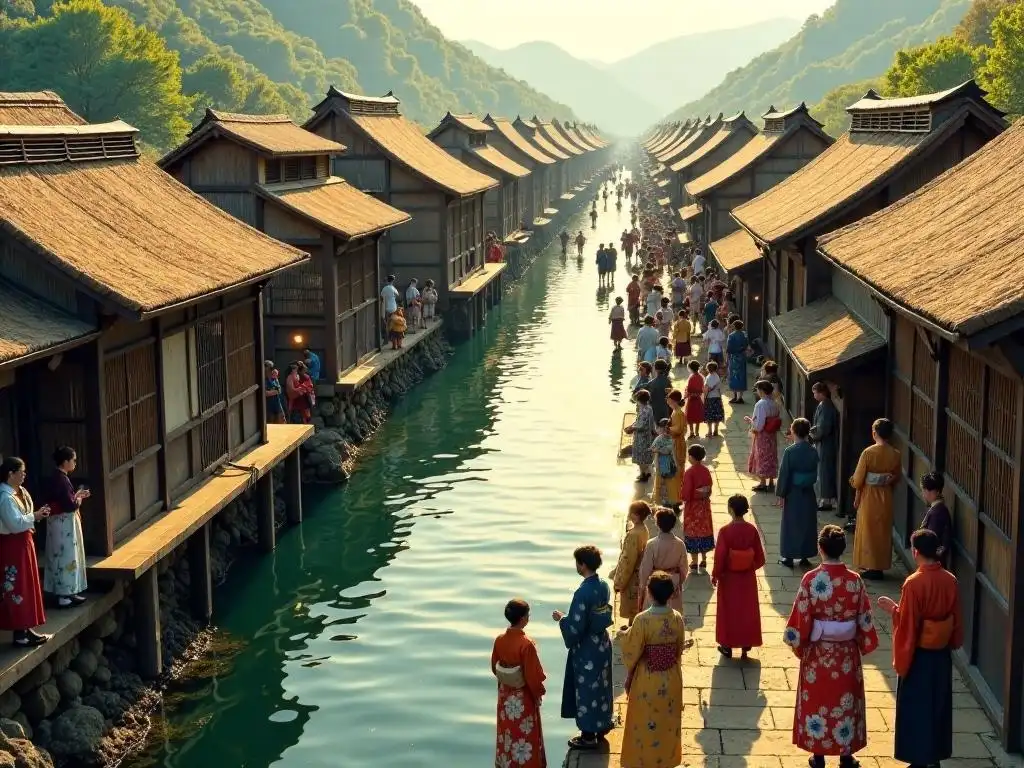
The unification of Japan during the late 16th century under the leadership of figures such as Oda Nobunaga, Toyotomi Hideyoshi, and finally Tokugawa Ieyasu led to significant societal transformations that shaped the country for centuries. One of the most profound changes was the shift from a fragmented feudal system to a centralized political structure. This transition fostered greater stability, allowing for a more cohesive national identity to emerge.
In addition to political centralization, the unification catalyzed changes in social hierarchy. The rigid caste system of the feudal era was adapted, leading to the rise of the samurai class as both military leaders and administrative officials. The merchant class also gained prominence, as commerce flourished in the newly unified Japan. This shift in societal structure led to a more complex interplay between different social classes, with the samurai increasingly relying on merchants for economic support.
Moreover, the unification spurred cultural and educational developments. The establishment of peace allowed for the patronage of arts and education, leading to the flourishing of Japanese literature, theater, and visual arts. The spread of Neo-Confucianism during the Tokugawa period further influenced societal values, emphasizing loyalty, hierarchy, and filial piety among the population.
Structure of Society in the Tokugawa Era
The Tokugawa era (1603-1868) marked a distinct phase in the social structure of Japan, characterized by a rigidly defined hierarchy. At the top of this hierarchy was the shogun, the military dictator who controlled the country, followed by the daimyo, who were powerful feudal lords. Beneath them were the samurai, who served as both warriors and local administrators, tasked with maintaining order and enforcing the shogun's policies.
The next tier comprised the farmers, who were considered the backbone of the economy. Despite their essential role in food production, they faced heavy taxation and were often subjected to the whims of their lords. The merchant class, positioned below farmers in the traditional hierarchy, gradually gained wealth and influence, especially in urban areas. This shift highlighted the complex dynamics of Tokugawa society, where economic power could sometimes overshadow traditional social rankings.
The social structure was further reinforced by laws and regulations that dictated the behaviors and responsibilities of each class. The samurai were expected to uphold honor and loyalty, while merchants were often viewed with suspicion due to their profit-driven motives. This stratification of society fostered both stability and tension, as different classes navigated their roles within the newly unified state.
Economic Developments Post-Unification
The unification of Japan had a profound impact on its economy, paving the way for significant developments that would shape the nation’s future. With the consolidation of power under the Tokugawa shogunate, Japan experienced a period of peace known as the Pax Tokugawa, which allowed for agricultural productivity to flourish. Agricultural innovations, such as improved irrigation techniques and crop rotation, led to increased yields, supporting a growing population.
Additionally, the establishment of a more integrated market system facilitated commerce and trade. The development of infrastructure, including roads and transportation networks, enabled the movement of goods across regions, connecting rural areas with urban centers. The rise of castle towns became pivotal, as they transformed into bustling marketplaces, fostering economic interaction among various classes.
The Tokugawa period also saw the emergence of a merchant class that became increasingly influential. While traditionally regarded as lower in the social hierarchy, merchants accumulated wealth and began to invest in cultural and educational pursuits. This economic empowerment contributed to a burgeoning consumer culture, marked by the rise of urban entertainment, crafts, and the arts, ultimately laying the groundwork for Japan's modernization.
Comparing Myths and Historical Truths
The unification of Japan is surrounded by numerous myths and legends that often overshadow the historical truths of the era. These narratives, while captivating, can distort the actual events and motivations behind the unification process. Understanding the distinction between these myths and historical facts is crucial for a comprehensive grasp of Japan's political evolution.
Discrepancies between Myths and Recorded History
Many myths surrounding the unification of Japan focus on singular heroic figures and dramatic battles, often romanticizing the motivations of leaders like Oda Nobunaga and Toyotomi Hideyoshi. For instance, the portrayal of Nobunaga as a ruthless warlord overlooks his strategic acumen and diplomatic efforts that played a crucial role in unification. Historical records indicate that Nobunaga employed a combination of military force and political alliances, challenging the simplistic narrative of brute strength.
Furthermore, while legends often emphasize the glory of war and conquest, they tend to downplay the complexities of governance and the socio-economic factors that contributed to unification. The gradual process of alliance-building, negotiation, and cultural integration is often lost in the grandiose tales of battles and betrayals, leading to a skewed perception of the period.
The Influence of Historical Interpretation on Modern Understanding
The interpretation of Japan's unification has evolved over time, influenced by various factors including national identity, cultural pride, and contemporary political ideologies. Modern scholarship has increasingly sought to analyze the unification through a more nuanced lens, recognizing the interplay between social, economic, and cultural elements rather than focusing solely on military achievements.
This evolving historical interpretation plays a significant role in shaping modern understandings of Japan's past. By challenging traditional narratives, historians highlight the importance of context and complexity in the unification process. The recognition of diverse perspectives, including those of farmers and merchants, enriches our understanding of the societal impact of unification and encourages a more inclusive view of history.
The myths and legends surrounding the unification of Japan serve as both a reflection of cultural values and a reminder of the importance of critical historical analysis. By distinguishing between myth and historical truth, we gain a deeper appreciation for the complexities that shaped Japan's feudal era and its enduring legacy.
Conclusion: The Legacy of Japan's Unification
The unification of Japan stands as a pivotal chapter in the nation’s history, marking the transition from a fragmented landscape of clans and warring states to a centralized and cohesive polity. This monumental process, which culminated in the late 16th century and continued into the early 17th century, not only reshaped the political framework of Japan but also laid the groundwork for its cultural and social evolution. The legacy of this unification is still deeply embedded in modern Japan, influencing its governance, cultural identity, and societal structures.
Lasting Effects on Modern Japan
The effects of Japan's unification are evident in various aspects of contemporary Japanese life. Politically, the establishment of the Tokugawa shogunate created a stable governance structure that endured for over 250 years. This stability fostered economic growth and cultural development, which have left an indelible mark on Japan's political landscape today.
Moreover, the unification facilitated the emergence of a national identity, as regional differences were gradually subsumed under a more coherent cultural framework. The cultural policies enacted during the Edo period promoted arts, literature, and education, creating a rich cultural heritage that continues to thrive in Japan’s modern society. The values and practices that emerged from this era, such as the emphasis on community and social harmony, are still reflected in contemporary Japanese culture and societal interactions.
Reflections on Myths, Legends, and Historical Truths in Japan's Identity
The myths and legends surrounding the unification of Japan reveal how deeply intertwined history and cultural identity are within the nation. Figures like Toyotomi Hideyoshi and Tokugawa Ieyasu have become larger-than-life characters in Japanese folklore, embodying ideals of leadership, strength, and strategy. These narratives, while often embellished, serve to inspire national pride and a sense of continuity with the past.
However, the challenge lies in discerning these myths from historical truths. While the legends celebrate triumphs and heroism, they may also obscure the complexities and darker aspects of the unification process, such as the violent conflicts and the suppression of dissent. A nuanced understanding of this history is essential for appreciating Japan’s contemporary identity, as it reflects both the grandeur of its unification and the lessons learned from its tumultuous past.
Further Reading and Resources on the Unification of Japan History
For those interested in delving deeper into the unification of Japan, numerous resources provide insights into this critical period. These materials encompass a range of scholarly works, documentaries, and films that explore the multifaceted nature of Japan's unification and its ongoing impact.
Recommended Books and Articles
- "The Making of Modern Japan" by Jonah S. Goldstein: This book offers a comprehensive overview of Japan's transition from feudalism to modernity, including the unification process.
- "Samurai and Silk: A Japanese and American Heritage" by Patricia A. McCormick: This work examines the cultural and historical context of the samurai, including their role in the unification of Japan.
- "Japan: A History" by John W. Dower: This book provides an in-depth look at Japan’s history, with significant focus on the unification period and its legacy.
- Academic journals: Articles from journals such as "The Journal of Japanese Studies" often feature specialized research on specific aspects of Japan's unification.
Documentaries and Films on Japan's Unification
- "The Last Samurai" (2003): While a fictional narrative, this film provides insights into the samurai culture that was both a product and a significant influence on the unification era.
- "Samurai: Behind the Blade" (2003): This documentary explores the history of the samurai, shedding light on their role during Japan's unification and the Edo period.
- "The Unification of Japan: The Age of the Samurai": This documentary series offers a detailed account of the historical events leading to Japan's unification, featuring expert commentary and reenactments.
These resources contribute to a richer understanding of the unification of Japan, blending historical facts with cultural narratives that continue to shape the country's identity today.
- Introduction to the Unification of Japan History
- Myths Surrounding the Unification of Japan
- Historical Truths of Japan's Unification
- Cultural Aspects of the Unification of Japan
- Societal Changes Resulting from Unification
- Comparing Myths and Historical Truths
- Conclusion: The Legacy of Japan's Unification
- Further Reading and Resources on the Unification of Japan History
- What is the significance of the unification of Japan in history?
- Who were the key figures in the unification of Japan?
- What role did myths and legends play in the narrative of Japan's unification?
- How did the unification of Japan affect its society and culture?
- Are there any misconceptions about the unification of Japan?
Frequently Asked Questions
What is the significance of the unification of Japan in history?
The unification of Japan marked the end of centuries of feudal conflict, leading to a centralized government and the establishment of the Tokugawa Shogunate, which influenced Japan's political landscape for over 250 years.
Who were the key figures in the unification of Japan?
Key figures include Oda Nobunaga, who initiated the unification process, Toyotomi Hideyoshi, who consolidated power, and Tokugawa Ieyasu, who completed the unification and established the Tokugawa Shogunate.
What role did myths and legends play in the narrative of Japan's unification?
Myths and legends often romanticize historical events, contributing to the cultural identity of Japan. They shape perceptions of key figures and events, influencing how the unification of Japan is viewed today.
How did the unification of Japan affect its society and culture?
The unification of Japan led to a period of relative peace, allowing for advancements in art, literature, and theater, which flourished under the stability of the Tokugawa regime, profoundly impacting Japanese culture.
Are there any misconceptions about the unification of Japan?
Yes, many misconceptions exist, such as the belief that it was a quick and easy process. In reality, the unification involved complex struggles and strategic alliances that spanned several decades.
Final Reflection: The Unification of Japan – A Tapestry of Myths and Realities
The unification of Japan is not just a historical event; it is a profound narrative that intertwines myth, legend, and truth, shaping the very identity of the nation today. As we navigate through the complexities of modern society, understanding this rich tapestry of history becomes increasingly relevant. The stories of legendary figures like Oda Nobunaga and Toyotomi Hideyoshi remind us that the past is not merely a collection of dates and events, but a dynamic force that continues to influence contemporary Japan, its culture, and its people.
The unification of Japan has left an indelible mark on the cultural and social landscape, fostering a sense of national identity that resonates even in the present day. The legends surrounding this pivotal period serve as a reminder of the power of unity and the strength found in diversity. As the historian John W. Hall once said, History is not a mere record of the past; it is a living force that shapes our understanding of ourselves and our place in the world.
This ongoing influence invites us to reflect on how these historical narratives continue to inform our values and aspirations as a society.
As we conclude this exploration of the unification of Japan, I invite you to reflect on the lessons embedded within these stories. How can the themes of unity, resilience, and transformation inspire you in your own life? Consider the ways in which you can embrace the spirit of collaboration and understanding in your community, drawing from the rich history that has shaped Japan. Let the myths and truths of the past guide you as you forge your own path, contributing to a future that honors the legacy of those who came before us.
Uncover the Truth: Step into Japan's Rich History!
Thank you for diving into the fascinating world of Japan's unification! We hope you discovered intriguing myths, legendary figures, and the historical truths that shaped this remarkable period. Now, it’s time to take action and deepen your understanding!
- Explore further: Visit our “Myths vs. Facts” section to uncover more captivating stories about Japan's past.
- Join the conversation: Share your thoughts or insights on social media using #FeudalJapanHistory and connect with fellow history enthusiasts.
- Take a unique journey: Consider reading a historical fiction novel set in this era to immerse yourself in the culture of unification!
What legend or truth about Japan's unification resonates most with you, and how do you see it influencing modern Japan?