
The Cultural Exchange Between Japan and the West During the Tokugawa Era

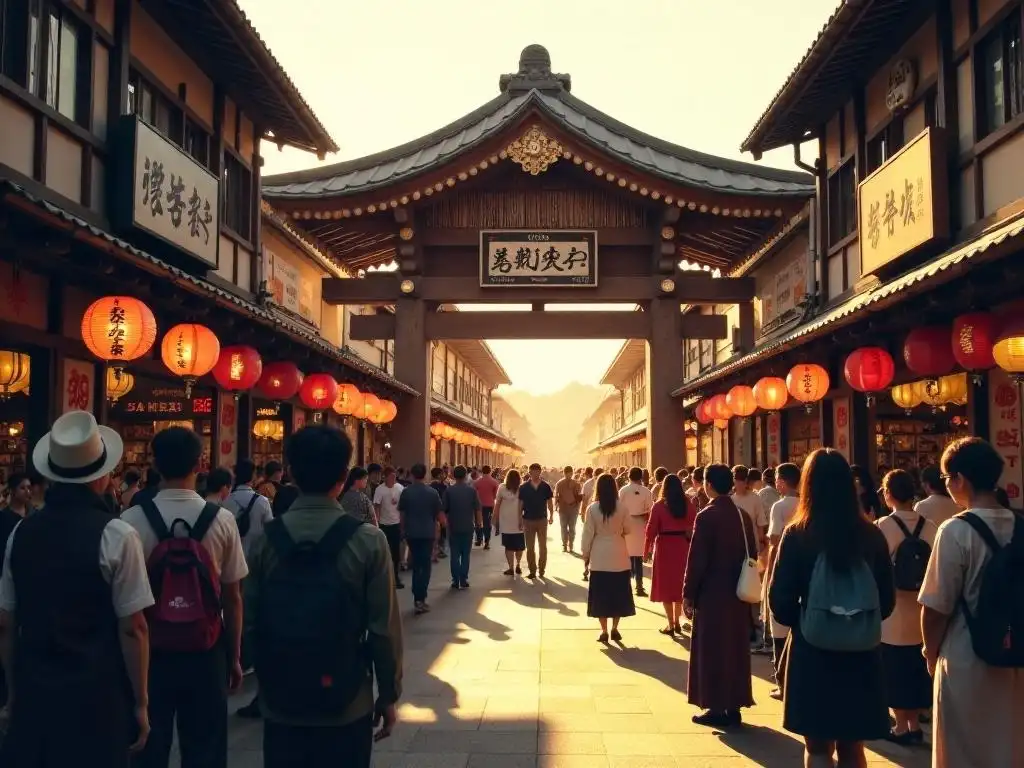
Welcome to Feudal Japan History, where we invite you to embark on a captivating journey through the rich tapestry of Japan’s feudal era. In our featured article, “The Cultural Exchange Between Japan and the West During the Tokugawa Era,” we delve into the intriguing dynamics that shaped a nation in the midst of transformation. How did these exchanges influence art, philosophy, and societal norms?
Discover the answers as we uncover the layers of a period that not only defined Japan but also altered its place in the world. Join us as we explore the intricate dance of cultures and the lasting impact it had on both Japan and the West. Your adventure into the depths of history awaits!
Introduction to the Tokugawa Era
The Tokugawa era, spanning from 1603 to 1868, marked a pivotal period in Japanese history characterized by socio-political stability and cultural flourishing under the rule of the Tokugawa shogunate. This era is often viewed as a time of isolation from the outside world, yet it was also a period rich in cultural exchange between Japan and the West.
The interactions during this time significantly influenced various aspects of Japanese society, including art, religion, and commerce. Understanding the dynamics of this cultural exchange during the Tokugawa era provides insights into how Japan navigated its identity amid external influences while preserving its traditions.
Overview of the Tokugawa Shogunate
The Tokugawa shogunate, established by Tokugawa Ieyasu, was the last feudal Japanese military government. This shogunate centralized power and enforced a strict social hierarchy, leading to a relatively peaceful and prosperous society known as the Edo period. Despite its reputation for isolationism, the Tokugawa shogunate engaged in limited trade and diplomatic relations with Western nations, which played a crucial role in shaping its cultural landscape.
During this period, Japan saw the emergence of a unique urban culture in cities like Edo (modern-day Tokyo), where commerce and the arts flourished. The ruling class, merchant class, and artisans contributed to a vibrant cultural scene, yet the interaction with Western nations introduced new ideas and technologies that would eventually challenge traditional Japanese values.
Importance of Cultural Exchange in Historical Context
Cultural exchange during the Tokugawa era was not merely a byproduct of trade; it was a significant factor in the evolution of Japanese identity. The arrival of Western goods, ideas, and religious beliefs prompted Japanese scholars and artists to reassess their own cultural practices. This exchange was essential in fostering a dialogue between Japan and the West, leading to a greater understanding of different philosophies and ways of life.
Moreover, the Tokugawa period's cultural exchange laid the groundwork for Japan's modernization in the late 19th century. As Japan opened up to the world, the lessons learned during the Tokugawa era would influence the country's trajectory toward becoming a global power.
Key Factors Facilitating Cultural Exchange in the Tokugawa Era
The Role of Trade with Western Nations
Trade during the Tokugawa era was limited primarily to the Dutch and the Chinese, with the Dutch trading from their base on the artificial island of Dejima in Nagasaki. This unique setup allowed Japan to maintain a degree of control over foreign influence while still engaging in commerce. The introduction of Western scientific knowledge, medicine, and technology through trade relations had a profound impact on Japanese intellectual circles.
As a result, Japan began to adopt and adapt various elements from Western culture—ranging from cartography and astronomy to art techniques—which would eventually enhance its own traditional practices.
Influence of Missionaries on Japanese Society
Christian missionaries, particularly the Jesuits, played a notable role in the cultural exchange during the early Tokugawa era. They introduced European religious concepts, education, and Western artistic styles to Japanese society. While the Tokugawa shogunate later became wary of Christianity, leading to the persecution of Christians, the initial interactions sparked an interest in Western thought and education.
The legacy of these missionaries can still be seen in the way Western culture influenced Japanese education and philosophy, paving the way for future intellectual movements.
The Arrival of Commodore Perry and Opening of Japan
The arrival of Commodore Matthew Perry in 1853 marked a turning point in Japanese history, leading to the eventual end of the Tokugawa shogunate. Perry's expedition, which aimed to establish trade relations, forced Japan to confront its isolationist policies. The resulting treaties opened Japan to the West, leading to an influx of Western ideas, technology, and cultural practices.
This momentous event not only signaled the end of the Tokugawa era but also set the stage for Japan’s rapid modernization in the Meiji Restoration, highlighting the long-term impacts of cultural exchange that began during the Tokugawa period.
Cultural Influences from the West
The Tokugawa era, spanning from 1603 to 1868, marked a unique period in Japanese history where the country maintained a policy of isolation known as sakoku. However, despite this isolationist stance, there were notable cultural exchanges between Japan and the West. The interactions, although limited, significantly influenced various aspects of Japanese life, laying the groundwork for modernization in the late 19th century. This section delves into the key cultural influences from the West during the Tokugawa era and the Japanese responses to these influences.
Introduction of Western Science and Technology
During the Tokugawa period, the introduction of Western science and technology primarily occurred through Dutch traders who were allowed limited access to Japan via the island of Dejima in Nagasaki. The Dutch brought with them advanced knowledge in various fields, including medicine, astronomy, and maritime technology. This exchange facilitated the translation of Western texts, enabling Japanese scholars, known as rangaku or "Dutch learning," to study and adapt foreign knowledge.
One of the most notable figures in this domain was Sugita Genpaku, who, in the 1770s, translated a Dutch anatomy book, leading to significant advancements in medical knowledge in Japan. The adoption of Western techniques in farming, such as improved irrigation methods, also contributed to agricultural productivity, showcasing the practical benefits of this cultural exchange. Overall, the incorporation of Western science and technology during this period set the stage for Japan's eventual modernization.
Impact of Western Art and Literature on Japanese Culture
The influence of Western art and literature during the Tokugawa era was evident in various forms, particularly in the realm of ukiyo-e, or "pictures of the floating world." Artists like Katsushika Hokusai and Ando Hiroshige began to incorporate Western perspectives and techniques, such as linear perspective and shading, into their works, resulting in a unique fusion of styles. This blending led to the emergence of new artistic movements that celebrated both traditional Japanese themes and Western aesthetics.
Literature also saw the introduction of Western narratives and philosophies, primarily through translated works. The stories of adventure and exploration found in Western literature captivated Japanese readers and influenced the development of new literary genres. The works of authors such as Charles Dickens and Victor Hugo were translated into Japanese, igniting a literary renaissance that encouraged local writers to experiment with new forms and ideas, ultimately enriching the Japanese literary landscape.
Changes in Japanese Fashion and Lifestyle
As Western influences permeated Japanese society, changes in fashion and lifestyle became apparent among the upper classes. The adoption of Western clothing styles, particularly during the late Tokugawa period, marked a significant departure from traditional garments. Although many Japanese continued to wear kimono, Western-style attire began to appear in urban settings, especially among merchants and the samurai class.
Additionally, various Western customs and practices were gradually integrated into Japanese daily life. The introduction of new dietary habits, including the consumption of bread and Western delicacies, transformed culinary practices. This combination of Western fashion and lifestyle choices reflected a growing curiosity and acceptance of foreign influences, signaling an important shift in Japanese culture.
Japanese Responses to Western Influences
The Japanese response to Western influences during the Tokugawa era was multifaceted, characterized by both acceptance and resistance. While some embraced Western ideas and practices, others sought to preserve traditional Japanese culture in the face of foreign encroachment. This duality created a dynamic cultural landscape that shaped Japan's path towards modernization.
Embracing Western Ideas: The Adoption of Foreign Practices
Many Japanese intellectuals and elites recognized the potential benefits of adopting Western ideas and practices. This embrace of foreign concepts was particularly evident in the fields of science, technology, and education. Institutions like the Dutch Studies School in Nagasaki emerged, focusing on the study of Western sciences, thereby facilitating a broader understanding of global advancements.
Furthermore, the adoption of Western military techniques and strategies became apparent as Japan sought to strengthen its defenses. The study of Western military texts and practices led to significant reforms in the samurai class, enhancing their effectiveness in warfare. Such proactive measures underscored a willingness to learn from Western nations and adapt to changing circumstances.
Resistance and Preservation of Traditional Japanese Culture
Despite the allure of Western influences, there was a strong movement within Japan to resist and preserve traditional culture. Many scholars and artists advocated for the importance of maintaining Japan's unique identity, emphasizing the value of indigenous practices and aesthetics. This resistance was particularly pronounced among the Confucian scholars, who feared that Western ideas would undermine the moral fabric of society.
Cultural preservation efforts included the promotion of traditional arts, crafts, and literature, which continued to flourish alongside Western influences. This duality allowed Japan to retain its cultural roots while exploring new avenues for growth, creating a complex tapestry of tradition and modernity.
The Synthesis of Eastern and Western Cultural Elements
The Tokugawa era was characterized by a synthesis of Eastern and Western cultural elements, resulting in a unique cultural landscape. This fusion was evident in various domains, including art, literature, and architecture. The blending of styles led to innovations, such as the incorporation of Western motifs into traditional Japanese designs, creating a distinctive aesthetic that appealed to both local and foreign audiences.
Moreover, the cross-cultural dialogue that emerged during this period fostered a sense of curiosity and openness toward foreign ideas. As Japan navigated the delicate balance between embracing Western influences and preserving its cultural heritage, it laid the groundwork for the rapid modernization that would follow in the Meiji Restoration. This synthesis ultimately allowed Japan to emerge as a dynamic player on the global stage, equipped with a rich cultural legacy that combined the best of both worlds.
Case Studies of Cultural Exchange in the Tokugawa Era
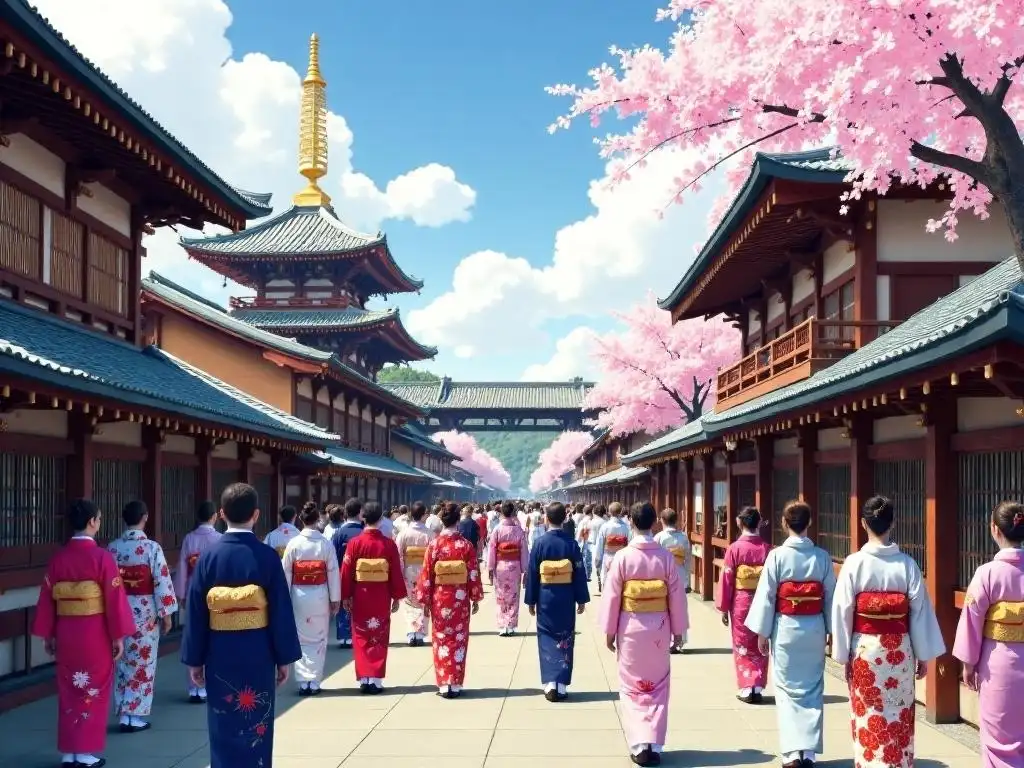
The Tokugawa era, spanning from 1603 to 1868, was marked by significant cultural exchanges between Japan and the West, despite the nation's initial isolationist policies. The case studies of cultural exchange during this period reveal the complexities of interaction, adaptation, and transformation that occurred as Japan engaged selectively with foreign ideas, customs, and technologies. This era was defined by a unique blend of traditional Japanese practices and the influences absorbed from Western visitors, particularly the Dutch and the Portuguese.
The Exchange of Knowledge: Western Medicine in Japan
One of the most notable areas of cultural exchange during the Tokugawa era was in the field of medicine. The introduction of Western medical practices began primarily through Dutch traders, who were the only Europeans allowed to engage in trade with Japan at the time. The term "Dutch Learning" (Rangaku) encompasses the study of Western sciences and medicine that emerged during this period.
Japanese scholars eagerly sought knowledge from Dutch texts, which provided insights into anatomy, surgery, and herbal medicine. Notably, figures such as Sugita Genpaku and Matsumoto Junan played pivotal roles in translating Dutch medical texts into Japanese, bridging the gap between Eastern and Western medical knowledge. The publication of "Shiji no Shō" (The Four Principles of Medicine) in 1774 marked a significant milestone, as it synthesized Western and traditional Japanese medical practices, illustrating the impact of this cultural exchange.
As a result, Western medicine began to influence the practices of Japanese physicians, leading to advancements in medical understanding and public health. This exchange not only improved healthcare but also set the stage for the modernization of Japan's medical system in the Meiji era.
The Influence of Dutch Learning (Rangaku) on Japanese Intellectual Life
The influence of Rangaku extended beyond medicine, permeating various intellectual fields such as astronomy, geography, and technology. The rigorous study of Dutch texts allowed Japanese scholars to access a wealth of knowledge that had been previously unavailable due to the isolationist policies of the Tokugawa shogunate.
Prominent figures such as Yamamura Taisuke and Takebe Ayatari contributed significantly to the dissemination of Dutch Learning in Japan. They studied and translated various scientific works, enriching Japanese intellectual life and laying the groundwork for subsequent modernization efforts. The introduction of Western scientific methodologies challenged traditional Japanese perspectives, fostering a spirit of inquiry and innovation.
Additionally, the establishment of Rangaku schools in cities like Nagasaki facilitated the exchange of ideas and knowledge, creating a vibrant intellectual community dedicated to the study of Western sciences. This cultural exchange ultimately contributed to Japan's ability to adapt and integrate foreign knowledge, which would prove crucial in the face of modern challenges in the late 19th century.
The Role of the Tea Ceremony in Cross-Cultural Interaction
The Japanese tea ceremony, or Chanoyu, emerged as an essential cultural practice during the Tokugawa era, serving not only as a symbol of Japanese aesthetics but also as a medium for cross-cultural interaction. While the tea ceremony was deeply rooted in Japanese tradition, it also absorbed influences from Western culture through the interactions with European traders and missionaries.
As Western visitors participated in the tea ceremony, they brought with them different perspectives and customs, which prompted Japanese practitioners to adapt certain elements of the ceremony. The emphasis on hospitality and aesthetics in the tea ceremony resonated with Western ideals of refinement and social interaction, creating a unique blend of cultural practices.
Moreover, the tea ceremony became a platform for dialogue and understanding between cultures, as it allowed for the exchange of ideas about art, philosophy, and the human experience. This interaction highlighted the importance of hospitality and respect, bridging cultural divides and fostering mutual appreciation.
The Legacy of Cultural Exchange During the Tokugawa Era
The cultural exchanges that occurred during the Tokugawa era have left a lasting legacy on Japanese society, influencing various aspects of life and thought that continue to resonate in modern Japan.
Long-Term Effects on Modern Japanese Society
The cultural exchange during the Tokugawa era laid the foundational framework for Japan's modernization in the late 19th century. The adoption of Western ideas, technologies, and practices created a more open-minded society, fostering a spirit of innovation that would lead to significant advancements in various fields such as education, science, and industry.
Moreover, the blending of Western and Japanese traditions contributed to the unique cultural identity of modern Japan. Practices such as Western-style medicine and educational systems became integral parts of Japanese society, demonstrating the adaptability and resilience of Japanese culture in the face of external influences.
The enduring influence of the tea ceremony, along with the principles of hospitality and cultural exchange, can still be observed in contemporary Japanese society, where the appreciation for both traditional and modern practices remains strong.
The Impact on Japan's Global Position in Subsequent Eras
The cultural exchanges of the Tokugawa era significantly shaped Japan's global position in subsequent historical periods. The knowledge and skills acquired during this time allowed Japan to engage more confidently with the world, especially during the Meiji Restoration when the country rapidly industrialized and modernized.
Japan's ability to incorporate foreign ideas while maintaining its cultural identity established it as a formidable presence on the global stage. The successful melding of Western and Eastern influences enabled Japan to emerge as a modern nation, capable of competing with Western powers and asserting its autonomy in international relations.
The cultural exchange during the Tokugawa era not only enriched Japanese society but also played a crucial role in shaping the trajectory of Japan's modern history, demonstrating the profound impact of cross-cultural interactions.
Conclusion
The cultural exchange during the Tokugawa era marked a significant period in Japan's history, characterized by both isolation and engagement with the West. This complex interaction laid the groundwork for the modern relationship between Japan and Western nations, influencing various aspects of Japanese society, culture, and economy. Despite the shogunate's attempts to control foreign influences, the era was punctuated by notable exchanges that enriched Japanese culture while also introducing new ideas and technologies.
Summary of Key Points on Cultural Exchange in the Tokugawa Era
- Limited Engagement: The Tokugawa shogunate implemented a policy of sakoku, or "closed country," which restricted foreign contact primarily to the Dutch and Chinese. This selective engagement allowed for the importation of Western knowledge and goods while maintaining a degree of control over foreign influences.
- Introduction of Western Science and Technology: Through the Dutch trading post in Nagasaki, Japan gained access to Western advancements in fields such as medicine, astronomy, and military technology. This influx of knowledge was pivotal in shaping Japan's understanding of the world and its place within it.
- Cultural Influences: The Tokugawa period saw the introduction of Western art, literature, and philosophy. The adoption of new artistic styles and themes reflected a growing curiosity about the outside world, contributing to the development of unique hybrid forms in Japanese culture.
- Economic Impacts: The exchange of goods, including textiles, firearms, and other commodities, transformed local economies. This trade not only enhanced the material wealth of Japan but also helped integrate it into the global marketplace.
- Foundation for Future Relations: The cultural exchanges of the Tokugawa era set the stage for Japan's eventual modernization and its opening to the West in the Meiji Restoration. The legacy of these interactions continues to influence Japan's approach to foreign relations today.
Final Thoughts on the Enduring Influence of the Tokugawa Era on Japan-West Relations
The Tokugawa era serves as a pivotal chapter in understanding Japan's historical interactions with Western nations. The cautious yet impactful engagement during this period illustrates how a controlled cultural exchange can lead to significant advancements and adaptations within a society.
As Japan navigated the complexities of maintaining its cultural identity while absorbing foreign influences, it laid the foundation for a more open and reciprocal relationship with the West in the subsequent Meiji period. The blending of Eastern and Western ideas during the Tokugawa era is still evident in contemporary Japan, where elements of Western culture coexist with traditional Japanese practices.
The cultural exchange of the Tokugawa era was not merely a historical footnote but a significant influence that shaped Japan's trajectory into the modern world. Understanding this dynamic interaction enhances our appreciation of Japan’s rich cultural tapestry and its ongoing dialogue with the West.
- Introduction to the Tokugawa Era
- Key Factors Facilitating Cultural Exchange in the Tokugawa Era
- Cultural Influences from the West
- Japanese Responses to Western Influences
- Case Studies of Cultural Exchange in the Tokugawa Era
- The Legacy of Cultural Exchange During the Tokugawa Era
- Conclusion
- What was the Tokugawa Era known for in terms of cultural exchange?
- How did Western influences affect Japanese culture during the Tokugawa period?
- What role did trade play in the cultural exchange of the Tokugawa Era?
- Were there any significant Western figures who impacted Japanese culture during this time?
- How did the isolationist policies of the Tokugawa Era affect cultural exchange?
Frequently Asked Questions
What was the Tokugawa Era known for in terms of cultural exchange?
The Tokugawa Era, lasting from 1603 to 1868, was marked by significant cultural exchange between Japan and the West, particularly through trade and diplomatic missions.
How did Western influences affect Japanese culture during the Tokugawa period?
Western influences introduced new ideas, technologies, and artistic styles, which led to the adaptation of certain elements into Japanese culture, enriching its depth and diversity.
What role did trade play in the cultural exchange of the Tokugawa Era?
Trade with Western nations facilitated the exchange of goods, ideas, and cultural practices, allowing Japan to selectively integrate foreign influences while maintaining cultural integrity.
Were there any significant Western figures who impacted Japanese culture during this time?
Yes, figures such as Dutch traders and missionaries played a crucial role in introducing Western science, art, and philosophy, significantly shaping the cultural landscape of Japan.
How did the isolationist policies of the Tokugawa Era affect cultural exchange?
While the Tokugawa shogunate implemented isolationist policies, limited trade with the Dutch and Portuguese allowed for controlled cultural exchange, leading to a unique blend of Eastern and Western influences.
Final Reflection: The Enduring Legacy of Cultural Exchange in the Tokugawa Era
The cultural exchange during the Tokugawa era remains a pivotal chapter in history, illustrating how interactions between Japan and the West shaped not only the societies involved but also the global landscape. Today, as we navigate an increasingly interconnected world, the lessons learned from this period resonate more than ever, reminding us of the profound impact that cultural exchanges can have on mutual understanding and growth. The Tokugawa era serves as a testament to the power of dialogue and collaboration across borders.
Cultural exchange during the Tokugawa era has left an indelible mark on both Japanese and Western societies, influencing art, philosophy, and even technology. This ongoing influence is evident in the way contemporary cultures continue to borrow and adapt from one another. As historian John W. Hall aptly stated, Cultural exchange is not merely a transaction; it is a transformative process that shapes identities and futures.
This transformation underscores the importance of embracing cultural diversity and recognizing the shared humanity that binds us across different backgrounds.
As we reflect on the rich tapestry of interactions that characterized the Tokugawa era, I invite you to consider how these lessons can be applied in your own life. Engage with cultures different from your own, seek to understand their narratives, and contribute to a dialogue that fosters empathy and respect. By doing so, you not only honor the legacy of the past but also become an active participant in shaping a more harmonious future. Let us carry forward the spirit of cultural exchange, ensuring that it continues to inspire and unite us in our shared journey.
Embrace the Richness of Cultural Exchange!
Thank you for diving into the fascinating dynamics of cultural exchange during the Tokugawa Era! Your curiosity not only enriches your understanding but also nurtures a broader appreciation for the interconnectedness of history. Now, it’s time to take action and deepen your exploration of this enthralling subject.
- Uncover more: Dive into additional resources at our dedicated website to learn about the lasting impacts of these exchanges on modern society.
- Join the conversation: Share this article with friends or on social media to foster discussions about how different cultures shape our world today.
- Explore history hands-on: Visit a local museum or cultural center to experience artifacts and exhibitions related to the Tokugawa Era and its influences.
What aspect of the cultural exchange between Japan and the West captures your imagination the most?