
The Rise of the Samurai: How Warrior Clans Shaped Japan's Unification

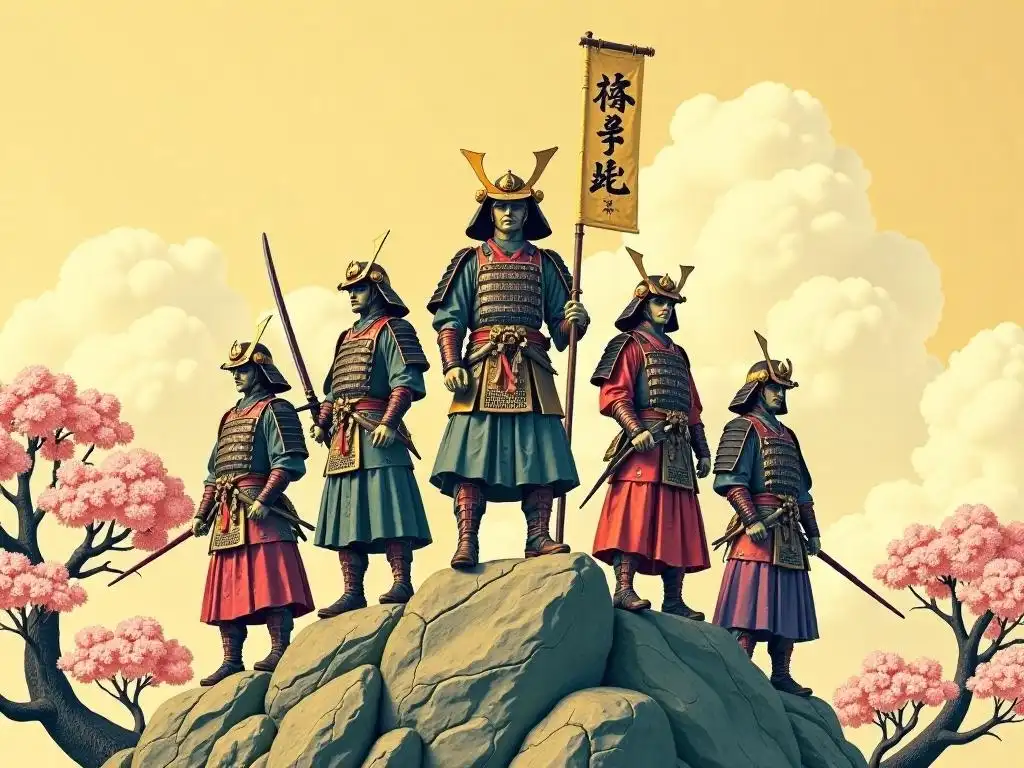
Welcome to Feudal Japan History, your gateway to the fascinating world of Japan’s feudal era! Dive into the intricate tapestry of samurai clans and Japanese unification, where warrior clans not only defended their realms but also played pivotal roles in shaping the very identity of a nation. In our featured article, "The Rise of the Samurai: How Warrior Clans Shaped Japan's Unification," we unravel the compelling narratives behind these noble warriors and their enduring legacy.
Prepare to embark on a journey that will challenge your perceptions and ignite your curiosity about this extraordinary chapter in history. Let the exploration begin!
Introduction to Samurai Clans and Japanese Unification
The story of samurai clans and Japanese unification is a pivotal chapter in the annals of Japan's history, reflecting a complex interplay of power, culture, and societal evolution. During the feudal era, which spanned from the 12th to the 19th century, samurai emerged not only as elite warriors but also as influential figures who shaped the political landscape of Japan.
This article offers a comprehensive exploration of how these warrior clans contributed to the unification of Japan, delving into the historical, cultural, and societal aspects that defined their existence. By understanding the rise of the samurai, we can better appreciate their role in forging a unified Japanese identity amidst a backdrop of tribal warfare and regional fragmentation.
Overview of Japan's Feudal Era
Japan's feudal era, marked by a decentralized political structure, was characterized by the dominance of regional lords, known as daimyō, and their samurai retainers. This period saw the rise of powerful clans that vied for control over territories, leading to a series of conflicts and alliances. The social hierarchy was strictly defined, with the emperor at the top and the samurai class beneath, followed by farmers, artisans, and merchants. The samurai were bound by the code of bushidō, which emphasized loyalty, honor, and martial prowess.
The unification of Japan, culminating in the late 16th century under the leadership of figures like Oda Nobunaga, Toyotomi Hideyoshi, and Tokugawa Ieyasu, was a gradual process influenced by these clans' ambitions and conflicts. This era laid the groundwork for modern Japan, as the warrior class transitioned from feudal lords to influential stakeholders in a centralized government.
Significance of Samurai in Japanese History
The samurai played a crucial role in shaping Japan's cultural identity and political structure. Their influence extended beyond the battlefield; they were also patrons of the arts, educators, and administrators. The samurai class fostered a unique culture that blended martial discipline with philosophical and artistic pursuits.
- Cultural Impact: Samurai culture contributed to the development of traditional Japanese arts, such as tea ceremonies, calligraphy, and Noh theater. Their ideals of loyalty and honor permeated Japanese society and continue to resonate in contemporary culture.
- Political Structure: As military leaders, samurai clans were instrumental in establishing and maintaining political order. Their loyalty to their daimyō and the shogunate helped to stabilize the regions they controlled, ultimately contributing to national unification.
Historical Context of Samurai Clans

Origins of the Samurai Class
The origins of the samurai class can be traced back to the late Heian period (794-1185), when regional aristocrats began to rely on warrior bands for protection against rising threats, including rival clans and external invaders. Initially, these warriors were drawn from the lower nobility and peasantry, but over time, they evolved into a distinct social class with its own codes and traditions.
Evolution of Samurai Clans in Feudal Japan
As Japan entered the Kamakura period (1185-1333), the samurai clans solidified their power, forming alliances and engaging in conflicts that would shape the nation's future. The establishment of the Kamakura shogunate marked the beginning of samurai rule, with influential clans such as the Minamoto and Taira vying for dominance.
- Key Clans: The rise of powerful clans, including the Hojo, Ashikaga, and Tokugawa, highlighted the dynamic nature of samurai politics. Each clan's ambitions and strategies played a significant role in the unification process, often leading to temporary alliances and bitter rivalries.
Key Historical Events Leading to Unification
Several key historical events marked the path toward the unification of Japan, driven by the ambitions of samurai clans. The Genpei War (1180-1185) between the Minamoto and Taira clans culminated in the establishment of the Kamakura shogunate, while the Onin War (1467-1477) showcased the destructive power of clan conflicts.
- Unification Efforts: The eventual rise of Oda Nobunaga and his successors signified a turning point, as they systematically dismantled rival clans and centralized power. The culmination of these efforts in the Tokugawa shogunate (1603-1868) ushered in an era of relative peace and stability, further solidifying the samurai's legacy in Japanese history.
In this article, we will delve deeper into each of these aspects, unraveling the intricate tapestry of samurai clans and Japanese unification and their lasting impact on the nation.
The Role of Samurai Clans in Japan’s Unification
The samurai clans played a critical role in the unification of Japan during the feudal era, particularly from the late 12th century to the early 17th century. As military nobility, these warrior families not only engaged in battles but also contributed to political alliances and governance structures. The fragmentation of power among numerous clans created a landscape of conflict, but it also laid the groundwork for unification under strong leaders who emerged from these families.
The rise of powerful shogunates, particularly the Kamakura and Tokugawa, can be traced back to the influence of various samurai clans. Through strategic marriages, military conquests, and alliances, these clans helped consolidate territories, leading to a more centralized authority. Notably, the clans of Minamoto and Taira were pivotal during the Genpei War, which ultimately established the first shogunate, setting a precedent for samurai-led governance.
The samurai clans also facilitated the transition from feudal conflict to a more unified Japan by fostering a sense of national identity. Their valor in battle and adherence to a code of honor resonated deeply with the populace, embedding the ethos of the samurai into the cultural fabric of Japan. This unification process, driven by the samurai clans, paved the way for a more stable and prosperous society.
Major Samurai Clans and Their Influence
Several major samurai clans significantly impacted Japan's unification, each contributing unique strengths and strategies. Some of the most prominent clans include:
- Minamoto Clan: Often regarded as the founders of the samurai class, the Minamoto clan's victory in the Genpei War established the Kamakura Shogunate in 1192. This marked the beginning of samurai rule in Japan and set the stage for future unification efforts.
- Taira Clan: A formidable rival to the Minamoto, the Taira clan played a crucial role in early samurai politics. Their conflicts with the Minamoto catalyzed the events leading to the shogunate's establishment, illustrating the dynamics of power struggle that characterized the era.
- Oda Clan: Under the leadership of Oda Nobunaga, this clan was instrumental in the unification of Japan during the late 16th century. Nobunaga's innovative military strategies and use of gunpowder revolutionized warfare, allowing the Oda clan to conquer rival territories effectively.
- Toyotomi Clan: Following the Oda, Toyotomi Hideyoshi continued the unification efforts, successfully bringing most of Japan under his control by the late 16th century. His policies promoted economic growth and established a more centralized feudal system.
- Tokugawa Clan: The Tokugawa clan achieved lasting unification with the establishment of the Tokugawa Shogunate in 1603. Their rule brought about two and a half centuries of relative peace, known as the Edo period, which solidified the social hierarchy and governance established by previous clans.
These clans not only fought for power but also shaped the political landscape of Japan, influencing governance, culture, and the role of the samurai in society.
Strategies Employed by Samurai Clans for Power
Samurai clans employed a variety of strategies to consolidate power and influence during Japan's tumultuous feudal era. These strategies included:
- Military Alliances: Forming alliances with other clans was crucial. Through marriages and agreements, clans could bolster their military strength and gain strategic advantages over rivals.
- Land Acquisition: Control over land was a primary source of power. Clans engaged in warfare to capture territory and expand their influence, often granting land to loyal vassals in exchange for military service.
- Political Intrigue: Samurai clans often engaged in complex political maneuvers, including betrayal, espionage, and manipulation of rival clans to weaken opposition and strengthen their own positions.
- Cultural Patronage: By patronizing arts and culture, clans could enhance their prestige and legitimacy. This fostered loyalty among their followers and helped to unify disparate regions under a shared cultural identity.
- Innovative Warfare: The adoption of new military technologies, such as firearms, and the development of sophisticated battle tactics allowed clans like the Oda and Tokugawa to outmaneuver their enemies decisively.
These strategies enabled samurai clans not just to survive in a competitive environment but also to thrive, ultimately leading to a unified Japan under strong leadership.
Cultural Aspects of Samurai Clans
The cultural contributions of samurai clans extended far beyond their military endeavors. They played a pivotal role in shaping Japan's identity and values during the feudal period. The samurai's way of life, characterized by discipline, loyalty, and honor, influenced many aspects of Japanese culture.
The Bushido Code: Principles Guiding Samurai
At the heart of samurai culture was the Bushido code, a set of ethical principles that guided the behavior and mindset of samurai warriors. The term "Bushido" translates to "the way of the warrior," and it emphasized virtues such as:
- Loyalty: Samurai were expected to be fiercely loyal to their lord and clan, even at the cost of their own lives.
- Honor: Maintaining honor was paramount; a samurai's reputation was built on their deeds in battle and adherence to moral conduct.
- Courage: Embracing courage in the face of adversity was essential, as samurai were often called to battle against overwhelming odds.
- Compassion: Despite their warrior ethos, samurai were also expected to show compassion and benevolence towards others, particularly those who were weaker or vulnerable.
- Self-Discipline: Rigorous training and self-control were fundamental to a samurai's development, ensuring they were prepared for both combat and leadership.
The Bushido code not only guided individual samurai but also influenced Japanese society, instilling values that persisted long after the samurai era diminished.
Samurai and Their Influence on Japanese Culture
The influence of samurai clans on Japanese culture is profound and enduring. Their legacy is evident in various cultural domains, including:
- Literature: Samurai stories and poetry, such as The Tale of the Heike, narrate the valor and struggles of these warriors, enriching Japanese literary traditions.
- Arts: The samurai patronized several arts, including tea ceremonies, calligraphy, and martial arts, fostering a rich cultural heritage that emphasized aesthetics and discipline.
- Architecture: Castles built by samurai clans, such as Himeji Castle, not only served as military fortifications but also as symbols of power and artistic achievement.
- Philosophy: The principles of Bushido influenced Japanese philosophy, emphasizing values such as duty, honor, and respect, which continue to resonate in modern Japanese culture.
- Martial Arts: The legacy of the samurai lives on through modern martial arts, where the principles of discipline and respect are foundational.
The samurai clans were not merely warriors; they were pivotal architects of Japanese culture and society, whose influence continues to be felt in contemporary Japan. Their contributions to the unification of Japan were as much about military prowess as they were about cultural identity and values.
Societal Impact of Samurai Clans on Unification
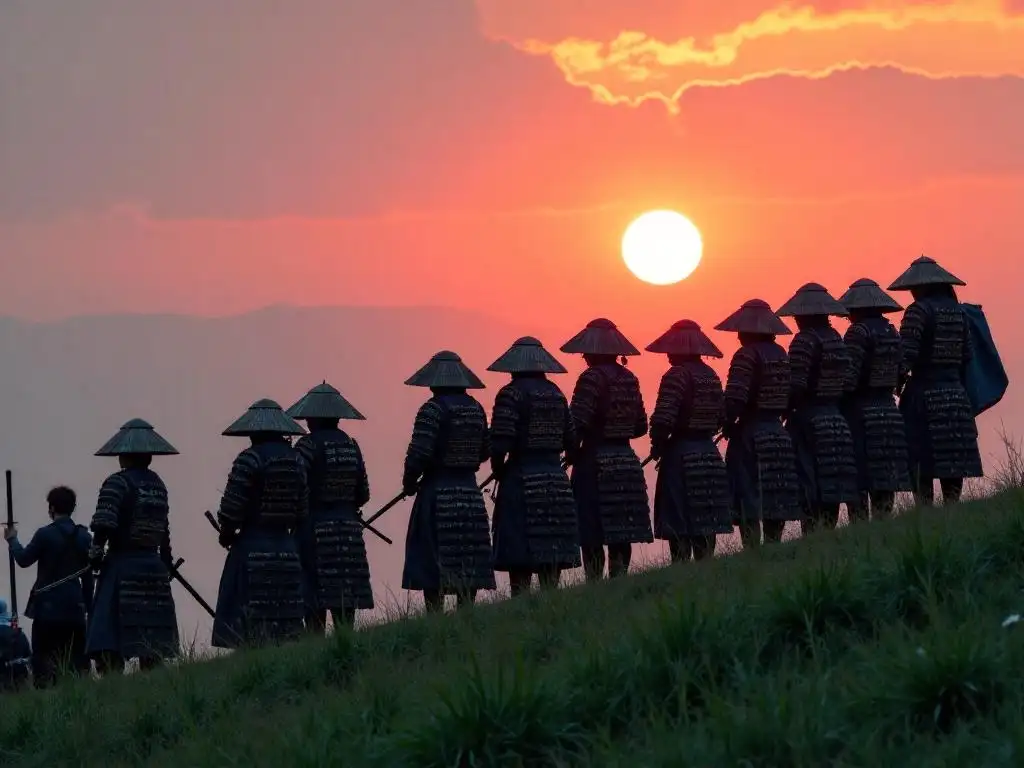
The samurai clans played a crucial role in the unification of Japan during the feudal era, fundamentally altering the social structure and cultural landscape of the country. The power struggles and alliances among these clans not only dictated the political climate but also shaped the relationships between different societal classes. As the samurai emerged as the dominant warrior class, they influenced the roles of common people, encouraging a more hierarchical society that emphasized loyalty and honor.
The Structure of Feudal Society in Japan
Feudal Japan was characterized by a rigid social hierarchy, where the samurai stood at the top, followed by farmers, artisans, and merchants. This structure was formalized in the 12th century during the Kamakura period and became more entrenched in subsequent eras. The samurai were not only warriors but also landowners who ruled over their domains, collecting taxes and maintaining order. The loyalty of the samurai to their daimyo (feudal lords) was paramount, creating a strong bond that defined the relationships within this society.
The daimyo, in turn, had vassals who were samurai sworn to protect them, forming a network of obligations and duties that reinforced the social order. This feudal system ensured that power was decentralized yet interconnected, allowing for the rise of various clans that would vie for control and influence. As these clans engaged in military campaigns and political maneuvering to expand their territories, they simultaneously contributed to Japan's gradual unification under stronger central authorities, ultimately leading to the establishment of the Tokugawa shogunate.
The Interactions Between Samurai and Common People
The interactions between the samurai and common people were complex and often fraught with tension. While the samurai were tasked with maintaining peace and order, their authority could lead to oppression or exploitation of the lower classes. Farmers, artisans, and merchants relied on the samurai for protection but were also subject to their demands, which could include heavy taxation or conscription for military service.
However, the samurai also served as local leaders and played a pivotal role in community governance. In many regions, they acted as mediators in disputes, ensuring justice and order. This dual role fostered a relationship of mutual dependence, where commoners respected the samurai for their martial prowess and their role as protectors, despite the inherent inequalities in their social standing. Additionally, cultural exchanges between the samurai and common people, especially through trade and festivals, contributed to the development of a shared Japanese identity that transcended clan loyalties.
The Decline of Samurai Power and Its Consequences
The decline of samurai power began in the late Edo period, culminating in the Meiji Restoration of 1868. As Japan faced internal strife and external pressures from Western powers, the traditional feudal system became increasingly untenable. The samurai's role shifted from military leaders to bureaucrats, as the new government sought to modernize the nation and abolish the caste system.
This transition had significant consequences for Japanese society. The loss of samurai privileges led to social upheaval and resistance, as many former samurai struggled to adapt to the new economic and political realities. The dissolution of the samurai class also marked a decline in the values of loyalty and honor that had defined their existence, leading to a redefinition of Japanese identity in the modern era.
Conclusion: The Legacy of Samurai Clans in Japan's Unification
The legacy of the samurai clans extends far beyond their military exploits; they played a pivotal role in shaping the very fabric of Japanese society and its path toward unification. Their influence can still be felt today in various aspects of Japanese culture, including martial arts, literature, and even modern governance.
Lasting Effects on Modern Japanese Society
The ethos of the samurai—embodying principles such as loyalty, honor, and discipline—continues to resonate in modern Japanese society. These values have permeated various facets of life, from corporate culture to personal conduct, emphasizing dedication and respect. Furthermore, the romanticized image of the samurai has become a powerful symbol in popular culture, influencing literature, film, and art.
As Japan navigates contemporary challenges, the lessons learned from the samurai's role in unification and governance serve as reminders of the importance of cohesion and identity in a rapidly changing world.
Reflections on the Samurai Clans and Their Historical Significance
The samurai clans were more than mere warriors; they were pivotal players in Japan's historical narrative. The interplay of power, culture, and society during the feudal era laid the groundwork for modern Japan. As historians reflect on this transformative period, the samurai clans are recognized not just for their martial prowess but also for their contribution to the unification of Japan and the establishment of a cultural legacy that continues to influence the nation today. Their story is a testament to how warrior clans shaped not only the political landscape but also the collective identity of the Japanese people.
Further Reading
To deepen your understanding of the samurai clans and their role in Japan's unification, consider exploring the following recommended books and articles. These resources provide a comprehensive overview of the historical context, significant figures, and cultural implications of the samurai era.
Recommended Books on Samurai Clans and Japanese Unification
-
"Samurai: The Story of a Warrior Tradition" by John M. Merriman
This book offers a detailed account of the samurai's evolution, exploring their social, political, and military impact on Japan. The author delves into the origins of the samurai clans and how their dynamics influenced the unification of Japan.
-
"The Samurai: A Military History" by Steven Turnbull
Turnbull’s work presents a thorough analysis of the samurai’s military strategies and their pivotal role in the feudal wars that shaped Japan. The book is rich in illustrations and detailed narratives of key battles and clan rivalries.
-
"The Making of Modern Japan" by Adrian J. Primm
This comprehensive history covers Japan from the early medieval period through the Meiji Restoration, highlighting the samurai's role in the country’s unification and modernization.
-
"Daughters of the Samurai: A Journey from East to West and Back" by Janice P. Nimura
While focusing on the experiences of samurai daughters, this book provides insights into the broader societal changes during the samurai era, offering a unique perspective on gender roles and their influence on Japanese unification.
-
"Hired Swords: The Rise of the Samurai in Japan" by William Scott Wilson
This book examines the rise of the samurai class, detailing their societal structures and the political alliances that helped forge a unified Japan.
Articles for In-Depth Exploration of Feudal Japan History
-
"The Role of Samurai Clans in the Unification of Japan"
This article analyzes the political maneuvers and alliances among various samurai clans during the pivotal years leading to Japan's unification. It provides context on how inter-clan rivalries shaped the nation's trajectory.
-
"Samurai Culture: The Heart of Feudal Japan"
An exploration of the cultural aspects of samurai life, this piece discusses the ethos of bushido, the samurai code of conduct, and how it played a crucial role in unifying Japan's diverse regions.
-
"Battlefield Strategies of the Samurai: A Key to Japan's Unification"
This article focuses on the military strategies employed by samurai clans, offering insights into how their combat techniques and organizational skills contributed to their dominance and the eventual unification of Japan.
-
"From Feudalism to Unification: The Transformation of Japanese Society"
This comprehensive article examines the transition from a fragmented feudal system to a unified state, highlighting the contributions of samurai clans and their interactions with other societal classes.
-
"Major Samurai Clans and Their Influence on Japanese Politics"
This piece provides an overview of influential samurai clans, detailing their political actions and how these shaped the landscape of Japanese unification throughout various historical periods.
These resources offer valuable insights and detailed accounts that will enhance your understanding of the samurai clans and their integral role in Japan's path to unification.
- Introduction to Samurai Clans and Japanese Unification
- Overview of Japan's Feudal Era
- Significance of Samurai in Japanese History
- Historical Context of Samurai Clans
- The Role of Samurai Clans in Japan’s Unification
- Cultural Aspects of Samurai Clans
- Societal Impact of Samurai Clans on Unification
- Conclusion: The Legacy of Samurai Clans in Japan's Unification
- Further Reading
Frequently Asked Questions
What were the samurai clans in feudal Japan?
The samurai clans were powerful warrior families that played a crucial role in shaping Japan's political landscape during the feudal era. They were known for their military prowess and loyalty to their lords.
How did the samurai clans contribute to Japanese unification?
The samurai clans were instrumental in the process of Japanese unification by engaging in battles, forming alliances, and exerting influence over regional politics. Their actions laid the groundwork for the eventual centralization of power.
What was the significance of the warrior class in society?
The warrior class, including the samurai, held a prominent position in feudal society, embodying values such as honor, loyalty, and discipline. Their status influenced social hierarchies and cultural norms during this era.
How did the political structure of feudal Japan affect the samurai?
The political structure of feudal Japan, characterized by daimyos and shogunates, created a system where samurai served as military retainers. This relationship defined their roles and responsibilities, shaping their influence in Japanese unification.
What cultural impacts did the samurai clans have on Japan?
The samurai clans significantly influenced Japanese culture, promoting arts such as calligraphy, tea ceremonies, and martial arts. Their legacy continues to impact modern Japanese identity and cultural practices.
Final Reflection: The Enduring Legacy of Samurai Clans in Japan's Unification
The story of the samurai clans is not just a historical account; it is a testament to the power of unity and resilience in the face of adversity. Today, as we navigate a world often divided by conflict and misunderstanding, the lessons drawn from the samurai's journey towards Japanese unification resonate more than ever. The unwavering commitment of these warrior clans to their ideals and each other serves as a powerful reminder of the strength found in solidarity and purpose.
Clearly, the influence of samurai clans extends far beyond their time, shaping not only the political landscape of Japan but also its cultural identity. Their legacy is woven into the very fabric of Japanese society, inspiring art, literature, and philosophy that continue to thrive today. As the renowned historian John W. Hall once said, The samurai are not merely a relic of the past; they are a living tradition that informs the present.
This ongoing influence highlights the importance of understanding our history to appreciate how it shapes our contemporary values and beliefs.
As we reflect on the remarkable journey of the samurai and their role in Japan's unification, I invite you to consider how these lessons can be applied in your own life. Embrace the values of loyalty, honor, and perseverance that defined the samurai clans, and seek to foster unity within your communities. Let the spirit of the samurai inspire you to confront challenges with courage and to build bridges where division may exist. Together, we can honor their legacy by striving for a more harmonious and united future.
Embrace the Spirit of the Samurai!
Thank you for exploring the fascinating history of Japan's unification and the incredible role of the samurai clans! By delving into this topic, you now possess a deeper understanding of the warriors who shaped an era. Are you ready to channel that knowledge into action? Let’s keep the momentum going!
- Join a local reenactment group or community dedicated to feudal Japanese culture to learn firsthand about samurai practices.
- Share your insights on social media or with friends to spark conversations about the influence of the samurai on modern Japan.
- Visit a historical site or museum that showcases artifacts from the samurai era to deepen your connection with their legacy.
What aspect of samurai culture inspires you the most, and how can you incorporate it into your daily life?