
Women in Power: The Influence of Female Figures in Muromachi Governance


Welcome to Feudal Japan History, where we invite you to delve into the rich tapestry of Japan's feudal era. In our featured article, "Women in Power: The Influence of Female Figures in Muromachi Governance," we explore the often-overlooked yet pivotal roles that female leaders played during the Muromachi period. What strategies did these remarkable women employ to wield influence in a male-dominated society? Join us as we uncover the fascinating stories of these leaders and their enduring impact on Japan’s political landscape. Your journey into the past begins here—let's unlock the secrets of feudal governance together!
Introduction to Female Leaders in the Muromachi Era
The Muromachi period, spanning from the 14th to the 16th centuries, was a transformative era in Japanese history characterized by political intrigue, cultural flourishing, and social change. Although often overshadowed by the male-dominated narratives of samurai and shoguns, the influence of female figures during this time was significant and multifaceted.
The roles that these women played in governance, family dynamics, and cultural life reveal a complex tapestry of power that challenges traditional perceptions of gender in feudal Japan. This article delves into the lives and contributions of female leaders in the Muromachi era, emphasizing their pivotal roles in shaping political landscapes and societal norms.
Overview of the Muromachi Period
The Muromachi period, named after the district in Kyoto where the Ashikaga shogunate established its headquarters, was marked by the rise of powerful regional warlords and a fragmented political structure. This era saw the development of a unique cultural identity, with advancements in arts, religion, and philosophy. The political landscape was characterized by the Ashikaga shogunate, which ruled from 1336 to 1573, and the emergence of daimyōs—feudal lords who held significant power over their domains.
- Key features of the Muromachi period include:
- The development of the tea ceremony and other cultural practices.
- The rise of Zen Buddhism, which influenced art and philosophy.
- The ongoing conflicts between regional powers, leading to a decentralized political structure.
This backdrop set the stage for women to navigate and influence the spheres of power, often through familial connections and strategic marriages.
Importance of Female Leadership in Historical Context
While historical accounts frequently highlight male figures in governance, the role of women during the Muromachi period was equally crucial. Women often acted as mediators in political negotiations, wielded influence through their familial ties, and even held formal positions of power in some cases. Understanding the significance of female leadership in this context not only enriches our comprehension of the era but also challenges the traditional narratives that marginalize women's contributions.
- Key contributions of female leaders during this period included:
- Acting as regents for their sons or husbands.
- Facilitating political alliances through marriage.
- Upholding cultural traditions that shaped societal values.
This exploration into the impact of female figures in governance reveals a nuanced understanding of power dynamics in feudal Japan, highlighting how women navigated and influenced the political landscape.
Historical Context of Female Leaders in Muromachi Governance
To fully appreciate the role of female leaders in the Muromachi period, it is essential to examine the historical context that shaped their lives and opportunities. This context includes the social structure and evolving gender roles that defined feudal Japan.
Social Structure and Gender Roles in Feudal Japan
Feudal Japan was characterized by a rigid social hierarchy, with a clear delineation between the roles of men and women. However, the dynamics of these gender roles were often more fluid than they appeared, particularly among the elite classes.
- Social hierarchy consisted of:
- Samurai (warriors) at the top, followed by
- Farmers, Artisans, and Merchants.
- Women, particularly from noble families, could exert influence indirectly through familial ties.
Despite societal expectations that confined women primarily to domestic roles, many women found avenues to exert political influence and authority, particularly in times of conflict or instability. Their involvement was not merely a function of their male relatives but often stemmed from their own agency and skills.
Rise of Female Figures in Political Influence
The Muromachi period witnessed the emergence of notable female figures who played significant roles in governance and political affairs. Women such as Hōjō Masako, who acted as a regent and political strategist, and Tomoe Gozen, a legendary warrior, exemplify the diverse ways in which women impacted the political landscape.
- Factors contributing to the rise of female political figures included:
- Shifts in the political landscape that created power vacuums.
- The need for stability during conflicts, allowing women to step into leadership roles.
- The strategic use of marriage alliances to consolidate power.
These elements highlight the essential contributions of female leaders in the Muromachi era, paving the way for a deeper understanding of their legacy within Japan's political history. As we explore the complexities of female leadership during this time, we uncover a rich narrative of resilience, strategy, and influence that resonates through the ages.
Prominent Female Leaders in the Muromachi Era
The Muromachi period (1336-1573) was marked by significant social and political changes in Japan, and it was during this era that several female leaders emerged, wielding considerable influence despite the patriarchal structure of society. Notable figures such as Empress Meishō and Hojo Masako stand out for their roles in governance and the political landscape of the time. These women not only navigated the complexities of feudal politics but also shaped the course of events through strategic marriages, alliances, and their participation in the court.
Empress Meishō, for instance, reigned from 1620 to 1643 and was known for her strong political acumen, often intervening in matters of state. Hojo Masako, a key figure in the Kamakura shogunate, played a vital role in supporting her husband and son, ensuring the family's power remained intact during turbulent times. The contributions of these women to the governance of Japan during the Muromachi era highlight their significance as political players, challenging the traditional views of female roles in historical narratives.
The Role of Empresses in Governance
Empresses in the Muromachi period often acted as crucial political intermediaries, directly influencing governance through their familial ties and status. Their roles were not merely ceremonial; empresses were involved in decision-making processes and could sway the opinions of powerful male leaders. For example, Empress Meishō utilized her position to promote certain policies and favor individuals at court, thus impacting the political landscape significantly.
Additionally, empresses often held substantial economic resources, which they could leverage for political gain. This economic power allowed them to support loyal factions and counteract rival clans, further solidifying their influence in a male-dominated environment. The empresses' ability to balance personal authority with the expectations of their roles exemplifies how women could navigate the complexities of governance during this era.
Influential Women in the Samurai Class
Women in the samurai class during the Muromachi period played pivotal roles in both military and political spheres. Figures such as Tomoe Gozen, a legendary warrior, and other lesser-known samurai women were not only responsible for managing estates but also participated in battles and political negotiations. These women often inherited lands and titles, enabling them to exert influence directly over their domains.
The samurai class's unique structure allowed women more room for agency compared to other social classes. They could engage in diplomacy, manage resources, and, in some cases, lead troops into battle. This participation reflected a broader societal acceptance of women's roles as influential figures, especially in the context of family honor and loyalty, which were paramount in samurai culture.
Notable Female Figures in Religious Leadership
Religious leadership provided another avenue for women to exert influence during the Muromachi period. Temples and shrines often saw women in pivotal roles, serving as priestesses or spiritual advisors. These positions allowed women not only to influence spiritual matters but also to engage in the political arena by mediating conflicts and fostering community relationships.
One notable figure was the priestess of the Ise Grand Shrine, who held significant sway over political leaders and commoners alike. Her role as a spiritual leader provided her with the authority to influence decisions and policies by invoking divine legitimacy. The intersection of religion and governance during this era underscores the multifaceted roles women held in shaping Muromachi Japan.
The Political Influence of Women in Muromachi Japan
Women in the Muromachi era were influential in various facets of governance, often working behind the scenes to shape political decisions and outcomes. Their involvement extended beyond familial duties, allowing them to become key players in the political arena, influencing the course of events through strategic maneuvering and alliances.
Women's Contributions to Political Decisions
Women contributed to political decisions in several ways, often acting as advisors to their husbands or sons who held formal power. Their insights were crucial in negotiations and decisions regarding alliances, resource management, and military strategies. The ability of women to engage in such discussions was often rooted in their intimate knowledge of family politics and dynamics, which made their contributions invaluable.
Moreover, women could influence political decisions through their roles in the household, where they managed relationships with other families and clans. By fostering loyalty and building alliances, they played a critical role in the governance of their regions, demonstrating that their political influence was both substantial and strategic.
Impact of Female Leaders on Governance Policies
The impact of female leaders on governance policies was profound, as they often championed reforms that reflected their values and interests. For instance, women in power frequently advocated for social welfare initiatives, education, and cultural promotion, which shaped the societal framework of the time. Their influence extended into areas such as land management and local governance, where they could implement policies that aligned with their vision for their communities.
Additionally, female leaders were instrumental in maintaining stability during times of crisis, using their networks and resources to support those in need. This ability to navigate complex political landscapes and implement effective governance strategies underscores the significant role women played in shaping policies during the Muromachi period.
Limitations and Challenges Faced by Women in Power
Despite their influence, women in the Muromachi era faced numerous limitations and challenges. The patriarchal nature of Japanese society often restricted their formal power, relegating them to the background of political life. Many women had to rely on their familial connections to exert influence, and their authority could easily be undermined by male counterparts.
Moreover, societal expectations often dictated that women prioritize family responsibilities over political ambitions. This duality created a challenging environment where women had to balance their roles as leaders with traditional expectations of femininity and domesticity. Consequently, while they made significant contributions to governance, their influence was often constrained by the prevailing social norms of the time.
Female Leadership and Cultural Representation
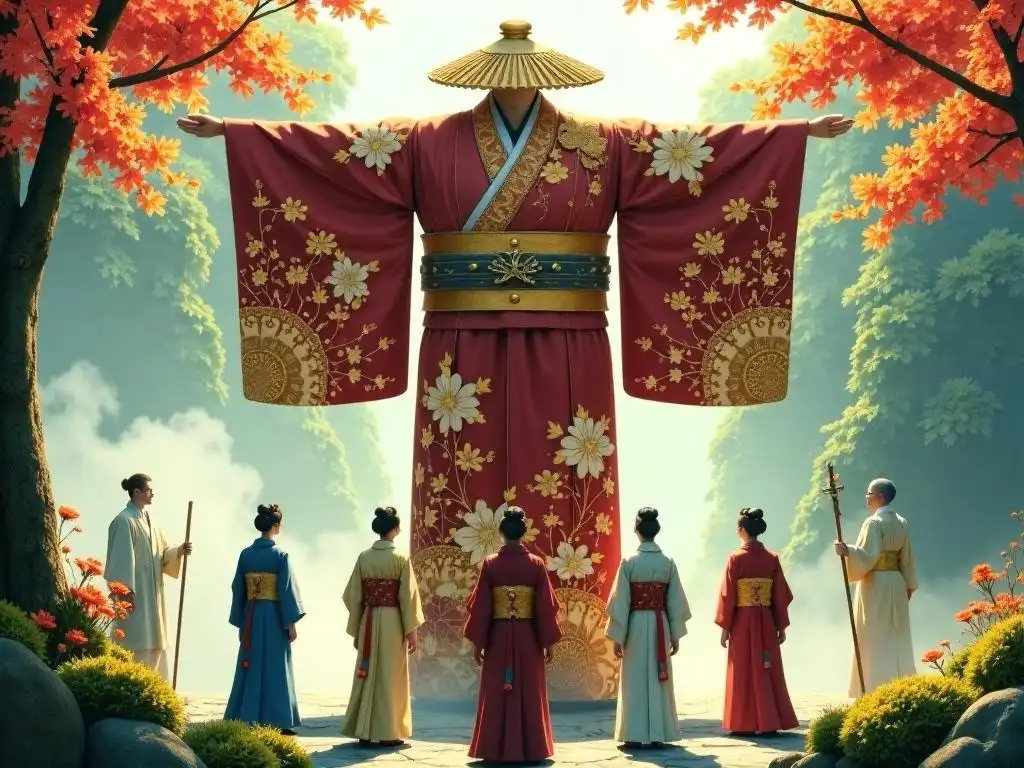
During the Muromachi period (1336–1573), female leadership emerged as a significant yet often overlooked aspect of governance. Despite the patriarchal structure of society, women wielded considerable influence, particularly within the confines of the family and through their connections to powerful men. The roles of women in the political sphere during this era reveal a complex interplay between cultural representation and the actual authority women held. While many historical records primarily focus on male figures, there are notable instances where women emerged as leaders, influencing decisions and shaping political landscapes.
The period's unique political structure, characterized by the shogunate and various regional daimyo, allowed women to navigate a space where they could exercise power indirectly. Women from noble families often acted as mediators in political alliances through marriage and kinship ties. Their roles were critical in maintaining family influence and securing political advantage, demonstrating that female leadership was embedded within the cultural fabric of the time.
Representation of Female Leaders in Literature and Art
The representation of female leaders in Muromachi literature and art provides valuable insights into their roles and societal perceptions. Literary works from this period, including Noh plays and waka poetry, often depicted women as both powerful figures and symbols of virtue or moral guidance. For instance, historical narratives sometimes glorified the wisdom and political acumen of women, portraying them as key players in the governance of their families and clans.
Art from the Muromachi period also reflects these themes, showcasing female figures in various forms. Paintings and illustrations often presented women not just as passive subjects but as active participants in the political and social spheres. The visual arts played a crucial role in shaping public perception, reinforcing the idea that women could hold power and influence, albeit in a context framed by societal norms.
How Cultural Perceptions Shaped Female Leadership Roles
Cultural perceptions during the Muromachi period significantly shaped the roles women could play in leadership. While women were often relegated to domestic spheres, their influence was felt in more subtle ways. The Confucian ideals that permeated society emphasized hierarchy and familial loyalty, which sometimes positioned women as vital to maintaining social order through their roles as mothers and wives of powerful men.
Moreover, the concept of onna daigaku, or women's learning, emerged during this time, promoting the education of women in various arts and governance. This educational movement allowed women to become more informed and articulate, enabling them to navigate complex political landscapes and assert their influence. However, these roles were often tempered by societal expectations, which both empowered and constrained female leaders in their pursuits.
The Legacy of Female Leaders in Muromachi Governance
The legacy of female leaders during the Muromachi period has had a lasting impact on Japanese governance and societal structures. Their contributions, although often marginalized in historical narratives, laid the groundwork for future generations of women in politics. The influence of these figures can be seen in the way women continued to play critical roles within the familial and political spheres in subsequent eras.
Long-term Impact on Japanese Politics
The long-term impact of female leaders from the Muromachi era can be traced through the evolution of women's roles in Japanese politics. As the political landscape shifted, the examples set by women in the Muromachi period demonstrated that women could hold significant sway in governance. This influence persisted into later periods, such as the Edo period, where women continued to exert power through family connections and intermediaries.
Furthermore, the acknowledgment of women's roles in governance during the Muromachi period has contributed to the broader discourse on gender in Japanese history. As historians and scholars re-examine the past, the recognition of female leaders' contributions encourages a more nuanced understanding of political dynamics and the complexity of governance in Japan.
Comparison with Female Leadership in Subsequent Eras
When comparing female leadership in the Muromachi period with subsequent eras, notable differences and continuities emerge. During the Edo period (1603–1868), for instance, women's roles were further constrained by the rigid class structures and societal norms that defined the time. However, the legacy of the Muromachi female leaders provided a framework for women to navigate political spaces, albeit often indirectly.
In the modern era, the influence of female leaders from the Muromachi period is evident in the increasing visibility and participation of women in politics and governance. Contemporary discussions about gender equality and women's leadership often reference historical precedents, highlighting the importance of recognizing women’s contributions across history.
The exploration of female leaders in the Muromachi era reveals not only the historical significance of these figures but also the cultural narratives that shaped their roles. Their legacy continues to influence the understanding of women's positions in governance, serving as a reminder of the enduring impact of female leadership throughout Japan's political history.
Conclusion: The Enduring Influence of Female Leaders in Muromachi Era
The Muromachi period, spanning from the 14th to the 16th century, was marked by significant political instability and shifting power dynamics. Amidst this backdrop, female leaders emerged as pivotal figures, influencing governance and societal structures in ways that have had lasting impacts on Japanese history. Their roles, often overshadowed by their male counterparts, deserve recognition not only for their contributions during their time but also for the precedent they set for future generations of women in leadership.
Summary of Key Contributions
Throughout the Muromachi era, women such as Hojo Masako, the widow of the first shogun of the Kamakura period, and other notable figures wielded considerable influence. These women often acted as mediators in political conflicts, leveraging their familial ties and social status to stabilize power structures. For instance, Masako played a crucial role in the governance of the Kamakura shogunate, demonstrating the capacity for women to navigate and shape political landscapes effectively.
Additionally, female figures in the Muromachi period often held significant economic power, managing estates and resources that were vital for sustaining local economies. By overseeing agricultural production and trade, women contributed to the financial stability of their families and clans, which in turn influenced political alliances and power dynamics.
Moreover, the cultural contributions of women during this period cannot be overlooked. They were instrumental in the development of the arts, including Noh theatre and tea ceremonies, which were not only forms of cultural expression but also venues for political and social interaction. These contributions illustrate how female leaders were not merely passive participants in governance but active shapers of the cultural identity of their time.
Reflection on the Importance of Recognizing Female Figures in History
The recognition of female leaders in the Muromachi era is crucial for a holistic understanding of Japan’s political history. Historically, women's contributions have often been marginalized, leading to a skewed narrative that neglects the complexities of governance during this period. By highlighting the roles of these influential figures, we can appreciate the multifaceted nature of leadership and the diverse ways in which power was exercised.
Acknowledging the impact of female leaders fosters a more inclusive historical narrative that validates the experiences and contributions of women throughout history. It serves as a reminder that leadership can take many forms and that women have been integral to shaping societies even in times when their roles were largely defined by traditional gender norms.
The female leaders of the Muromachi period not only influenced governance and culture during their time but also laid the groundwork for future generations. Understanding their stories enriches our comprehension of Japanese history and emphasizes the importance of recognizing the diverse influences that have shaped it. Their legacy continues to inspire contemporary discussions about gender and leadership, reminding us that women have always held the potential to impact the course of history.
- Introduction to Female Leaders in the Muromachi Era
- Historical Context of Female Leaders in Muromachi Governance
- Prominent Female Leaders in the Muromachi Era
- The Political Influence of Women in Muromachi Japan
- Female Leadership and Cultural Representation
- The Legacy of Female Leaders in Muromachi Governance
- Conclusion: The Enduring Influence of Female Leaders in Muromachi Era
- What role did female leaders play during the Muromachi Era?
- Who are some notable female figures from the Muromachi Era?
- How did societal norms affect women in power during this period?
- What impact did female leadership have on Muromachi governance?
- Are there any cultural representations of women in power from this era?
Frequently Asked Questions
What role did female leaders play during the Muromachi Era?
Female leaders in the Muromachi Era often wielded political influence through their familial ties and marriages, impacting governance and clan alliances significantly.
Who are some notable female figures from the Muromachi Era?
Notable female figures include Hōjō Masako, a shogunal wife who played a crucial role in politics, and Tomoe Gozen, a legendary warrior known for her bravery and leadership.
How did societal norms affect women in power during this period?
Despite patriarchal structures, women could exercise power through inheritance and marriage, allowing them to influence political decisions and maintain clan stability.
What impact did female leadership have on Muromachi governance?
Female leadership brought diversity to the political landscape, often leading to diplomatic negotiations and fostering alliances that were vital for maintaining peace and power among clans.
Are there any cultural representations of women in power from this era?
Yes, various literary works and art from the Muromachi Era depict women as powerful figures, highlighting their roles in society and governance, influencing modern perceptions of female leadership.
Final Reflection: The Enduring Legacy of Female Leaders in the Muromachi Era
The influence of female figures in Muromachi governance remains profoundly relevant today, as we continue to explore the dynamics of power and gender in leadership. The stories of these remarkable women challenge the traditional narratives of history, illuminating how their contributions shaped not only their immediate society but also set a precedent for future generations. In a world still grappling with gender inequality, the legacies of these female leaders remind us that women's voices have always been integral to governance and societal progress.
The impact of female leaders during the Muromachi Era resonates deeply within our contemporary cultural landscape. Their roles as strategists, diplomats, and decision-makers paved the way for a broader understanding of leadership that transcends gender. As we reflect on their influence, we can draw parallels to modern movements advocating for women's rights and representation in leadership roles. Women are the largest untapped reservoir of talent in the world.
– Hillary Clinton. This quote encapsulates the ongoing struggle for recognition and equality, urging us to acknowledge and celebrate the contributions of women throughout history.
As we conclude this exploration of female leaders in the Muromachi Era, I invite you to reflect on the lessons learned from their stories. Consider how you can apply these insights in your own life, whether by advocating for gender equality, supporting female leaders in your community, or simply recognizing the powerful women who have shaped your own journey. The legacy of these women is not just a historical account; it is a call to action for all of us to continue the fight for equality and representation in every sphere of life.
Empower Your Voice: Join the Movement!
Thank you for exploring the rich narrative of female leadership in Muromachi governance! We hope you found inspiration in the remarkable influence of these women and the powerful legacy they left behind. Now it's time to take action and celebrate the achievements of women throughout history.
Here’s how you can engage further:
- Amplify their stories: Share this article with your friends and on social media to spark conversations about the impact of women in leadership.
- Explore more: Delve into our extensive archive on the history of Feudal Japan to uncover intriguing stories and perspectives on female leaders.
- Get involved: Join our community forum, where you can share your insights, access valuable resources, and connect with fellow history enthusiasts.
What steps will you take to honor and uphold the legacy of these influential women in your own life?