
The Cultural Renaissance and Its Political Ramifications in the Muromachi Era

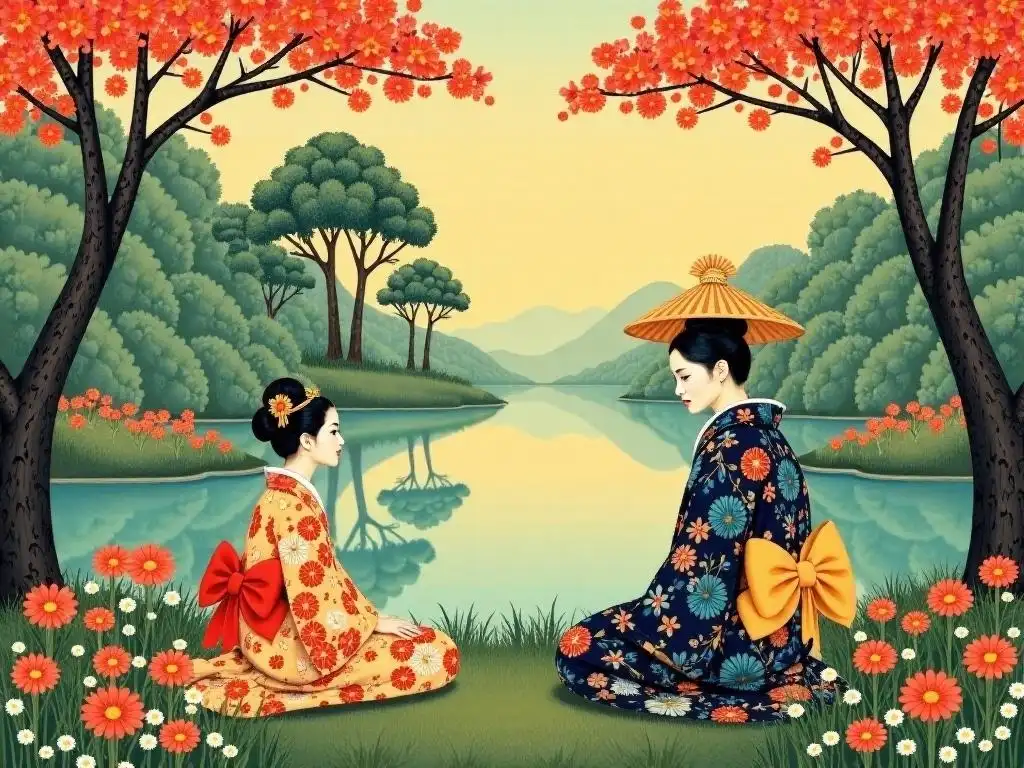
Welcome to Feudal Japan History, where we delve into the intricate tapestry of Japan’s feudal era. Prepare to embark on a captivating journey as we uncover the Muromachi era cultural renaissance, a period rich with artistic flourishing and profound political shifts. What secrets lie within this transformative epoch? Discover how the interplay of culture and power shaped the society of the time, and why these historical threads continue to resonate today. Join us as we unravel the complexities of this fascinating era and invite you to explore the depths of its legacy.
- Introduction to the Muromachi Era Cultural Renaissance
- Key Features of the Muromachi Era Cultural Renaissance
- Political Ramifications of the Cultural Renaissance
- Case Studies of Cultural and Political Interactions
- Conclusion: Legacy of the Muromachi Era Cultural Renaissance
- References and Further Reading
-
Frequently Asked Questions
- What was the Muromachi era known for in terms of culture?
- How did the political landscape affect the cultural developments during the Muromachi era?
- What role did Zen Buddhism play in the cultural renaissance of the Muromachi era?
- Can you name some prominent figures or movements from the Muromachi era cultural renaissance?
- How did the Muromachi era cultural renaissance impact modern Japanese culture?
- Final Reflection: The Enduring Legacy of the Muromachi Era Cultural Renaissance
- Unleash the Spirit of the Muromachi Renaissance!
Introduction to the Muromachi Era Cultural Renaissance
The Muromachi era (1336-1573) marks a pivotal period in Japanese history, characterized by profound cultural, political, and social transformations. Often overshadowed by the preceding Kamakura period and the subsequent Azuchi-Momoyama period, the Muromachi era is best known for its cultural renaissance, which significantly influenced Japan's artistic, philosophical, and societal developments.
This renaissance not only fostered new forms of expression in the arts but also played a crucial role in shaping the governance and political landscape of the time. By examining the cultural advancements during this era, one can gain insights into how the political dynamics of Japan evolved and the lasting impact these changes had on the nation as a whole.
Overview of the Muromachi Period (1336-1573)
The Muromachi period, named after the Muromachi district of Kyoto where the Ashikaga shogunate was based, began in 1336 when Ashikaga Takauji seized power from the Kamakura shogunate. This era is notable for the emergence of a decentralized feudal system, where power was distributed among regional warlords, or daimyo.
- Key Features of the Muromachi Period:
- Political Structure: The period witnessed the rise of the Ashikaga shogunate, which ruled with a less centralized approach compared to its Kamakura predecessor. This led to increased autonomy for local lords.
- Cultural Flourishing: The Muromachi era is often associated with the flourishing of various art forms, including Noh theater, ink painting, and the tea ceremony. These cultural expressions were heavily influenced by Zen Buddhism and the samurai ethos.
- Economic Changes: The period saw the development of a more complex economy, with increased trade and the growth of merchant classes, contributing to urbanization.
The interplay of these elements created a unique environment where culture could thrive, setting the stage for the cultural renaissance that would have far-reaching implications.
Significance of the Cultural Renaissance in Japan
The cultural renaissance of the Muromachi era was not merely an artistic movement; it was a transformative force that deeply affected Japan's social fabric and political arenas.
- Artistic Innovations: The period produced significant advancements in art, including:
- Ink Painting (Sumi-e): This style emphasized simplicity and elegance, reflecting Zen principles. Artists like Sesshū Tōyō became prominent figures, shaping the visual culture of the time.
- Noh Theater: Emerging as a distinct art form, Noh combined drama, music, and dance, reinforcing both spiritual and political narratives that resonated with the samurai class.
- Tea Ceremony (Chanoyu): The ritual of tea drinking became a symbol of refinement and social status, intertwining cultural practices with political alliances.
- Philosophical Developments: The integration of Zen Buddhism into daily life encouraged a new way of thinking that emphasized harmony, discipline, and aesthetics, influencing the values of the samurai and the ruling classes.
- Political Ramifications: The cultural renaissance reinforced the power dynamics among the elite, as cultural patronage became a means for the samurai to assert their status. This led to the establishment of cultural centers in regional domains, further decentralizing political power and fostering rivalries among the daimyo.
The cultural renaissance of the Muromachi era was a multifaceted phenomenon that shaped not only Japan's artistic landscape but also its political evolution. Understanding this dynamic interplay provides valuable insights into the complexities of Japanese history during a time of significant change.
Key Features of the Muromachi Era Cultural Renaissance
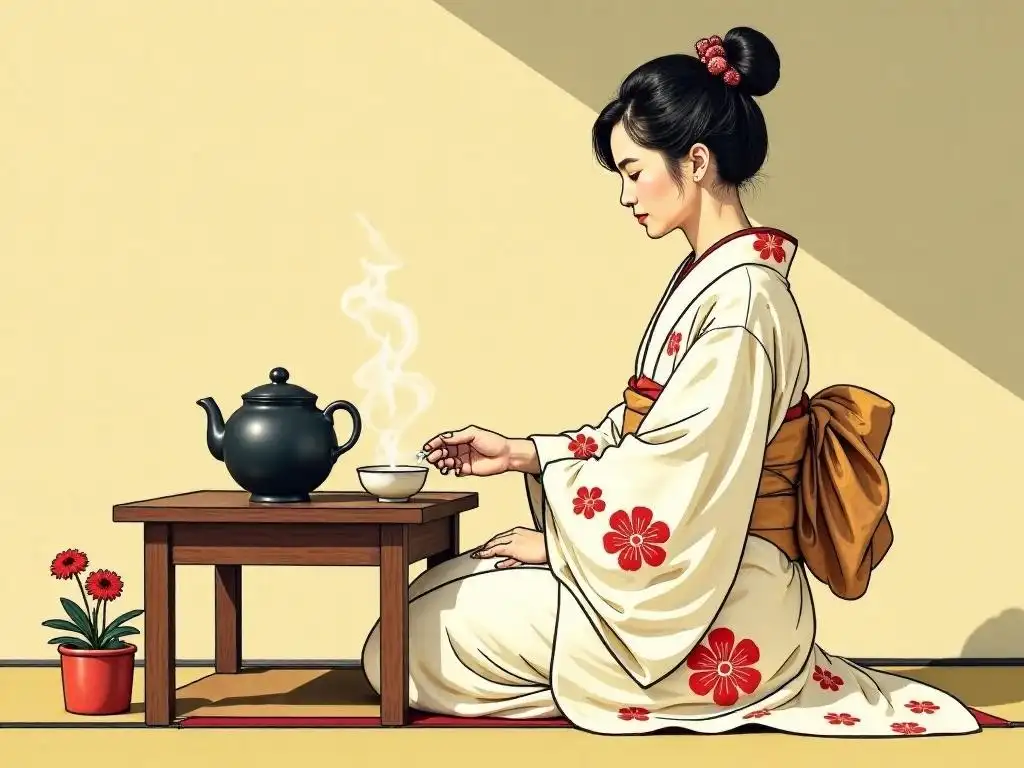
The Muromachi era, spanning from the 14th to the 16th century, marked a significant cultural renaissance in Japan, characterized by the flourishing of arts, literature, and philosophy. This period was not just a time of aesthetic development but also a pivotal moment that influenced the political landscape of Japan. The interplay between culture and governance during this era gave rise to a unique societal framework that shaped future generations.
Artistic Developments in the Muromachi Era
Evolution of Traditional Arts and Crafts
The Muromachi era saw a remarkable evolution in traditional arts and crafts, with the rise of various artistic expressions that reflected both the changing societal values and the influence of the ruling classes. This period is noted for the improvement and refinement of existing art forms, including:
- Ink Painting (Sumi-e): Artists began to adopt and adapt techniques from Chinese ink painting, focusing on natural landscapes and minimalism. This style emphasized the beauty of simplicity and the importance of the artistic process itself.
- Ceramics: The tea ceremony, which gained prominence during this time, spurred the development of ceramics, particularly the creation of tea bowls (chawan) that were both functional and aesthetically pleasing. Notable styles included Raku ware, celebrated for its unique firing process and textures.
- Textiles: The introduction of advanced dyeing techniques, such as indigo dyeing, led to the creation of richly patterned fabrics. The production of kimonos reached new heights in artistry and craftsmanship.
The artistic advancements of the Muromachi era were not merely for decoration; they served as a reflection of the samurai's refined taste and the growing merchant class's influence.
Influence of Zen Buddhism on Art
Zen Buddhism played a critical role in shaping the artistic landscape of the Muromachi period. The principles of Zen philosophy permeated various art forms, fostering a unique aesthetic that valued:
- Simplicity and Naturalness: Artists embraced the Zen ideals of simplicity, leading to works that often featured sparse composition and a focus on the inherent beauty of materials.
- Emphasis on Nature: Many artworks portrayed scenes of nature, embodying the Zen belief in the interconnectedness of all life. This connection was often expressed in garden designs, such as the famous rock gardens of Kyoto.
- Spirituality in Art: Zen teachings encouraged artists to express their inner states through their work, leading to a more introspective approach to art creation. This is evident in the works of renowned painters like Sesshū Tōyō, whose landscapes are imbued with a sense of tranquility and meditation.
The impact of Zen Buddhism on Muromachi art not only transformed artistic expressions but also reinforced the political authority of the samurai, who often patronized these artistic endeavors.
Literature and Philosophy during the Muromachi Period
The literature and philosophy of the Muromachi era underwent significant transformations, paralleling the cultural developments in the visual arts. This period was marked by a blossoming of literary creativity and philosophical inquiry that reflected the complexities of the time.
Notable Literary Works and Authors
During the Muromachi period, literature flourished, with several key works and authors emerging:
- The Tale of the Heike: This epic narrative, which recounts the rise and fall of the Taira clan, became a significant cultural touchstone. Its themes of impermanence resonate with the Buddhist concept of mujo (the transience of life).
- Poetry: The practice of composing linked-verse poetry (renga) became popular among the samurai and aristocratic classes. This collaborative art form fostered social bonds and intellectual exchange, leading to the rise of master poets like Matsuo Bashō.
- Noh Theatre: A unique form of musical drama that combined elements of dance, music, and poetry, Noh theatre gained prominence during this era. It served as both entertainment and a means of conveying philosophical themes, often rooted in Buddhist teachings.
These literary developments not only enriched Japanese culture but also provided a means for the ruling elite to assert their identities and values.
Philosophical Movements Emerging in the Era
The Muromachi period also witnessed the emergence of new philosophical movements, deeply influenced by Zen Buddhism and Confucian thought:
- Zen Philosophy: Central to the cultural renaissance, Zen philosophy emphasized direct experience and personal enlightenment. It challenged traditional forms of thought, advocating for a more introspective and experiential approach to understanding the self and the universe.
- Confucianism: With the increasing influence of trade and the merchant class, Confucian ideals began to permeate the governance of the era. These ideals emphasized social harmony, ethical governance, and the importance of education, which were reflected in the policies of the Ashikaga shogunate.
- Integration of Arts and Philosophy: The interplay between artistic expression and philosophical inquiry became increasingly evident, as artists often drew on philosophical themes in their work, creating a rich tapestry of cultural discourse.
Through these philosophical movements, the Muromachi era laid the groundwork for future intellectual developments in Japan, intertwining governance, culture, and the arts in profound ways.
Architectural Innovations in the Muromachi Period
The Muromachi era, spanning from 1336 to 1573, was a time of significant architectural innovation in Japan. This period marked the transition from the grandeur of the Kamakura architecture to a more refined and understated aesthetic that emphasized harmony with nature. One of the most notable architectural developments was the emergence of the shoin-zukuri style, which became the standard for residential architecture among the samurai class and the elite. This style is characterized by its tatami mat flooring, sliding doors (fusuma), and a variety of indoor and outdoor spaces that facilitated a connection to nature.
Additionally, the construction of Zen temples during this era showcased a minimalist aesthetic that valued simplicity and tranquility. The most famous examples include the Ginkaku-ji (Silver Pavilion) and Kinkaku-ji (Golden Pavilion), both of which utilized asymmetrical designs and natural materials to create serene environments conducive to meditation and reflection. The incorporation of tatami rooms and gardens into temple architecture further illustrated the integration of spiritual and aesthetic values, which became a hallmark of Muromachi architecture.
Moreover, the rise of the castle architecture during the Muromachi period also reflected the changing political landscape. Castles like Nijo Castle were designed not only for defense but also as centers of governance, showcasing the power and status of the ruling samurai class. These structures often featured multiple tiers, moats, and elaborate gatehouses, integrating military functionality with artistic design.
Development of Traditional Japanese Gardens
The cultural renaissance of the Muromachi era also gave rise to the development of traditional Japanese gardens, which played a crucial role in the spiritual and aesthetic life of the time. These gardens were designed to reflect the principles of Zen Buddhism, emphasizing simplicity, natural beauty, and a sense of harmony with the environment. The introduction of the karesansui (dry landscape) garden exemplified this philosophy, utilizing rocks, gravel, and minimal vegetation to create serene landscapes that invited contemplation.
Famous gardens such as the Ryoan-ji in Kyoto are representative of this style, featuring carefully arranged rocks that suggest abstract forms, encouraging visitors to reflect and meditate. The gardens served not only aesthetic purposes but also acted as spaces for spiritual practice and relaxation for the samurai and the elite classes.
The design of these gardens often included elements like ponds, bridges, and stone lanterns, creating a microcosm of nature that could be enjoyed from the confines of a tea house or a dwelling. The practice of chanoyu (tea ceremony) became intertwined with garden design, as gardens were carefully curated to enhance the experience of tea drinking, reflecting the deep connection between culture, nature, and governance during the Muromachi period.
Influence of Architecture on Governance and Society
Architecture during the Muromachi period had profound implications for governance and society, serving as a reflection of political power and cultural values. The construction of castles not only symbolized the military strength of the samurai class but also functioned as administrative centers. These structures were strategically located to exert control over territories and were equipped with facilities that allowed for effective governance.
The architectural style of the time also influenced social hierarchies and cultural practices. For instance, the adoption of the shoin-zukuri style in residences indicated a shift towards a more stratified society where the living conditions of the samurai class were distinctly separate from those of commoners. The design of homes allowed for the hosting of important gatherings, such as tea ceremonies and council meetings, reinforcing the social status of their owners.
Moreover, the emphasis on gardens in both residential and temple architecture highlighted the connection between the aesthetic experience and political power. Rulers and influential samurai used their gardens as a means to demonstrate their wealth and sophistication, inviting guests to enjoy these tranquil spaces while discussing matters of state or culture.
In essence, the architectural innovations of the Muromachi era not only transformed the physical landscape of Japan but also played a crucial role in shaping societal structures and governance practices, intertwining the realms of culture, politics, and nature.
Political Ramifications of the Cultural Renaissance
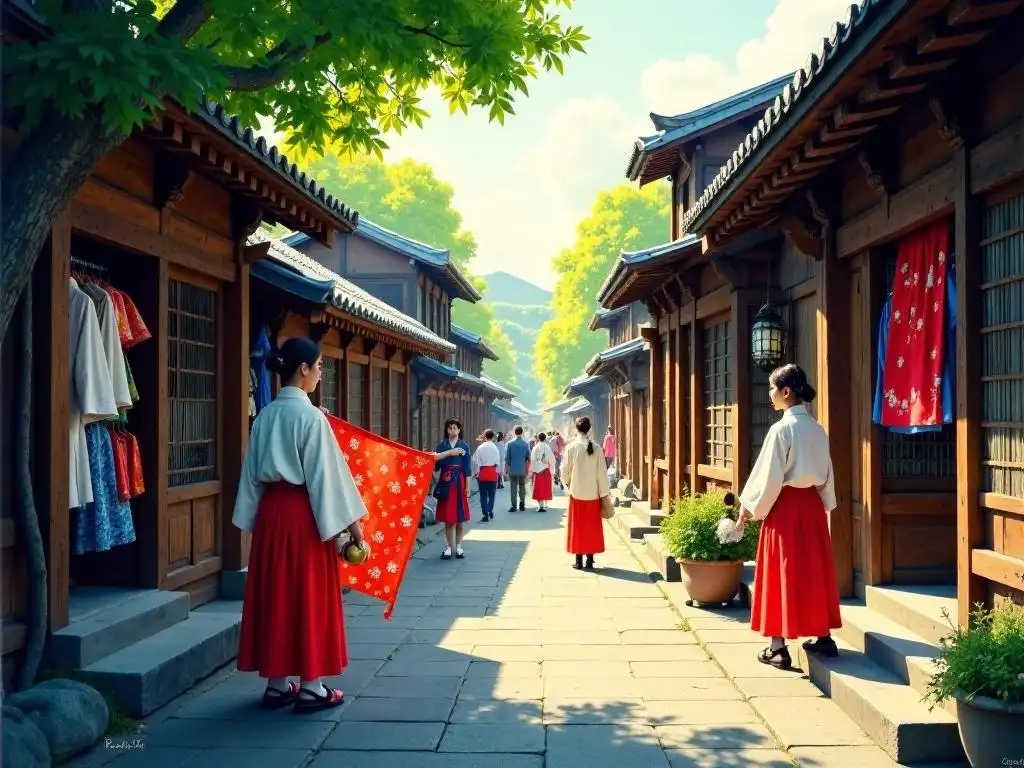
The Muromachi era, spanning from the 14th to the 16th centuries, is notable not only for its political developments but also for a significant cultural renaissance that had profound political ramifications. This era witnessed the emergence of new artistic expressions, philosophies, and cultural practices that were intricately linked to the governance structures in place. The interplay between culture and politics during this period laid the groundwork for future changes in Japanese society.
The Role of Shogunate in Promoting Culture
The Ashikaga Shogunate played a pivotal role in the cultural renaissance of the Muromachi era. Unlike its predecessor, the Kamakura Shogunate, which was more militaristic, the Ashikaga Shogunate fostered a more refined cultural environment. The shogunate's patronage of the arts and philosophy significantly influenced the cultural landscape of Japan.
- Support for the Arts: The Ashikaga Shogunate actively supported various art forms, including painting, poetry, and theater. Notable figures like Yoshimitsu Ashikaga, the third shōgun, were instrumental in promoting the flourishing of Noh theater and the development of the tea ceremony, which became central to Japanese aesthetics and social life.
- Cultural Institutions: The establishment of cultural institutions, such as the Nanzen-ji temple, became centers for Zen Buddhism and arts, promoting a fusion of spiritual and artistic pursuits that reflected the Shogunate's values and governance.
The Shogunate's endorsement of cultural activities fostered a sense of unity and pride among the samurai class, creating a cultural identity that was closely tied to their political power.
Impact on Samurai Class and Governance
The cultural renaissance of the Muromachi era had a transformative impact on the samurai class, shifting their roles from mere warriors to cultural patrons and intellectuals. This transition influenced governance and societal structures in several ways.
- Cultural Identity of the Samurai: The samurai began to embrace arts as a means of expressing their status. Calligraphy, poetry, and tea ceremonies became essential components of their education, reflecting a shift towards a more cultured and intellectual elite.
- Governance Shifts: As samurai culture evolved, so did the governance styles. The emphasis on aesthetics and culture began to influence political decisions, leading to a governance model that valued diplomacy and cultural exchange over purely military might. This shift allowed for a more stable political environment during a time marked by regional conflicts.
The interplay between culture and governance in this period established a legacy that would influence the samurai's role in later historical contexts.
Cultural Exchange and Its Political Implications
The Muromachi era was characterized by significant cultural exchanges, both domestically and internationally. This exchange not only enriched the cultural fabric of Japan but also had far-reaching political implications.
Relationships with Neighboring Regions
During this period, Japan's interactions with neighboring regions, particularly China and Korea, were pivotal in shaping its cultural landscape.
- Influence of Chinese Culture: The importation of Chinese culture, especially during the Ming dynasty, brought new philosophies, artistic styles, and innovations in governance. The Chinese influence was evident in the adoption of Confucian ideals, which began to permeate samurai governance and societal norms.
- Trade and Diplomacy: Increased trade with neighboring regions facilitated the exchange of not only goods but also ideas. This exchange fostered diplomatic relationships that were crucial for political stability in the region and enhanced Japan's standing in the broader East Asian context.
Influence on Domestic Policies
The cultural renaissance also had significant implications for domestic policy during the Muromachi period.
- Integration of Cultural Practices in Governance: The incorporation of cultural practices, such as festivals and rituals, into governance reinforced the legitimacy of the ruling class. This integration helped to cultivate loyalty among the samurai and common people alike, as cultural events became means of showcasing power and unity.
- Shifts in Land Management and Economy: The cultural emphasis on agriculture and the arts led to policies that favored land management and agricultural development. This focus on a stable economy reduced the reliance on military campaigns, contributing to a more peaceful and prosperous era.
The political implications of the cultural renaissance during the Muromachi era were profound, setting the stage for the evolution of Japan's political landscape and the samurai's role within it. Through cultural patronage and exchange, the era not only enriched Japanese culture but also transformed governance, creating a legacy that would influence future generations.
Case Studies of Cultural and Political Interactions
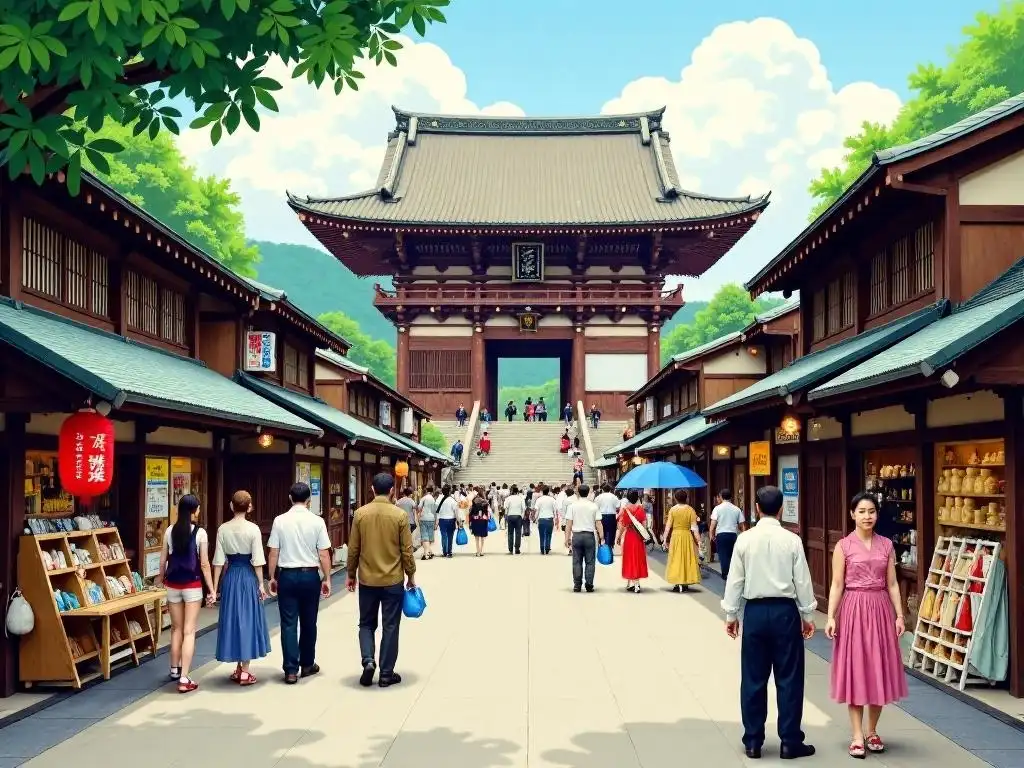
The Muromachi era, spanning from the 14th to the 16th centuries, was characterized by a remarkable interplay between cultural developments and political dynamics. This section delves into specific case studies that exemplify how cultural institutions and political figures influenced each other during this transformative period in Japan's history.
Examination of Specific Cultural Institutions
Cultural institutions during the Muromachi era played a pivotal role in shaping the societal landscape and reflecting the political milieu. Notably, the Zen Buddhist temples emerged as significant centers of cultural and political activity. Temples such as Daitoku-ji and Nanzen-ji not only served as spiritual sanctuaries but also as hubs for artistic and intellectual exchange.
- Art and Architecture: The architectural styles of the period, particularly the shoin-zukuri style, were heavily influenced by Zen aesthetics. This style emphasized simplicity and harmony with nature, aligning with the political ideals of the ruling samurai class who sought to legitimize their power through cultural refinement.
- Tea Ceremony: The chanoyu, or tea ceremony, became a symbol of cultural sophistication. Figures such as Sen no Rikyū furthered this tradition, intertwining it with the political fabric of the era. The tea ceremony was not merely an artistic expression; it fostered alliances among feudal lords (daimyō) and served as a means of political negotiation.
- Literature and Noh Theater: The development of Noh theater and literary forms during the Muromachi period illustrated the relationship between culture and governance. Notable playwrights, such as Zeami, crafted works that often reflected the political tensions of their time, subtly critiquing the ruling class while engaging audiences in complex narratives.
Analysis of Political Figures Influencing the Renaissance
The political landscape of the Muromachi era was marked by influential figures who not only governed but also shaped cultural trends. Understanding their contributions provides insight into the political ramifications of the cultural renaissance.
- Ashikaga Takauji: As the founder of the Ashikaga shogunate, Takauji's support for the arts helped establish a cultural renaissance in Kyoto. His patronage of Zen temples and the arts laid the groundwork for a flourishing cultural environment that legitimized his rule. By fostering artistic endeavors, he maneuvered politically to strengthen his position against rival factions.
- Ashikaga Yoshimitsu: The third shōgun of the Ashikaga shogunate, Yoshimitsu, was a key figure in the cultural renaissance. His reign saw the establishment of the Golden Pavilion (Kinkaku-ji), which became a symbol of the era's cultural achievements. Yoshimitsu’s engagement with cultural institutions allowed him to exercise power while promoting an image of enlightened governance.
- Daimyō and Patronage: Local daimyō, such as Uesugi Kenshin and Takeda Shingen, contributed to the cultural landscape by sponsoring artists and intellectuals. Their patronage not only enriched their domains but also served as a strategic means of gaining loyalty and respect from their vassals and subjects. This interplay of culture and governance underscored the importance of cultural patronage as a political tool during the Muromachi era.
Through these case studies, it becomes evident that the cultural renaissance of the Muromachi era was not merely a series of artistic achievements but a complex interaction of cultural institutions and political authority, each shaping the other in profound ways.
Conclusion: Legacy of the Muromachi Era Cultural Renaissance
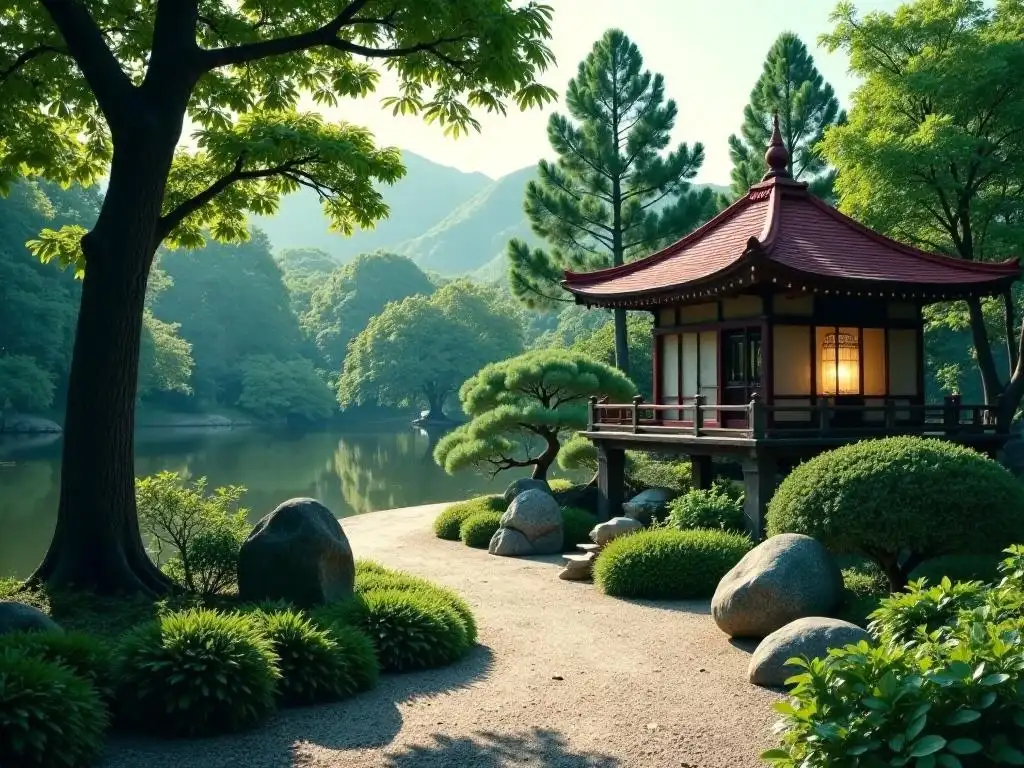
The Muromachi era cultural renaissance marked a transformative period in Japan's history, blending artistic innovation with shifting political dynamics. This renaissance, which spanned from the 14th to the 16th centuries, not only cultivated an enriched cultural landscape but also laid the groundwork for future governance structures and societal norms.
Lasting Impact on Japanese Culture and Governance
The cultural renaissance of the Muromachi era significantly influenced various aspects of Japanese life. The introduction and popularization of Zen Buddhism during this period fostered a unique aesthetic that permeated art, architecture, and literature. Notable forms of expression, such as ink painting and tea ceremony, emerged, reflecting the zenith of Japanese artistic achievement.
- Artistic Developments:
- The ink wash technique refined by artists like Sesshū Tōyō showcased the simplicity and elegance of nature.
- Noh theater, a dramatic art form, began to flourish, emphasizing themes of spirituality and the human condition.
- Philosophical Influences:
- Zen principles instilled a sense of minimalism and mindfulness that influenced not only art but also the governing philosophies of the time.
- The samurai class, deeply influenced by Zen, began to adopt these principles in their code of conduct, leading to more philosophical governance approaches.
Politically, the Muromachi period saw the rise of the Ashikaga shogunate, which promoted a culture of patronage that supported the arts. The shogunate's governance was characterized by a decentralized power structure that allowed regional daimyōs to flourish, leading to a diverse political landscape.
- Shifts in Power Dynamics:
- The daimyōs, by supporting cultural endeavors, enhanced their local authority and influence, which, in turn, impacted the shogunate's control.
- This period also marked the beginning of a more meritocratic system where cultural contributions could elevate one's status within society.
Reflection on How the Muromachi Era Shaped Future Developments
The cultural renaissance of the Muromachi era not only enriched Japanese culture but also set the stage for future developments in governance and societal structure. The blending of art and politics during this time highlighted the importance of cultural identity in governance, which would resonate through subsequent periods.
- Cultural Continuity:
- The artistic styles and philosophies established during the Muromachi era continued to influence the Edo period and beyond, fostering a sense of continuity in Japanese cultural identity.
- The tea ceremony, for instance, evolved during this period and remains a quintessential part of Japanese culture today.
- Political Evolution:
- The political fragmentation seen in the late Muromachi period laid the groundwork for the warring states period (Sengoku), which ultimately led to the unification of Japan under the Tokugawa shogunate.
- The lessons learned from the governance styles of the Ashikaga shogunate influenced future leaders on the balance of power between regional and central authorities.
The Muromachi era cultural renaissance was a pivotal moment that not only redefined Japanese art and philosophy but also reshaped the political landscape. Its legacy continues to reverberate through Japanese society, highlighting the intricate relationship between culture and governance that characterizes Japan's historical trajectory.
References and Further Reading
Recommended Academic Sources on the Muromachi Era
The Muromachi era, spanning from 1336 to 1573, is a pivotal period in Japanese history marked by a cultural renaissance that profoundly influenced governance and societal structure. Below are some recommended academic sources that provide insightful perspectives on this era:
-
"The Muromachi Period" by John Whitney Hall
This comprehensive text delves into the political and social dynamics of the Muromachi period, offering a thorough analysis of its governance structures and cultural shifts.
-
"Japan's Cultural Renaissance: The Muromachi Era" by Richard Bowring
Bowring explores the artistic and intellectual transformations during the Muromachi era, linking these developments to significant political changes.
-
"Warriors of Japan as Portrayed in the War Tales" by Thomas Donaldson
This source examines the role of samurai and war tales in shaping the cultural narrative of the Muromachi period, providing context for its political ramifications.
-
"The Art of the Muromachi Period" by Elizabeth H. H. M. H. Chan
A detailed exploration of the artistic innovations during the Muromachi era, this book discusses the interplay between art and politics in shaping societal values.
-
"Muromachi Architecture and Gardens" by H. Paul Varley
This work analyzes the architectural advancements and garden designs that arose during the Muromachi period, reflecting cultural priorities that influenced governance.
Suggested Literature for In-Depth Understanding
For those seeking to deepen their understanding of the Muromachi era cultural renaissance, the following literature is highly recommended:
-
"The Tale of the Heike"
A classic work that captures the ethos of the period, blending historical events with cultural narratives that reflect the socio-political landscape of the time.
-
"Zen and the Art of Tea" by Soshitsu Sen XV
This text explores the cultural significance of the tea ceremony, a practice that flourished during the Muromachi period and symbolizes broader cultural trends and political philosophies.
-
"Cultural History of the Samurai" by Tetsuo Najita
An in-depth examination of samurai culture and its influence on governance and society during the Muromachi period, providing a nuanced understanding of this complex era.
-
"Muromachi Japan: A Historical Overview" by Yoshiaki Shimizu
Shimizu’s work offers a detailed overview of the political and cultural developments, making it an essential resource for understanding the intricacies of the Muromachi era.
-
"Art and Culture in the Muromachi Period" edited by Masako Fujita
This anthology presents various essays discussing the intersection of art, culture, and politics, highlighting how these elements shaped the identity of the Muromachi period.
With these resources, readers can gain a richer understanding of the multifaceted cultural renaissance during the Muromachi era and its significant political ramifications.
Frequently Asked Questions
What was the Muromachi era known for in terms of culture?
The Muromachi era is renowned for its cultural renaissance, characterized by advances in art, theater, and literature, which reflected the dynamic social changes of the time.
How did the political landscape affect the cultural developments during the Muromachi era?
The political instability and power struggles of the Muromachi period created a unique environment that fostered cultural expressions, as artists and scholars sought to respond to the challenges of their times.
What role did Zen Buddhism play in the cultural renaissance of the Muromachi era?
Zen Buddhism significantly influenced the cultural renaissance, inspiring tea ceremonies, ink painting, and garden design, emphasizing simplicity and spirituality in everyday life.
Can you name some prominent figures or movements from the Muromachi era cultural renaissance?
Key figures include Sesshū Tōyō, a master of ink painting, and the Noh theater, which emerged as a significant art form, blending performance with poetic expression during this period.
How did the Muromachi era cultural renaissance impact modern Japanese culture?
The cultural achievements of the Muromachi era laid the foundation for many aspects of modern Japanese culture, including aesthetics, literature, and performing arts, continuing to influence contemporary Japanese identity.
Final Reflection: The Enduring Legacy of the Muromachi Era Cultural Renaissance
The Muromachi era cultural renaissance is not just a historical phenomenon; it is a testament to the resilience and creativity of a society that thrived amidst political turmoil. As we navigate our own complex world today, the lessons from this vibrant period remind us of the power of art, philosophy, and cultural expression to shape not only individual identities but also the broader socio-political landscape. The interplay between culture and politics during the Muromachi era serves as a striking reminder that creativity can flourish even in the most challenging circumstances.
Culture is a mirror reflecting the values and struggles of its time, and the Muromachi era is no exception. The artistic innovations and philosophical advancements of this period continue to resonate in contemporary discussions about identity and governance. As we witness the ongoing influence of cultural movements around the globe, we can draw parallels to the Muromachi era's ability to inspire change and foster dialogue. Art is the most beautiful of all lies.
This quote encapsulates the essence of how art can transcend its immediate context, offering insights that are relevant across generations.
As we reflect on the themes of the Muromachi era cultural renaissance, I invite you to consider how you can incorporate the spirit of creativity and resilience into your own life. What can you learn from this historical moment to inspire your actions today?
Whether through artistic expression, community engagement, or personal growth, the legacy of the Muromachi era encourages us to embrace our creativity as a powerful tool for change. Let us honor this rich history by actively participating in our cultural narratives and fostering a future where art and politics continue to intertwine for the betterment of society.
Unleash the Spirit of the Muromachi Renaissance!
Thank you for diving into the fascinating world of the Muromachi Era with us! You've explored the intricate relationships between culture and politics during this transformative period. Now, let’s turn that knowledge into action and engagement!
Here’s how you can take the next step:
- Dive Deeper: Explore our dedicated sections on Muromachi art and literature to discover more about this cultural flourishing and its lasting impact.
- Join the Conversation: Contribute your thoughts and insights in the comments below or connect with fellow enthusiasts through our community forum. Your voice is important!
- Spread the Word: Share this article on social media to ignite discussions about the cultural milestones of the Muromachi Era and their relevance today.
Which aspect of the Muromachi cultural renaissance fascinates you the most, and how do you believe its influence is shaping our understanding of modern political movements?