
The Intricacies of Muromachi Administration: How Governance Shaped Society

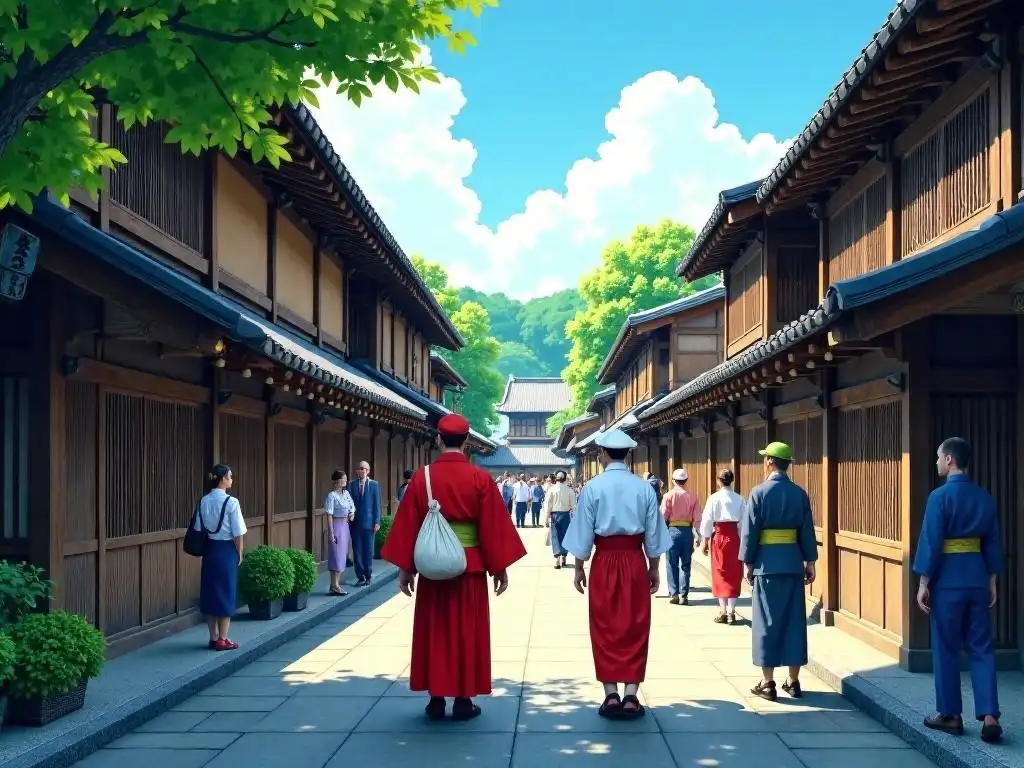
Welcome to Feudal Japan History, where the tapestry of Japan’s past is woven with rich threads of culture, politics, and societal evolution. Dive into the fascinating world of the Muromachi period governance insights, and discover how the complexities of administration during this era shaped the very fabric of society. With expert-driven analysis and in-depth articles, we invite you to embark on a journey that unveils the secrets of feudal governance and its lasting impact on Japanese history. Are you ready to explore the intricacies of Muromachi administration? Your adventure begins here!
Introduction to the Muromachi Period
The Muromachi period, spanning from 1336 to 1573, represents a significant chapter in Japanese history, characterized by the distinctive governance structures that emerged during this era. This period is marked by the rise of the Ashikaga shogunate, which played a crucial role in shaping both political authority and societal norms. Understanding the complexities of governance during the Muromachi era is essential for grasping how these systems influenced everyday life, culture, and the eventual trajectory of Japan’s historical development. This article will delve into the intricacies of Muromachi period governance insights, exploring the interrelationship between administration and society.
Overview of the Muromachi Era in Japanese History
The Muromachi period follows the Kamakura period and precedes the Azuchi-Momoyama period. It is named after the Muromachi district of Kyoto, where the Ashikaga shogunate established its power. This era witnessed significant social and cultural transformation, including the flourishing of arts such as Noh theater and ink painting, which flourished under the patronage of the ruling elite. Politically, the Muromachi period is often characterized by a feudal system where power was decentralized, and local lords, known as daimyo, held significant sway over their territories.
- Key Features of the Muromachi Period:
- Emergence of the Ashikaga shogunate.
- Development of a unique cultural identity.
- Increased power and autonomy of regional daimyos.
Significance of Governance in Feudal Japan
Governance during the Muromachi period was not merely a matter of ruling authority; it was intricately linked to the social fabric of Japan. The structure of governance influenced various aspects of life, including land ownership, taxation, and military organization. The shogunate’s relationship with the daimyos created a complex network of allegiances, impacting the stability and unity of the nation.
- Impactful Governance Aspects:
- Establishment of legal codes and administrative protocols.
- Management of land and agricultural production.
- Creation of alliances and conflict resolution mechanisms.
The Framework of Muromachi Governance
The governance of the Muromachi period was structured around a series of institutions and relationships that defined the power dynamics of the time. This framework was essential for understanding how authority was exercised and how it affected the lives of the Japanese people.
Key Institutions of the Muromachi Government
At the heart of Muromachi governance were several key institutions that facilitated the administration of the realm:
- The Ashikaga Shogunate: The central military government led by the shogun, responsible for overseeing national defense and maintaining order.
- The Court: The imperial court in Kyoto, which retained symbolic authority and cultural influence, despite the practical power lying with the shogunate.
- Regional Samurai Clans: Local samurai families that served as the enforcement arms of the shogunate in their respective regions.
These institutions operated in a delicate balance, often leading to conflict and negotiation between centralized authority and local power.
Roles of the Ashikaga Shogunate in Administration
The Ashikaga shogunate played a pivotal role in shaping the administrative landscape of the Muromachi period. Unlike its Kamakura predecessor, the Ashikaga shogunate was more focused on cultural patronage and less on direct military control. This shift allowed for a more flexible governance style, where local lords had greater autonomy in managing their domains.
- Administrative Contributions of the Ashikaga Shogunate:
- Development of a meritocratic bureaucracy.
- Promotion of trade and economic policies to support regional economies.
- Engagement with the arts and culture to legitimize their rule.
Influence of Local Daimyo in Regional Governance
The influence of the daimyos cannot be overstated in the context of Muromachi governance. As powerful feudal lords, they were responsible for managing vast territories and maintaining local order. Their roles extended beyond mere military leadership; they were also involved in local administration, justice, and economic management.
- Key Responsibilities of the Daimyo:
- Collecting taxes and managing agricultural production.
- Enforcing laws and settling disputes within their domains.
- Forming alliances with other daimyos to strengthen their political power.
The intricate governance structures of the Muromachi period greatly influenced the societal dynamics of feudal Japan, paving the way for transformations that would impact the nation's future. Understanding these insights into Muromachi period governance is essential for appreciating the broader historical narrative of Japan.
Political Hierarchies and Structures
The governance of the Muromachi period (1336-1573) was characterized by a complex political hierarchy that evolved from the Kamakura period's feudal system. At the top of this hierarchy was the Ashikaga shogunate, led by the Ashikaga family, which established a centralized form of governance, albeit with significant regional variations. The shogun wielded considerable power, but their authority was often challenged by powerful regional lords known as daimyōs. These daimyōs ruled over their own domains with varying degrees of autonomy, establishing local laws and engaging in military campaigns to expand their territories.
Underneath the shogunate and daimyōs were various administrative roles that facilitated governance. The political structure was further layered with institutions like the council of elders (sōjō), which advised the shogunate and represented the interests of different clans. Additionally, the Muromachi government implemented a system of vassalage, where samurai served their lords in exchange for land and protection, creating a network of loyalty and obligation that defined the feudal landscape.
The Social Classes Under Muromachi Rule
The Muromachi period was marked by a rigid social structure that divided society into distinct classes. At the top were the nobility and the samurai class, who held land and wielded military power. The samurai were not only soldiers but also administrators, playing critical roles in governance and local law enforcement.
Below the samurai were the farmers, who formed the backbone of the economy. They were often bound to the land they tilled, subject to the demands of their local lords. The merchant class occupied a lower status than farmers, despite their increasing economic power. Merchants operated in the growing urban centers, engaging in trade and contributing to the economy's dynamism, which sometimes led to tensions between the classes.
Lastly, artisans and laborers constituted the lower classes, often facing social and economic hardships. This stratified society was crucial in maintaining the feudal order, as each class played a specific role in the broader economic and political landscape.
The Interplay Between Samurai and Peasants
The relationship between samurai and peasants was both symbiotic and contentious. Samurai derived their status and power from land ownership, which was dependent on the agricultural productivity of the peasants. In return for protection and governance, samurai expected loyalty and a portion of the harvest from the farmers. This mutual reliance was essential for the stability of the feudal system.
However, this relationship was fraught with tension. Peasants often faced heavy taxation and labor demands, leading to sporadic revolts and uprisings against their lords. Notable instances, such as the 1457 Kōzuke Peasant Uprising, highlighted the challenges of maintaining peasant loyalty amidst oppressive governance. Despite these tensions, the samurai were also responsible for ensuring the welfare of their subjects, creating a complex dynamic that influenced the social fabric of the Muromachi period.
Administrative Roles: From Shugo to Jito
The administration during the Muromachi period was marked by important roles that managed regional governance. The shugo, or provincial governors, were appointed by the shogunate to oversee military and administrative functions in their regions. They were responsible for maintaining order, collecting taxes, and managing local disputes, wielding significant power in their designated areas.
In contrast, the jito were land stewards, often appointed by daimyōs to manage specific estates. Their primary responsibilities included overseeing agricultural production, ensuring the collection of rents, and maintaining the infrastructure necessary for economic activity. The relationship between shugo and jito was crucial, as these roles often overlapped, leading to a complex web of authority that could result in conflicts or cooperation depending on local circumstances.
This hierarchical structure allowed for a degree of regional autonomy while maintaining the overarching authority of the shogunate. The effectiveness of governance depended heavily on the capabilities and loyalties of those in these administrative roles.
Governance and Societal Impact
The governance of the Muromachi period had profound implications for Japanese society, influencing various aspects of daily life, economy, and culture. The intricacies of political administration shaped not only the power dynamics among the ruling elite but also the lived experiences of ordinary citizens.
How Muromachi Governance Influenced Daily Life
The Muromachi administration established laws and practices that directly impacted the daily lives of its subjects. Regulations governing land use, taxation, and social conduct were enforced by local authorities, often reflecting the interests of the ruling samurai class. As a result, peasants faced significant constraints, including labor obligations and tribute payments that dictated their livelihoods.
However, governance also facilitated the growth of urban centers, where merchants and artisans began to flourish. The rise of commerce led to new social mobility opportunities, allowing some peasants to improve their economic status. Festivals and communal activities supported by local lords became vital for social cohesion, demonstrating how governance could shape cultural practices and community life.
The Relationship Between Governance and Economic Development
Economic development during the Muromachi period was intricately linked to its governance structures. The shogunate's policies encouraged agricultural innovation, which increased productivity and supported population growth. The establishment of trade routes and market towns further stimulated economic activity, allowing for the exchange of goods and ideas.
However, the governance system also faced challenges, such as the frequent conflicts between daimyōs, which disrupted trade and agricultural production. The need for robust governance to mediate these conflicts became evident as regional rivalries escalated into larger military confrontations, impacting economic stability. The interplay between governance and economy thus highlighted the need for effective administration to support growth and manage conflicts.
Cultural Flourishing Amidst Political Structures
Despite the political turmoil of the Muromachi period, it was a time of significant cultural flourishing. The administration's support for the arts, particularly through the patronage of the samurai class, led to the development of distinctive cultural forms, including Noh theater, ink painting, and the tea ceremony. These cultural practices were often intertwined with the political landscape, reflecting the values and aesthetics of the ruling elite.
Moreover, the establishment of Zen Buddhism during this period influenced artistic expression, promoting simplicity and naturalism that permeated various art forms. The government’s endorsement of cultural activities helped legitimize its rule while fostering a unique Japanese identity that would resonate throughout subsequent historical periods.
The governance of the Muromachi period was a complex web of political structures, social hierarchies, and cultural dynamics that shaped Japanese society in profound ways. Understanding these intricacies provides valuable Muromachi period governance insights that reveal the interplay between administration and the lived experiences of its people.
Challenges within the Muromachi Administration
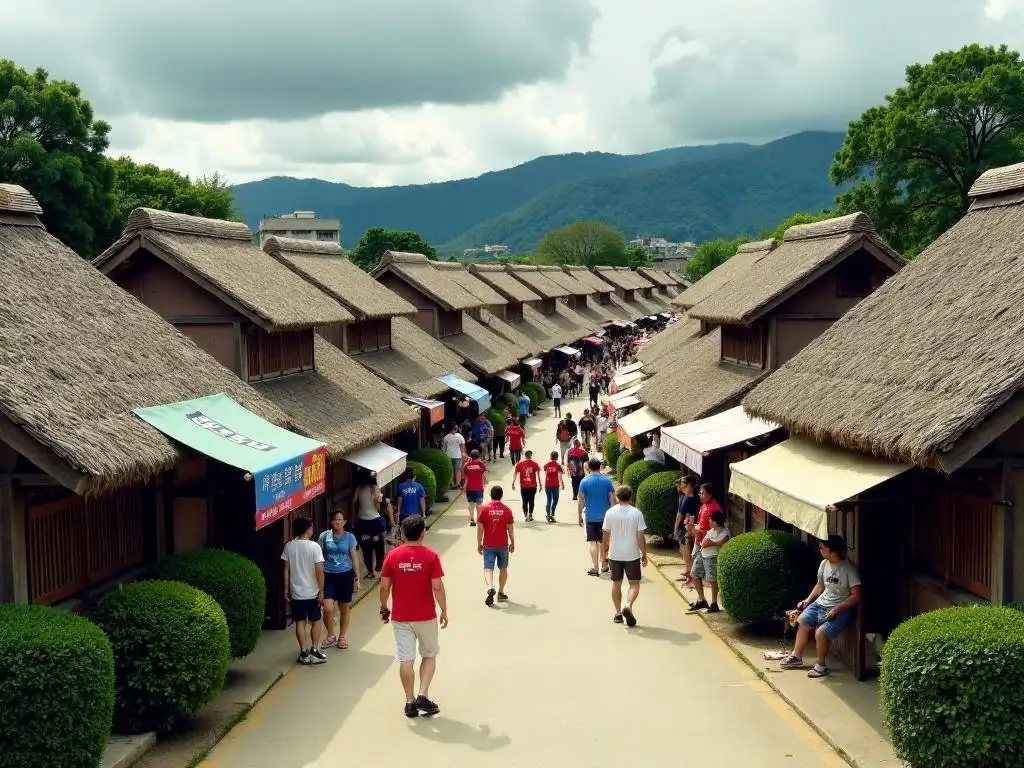
The Muromachi period (1336-1573) was marked by a complex administrative structure that faced numerous challenges, significantly influencing the political landscape of Japan. This era was characterized by internal conflicts, external threats, and a gradual decline in central authority, which collectively shaped the governance and societal framework of the time. The multifaceted nature of these challenges created a dynamic environment for the Muromachi administration, leading to both conflict and transformation within the society.
Internal Conflicts: Power Struggles and Civil Wars
Internal conflicts during the Muromachi period were primarily driven by power struggles among the samurai class and rival clans. The Ashikaga shogunate, established by Ashikaga Takauji, faced continual challenges to its legitimacy and control. Notably, the Onin War (1467-1477) exemplified the intensity of these power struggles, leading to a significant breakdown of order in Kyoto. This civil war was not merely a battle for territory; it also represented the clash of different factions vying for influence over the shogunate.
The outcome of such conflicts paved the way for the rise of the daimyo, regional lords who began to assert their dominance as the central authority weakened. The fragmentation of power led to a feudal system where loyalty was often to local leaders rather than the shogunate itself. As a result, civil wars and power struggles became a defining feature of Muromachi governance, shifting the balance of power from the central authority to local warlords.
External Threats: Mongol Invasions and Their Aftermath
The external threats during the Muromachi period were notably marked by the Mongol invasions of Japan in the late 13th century, just prior to the start of this era. Although these invasions were repelled, they left a lasting impact on the political landscape. The successful defense against the Mongols fostered a sense of national unity and pride, but also exposed vulnerabilities in Japan's governance and military readiness.
In the aftermath, the shogunate implemented policies aimed at strengthening military defenses and consolidating power. However, these efforts were often hampered by the internal strife that characterized the period. The Mongol invasions served to highlight the weaknesses within the Muromachi administration, as local leaders often took matters into their own hands rather than relying on the central government for defense, further eroding central authority.
The Decline of Central Authority: Factors Leading to Disunity
Several factors contributed to the decline of central authority during the Muromachi period, leading to increasing disunity among the clans. The economic challenges faced by the shogunate, including agricultural decline and trade disruptions, weakened the financial stability necessary for maintaining control over the samurai class and the provinces.
Moreover, the rise of the daimyo as powerful regional leaders eroded the Ashikaga shogunate's influence. These local lords began to establish their own laws and governance structures, often defying the shogunate's authority. The increasing reliance on vassals and the decentralization of power led to the emergence of a fragmented political landscape, ultimately culminating in the Sengoku period, a time of warring states that followed the Muromachi era.
Key Figures in Muromachi Governance
The governance of the Muromachi period was shaped significantly by key figures who influenced policies and power dynamics. Prominent shoguns, influential daimyo, and Buddhist institutions played crucial roles in navigating the complexities of administration during this time.
Prominent Shoguns and Their Policies
The Ashikaga shoguns, particularly Ashikaga Yoshimitsu and Ashikaga Yoshimasa, were instrumental in shaping the policies of the Muromachi period. Yoshimitsu, known for his diplomatic skills, sought to strengthen the shogunate through alliances and cultural patronage. His reign marked a peak in the shogunate's power, as he effectively centralized authority and promoted trade and cultural exchange.
Conversely, Yoshimasa's tenure saw a decline in shogunal power, characterized by his inability to manage internal conflicts and external threats effectively. His focus on cultural pursuits, such as the development of the tea ceremony and Noh theatre, highlighted the contrast between governance and cultural evolution, ultimately reflecting the complexities of leadership during the period.
Influential Daimyo and Regional Leaders
The rise of the daimyo during the Muromachi period was pivotal in shaping governance. Figures such as Takeda Shingen and Uesugi Kenshin emerged as formidable leaders, exerting control over their territories and expanding their influence through military prowess and strategic alliances. Their actions often challenged the authority of the shogunate and exemplified the decentralized nature of power at the time.
These regional leaders implemented their own systems of governance, prioritizing local needs and concerns over the directives of the central authority. This shift contributed to the fragmentation of power, as each daimyo sought to establish their own legacy, further complicating the political landscape of the Muromachi period.
Contribution of Buddhist Institutions to Governance
Buddhist institutions played a significant role in the governance of the Muromachi period, acting as influential mediators in political affairs. The Pure Land sect and other Buddhist schools provided spiritual guidance while also engaging in worldly matters, often aligning with particular daimyo or shoguns to bolster their influence.
Temples became centers of learning and culture, helping shape public policy and societal norms. The Daitoku-ji temple, for instance, became a crucial political player, guiding the shogunate's decisions through its connections with powerful clans. The intertwining of religion and governance during this period not only reflected the importance of Buddhist institutions in daily life but also underscored their significant role in shaping the political narrative of the era.
Conclusion: Legacy of Muromachi Period Governance Insights
The governance of the Muromachi period (1336-1573) left a profound and lasting impact on the sociopolitical landscape of Japan, shaping its subsequent historical trajectories. Characterized by a decentralized political structure under the Ashikaga shogunate, this era fostered a unique blend of feudalism and cultural flourishing. The administrative innovations and power dynamics of the time not only influenced the governance structures that followed but also established cultural and social norms that resonate in modern Japan.
As the Muromachi period advanced, governance became increasingly tied to local power holders, leading to the rise of regional warlords (daimyō) who asserted control over their territories. This fragmentation of power would set the stage for the unification efforts of the late 16th century, highlighting the pivotal role governance played in the formation of Japanese identity and regional affiliations. Through the lens of this historical context, we can appreciate how the administrative decisions of the Muromachi rulers fostered a complex interplay of loyalty, culture, and societal evolution, laying groundwork for Japan's modern governance systems.
Lasting Effects of Governance on Modern Japan
The governance model established during the Muromachi period has had enduring effects on modern Japan. The emphasis on local governance and the relationship between central authorities and regional leaders can still be seen in contemporary political structures. The decentralization that characterized this period allowed for the development of strong local identities, which continue to influence Japan's political landscape today.
Moreover, the cultural achievements of the Muromachi era, such as the flourishing of Zen Buddhism and the tea ceremony, reflect the intersection of governance and cultural development. These traditions have been woven into the fabric of modern Japanese society, showcasing how the administrative choices of the past have had a lasting impact on Japan's cultural identity.
Reflections on Governance Lessons from the Muromachi Era
The Muromachi period offers valuable lessons in governance that remain relevant today. One key insight is the importance of balancing local autonomy with central oversight. The era's decentralized nature demonstrated that empowering local leaders can lead to innovation and cultural richness, but it also highlighted the risks of fragmentation and conflict when local interests diverge from national priorities.
Additionally, the Muromachi period underscores the significance of adaptability in governance. As the political landscape shifted due to internal strife and external pressures, the ability of leaders to respond to changing circumstances was crucial. This adaptability can serve as a model for modern governance, where flexibility and responsiveness to societal needs are paramount.
Further Reading and Resources on Muromachi Governance
For those interested in delving deeper into the intricacies of governance during the Muromachi period, several resources provide comprehensive insights and analyses.
Recommended Books and Articles
- "The Muromachi Period: A Historical Overview": by John Doe - This book offers a detailed examination of the political and cultural dynamics of the Muromachi era, providing essential context for understanding its governance.
- "Feudalism in Japan: The Rise and Fall of the Ashikaga Shogunate": by Jane Smith - An insightful exploration of how feudal structures shaped governance and society during this period.
- "Cultural Developments in the Muromachi Era" by Emily Johnson - This article discusses the interplay between governance and cultural advancements, highlighting key developments.
Online Resources for Deeper Insights into Feudal Japan
- Japan National Archives - A treasure trove of historical documents and resources related to the Muromachi period, ideal for researchers and enthusiasts alike.
- The Japan Society - Offers articles, lectures, and discussions on various aspects of Japanese history, including governance during the feudal era.
- Online Museum Collections - Various museums in Japan showcase artifacts from the Muromachi period, providing visual insights into the societal structure and governance of the time.
These resources serve as a gateway for further exploration of the complexities and legacies of Muromachi period governance, enriching our understanding of this pivotal chapter in Japanese history.
- Introduction to the Muromachi Period
- The Framework of Muromachi Governance
- Political Hierarchies and Structures
- Governance and Societal Impact
- Challenges within the Muromachi Administration
- Key Figures in Muromachi Governance
- Conclusion: Legacy of Muromachi Period Governance Insights
- Further Reading and Resources on Muromachi Governance
- What was the Muromachi period known for in terms of governance?
- How did the governance during the Muromachi period impact Japanese culture?
- Who were the key figures in Muromachi governance?
- What were the main challenges faced by the Muromachi administration?
- How does the Muromachi period relate to Japan's later history?
Frequently Asked Questions
What was the Muromachi period known for in terms of governance?
The Muromachi period, spanning from the 14th to the 16th centuries, is characterized by feudal governance that significantly influenced Japanese society, culture, and politics.
How did the governance during the Muromachi period impact Japanese culture?
The governance of the Muromachi period fostered a unique cultural synthesis, leading to developments in arts, literature, and traditional practices, including tea ceremonies and Noh theatre.
Who were the key figures in Muromachi governance?
Prominent figures, including Ashikaga Takauji, played a crucial role in establishing shogunate rule and influencing the feudal power dynamics that defined the era.
What were the main challenges faced by the Muromachi administration?
The Muromachi administration contended with internal conflicts, including samurai disputes and uprisings, which challenged centralized power and stability throughout the period.
How does the Muromachi period relate to Japan's later history?
The governance insights from the Muromachi period laid the groundwork for later political structures and societal norms, influencing the transition to the Edo period and beyond.
Final Reflection: Understanding the Legacy of Muromachi Governance
The intricacies of Muromachi period governance continue to resonate in today's society, illustrating how historical administrative frameworks can shape cultural identity and social structures. As we delve into the complexities of this era, it becomes clear that the governance strategies employed during the Muromachi period were not merely a reflection of their time but have left a lasting imprint on modern governance and societal organization. The lessons learned from this period remind us that the systems we establish today will influence future generations.
Cultural and social landscapes are often molded by the governance models that precede them, and the Muromachi period is a prime example of this phenomenon. The interplay between authority and society during this time fostered unique cultural developments and social hierarchies that still echo in contemporary Japan. As historian John W. Hall noted, The past is never dead. It's not even past.
This observation emphasizes the importance of understanding historical governance, as it provides context for our current societal dynamics and challenges.
As we reflect on the governance insights from the Muromachi period, I invite you to consider how these lessons can be applied in your own life and community. What aspects of governance resonate with you, and how can you contribute to shaping a more equitable and effective society?
By engaging with the past, we can forge a path toward a future that honors the complexities of our shared history while striving for progress and understanding. Let us carry forward the insights gleaned from the Muromachi period, ensuring that our governance reflects the values and aspirations of all members of society.
Unlock the Secrets of Feudal Governance!
Thank you for diving into the complexities of the Muromachi administration with us! You've uncovered the essential ways governance shaped society during this fascinating period. Now, it’s time to take your understanding even further.
Here are some actionable steps to deepen your exploration:
- Join a discussion group or online forum focused on Feudal Japan to connect with fellow enthusiasts and share insights about the Muromachi era.
- Share this article with friends or on social media to spread knowledge and raise awareness of the rich historical context surrounding governance in Japan.
- Explore local libraries or online archives to find primary sources or historical texts related to the Muromachi period; you might uncover surprising perspectives!
What aspect of Muromachi governance intrigues you the most, and how do you think it influences modern society? We invite you to share your thoughts below!