
Shogunal Authority vs. Local Power: A TugofWar in Muromachi Politics

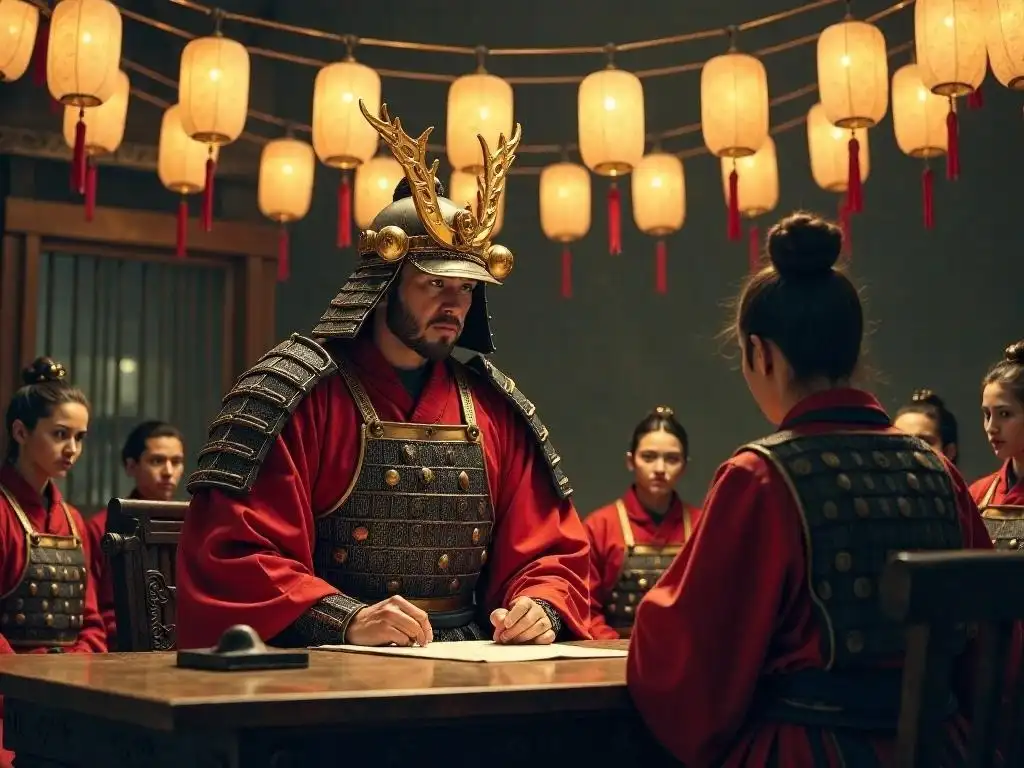
Welcome to Feudal Japan History, where we embark on an intriguing journey through the rich tapestry of Japan’s feudal era. Here, we delve into the complexities of Muromachi politics power struggle, a captivating tale of ambition and authority that will leave you questioning the very nature of governance during this pivotal time.
In our featured article, "Shogunal Authority vs. Local Power: A Tug of War in Muromachi Politics," we unravel the fierce tensions between the shogunate and local lords, revealing how these conflicts shaped the political landscape of an era steeped in drama and transformation. Prepare to uncover the nuances of power dynamics and the historical legacies that still resonate today—your adventure through the annals of feudal Japan starts here!
- Introduction to Muromachi Politics Power Struggle
- The Shogunate: Central Authority in Muromachi Politics
- Local Power: The Rise of Regional Authorities
- The Tug of War: Shogunal Authority vs. Local Power
- Factors Influencing the Power Struggle
- Consequences of the Power Struggle in Muromachi Politics
- Conclusion: Understanding the Muromachi Politics Power Struggle
- Frequently Asked Questions
- Final Reflection: The Enduring Legacy of Muromachi Politics Power Struggle
- Unveil the Intrigue of Muromachi Politics!
Introduction to Muromachi Politics Power Struggle
The Muromachi period, spanning from 1336 to 1573, marks a significant chapter in Japan's political history, characterized by a complex interplay between shogunal authority and local power dynamics. This era saw the rise of the Ashikaga shogunate, which established its base in Kyoto, while simultaneously contending with the formidable influence of regional warlords, known as daimyo.
The struggle for power during this time wasn't merely a contest of arms but also a nuanced battle for legitimacy and governance. Understanding the Muromachi politics power struggle is essential for grasping how political authority was negotiated and contested across the archipelago, leading to shifts that would profoundly affect Japan's future.
Overview of the Muromachi Period
The Muromachi period is often divided into two distinct phases: the early Muromachi (1336-1467) and the late Muromachi (1467-1573). During the early phase, the Ashikaga shogunate sought to consolidate power over Japan, leveraging the authority derived from the imperial court while also facing challenges from the emerging regional powers.
Key features of this period include:
- Shogunal Governance: The Ashikaga shogunate's attempts to centralize control, which often faltered due to the persistent autonomy of local leaders.
- Rise of Regional Warlords: The emergence of powerful daimyo who began to assert their dominance over territories, sometimes in direct opposition to the shogunate.
- Cultural Flourishing: Despite the political turmoil, the period also experienced a renaissance in arts, literature, and the tea ceremony, reflecting the intricate relationship between politics and culture.
The conflicts and negotiations among feudal lords, peasants, and the shogunate set the stage for a unique form of governance that blended military might with political acumen.
Significance of Governance in Muromachi Politics
The governance structures established during the Muromachi period were essential for understanding the balance of power between the shogunate and local authorities. This era was marked by several notable characteristics:
- Decentralization of Power: Unlike the previous Kamakura shogunate, which maintained a tighter grip over its vassals, the Ashikaga shogunate had to contend with greater decentralization, allowing local leaders significant latitude in managing their affairs.
- Political Alliances and Conflicts: The relationships formed between the shogunate and daimyo often oscillated between alliances and rivalries, impacting not only military strategies but also economic policies and social order.
- Legal and Administrative Systems: The development of legal frameworks and administrative practices during this period laid the groundwork for future governance in Japan, influencing the systems of power that would emerge in the following centuries.
The governance dynamics during the Muromachi period illustrate a complex tapestry of power struggles that shaped Japan's political landscape. Understanding these intricacies is vital for anyone exploring the broader implications of feudal governance in Japanese history.
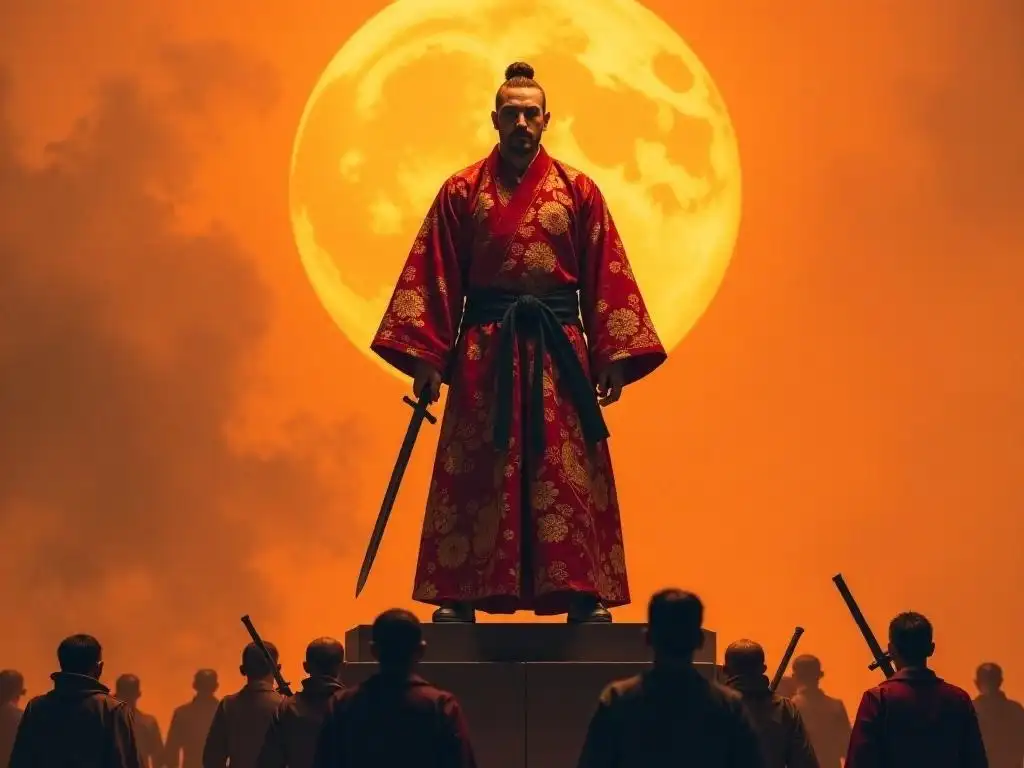
The Muromachi period, spanning from the 14th to the 16th century, was defined by the authority of the Ashikaga Shogunate, which played a pivotal role in shaping the political landscape of Japan. This era was characterized by a delicate balance between central authority and local power, leading to a complex power struggle that defined Muromachi politics.
Role of the Ashikaga Shogunate
The Ashikaga Shogunate, established by Ashikaga Takauji in 1336, represented a shift in governance from the Kamakura period’s military dictatorship to a more regionalized form of control. The shogunate served as the central authority, tasked with maintaining order and overseeing the daimyō, or feudal lords.
- Central Governance: The Ashikaga Shogunate aimed to unify Japan under its rule. However, unlike its predecessor, the Kamakura Shogunate, the Ashikaga shoguns struggled to exert effective control over the daimyō. This resulted in an era where power dynamics were continually shifting, with local lords gaining significant autonomy.
- Cultural Patronage: The shogunate also played a crucial role in the cultural development of Japan during this period. They supported the arts, leading to flourishing cultural movements such as the Noh theater and the development of the tea ceremony, which became integral to Japanese society.
- Political Fragmentation: Despite its efforts to centralize power, the shogunate faced challenges from powerful daimyō who often resisted its authority. The lack of a strong military presence and the reliance on alliances led to a fragmented political landscape. This ongoing struggle for power is a hallmark of Muromachi politics, where local power often undermined central governance.
The effectiveness of the Ashikaga Shogunate was significantly influenced by key figures whose actions shaped the political terrain of the time.
- Ashikaga Takauji: The founder of the shogunate, Takauji’s initial success was marked by his military prowess and strategic alliances. However, his inability to maintain control over daimyō eventually led to internal conflicts.
- Ashikaga Yoshimitsu: Serving as the third shogun, Yoshimitsu is often credited with strengthening the shogunate’s authority through diplomatic means. He established the "Kyoto Court," fostering relationships with the imperial court while engaging in trade with China, which enhanced economic stability.
- Ashikaga Yoshimasa: As the eighth shogun, Yoshimasa’s reign was marked by a decline in shogunal authority. His focus on cultural pursuits over governance allowed local daimyō to consolidate power, paving the way for the eventual rise of the Sengoku period.
Mechanisms of Control by the Shogunate
To maintain its authority in the face of local power struggles, the Ashikaga Shogunate employed various mechanisms of control.
- Military Alliances: The shogunate often relied on military alliances with powerful daimyō to exert influence. By granting titles and lands, they sought to create a network of loyalty among local lords, although this was frequently undermined by shifting allegiances.
- Judicial Authority: The shogunate established a system of courts to handle disputes and maintain order. This judicial authority helped to legitimize its rule, although local lords often ignored these rulings in favor of their own.
- Economic Control: The shogunate sought to regulate trade and taxation, using economic incentives to secure loyalty. However, the increasing power of local daimyō often led to a breakdown of these economic controls, as many began to operate independently, collecting taxes and managing resources without shogunal oversight.
- Cultural Integration: By promoting cultural activities and patronizing the arts, the shogunate strengthened its image and sought to unify the population under a common cultural identity. This approach aimed to mitigate local rivalries, although it was only partially successful.
The Ashikaga Shogunate's authority in Muromachi politics was marked by both its attempts at centralized governance and the persistent challenge posed by local daimyō. This tug-of-war between shogunal authority and local power remains a defining feature of the political history of the Muromachi period.
The Muromachi period (1336–1573) was characterized by a significant transformation in Japan's political landscape, particularly with the rise of local power and the emergence of regional authorities. This era saw the gradual erosion of centralized authority, which allowed local leaders to assert their dominance. Understanding this shift is crucial for comprehending the intricate dynamics of Muromachi politics and the resultant power struggle between shogunal authority and local powers.
The Emergence of Daimyo in Muromachi Politics
The term daimyo refers to powerful feudal lords who played a pivotal role in the governance of Japan during the Muromachi period. As the Ashikaga shogunate struggled to maintain control, many local leaders began to establish themselves as daimyo, creating a new socio-political hierarchy.
- Factors Contributing to Daimyo Emergence:
- Weakening of the Shogunate: The Ashikaga shogunate faced numerous challenges, including internal strife and external threats, which diluted its power.
- Economic Control: Daimyo often controlled rich agricultural lands and resources, enabling them to build their armies and assert local governance.
- Military Alliances: Many daimyo formed alliances with samurai, which strengthened their military capabilities and influence.
This emergence of the daimyo not only marked a shift in political power but also laid the groundwork for future conflicts that would ultimately lead to the unification of Japan in the following centuries.
Feudal Hierarchies and Local Governance
The Muromachi period established a complex feudal hierarchy that defined the interactions between the shogunate and local authorities. At the top of this hierarchy was the shogun, but as local power grew, the relationship between the shogun and the daimyo became increasingly strained.
- Key Components of the Feudal Hierarchy:
- Shogun: The nominal ruler of Japan who held military power but struggled to exert influence over distant regions.
- Daimyo: Regional lords who governed vast territories, often acting independently of the shogunate.
- Samurai: Warriors who served the daimyo and were instrumental in maintaining local order and military strength.
This hierarchy facilitated localized governance, as daimyo were responsible for managing their lands and ensuring loyalty from their samurai. However, it also led to conflicts of interest, as each daimyo sought to expand their power at the expense of others, resulting in a fragmented political landscape.
The rise of local power significantly impacted the central authority of the Ashikaga shogunate. As daimyo consolidated their power, the shogunate's ability to govern effectively diminished, creating a power vacuum that exacerbated the ongoing political strife.
- Consequences for Central Authority:
- Decreased Shogunal Control: The shogunate struggled to enforce laws and collect taxes from powerful daimyo who often ignored directives.
- Regional Conflicts: The competition among daimyo led to frequent conflicts and wars, further destabilizing the region and undermining the shogunate's authority.
- Shift in Loyalty: Samurai began to pledge loyalty to their local lords rather than the shogun, signifying a shift in the political landscape that favored regional powers over centralized governance.
The tug-of-war in Muromachi politics exemplifies the delicate balance between shogunal authority and local power. As the period progressed, these tensions would only intensify, leading to the eventual rise of new political entities and the decline of the Ashikaga shogunate.
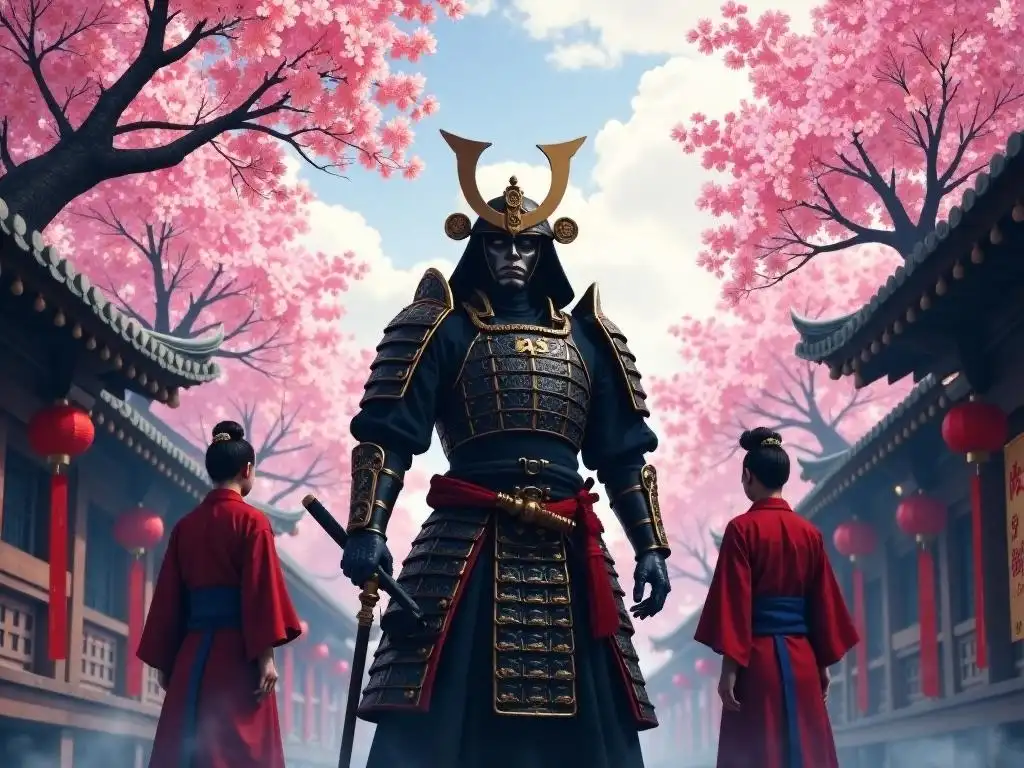
The Muromachi period (1336-1573) marked a significant era of political complexity in Japan, characterized by a delicate balance of power between the central authority of the shogunate and the regional power of the daimyo. This tug of war fundamentally shaped the governance and societal structures of the time, leading to a dynamic interplay of alliances and conflicts that defined Muromachi politics. Understanding this struggle is crucial for grasping how local powers influenced the broader political landscape and how the shogunate attempted to maintain its authority amidst rising regional tensions.
Historical Context of the Power Struggle
The power struggle in Muromachi politics can be traced back to the Ashikaga shogunate's establishment, which followed the Kamakura period's centralized power dynamics. Initially, the Ashikaga family sought to consolidate control by collaborating with influential regional lords, known as daimyo. However, this partnership was inherently unstable as the daimyo began to assert their independence, often challenging the authority of the shogunate.
The initial years of the Muromachi period witnessed a relative balance, with the shogunate exercising nominal control while allowing local lords some autonomy in exchange for loyalty. However, as the central authority weakened due to internal strife and external pressures, local powers began to expand their influence, leading to a fragmented political landscape.
The rise of powerful daimyo, many of whom were former vassals of the shogunate, further complicated the dynamics of governance. This period also saw the emergence of the Onin War (1467-1477), a civil conflict that epitomized the breakdown of central authority and the escalation of local power struggles.
Major Conflicts and Alliances in Muromachi Politics
The interplay between shogunal authority and local power during the Muromachi period resulted in several key conflicts and shifting alliances. Notable among these was the Onin War, which not only devastated Kyoto but also led to the rise of warlord factions and the establishment of territories controlled by individual daimyo.
- Key Conflicts:
- The Onin War (1467-1477): This conflict saw multiple daimyo factions battling for dominance, significantly weakening the Ashikaga shogunate and paving the way for the rise of regional warlords.
- The Kyushu Campaigns (1530s): Regional conflicts in Kyushu highlighted the fragmentation of power, as local daimyo engaged in battles that often went unchecked by the shogunate.
- Strategic Alliances:
- The shogunate often sought to broker peace through marriages and alliances with powerful daimyo. For example, the Ashikaga shogunate allied with the Hosokawa clan, which helped to stabilize their rule temporarily.
- Conversely, local lords frequently formed their own alliances to resist shogunal authority, leading to the establishment of coalitions such as the Kanto Alliance, aimed at countering the Ashikaga influence.
These conflicts and alliances illustrate the ongoing negotiations and tensions that characterized Muromachi politics, with power continually shifting between the shogunate and local lords.
Case Studies: Notable Confrontations Between Shogunate and Daimyo
Several confrontations during the Muromachi period exemplify the power struggle between the shogunate and the daimyo, showcasing the complexities of local governance and resistance.
- The Fall of the Ashikaga Shogunate:
- The gradual decline of the Ashikaga power was epitomized by the Eishō War (1504-1505), where the Ashikaga faced significant challenges from the Uesugi clan. This confrontation marked a pivotal moment where the shogunate's inability to assert control led to increased local autonomy.
- The Battle of Tedorigawa (1542):
- This battle between the forces of the Takeda clan and the Uesugi clan illustrated the shifting allegiances among daimyo. Initially, the Takeda sought to expand their territory, but they ultimately had to contend with the Uesugi's powerful resistance, leading to a stalemate that showcased the limitations of shogunal power in controlling local conflicts.
- The Siege of Kan'ō (1558):
- As the shogunate struggled to maintain its authority, the siege led by the Miyoshi clan against the stronghold of the Ashikaga represented a direct challenge to shogunal legitimacy. The siege ended in a stalemate, but it highlighted the waning influence of the shogunate and the increasing strength of local powers.
These case studies reveal the multifaceted nature of Muromachi politics and underscore the complexities involved in the interactions between shogunal authority and local power dynamics. The ongoing conflicts not only shaped regional governance but also laid the groundwork for the eventual unification of Japan under the Tokugawa shogunate in the early 17th century.
Factors Influencing the Power Struggle
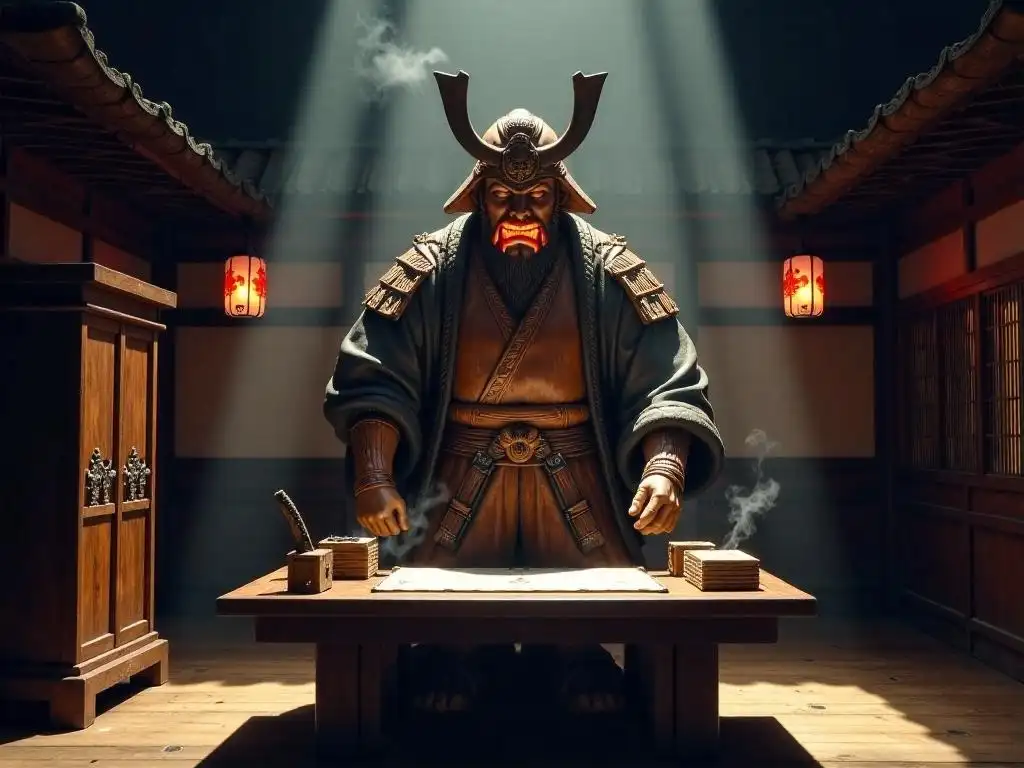
The Muromachi period (1336–1573) was marked by a complex interplay of various factors that contributed to the ongoing power struggles between shogunal authority and local powers. Understanding these factors is essential for comprehending the nuances of Muromachi politics and the overall governance during this era.
Economic Conditions and Their Impact on Governance
Economic conditions during the Muromachi period played a critical role in shaping the political landscape. The era saw significant shifts in agricultural production, trade, and land ownership that directly influenced governance.
- Agricultural Developments: With the introduction of new farming techniques and crops, agricultural productivity increased. This led to a surplus of rice, which became a crucial currency in feudal Japan. Local lords, or daimyos, capitalized on this surplus to strengthen their power bases and challenge the authority of the shogunate.
- Trade Expansion: The rise of commerce during the Muromachi period also altered the dynamics of power. Cities flourished as trade centers, with merchants gaining wealth and influence. This economic power allowed merchants to form alliances with local daimyos, undermining the centralized authority of the shogun. Notably, the flourishing of the Sakai trading port exemplified this shift, as it became a hub of international trade, particularly with the Portuguese.
- Taxation and Revenue: The ability to levy taxes significantly impacted local governance. Many daimyos began to assert control over land and collect taxes independently, often in opposition to the shogunal court. This rebellion against centralized taxation illustrated the growing autonomy of local powers. As local economies thrived, the shogunate found it increasingly difficult to maintain control over these prosperous regions.
The social fabric of Muromachi Japan underwent transformation, particularly with the evolving role of the samurai class, which played a pivotal role in the power struggles of the period.
- Samurai Loyalty and Allegiances: The samurai were traditionally loyal to their lords, but during the Muromachi period, the complexities of loyalty began to shift. Many samurai found themselves torn between the shogunate and local lords, leading to a fracturing of allegiances. As local daimyos amassed power, some samurai chose to align with them, further eroding the authority of the shogunate.
- Emergence of New Samurai Clans: The period witnessed the rise of powerful samurai clans that challenged the established order. Clans such as the Takeda and Uesugi became significant players in Muromachi politics, often engaging in conflicts that reflected their ambitions. These clan rivalries not only highlighted the struggle for power but also the shifting loyalties among the samurai.
- Social Mobility: The samurai class also began to see a degree of social mobility, as warriors from lower ranks could rise through the ranks based on merit and achievements. This change contributed to a more competitive political environment, as ambitious samurai sought to elevate their status by aligning themselves with powerful daimyos or engaging in conflicts that demonstrated their prowess.
Cultural Influences on Political Dynamics
Cultural elements during the Muromachi period significantly influenced the political dynamics and power struggles between the shogunate and local powers.
- Zen Buddhism and Political Ideology: Zen Buddhism gained prominence during this era, affecting the mindset of samurai and daimyos alike. The emphasis on discipline, simplicity, and self-control resonated with the samurai ethos. Many warriors sought legitimacy through the patronage of Zen temples, which further intertwined cultural practices with political authority.
- Arts and Patronage: The period also saw a flourishing of the arts, particularly in the realms of tea ceremonies, Noh theater, and ink painting. This cultural renaissance was often patronized by both the shogunate and local daimyos, illustrating how cultural capital became a tool for political legitimacy. The ability to sponsor artistic endeavors allowed local powers to enhance their status, creating a cultural competition that paralleled the military conflicts of the time.
- Literature and Propaganda: Literature during the Muromachi period often reflected the political tensions of the time. Works that celebrated local heroes and the valor of samurai served to bolster the image of local daimyos. Such narratives were crucial in shaping public perception and garnering support for local powers in their struggles against the shogunate.
The Muromachi politics power struggle was deeply rooted in economic conditions, social transformations, and cultural influences. Each of these factors contributed to a complex web of relationships and rivalries that defined governance in this turbulent period of Japanese history. Understanding these dynamics is essential for a comprehensive exploration of the era's political landscape.
Consequences of the Power Struggle in Muromachi Politics

Long-Term Effects on Japanese Governance
The power struggle during the Muromachi period (1336–1573) significantly shaped the landscape of Japanese governance. The ongoing conflict between shogunal authority and local power resulted in a series of transformations that reverberated through the centuries. One of the most notable long-term effects was the decentralization of power. As local daimyōs (feudal lords) gained influence, the traditional centralized authority of the Ashikaga shogunate weakened. This shift led to the emergence of a feudal system that allowed regional leaders to assert their autonomy, fostering a more fragmented political structure.
- Fragmentation of Power: The loss of shogunal dominance allowed for the rise of independent local rulers, creating a patchwork of territories governed by competing daimyōs. This fragmentation often resulted in local conflicts and power struggles, which ultimately laid the groundwork for the Sengoku period (1467–1603) characterized by constant warfare among rival factions.
- Cultural and Administrative Changes: With local authorities gaining more control, there was a shift in cultural patronage and administrative practices. Local daimyōs began to support arts and culture, leading to the flourishing of unique regional styles in literature, theater, and the visual arts. Administratively, local governance became more diversified, with different regions developing their own practices and systems of taxation.
Influence on Subsequent Political Developments
The dynamics of Muromachi politics set the stage for key developments in Japan's political history following the period. The power struggles of this era influenced the formation of later political structures and the eventual rise of stronger centralized authorities.
- The Rise of the Sengoku Daimyōs: The weakened shogunate facilitated the rise of powerful daimyōs who would dominate the political landscape in the late 15th and 16th centuries. Figures such as Oda Nobunaga and Toyotomi Hideyoshi emerged from this tumultuous environment, leveraging the fragmentation to consolidate power and ultimately unify Japan.
- Transition to the Tokugawa Shogunate: The instability of Muromachi politics also contributed to the establishment of the Tokugawa shogunate in 1603. The Tokugawa regime sought to create a more centralized and stable government, implementing strict control over the daimyōs and fostering a period of peace known as the Edo period (1603–1868). This shift was partly a reaction to the chaotic political environment that characterized the Muromachi era.
The Legacy of the Muromachi Era in Modern Japan
The legacy of the Muromachi period continues to be felt in contemporary Japan, particularly in its political and cultural frameworks. The effects of the power struggles during this time have left an indelible mark on Japanese society and governance.
- Cultural Heritage: The artistic and cultural advancements that blossomed during the Muromachi period laid the foundation for many aspects of modern Japanese culture. The influence of Zen Buddhism, Noh theater, and the tea ceremony, which gained prominence during this time, remains integral to Japan's cultural identity today.
- Political Structures: The political fragmentation of the Muromachi era has influenced Japan's modern political landscape. While Japan today operates under a centralized government, the historical context of regional power dynamics can still be seen in the way local governance functions and the importance of regional identities.
The power struggles in Muromachi politics reshaped governance in Japan, paving the way for future political developments and leaving a lasting legacy that continues to influence modern Japanese society. Understanding these consequences provides valuable insight into the complexities of Japan's historical trajectory and its cultural evolution.
Conclusion: Understanding the Muromachi Politics Power Struggle
The Muromachi period, spanning from the 14th to the 16th century, presents a complex tapestry of governance characterized by a continuous tug-of-war between shogunal authority and local power. The political landscape was marked by the Ashikaga shogunate's attempts to centralize control while local daimyōs sought to strengthen their own power bases. This dynamic resulted in a series of conflicts and negotiations that were pivotal in shaping Japan's political evolution.
The shogunate initially thrived on the premise of military dominance and the loyalty of provincial lords. However, as local power grew, the Ashikaga shogunate found itself increasingly challenged. The daimyōs, often more in tune with local needs and conditions, began to assert their authority, leading to a decentralization of power that undermined the shogunate's influence. This ongoing struggle highlights a critical aspect of Muromachi politics: the balance of power was not static but rather a fluid and often contentious negotiation between various factions.
Additionally, the Muromachi period saw the rise of prominent daimyōs like Oda Nobunaga and Toyotomi Hideyoshi, who would later challenge the established order, paving the way for the unification of Japan. Their ascent exemplifies the shifting tides of power during this era, as local leaders capitalized on the weaknesses of the shogunate. This trend indicates that while shogunal authority aimed for supremacy, local powers were not merely subordinates but active participants in shaping the political narrative of their time.
The Enduring Relevance of the Muromachi Political Landscape
The power struggles of the Muromachi period have left an indelible mark on Japan's political history and continue to resonate in contemporary discussions about governance and authority. Understanding the Muromachi politics power struggle provides valuable insights into the nature of political authority, local governance, and the complexities of feudal relationships.
This era serves as a reminder that political power is often contested and negotiated rather than simply held. The dynamics between the shogunate and local daimyōs illustrate the importance of local context and the adaptability of political entities in the face of challenges. As such, modern political analysts and historians draw parallels between the Muromachi period and contemporary governance issues, exploring how local interests can influence national politics and vice versa.
In studying the Muromachi political landscape, one can appreciate the intricate web of relationships that define governance. The lessons learned from this era highlight the significance of balance in authority—how the interplay between central and local powers can lead to both conflict and collaboration. Thus, the Muromachi period remains a critical point of reference for understanding the evolution of political systems in Japan and the broader implications for governance worldwide.
Frequently Asked Questions
What was the Muromachi period in Japan?
The Muromachi period (1336-1573) was marked by the rise of shogunal authority and significant political power struggles between the central government and local lords, known as daimyos.
How did local power influence Muromachi politics?
Local power during the Muromachi era often challenged the shogunate, leading to a tug-of-war for control, as daimyos sought to expand their influence and autonomy while the shogunate aimed to maintain central authority.
What were the main causes of power struggles in Muromachi politics?
The power struggles stemmed from various factors, including regional disputes, economic competition, and the ambitions of powerful daimyos, which often undermined the shogunate's control.
How did the shogunate respond to challenges from local lords?
In response to challenges, the shogunate employed strategies such as forming alliances, granting land, and utilizing military force to suppress rebellious daimyos, aiming to restore shogunal authority.
What impact did the power struggles have on Japanese society?
The power struggles during the Muromachi period led to significant social changes, including shifts in loyalty, the rise of the samurai class, and the eventual fragmentation of power, setting the stage for the Sengoku period.
Final Reflection: The Enduring Legacy of Muromachi Politics Power Struggle
The intricate dance between shogunal authority and local power during the Muromachi period remains profoundly relevant today, as it highlights the complexities of governance and the constant negotiation between centralized and decentralized power. This historical tug-of-war not only shaped the political landscape of Japan but also serves as a reminder of the ongoing struggles for power and influence that continue to manifest in contemporary societies around the world. The lessons learned from this era resonate with current debates on authority, autonomy, and the balance of power.
Throughout history, the Muromachi period has influenced our understanding of political dynamics, illustrating how local leaders can challenge centralized authority and reshape the fabric of governance. The power struggles of this time reveal the importance of local voices in the broader political narrative, emphasizing that authority is often contested rather than absolute. As historian John D. McClain aptly stated, The history of Japan is a testament to the resilience of local power against the tides of central authority.
This observation underscores the ongoing relevance of these historical dynamics in shaping modern political discourse and community engagement.
As we reflect on the lessons of Muromachi politics, let us consider our own roles within the power structures of today. How can we, as individuals and communities, engage in the ongoing dialogue about authority and influence? I invite you to explore your own local contexts, to recognize the power you hold, and to advocate for a balance that honors both central governance and local autonomy. By doing so, we can contribute to a more equitable and responsive political landscape, ensuring that the voices of all are heard and valued in the ever-evolving story of governance.
Unveil the Intrigue of Muromachi Politics!
Thank you for exploring the complexities of shogunal authority and local power in Muromachi politics with us! We've uncovered key insights that illuminate the fascinating power dynamics of this era. Now, it’s your turn to dive deeper and engage with this captivating history.
Take these actionable steps to enhance your understanding and connect with a vibrant community of history enthusiasts:
- Join the Discussion: Share your thoughts on the balance of power during the Muromachi period in our comments section. What intrigues you the most about this historical tug-of-war?
- Explore Further: Browse related articles on our site to discover how these power struggles have shaped modern Japan.
- Connect with Others: Follow us on social media and join our online forums to exchange ideas with fellow history buffs!
Which aspect of Muromachi politics do you find most compelling—shogunal authority or the influence of local governance? Share your insights!