
The Intersection of Religion and Politics: Governance in the Muromachi Era


Welcome to Feudal Japan History, where we invite you on an intriguing journey through the captivating tales of Japan’s feudal era. Dive deep into our latest article, "The Intersection of Religion and Politics: Governance in the Muromachi Era," where we unravel the complex web of governance insights that defined this tumultuous period. Discover how spirituality intertwined with political power, shaping the very fabric of society during the Muromachi era. Prepare to unlock the secrets of a time where every decision echoed through history, beckoning you to explore further into the rich tapestry of Japan's past.
Introduction to Muromachi Era Governance Insights
The Muromachi era, spanning from 1336 to 1573, represents a critical chapter in Japan's feudal history, marked by a complex interplay of religion and politics. This period saw the rise of the Ashikaga shogunate and the establishment of a governance system that was both innovative and deeply entrenched in the existing cultural and spiritual frameworks. The insights into Muromachi era governance reveal how political authority was often intertwined with religious influence, shaping the socio-political landscape of Japan. Understanding this intersection provides a foundation for comprehending the broader implications of governance during this transformative period.
Overview of the Muromachi Period
The Muromachi period is characterized by a significant shift in power dynamics within Japan. Following the Kamakura period, the Ashikaga shogunate emerged, relocating the political center from Kamakura to Muromachi, a district in Kyoto. This time was not just about military power; it was also marked by the flourishing of arts, culture, and the establishment of Zen Buddhism as a dominant spiritual force. The governance during this era was punctuated by the feudal system, where local lords (daimyō) wielded considerable power, leading to a decentralized political structure that was unique to the Muromachi period.
Importance of Governance in Feudal Japan
Governance in feudal Japan, particularly during the Muromachi era, was pivotal in maintaining order and stability in a society characterized by constant power struggles and territorial disputes. The interplay of secular and religious authorities played a significant role in legitimizing rulers and their policies. In this context, understanding how governance was structured reveals much about the societal norms, values, and conflicts of the time. The Muromachi era serves as a case study in how political systems can evolve in response to cultural and spiritual influences, highlighting the importance of governance in shaping the historical trajectory of Japan.
Historical Context of the Muromachi Era
Timeline of the Muromachi Period (1336-1573)
The timeline of the Muromachi period is marked by significant events that shaped its governance:
- 1336: Establishment of the Ashikaga shogunate by Ashikaga Takauji.
- 1392: The unification of the Northern and Southern courts, leading to a more centralized governance structure.
- 1467-1477: The Onin War, a pivotal conflict that led to the rise of powerful daimyō and increased regional autonomy.
- 1573: End of the Muromachi period as Oda Nobunaga begins consolidating power, leading to the onset of the Azuchi-Momoyama period.
This timeline encapsulates the evolving nature of governance and the challenges faced during the Muromachi era.
Key Political Figures Influencing Governance
Several influential figures played crucial roles in shaping the governance of the Muromachi era:
- Ashikaga Takauji: The founder of the Ashikaga shogunate, whose policies laid the groundwork for a new political order.
- Ashikaga Yoshimitsu: Renowned for his diplomatic and cultural achievements, he strengthened the shogunate's power while promoting the arts.
- Oda Nobunaga: Although he rose to prominence at the end of the Muromachi period, his actions significantly impacted the political landscape and foreshadowed the unification of Japan.
These figures, among others, illustrate the dynamic nature of governance and the interplay between military and religious authority during the Muromachi period.
The Role of Religion in Muromachi Governance
During the Muromachi era (1336-1573), the intertwining of religion and governance was pivotal in shaping the political landscape of Japan. This period witnessed a significant influence of religious institutions on political authority, with both Buddhism and Shinto playing critical roles. The governance system was not just a political structure; it was deeply infused with spiritual beliefs that guided rulers and their subjects alike.
Religious figures often held substantial sway over political decisions, and their endorsement was crucial for legitimizing the authority of the ruling shogunate. Temples and shrines became centers of power, where political leaders sought spiritual validation and support. As a result, the interactions between religious leaders and political rulers laid the foundation for a unique governance model that blended spiritual authority with political power.
Moreover, religious festivals and rituals were essential for maintaining social order and harmony, reinforcing the idea that governance was as much about spiritual well-being as it was about political control. The Muromachi period thus stands out as a time when religion was not an isolated domain but rather a key component of the broader governance structure, influencing policies, social norms, and the very fabric of Japanese society.
Zen Buddhism and Political Authority
Zen Buddhism emerged as a dominant force during the Muromachi era, significantly impacting political authority and governance. Its teachings emphasized discipline, meditation, and a direct experience of enlightenment, which resonated with the samurai class and political leaders seeking stability and control. Zen practitioners often served as advisors to shoguns and daimyo, offering philosophical guidance that shaped governance strategies.
The aesthetics and values of Zen Buddhism influenced the political culture, promoting ideals of simplicity, self-control, and loyalty. This philosophical framework was particularly appealing to the warrior class, who found in Zen a way to reconcile martial practices with spiritual pursuits. Many influential samurai adopted Zen practices, which not only provided them with inner peace but also reinforced their roles as rulers.
Zen temples became centers of political and cultural activity, hosting discussions on governance and strategy. The relationship between Zen monks and political leaders often blurred the lines between spiritual and temporal authority, creating a dualistic power structure that defined the era. The intertwining of Zen Buddhism with political authority thus established a unique governance model that emphasized both spiritual enlightenment and effective leadership.
Shinto Beliefs and Their Impact on Governance
Shinto, the indigenous spirituality of Japan, also played a crucial role in shaping governance during the Muromachi era. Unlike the more organized structure of Buddhism, Shinto practices focused on rituals, kami (spiritual beings), and the veneration of ancestors. This spiritual framework fostered a strong sense of national identity and unity, which was essential for political cohesion.
The Muromachi leaders often utilized Shinto beliefs to legitimize their rule, connecting their authority to the divine right granted by the kami. Through rituals and ceremonies, shoguns and daimyo sought blessings from the gods to ensure prosperity and stability in their domains. This relationship between Shinto and governance was evident in the construction and maintenance of shrines, which became symbols of political power and communal identity.
Furthermore, Shinto rituals were integral to the governance process, with many leaders participating in religious ceremonies to seek divine favor. This spiritual engagement not only reinforced the legitimacy of their rule but also served to unify the populace under a common spiritual narrative. Thus, the impact of Shinto beliefs on governance during the Muromachi era was profound, intertwining political authority with spiritual obligation.
Political Structure of the Muromachi Era
The political structure of the Muromachi era was characterized by a unique dual governance system that balanced power among various factions, including the shogunate, the daimyo, and religious institutions. This period saw the Ashikaga shogunate rise to prominence, influencing the political and social dynamics across Japan. The governance model was marked by a complex interplay of authority, where local rulers operated with a significant degree of autonomy while still acknowledging the shogunate's overarching power.
The political landscape was also shaped by the relationships between the ruling class and the common people, with a focus on maintaining order and stability in a time of frequent conflict. The governance structure was thus both hierarchical and decentralized, allowing for a variety of local governance practices while ensuring loyalty to the shogunate.
The Ashikaga Shogunate: A Dual Governance System
The Ashikaga shogunate, which governed during the Muromachi era, exemplified a dual governance system that balanced the power between the central authority of the shogun and the local autonomy of the daimyo. Established by Ashikaga Takauji, this regime marked a departure from the previous Kamakura shogunate's more centralized control. Instead, the Ashikaga shogunate allowed regional lords (daimyo) to exercise considerable power over their territories.
This decentralization led to a complex political dynamic where local governance was characterized by feudal loyalty and military obligation. The daimyo were responsible for maintaining order within their domains, collecting taxes, and overseeing the welfare of their subjects. In return, they pledged loyalty to the shogunate, which provided them with legitimacy and support.
However, this dual system also created tensions, as ambitious daimyo often sought to expand their territories at the expense of others, leading to conflicts known as the "Warring States" period. The Ashikaga shogunate struggled to maintain control over these rival factions, showcasing the challenges of governing in a decentralized feudal system where local power often competed with central authority.
The Role of Daimyo in Local Governance
Daimyo played a pivotal role in local governance during the Muromachi era, acting as the primary enforcers of the shogunate's authority within their respective territories. These feudal lords were not only military leaders but also administrators responsible for the economic and social welfare of their regions. Their governance was marked by a blend of martial prowess and administrative skills, which they utilized to maintain order and loyalty among their vassals and subjects.
The daimyo established their own systems of governance, often implementing policies that reflected the needs and characteristics of their local populations. This included the management of land, distribution of resources, and enforcement of laws. The local governance structures they created allowed for a degree of flexibility and adaptation, enabling them to respond effectively to the challenges posed by both internal strife and external threats.
Additionally, the daimyo played a vital role in fostering local culture and economy, supporting the development of arts, agriculture, and commerce. Their patronage of cultural activities helped to cultivate a sense of identity and community among the people, further solidifying their power and influence. Thus, the role of the daimyo in local governance during the Muromachi era was integral to the political stability and cultural vibrancy of the time, highlighting the importance of regional leadership in the broader context of feudal Japan.
Conflict and Cooperation: Religion and Politics
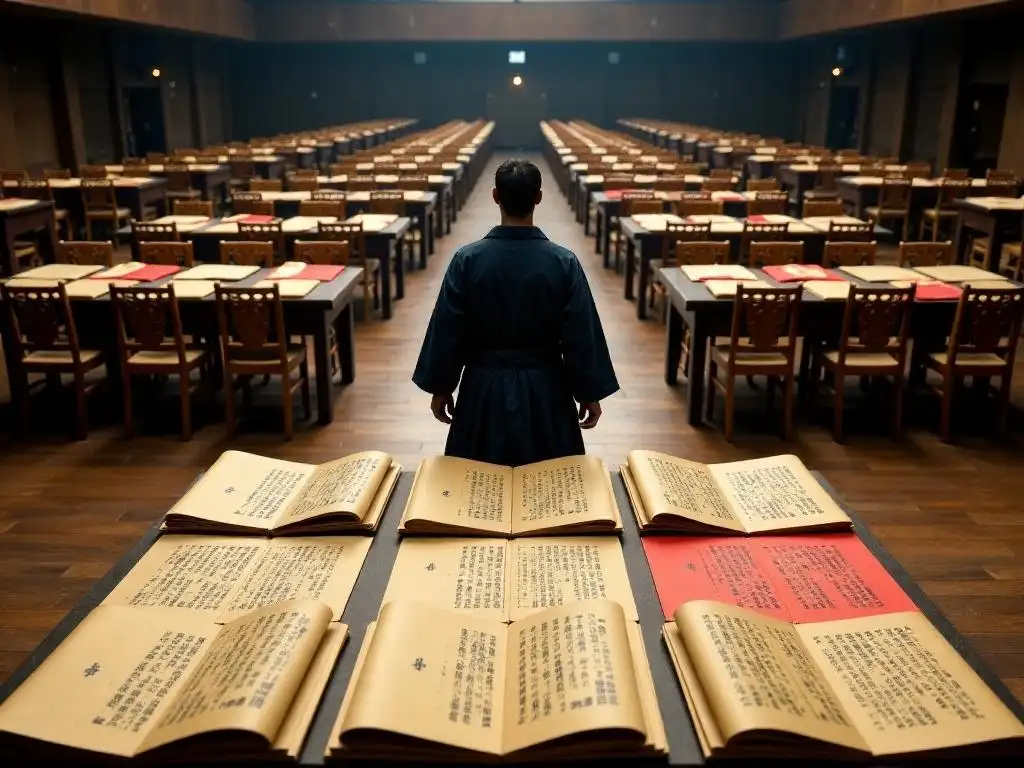
During the Muromachi period (1336-1573), Japan witnessed a complex interplay between religion and politics. The governance structure was heavily influenced by religious institutions, particularly Zen Buddhism and Shinto, which played both cooperative and conflicting roles in the political landscape. The Ashikaga shogunate, which ruled during this era, often sought legitimacy through religious backing, leading to a unique relationship between shogunal authority and religious leaders.
Religious institutions were not merely passive observers; they were active participants in governance. Temples and shrines often held significant land, wealth, and influence, which they wielded in political matters. Moreover, the clergy's support was crucial for the shogunate's stability, as seen in the appointment of certain monks to political positions, thereby intertwining governance with religious authority. However, this relationship was not without conflict. Disputes over land, power, and influence occasionally erupted into violence, showcasing the tensions inherent in this intersection of realms.
Case Studies of Religious Influence on Political Decisions
One notable case study is the role of the Kamakura Shogunate's Buddhist monks during the early Muromachi period. These monks were instrumental in legitimizing the Ashikaga shogunate by providing spiritual authority. For instance, the Zen sect, particularly the Rinzai school, gained political favor and influence, as Ashikaga Takauji, the first shōgun of the Ashikaga shogunate, sought their support to solidify his power.
Another significant example is the Ikko-Ikki movement, which emerged in the 15th century. This movement, characterized by its militant followers of the Jodo Shinshu sect, challenged the authority of the shogunate and local daimyo. The Ikko-Ikki revolted against both political and religious authorities, creating a substantial impact on local governance and leading to a series of conflicts known as the Ikko-Ikki rebellions. Their actions highlighted the potential of religious groups to influence political decisions and destabilize existing power structures.
The Impact of Religious Conflicts on Feudal Governance
Religious conflicts during the Muromachi era significantly shaped feudal governance. The power struggles between various sects, particularly between Zen Buddhists and Jodo Shinshu followers, often escalated into armed conflicts, influencing broader political dynamics. These conflicts not only challenged the authority of the shogunate but also led to the fragmentation of power among regional daimyo, who aligned themselves with different religious factions to bolster their own legitimacy.
For instance, the Shokoku-ji Temple and its supporters played a pivotal role in political conflicts by providing military aid to certain factions during rebellions. These alliances between religious institutions and feudal lords led to a patchwork of governance where local rulers wielded significant power, often based on their religious affiliations. Consequently, the governance structure became increasingly decentralized, leading to the rise of powerful regional leaders who could manipulate religious sentiments to further their political agendas.
Societal Implications of Muromachi Governance
The governance of the Muromachi era had profound implications for Japanese society, as it was deeply intertwined with religious practices and societal norms. The blend of political and religious authority influenced daily life, cultural practices, and social structures, shaping the collective consciousness of the time.
The Relationship Between Religion, Politics, and Society
The relationship between religion, politics, and society during the Muromachi period was symbiotic. Religious beliefs permeated the political discourse, and political decisions often reflected the prevailing religious ideologies. This intersection fostered a society where loyalty to both the shogunate and religious institutions was paramount. The populace was often caught in the struggles between these two powerful forces, with their allegiances swaying based on the prevailing political or religious climate.
Furthermore, the influence of religion on governance led to the establishment of various social institutions, such as temples and schools, that served both spiritual and educational purposes. These institutions provided a framework for moral instruction and community cohesion, reinforcing the idea that governance was not solely a political matter but also a spiritual one.
How Governance Shaped Cultural Practices in the Muromachi Era
Governance during the Muromachi era significantly influenced cultural practices, fostering a unique blend of art, literature, and performance that reflected both political and religious themes. The patronage of the Ashikaga shogunate led to the flourishing of the Noh theater, which often incorporated religious motifs and themes of morality, reflecting the era's complex relationship between governance and spirituality.
Moreover, the rise of Zen Buddhism during this period influenced various aspects of culture, including garden design, tea ceremonies, and ink painting. These cultural practices were often intertwined with the political elite, as many daimyo sought to showcase their power and sophistication through the patronage of artistic endeavors that resonated with Zen principles.
The governance of the Muromachi era was characterized by a dynamic interplay of religion and politics that shaped not only the political landscape but also the cultural fabric of Japanese society. The insights into Muromachi era governance reveal a nuanced understanding of how these elements coalesced to create a distinctive historical period marked by both conflict and cooperation.
Comparative Analysis: Muromachi Governance vs. Other Feudal Periods
The Muromachi era, spanning from the 14th to the 16th century, presents a unique amalgamation of governance influences that differ significantly from preceding and succeeding feudal periods in Japan. Understanding these differences and similarities can shed light on the political complexities of the time and their lasting impacts.
Similarities and Differences with Kamakura Governance
The Kamakura period (1185-1333) laid the groundwork for feudal governance in Japan, marked by the establishment of the shogunate system and a reliance on samurai loyalty. The governance structure during this time emphasized military authority and the centralization of power in the hands of the shogun, leading to a hierarchical society dominated by samurai.
In contrast, the Muromachi period introduced a more decentralized form of governance. While the Ashikaga shogunate emerged as the governing body, regional lords (daimyōs) gained significant autonomy, often leading to power struggles and a fragmented political landscape. This decentralization was both a strength and a weakness; it allowed for local governance and adaptation to regional needs but also led to instability and conflict, notably during the Sengoku period.
Despite these differences, both periods shared commonalities in utilizing Buddhist and Shinto influences to legitimize authority. The Kamakura shogunate often invoked religious legitimacy to strengthen its rule, while the Muromachi period saw the flourishing of Zen Buddhism, which influenced governance and culture alike. This intertwining of religion and politics remained a consistent theme across both eras, illustrating a continuity in the role of spiritual authority in legitimizing temporal power.
Insights into Governance in the Edo Period
The Edo period (1603-1868), following the tumultuous Muromachi era, established a more stable governance system under the Tokugawa shogunate. Unlike the fragmented political structure of the Muromachi period, the Edo period was characterized by a centralized and highly bureaucratic government. The Tokugawa shogunate implemented strict social hierarchies and a policy of isolationism, which ensured stability and control over the daimyōs.
Governance during the Edo period can be seen as a reaction to the chaos of the Muromachi era. The lessons learned from the power struggles and the reliance on regional lords led to a more organized and systematic approach to governance. The shogunate emphasized the importance of loyalty, land management, and the suppression of dissent, creating a more unified state. Furthermore, the Edo period saw the rise of a merchant class, which began to challenge the strictly defined social order, a shift that was less pronounced in the Muromachi era.
The insights gained from the Muromachi governance model influenced the Tokugawa shogunate’s strategies, as they sought to avoid the pitfalls of decentralization while still managing the complexities of a feudal society. This comparison highlights the evolution of governance in Japan, showcasing how historical contexts shape political frameworks.
Conclusion: Lasting Impacts of Muromachi Era Governance
The governance of the Muromachi era left a profound mark on Japanese history, influencing not only subsequent political structures but also the cultural and social landscape of the nation. The era's unique approach to governance, characterized by its blending of military and religious authority, established a precedent for how power could be negotiated and legitimized in a feudal society.
Reflections on Governance Insights for Modern Japan
Modern Japan, while vastly different in its political structure and societal norms, can still draw lessons from the governance insights of the Muromachi period. The complexities of regional governance and the importance of local autonomy are relevant in contemporary discussions about decentralization and local government. Additionally, the interplay between politics and religion observed during this time prompts reflection on the role of cultural and historical narratives in shaping governance today.
The Legacy of Muromachi Governance in Contemporary Society
The legacy of Muromachi governance is evident in various aspects of contemporary Japanese society. The emphasis on community and regional identity, a hallmark of the Muromachi era’s decentralized governance, continues to resonate in local politics. Moreover, the historical relationship between religion and governance established during this period still influences the political landscape, with cultural traditions and religious practices playing a role in public life.
The Muromachi era serves as a critical point of reference for understanding the evolution of governance in Japan. Its insights into power dynamics, regional autonomy, and the role of religion in politics offer valuable lessons that continue to inform the complexities of modern governance in Japan.
- Introduction to Muromachi Era Governance Insights
- Historical Context of the Muromachi Era
- The Role of Religion in Muromachi Governance
- Political Structure of the Muromachi Era
- Conflict and Cooperation: Religion and Politics
- Societal Implications of Muromachi Governance
- Comparative Analysis: Muromachi Governance vs. Other Feudal Periods
- Conclusion: Lasting Impacts of Muromachi Era Governance
Frequently Asked Questions
What was the Muromachi Era known for?
The Muromachi Era (1336-1573) is noted for its unique blend of politics and religion, where Zen Buddhism significantly influenced governance and social structures.
How did religion impact governance during the Muromachi Era?
Religion, particularly Zen Buddhism, played a crucial role by shaping political ideologies and promoting a culture that emphasized self-discipline and loyalty to authority.
What were the key features of governance in the Muromachi Era?
Governance during this era was characterized by decentralized power, with shoguns and daimyos exercising control over their domains while navigating complex political alliances and religious influences.
Who were the major political figures during the Muromachi Era?
Notable figures include Ashikaga Takauji, the first shogun of the Ashikaga shogunate, and influential daimyos who played pivotal roles in regional governance and military campaigns.
How did the Muromachi Era set the stage for future Japanese governance?
The era established foundational principles of feudal loyalty and political stratification, influencing later periods, particularly the Edo period, in governance and cultural practices.
Final Reflection: The Enduring Legacy of Muromachi Era Governance Insights
The intersection of religion and politics during the Muromachi era remains a critical lens through which we can understand contemporary governance dynamics. In an age where the influence of religious beliefs on political decisions is increasingly scrutinized, the lessons drawn from this historical period remind us that the interplay between faith and authority is not a new phenomenon. The Muromachi era serves as a poignant example of how governance can be shaped by spiritual ideologies, illustrating that the quest for power often intertwines with the pursuit of moral and ethical legitimacy.
The cultural and social ramifications of the Muromachi era's governance continue to resonate today, influencing everything from political discourse to social movements. As we navigate a world where the voices of faith communities are often at the forefront of political debates, it is essential to recognize the historical precedents that inform these interactions. History is not just a series of events; it is a tapestry of ideas that shape our present and future.
This quote encapsulates the importance of understanding the past as we engage with the complexities of modern governance, reminding us that the legacies of eras like Muromachi are woven into the fabric of our current societal challenges.
As we reflect on the insights gained from the Muromachi era, I invite you to consider how these lessons can be applied in your own life and community. How can we foster a dialogue that respects both religious beliefs and political principles? By engaging with the past, we can cultivate a more nuanced understanding of the present, empowering ourselves to navigate the intricate relationship between faith and governance with wisdom and compassion. Let us take these insights to heart, striving for a future where the lessons of history guide us toward more harmonious and effective governance.
Unveil the Layers of Governance in Feudal Japan!
Thank you for investing your time in exploring the complexities of religion and politics during the Muromachi Era! Your curiosity has opened the door to understanding the intricate web of governance in feudal Japan.
Now it’s time to take your newfound knowledge and dive deeper into this fascinating period. Here are some powerful steps you can take to continue your exploration:
- Join a discussion group focused on the history of feudal Japan and share insights about the Muromachi Era.
- Visit a local or virtual museum to discover artifacts from the period, which provide valuable context to the various governance styles.
- Share this article with friends or on social media to spark conversations about the influence of religion on politics throughout history!
How do you think the interplay of religion and politics during the Muromachi Era shapes our understanding of modern governance?