
The Muromachi Period's Taxation System: Economic Strategies of Governance


Welcome to Feudal Japan History! Step into the intriguing world of Japan's feudal era, where the intricate dance of power and economics shaped a society like no other. Our featured article on the Muromachi period taxation system unveils the clever strategies of governance that not only sustained the economy but also defined the social structure of the time. Are you ready to uncover the secrets behind the fiscal policies that influenced the very fabric of feudal life? Dive deeper with us and enrich your understanding of this fascinating chapter in history!
The Muromachi Period, spanning from 1336 to 1573, was a transformative era in Japanese history, marked by the rise of the Ashikaga shogunate and significant shifts in social, political, and economic structures. At the heart of this period lay a complex taxation system that not only supported the governance of the time but also influenced the cultural and societal dynamics of feudal Japan.
Understanding the Muromachi period taxation system is crucial for comprehending how economic strategies were employed to maintain power, fund military endeavors, and manage the agrarian economy. This article will delve into the intricacies of the taxation system during the Muromachi Period, exploring its historical context, significance, and the implications it had on the society and culture of the time.
Overview of the Muromachi Period
Definition and Timeline of the Muromachi Period
The Muromachi Period is defined by its distinct political structure, where the Ashikaga clan held power following the Kamakura Period. It is subdivided into several phases, including the early Muromachi (1336-1467) and the late Muromachi (1467-1573), with the onset of the Ōnin War marking a significant turning point. This period is characterized by:
- Political Fragmentation: The shogunate's diminishing power led to the rise of local warlords, or daimyōs.
- Cultural Flourishing: The era saw the emergence of new cultural practices, including the tea ceremony and Noh theater.
- Economic Change: Shifts in agricultural practices and trade routes influenced the economy.
Key Historical Context and Events
Several key events shaped the Muromachi Period, including the following:
- The Ashikaga Shogunate's Establishment (1336): Initiated by Ashikaga Takauji, this event marked the formal transition from the Kamakura shogunate.
- The Ōnin War (1467-1477): This conflict led to widespread destruction and the eventual rise of powerful daimyōs, fragmenting the political landscape further.
- Emergence of the Sengoku Period: Following the Muromachi Period, Japan entered a time of intense warfare and political upheaval, known as the Sengoku or Warring States Period.
The Importance of the Taxation System in Feudal Japan
Role of Taxation in the Muromachi Governance Structure
The taxation system during the Muromachi Period served as a foundational element of governance. It was primarily agrarian, relying on the productivity of rice fields and land management. Key aspects include:
- Land Taxation: Taxes were levied on rice production, which was the staple currency of the time.
- Local Governance: Daimyōs collected taxes from their territories, directly influencing local economies.
- Revenue for Military Campaigns: Taxation funded military expeditions and the maintenance of samurai, ensuring the shogunate's stability.
Economic Impact of Taxation on Society and Culture
The Muromachi taxation system had profound effects on both society and culture:
- Class Structure: The burden of taxation often fell heavily on peasants, leading to social stratification and unrest.
- Cultural Developments: The economic pressures of taxation influenced cultural practices, as art and literature reflected the struggles and aspirations of different social classes.
- Economic Disparities: The uneven distribution of tax burdens contributed to the eventual rise of peasant rebellions and the weakening of the shogunate's control.
The Muromachi period taxation system was not merely a means of revenue generation but a crucial mechanism that shaped the political, economic, and cultural landscapes of feudal Japan. Understanding its intricacies offers valuable insights into the governance strategies employed during this pivotal era.
Structure of the Muromachi Period Taxation System
The taxation system during the Muromachi period (1336-1573) was a complex framework that reflected the political and economic realities of feudal Japan. It was characterized by a decentralized approach, where local lords, known as daimyōs, had significant authority over tax collection within their domains. This structure allowed for variations in tax rates and types depending on regional needs and resources.
At the heart of this system were two main categories of taxes: land taxes and commercial taxes. Land taxes were typically paid in rice, which was the staple currency of the period, while commercial taxes included levies on trade and manufacturing. This dual taxation structure not only generated revenue but also incentivized agricultural production and trade, which were crucial for sustaining the feudal economy.
The Muromachi period also saw the development of various tax exemptions and privileges for certain classes, including temples and shrines, which were often granted tax-free status to encourage religious and cultural patronage. This further complicated the taxation landscape, as it created disparities among different social classes and regions.
Types of Taxes Implemented during the Muromachi Period
During the Muromachi period, several distinct types of taxes were implemented, each serving specific economic and political purposes:
- Shōen Tax: This land tax was levied on agricultural production within shōen, which were privately owned estates. The revenue collected was primarily in the form of rice, essential for both sustenance and as a currency.
- Sake Tax: As the production of sake became popular, a specific tax was imposed on its production and sale, contributing to local economies and government revenue.
- Commercial Taxes: These were levied on merchants and craftsmen, usually based on the profits from their trades. Taxation on goods sold in markets was common, reflecting the growing importance of urban commerce.
- Transportation Taxes: These taxes were implemented on goods transported along waterways and roads, serving to regulate trade and generate income for local lords.
- Labour Tax: In some regions, laborers were required to pay taxes through service or labor contributions, particularly for public works or military service.
Mechanisms of Tax Collection

The mechanisms of tax collection during the Muromachi period were varied and often relied on local governance structures. The daimyōs and their appointed officials, known as shugo, were primarily responsible for collecting taxes within their territories. The collection process typically involved the following steps:
- Assessment of Land and Production: Officials would assess the productivity of land and the expected yield of crops to determine tax obligations.
- Collection Methods: Taxes were often collected in-kind, particularly in the form of rice, but cash payments became more common as commerce expanded. Local authorities would gather these payments during harvest seasons or through ongoing trade.
- Enforcement: The enforcement of tax collection could involve punitive measures, including fines or even confiscation of property for those who failed to meet their obligations. This created a system of incentives and deterrents to ensure compliance.
- Local Accountability: Accountability was maintained through local records, and in some cases, village elders or representatives were involved in the collection process, fostering a sense of community responsibility.
Economic Strategies Behind the Taxation System
The economic strategies underpinning the taxation system during the Muromachi period were designed to promote stability and growth within the feudal economy. Several key strategies emerged:
Incentives for Agriculture and Land Development
To stimulate agricultural production, the Muromachi government implemented various incentives. Landowners were encouraged to improve their lands through irrigation and crop diversification, often supported by tax breaks or reduced tax rates for newly developed lands. These strategies not only increased food production but also enhanced the overall wealth of the daimyōs, creating a more robust economy.
Taxation and Military Funding
Tax revenue was crucial for funding military endeavors, which were integral to maintaining and expanding territory during the Muromachi period. The daimyōs relied heavily on tax incomes to equip their samurai and maintain their armies. This connection between taxation and military funding solidified the power of the local lords, as a well-funded military was essential for defending against rival clans and securing loyalty from vassals.
The Influence of Trade on Taxation Policies
As trade expanded during the Muromachi period, taxation policies evolved to accommodate the new economic realities. Increased commerce led to the establishment of market taxes and tariffs that were designed to capture revenue from burgeoning trade activities. Coastal cities and port towns, in particular, became vital centers of economic exchange, prompting local authorities to levy taxes that would support infrastructure development and enhance trade routes. This adaptability of taxation policies reflected the dynamic nature of the Muromachi economy and its reliance on both agriculture and trade for sustained growth.
The taxation system during the Muromachi period had profound social implications that shaped the lives of various classes within society. It served as a critical mechanism for the governance of the time, influencing not only the economic landscape but also the social hierarchy and relationships among different societal groups. The burden and structure of taxation often dictated social mobility and the stability of agrarian life, creating a complex web of dependencies and obligations.
Impact on Peasants and Agrarian Society
Peasants were the backbone of the agrarian economy during the Muromachi period, and the taxation system had a significant impact on their lives. Taxation was primarily levied on agricultural produce, which meant that the livelihoods of farmers were directly affected by the demands of local lords and the central government. This often resulted in heavy tax burdens that could lead to poverty, famine, and social unrest.
The system was designed to extract a portion of the harvest, typically ranging from 20% to 50%, depending on the region and the lord’s requirements. As a consequence, peasants faced the dual challenge of producing enough food to sustain their families while also meeting tax demands. In times of poor harvests, this imbalance could have devastating effects, leading to uprisings and protests against feudal lords who were perceived as oppressive.
The Relationship between Taxation and Samurai Class
The samurai class played a unique role within the taxation framework of the Muromachi period. As the warrior elite, samurai were often granted land by their feudal lords (daimyō) and, in return, were expected to offer military service. This relationship was deeply intertwined with the taxation system, as the income from the land was used to support their status and maintain their warriors.
The samurai class often had more favorable tax conditions compared to the peasantry. They were typically exempt from certain taxes and could impose taxes on their serfs and vassals, which reinforced their power and social standing. This disparity in tax obligations between the samurai and the lower classes contributed to growing discontent among the peasantry and exacerbated social tensions.
Taxation and Social Stratification in the Muromachi Period
The structure of the taxation system during the Muromachi period effectively reinforced the existing social stratification. The heavy tax burdens placed on the lower classes contrasted sharply with the privileges enjoyed by the samurai and wealthy merchants. This system not only maintained the economic dominance of the elite but also solidified the hierarchical nature of society.
As wealth became concentrated in the hands of the powerful, the gap between the classes widened. The wealthy could afford to pay taxes more easily, often seeking ways to evade or minimize their liabilities through various means, such as bribery or manipulation of the tax code. In contrast, the poor faced harsh penalties for tax evasion, leading to a cycle of poverty that was difficult to escape. This social divide had lasting implications for the political stability of the period, as resentment brewed among the oppressed classes.
Challenges and Reforms of the Taxation System
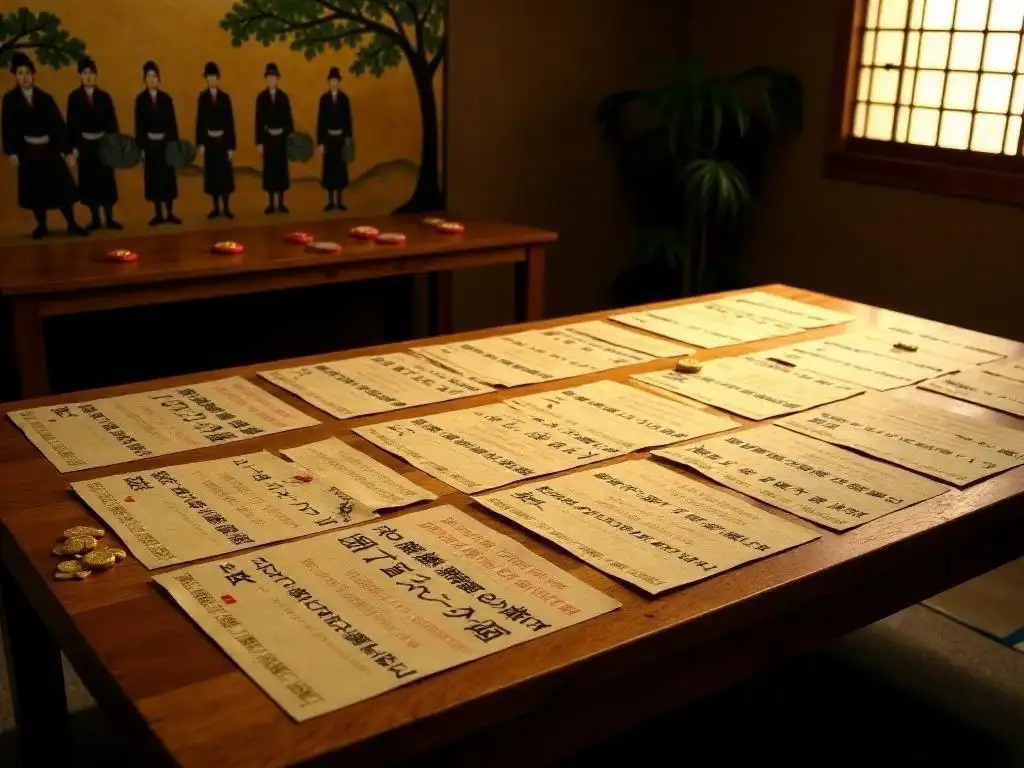
Throughout the Muromachi period, the taxation system faced several challenges that prompted calls for reform. Economic inequalities, shifting power dynamics, and the changing political landscape necessitated adjustments to the existing tax policies. These challenges ultimately led to significant reforms aimed at addressing the inefficiencies and injustices within the system.
Economic Inequalities and Tax Burden
Economic inequalities were a persistent challenge during the Muromachi period, largely driven by the taxation system's structure. The burden of taxation disproportionately fell on the peasantry, who were often unable to cope with the demands placed upon them. This led to widespread discontent and social unrest, as peasants felt overwhelmed by their financial obligations while the samurai and wealthy merchants continued to prosper.
Additionally, the inefficiencies in tax collection meant that local lords often exploited the system, further exacerbating the plight of the peasants. Reports of corruption and mismanagement were commonplace, leading to demands for reform from both the peasantry and some members of the samurai class who recognized the need for a more equitable system.
Major Reforms and Changes in Tax Policies
In response to the challenges faced by the taxation system, several reforms were introduced throughout the Muromachi period. One notable reform was the establishment of standardized tax rates, which aimed to create a fairer system for all classes. This reform sought to reduce the arbitrary nature of tax collection and limit the power of local lords to impose excessive taxes.
Additionally, efforts were made to implement more transparent tax collection processes. The introduction of written tax records and regulations allowed for greater accountability and reduced opportunities for corruption. These changes were critical in addressing some of the economic inequalities that had plagued the system.
Despite these reforms, the taxation system remained a contentious issue throughout the Muromachi period, reflecting the ongoing tensions between different social classes. The struggle for a more equitable taxation system would continue to shape Japan’s political landscape in the years to come, laying the groundwork for future governance reforms.
Conclusion
The Muromachi period, spanning from the 14th to the 16th century, stands as a pivotal era in Japan's historical landscape, characterized by significant transformations in governance and economic strategies. The taxation system during this time reflected a complex interplay of local power dynamics, imperial authority, and the socio-economic conditions of the period. By understanding the nuances of the Muromachi period taxation system, we gain insight into how these strategies shaped not only the economy of Japan but also its political structure and societal norms.
The various forms of taxation, including land taxes, trade tariffs, and the imposition of labor obligations, showcased the adaptability and resilience of the Muromachi shogunate in managing its resources and exerting control over its territories. As we reflect on these developments, it becomes clear that the taxation strategies employed during the Muromachi period laid foundational principles that would influence subsequent governance models in Japan.
Summary of the Muromachi Period Taxation System
The taxation system of the Muromachi period was marked by an intricate structure designed to support the shogunate's authority while accommodating the needs of local lords and the peasantry. Key aspects of this system included:
- Land Taxes: The primary source of revenue was derived from taxes on agricultural production. The implementation of a standardized measurement system for rice fields allowed for more efficient tax collection, which was crucial for sustaining the economy.
- Trade Tariffs: As commerce expanded, especially in urban areas like Kyoto and Sakai, trade tariffs became an essential revenue stream. Merchants were required to pay taxes on goods, which contributed to the financial stability of the shogunate.
- Labor Obligations: In addition to monetary taxes, the Muromachi period saw the imposition of labor obligations on peasants, often requiring them to work on public projects or serve in local militias. This form of taxation reinforced local governance while ensuring the maintenance of infrastructure.
Overall, the Muromachi period's taxation system was not merely a means of revenue generation but a reflection of the socio-political landscape that influenced the governance of Japan during this time.
Legacy of Taxation Strategies in Japanese Governance
The legacy of the taxation strategies implemented during the Muromachi period holds significant relevance for understanding the evolution of Japanese governance. Notably, the reliance on land taxes and labor obligations set a precedent for future tax systems, influencing the way resources were managed and allocated in later periods.
The integration of trade tariffs also marked the beginning of a more complex economic framework, paving the way for the rise of merchant classes and urban centers in subsequent eras. As these financial strategies evolved, they contributed to a more centralized form of governance that would emerge in the Edo period, reflecting the lessons learned during the Muromachi period.
In essence, the tax policies of the Muromachi period served as both a reflection of the feudal structure and a catalyst for change, shaping the trajectory of Japan's political and economic development for generations to come.
Further Reading and Resources
To deepen your understanding of the Muromachi period taxation system and its broader implications on governance, consider exploring the following resources:
Recommended Books on Muromachi Period Taxation
- The Muromachi Period: A History by [Author Name] - This book provides a comprehensive overview of the Muromachi period, including insights into its taxation policies.
- Taxation in Medieval Japan: The Muromachi Era by [Author Name] - An in-depth analysis focusing specifically on the taxation methods and their impact on society.
Academic Articles on Economic Strategies of Governance
- "Economic Strategies in the Muromachi Period: A Taxation Perspective" in the Journal of Japanese History - This article explores the intricacies of the taxation system and its relation to economic governance.
- "Feudal Governance and Taxation: Lessons from the Muromachi Period" in Studies in Asian Economic History - An academic examination of how taxation strategies influenced feudal governance models in Japan.
These resources will provide valuable insights and expand your knowledge on the Muromachi period's economic strategies and governance.
- Overview of the Muromachi Period
- The Importance of the Taxation System in Feudal Japan
- Structure of the Muromachi Period Taxation System
- Types of Taxes Implemented during the Muromachi Period
- Mechanisms of Tax Collection
- Economic Strategies Behind the Taxation System
- Social Implications of the Taxation System
- Challenges and Reforms of the Taxation System
- Conclusion
- Further Reading and Resources
- What was the Muromachi period taxation system?
- How did taxation impact society during the Muromachi period?
- What were the main types of taxes during the Muromachi period?
- How did the feudal system affect taxation in the Muromachi era?
- What role did economic strategies play in the governance of the Muromachi period?
Frequently Asked Questions
What was the Muromachi period taxation system?
The Muromachi period taxation system was a complex framework established to collect revenues from land and agriculture, essential for supporting the shogunate and local daimyō.
How did taxation impact society during the Muromachi period?
Taxation during the Muromachi period significantly influenced the social structure, often burdening peasants while benefiting the samurai and aristocracy, leading to social unrest at times.
What were the main types of taxes during the Muromachi period?
The primary forms of taxes included land tax, harvest tax, and various labor obligations, which were crucial for maintaining the economy and funding military endeavors.
How did the feudal system affect taxation in the Muromachi era?
The feudal system created a hierarchical structure where daimyō collected taxes from peasants on behalf of the shogunate, leading to a decentralized yet organized tax collection process.
What role did economic strategies play in the governance of the Muromachi period?
Economic strategies were essential for the Muromachi shogunate to manage resources, maintain power, and ensure loyalty among daimyō through effective collection and distribution of tax revenues.
Final Reflection: The Enduring Legacy of the Muromachi Period Taxation System
The Muromachi period taxation system remains a pivotal example of how economic strategies can shape governance and societal structures. As we navigate through modern economic challenges, understanding the complexities of historical taxation systems offers invaluable insights into the relationship between governance and economic stability. The lessons drawn from this era remind us that effective taxation is not merely a means of revenue collection but a fundamental tool for societal development and cohesion.
Clearly, the Muromachi period's approach to taxation has left an indelible mark on Japan's cultural and social landscape. The intricate balance between the needs of the state and the welfare of its citizens during this time illustrates the profound impact that taxation policies can have on society. As historian John W. Hall aptly stated, Taxation is not just a fiscal tool; it is a reflection of the values and priorities of a society.
This observation resonates deeply today, as we continue to grapple with the implications of tax policies on social equity and economic growth.
As we reflect on the lessons of the Muromachi period, I invite you to consider how these historical insights can inform your understanding of contemporary governance and economic strategies. What can we learn from the past to create a more equitable and effective taxation system today?
Let this reflection inspire you to engage with the complexities of economic governance in your own community, advocating for policies that not only generate revenue but also foster social well-being and justice. The legacy of the Muromachi period taxation system is not just a historical account; it is a call to action for us all.
Embrace the Legacy: Transform Your Understanding of Economic Strategies!
Thank you for diving into the fascinating world of the Muromachi Period's taxation system! You've uncovered the intricate economic strategies that shaped governance and influenced society during this remarkable era. Now, let’s take the next step to deepen your knowledge and engagement.
Here are a few ways you can continue your journey:
- Explore deeper: Delve into related topics such as the social hierarchy of the Muromachi Period or examine how economic strategies impacted local communities.
- Share your insights: Discuss this article with friends or on social media – your thoughts can spark engaging conversations!
- Participate in our community: Join our forum to connect with other history enthusiasts and exchange perspectives on feudal governance and its lasting effects.
What aspect of the Muromachi taxation system surprised you the most? How do you think it compares to contemporary economic strategies?