
Samurai and Governance: The Interplay of Military Power and Political Authority

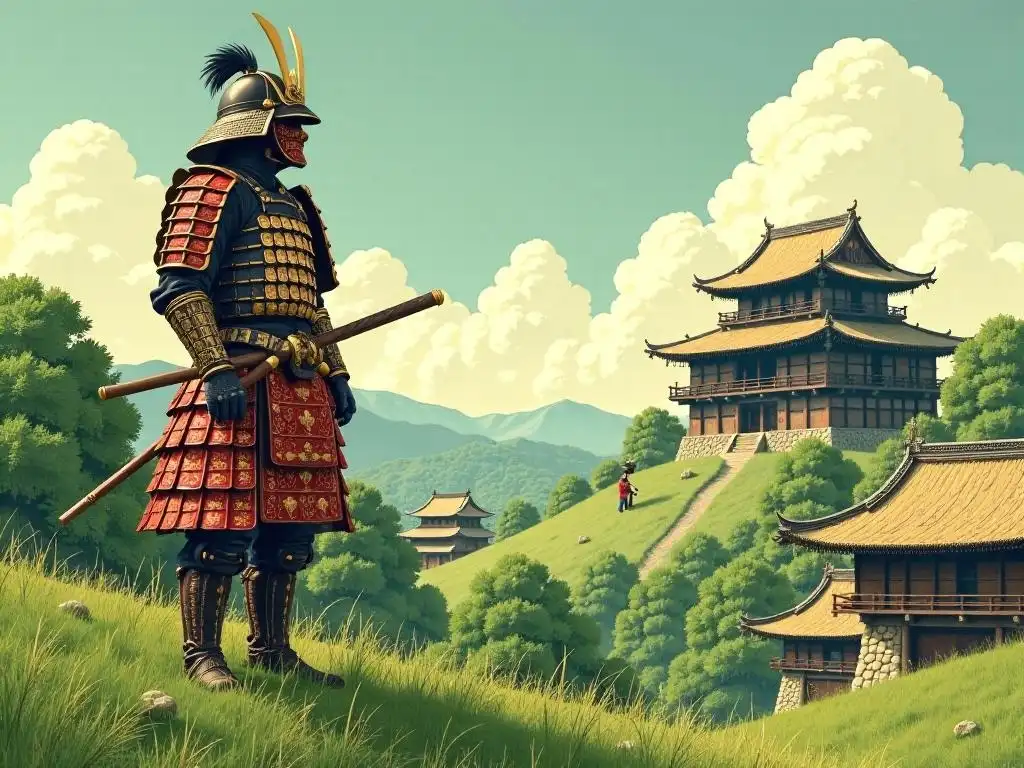
Welcome to Feudal Japan History, where the echoes of the past come alive through a comprehensive exploration of Japan’s feudal era. Here, we delve into the intricate tapestry of historical, cultural, and societal aspects that shaped a nation. In our featured article, "Samurai and Governance: The Interplay of Military Power and Political Authority," we unravel the fascinating dynamics of samurai governance in feudal Japan.
What role did these legendary warriors play in the delicate balance of power? Join us on this captivating journey to discover the profound impact of samurai on political authority, and ignite your curiosity to delve deeper into the rich tapestry of history that awaits!
- Introduction to Samurai Governance in Feudal Japan
- Historical Context of Samurai Governance
- The Interplay Between Military Power and Political Authority
- Governance Mechanisms Utilized by Samurai
- Societal Impacts of Samurai Governance
- Challenges to Samurai Governance
- Conclusion: The Legacy of Samurai Governance in Feudal Japan
- References for Further Reading on Samurai Governance
-
Frequently Asked Questions
- What was the role of the samurai in feudal Japan's governance?
- How did samurai governance influence Japanese society?
- What were the key features of political authority during the feudal era?
- How did the interplay of military power and governance evolve over time?
- What impact did samurai governance have on Japan's political landscape?
- Final Reflection: The Enduring Legacy of Samurai Governance in Feudal Japan
- Unleash Your Knowledge of Samurai Governance!
Introduction to Samurai Governance in Feudal Japan
The interplay of military power and political authority in feudal Japan is a fascinating subject that reveals the complexities of governance during a transformative period in Japanese history. Central to this dynamic were the samurai, who not only served as warriors but also became pivotal figures in the administration and political landscape of the Muromachi Period (1336–1573). Understanding "samurai governance in feudal Japan" involves examining how these elite warriors navigated the intricate relationships between loyalty, power, and societal structure, shaping both local and national governance.
In this article, we will delve into the multifaceted roles of the samurai class, their influence on political authority, and the importance of governance during the Muromachi Period. Through a comprehensive exploration, we aim to illuminate the significant contributions of the samurai to Japan's feudal system, shedding light on their enduring legacy in shaping the nation's historical narrative.
Overview of the Samurai Class and Their Role
The samurai class emerged as a distinct social group during the Heian Period (794–1185), but it was during the feudal era, particularly in the Muromachi Period, that their role became increasingly critical in governance. Samurai were not merely soldiers; they were also landholders, bureaucrats, and local leaders, wielding considerable influence over both military and civilian affairs.
Key Characteristics of the Samurai Class:
- Bushido Code: The samurai adhered to a strict ethical code known as bushido, emphasizing loyalty, honor, and discipline. This code guided their actions both on and off the battlefield, impacting governance.
- Land Ownership: Many samurai were granted land by their lords, which not only provided them with economic stability but also positioned them as local rulers with administrative responsibilities.
- Political Alliances: The samurai often formed alliances through marriage and loyalty oaths, which were crucial for maintaining power and stability within their domains.
As the political landscape of Japan evolved, the samurai's responsibilities expanded to include governance, diplomacy, and conflict resolution, allowing them to exert significant control over local and regional politics.
Importance of Governance in the Muromachi Period
The Muromachi Period is characterized by a decentralized political structure, where power was distributed among various feudal lords, known as daimyōs. This fragmentation of authority necessitated a new form of governance that relied heavily on the samurai's military prowess and administrative capabilities.
Governance Features During the Muromachi Period:
- Shogunate Leadership: The Ashikaga shogunate established a framework for governance that allowed samurai to play essential roles in the administration of justice and land management.
- Local Autonomy: Daimyōs exercised considerable autonomy within their territories, leading to a patchwork of governance styles that reflected local customs and the influence of the samurai class.
- Military Governance: The samurai's dual role as warriors and administrators meant that military considerations often influenced political decisions, leading to a governance model that prioritized strength and loyalty.
In this context, samurai governance was not merely about wielding power but also about maintaining order and stability in a rapidly changing society. Understanding this interplay between military power and political authority provides valuable insights into the complexities of Japan's feudal era and the enduring influence of the samurai on the country's historical trajectory.
Historical Context of Samurai Governance

The Rise of Samurai in Feudal Japan
The emergence of the samurai class in feudal Japan can be traced back to the late Heian period (794-1185), a time characterized by the decline of imperial power and the rise of regional clans. As the central authority weakened, local aristocrats began hiring private warriors for protection, gradually leading to the formation of a distinct military class known as the samurai. This shift marked a significant transition from a court-dominated society to one where military prowess became synonymous with social status and influence.
The samurai, originally drawn from the lower ranks of nobility, were heavily influenced by Confucian and Buddhist philosophies, which emphasized loyalty, honor, and discipline. These values became the foundation of the samurai code, known as bushido, which not only guided their conduct in battle but also their interactions within society. The concept of loyalty to one's lord was paramount, fostering a hierarchical structure where samurai served as vassals to more powerful daimyos (feudal lords).
Additionally, as warfare intensified during the late 12th century and into the Kamakura period (1185-1333), the samurai's role evolved further. They became key players in political governance, often participating in the administration of territories conquered through military campaigns. This dual role as both warriors and administrators solidified their importance in the feudal system, setting the stage for their influence during the subsequent Muromachi period.
Political Structures in the Muromachi Period
During the Muromachi period (1336-1573), governance in Japan underwent significant changes, primarily marked by the establishment of the Ashikaga shogunate. This era saw the samurai not only maintaining their military role but also asserting substantial political authority. The Ashikaga shogunate, unlike its Kamakura predecessor, operated with a more decentralized approach, allowing various daimyos significant autonomy over their domains.
The political structure was characterized by a complex web of alliances and rivalries among samurai clans. The shogunate's authority was often challenged by powerful daimyos, leading to a system of governance where local lords exercised considerable power. The gokenin, or vassals, played a critical role in maintaining order and loyalty among the samurai ranks, serving as a bridge between the shogunate and the local territories.
Furthermore, the Muromachi period introduced new forms of governance, including the shugo (military governors) and kanrei (shogunal deputies), who were tasked with overseeing regions and ensuring loyalty to the shogun. This layered governance model enabled greater organizational efficiency while simultaneously creating room for power struggles among the samurai elite.
Several pivotal events during the Muromachi period significantly shaped the authority and governance of the samurai. One of the most impactful was the Onin War (1467-1477), which erupted due to disputes over shogunal succession. This conflict effectively marked the beginning of the Sengoku period, a time of intense civil strife where daimyos fought for control over territories, leading to a decentralization of power.
The Onin War exemplified the fragility of the Ashikaga shogunate's authority, as local samurai clans took matters into their own hands, often disregarding the shogunate's directives. The resultant chaos fostered a culture of warlordism, where individual samurai leaders rose to prominence through military conquest and strategic alliances.
Another key event was the introduction of the sengoku daimyo, which further altered the political landscape. These powerful feudal lords began to consolidate power, often at the expense of the shogunate. Their ability to mobilize large armies and resources allowed them to challenge the Ashikaga's authority, leading to a fragmented political landscape that ultimately culminated in the unification efforts of leaders like Oda Nobunaga and Toyotomi Hideyoshi.
The interplay of military power and political authority during the Muromachi period was characterized by the samurai's rise as influential political actors. Their unique position within the feudal system allowed them to navigate the complexities of governance, ultimately shaping the trajectory of Japan's political history.
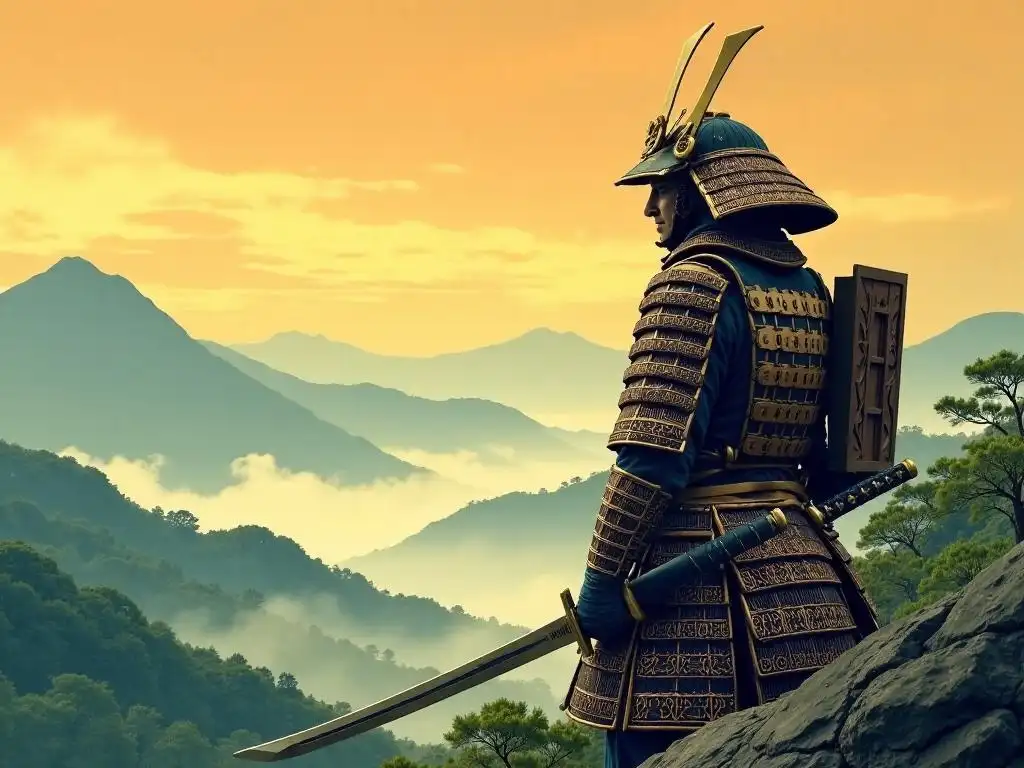
Defining Military Power in Feudal Japan
Military power in feudal Japan was fundamentally rooted in the samurai class, which emerged as a dominant force during the Heian period and continued to shape the socio-political landscape throughout the Muromachi period (1336-1573). The samurai were not merely warriors; they were also landholders and administrators, embodying a unique blend of martial prowess and governance.
Key Aspects of Military Power:
- Bushido Code: The ethical framework governing samurai behavior emphasized loyalty, honor, and discipline. This code influenced how military leaders interacted with both their peers and the populace, establishing a culture where military might was intertwined with moral obligations.
- Feudal System Structure: The samurai operated within a hierarchical framework where loyalty to higher-ranking lords (daimyos) was paramount. This system created a network of allegiances that reinforced military power while simultaneously establishing a political order.
- Land Ownership: Control over land was essential for power. Samurai were granted land in exchange for their military service, which enabled them to generate income and maintain their status. This ownership further solidified their influence over both military and political matters.
- Military Campaigns and Governance: Samurai were often called to lead campaigns during conflicts, such as the Onin War. Their military success frequently translated into greater political authority, as victory on the battlefield could lead to expanded territories and increased loyalty from subordinates.
In the context of samurai governance in feudal Japan, the roles of shoguns and daimyos were pivotal in shaping political authority. The shogunate system, established during the Kamakura period, continued into the Muromachi period, leading to a distinctive form of governance characterized by military rule.
Key Elements of Political Authority:
- Shogun as the Military Dictator: The shogun held supreme military authority, often overshadowing the emperor's ceremonial power. The Ashikaga shogunate exemplified this, as shoguns like Ashikaga Takauji exercised control over military and political matters, influencing domestic policies and foreign relations.
- Daimyos as Regional Lords: Daimyos were powerful feudal lords who governed large domains. They maintained their own samurai armies and were responsible for local governance, resource management, and law enforcement. The relationship between daimyos and the shogun was complex, often involving both cooperation and rivalry.
- Bureaucratic Structures: The shogunate developed bureaucratic systems to manage the affairs of the state. This included the establishment of administrative roles filled by samurai, who were tasked with overseeing various aspects of governance, from tax collection to military recruitment.
- Political Alliances and Conflicts: The interplay between military power and political authority was often marked by alliances and conflicts among daimyos. The shifting allegiances could lead to power struggles, impacting the overall stability of the shogunate and local governance.
Case Studies of Influential Samurai Leaders
The history of samurai governance in feudal Japan is rich with influential leaders whose actions shaped the political landscape. By examining their contributions, we can gain deeper insights into the interplay between military power and political authority.
Notable Samurai Leaders:
- Minamoto no Yoritomo:
- Role: Founder of the Kamakura shogunate.
- Impact: His establishment of the shogunate marked the beginning of samurai rule in Japan. Yoritomo's consolidation of power laid the groundwork for future shoguns and his system of governance emphasized a strong military authority.
- Ashikaga Takauji:
- Role: Founder of the Ashikaga shogunate.
- Impact: Takauji's leadership during the transition from the Kamakura to the Muromachi period redefined the role of the shogunate. His governance style promoted a more decentralized system, allowing greater autonomy for daimyos, which led to both cultural flourishing and political fragmentation.
- Uesugi Kenshin:
- Role: A prominent daimyō known for his military prowess.
- Impact: Renowned for his strategic acumen, Kenshin's battles against Takeda Shingen exemplified the rivalries among daimyos. His legacy highlights how military engagements shaped alliances and power dynamics in feudal Japan.
- Oda Nobunaga:
- Role: A key figure in the unification of Japan.
- Impact: Although Nobunaga's rise came towards the end of the Muromachi period, his aggressive military campaigns and innovative strategies significantly altered the landscape of samurai governance. His approach to consolidating power through both military might and political alliances set the stage for the eventual unification of Japan.
These leaders not only wielded military power but also navigated the complex political landscape of their time, illustrating the intricate relationship between samurai governance and the broader political authority in feudal Japan.
Governance Mechanisms Utilized by Samurai
The governance mechanisms employed by samurai during the feudal era of Japan were complex and multifaceted, rooted in a blend of military authority and political acumen. These mechanisms were essential in maintaining order and control over the territories governed by samurai lords, known as daimyō. The samurai's role extended beyond mere warriors; they were also key figures in the administration and governance of their domains.
Legal Frameworks Established by Samurai
During the Muromachi period (1336-1573), the samurai established a legal framework that was distinct from the centralized authority of the imperial court. This framework was characterized by a code of conduct known as bushidō, which emphasized principles such as loyalty, honor, and martial prowess. The legal system was largely unwritten and relied on customary law, with local practices varying significantly between regions.
Key Elements of Samurai Legal Frameworks:
- Customary Law: Local customs and traditions often dictated legal proceedings, leading to a decentralized approach to justice.
- Dispute Resolution: Samurai were responsible for resolving disputes among their vassals and subjects, often through mediation or informal settlements.
- Punishments and Rewards: The samurai had the authority to impose penalties for infractions, including fines and corporal punishment, while also rewarding loyalty and service with land or titles.
This legal framework facilitated the samurai's governance, allowing them to maintain control over their territories while reinforcing their authority through a system that valued loyalty and honor.
Administrative Structures in Samurai Governance
The administrative structures within samurai governance were designed to efficiently manage the resources and people of their domains. The daimyō exercised a significant amount of power, supported by a hierarchy of samurai and non-samurai officials who helped implement policies and maintain order.
Components of Administrative Structures:
- Vassal System: Samurai lords relied on a network of vassals who pledged allegiance in exchange for land and protection. This feudal system created a pyramid of loyalty, with the daimyō at the top and their retainers below.
- Bannermen and Military Commanders: Key figures within the samurai governance included bannermen who commanded troops and oversaw military operations, ensuring the daimyō's authority was enforced.
- Local Governance: The samurai frequently appointed local officials, often from among their vassals, to manage day-to-day affairs and collect taxes, thus enhancing local governance while maintaining loyalty to the daimyō.
This administrative framework allowed the samurai to exert control over their territories, ensuring stability and fostering a sense of order within their domains.
The Role of Loyalty and Honor in Governance Practices
Loyalty and honor were fundamental tenets that shaped governance practices among the samurai. The samurai code of bushidō not only dictated personal conduct but also established the principles guiding their governance.
Influences of Loyalty and Honor:
- Feudal Allegiance: Samurai were bound by a system of loyalty to their lords, which was considered paramount. This loyalty often superseded legal obligations and was crucial for maintaining the social order.
- Honor in Governance: The concept of honor influenced decision-making processes. Samurai leaders made choices not only based on political gain but also on what was deemed honorable, maintaining their reputation and standing among peers.
- Conflict Resolution: Disputes were often resolved through honorable means, such as duels or formal challenges, further embedding the principles of loyalty and honor within the governance framework.
The interplay of military power and political authority during the feudal era of Japan was significantly shaped by the governance mechanisms utilized by the samurai. The legal frameworks, administrative structures, and the core values of loyalty and honor formed the foundation of samurai governance, ensuring a system that was both effective and culturally resonant.
Societal Impacts of Samurai Governance

The Influence of Samurai Culture on Society
The samurai class in feudal Japan profoundly influenced societal norms and cultural practices. Their ethos, encapsulated in the code of Bushido, emphasized virtues such as loyalty, honor, and discipline, which permeated various societal layers. This cultural framework not only shaped the samurai's conduct but also influenced the behaviors and expectations of the common people, fostering a society that valued these principles.
The samurai's commitment to service and loyalty extended beyond the battlefield. They acted as local leaders, often engaging in community matters and governance, which established a model of authority rooted in martial prowess and ethical conduct. Art forms, such as ink painting and tea ceremonies, flourished under samurai patronage, reflecting the class's aesthetic values. The samurai also contributed to the development of literature, with many engaging in poetry and philosophical discourse, further embedding their cultural influence in the broader Japanese society.
In the complex social structure of feudal Japan, the samurai held a privileged position as the warrior class. This hierarchical framework was characterized by a rigid caste system, where the shogun sat at the top, followed by daimyos, and then the samurai. Below them were the peasants, artisans, and merchants, each with clearly defined roles and responsibilities.
The samurai's role extended beyond military duties; they were also enforcers of the shogunate's policies, maintaining order and ensuring the allegiance of lower classes. This dual role established them as both protectors and rulers, solidifying their position within society. The samurai's governance style fostered a sense of stability and security, essential in an era marked by constant conflict and power struggles.
| Social Class | Role | Responsibilities |
|---|---|---|
| Shogun | Supreme military leader | Political and military command |
| Daimyo | Regional lords | Land management and local governance |
| Samurai | Warrior class | Defense, law enforcement, cultural patronage |
| Peasants | Agricultural workers | Food production |
| Artisans | Skilled laborers | Craftsmanship and trade |
| Merchants | Traders | Commerce and economic exchange |
Changes in Society Under Samurai Rule
The governance of samurai during the Muromachi period led to significant societal transformations. As the samurai became more entrenched in political structures, traditional power dynamics shifted. Land ownership became a pivotal aspect of authority, with samurai often acquiring lands from the daimyos in exchange for military service. This consolidation of land not only increased the samurai's wealth but also reinforced their socio-political influence.
The introduction of feudal obligations altered the relationship between the samurai and the lower classes. Peasants, while still bound to their land, found themselves under the direct authority of samurai, which sometimes resulted in harsh conditions. However, in return for their loyalty and labor, samurai were expected to provide protection and stability, creating a complex exchange of loyalty and service.
Moreover, the cultural landscape saw evolving artistic expressions, as samurai patronized the arts and literature, leading to a flourishing of cultural output. The development of Zen Buddhism during this period also influenced samurai philosophy, emphasizing mindfulness and discipline, which further integrated into the societal fabric.
The interplay of military power and political authority during the samurai governance era not only shaped the feudal system but also left an indelible mark on Japanese social structure, culture, and identity.
Challenges to Samurai Governance
The governance established by the samurai during the Muromachi period was not without its challenges. As the political landscape evolved, various internal and external factors began to undermine the authority and influence of the samurai class, leading to significant changes in the balance of power. Understanding these challenges is crucial for grasping the dynamics of samurai governance in feudal Japan.
Internal Conflicts and Power Struggles
Internal conflicts were a prominent issue during the Muromachi period, as various factions vied for power and influence. The period was marked by:
- Regional Warlord Rivalries: Powerful samurai clans often engaged in brutal conflicts over territory and resources. The Ashikaga shogunate, while nominally in charge, struggled to maintain control over these factions.
- The Onin War (1467-1477): This civil war is a prime example of internal strife that resulted in devastating consequences for samurai governance. It led to a breakdown of authority and the emergence of local lords, or daimyō, who operated independently of the shogunate. The conflict exemplified how internal discord could fracture the political structure, fostering an environment where military power superseded traditional governance.
- Factionalism: Various samurai factions aligned themselves with different daimyō, leading to shifting allegiances and persistent power struggles. This not only weakened the centralized authority of the shogunate but also created a fragmented political landscape where governance was often contingent on military strength rather than political legitimacy.
These internal conflicts severely weakened samurai governance, leading to a situation where military leaders often prioritized personal power over the broader stability of the realm.
The samurai faced significant external threats that compounded the challenges to their governance. These threats included:
- The Rise of the Ashikaga Shogunate's Enemies: As the Ashikaga shogunate weakened, various external entities, including rival clans and emerging powers, began to challenge their authority. This included the Uesugi and Takeda clans, who sought to expand their own influence at the expense of the shogunate.
- Invasions and Foreign Influence: The arrival of European traders and missionaries in the 16th century introduced new ideas and technologies that began to undermine traditional samurai values. The introduction of firearms, in particular, changed the nature of warfare and diminished the samurai's martial supremacy.
- Piracy and Coastal Raids: Coastal areas faced threats from pirates, particularly the wokou, who not only disrupted trade but also challenged the samurai’s control over maritime territories. This created instability and further diluted the samurai's authority, as they struggled to defend their domains against these external aggressors.
These external pressures not only weakened the samurai's military position but also eroded their political authority, as they were forced to divert resources and attention to address these threats.
The Decline of Samurai Influence in the Late Muromachi Period
As the Muromachi period progressed, the cumulative effects of internal conflicts and external threats led to a notable decline in samurai influence. Several factors contributed to this decline:
- Economic Instability: Continuous warfare and the shift in power dynamics led to economic challenges for samurai households. Many samurai found their traditional sources of income from land taxes diminished, forcing them to adapt to new economic realities.
- Rise of the Merchant Class: The growing influence of the merchant class began to shift the socio-political landscape. Wealthy merchants started to acquire land and form alliances, challenging the traditional power of the samurai. This burgeoning class began to play a crucial role in financing military campaigns, thereby altering the traditional power structure.
- Emergence of New Political Entities: The latter part of the Muromachi period saw the rise of powerful daimyō who increasingly acted independently of the shogunate. As these regional lords consolidated power, the role of the samurai as enforcers of shogunal authority diminished. The establishment of the Sengoku period marked a significant turning point, leading to the eventual unification of Japan under centralized rule.
The late Muromachi period heralded a significant transformation in governance, as the challenges faced by the samurai class paved the way for new political entities and reshaped the very fabric of Japanese society. The interplay of military power and political authority would never be the same, setting the stage for the evolution of governance in subsequent eras.
Conclusion: The Legacy of Samurai Governance in Feudal Japan

The legacy of samurai governance in feudal Japan is a complex tapestry woven through centuries of military and political interplay. The samurai class not only served as the military backbone of feudal society but also played a crucial role in shaping the political landscape of their time. Understanding this legacy requires an examination of how samurai governance evolved, its implications for contemporary governance, and its reflections in modern Japanese society.
Lasting Effects on Modern Japanese Governance
The influence of samurai governance extends far beyond the confines of the Muromachi period, leaving imprints on contemporary Japanese political structures and cultural norms. Key aspects include:
- Hierarchy and Authority: The rigid social hierarchy established during the feudal era persists in various forms within modern Japanese culture. The respect for authority and seniority, remnants of samurai values, are evident in corporate and governmental structures.
- Bushido Code: The samurai's ethical code, known as Bushido, continues to resonate in Japan's societal values. Principles such as loyalty, honor, and discipline still inform personal and professional conduct in contemporary settings, influencing leadership styles and decision-making processes.
- Legal Frameworks: Certain legal traditions can be traced back to the samurai's governance practices. For instance, the emphasis on mediation and consensus-building in conflict resolution reflects the samurai’s preference for harmony and stability over outright confrontation.
| Aspect | Feudal Era Influence | Modern Reflection |
|---|---|---|
| Hierarchy | Rigid class structure | Corporate and social dynamics |
| Ethical Code (Bushido) | Loyalty and honor | Leadership and governance values |
| Legal Practices | Mediation and consensus | Modern conflict resolution |
Reflections on the Samurai's Role in Political History
The samurai's role in political history is multifaceted, characterized by both their military prowess and their contributions to governance. The samurai were not merely warriors; they were also administrators, educators, and cultural custodians. This duality is essential for understanding their significance in shaping Japan's historical trajectory.
- Military Governance: The samurai wielded considerable military power, often exerting influence over local and national politics. Their ability to enforce governance through martial means established a precedent for the intertwining of military and political authority, a theme that resonates through history.
- Cultural Patronage: Beyond their military and political functions, samurai were pivotal in fostering cultural developments. They supported the arts, literature, and philosophy, thereby influencing Japan’s cultural identity. This patronage enriched society and solidified the samurai's place as leaders of not only military might but also cultural sophistication.
- Political Alliances and Conflicts: The samurai's involvement in political alliances and conflicts, such as the Onin War, illustrates their critical role in the power dynamics of feudal Japan. These events reshaped governance structures and territorial control, underscoring the complexity of samurai influence on political history.
The legacy of samurai governance in feudal Japan serves as a foundational pillar for understanding modern Japanese governance and cultural identity. Their enduring impact is a testament to the intricate interplay of military power and political authority that defined an era, leaving behind lessons that continue to shape Japan today.
References for Further Reading on Samurai Governance
Recommended Books on Feudal Japan
-
"Samurai: The World of the Warrior" by Stephen Turnbull
This book provides a comprehensive overview of the samurai's role in feudal Japan, detailing their social status, military duties, and the evolution of their governance during the Muromachi period. Turnbull's engaging narrative and rich illustrations make it an essential read.
-
"The Samurai: A Military History" by John D. Smith
Smith delves into the military strategies and political maneuvers of the samurai, exploring how their governance shaped the political landscape of feudal Japan. This book is particularly insightful for understanding the balance of power between samurai and the ruling shogunate.
-
"Warriors of Japan as Portrayed in the War Tales" by Paul Varley
Varley examines samurai legends and historical accounts, offering a scholarly perspective on how these narratives influenced samurai governance and societal norms in Japan. The book is vital for those interested in the cultural implications of samurai leadership.
-
"The Rise of the Samurai" by David A. Young
This work details the historical context that led to the emergence of the samurai class, focusing on their governance and military authority during the early Muromachi period. Young's analysis provides a foundational understanding of the samurai's influence in Japanese politics.
-
"Feudal Japan: A History" by Richard J. Smith
Smith's book covers the broader historical framework of feudal Japan, with specific emphasis on the governance structures established by the samurai. This extensive history is essential for grasping the complexity of samurai political authority.
Academic Articles and Journals on Samurai Leadership
-
"Samurai Governance and the Political Structure of the Muromachi Period"
This article examines how the samurai class influenced political authority during the Muromachi era. It discusses the interplay between military power and governance, providing a detailed analysis of key samurai leaders and their political strategies.
-
"The Role of Samurai in Shōgunal Governance"
Published in the Journal of Japanese History, this article explores the integration of samurai into the governance system of the shōgunate, highlighting their military obligations and political roles in maintaining order during feudal Japan.
-
"War and Politics: The Samurai's Dual Role"
This scholarly work investigates the dual identity of the samurai as both warriors and political figures, analyzing how this duality affected governance and societal structures in feudal Japan. The author employs a combination of historical texts and modern interpretations to support their argument.
-
"Samurai Leadership: A Study of Political Authority in Feudal Japan"
This research paper focuses on the leadership styles of notable samurai and their impact on governance. It offers case studies of prominent samurai figures, detailing how their military prowess translated into political authority during the Muromachi period.
-
"The Cultural Legacy of Samurai Governance"
This article in the Asian Historical Review provides an in-depth look at the lasting cultural impacts of samurai governance, exploring how these historical figures shaped modern Japanese political culture and societal values.
These resources provide a rich foundation for understanding the complexities of samurai governance in feudal Japan, particularly during the significant Muromachi period. Engaging with these texts will enhance your knowledge and offer diverse perspectives on the interplay between military power and political authority.
Frequently Asked Questions
What was the role of the samurai in feudal Japan's governance?
The samurai served as the military elite, responsible for protecting their lord's interests and enforcing political authority. They played a crucial role in maintaining order and discipline within their domains.
How did samurai governance influence Japanese society?
Samurai governance established a hierarchical structure that shaped social relations and cultural norms. Their code of conduct, known as Bushido, emphasized values like loyalty, honor, and discipline, which permeated Japanese culture.
Political authority in feudal Japan was characterized by decentralization, with power held by daimyos (feudal lords) rather than a central government. This led to a system where samurai acted as both warriors and local administrators.
How did the interplay of military power and governance evolve over time?
The interplay shifted from a balance of power between samurai and daimyos to a more centralized authority with the rise of the Tokugawa shogunate, which established a strict hierarchy and reduced the influence of individual samurai.
What impact did samurai governance have on Japan's political landscape?
Samurai governance laid the foundation for a military-based political system and influenced the development of Japanese politics. The values and structures established during this era continue to resonate in modern Japan's political culture.
Final Reflection: The Enduring Legacy of Samurai Governance in Feudal Japan
The intricate relationship between military power and political authority in feudal Japan remains profoundly relevant today. As we navigate a world where governance often intertwines with military influence, understanding the dynamics of samurai governance offers critical insights into the balance of power and the responsibilities that come with authority. The samurai, as both warriors and administrators, exemplified a unique model of governance that shaped not only their era but also laid the groundwork for contemporary discussions on leadership and ethics in power.
Culture and society are deeply influenced by historical precedents, and the samurai's role in governance continues to resonate in modern discussions about authority and responsibility. The samurai's commitment to loyalty, honor, and duty provides a framework for examining how leaders today can wield their power with integrity. As the renowned historian John W. Hall once noted, The samurai were not merely warriors; they were the architects of a political order that emphasized moral obligation.
This perspective invites us to reflect on the ethical dimensions of leadership and the importance of aligning power with principled governance.
As we consider the lessons from samurai governance, I invite you to reflect on your own role within your community and the broader society. How can you embody the principles of honor and responsibility in your actions? Whether in personal relationships, professional environments, or civic engagement, the legacy of the samurai challenges us to act with integrity and purpose. Let us carry forward the wisdom of the past, ensuring that our own governance—be it in small or large spheres—reflects the values of justice, loyalty, and ethical leadership that the samurai so fiercely upheld.
Unleash Your Knowledge of Samurai Governance!
Thank you for exploring the fascinating relationship between samurai and governance in feudal Japan! You've gained insights into how military power shaped political authority, but there’s so much more to discover. Now it's time to take what you've learned and dive deeper into this rich history.
Here are a few ways you can expand your understanding and engage with this topic:
- Explore the lives of notable samurai leaders by reading biographies or historical novels that recount their journeys and contributions.
- Join discussions in online forums dedicated to feudal history, where you can share your thoughts on how the roles of military and governance remain relevant in today's society.
- Share this article with friends who are passionate about history, and spark a conversation about the enduring impact of the samurai on contemporary governance.
Which aspect of samurai governance intrigues you the most, and how do you believe their influence persists in modern times?