
Zen and the Art of Rule: The Influence of Buddhism on Muromachi Governance

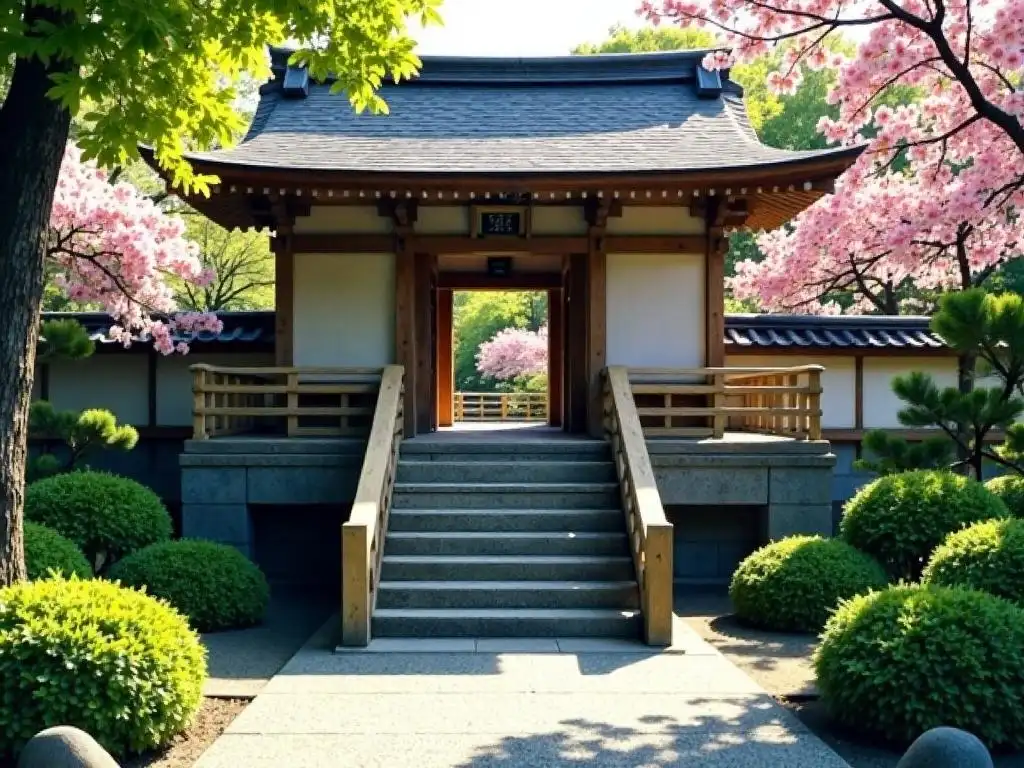
Welcome to Feudal Japan History, where we embark on a fascinating journey through Japan's captivating feudal era. Here, we delve into the intricate tapestry of historical, cultural, and societal dynamics that shaped this remarkable period. In our featured article, "Zen and the Art of Rule: The Influence of Buddhism on Muromachi Governance," we uncover the profound impact of Buddhist philosophy on political leadership and governance during the Muromachi period.
What role did spiritual beliefs play in shaping the power structures of the time? Join us as we explore these compelling intersections of faith and authority, sparking your curiosity to discover more about the rich history that defines Feudal Japan.
- Introduction to Buddhism Influence on Muromachi Governance
- Historical Context of Buddhism in Japan
- The Muromachi Shogunate: A Brief Overview
- Buddhism's Influence on Muromachi Governance
- Key Figures in Muromachi Governance and Buddhism
- Social and Cultural Ramifications of Buddhism's Influence
- Challenges to Buddhist Influence in Governance
- Conclusion: The Legacy of Buddhism on Muromachi Governance
- Further Reading on Buddhism and Governance in Feudal Japan
-
Frequently Asked Questions
- What was the significance of Buddhism during the Muromachi period?
- How did Zen Buddhism impact the governing structure of the Muromachi shogunate?
- What were the main Buddhist sects present during the Muromachi era?
- How did Buddhist art and philosophy reflect the governance of the time?
- In what ways did the influence of Buddhism lead to changes in societal norms?
- Final Reflection: The Enduring Influence of Buddhism on Governance
- Unveil the Harmony of Governance and Mindfulness!
Introduction to Buddhism Influence on Muromachi Governance
The Muromachi Period (1336-1573) was a transformative era in Japanese history, marked by the emergence of the Ashikaga shogunate and the profound influence of Zen Buddhism on governance and societal structure. This period was characterized by a unique blend of political authority and spiritual guidance, where Buddhist principles shaped not only the personal lives of leaders but also the very fabric of governance.
Understanding the Buddhism influence on Muromachi governance allows us to delve into the intricate relationship between religion and politics during this pivotal time, shedding light on how Zen teachings permeated decision-making processes and influenced the ruling class's approach to leadership and administration.
Overview of the Muromachi Period
The Muromachi Period is often viewed as a time of both cultural flourishing and political instability. Following the Kamakura Period, this era witnessed the rise of the Ashikaga shogunate, which established its base in the Muromachi district of Kyoto. The period is notable for its distinctive developments in art, literature, and philosophy, heavily influenced by Zen Buddhism.
During the Muromachi Period, the political landscape was marked by:
- Fragmentation of Power: The decline of central authority led to the rise of regional daimyōs, each vying for control over territories.
- Cultural Exchange: The interaction between different Buddhist schools and the samurai class led to a rich cultural exchange, shaping the era's artistic and philosophical outputs.
- Zen Buddhism's Ascendancy: Zen became the preferred sect among the samurai, influencing their values and governance styles.
This multifaceted period set the stage for significant shifts in political thought and practice, directly tying governance to the spiritual ideologies of the time.
Significance of Governance in Feudal Japan
Governance in feudal Japan was not merely a matter of political control; it was deeply intertwined with ethical and spiritual considerations. The unique governance structure during the Muromachi Period can be understood through several lenses:
- Feudal Hierarchy: Power was distributed among various layers of lordship, creating a complex network of obligations and loyalties.
- Zen Influence on Leadership: The principles of Zen Buddhism, such as simplicity, mindfulness, and the pursuit of enlightenment, were adopted by leaders to govern effectively and maintain social harmony.
- Conflict and Resolution: The era was rife with power struggles, making effective governance essential for maintaining order and peace in the face of competing interests.
The interplay between political authority and spiritual guidance provided a framework for rulers to navigate the tumultuous waters of feudal Japan, showcasing the importance of governance not only as a means of control but as a reflection of broader societal values.
Purpose and Scope of the Article
This article aims to explore the nuanced relationship between Buddhism and governance during the Muromachi Period. By examining how Buddhist ideals influenced political practices, we seek to uncover the ways in which spirituality and leadership were interwoven in this historical context.
We will delve into:
- The role of Zen Buddhism in shaping the ethical frameworks of rulers.
- Case studies of notable leaders who embodied these principles.
- The implications of Buddhist teachings on governance and their lasting impact on Japanese political thought.
Through this exploration, readers will gain a comprehensive understanding of how Buddhism not only influenced individual leaders but also molded the governance systems of the Muromachi era, ultimately contributing to the evolution of political history in Japan.
Historical Context of Buddhism in Japan

Arrival and Development of Buddhism in Japan
Buddhism first arrived in Japan during the mid-6th century, primarily introduced through Korea. The pivotal moment came when the Korean kingdom of Baekje sent a delegation to the Japanese court, bringing with them Buddhist texts, images, and the first Buddhist monks. The initial reception of Buddhism was mixed, as Shintoism, the indigenous belief system, was deeply entrenched in Japanese culture. However, the political elite recognized the potential of Buddhism as a means to enhance governance and unify the realm.
By the Nara period (710-794), Buddhism had begun to flourish, supported by the imperial family and noble classes. The establishment of powerful temples, such as Todai-ji, served not only as religious centers but also as political entities that wielded significant influence over governance. This growing integration of Buddhism into political life laid the foundation for its role during the Muromachi period (1336-1573), where it would further intertwine with the fabric of governance.
Key Buddhist Schools and Their Philosophy
During the Muromachi period, several Buddhist schools played a crucial role in shaping political thought and governance. The two most influential schools were Zen and Pure Land Buddhism.
- Zen Buddhism: Emphasizing meditation (zazen) and personal enlightenment, Zen Buddhism became particularly popular among samurai and the ruling class. Its teachings promoted self-discipline, simplicity, and a direct experience of reality, which resonated with the martial ethos of the samurai. Notable figures such as Dōgen and Myozen contributed to the development of Zen philosophy, which encouraged rulers to embody these principles in governance, fostering a sense of calmness and decisiveness.
- Pure Land Buddhism: In contrast, Pure Land Buddhism focused on devotion and faith in the Amida Buddha, promising salvation through sincere chanting of his name. This school appealed to the broader populace, including the lower classes, offering hope and a sense of community during times of strife. The teachings of Honen and Shinran emphasized compassion and the importance of social welfare, which influenced policies aimed at improving the lives of ordinary citizens.
The interplay between these schools and governance during the Muromachi period was profound, as they provided both philosophical frameworks and practical guidelines that shaped political decisions and societal norms.
Relationship Between Buddhism and Japanese Culture
The relationship between Buddhism and Japanese culture during the Muromachi period was symbiotic, with each influencing the other in significant ways. Buddhism not only provided spiritual guidance but also permeated various aspects of daily life, art, and governance.
- Cultural Practices: Rituals, festivals, and ceremonies derived from Buddhist traditions became integral to Japanese culture. The practice of tea ceremonies, for instance, drew heavily from Zen principles, promoting mindfulness and aesthetic appreciation. This cultural exchange enriched the arts, leading to the development of distinctive Japanese styles in painting, poetry, and architecture.
- Social Structure: The hierarchical nature of Buddhist institutions mirrored and reinforced the social structures of feudal Japan. Temples often became centers of power, influencing local politics and governance. The shōen system, where temples were granted land, exemplifies how Buddhism and governance were intertwined, as powerful monasteries amassed wealth and influence, sometimes rivaling that of the nobility.
- Philosophical Influence: Buddhist philosophy emphasized concepts such as impermanence and interdependence, which resonated with the political realities of the Muromachi period, characterized by constant warfare and shifting alliances. Rulers often invoked Buddhist teachings to justify their governance, promoting a narrative of benevolence and moral authority that was essential for maintaining control over their domains.
The influence of Buddhism on Muromachi governance was profound and multifaceted, shaping not only the political landscape but also the cultural identity of Japan during this pivotal era.
The Muromachi Shogunate: A Brief Overview
The Muromachi Shogunate, which lasted from 1336 to 1573, represents a pivotal era in Japanese history marked by the interplay of feudal governance and cultural evolution. Established by Ashikaga Takauji, this shogunate succeeded the Kamakura Shogunate and introduced significant changes in the political landscape of Japan. The Muromachi period is renowned for its complex political structures, the rise of regional power dynamics, and the profound influence of Buddhism, particularly Zen Buddhism, on governance and societal norms.
Establishment of the Muromachi Shogunate
The establishment of the Muromachi Shogunate was a response to the political turmoil and instability that followed the end of the Kamakura Shogunate. In 1336, Ashikaga Takauji, a former ally of the Kamakura, turned against them, leading to the Genko War. This conflict culminated in the fall of the Kamakura and the establishment of the Ashikaga Shogunate with its base in the Muromachi district of Kyoto.
- Key Events Leading to Establishment:
- Genko War (1331-1336): A critical conflict between the Ashikaga and the Kamakura forces.
- Support from the Imperial Court: Takauji initially received support from the Ashikaga clan, which helped legitimize his rule.
- Cultural Renaissance: This period also saw the flourishing of arts, particularly influenced by Zen principles, which permeated governance and societal behavior.
The Muromachi Shogunate was characterized by its decentralized political structure, where local daimyos often wielded more power than the shogunate itself, leading to a unique form of feudal governance.
Political Structure and Leadership
The political structure of the Muromachi Shogunate was markedly different from its predecessor. It was a blend of military and civil governance, with the shogunate at the top, followed by regional lords (daimyos) who maintained control over their territories.
- Key Features of the Political Structure:
- Shogunate Authority: The shogun held nominal power, overseeing military and administrative functions.
- Daimyo Autonomy: Regional daimyos exercised considerable independence, often forming alliances or engaging in conflicts with one another.
- Council of Elders (Shikken): This council played a crucial role in governance, advising the shogun and mediating between competing interests.
- Leadership Dynamics:
- The leadership of the Ashikaga clan was often marked by internal conflicts, with multiple leaders vying for power, leading to a weakening of centralized authority.
- Notably, the shogunate's reliance on Zen Buddhist principles influenced its approach to governance, emphasizing discipline, simplicity, and a meritocratic system.
Role of the Ashikaga Clan
The Ashikaga clan was central to the governance and cultural development during the Muromachi period. Their influence extended beyond military might, as they played a crucial role in shaping the ideological framework of the era.
- Cultural Patronage and Zen Influence:
- The Ashikaga clan was a major patron of the arts, promoting Zen Buddhism, which profoundly affected the political and cultural landscape. The zenith of this influence is observed in the tea ceremony, ink painting, and Noh theater.
- Zen teachings emphasized self-discipline and governance as an art form, which resonated deeply with the samurai class and shaped their code of conduct.
- Political Alliances and Conflicts:
- The clan's political strategy often involved forming alliances with other powerful families, leveraging marriage and diplomacy to solidify their power.
- However, internal strife within the clan led to fragmentation, resulting in the rise of powerful daimyos who challenged Ashikaga authority, ultimately leading to the shogunate's decline.
The Ashikaga clan's role in the Muromachi Shogunate was not only as rulers but also as cultural leaders, intertwining Buddhism's influence on governance and societal practices. The blend of political authority and cultural patronage established a unique governance model that defined the Muromachi period.
Buddhism's Influence on Muromachi Governance

The Muromachi period (1336-1573) in Japan was marked by significant political, cultural, and social transformations, with Buddhism playing a crucial role in shaping governance. The influence of Buddhism during this era extended beyond spiritual domains, permeating political ideologies, leadership ideals, and legal systems. This section delves into how Buddhist principles molded the governance of the Muromachi shogunate, highlighting its far-reaching implications on the political landscape of the time.
Integration of Buddhist Principles in Political Thought
Buddhism introduced a set of ethical and moral frameworks that significantly impacted the political thought of the Muromachi period. The ruling class, including shoguns and samurai, began to integrate Buddhist concepts into their governance strategies.
- Buddhism as a Source of Authority: Rulers often aligned themselves with Buddhist teachings to legitimize their authority. By portraying themselves as protectors of the faith, leaders could enhance their political standing. This alignment was evident in the patronage of Buddhist temples, which served as centers of learning and influence.
- Emphasis on Compassion and Wisdom: Buddhist principles emphasized compassion (karuna) and wisdom (prajna), which influenced the decision-making processes of rulers. The application of these ideals led to governance that considered the welfare of common people, fostering a more benevolent rule compared to prior periods.
- The Role of Zen Buddhism: Zen Buddhism, in particular, became intertwined with the samurai ethos. The concepts of discipline, mindfulness, and self-control resonated deeply with the samurai class, reinforcing their commitment to loyalty and service. This fusion of Zen teachings with governance laid the groundwork for a unique political culture where spiritual and temporal authority coexisted harmoniously.
Buddhist Ideals of Leadership and Governance
The Muromachi period saw the emergence of specific ideals regarding leadership rooted in Buddhist philosophy. These ideals shaped the conduct and expectations of rulers during this transformative era.
- The Bodhisattva Ideal: Inspired by the bodhisattva concept, which emphasizes selfless service to others, leaders sought to embody these qualities in their governance. This ideal encouraged rulers to prioritize the needs of their subjects, fostering loyalty and stability within their domains.
- Moral Integrity: The Buddhist emphasis on moral integrity and ethical behavior became a cornerstone for leadership. Rulers were expected to model virtuous behavior, cultivating a sense of trust and respect among their followers. This expectation led to a gradual shift in governance, where the character of leadership became as important as military prowess.
- Consensus and Harmony: Influenced by Buddhist teachings on community and interconnectedness, governance during the Muromachi period often sought consensus among various factions. This approach aimed to minimize conflict and promote harmony, reflecting the Buddhist ideal of peaceful coexistence.
Impact on Law and Justice Systems
The integration of Buddhist principles into governance also significantly transformed the law and justice systems of the Muromachi period.
- Restorative Justice: Buddhist philosophies advocated for restorative justice rather than punitive measures. This approach encouraged conflict resolution through dialogue and reconciliation, focusing on restoring relationships rather than merely punishing offenders. Courts began to incorporate these principles, leading to a more humane legal system.
- Judicial Authority of Monastic Institutions: Many Buddhist temples and monasteries acquired judicial powers during the Muromachi period. Monastic leaders often acted as mediators in disputes, leveraging their spiritual authority to enforce moral guidelines within communities. This integration helped establish a dual system of governance, balancing secular and religious judicial practices.
- Legal Codes Influenced by Buddhist Ethics: The development of legal codes during this time reflected Buddhist ethical frameworks. Laws began to emphasize compassion and fairness, aligning legal practices with the moral teachings of Buddhism. This shift not only affected the treatment of individuals within the legal system but also contributed to broader societal norms and values.
The influence of Buddhism on Muromachi governance was profound, shaping political thought, leadership ideals, and legal frameworks. The period stands as a testament to the transformative power of spiritual beliefs in the realm of governance, illustrating how Buddhism helped mold a distinct political identity during a pivotal era in Japanese history.
Key Figures in Muromachi Governance and Buddhism

The Muromachi period (1336-1573) was characterized by a unique intertwining of political power and Buddhist influence. Key figures during this era not only shaped the governance structures but also significantly contributed to the spread and integration of Buddhist ideologies within the political framework. Understanding these figures provides valuable insights into how Buddhism influenced Muromachi governance.
Ashikaga Takauji: A Case Study of Political and Religious Synergy
Ashikaga Takauji, the founder of the Ashikaga shogunate, stands as a pivotal figure in the Muromachi period. His ascent to power marked a significant shift in the political landscape of Japan. Initially serving the Kamakura shogunate, Takauji's discontent led him to rebel, ultimately establishing his rule in Kyoto.
- Political Maneuvering: Takauji's strategies included forming alliances with various clans and leveraging the support of Buddhist institutions. His relationship with the Rinzai sect of Zen Buddhism played a crucial role in consolidating his power. The Rinzai monks provided not only spiritual guidance but also political backing, facilitating Takauji's legitimacy as shogun.
- Religious Patronage: Takauji's patronage of Zen temples, such as Nanzen-ji, illustrated the mutual benefits of this alliance. By supporting these institutions, he secured loyalty from influential Buddhist leaders while simultaneously promoting Zen practices that aligned with his governance style. This created a synergy between religious and political authority, where Buddhist principles informed the shogunate's policies.
- Cultural Impact: The governance model adopted by Takauji was deeply influenced by Zen philosophies, emphasizing discipline, simplicity, and direct engagement with governance. This cultural inclination towards Zen was not merely aesthetic; it permeated the administrative practices and moral frameworks of the time, impacting decisions at all levels of governance.
Influential Buddhist Monks and Their Political Roles
Buddhist monks during the Muromachi period were not just spiritual leaders; they played significant roles in the political sphere. Several key figures exemplify this integration of religion and governance:
- Kōin Shōnin: A prominent Zen monk, Kōin Shōnin was instrumental in advising Ashikaga Takauji. His deep understanding of Zen teachings provided a moral compass that influenced Takauji's decisions. Kōin's role went beyond spiritual guidance; he actively participated in the shogunate’s political affairs, mediating conflicts and fostering diplomatic relations with rival clans.
- Gido Shūshin: Another influential monk, Gido Shūshin, served as a counselor to the Ashikaga shogunate. His teachings emphasized the importance of governance aligned with Buddhist principles, advocating for ethical leadership. Gido's philosophical contributions helped shape the political discourse of the time, urging leaders to consider the welfare of their subjects as an extension of Buddhist compassion.
- The Role of Temples: Temples, particularly those aligned with Zen Buddhism, became centers of political activity. They provided spaces for dialogue between rulers and subjects, where governance issues could be discussed from a Buddhist perspective. This integration of temples into the political landscape facilitated a unique platform for influence, often resulting in the establishment of policies that reflected Buddhist ethics.
The Role of Zen Buddhism in Shaping Governance
Zen Buddhism emerged as a significant force during the Muromachi period, profoundly influencing governance practices and political ideology. Its emphasis on meditation, discipline, and direct experience resonated with the political climate of the time.
- Administrative Practices: The principles of Zen were reflected in administrative strategies. Governance became less about rigid hierarchies and more about fostering a sense of community and shared responsibility. Zen's influence encouraged leaders to adopt a more introspective approach, prioritizing the moral implications of their decisions.
- Crisis Management: Zen teachings provided frameworks for dealing with crises, emphasizing the importance of calmness and clarity in decision-making. This approach proved beneficial during periods of instability, allowing leaders to navigate tumultuous times with a balanced perspective.
- Cultural Legacy: The integration of Zen Buddhism into governance left a lasting cultural legacy in Japan. It shaped not only political practices but also the broader societal values of the time, promoting ideas of harmony, respect, and ethical leadership that continued to influence subsequent generations.
The confluence of Buddhism and governance during the Muromachi period underscores a complex relationship where spiritual beliefs informed political action, creating a distinctive governance model that resonated throughout Japanese history.
Buddhism's Impact on Society and Class Structure
The influence of Buddhism on the socio-political landscape of the Muromachi Period (1336-1573) was profound, shaping not only governance but also the very fabric of society. As Buddhism gained traction, it began to affect class structures, providing a common spiritual framework that transcended the rigid hierarchies of the time.
- Integration of Buddhist Ideals:
- The concept of meritocracy began to permeate the societal structure, encouraging individuals from lower classes to ascend based on spiritual achievement rather than birthright. This was particularly evident in the rise of the warrior class (samurai), who often sought spiritual guidance from Buddhist teachings to justify their role in society.
- The Zen school of Buddhism, in particular, emphasized discipline and self-cultivation, which resonated with the samurai ethos. This led to a societal shift where spiritual merit began to influence one's status and respect within the community.
- Influence on Social Mobility:
- Monasteries became centers of learning and culture, allowing individuals from various backgrounds to acquire knowledge and skills. This provided avenues for social mobility that were previously unavailable.
- The establishment of temple-run schools contributed to this phenomenon, where teachings on governance, ethics, and administration were imparted to a broader audience, including the lower classes.
- Community Cohesion and Conflict Resolution:
- Buddhist teachings promoted compassion and community welfare, which played a crucial role in conflict resolution among feudal lords and their vassals. Monasteries often served as neutral grounds where disputes could be mediated, fostering a sense of unity among disparate factions.
- The practice of dharma talks (teachings) by monks further reinforced social bonds and encouraged communal participation in governance, bridging gaps between different social classes.
Artistic and Cultural Developments Inspired by Buddhism
The Muromachi Period witnessed a flourishing of artistic and cultural expressions heavily influenced by Buddhism. This artistic blossoming not only enriched the cultural landscape but also served as a means of reinforcing Buddhist ideologies within governance.
- Zen Aesthetics in Art and Architecture:
- The principles of simplicity and natural beauty inherent in Zen Buddhism found expression in various art forms. Notable developments included ink painting (sumi-e), which emphasized the beauty of nature and the transience of life, reflecting Buddhist teachings on impermanence.
- Architectural styles, such as the shoin-zukuri, emerged during this period, characterized by minimalist design and the integration of nature, resonating with Zen ideals. These structures often served as spaces for contemplation and governance, merging aesthetic beauty with functional purpose.
- Literature and Poetry:
- The influence of Buddhism permeated literature, with the emergence of poetic forms such as haiku and renga that often explored themes of nature, meditation, and spirituality. This literary movement not only provided insight into the Buddhist worldview but also served as a medium for political commentary.
- Prominent figures, such as Miyamoto Musashi, incorporated Buddhist philosophy into their writings, blending martial prowess with spiritual insight, thereby influencing both cultural and governance practices.
- Theater and Performance Arts:
- Buddhist themes also permeated the performing arts, particularly in Noh theater, where narratives often depicted moral dilemmas and spiritual journeys. These performances served as a form of moral instruction, subtly reinforcing the ethical frameworks that underpinned governance during the Muromachi Period.
- Festivals and rituals associated with Buddhism became communal events, fostering a sense of belonging and shared values among the populace, further intertwining governance with cultural expression.
The Role of Temples and Monasteries in Governance
Temples and monasteries during the Muromachi Period were not merely religious institutions; they played a pivotal role in governance and the political landscape of Japan. Their influence extended beyond spiritual guidance, encompassing various aspects of administration and community organization.
- Centers of Power and Influence:
- Major temples, such as Daitoku-ji and Kinkaku-ji, became centers of political power, often aligning with powerful clans to exert influence over local governance. These institutions provided not only spiritual but also logistical support to feudal lords.
- Monastic warriors, known as sohei, emerged as significant political players, sometimes acting as enforcers of a temple's interests, thereby intertwining martial power with spiritual authority.
- Advisory Roles in Governance:
- Buddhist monks frequently served as advisors to feudal lords, offering counsel on moral and ethical matters, which were crucial for maintaining the legitimacy of rule. Their insights helped shape policies and governance structures aligned with Buddhist principles.
- The integration of Buddhist law into secular governance fostered a symbiotic relationship between religious and political authorities, with temples acting as mediators in conflicts and arbiters in disputes.
- Educational Institutions:
- Temples often functioned as schools, providing education to both monks and laypeople, which contributed to a more informed citizenry. This educational role was essential in fostering loyalty and stability within the feudal system.
- The dissemination of Buddhist texts and philosophies through temple networks helped to cultivate a shared cultural identity, which in turn supported the political structures of the time.
The multifaceted influence of Buddhism on Muromachi governance played a vital role in shaping the social, cultural, and political landscapes of Japan during this era. The integration of Buddhist principles into governance not only fostered ethical leadership but also facilitated social cohesion and cultural flourishing.
Challenges to Buddhist Influence in Governance

Buddhism played a significant role in shaping the governance of the Muromachi period (1336-1573), but it also faced numerous challenges that impacted its influence on political structures and authority. Understanding these challenges is crucial to comprehending the complexities of governance during this transformative era in Japan's history.
Conflicts Between Buddhist and Samurai Ideals
The Muromachi period was marked by the rise of the samurai class, which brought with it a distinct set of values and ideals that sometimes conflicted with those of Buddhism. The samurai were primarily focused on martial prowess, loyalty, and honor, often glorifying warfare as a means to achieve personal and clan objectives. This warrior ethos often ran counter to the Buddhist principles of compassion, non-violence, and detachment from worldly desires.
- Bushido and Samurai Ethics: The code of conduct known as Bushido emphasized loyalty to one’s lord and valor in battle. This focus on martial excellence often clashed with the monastic ideals of Buddhism, which preached peace and introspection. Samurai who adhered strictly to Bushido might view Buddhist monks as passive or even cowardly, undermining the latter's political influence.
- Power Struggles: As samurai clans vied for power, they sometimes sought the support of Buddhist institutions to legitimize their rule. However, this relationship was fraught with tension. For instance, some samurai leaders would impose their will on Buddhist temples, leading to conflicts that diminished the authority of Buddhist leaders.
In essence, the conflict between the samurai’s martial values and Buddhist teachings created a rift that challenged the latter's influence in governance. The warrior class's prioritization of loyalty and strength eroded the foundations of Buddhist authority, illustrating the complexities of their interaction during the Muromachi period.
As the Muromachi period progressed, the authority of Buddhist institutions began to wane, particularly during its later stages. Several interrelated factors contributed to this decline, reshaping the political landscape of Japan.
- Rise of Secular Powers: The emergence of powerful daimyos (feudal lords) who operated independently of Buddhist authority marked a significant shift. These lords often established their own governance systems and sought to consolidate power without reliance on religious institutions. The influence of Buddhism in political matters diminished as secular governance gained prominence.
- Internal Strife Among Buddhist Sects: The Muromachi period also witnessed significant fragmentation within Buddhist sects. Disputes and rivalries between different schools of Buddhism weakened their collective influence. This internal discord made it difficult for Buddhist leaders to present a united front, further diminishing their political clout.
- Economic Shifts: Economic changes during the late Muromachi period, including the rise of trade and urbanization, led to the growth of a merchant class that did not necessarily align with Buddhist values. As commerce flourished, secular interests took precedence over religious ones, leading to a decline in support for Buddhist institutions.
Overall, these dynamics contributed to the gradual erosion of Buddhist authority during the late Muromachi period, signaling a shift toward more secular forms of governance that would characterize the subsequent periods in Japanese history.
The Shift Toward Secular Governance
The eventual decline of Buddhist influence in governance during the Muromachi period paved the way for a notable shift toward secular governance. This transition fundamentally altered the political landscape and laid the groundwork for future developments in Japanese history.
- Emergence of New Political Structures: With the decline of Buddhist authority, new political structures began to emerge. Daimyos not only assumed greater control over their territories but also created administrative systems that prioritized military and economic considerations over religious guidance. This shift marked a departure from the previously intertwined relationship between Buddhism and governance.
- Increased Autonomy of Samurai: As samurai gained more autonomy and solidified their roles as political leaders, their governance strategies increasingly reflected their values rather than religious doctrines. This led to a more pragmatic approach to rule, focusing on territorial expansion, resource management, and military strategy.
- Cultural and Social Changes: The shift toward secular governance also influenced cultural and social dynamics in Muromachi Japan. While Buddhism remained a significant cultural force, the focus on secular governance facilitated the rise of new philosophies and practices, including Confucianism and Shintoism, which began to play a more prominent role in the social fabric of Japan.
The transition to secular governance during the Muromachi period was marked by the decline of Buddhist influence and the rise of new political ideologies that shaped Japan's trajectory in the ensuing years. This shift reflected broader changes in societal values and power dynamics, illustrating the complex interplay between religion and governance in feudal Japan.
Conclusion: The Legacy of Buddhism on Muromachi Governance
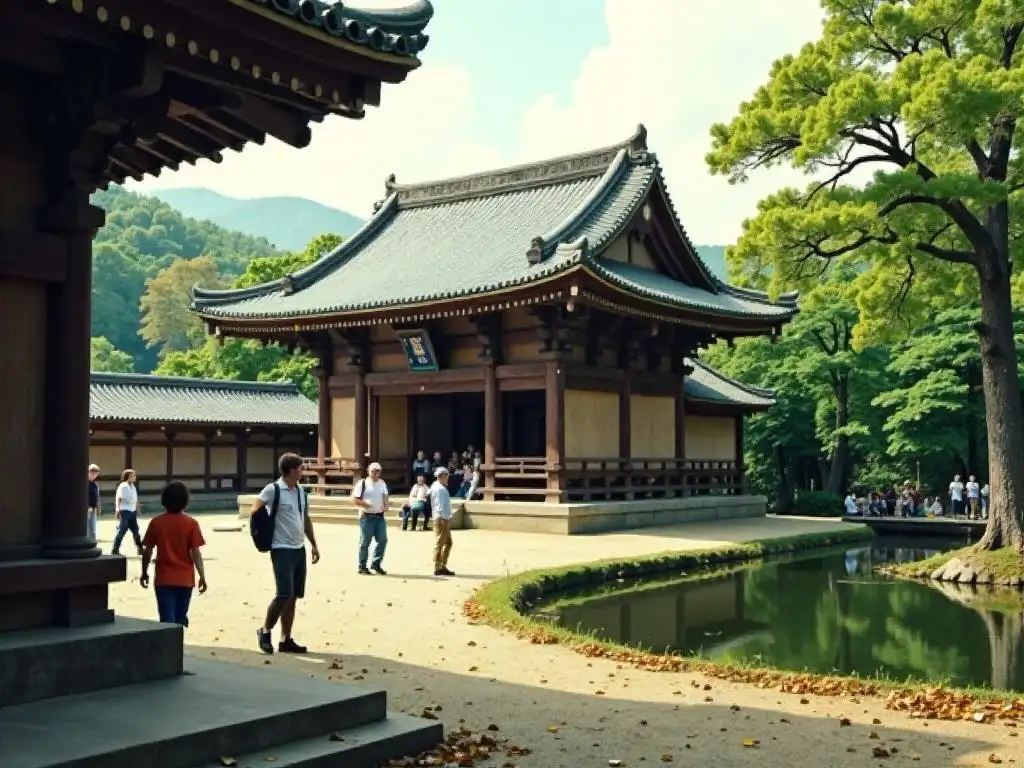
The Muromachi period, spanning from 1336 to 1573, marked a significant era in Japan's history, characterized by the unique interplay between governance and spirituality. Buddhism, particularly Zen Buddhism, played a crucial role in shaping the political landscape of this time. This influence extended beyond mere religious practice; it permeated political philosophy, ethical governance, and the very fabric of society. Here, we explore the lasting effects of Buddhism on Muromachi governance and reflect on the intricate relationship between governance and spirituality during this transformative period.
Lasting Effects on Japanese Political History
The integration of Buddhism into the governance of the Muromachi shogunate had profound and enduring implications for Japanese political history. Notably, the following aspects highlight this influence:
- Zen Buddhism and Leadership:
- Zen philosophy emphasized self-discipline, mindfulness, and a deep connection to nature, which resonated with the ideals of effective leadership. Shoguns and samurai were encouraged to cultivate these values, thus promoting a government that valued introspection and ethical decision-making.
- Buddhism as a Tool for Legitimacy:
- Leaders often utilized Buddhist teachings to legitimize their rule. By aligning themselves with the spiritual authority of Zen masters, shoguns could strengthen their political power and establish a divine right to govern. This practice created a symbiotic relationship between religious leaders and political rulers.
- Cultural Flourishing:
- The patronage of Buddhist temples and arts led to a cultural renaissance during the Muromachi period. This included advancements in gardens, tea ceremonies, and Noh theater, all of which were influenced by Zen aesthetics. These cultural developments fostered a sense of national identity and continuity, which impacted governance.
- Conflict Resolution:
- Buddhist principles of compassion and harmony were often invoked in conflict resolution strategies among clans. This approach to governance promoted diplomacy and reduced warfare, allowing for a more stable political environment.
Reflections on Governance and Spirituality
The relationship between governance and spirituality during the Muromachi period raises thought-provoking reflections on the nature of leadership. The interplay between these realms can be summarized as follows:
- Ethical Governance:
- The teachings of Buddhism encouraged leaders to govern with compassion and justice. This ethical framework provided a moral compass that guided political decisions and shaped the behavior of samurai and bureaucrats alike.
- Spiritual Practices in Leadership:
- Many rulers engaged in Zen practices, such as meditation, which not only fostered personal growth but also influenced their administrative styles. This spiritual dimension promoted a calmer, more reflective approach to governance, contrasting with the often tumultuous nature of feudal power struggles.
- A Holistic View of Society:
- Buddhism inspired a holistic view of governance, emphasizing the interconnectedness of all societal aspects. This perspective encouraged policies that were mindful of the welfare of the populace, leading to a more balanced and harmonious society.
The influence of Buddhism on Muromachi governance is a testament to the profound impact that spiritual beliefs can have on political structures. As we reflect on this era, it becomes clear that the integration of Buddhist principles not only shaped the governance of the time but also laid the groundwork for future political thought in Japan. The legacy of this period continues to resonate, reminding us of the enduring connection between the spiritual and the political in shaping human history.
Further Reading on Buddhism and Governance in Feudal Japan
Suggested Books and Articles
For those interested in delving deeper into the Buddhism influence on Muromachi governance, there are several key texts that provide valuable insights and comprehensive analyses of the intricate relationship between Buddhist practices and political structures during this period. Below is a curated list of suggested readings:
-
"Zen and the Art of Japanese Culture" by Michael K. McCarthy
This book explores the pervasive influence of Zen Buddhism across various facets of Japanese culture, including governance. McCarthy highlights how Zen principles were integrated into the political ideologies of the Muromachi era.
-
"The Muromachi Period: A Historical Overview" by John W. Hall
A thorough examination of the Muromachi period, this work discusses the socio-political context that allowed Buddhism to flourish and impact governance. Hall’s historical narrative is enriched with various examples of Buddhist leaders and their political maneuvers.
-
"Buddhism and Politics in Japan" by Richard K. Beardsley
Beardsley analyzes the complex interplay between Buddhist institutions and political authority throughout Japanese history, with a particular focus on the Muromachi period. This book offers critical insights into how religious authority influenced governance.
-
"Governance and Religion in Japan: Historical Perspectives" by Naomi K. Matsuura
This article provides a comprehensive overview of how different religious practices, especially Buddhism, shaped governance strategies during the Muromachi period, elucidating the spiritual underpinnings of political decision-making.
-
"Zen Buddhism and the Samurai" by Steven M. G. Woodward
This text explores how Zen Buddhism influenced the samurai class, which played a significant role in governance during the Muromachi era. Woodward discusses specific samurai leaders who exemplified the synthesis of Zen principles and political authority.
Academic Journals and Research Papers on the Topic
For a more scholarly exploration of the Buddhism influence on Muromachi governance, refer to the following academic journals and research papers that provide critical analyses and original research findings:
-
"Buddhism and Political Power in Muromachi Japan: A Study of the Shōnin and the Shōgun"
This research paper investigates the relationship between Buddhist priests and political leaders during the Muromachi period. It discusses how Buddhist teachings were leveraged to justify political actions and decisions.
-
"The Role of Zen Buddhism in the Governance of the Ashikaga Shogunate"
Published in the Journal of Asian Studies, this article examines how Zen Buddhism influenced the governance style of the Ashikaga shoguns. The author presents case studies demonstrating the integration of Zen practices into administrative policies.
-
"Religious Authority and Political Legitimacy in Muromachi Japan"
This paper analyzes the role of Buddhist institutions in legitimizing political power. It discusses how various sects contributed to the social fabric of governance during the Muromachi era.
-
"Feudal Japan: The Intersection of Buddhism and Governance"
Appearing in the Journal of Japanese History, this article provides a detailed examination of the ways in which Buddhist philosophy and practice shaped the political landscape of feudal Japan, particularly during the Muromachi period.
-
"Zen and the Samurai: Governance Practices in the Muromachi Period"
This academic journal article delves into the specific governance practices adopted by samurai leaders who were influenced by Zen Buddhism, offering a nuanced understanding of the cultural dynamics at play.
These resources serve as an excellent foundation for understanding the profound impact of Buddhism on the governance structures during the Muromachi period, enriching our comprehension of this complex historical interplay.
Frequently Asked Questions
What was the significance of Buddhism during the Muromachi period?
Buddhism played a crucial role in shaping political ideologies and cultural practices during the Muromachi period, influencing both governance and social norms.
How did Zen Buddhism impact the governing structure of the Muromachi shogunate?
Zen Buddhism introduced principles of discipline and self-control, which were integrated into the governing structure, emphasizing meritocracy and spiritual leadership.
What were the main Buddhist sects present during the Muromachi era?
Key Buddhist sects included Rinzai and Soto Zen, both of which significantly influenced art, culture, and political thought in Muromachi governance.
How did Buddhist art and philosophy reflect the governance of the time?
Buddhist art and philosophy during the Muromachi period often depicted themes of harmony and balance, mirroring the governing ideals of the shogunate.
In what ways did the influence of Buddhism lead to changes in societal norms?
The influence of Buddhism encouraged a shift towards compassion and community welfare, reshaping societal norms and promoting social stability under Muromachi governance.
Final Reflection: The Enduring Influence of Buddhism on Governance
The profound connection between Buddhism and Muromachi governance underscores the timeless relevance of spiritual principles in shaping political landscapes. Today, as we navigate complex societal challenges, the lessons drawn from this historical interplay remind us that governance is not merely a matter of power but also of ethical stewardship and compassion. The influence of Buddhism on Muromachi rule serves as a striking reminder that the values we uphold can significantly impact the fabric of society.
Culture and governance are inextricably linked, and the Buddhist principles that permeated Muromachi leadership continue to resonate in contemporary discussions about ethical governance and social responsibility. The emphasis on mindfulness, compassion, and balance in decision-making reflects a growing recognition of the need for leaders to embody these virtues. As the philosopher D.T. Suzuki once said, Zen is not some kind of excitement, but concentration on our usual everyday routine.
This perspective encourages us to consider how our daily actions and decisions can reflect a deeper commitment to the common good, much like the rulers of the Muromachi period.
As we reflect on the lessons of Buddhism's influence on Muromachi governance, I invite you to consider how these principles can be applied in your own life and community. What does it mean to lead with compassion and mindfulness in today's world? By embracing these values, we can foster a more harmonious society, where governance is not just about authority but about nurturing the well-being of all. Let us carry forward the wisdom of the past, allowing it to guide our actions and decisions as we strive to create a better future for ourselves and those around us.
Unveil the Harmony of Governance and Mindfulness!
Thank you for exploring the profound connections between Buddhism and the governance of the Muromachi period. Your interest in this unique blend of spirituality and leadership not only enriches your understanding but also empowers you to embody these principles in your own life. Now is the time to take that knowledge further!
Here are some actionable steps to deepen your engagement with this captivating topic:
- Embrace Mindfulness: Start a daily mindfulness practice inspired by Zen principles—just 10 minutes of meditation can transform your perspective and enhance your decision-making.
- Engage with the Community: Join online forums or social media groups that focus on Buddhism and historical governance. Share your insights and learn from others!
- Read and Reflect: Explore literature on Zen philosophy or the political history of Japan. Consider writing a blog post or journal entry about your reflections.
How can you integrate the principles of Zen governance into your daily life and decision-making processes?