
Conflict and Compromise: The Political Landscape of the Muromachi Period

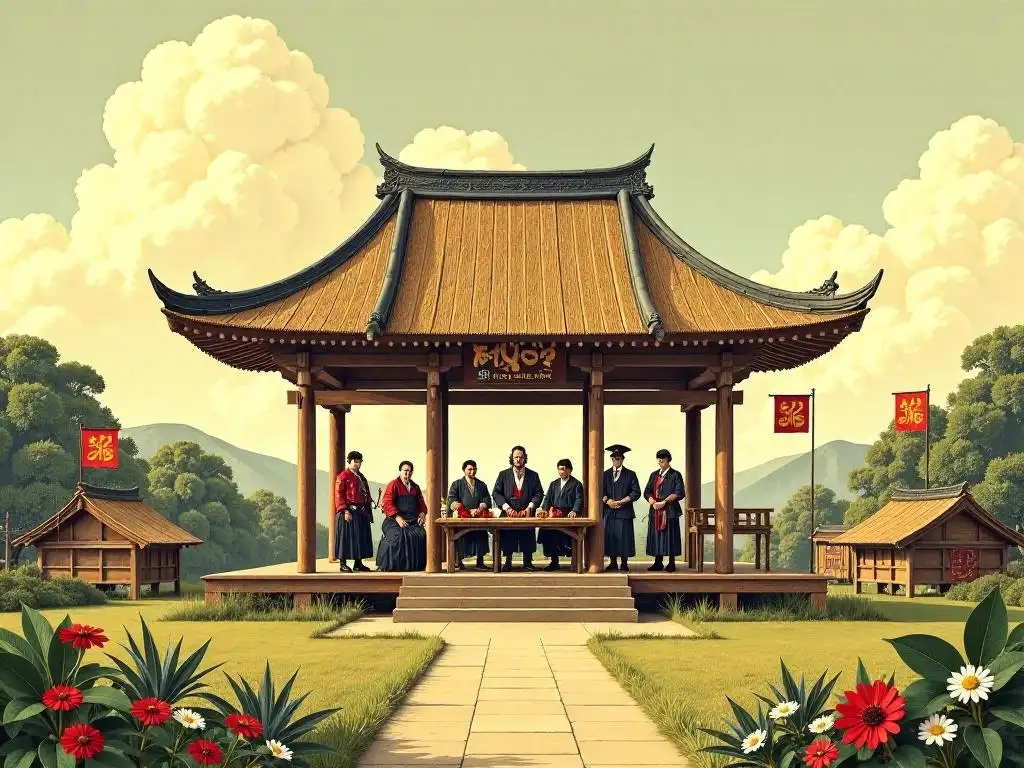
Welcome to Feudal Japan History, where we embark on a captivating journey through the rich tapestry of Japan's feudal era. In our featured article, "Conflict and Compromise: The Political Landscape of the Muromachi Period," we delve deep into the intricate dynamics that shaped this fascinating epoch. What were the power struggles and alliances that defined the Muromachi period? Join us as we unravel the complexities of this tumultuous time, igniting your curiosity and inviting you to explore the political intricacies that influenced an entire nation. Dive in and discover the stories behind the headlines!
- Introduction to the Muromachi Period Political Landscape
- Key Features of the Muromachi Period Political Landscape
- Conflict in the Muromachi Political Landscape
- Compromise and Cooperation in Governance
- The Role of the Samurai in the Muromachi Period
- Cultural Influences on the Political Landscape
- Conclusion: Legacy of the Muromachi Period Political Landscape
- References for Further Reading
- Frequently Asked Questions
- Final Reflection: Navigating the Complexities of the Muromachi Period Political Landscape
- Unleash Your Curiosity about the Muromachi Era!
Introduction to the Muromachi Period Political Landscape
The Muromachi period, spanning from 1336 to 1573, stands as a pivotal era in Japanese history characterized by its intricate political dynamics and evolving governance structures. This period, named after the Muromachi district of Kyoto where the Ashikaga shogunate was established, witnessed a complex interplay of power among the samurai class, local daimyōs, and the imperial court.
The political landscape of the Muromachi period is marked by both conflict and compromise, reflecting the broader social and cultural shifts that influenced Japan during these centuries. Understanding this intricate political framework is essential for comprehending the subsequent developments in Japanese governance and society.
Overview of the Muromachi Period (1336-1573)
The Muromachi period emerged following the Kamakura period and was initiated by the Ashikaga shogunate, which sought to restore imperial authority while also consolidating military power. This era is often defined by its feudal structure, where regional lords (daimyōs) wielded significant influence, leading to frequent battles and territorial disputes.
Key characteristics of the Muromachi period include:
- The Ashikaga Shogunate: Established by Ashikaga Takauji, the shogunate struggled to maintain control over the powerful daimyōs, resulting in a decentralized political environment.
- Warring States Period (Sengoku): Toward the latter part of the Muromachi period, Japan entered a phase of intense conflict known as the Sengoku period, where various factions vied for power, leading to a breakdown of central authority.
- Cultural Flourishing: Despite the political turmoil, the Muromachi period was a time of cultural development, with significant advancements in art, literature, and philosophy, notably the emergence of Zen Buddhism and the tea ceremony.
The Muromachi period's political landscape was thus a tapestry woven from threads of strife and negotiation, reflecting the complexities of governance that defined feudal Japan.
Importance of Governance in Feudal Japan
Governance during the Muromachi period was not simply a matter of enforcing laws or collecting taxes; it was a dynamic and adaptive system that had to respond to the changing realities of power and influence. The political landscape was shaped by several critical factors:
- Feudal Hierarchy: The relationship between the shogunate and the daimyōs was central to governance, as local lords often operated with considerable autonomy while still recognizing the nominal authority of the shogun.
- Diplomatic Relations: Alliances and conflicts among daimyōs were common, leading to a need for effective communication and negotiation strategies to maintain stability and control.
- Social Order: The governance system was intertwined with societal roles, where samurai upheld the law and maintained order, reflecting the values of loyalty and honor that were paramount in feudal Japan.
Understanding the governance of the Muromachi period is crucial for appreciating how these political structures laid the groundwork for future developments in Japanese history, particularly in terms of central authority and the eventual unification of Japan under the Tokugawa shogunate.
Key Features of the Muromachi Period Political Landscape
The Emergence of the Ashikaga Shogunate
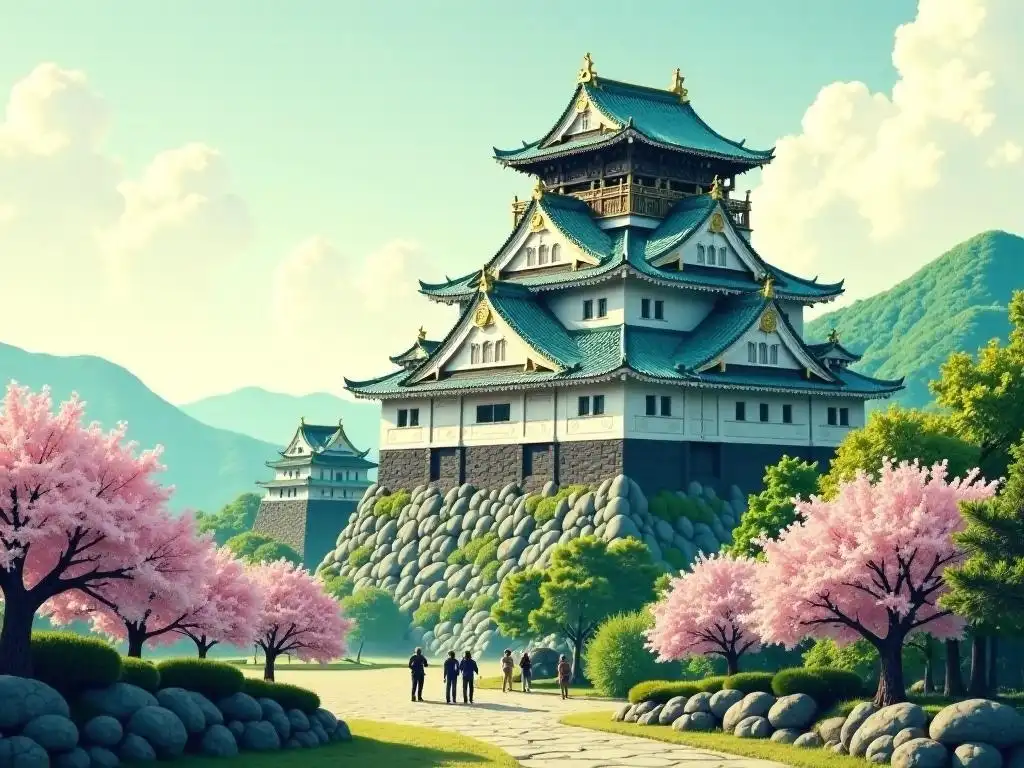
The Muromachi period (1336-1573) marked a significant transformation in Japan's political landscape, primarily characterized by the rise of the Ashikaga Shogunate. This era began when Ashikaga Takauji overthrew the Kamakura Shogunate, establishing a new regime based in the Muromachi district of Kyoto. This transition was not merely a change in leadership but also a reconfiguration of political power dynamics in Japan.
One of the key aspects of this emergence was the decentralization of authority. Unlike the Kamakura Shogunate, which exercised a more centralized power structure, the Ashikaga Shogunate allowed for greater autonomy among regional lords, known as daimyō. This shift led to a more fragmented political environment where local feudal lords wielded significant influence over their territories.
Moreover, the Ashikaga Shogunate faced considerable challenges, including internal strife and rivalries among daimyō. This resulted in a continuous cycle of conflict, often referred to as the Nanboku-chō Wars, where competing factions vied for control, ultimately shaping the political landscape during the period. The power struggles within and outside the shogunate laid the groundwork for the eventual rise of the Warring States period (Sengoku), where military leaders and clans battled for dominance.
Structure of Power in Muromachi Japan
The power structure during the Muromachi period was characterized by a complex hierarchy that included the shōgun, daimyō, and the samurai class. This structure can be summarized as follows:
- Shōgun: The Ashikaga shōgun was the highest military authority, theoretically holding power over all daimyō. However, the shōgun's influence often fluctuated based on his ability to maintain control over the regional lords.
- Daimyō: These feudal lords governed vast estates and had their own armies of samurai. The daimyō exercised significant autonomy, often engaging in alliances or conflicts with one another, leading to a patchwork of power across the country.
- Samurai: The warrior class served the daimyō and shōgun, adhering to the code of bushidō. The samurai were not only military leaders but also played crucial roles in the administration of their lords' domains, reinforcing the local governance structures.
This decentralized model created a political landscape where power was frequently contested. The Ashikaga shōgun's inability to assert dominance over the daimyō contributed to a growing sense of regionalism and paved the way for the eventual fragmentation of authority.
The Muromachi period also saw the rise of influential cultural and economic centers, as the wealth generated by commerce and agriculture allowed certain daimyō to strengthen their positions. This economic power further complicated the political landscape, as prosperous regions often became arenas for conflict and competition among rival lords.
Role of the Imperial Court during the Muromachi Period
The Imperial Court retained a ceremonial and symbolic role during the Muromachi period, despite the shōgun's ascendancy. The court, based in Kyoto, continued to hold cultural and religious significance, but its political influence waned significantly compared to earlier periods.
- Ceremonial Functions: The emperor and the court functioned primarily in a religious and cultural capacity, organizing festivals, rituals, and ceremonies that were integral to the social fabric of Japan. This role was essential for legitimizing the shōgun's rule, as the emperor was seen as a divine figure whose approval was necessary for political governance.
- Political Maneuvering: Although the court's direct political power diminished, it still engaged in political maneuvering. The Ashikaga shōgunate often sought to establish legitimacy by aligning itself with the imperial family, providing the court with stipends and patronage in exchange for symbolic support.
- Cultural Flourishing: The Muromachi period is also known for its cultural achievements, including the development of Noh theater, ink painting, and the tea ceremony. The imperial court played a critical role in fostering these cultural pursuits, which were often intertwined with the political landscape.
While the Muromachi period political landscape was largely dominated by the shōgun and the daimyō, the Imperial Court continued to symbolize unity and continuity in Japanese society. This dynamic relationship between the court and the shōgunate exemplified the complexities of governance during this era, where cultural and political spheres influenced one another, shaping the course of Japanese history.
Conflict in the Muromachi Political Landscape
The Onin War: Causes and Consequences
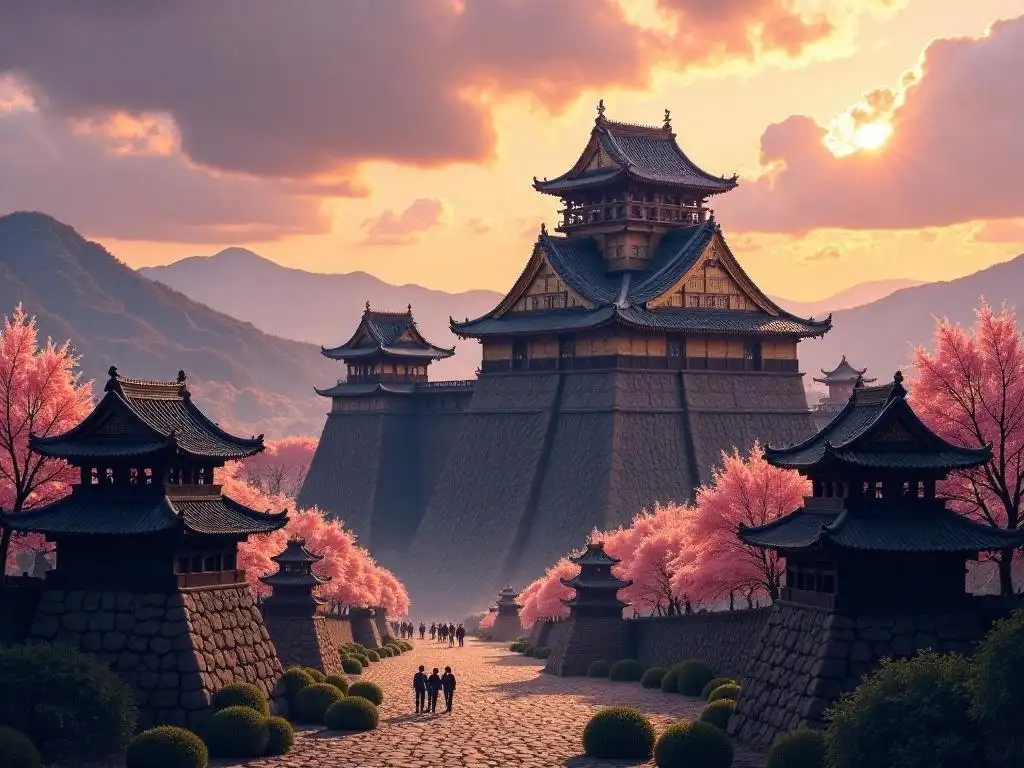
The Onin War (1467-1477) marks a pivotal conflict in the Muromachi period political landscape, serving as a critical turning point for governance in Japan. This civil war arose primarily from a power struggle between two influential clans: the Hosokawa and the Yamana. The immediate trigger was a dispute over the shogunate's succession, igniting long-standing rivalries and deeply rooted animosities.
Key Causes:
- Succession Disputes: The death of Ashikaga Yoshimasa, the eighth shōgun of the Ashikaga shogunate, led to competing claims for power. His younger brother, Yoshimi, and cousin, Yoshihisa, were at the center of this struggle.
- Daimyo Ambitions: Various daimyo sought to expand their influence, leading to the alignment of different factions. The Hosokawa clan supported Yoshihisa, while the Yamana clan backed Yoshimi, creating a battleground for their respective allies.
- Economic Factors: The Muromachi period was marked by economic changes, including rising merchant classes and agricultural productivity, which fostered competition and resentment among regional lords.
The Onin War resulted in widespread devastation across Kyoto and surrounding regions, leading to a breakdown of central authority. The war fundamentally altered the political landscape, leading to the emergence of powerful local lords (daimyo) who would dominate the following centuries.
Consequences:
- Decentralization of Power: The war weakened the Ashikaga shogunate, resulting in a fragmented political landscape where regional warlords gained unprecedented autonomy.
- Cultural Shifts: The prolonged conflict fostered significant cultural developments, including the rise of the tea ceremony and Noh theater, as the elite sought solace in arts amidst turmoil.
- Precursor to the Sengoku Period: The Onin War is often viewed as a precursor to the Sengoku period (Warring States period), where regional daimyo would vie for control, leading to further conflict and eventual unification under the Tokugawa shogunate.
Internal Strife among Daimyo
The Muromachi period was characterized by notable internal strife among daimyo, which significantly shaped the political landscape. The fragmentation of power due to the weakening of the Ashikaga shogunate created an environment ripe for conflict, as various regional lords sought to expand their territories and influence.
Factors Contributing to Internal Conflict:
- Power Vacuums: As the central authority diminished, many daimyo began to assert their independence, often leading to conflicts over borders and resources.
- Alliances and Betrayals: The complex web of alliances among daimyo frequently altered, resulting in shifting loyalties and betrayals. Such instability often sparked conflicts that could escalate quickly into larger battles.
- Economic Competition: Control over trade routes and agricultural resources became a significant point of contention among daimyo. As wealthy merchant classes emerged, rival lords often clashed to control lucrative trade opportunities.
Notable Conflicts:
- The Kanto Uprising: This uprising in the Kanto region highlighted the struggles between local daimyo and the Ashikaga shogunate’s attempts to exert control. Internal divisions among the daimyo led to a series of battles, reflecting the broader instability of the period.
- The Siege of Kan'ei-ji: In 1651, a conflict between the Tokugawa clan and the Uesugi clan illustrated the ongoing strife among daimyo. It was a significant event that showcased the lengths to which clans would go to assert dominance.
The internal strife among daimyo not only contributed to the chaos of the Muromachi political landscape but also laid the groundwork for the emergence of powerful figures like Oda Nobunaga and Toyotomi Hideyoshi, who would eventually rise to prominence by capitalizing on the discord.
The Impact of Regional Conflicts on Central Governance
Regional conflicts during the Muromachi period had profound implications for central governance, effectively reshaping the political landscape of Japan. As local warlords (daimyo) engaged in frequent battles for power and territory, the authority of the Ashikaga shogunate diminished, leading to a reconfiguration of governance.
Effects on Central Authority:
- Erosion of Power: The continual strife among daimyo weakened the shogunate’s ability to enforce laws and maintain order. This erosion of power eroded the legitimacy of the Ashikaga rulers, as they struggled to assert control over rebellious vassals.
- Fragmentation of Governance: With the decline of central authority, various regions operated independently, leading to a patchwork of governance where each daimyo established their own laws and practices. This fragmentation resulted in a lack of uniformity across Japan.
- Rise of Autonomous Regions: The political landscape became increasingly decentralized, with powerful daimyo creating semi-autonomous regions. This autonomy often translated into feudal-like governance structures, where local lords exercised significant control over their territories.
Long-term Consequences:
- Preparation for Unification: The regional conflicts set the stage for the subsequent unification efforts of the late 16th century, as powerful leaders emerged to consolidate power. The discord ultimately paved the way for the Tokugawa shogunate, which established a more centralized system.
- Cultural and Economic Impacts: The instability of the Muromachi period fostered a vibrant cultural environment, as the arts flourished in response to the chaos of war. Additionally, local economies adapted to the shifting political landscape, laying the groundwork for future economic developments.
The regional conflicts during the Muromachi period significantly impacted central governance, leading to a decentralized political landscape that would shape Japan's history for generations to come. The complex interplay of conflict and compromise among daimyo ultimately facilitated a transition towards a more unified state under the Tokugawa shogunate.
Compromise and Cooperation in Governance
The Muromachi period, spanning from approximately 1336 to 1573, is characterized by a unique blend of conflict and cooperation among the ruling elites in Japan. This era witnessed the rise of the Ashikaga shogunate, which played a pivotal role in mediating disputes and fostering alliances among powerful clans. The intricate dynamics of governance during this time were significantly influenced by political maneuvering, strategic marriages, and cultural factors, particularly the emergence of Zen Buddhism as a mediating force.
The Role of the Ashikaga Shogunate in Mediating Disputes
The Ashikaga shogunate, established by Ashikaga Takauji, became the central authority in Japan after the fall of the Kamakura shogunate. Unlike its predecessor, which relied heavily on military might, the Ashikaga shogunate emphasized diplomacy and compromise to maintain control over the politically fragmented landscape of the Muromachi period.
- Mediation and Conflict Resolution: The shogunate acted as a mediator in clan disputes, leveraging its position to negotiate peace and facilitate dialogue. This approach reduced the frequency of outright warfare, allowing for a more stable political environment. For instance, the shogunate intervened in conflicts such as the Kanto Rebellion, promoting resolutions that benefited both the shogunate and the involved parties.
- Establishment of the Shugo System: The Ashikaga shogunate appointed shugo (military governors) to oversee different provinces. These officials were responsible for maintaining order and settling disputes, thereby extending the shogunate's influence beyond its immediate control. By balancing power among regional leaders, the shogunate could mitigate conflicts that might otherwise lead to instability.
- Use of Diplomacy: The shogunate frequently employed diplomatic envoys to negotiate terms between warring clans. These negotiations often involved concessions and compromises that reflected the shifting allegiances among the samurai class. The “Shugo-Dai” system exemplified this approach, where local leaders were granted autonomy in exchange for loyalty to the shogunate.
Alliances and Political Marriages among Clans
Strategic alliances through marriages were a vital tool for fostering political stability during the Muromachi period. Clans often sought to strengthen their positions by forming marital ties with other powerful families.
- Strengthening Alliances: Marriages served as a means to solidify alliances between clans, facilitating cooperation and reducing hostilities. For example, the marriage between the Ashikaga clan and the Hōjō clan was instrumental in promoting peace and mutual support.
- Influence of Women: Women played a crucial role in these political marriages, often acting as negotiators or peacemakers. Their influence extended beyond the domestic sphere, as they could sway familial loyalties and impact political decisions. The Hōjō women, in particular, were known for their significant roles in alliance-building.
- Shifting Loyalties: As the political landscape evolved, so too did alliances. The practice of “nikkō,” or creating ties through marriages, allowed clans to adapt to changing circumstances. This flexibility was critical for survival in an era marked by shifting power dynamics and emerging threats.
The Influence of Zen Buddhism on Political Compromise
Zen Buddhism emerged as a significant cultural and spiritual force during the Muromachi period, influencing not only the arts and culture but also the political landscape.
- Cultural Mediation: Zen teachings emphasized values such as simplicity, harmony, and mindfulness, which found resonance in the governance practices of the time. Political leaders often turned to Zen monks for guidance and counsel, utilizing their wisdom in mediating disputes and fostering cooperation.
- Zen Temples as Diplomatic Hubs: Many Zen temples became centers of diplomacy, where clan leaders could meet to discuss political matters in a neutral setting. This practice facilitated open dialogue and compromise, allowing for more amicable resolutions to conflicts.
- Art and Politics: The aesthetics of Zen Buddhism, reflected in garden design, ink painting, and tea ceremonies, promoted a sense of tranquility and reflection. Leaders found that incorporating these elements into their political lives helped to ease tensions and foster a cooperative spirit among rival factions.
The political landscape of the Muromachi period was shaped by the Ashikaga shogunate's mediation efforts, strategic alliances through marriages, and the cultural influence of Zen Buddhism. These elements combined to create a unique governance structure that emphasized compromise and cooperation, laying the groundwork for future political developments in Japan.
The Role of the Samurai in the Muromachi Period

Samurai Governance and Loyalty
During the Muromachi period (1336-1573), the samurai emerged as key players in the political landscape of Japan, transitioning from mere warriors to influential governors and political leaders. This shift was largely influenced by the decentralization of power and the establishment of the Ashikaga shogunate, which created a unique environment for samurai governance.
The samurai were often granted land and titles in exchange for military service, leading to a feudal system where loyalty became paramount. This loyalty was not merely personal but also tied to the land and the samurai's vassals. As a result, the political landscape was marked by intricate relationships between daimyō (feudal lords) and their samurai retainers. Loyalty was codified in the bushidō code, which emphasized honor, duty, and loyalty to one's lord.
- Key Features of Samurai Governance:
- Land Ownership: Samurai gained control over territories, allowing them to collect taxes and manage local populations.
- Military Enforcement: They were responsible for maintaining order and protecting their domains from rival factions.
- Political Alliances: Samurai often formed alliances through marriages and treaties to strengthen their positions.
The samurai's governance during this period was crucial, as it laid the foundation for regional power dynamics and contributed to the overall structure of feudal Japan.
The Changing Role of Samurai in Political Conflicts
As the Muromachi period progressed, the role of the samurai evolved significantly amid ongoing political conflicts such as the Nanboku-chō Wars and the Onin War. These conflicts illustrated the shifting allegiances and the increasing importance of samurai in regional power struggles.
The samurai began to play dual roles as both warriors and politicians. They were not just fighting for their lords, but also actively engaging in the political machinations of the time. Some samurai leaders, such as Takeda Shingen and Uesugi Kenshin, became renowned not only for their military prowess but also for their strategic acumen in political maneuvering.
- Factors Influencing Their Roles:
- Fragmentation of Power: The weakening of the Ashikaga shogunate led to the rise of local daimyō, who relied heavily on samurai for military and administrative support.
- Civil Wars: Continuous warfare created opportunities for ambitious samurai to seize power and establish their own domains, often leading to conflicts with former allies.
- Emergence of New Classes: The rise of merchant and artisan classes also influenced samurai roles, as they began to interact more with these groups, affecting trade and local governance.
This transformation highlighted the samurai's adaptability and their significant impact on the political landscape, as they navigated the complexities of loyalty, power, and conflict.
The Impact of Samurai Codes on Political Landscape
The bushidō, or "way of the warrior," played a crucial role in shaping the political landscape of the Muromachi period. This ethical code not only governed the behavior of samurai in warfare but also influenced their interactions with each other and with their lords.
The principles of bushidō, which included loyalty, honor, and bravery, created a framework for samurai conduct that had far-reaching implications for governance and politics. For instance, loyalty to one's lord often meant that samurai would engage in political alliances or conflicts based on their sense of duty, rather than personal gain.
- Key Impacts of Samurai Codes:
- Conflict Resolution: The emphasis on honor and loyalty often led to the avoidance of betrayal, promoting a culture of trust among samurai that was essential for political stability.
- Feudal Alliances: Bushidō encouraged the formation of alliances through marriages and mutual support, further intertwining the political landscape with familial ties.
- Cultural Influence: The ideals of bushidō permeated Japanese society, influencing not only samurai but also the common people, thereby shaping the overall cultural ethos of the time.
Ultimately, the impact of samurai codes on the political landscape of the Muromachi period was profound, as it governed not only the actions of warriors but also the very fabric of feudal governance and societal norms, leaving a lasting legacy on Japan’s political history.
Cultural Influences on the Political Landscape

The Intersection of Art and Politics in the Muromachi Era
During the Muromachi period (1336-1573), the interplay between art and politics significantly shaped the political landscape. The Ashikaga shogunate, which ruled during this era, leveraged cultural patronage as a means of consolidating power and establishing social order. The flourishing of arts, particularly ink painting, tea ceremonies, and ceramics, was not merely an aesthetic pursuit; it served as a political tool to legitimize the authority of the ruling class.
One notable example is the promotion of Zen Buddhism, which became intertwined with the political elite. Shoguns and samurai engaged in the practice of Zen as a means to cultivate discipline and focus. This connection between Zen and power was visually represented in art forms, such as the creation of serene landscapes that reflected the spiritual ideals of the ruling class.
Furthermore, the aesthetics of the Muromachi period were characterized by a simplified elegance known as wabi-sabi, which emphasized the beauty of imperfection. This concept resonated with the political ethos of the time, as the Ashikaga shogunate sought to project an image of stability amid the chaos of feudal conflicts. The promotion of arts was a strategic move that not only enriched Japanese culture but also reinforced the political narrative that the shogunate aimed to convey.
How Cultural Developments Affected Governance
Cultural developments during the Muromachi period played a pivotal role in shaping governance structures and practices. The emergence of new philosophical ideas, particularly those influenced by Confucianism and Zen, led to a reevaluation of the relationship between rulers and their subjects. This shift encouraged the governance model to adopt more benevolent and morally grounded approaches.
The rise of the daimyō (feudal lords) also transformed the political landscape. As regional powers gained autonomy, they began to embrace cultural patronage as a means of asserting their authority. The construction of ornate castles, gardens, and temples became a hallmark of this era, reflecting both power and cultural sophistication. Such cultural investments not only solidified their status but also fostered loyalty among vassals and the local populace.
Moreover, the introduction of new forms of literature, such as Noh and Kabuki, provided a platform for political commentary and social critique. These dramatic arts often subtly critiqued the ruling class while also serving as a means of entertainment. The themes explored in these performances frequently mirrored contemporary political dilemmas, allowing them to resonate with audiences and contribute to a dynamic political discourse.
The Influence of Noh Theatre on Political Narratives
Noh theatre emerged as a significant cultural force during the Muromachi period, intertwining with the political narratives of the time. This traditional form of Japanese drama, characterized by its slow movements and stylized performances, often explored themes of loyalty, honor, and the consequences of war. Noh plays frequently depicted historical figures and events, providing audiences with a lens through which to view the political landscape.
The patronage of Noh theatre by the ruling elite, including the Ashikaga shogunate, allowed it to flourish. By commissioning plays that glorified their lineage or depicted their triumphs, the shogunate utilized Noh as a means of reinforcing their legitimacy and power. This cultural medium became a vehicle for political propaganda, shaping public perception and influencing the narrative surrounding governance.
Additionally, the themes of transience and the impermanence of life, central to Noh, echoed the uncertainties of the political environment during the Muromachi period. The exploration of these themes in performances resonated with audiences, providing a reflective lens on the tumultuous political landscape. Through the art of Noh, the complexities of loyalty and betrayal were articulated in ways that transcended mere entertainment, contributing to a broader understanding of the era's governance and societal challenges.
The cultural influences during the Muromachi period were not just artistic expressions; they were integral to the political landscape. The intersection of culture, art, and governance shaped a unique political narrative that defined this era in Japanese history.
Conclusion: Legacy of the Muromachi Period Political Landscape

The Muromachi period, spanning from the 14th to the 16th century, is notable for its complex political landscape characterized by both conflict and compromise. This era marked a significant transformation in Japanese governance, laying the groundwork for future political structures. The interplay of power among various feudal lords (daimyō), the influence of the Ashikaga shogunate, and the rise of regional militarism all contributed to a dynamic political environment that shaped the course of Japanese history.
Lasting Impacts on Japanese Governance
The political landscape of the Muromachi period had profound and lasting impacts on the governance of Japan. One of the most crucial developments was the decentralization of power. Unlike the previous Kamakura shogunate, which had a more centralized authority, the Ashikaga shogunate allowed local daimyō considerable autonomy. This shift led to the emergence of a more fragmented power structure, where regional rulers could exert significant influence over their territories.
- Feudal Hierarchies: The Muromachi period solidified the feudal hierarchy in Japan, where loyalty was paramount. The relationship between the shogunate and the daimyō was characterized by a balance of power, often maintained through marriages, alliances, and military support. This system of governance laid the foundation for the later Sengoku period, where these relationships would be tested and ultimately transformed into more defined political entities.
- Cultural Patronage: The political landscape also fostered significant cultural developments. The Ashikaga shogunate became known for its patronage of the arts, leading to the flourishing of Noh theater, ink painting, and the tea ceremony, which were deeply intertwined with the political elite. The integration of culture into governance began to reflect the values of the samurai class, emphasizing the importance of aesthetics and philosophy in political life.
- Legal Frameworks: The period saw the establishment of legal codes that governed samurai behavior and land disputes. The "Shugo" (military governors) system not only maintained order but also codified the power relationships between the shogunate and the daimyō. This legal framework would inform governance structures in subsequent periods.
Reflections on Conflict and Compromise in Feudal Japan
The Muromachi period is often remembered for its conflicts, particularly the power struggles between the Ashikaga shogunate and powerful daimyō. However, these conflicts were not merely destructive; they also led to significant compromises that shaped the political landscape.
- The Role of the Ashikaga Shogunate: The Ashikaga shogunate was often caught in a delicate balance between asserting authority and accommodating powerful daimyō. This led to a series of compromises, such as granting territories and titles to influential lords in exchange for loyalty and military support.
- Regional Conflicts and Alliances: The landscape was further complicated by regional conflicts, such as the Onin War (1467-1477), which highlighted the fragility of alliances. The war not only devastated Kyoto but also led to a shift in power dynamics as various factions sought to fill the power vacuum, illustrating how conflict could reshape the political landscape.
- Philosophical Underpinnings: The era's conflict and compromise were also reflective of broader philosophical themes, such as the concept of "wa" (harmony) in Japanese culture. Leaders often sought peaceful resolutions to disputes, influenced by Buddhist and Confucian ideals, which emphasized the importance of stability and social order.
The political landscape of the Muromachi period was characterized by a complex interplay of conflict and compromise, leading to significant changes in governance that would resonate throughout Japanese history. The legacies of this era continue to influence Japan's political structures and cultural expressions, underscoring the importance of understanding the nuanced dynamics of feudal Japan.
References for Further Reading
Recommended Books on the Muromachi Period
-
"The Muromachi Period: A History" by John S. Brown
This comprehensive volume provides an in-depth analysis of the Muromachi period, exploring its political structures, cultural developments, and societal changes. Brown's meticulous research offers valuable insights into the governance and conflicts that shaped this significant era.
-
"Samurai and the Shogun: A Study of Feudal Japan" by Tadao Matsumoto
Matsumoto's work delves into the intricate relationships between the samurai class and shogunate during the Muromachi period. It highlights the political dynamics that influenced governance and military strategies, providing a captivating narrative of this historical phase.
-
"Feudal Japan: A History of the Muromachi Era" by Akiko Yamamoto
This book presents a detailed exploration of the socio-political landscape of the Muromachi period. Yamamoto emphasizes the compromises and conflicts between various factions, making it an essential read for those interested in the complexities of Japanese feudal governance.
-
"The Age of the Shoguns: Japan's Feudal Era" by Richard T. Lentz
Lentz's work discusses the broader implications of the Muromachi period within the context of Japan's feudal history. It offers a rich narrative filled with historical anecdotes and critical analyses of the political landscape during this time.
Academic Journals and Articles on Japanese Political History
-
"The Muromachi Period: A Study of Governance and Conflict"
This article, published in the Journal of Asian Studies, examines the political structures and conflicts of the Muromachi period. It provides a scholarly overview of how governance evolved amidst power struggles and shifting alliances.
-
"Feudalism and the Political Landscape of the Muromachi Era"
Found in the Japanese Historical Review, this paper analyzes the feudal system's impact on governance during the Muromachi period. It highlights the roles of various political entities and the social implications of their interactions.
-
"Political Compromise in Muromachi Japan"
This research article published in History Compass focuses on the negotiations and agreements that characterized the political landscape of the Muromachi period. It offers a nuanced perspective on how compromise influenced governance and stability.
-
"Social Hierarchies and Political Power in the Muromachi Period"
Featured in the International Journal of Japanese Studies, this article delves into the relationship between social hierarchies and political power during the Muromachi period, exploring how class dynamics affected governance.
Each of these resources offers valuable insights into the complexities of the Muromachi period political landscape, contributing to a deeper understanding of Japan's historical governance.
Frequently Asked Questions
What was the Muromachi period known for in Japanese history?
The Muromachi period (1336-1573) is characterized by the rise of samurai power, the establishment of the Ashikaga shogunate, and significant cultural developments in arts and literature.
How did the political landscape change during the Muromachi period?
The political landscape saw a shift from centralized power under the Kamkura shogunate to a more decentralized structure, leading to increased regional autonomy and conflicts among feudal lords.
What role did conflict play in the Muromachi period?
Conflict was prevalent during this era, often manifesting as power struggles among daimyos and the Ashikaga shogunate, which ultimately influenced the political stability and social structure of Japan.
How did compromise shape the Muromachi period?
Compromise was essential for maintaining a fragile balance of power, as local leaders often sought alliances through marriages and treaties to stabilize their regions amidst ongoing tensions.
What cultural developments occurred during the Muromachi period?
The Muromachi period fostered advancements in arts, such as Noh theater and ink painting, reflecting a unique blend of political and cultural influences that defined this time in Japanese history.
The political landscape of the Muromachi period remains profoundly relevant today, as it illustrates the intricate dance between conflict and compromise that defines human governance. The lessons drawn from this era remind us that the challenges of political strife and the necessity for negotiation are not relics of the past but are instead ongoing realities in our contemporary world. Understanding this historical context empowers us to better navigate our own political environments, where the balance of power and the art of diplomacy continue to shape our societies.
The Muromachi period serves as a powerful reminder of how political dynamics can influence cultural and social landscapes. The interplay of rival factions, shifting allegiances, and the quest for stability during this time have left an indelible mark on Japanese history, shaping not only governance but also art, philosophy, and community relations. As historian John W. Hall aptly stated, The essence of politics is not just the struggle for power, but the ability to forge connections amid discord.
This observation resonates deeply today, as we witness similar patterns of conflict and compromise in our global political arena, urging us to reflect on the importance of collaboration in the face of division.
As we ponder the lessons from the Muromachi period, I invite you to consider how you can apply these insights in your own life and community. Reflect on the ways you can foster dialogue and understanding in your interactions, embracing the complexities of differing perspectives. By actively engaging in the spirit of compromise and seeking common ground, we can contribute to a more harmonious political landscape, echoing the resilience and adaptability that characterized this pivotal period in history. Let us carry forward the wisdom of the past as we navigate the challenges of the present and future.
Unleash Your Curiosity about the Muromachi Era!
Thank you for diving deep into the fascinating dynamics of the Muromachi period! You've explored a time rich with conflict and compromise, where the political landscape significantly shaped Japan's future. Now, let’s take that inspiration and turn it into action!
Here are a few ways you can further engage with this vibrant history:
- Explore in-depth resources: Dive into books or documentaries that examine the Muromachi period to broaden your understanding of this compelling era.
- Join a discussion group: Connect with fellow history enthusiasts, either online or in person, to share insights and debate the implications of conflict and compromise in feudal Japan.
- Share your thoughts: Post your biggest takeaway from the Muromachi period on social media and tag our page to join the conversation!
As you continue this historical journey, what aspect of the Muromachi period intrigues you the most—its political strategies, cultural developments, or the influential figures that emerged? **We’d love to hear your thoughts! **