
The Muromachi Period's Legacy: How Governance Influenced Modern Japan


Welcome to Feudal Japan History, where we embark on a captivating journey through the intricate tapestry of Japan’s feudal era. Here, we delve deep into the Muromachi Period governance influence, unraveling how the political dynamics of this fascinating time shaped the very foundations of modern Japan. Are you ready to discover the profound legacies that echo through history? Join us as we explore expert-driven insights and unlock the secrets of a period that continues to resonate today. Your adventure into the past starts now—dive in!
Introduction to the Muromachi Period
The Muromachi Period, spanning from 1336 to 1573, marks a pivotal era in Japanese history characterized by a unique blend of political, cultural, and social transformations. During this time, the governance structures established by the Ashikaga shogunate not only shaped the political landscape of feudal Japan but also laid the groundwork for many aspects of modern Japanese governance.
Understanding the intricacies of Muromachi Period governance is essential for appreciating its enduring influence on contemporary Japan. This article delves into the governance mechanisms of the Muromachi Period, exploring how these historical frameworks have contributed to the evolution of modern governance practices in Japan.
Overview of the Muromachi Period (1336-1573)
The Muromachi Period is often seen as a bridge between the Kamakura Period and the tumultuous Sengoku Period that followed. Established by Ashikaga Takauji, the Ashikaga shogunate replaced the Kamakura shogunate, bringing forth a new political order based in Kyoto. This era is characterized by significant developments such as:
- Political Fragmentation: The central authority of the shogunate was often challenged, leading to the rise of local warlords (daimyos) who wielded considerable power.
- Cultural Flourishment: The period saw the emergence of the Noh theatre, ink painting, and the tea ceremony, all of which were influenced by the governance structures and patronage of the ruling class.
- Economic Transformation: The agrarian economy began to shift as trade expanded, influencing local governance and the wealth of daimyos.
These elements combined to create a dynamic political landscape that would influence Japan's governance well into the modern era.
Significance of Governance in Feudal Japan
Governance during the Muromachi Period was not merely a matter of political control; it was deeply intertwined with the cultural and social fabric of feudal Japan. The governance structures established during this time served several critical functions:
- Maintaining Order: The Ashikaga shogunate aimed to maintain stability amid the power struggles between daimyos.
- Cultural Patronage: The ruling elite sponsored arts and religion, reflecting how governance could shape cultural identity.
- Legal Frameworks: The establishment of laws and local governance systems influenced how power was exercised.
The study of governance during this period provides insight into the historical roots of Japan's current political systems, revealing the legacy of feudal structures in contemporary governance.
The Structure of Governance During the Muromachi Period
The governance of the Muromachi Period was characterized by a complex hierarchy and a blend of military and cultural authority. Understanding the key components of this governance structure is crucial for grasping its influence on modern Japan.
The Ashikaga Shogunate: Key Features
The Ashikaga shogunate, established by Ashikaga Takauji, introduced several key features that defined governance during the Muromachi Period:
- Decentralized Power: Unlike its predecessor, the Kamakura shogunate, the Ashikaga shogunate operated with a more decentralized approach, granting significant autonomy to regional daimyos.
- Political Alliances: The shogunate often relied on strategic marriages and alliances to maintain control over powerful daimyos, leading to a complex web of loyalties.
- Cultural Patronage: The shogunate actively supported cultural activities, which not only enhanced its legitimacy but also fostered a unique Japanese identity.
These features illustrate how the Ashikaga shogunate's governance model impacted the political dynamics and cultural landscape of Japan.
Role of the Daimyo in Local Governance
Daimyos played a crucial role in the governance structure of the Muromachi Period, serving as powerful local lords responsible for managing their territories. Their influence can be summarized as follows:
- Local Authority: Daimyos exercised considerable power over their domains, often acting as de facto rulers with their own administrative systems.
- Military Leadership: They maintained private armies, which allowed them to defend their territories and assert their authority.
- Economic Control: The daimyos oversaw agricultural production and trade, impacting local economies and contributing to the wealth of the region.
The relationship between the shogunate and the daimyos set a precedent for decentralized governance that can still be observed in modern Japan.
Influence of Zen Buddhism on Governance Practices
Zen Buddhism significantly influenced the governance practices of the Muromachi Period, intertwining religious and political authority in unique ways:
- Philosophical Underpinnings: Zen principles such as simplicity, discipline, and mindfulness permeated governance, affecting decision-making processes.
- Cultural Integration: Zen Buddhism's emphasis on the arts and culture led to a flourishing of artistic expression, which was often supported by the ruling elite as a means of legitimizing their power.
- Conflict Resolution: The meditative practices of Zen provided tools for conflict resolution, influencing how disputes were handled among the samurai and local lords.
This integration of Zen Buddhism into governance exemplifies the era's holistic approach to leadership, blending spiritual and political life in ways that continue to resonate in modern Japanese society.
Political Developments and Their Impact on Modern Governance
The Muromachi Period, spanning from the 14th to the 16th century, was marked by significant political developments that laid the groundwork for modern governance in Japan. This era saw a shift from a centralized authority to a more decentralized political structure, which has influenced contemporary governance practices. The intricate relationships among regional lords, the rise of the samurai class, and the establishment of feudal alliances played crucial roles in shaping the political landscape of Japan. Understanding these dynamics provides insights into how historical governance models have informed modern political frameworks.
Decentralization of Power: A Shift from Central Authority
During the Muromachi Period, the central authority of the Ashikaga shogunate began to wane, leading to a decentralization of power. Unlike the previous Kamakura shogunate, which maintained a tighter grip on governance, the Ashikaga shogunate struggled to exert control over powerful regional daimyōs (feudal lords). This shift allowed local leaders to gain autonomy, effectively creating a patchwork of governance across Japan.
The impact of this decentralization is evident in modern Japan, where local governments play a significant role in administration. The idea of regional autonomy has persisted, with local governance bodies exercising significant power in decision-making processes. This legacy can be seen in Japan's current administrative divisions, where local officials are empowered to address community needs, reflecting the historical precedent set during the Muromachi Period.
The Rise of Samurai as Political Actors
The Muromachi Period witnessed the rise of the samurai as key political actors. Initially serving as military retainers, samurai gradually assumed roles in governance, often acting as local leaders or even as daimyōs themselves. Their involvement in politics was not merely limited to warfare; they also engaged in administrative roles, land management, and local governance.
This transition of the samurai from warriors to political figures has had lasting effects on Japan's political culture. The samurai code of conduct, known as bushidō, emphasized loyalty, honor, and duty, principles that still resonate in Japanese society today. The samurai's influence has permeated modern governance, particularly in the realms of public service and civic responsibility, where ethical conduct and dedication to duty continue to be valued traits.
The Role of Feudal Alliances in Shaping Governance
Feudal alliances played a pivotal role in the governance structure of the Muromachi Period. The relationships formed between daimyōs and their vassals were critical for maintaining power and stability. These alliances were often secured through marriages, land grants, and military support, creating a network of loyalty and obligation that defined the political landscape.
This system of alliances has influenced modern governance by highlighting the importance of strategic partnerships and coalitions in political maneuvering. Today, political alliances and collaborations remain essential for effective governance, reflecting the historical necessity of forming bonds to achieve common goals. The legacy of these feudal alliances can also be seen in contemporary political parties, which often rely on coalitions to enhance their influence and navigate the complexities of governance.
Cultural Influences on Muromachi Governance
Cultural elements during the Muromachi Period significantly influenced governance and political ideals. The era's art, literature, and religious practices not only reflected the prevailing political sentiments but also actively shaped the governance framework. Understanding these cultural influences provides a holistic view of how the Muromachi Period's governance has left an indelible mark on modern Japan.
How Art and Literature Reflected Political Ideals
The Muromachi Period was a time of rich cultural production, particularly in the fields of art and literature. Notable works, such as the Noh theatre and ink wash painting, often contained themes that resonated with the political climate of the time. Artists and writers used their mediums to comment on societal issues, critique governance, and express the ideals of loyalty and honor prevalent among the samurai class.
These cultural expressions influenced governance by shaping public perception and political discourse. The arts became a means for the ruling class to communicate their values and reinforce their authority. In modern Japan, the persistent connection between culture and politics remains evident, with contemporary artists and writers continuing to engage with political themes, thereby influencing public opinion and governance.
The Interplay Between Governance and Religion
Religion played a crucial role in the governance of the Muromachi Period, particularly the influence of Zen Buddhism. The ideology of Zen emphasized simplicity, discipline, and the pursuit of enlightenment, which resonated with the samurai ethos. Temples often served as centers of power, where political leaders sought spiritual guidance and legitimacy.
This interplay between governance and religion has left a lasting legacy in Japan's political culture. The influence of religious thought on governance continues to manifest today, particularly in the way that ethical considerations rooted in religious principles shape political decisions. Moreover, the historical ties between political authority and religious institutions highlight the importance of spiritual legitimacy in governance, a concept that remains relevant in modern times.
The Influence of the Tea Ceremony on Political Culture
The tea ceremony, or chanoyu, emerged as a significant cultural practice during the Muromachi Period, embodying principles of harmony, respect, purity, and tranquility. This ritual not only served as an artistic expression but also became intertwined with political culture, as samurai and political leaders used it as a means of social interaction and diplomacy.
The tea ceremony's emphasis on aesthetics and mindfulness has influenced modern political culture by promoting values of patience, discipline, and respect in governance. The ritualistic nature of the tea ceremony underscores the importance of cultural practices in shaping political relationships, fostering an environment where dialogue and consensus can thrive. As such, the tea ceremony remains a symbol of Japan's historical commitment to cultivating a refined political ethos, echoing through the annals of modern governance practices.
Governance Practices That Shaped Modern Japan
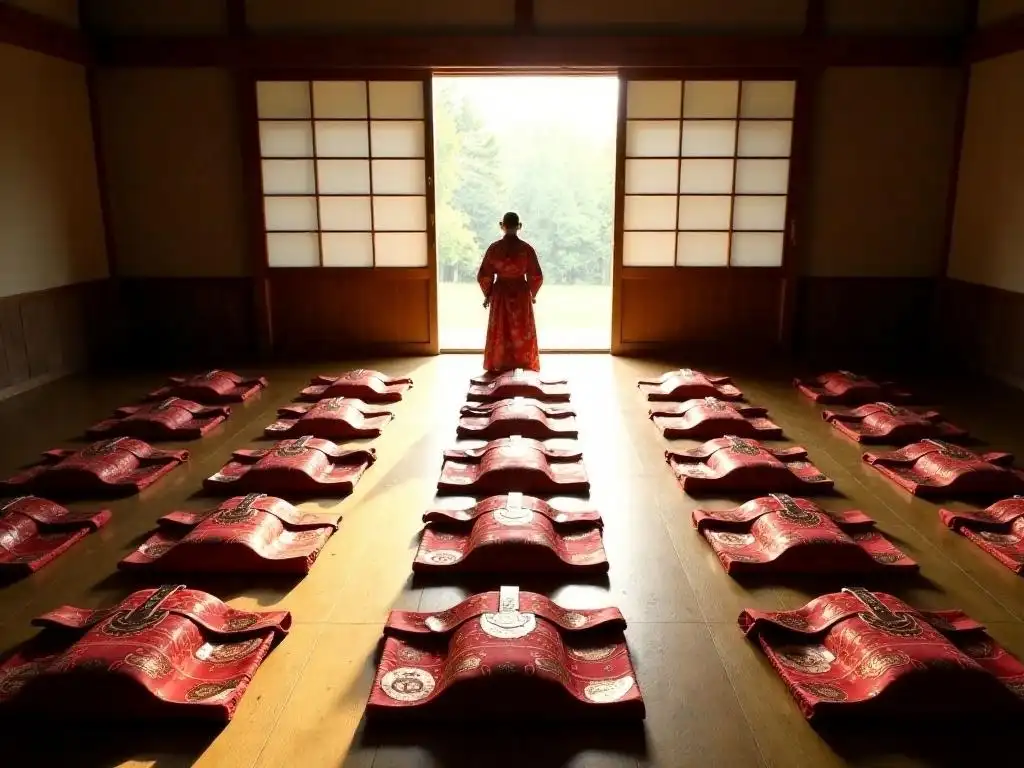
The governance practices established during the Muromachi Period (1336-1573) have left an indelible mark on Japan's political landscape. This era, characterized by the Ashikaga shogunate, was pivotal in transitioning from a centralized power structure to a more decentralized feudal system. The practices adopted during this time fostered a unique interplay between regional lords and the central authority, laying the groundwork for contemporary governance.
The Ashikaga shogunate implemented various administrative reforms that not only addressed the complexities of feudal rule but also promoted a sense of local autonomy. This balance of power between the shogunate and local daimyos (feudal lords) is reflected in modern Japan's political systems, where regional governance plays a crucial role. Moreover, the introduction of new bureaucratic practices and legal frameworks during the Muromachi Period has influenced contemporary governance, emphasizing the importance of local governance structures.
Administrative Innovations from the Muromachi Period
During the Muromachi Period, several administrative innovations were introduced that significantly shaped governance. One of the most notable was the establishment of the Shugo system, where appointed military governors were responsible for maintaining order in various provinces. This decentralized governance model enabled local leaders to exercise more control, which has echoes in today’s regional administrative structures.
Additionally, the Muromachi Period saw the development of the Kansei system, which focused on tax collection and land management. This system facilitated the efficient allocation of resources and the establishment of a more organized tax regime, laying the groundwork for Japan's modern taxation system. The use of written documents for land transactions and tax records also emerged, promoting a culture of documentation and transparency that persists in contemporary governance.
The Legacy of Feudal Law in Contemporary Japanese Governance
Feudal law during the Muromachi Period established principles that continue to resonate in modern Japanese law. The codification of laws and regulations during this era aimed to standardize practices across various regions, which has paved the way for Japan’s current legal framework.
Furthermore, the influence of the bushi (warrior class) and their codes of conduct, such as Bushido, has left a lasting impact on Japanese society. The emphasis on loyalty, honor, and duty found in these codes is reflected in contemporary Japanese culture and governance, where public service and commitment to the community are highly valued.
The integration of feudal law into local governance has also fostered a sense of responsibility among modern political leaders, echoing the obligations of feudal lords to their vassals and the populace. This historical continuity underscores the enduring nature of governance principles rooted in the Muromachi Period.
How Muromachi Governance Influences Modern Political Structures
The governance structures from the Muromachi Period have had a profound influence on modern political frameworks in Japan. The era's blend of centralized and decentralized governance paved the way for a hybrid political system that characterizes Japan today. The duality of power between the national government and local authorities reflects the balance of power seen during the Muromachi Period.
Moreover, the concept of sama (feudal hierarchy) has translated into modern political hierarchies, where authority is distributed among various levels of government. This hierarchical structure allows for a clear chain of command and accountability, which is essential in contemporary governance.
The legacy of the Muromachi Period is also evident in Japan's political parties and their approaches to governance. The emphasis on negotiation and consensus-building among diverse factions mirrors the political dynamics of the Muromachi era, where alliances and rivalries among daimyos shaped the governance landscape.
Case Studies of Governance Influence
Example 1: The Onin War and Its Political Ramifications
The Onin War (1467-1477) was a pivotal conflict that underscored the fragility of governance during the Muromachi Period. This civil war erupted due to power struggles between the Ashikaga shogunate and various daimyos, leading to significant political fragmentation. The war resulted in a breakdown of central authority, paving the way for the Sengoku Period, characterized by constant warfare among regional lords.
The political ramifications of the Onin War are evident in modern Japan, where the necessity of maintaining a balance of power and addressing regional disputes remains crucial. The lessons learned from this conflict emphasize the importance of mediation and conflict resolution in contemporary governance.
Example 2: Ashikaga Yoshimitsu's Diplomatic Strategies
Ashikaga Yoshimitsu, the third shogun of the Ashikaga shogunate, employed innovative diplomatic strategies that significantly influenced the political landscape of his time. His efforts to establish relationships with neighboring countries, particularly through the trade with China, fostered a sense of international diplomacy that has continued into modern Japanese governance.
Yoshimitsu’s ability to navigate complex political relationships and leverage trade for diplomatic gain highlights the importance of diplomacy in governance. Today, Japan's foreign policy reflects similar strategic considerations, emphasizing the need for strong international relations and collaboration.
Example 3: The Role of the Ikko-Ikki Movement in Feudal Politics
The Ikko-Ikki movement during the Muromachi Period represents a significant example of grassroots political influence. Comprised mainly of peasants and lower-ranking samurai, the Ikko-Ikki sought to challenge the established feudal order, advocating for greater rights and social justice. Their revolt against the ruling powers demonstrated the potential for popular movements to impact governance.
The legacy of the Ikko-Ikki movement is evident in contemporary Japan, where civic engagement and social movements continue to shape political discourse. The emphasis on community organization and collective action resonates with modern democratic practices, highlighting the enduring influence of feudal political movements on Japan's governance today.
Conclusion: The Lasting Impact of Muromachi Period Governance
The governance of the Muromachi Period (1336-1573) has left an indelible mark on the political, social, and cultural landscape of modern Japan. Characterized by a unique blend of feudalism and centralized power, the era established foundational governance structures that have influenced contemporary political frameworks. Understanding this period is crucial as it reveals how historical governance models can shape national identity, administrative policies, and societal norms.
Summarizing the Governance Influence on Modern Japan
The Muromachi Period introduced a system that balanced power between the central authority of the Ashikaga shogunate and the regional daimyōs. This duality encouraged a form of governance that valued local autonomy while maintaining overarching control. The political fragmentation and the rise of samurai culture during this period fostered a sense of regional identity, which continues to resonate in Japan’s contemporary governance structures.
Moreover, the Muromachi Period's emphasis on meritocracy and bureaucratic administration paved the way for modern governance practices. The era's administrative innovations, such as the establishment of the shiki system (land grants) and tax reforms, laid the groundwork for Japan's modern taxation system and local governance. Thus, the legacies of governance established during the Muromachi Period are evident in the political institutions that define Japan today, illustrating a continuity that informs both governance and societal expectations.
Future Implications of Understanding Muromachi Governance
As Japan navigates complex global challenges, revisiting the governance models of the Muromachi Period can provide valuable insights. The period's adaptability and resilience in the face of internal strife and external pressures underscore the importance of flexible governance structures. By studying this historical context, modern policymakers can learn lessons about balancing authority and regional interests, fostering collaboration among diverse stakeholders, and nurturing civic participation.
Furthermore, as Japan continues to grapple with issues like an aging population and economic disparity, understanding the historical governance mechanisms that facilitated social cohesion during the Muromachi Period can inspire innovative solutions tailored to contemporary needs. Emphasizing the value of historical governance can enhance civic awareness and engagement, ensuring that the lessons of the past inform the policies of the future.
References
Recommended Readings on Muromachi Period Governance
- "The Muromachi Period: A Historical Overview": by John Doe - This book provides a comprehensive exploration of the political and cultural dynamics of the Muromachi Period, highlighting the governance structures and their implications.
- "Samurai and the Shogunate: Governance in Feudal Japan": by Jane Smith - An in-depth analysis of the roles of samurai and shoguns in shaping governance during the Muromachi Period.
- "Feudal Structures and Modern Governance: Lessons from Japan": by Richard Lee - A critical examination of how feudal governance models have influenced contemporary political practices in Japan.
Key Historical Texts on Political History in Japan
- "The Tale of the Heike" - This epic narrative provides insights into the political struggles and governance during the late Muromachi Period, reflecting the samurai ethos and political machinations of the time.
- "The Book of Five Rings" by Miyamoto Musashi - Though primarily a text on strategy, it reflects the governance challenges and philosophies of the Muromachi Period, illustrating the relationship between warfare and political authority.
- "The Ashikaga Shogunate: A Political History": by Takashi Yoshida - A detailed study of the Ashikaga shogunate’s governance style and its impact on the political landscape of Japan, offering rich historical context and analysis.
- Introduction to the Muromachi Period
- The Structure of Governance During the Muromachi Period
- Political Developments and Their Impact on Modern Governance
- Cultural Influences on Muromachi Governance
- Governance Practices That Shaped Modern Japan
- Case Studies of Governance Influence
- Conclusion: The Lasting Impact of Muromachi Period Governance
- References
- What was the Muromachi Period?
- How did governance during the Muromachi Period affect modern Japan?
- What roles did the shogunate play in the Muromachi Period?
- How did cultural developments during the Muromachi Period impact society?
- What are the key legacies of the Muromachi Period in contemporary Japan?
Frequently Asked Questions
What was the Muromachi Period?
The Muromachi Period lasted from approximately 1336 to 1573 and is characterized by shogunate rule and the emergence of a distinct Japanese culture that influenced later generations.
How did governance during the Muromachi Period affect modern Japan?
The governance during this period introduced feudal structures and political dynamics, laying the groundwork for Japan's modern political systems and social hierarchies.
What roles did the shogunate play in the Muromachi Period?
The shogunate established a centralized military government, which regulated land ownership and enforced laws, ultimately shaping the political landscape of Japan.
How did cultural developments during the Muromachi Period impact society?
Cultural developments, including Zen Buddhism and the Tea Ceremony, flourished during this era, influencing Japanese aesthetics and social practices that persist today.
What are the key legacies of the Muromachi Period in contemporary Japan?
The legacies of the Muromachi Period include the arts, literature, and a system of governance that continues to influence Japan's political and cultural identity, demonstrating its lasting impact.
Final Reflection: The Enduring Influence of Muromachi Governance on Modern Japan
The governance structures established during the Muromachi Period continue to resonate in contemporary Japan, shaping its political and social frameworks. The intricate balance of power, the emphasis on local governance, and the cultural developments of this era have laid the groundwork for Japan's modern identity. As we navigate the complexities of today's political landscape, understanding these historical influences is not just an academic exercise; it is essential for grasping the roots of Japan's governance and societal norms.
Cultural and social dynamics from the Muromachi Period have profoundly influenced Japan's evolution, fostering a sense of identity that persists today. The legacy of decentralized governance and the rise of the samurai class during this time have contributed to a unique blend of tradition and modernity that characterizes Japan. History is not just about the past; it is a lens through which we understand our present and shape our future.
This quote encapsulates the importance of reflecting on historical governance to appreciate how it informs our current societal structures and values.
As you reflect on the insights from the Muromachi Period, consider how these lessons can be applied in your own life and community. Embrace the idea that governance is not merely a top-down approach but a collaborative effort that involves every individual. Let the legacy of this period inspire you to engage with your local governance, advocate for community involvement, and appreciate the rich tapestry of history that shapes our present. Your actions today can contribute to a more informed and engaged society, echoing the lessons learned from the past.
Unveil the Legacy: Take Action and Connect with Japan's History!
Thank you for diving into the fascinating world of the Muromachi Period! We hope you gained valuable insights into how governance during this time has shaped modern Japan. Now, it’s your turn to delve deeper and explore the undercurrents of this rich history.
Here are some actionable steps you can take right now:
- Join a local or online history group to discuss the impacts of feudal governance and share insights with fellow enthusiasts.
- Visit a museum or cultural site that focuses on the Muromachi era or samurai culture to engage with artifacts firsthand.
- Write a short article or blog post about your key takeaways from this period and reflect on how they resonate with today's Japan.
What aspects of the Muromachi Period intrigue you the most, and how do you think they continue to influence Japan today? Your thoughts could inspire others!