
The Samurai Code: Bushido and Its Impact on Governance During the Muromachi

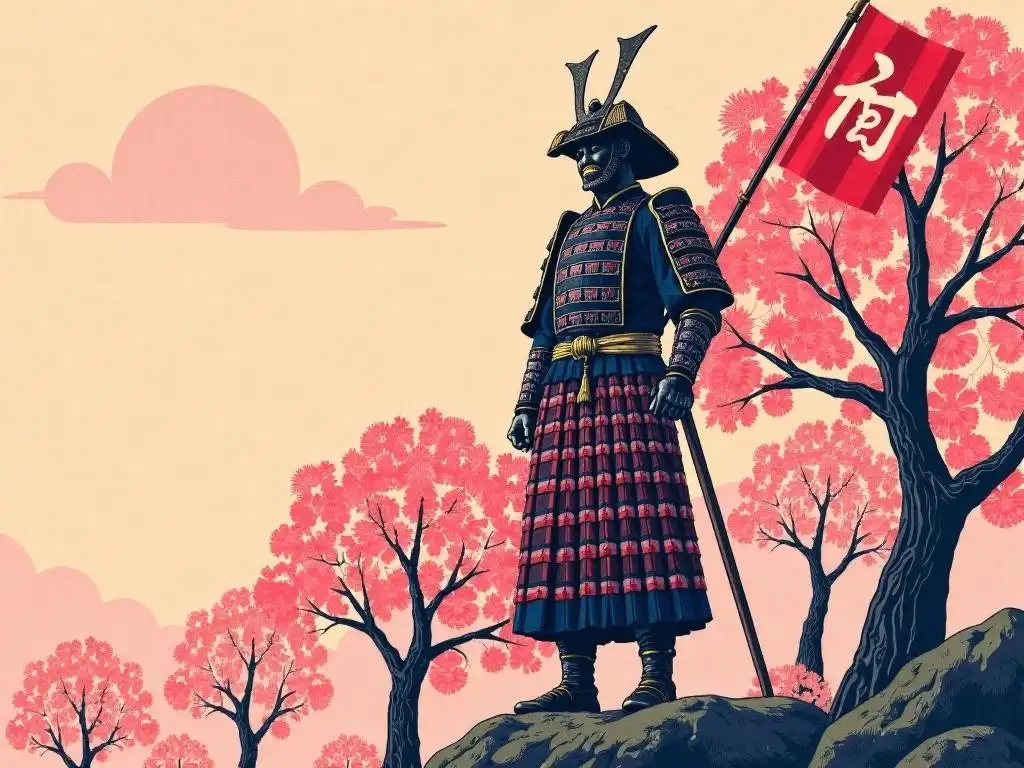
Welcome to Feudal Japan History, where we embark on a captivating journey through the intricate tapestry of Japan’s feudal era. Here, you'll uncover the profound influence of Bushido on Muromachi governance, a topic that intertwines the noble samurai code with the political intricacies of the time. Prepare to delve into the socio-political dynamics that shaped an era, igniting your curiosity and inviting you to explore the rich narratives that define this pivotal chapter of history. Join us as we unravel the complexities of honor, loyalty, and power that governed the lives of the samurai and the realm they served.
Introduction to Bushido and Its Significance
The concept of Bushido, often referred to as the "Way of the Warrior," has been a cornerstone of Japanese culture and identity, particularly during the Muromachi Period (1336–1573). This era witnessed the rise of the samurai class, whose principles and ethical framework were heavily influenced by Bushido.
Understanding how Bushido shaped governance during this time is crucial, as it not only dictated the behavior of the samurai but also had profound implications for the political and social structures of feudal Japan. By examining the Bushido influence on Muromachi governance, we can unravel the intricate relationship between samurai ethics and the administration of power, providing insight into the broader dynamics of Japanese history.
Definition of Bushido: The Way of the Warrior
Bushido, literally meaning "the way of the warrior," can be defined as a moral code that governs the conduct of samurai. This code encompasses various virtues such as loyalty, honor, courage, compassion, and righteousness. At its core, Bushido emphasizes the importance of personal integrity and the honor of the warrior, guiding samurai not only in battle but also in their everyday lives. The adherence to these principles fostered a sense of duty and commitment, influencing how samurai interacted with their lords, peers, and the common populace.
Historical Context of Bushido in Japan
The origins of Bushido can be traced back to the Heian Period (794–1185), where early samurai warriors began to develop a code of conduct that would evolve over the centuries. By the time of the Muromachi Period, Bushido had become increasingly formalized, drawing from Zen Buddhism, Confucianism, and the Shinto belief system.
The socio-political landscape of the time, marked by civil strife and the struggle for power among feudal lords, shaped the ethical framework of Bushido, embedding it deeply into the governance structures. This historical context is vital for understanding how Bushido influenced not only individual samurai but also the broader governance of Japan during this tumultuous era.
Overview of the Muromachi Period
The Muromachi Period was characterized by a decentralized political structure dominated by the Ashikaga shogunate. While the shogunate aimed to exert control over the feudal lords, or daimyō, local governance often remained fragmented. The samurai class played a pivotal role during this period, serving as both warriors and administrators. It was within this context that the principles of Bushido emerged as a guiding force for governance, shaping the relationships between lords and their vassals, and influencing the samurai's approach to duty, loyalty, and justice.
The Core Principles of Bushido
Loyalty and Honor: The Foundation of Samurai Ethics
Loyalty and honor are the bedrock of the Bushido code. For samurai, loyalty to one’s lord was not merely a duty but a profound moral obligation. This unwavering fidelity often dictated their actions and decisions, ensuring that the samurai upheld their honor and the honor of their clan. In governance, this principle translated into a system where loyalty dictated political alliances and military strategies, reinforcing the social hierarchy and stabilizing the governance structure.
Courage and Bravery: The Role in Governance
Samurai were expected to exhibit both courage and bravery, qualities essential for effective leadership and governance. The willingness to face danger, whether in battle or in the political arena, was a trait that defined a successful samurai. This valor not only inspired respect among peers but also instilled fear in adversaries, thereby influencing power dynamics within the Muromachi governance framework. The samurai's courage often translated into decisive actions that shaped the political landscape, reinforcing their role as both warriors and leaders.
Compassion and Benevolence: The Samurai's Duty to Society
While the samurai were fierce warriors, their code also emphasized compassion and benevolence. This principle mandated that samurai should protect the weak and uphold justice. In governance, this notion of social responsibility led to a more humane administration, where samurai were expected to act as stewards of their communities. By balancing strength with compassion, the samurai contributed to the societal stability and welfare during the Muromachi Period, highlighting the dual nature of their role as both rulers and caretakers.
Bushido Influence on Muromachi Governance
The impact of Bushido, the samurai code of ethics, on governance during the Muromachi period (1336-1573) was profound and far-reaching. As the political landscape shifted with the rise of the samurai class, Bushido became a guiding principle for the governance structures that emerged. This code emphasized values such as loyalty, honor, courage, and discipline, which not only shaped the behavior of samurai as warriors but also influenced their roles as leaders and administrators. Consequently, the principles of Bushido informed the governance of feudal domains, affecting the relationships between lords and vassals, as well as the administration of justice.
The integration of Bushido into governance facilitated a distinctive form of leadership characterized by a moral obligation to uphold the welfare of the people. This sense of duty fostered a political environment where samurai leaders were expected to act justly and honorably, reinforcing their legitimacy. In addition, the code emphasized the importance of education, which led to a more literate samurai class engaged in administrative tasks and governance, thereby enhancing the efficiency of feudal rule.
How Bushido Shaped Political Structures in the Muromachi Era
Bushido significantly influenced the political structures during the Muromachi era by establishing a hierarchy based on loyalty and service. The feudal system was underpinned by relationships of mutual obligation between daimyō (feudal lords) and their samurai retainers. These relationships were governed by the principles of Bushido, which stipulated that samurai must serve their lords with unwavering loyalty and integrity.
The emphasis on honor and loyalty in Bushido also meant that political decisions were often driven by personal relationships rather than formal bureaucratic processes. This led to a governance style that prioritized the needs of the community and the welfare of the samurai class. Furthermore, samurai were encouraged to participate in local governance, often taking on roles as advisors and local administrators, thereby intertwining their martial responsibilities with civil duties.
Bushido also contributed to the emergence of a distinct political philosophy that justified the samurai's role in governance. This philosophy highlighted the samurai's duty to maintain peace and order, further legitimizing their authority in the eyes of the populace.
The Role of Samurai in Government: From Warriors to Administrators
During the Muromachi period, the role of samurai evolved significantly from that of mere warriors to influential administrators. As the central authority weakened, local samurai began to assume greater control over their territories, often managing both military and civil affairs. This dual role was a direct manifestation of Bushido, which advocated for a well-rounded character that included not only martial prowess but also wisdom and governance.
Samurai were trained in various disciplines, including literature, law, and philosophy, which equipped them with the skills necessary for effective administration. As they transitioned into administrative roles, samurai applied principles of Bushido to governance, ensuring that their decisions aligned with the moral values of loyalty and honor. This shift was crucial in maintaining order and discipline within their domains, which often faced challenges from rival factions and internal dissent.
Moreover, the samurai's growing influence in governance led to the establishment of councils and advisory bodies, where key samurai would deliberate on matters of state and local governance. This collaborative approach was rooted in the Bushido ethos, promoting consultation and consensus among warrior leaders.
Case Studies: Key Figures and Their Bushido Practices in Governance
Several key figures from the Muromachi period exemplified how Bushido influenced governance through their practices and principles. One notable example is Ashikaga Takauji, the founder of the Ashikaga shogunate, who emphasized loyalty and honor in his leadership. Takauji’s alignment with the principles of Bushido helped to solidify his rule and foster loyalty among his samurai, creating a stable governance structure.
Another significant figure was Uesugi Kenshin, a daimyō known for his strict adherence to Bushido. His commitment to justice and honor earned him the respect of both allies and adversaries. Kenshin's governance style illustrated how Bushido could be employed to create a fair and equitable administration, as he often mediated disputes among his vassals and promoted the welfare of the common people.
Additionally, Oda Nobunaga's approach to governance showcased a unique interpretation of Bushido, blending traditional samurai values with innovative strategies. Nobunaga’s emphasis on meritocracy and efficiency in administration reflected a pragmatic adaptation of Bushido ideals, which allowed him to consolidate power during a tumultuous period.
The Impact of Bushido on Legal Systems during the Muromachi
The influence of Bushido extended into the legal systems of the Muromachi period, shaping how justice was administered and disputes were resolved. The principles of honor, loyalty, and righteousness formed the basis for legal practices, leading to a system that emphasized moral integrity alongside codified laws.
Bushido provided a framework for samurai to act as both enforcers of the law and arbiters of justice. This dual role was crucial in maintaining social order, as samurai were expected to uphold the tenets of Bushido in their dealings with others. The legal system thus became an extension of the samurai's ethical obligations, where personal honor played a significant role in the administration of justice.
Samurai Justice: Integration of Bushido into Legal Practices
Samurai justice during the Muromachi period was characterized by the integration of Bushido into legal practices. The samurai's commitment to honor and integrity meant that they often prioritized fairness over strict adherence to the law. This approach allowed for a more flexible legal system, where the context of each case was considered alongside the established laws.
In practice, samurai acted as judges and mediators, resolving disputes based on their understanding of Bushido principles. This often resulted in decisions that emphasized reconciliation and mutual respect rather than punitive measures. The samurai's ethical foundation ensured that their judgments aligned with societal values, promoting a sense of justice that resonated with the people.
Furthermore, the emphasis on honor meant that samurai were held to high standards of conduct, both in their personal and professional lives. Any deviation from Bushido could lead to a loss of status and reputation, thus reinforcing the importance of ethical behavior within the legal system.
The Influence of Bushido on Dispute Resolution and Mediation
Bushido also profoundly influenced dispute resolution and mediation practices during the Muromachi period. The samurai's role as mediators was rooted in their commitment to maintaining harmony and balance within their communities. This approach was especially important in a feudal society where conflicts were common, and the potential for violence was ever-present.
Samurai often employed mediation techniques that reflected the values of Bushido, emphasizing dialogue, respect, and understanding. Their training in philosophy and ethics allowed them to navigate complex interpersonal conflicts, fostering resolutions that honored the dignity of all parties involved. This practice not only resolved disputes but also reinforced community bonds and loyalty among samurai and their retainers.
Moreover, the principles of Bushido encouraged samurai to act as moral exemplars in their communities. By resolving disputes fairly and honorably, they upheld the ideals of loyalty and righteousness, further embedding these values within the social fabric of the Muromachi period. This commitment to ethical dispute resolution ultimately contributed to a more stable and cohesive society.
Comparing Bushido with Other Ethical Codes in Governance

Bushido, the code of the samurai, is often compared to other ethical frameworks that governed societal conduct during the Muromachi period. Its principles not only shaped the behavior of the samurai class but also influenced the broader political landscape. This comparison reveals distinct differences in how these ethical codes approached governance, virtue, and societal roles.
Bushido emphasizes honor, loyalty, and martial prowess, establishing a warrior ethic that dictated not just the actions of samurai but also the expectations of those in positions of power. In contrast, other ethical systems like Confucianism provide a more hierarchical and relational approach to governance, focusing on moral duty, familial respect, and social harmony. Understanding these differences helps clarify the unique position of Bushido within the feudal governance structure of Japan.
Bushido vs. Confucianism: Different Approaches to Governance
While both Bushido and Confucianism stress the importance of virtue and moral conduct, their applications within governance diverge significantly. Confucianism, with its roots in Chinese philosophy, prioritizes the role of the scholar-official and the importance of education in governance. It advocates for a society led by wise rulers who govern through benevolence and moral example, emphasizing the importance of relationships and social hierarchy.
Conversely, Bushido, borne out of the samurai warrior tradition, centers on the values of loyalty, bravery, and honor in the face of conflict. Samurai were expected to serve their lords with unwavering fidelity, and this loyalty was often prioritized over familial or societal ties. As such, while Confucianism sought to create a stable, harmonious society through ethical governance, Bushido's focus on martial virtue and loyalty often led to a governance style that could be more rigid and militaristic. This divergence highlights how each ethical code shaped the governance practices during the Muromachi period, contributing to a complex political landscape.
The Interaction of Bushido with Shinto and Buddhist Values
The interplay between Bushido, Shinto, and Buddhist values further illustrates the multifaceted nature of governance during the Muromachi period. Shinto, Japan's indigenous spirituality, emphasizes ritual purity, ancestral reverence, and a deep connection to nature. These elements infused Bushido with a sense of spiritual duty, creating a warrior ethic that not only required martial excellence but also a commitment to serving the kami (spirits).
Buddhism, particularly Zen Buddhism, also influenced Bushido by promoting values such as discipline, mindfulness, and a focus on the present moment. The meditative practices of Zen complemented the samurai's need for mental clarity and emotional control, reinforcing principles of self-discipline that were central to Bushido.
The fusion of these spiritual beliefs with Bushido created a governance ethos that valued not just martial skill, but also moral integrity, spiritual duty, and community responsibility. This synergy had profound implications for how samurai governed their domains, often leading to a more holistic approach that combined martial prowess with ethical considerations.
The Decline of Bushido Influence in Late Muromachi
As the Muromachi period progressed, the influence of Bushido began to wane, leading to significant shifts in governance and societal expectations. Several factors contributed to this decline, reflecting broader changes within Japanese society and the political landscape.
Factors Contributing to the Erosion of Bushido Principles
The erosion of Bushido principles can be attributed to various factors, including the rise of merchant classes, the increasing centralization of power, and the effects of prolonged conflict. As Japan transitioned into the late Muromachi period, the emergence of a wealthy merchant class began to challenge the samurai's traditional status. The new economic power held by merchants shifted the focus away from the samurai's martial ethos toward a more commerce-driven society, diminishing the relevance of Bushido in everyday life.
Additionally, the constant warfare and internal strife characteristic of this period led to a fragmentation of power. With factions vying for control, the once-clear lines of loyalty and honor became blurred, as survival often took precedence over adherence to Bushido principles. This shifting landscape created a governance model that was less reliant on the ideals of honor and loyalty that had previously characterized samurai rule.
The Shift in Governance Styles and Its Consequences
As Bushido's influence waned, governance styles shifted towards more pragmatic approaches. The increasing importance of economic stability and administrative efficiency began to overshadow the martial values of the samurai. This transition was marked by the rise of warlords who prioritized tactical alliances and economic control over traditional samurai values.
The consequences of this shift were profound, as the decline of Bushido led to a governance model that was less cohesive and more fragmented. With loyalty to the lord being compromised by personal ambition and economic interests, the social fabric began to fray. The samurai class, once seen as the backbone of governance, found itself increasingly at odds with emerging social classes, leading to a transformation in the political dynamics of Japan that would set the stage for the subsequent unification efforts in the late 16th century.
The decline of Bushido during the late Muromachi period exemplifies how changes in societal structure and economic power can reshape ethical codes of governance, influencing the very foundations of political authority in feudal Japan.
Conclusion: The Lasting Legacy of Bushido on Japanese Governance
The concept of Bushido, or the "Way of the Warrior," has left an indelible mark on Japanese governance, particularly during the Muromachi period (1336-1573). This ethical code, which emphasized virtues such as loyalty, honor, and discipline, shaped not only the conduct of the samurai but also influenced the broader political landscape of Japan.
The adherence to Bushido provided a framework for governance that prioritized the welfare of the state and the moral integrity of its leaders. As a result, the principles enshrined in Bushido transcended the samurai class, permeating various layers of governance and society, ultimately laying the groundwork for Japan’s future political ideologies.
The legacy of Bushido continues to resonate in contemporary Japan, where its values are seen as integral to social harmony and leadership. Understanding the historical context of Bushido allows for a deeper appreciation of its role in shaping Japanese political identity and governance structures. It serves as a reminder of the importance of ethical considerations in leadership and the impact of cultural values on statecraft.
Summary of Bushido's Impact on Muromachi Political History
Bushido significantly influenced the political dynamics during the Muromachi period by establishing a set of ethical guidelines that governed the behavior of the samurai class and, by extension, the ruling elite. The samurai's commitment to loyalty and honor fostered a sense of duty towards their lords and the state, leading to a more cohesive feudal system. This loyalty was not merely personal but was also institutionalized within the framework of governance, where the samurai were tasked with maintaining order and authority.
Additionally, the principles of Bushido encouraged a meritocratic approach to governance, where valor and skill were valued over mere birthright. This shift allowed for a more dynamic political environment, where samurai could rise through the ranks based on their abilities and contributions. Consequently, the Muromachi shogunate witnessed a blend of traditional feudal hierarchies with new ideals inspired by Bushido, which emphasized ethical leadership and responsibility.
Reflections on the Relevance of Bushido in Contemporary Governance
In today’s world, the principles of Bushido hold significant relevance, particularly in discussions surrounding ethical governance and leadership. The focus on integrity, loyalty, and service to others resonates with contemporary values that advocate for transparency and accountability in government. As societies grapple with issues of corruption and moral decay, revisiting the tenets of Bushido could provide valuable insights into fostering a culture of ethical leadership.
Moreover, Bushido’s emphasis on personal honor and responsibility can inspire modern leaders to prioritize the common good over personal ambition. By integrating these age-old principles into contemporary governance frameworks, societies can work towards creating a more just and equitable political environment. The ongoing relevance of Bushido highlights the enduring impact of historical ideologies on present-day governance and societal standards.
References and Further Reading
Suggested Books on Bushido and Muromachi Governance
-
"Bushido: The Soul of Japan" by Inazo Nitobe
This classic work explores the philosophical underpinnings of Bushido and its implications for Japanese culture and governance.
-
"The Samurai: A Military History" by Stephen Turnbull
This comprehensive text delves into the military and political roles of samurai during various periods, including the Muromachi era.
-
"The Muromachi Period" by John W. Hall
A detailed examination of the political and social structures during the Muromachi period, emphasizing the role of Bushido in governance.
Academic Articles for In-Depth Exploration of the Topic
-
"Bushido and Its Influence on Modern Japanese Politics"
This article analyzes the historical significance of Bushido principles in shaping contemporary political ideologies in Japan.
-
"Feudalism and Governance in the Muromachi Period"
A scholarly exploration of the governance structures of the Muromachi period and the role of the samurai class in maintaining political order.
-
"The Ethical Dimensions of Leadership in Japanese History"
This paper investigates the impact of Bushido on leadership ethics throughout Japanese history, with a focus on the Muromachi period.
- Introduction to Bushido and Its Significance
- The Core Principles of Bushido
- Bushido Influence on Muromachi Governance
- The Impact of Bushido on Legal Systems during the Muromachi
- Comparing Bushido with Other Ethical Codes in Governance
- The Decline of Bushido Influence in Late Muromachi
- Conclusion: The Lasting Legacy of Bushido on Japanese Governance
- References and Further Reading
Frequently Asked Questions
What is Bushido?
Bushido is the samurai code of conduct that emphasizes values such as loyalty, honor, and discipline. It shaped the ethical framework and social behavior of samurai during feudal Japan.
How did Bushido influence Muromachi governance?
Bushido had a profound impact on Muromachi governance by promoting a system of loyalty and service that governed the relationship between daimyos and their samurai, reinforcing the structure of feudal rule.
What role did samurai play in the Muromachi period?
During the Muromachi period, samurai were not only warriors but also served as administrators and landowners, helping to enforce the laws and principles of Bushido in governance.
How did cultural aspects of Bushido affect society?
The cultural aspects of Bushido influenced societal norms, fostering a sense of community and shared values among samurai, which in turn impacted the broader Japanese society during the Muromachi era.
Is Bushido still relevant in modern Japan?
While Bushido is rooted in the past, its principles of honor, loyalty, and discipline continue to resonate in modern Japanese culture, influencing various aspects of life and social interactions.
Final Reflection: The Enduring Legacy of Bushido in Governance
The principles of Bushido not only shaped the samurai's way of life but also profoundly influenced governance during the Muromachi period. In today's world, where ethical leadership and moral integrity are often called into question, the lessons of Bushido resonate more than ever. The samurai's commitment to honor, loyalty, and discipline serves as a timeless reminder of the values that can guide effective governance and inspire leaders to act with integrity.
The impact of Bushido on Muromachi governance is a testament to how cultural values can shape political structures. The ideals of loyalty and duty cultivated a sense of responsibility among leaders, fostering a governance style that prioritized the welfare of the people. As noted by historian Thomas Cleary, Bushido is not just a code for warriors; it is a way of life that can guide anyone seeking to lead with honor.
This perspective highlights the ongoing relevance of Bushido, reminding us that the principles of ethical leadership are universal and can transcend time and culture.
As we reflect on the lessons of Bushido, let us consider how we can incorporate these values into our own lives and leadership practices. I invite you to explore how the principles of honor, loyalty, and discipline can inform your decisions and actions, whether in your personal life or professional endeavors. By embracing the spirit of Bushido, we can contribute to a more ethical and responsible society, ensuring that the legacy of the samurai continues to inspire future generations.
Embrace the Spirit of Bushido for a Better Tomorrow
Thank you for diving into the profound teachings of Bushido and exploring its influence on governance during the Muromachi period. Your interest in this rich history not only enhances your understanding but also connects you with timeless principles that can guide modern life.
Now, it's time to take action and truly embody the spirit of Bushido in your own journey. Here’s how you can start:
- Reflect and Apply: Spend a few minutes journaling about how the values of loyalty, honor, and discipline resonate with you. Identify one area in your life where you can implement these principles today.
- Join the Conversation: Share your thoughts on the relevance of Bushido in today's world by commenting on our forum. Engage with fellow history enthusiasts and exchange ideas!
- Explore Further: Read more about other influential samurai practices or figures that shaped Japan's history. Check our recommended readings section for additional insights.
What aspect of Bushido do you believe can create a positive change in today’s society? Let’s spark a discussion!