
Economic Policies of the Muromachi Shogunate: Governance and Trade


Welcome to Feudal Japan History, where we embark on a fascinating journey through the intricate tapestry of Japan’s feudal era. Dive deep into the economic policies of the Muromachi Shogunate, a pivotal chapter that shaped governance and trade during a time of profound transformation. What secrets lie within their strategies that influenced not only the economy but also the very fabric of society? Join us as we unravel these complexities and discover how this historical period continues to resonate today. Prepare to explore, learn, and be captivated by the rich narratives that await you!
- Introduction to the Muromachi Shogunate Economic Policies
- Historical Context of the Muromachi Period
- Key Economic Policies of the Muromachi Shogunate
- Governance Strategies Affecting Economic Policies
- Impact of Economic Policies on Society
- Challenges Faced by the Muromachi Shogunate
- Legacy of the Muromachi Shogunate Economic Policies
- Conclusion
-
Frequently Asked Questions
- What were the main economic policies of the Muromachi Shogunate?
- How did trade evolve during the Muromachi period?
- What role did agriculture play in the Muromachi Shogunate?
- How did the Muromachi Shogunate affect the social structure?
- What impact did the Muromachi Shogunate's policies have on Japan's future?
- Final Reflection: The Enduring Legacy of Muromachi Shogunate Economic Policies
- Unveil the Secrets of Muromachi Economics!
Introduction to the Muromachi Shogunate Economic Policies
The economic policies of the Muromachi Shogunate are pivotal in understanding the broader governance and societal structure of Japan during the Muromachi period (1336-1573). This era, characterized by political fragmentation and the rise of powerful regional warlords, saw the shogunate implement various strategies to stabilize the economy and enhance trade, both domestically and internationally.
By examining these economic policies, we can gain insight into how they influenced the political landscape, facilitated the growth of commerce, and shaped the daily lives of the populace. This article will delve into the intricacies of the Muromachi Shogunate's economic governance and its lasting impact on Japan's historical trajectory.
Overview of the Muromachi Shogunate
The Muromachi Shogunate, also known as the Ashikaga Shogunate, emerged after the Kamakura period and lasted for over two centuries. Founded by Ashikaga Takauji, this shogunate marked a significant transition in Japanese history, shifting power dynamics from the previous military government in Kamakura to a new era of civil strife and regional autonomy.
During this period, the Muromachi Shogunate faced numerous challenges, including ongoing conflicts with rival clans and the threat of foreign invasions. However, it also witnessed cultural blossoming, particularly in the arts, religion, and philosophy. The shogunate's governance was characterized by a more decentralized power structure, with local daimyos (feudal lords) gaining prominence and often acting independently of the shogunate. This decentralization played a crucial role in shaping the economic policies that were implemented during this time.
Key features of the Muromachi Shogunate include:
- Political Fragmentation: The shogunate struggled to maintain control over the increasingly autonomous daimyos, leading to a complex web of alliances and rivalries.
- Cultural Flourishing: This period saw the rise of influential cultural movements, including the development of Noh theater and the tea ceremony.
- Trade and Commerce: The Muromachi era was marked by the expansion of domestic and foreign trade, particularly with China and Korea.
Importance of Economic Policies in Governance
Economic policies during the Muromachi Shogunate were not merely financial strategies; they were integral to governance and the establishment of social order. The shogunate recognized that a stable economy was essential for maintaining power and ensuring loyalty among the daimyos and the samurai class.
The economic measures adopted during this time included:
- Taxation Reforms: The shogunate implemented various taxation systems to fund military campaigns and public projects, which helped stabilize the economy.
- Promotion of Trade: Encouraging both domestic and international trade was critical for economic growth. The shogunate established trade routes and facilitated commerce with neighboring countries, leading to increased wealth and resources.
- Market Regulation: The Muromachi Shogunate enforced regulations on markets to ensure fair trade practices and curb corruption, which was essential for maintaining public trust in the shogunate's governance.
These policies not only aimed to enhance economic prosperity but also served as tools for political control, ultimately influencing the power dynamics that characterized the Muromachi period.
Historical Context of the Muromachi Period
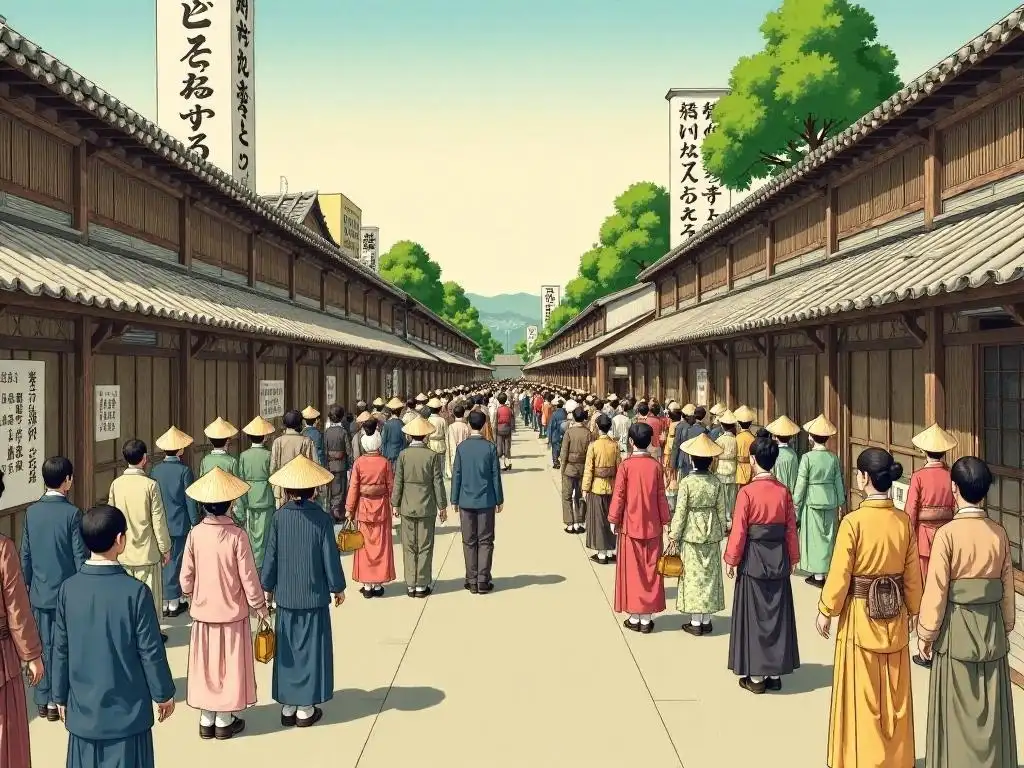
The Muromachi Period, which lasted from 1336 to 1573, was a significant era in Japanese history marked by a unique blend of political, cultural, and economic transformations. This period followed the Kamakura Shogunate and was characterized by the rule of the Ashikaga clan, which established its power in Kyoto. The historical context of the Muromachi Period is crucial to understanding its economic policies and how they influenced governance and trade.
The Rise of the Muromachi Shogunate
The Ashikaga Shogunate emerged in the wake of the fall of the Kamakura Shogunate, primarily due to internal strife and external pressures. The desire for a centralized government led to a power struggle among various feudal lords (daimyō). In 1336, Ashikaga Takauji seized Kyoto, marking the beginning of the Muromachi Shogunate. This shift in power resulted in a decentralized governance structure, where local daimyō retained considerable autonomy while nominally recognizing the authority of the shogun.
The rise of the Muromachi Shogunate was not merely a political event; it also had profound economic implications. The shogunate implemented various policies aimed at stabilizing the economy and fostering trade. Notably, the shogunate's focus on agriculture led to increased rice production, which became a cornerstone of the economy. The introduction of new farming techniques and the promotion of irrigation systems played a crucial role in enhancing agricultural output.
Moreover, the Muromachi Shogunate facilitated trade both domestically and internationally. The establishment of trade routes and the development of port cities such as Sakai allowed for increased exchanges with China and Korea. This period also witnessed the rise of merchant classes, which began to play a significant role in the economy. The wealth generated from trade and commerce contributed to the shogunate's stability and further solidified the power of local daimyō.
Socioeconomic Conditions in Japan During the Muromachi Era
The socioeconomic landscape of Japan during the Muromachi era was characterized by a complex interplay of political power, economic activity, and social stratification. The period saw the growth of a distinct merchant class, which emerged as a powerful economic force. This class not only contributed to the economy through trade but also began to influence cultural aspects, such as the arts and literature.
The agricultural sector remained the backbone of the economy, with rice serving as both a staple food and a measure of wealth. The Muromachi Shogunate's economic policies encouraged agricultural innovation, leading to increased productivity. Land reclamation projects and improved farming techniques allowed for the cultivation of previously unusable land, thereby expanding arable territory.
Key Features of the Socioeconomic Conditions:
- Agriculture: The primary economic activity, with rice as the central crop.
- Emergence of a Merchant Class: This class gained importance as trade flourished, leading to increased economic mobility.
- Cultural Flourishing: The wealth generated from trade and agriculture contributed to advancements in arts, such as Noh theatre and ink painting.
The economic policies of the Muromachi Shogunate were crucial in shaping these socioeconomic conditions. The emphasis on trade, agricultural production, and the rise of a merchant class created a dynamic economy that laid the groundwork for the later success of the Edo Period. The interplay of these factors not only influenced governance but also had lasting effects on Japanese society and culture.
The historical context of the Muromachi Period reveals a time of significant change, where the rise of the Ashikaga Shogunate and its economic policies fostered a vibrant and evolving socioeconomic landscape in feudal Japan.
Key Economic Policies of the Muromachi Shogunate

The Muromachi Shogunate, which lasted from 1336 to 1573, marked a significant period in Japan's history characterized by distinctive economic policies that influenced agriculture, trade, and governance. These policies played a crucial role in shaping the socio-economic landscape of Japan during this era. By examining the various facets of the Muromachi Shogunate economic policies, we can better understand their impact on Japanese society and governance.
Agricultural Policies and Land Management
Agriculture was the backbone of the Muromachi economy, and the shogunate implemented several policies aimed at enhancing productivity and managing land effectively.
Taxation Systems and Incentives for Farmers
The taxation system during the Muromachi period was primarily based on rice production, which served as both a staple food and a form of currency. The shogunate introduced a relatively flexible taxation system that varied according to local conditions. Key aspects included:
- Fixed vs. Variable Tax Rates: While some regions adhered to fixed rates, others operated under variable systems that adjusted based on annual harvests. This helped mitigate the impacts of poor harvests and natural disasters.
- Incentives for Increased Production: The shogunate offered incentives for farmers who increased their output, such as tax reductions or exemptions. This encouraged innovation and the adoption of new agricultural techniques.
This approach not only helped stabilize the rural economy but also fostered a sense of loyalty among the peasantry towards the shogunate.
Innovations in Rice Cultivation
The Muromachi period saw significant advancements in agricultural techniques, particularly in rice cultivation. Some notable innovations included:
- Irrigation Systems: The development of sophisticated irrigation systems allowed for more efficient water management, enabling farmers to cultivate rice in previously unproductive areas.
- Crop Rotation: Farmers began to adopt crop rotation practices, which improved soil fertility and reduced fallow periods. This shift significantly boosted overall agricultural productivity.
These innovations contributed to a more robust agricultural sector, which in turn supported the burgeoning population and urbanization during the Muromachi era.
Trade Policies and Economic Expansion
In addition to agricultural policies, the Muromachi Shogunate emphasized trade as a means of economic expansion. The shogunate implemented various trade policies that facilitated both domestic and foreign commerce.
Domestic Trade Networks
The establishment of domestic trade networks was crucial for economic growth during the Muromachi period. Key elements included:
- Market Towns: The government promoted the development of market towns, which became vital centers for commerce. Goods such as textiles, pottery, and agricultural products were traded extensively in these towns.
- Guilds and Merchant Associations: The rise of merchant associations helped regulate trade practices and protect the interests of local businesses. These guilds played a crucial role in standardizing weights, measures, and prices, enhancing the efficiency of market transactions.
This robust domestic trade network contributed to increased economic interdependence among different regions of Japan.
Foreign Trade Relations and Maritime Policies
The Muromachi Shogunate also focused on expanding foreign trade relations, particularly with neighboring countries. Key policies included:
- Maritime Trade Expeditions: The shogunate encouraged maritime exploration and trade expeditions, leading to enhanced trade relations with China and Korea. Japanese merchants engaged in the trade of silk, ceramics, and other valuable goods.
- Regulation of Foreign Trade: To manage foreign trade effectively, the shogunate established regulations and designated specific ports for international commerce. This helped maintain control over trade activities and prevent piracy.
These foreign trade relations enriched the Japanese economy and facilitated cultural exchanges that influenced Japanese society, art, and technology during the Muromachi period.
The economic policies of the Muromachi Shogunate were instrumental in fostering agricultural productivity and expanding trade networks. These policies not only strengthened the economy but also laid the groundwork for future developments in Japan's political and social structures.
Currency and Financial Systems
During the Muromachi Shogunate, which spanned from 1336 to 1573, Japan underwent significant developments in its currency and financial systems. These transformations were crucial in facilitating trade, enhancing economic stability, and integrating different regions of the archipelago into a more cohesive economic framework. The shogunate's economic policies were pivotal in managing currency, fostering merchant activities, and promoting financial institutions that would lay the groundwork for Japan’s future economic structure.
Introduction of New Currency Systems
One of the hallmark features of the Muromachi period was the introduction of new currency systems, which marked a departure from the earlier reliance on barter and limited coinage. The government began minting new coins, including the "Nanban" and "Tsuho", which were utilized in trade and commerce. These coins were primarily made of copper and silver, reflecting a broader trend towards standardized currency that could facilitate easier transactions across various regions.
The introduction of these new currencies was not merely a financial adjustment; it represented a strategic move by the Muromachi Shogunate to assert control over the economy. By standardizing currency, the shogunate aimed to reduce the rampant inflation that had plagued the earlier periods and to stabilize the economy. This initiative also encouraged trade both domestically and internationally, particularly with the rise of maritime trade routes connecting Japan to China and Southeast Asia.
In addition to new coinage, the Muromachi period saw the establishment of a more organized taxation system. Local lords (daimyō) were required to collect taxes in the form of rice, which was a standard measure of wealth at the time. This system not only provided the shogunate with a steady revenue stream but also reinforced the importance of agriculture within the economy.
Role of Merchants and Banking in the Economy
The Muromachi Shogunate marked a significant evolution in the role of merchants and the development of banking systems. Merchants, who were often seen as lower in social status compared to the samurai class, began to gain prominence due to their vital role in the economy. As trade flourished, merchants established networks that transcended local boundaries, connecting various regions of Japan and facilitating the exchange of goods such as silk, textiles, and ceramics.
The rise of merchant guilds during this period was particularly noteworthy. These guilds provided a structure for merchants to collaborate, pooling resources and sharing information to maximize profits. They also played a crucial role in regulating trade practices, thereby ensuring fair competition and stability in the marketplace.
Banking systems also emerged as a response to the growing complexity of trade and commerce. The "kameishi" system allowed merchants to engage in credit transactions, providing loans and facilitating trade without the immediate exchange of cash. This method was instrumental in supporting the burgeoning commercial activities across Japan. Moreover, these early banking practices laid the groundwork for more sophisticated financial institutions that would develop in later periods.
The economic policies of the Muromachi Shogunate were characterized by significant advancements in currency systems and the burgeoning role of merchants and banking. These changes not only shaped the economic landscape of the time but also set the stage for the modernization of Japan's economy in the centuries to follow.
Governance Strategies Affecting Economic Policies
The governance strategies employed during the Muromachi Shogunate had a profound impact on the economic policies of the era. Understanding these strategies is essential to grasp the complexities of feudal Japan's economic landscape. The Muromachi period, which lasted from 1336 to 1573, was characterized by a decentralized form of governance where power was shared among various regional lords (daimyōs) and the shogunate. This division of power influenced economic policies significantly, balancing local interests with the overarching authority of the shogunate.
The Role of the Shogun in Economic Governance
The shogun, as the highest military authority, played a pivotal role in shaping economic governance during the Muromachi period. The Ashikaga shogunate, in particular, implemented policies aimed at stabilizing and promoting trade, agriculture, and industry.
-
Taxation and Revenue Collection:
The shogunate established a taxation system that sought to balance local and imperial interests. The taxes levied on land, known as shōen, were crucial for the shogunate's revenue. This system allowed for the collection of resources from various regions, enabling the shogunate to fund military campaigns and maintain order.
-
Control of Trade Routes:
The shogunate exerted control over critical trade routes, facilitating commerce between provinces. By establishing regulations for trade, the shogunate ensured the smooth flow of goods, including rice, textiles, and metals. The introduction of merchant guilds further enhanced trade by standardizing practices and protecting merchants' interests.
-
Support for Agriculture:
Recognizing the importance of agriculture as the backbone of the economy, the shogunate initiated policies to improve agricultural productivity. This included the promotion of new farming techniques and the distribution of land to capable farmers. The resulting agricultural surplus not only supported local economies but also contributed to the shogunate's tax revenues.
-
Crisis Management:
During periods of famine or natural disasters, the shogun implemented relief measures to stabilize the economy. Temporary tax reductions and the distribution of food were vital in maintaining loyalty among the peasantry and preventing uprisings.
Influence of the Ashikaga Clan on Economic Decisions
The Ashikaga clan, as the ruling family of the Muromachi Shogunate, had a significant influence on economic decision-making. Their policies reflected a blend of personal ambition and broader economic strategies aimed at consolidating power.
-
Promotion of Trade with Foreign Nations:
The Ashikaga clan recognized the potential of foreign trade, particularly with China and the Ryukyu Islands. They established diplomatic relations that allowed for the exchange of goods, culture, and ideas. This not only enriched the economy but also positioned Japan favorably in regional politics.
-
Patronage of Arts and Crafts:
The Ashikaga shogunate actively promoted the arts and crafts, which stimulated economic activity. By supporting artisans and craftsmen, they ensured the production of high-quality goods that could be traded both domestically and internationally. This cultural patronage contributed to the development of a vibrant marketplace.
-
Regulation of Merchant Activities:
The Ashikaga clan imposed regulations on merchant activities to maintain order and fairness in trade. These regulations often favored certain merchant groups, which led to the establishment of powerful merchant families that could influence local economies and politics.
-
Land Reforms and Management:
The clan implemented land reforms that redistributed land among the samurai and peasantry to enhance productivity. This was crucial in a time when agricultural output was directly linked to the shogunate's power. By ensuring a stable food supply, the Ashikaga clan maintained their influence and control over the provinces.
The governance strategies of the Muromachi Shogunate, coupled with the Ashikaga clan's influence, played a defining role in shaping the economic policies of the era. Their approaches to taxation, trade regulation, agricultural support, and crisis management laid the groundwork for economic practices that would resonate throughout Japan's feudal history.
Impact of Economic Policies on Society

The economic policies of the Muromachi Shogunate had profound effects on the social fabric of Japan during the 14th to 16th centuries. These policies, characterized by a blend of feudal obligations and emerging market principles, facilitated significant changes in the way society was structured and functioned. As trade expanded and new classes emerged, the social order underwent a transformation that would lay the groundwork for Japan's future economic landscape.
The Muromachi Shogunate's economic policies led to notable shifts in the traditional social hierarchy. Initially, Japan's feudal system was rigidly defined, with the samurai class at the top, followed by farmers, artisans, and merchants. However, as the Shogunate implemented policies that encouraged trade and commerce, the boundaries between these classes began to blur.
- Emergence of New Social Classes
- Merchants and Traders: With the rise of commerce, a new merchant class began to gain wealth and influence. This class, previously looked down upon in the Confucian-influenced hierarchy, started to assert its power through economic means.
- Wealth Redistribution: Economic prosperity led to the redistribution of wealth, where successful merchants could acquire land and challenge the traditional power of the samurai. This shift created a more fluid social structure, allowing for increased mobility among classes.
- Impact on the Samurai Class
- Dependence on Financial Resources: Samurai, traditionally supported by land revenue, increasingly relied on wealth generated through trade. Some samurai began to engage in business, further intertwining their roles as warriors and merchants.
- Decline of Samurai Authority: As merchants gained economic power, the authority of the samurai diminished, leading to tensions between classes. This shift contributed to a gradual redefinition of loyalty and power dynamics within the society.
- Cultural Changes
- Cultural Exchange: The economic policies also facilitated cultural exchanges, as merchants traveled and brought new ideas and goods, influencing local culture and art.
- Urbanization: The growth of markets and trade led to increased urbanization, with new towns emerging as centers of commerce, further transforming the societal landscape.
The Rise of the Merchant Class
The rise of the merchant class during the Muromachi period marked a significant turning point in Japan's economic and social history. While merchants had previously been marginalized, the economic policies of the Muromachi Shogunate allowed them to flourish.
- Increased Economic Activity
- Trade and Commerce: The establishment of trade routes, both domestic and international, enabled merchants to engage in lucrative business ventures. The shogunate's policies encouraged the growth of markets and the expansion of trade, which directly benefited the merchant class.
- Financial Instruments: The introduction of financial instruments, such as bills of exchange and promissory notes, allowed merchants to conduct business more efficiently and manage risks effectively.
- Political Influence
- Participation in Governance: As their wealth increased, merchants began to wield more political influence. They started to participate in local governance and even formed guilds that could negotiate with feudal lords.
- Support for the Shogunate: Many merchants aligned themselves with the Shogunate, providing financial support in exchange for privileges, such as tax exemptions or protection against rival factions.
- Cultural Contributions
- Patrons of the Arts: Wealthy merchants became patrons of the arts, supporting the development of theater, literature, and other cultural endeavors. This patronage led to a flourishing of cultural expressions that reflected both traditional and emerging influences.
- Social Mobility and Education: The rise of the merchant class also promoted social mobility and education, as successful merchants invested in their children's education, fostering a more literate and informed populace.
The economic policies of the Muromachi Shogunate not only transformed the economy but also reshaped the social structure of Japan. The emergence of a powerful merchant class challenged traditional norms and laid the foundations for modern economic and social dynamics in Japan.
Challenges Faced by the Muromachi Shogunate

The Muromachi Shogunate, which ruled Japan from 1336 to 1573, encountered several significant challenges that impacted its economic policies and overall governance. These challenges included economic crises, natural disasters, and internal conflicts. Understanding these issues is crucial to grasp the complexities of the Muromachi economic landscape.
Economic Crises and Natural Disasters
The Muromachi period was marked by a series of economic crises exacerbated by natural disasters. Agricultural production, the backbone of the economy, suffered greatly due to famine, floods, and typhoons. Such events not only disrupted food supply but also led to rising prices and social unrest.
- The Great Famine of 1440: This catastrophic event caused widespread starvation and prompted the shogunate to implement emergency policies. The government attempted to stabilize grain prices by regulating market activities and controlling distribution channels. However, the effectiveness of these measures was often undermined by local power struggles.
- Natural Disasters: Between the 14th and 16th centuries, Japan experienced numerous earthquakes and typhoons. Each disaster had a cascading effect on agricultural output, leading to crop failures and increased reliance on rice as a staple. The Kamakura and Muromachi Shogunates both struggled to adapt their economic policies in response to these environmental challenges.
As a coping mechanism, the Muromachi Shogunate encouraged the development of sericulture and silk production, diversifying the economy and reducing reliance on rice. This shift not only provided alternative sources of income but also opened up trade opportunities, particularly with China.
Internal Conflicts and Their Economic Impact
Internal conflicts during the Muromachi period, particularly the Onin War (1467-1477), had profound implications for the economy. This civil war not only destabilized the political landscape but also led to the destruction of agricultural lands and infrastructure.
- Disruption of Trade: The war significantly hampered trade routes, leading to shortages of goods and increased prices. Local lords, known as daimyos, took advantage of the chaos to assert their power, often imposing heavy taxes on their subjects to fund military campaigns.
- Rise of the Merchant Class: In the wake of these conflicts, a new merchant class began to emerge. This class capitalized on the chaos by facilitating trade in the black market and offering loans to struggling farmers and samurai. The rise of the merchant class began to shift the economic balance, challenging the traditional power structures upheld by the samurai and the shogunate.
- Economic Policies Response: The Muromachi Shogunate attempted to regain control over the economic situation by implementing policies aimed at stabilizing the economy. These included:
- Price Controls: The shogunate enforced price ceilings on essential goods to mitigate the impact of inflation.
- Trade Regulation: By regulating trade, the shogunate sought to ensure that essential goods reached affected regions, although enforcement was often inconsistent.
The economic policies of the Muromachi Shogunate were heavily influenced by the challenges of economic crises and internal conflicts. These factors not only shaped governance practices but also played a crucial role in the evolution of Japan's feudal economy during this tumultuous period. Understanding these dynamics provides a clearer picture of how the Muromachi Shogunate navigated its complex and often turbulent economic landscape.
Legacy of the Muromachi Shogunate Economic Policies

The economic policies of the Muromachi Shogunate, which lasted from 1336 to 1573, left a profound legacy that shaped the trajectory of Japan's economic landscape. These policies were instrumental in transitioning Japan from a primarily agrarian society to one that increasingly engaged in trade and commerce. The Muromachi period is characterized by a unique blend of feudalism and emerging market economies, which laid the groundwork for future developments in Japan's economic systems.
Long-term Effects on Japanese Economy
The economic strategies employed by the Muromachi Shogunate had several long-lasting effects on Japan's economy:
- Commercial Expansion: The establishment of trade networks both domestically and internationally significantly boosted commerce. Key trade routes were developed, particularly with regions like China and Southeast Asia, fostering an environment where merchants could thrive. This expansion led to the rise of merchant classes in cities such as Kyoto and Sakai, which became economic centers.
- Agricultural Innovation: The Muromachi Shogunate encouraged agricultural advancements, such as improved irrigation techniques and crop diversification. These innovations not only increased food production but also allowed for surplus, which merchants could trade. The shift from simple subsistence farming to more commercialized agriculture marked a crucial evolution in economic practices.
- Emergence of Urban Centers: As trade flourished, urban centers began to grow, leading to the development of a more complex economy. Cities like Kyoto became hubs of not just trade but also culture and politics. This urbanization contributed to a shift in societal structures, with a growing middle class that played a significant role in Japan's economy.
- Impact on Currency: The Muromachi period saw the introduction and circulation of various forms of currency, including the use of silver and gold coins. This monetary system facilitated trade and helped establish the value of goods and services, laying the groundwork for the more sophisticated economic systems that would follow.
The cumulative effect of these policies established a foundation for a more diversified and vibrant Japanese economy that persisted well into the subsequent periods.
Influence on Subsequent Shogunates and Economic Systems
The economic policies of the Muromachi Shogunate not only transformed the economy of their time but also influenced the governance and economic frameworks of later shogunates:
- Tokugawa Shogunate: The Tokugawa period (1603-1868) built upon the economic developments initiated during the Muromachi era. The focus on trade and commerce continued, but with a more structured approach to governance that emphasized stability and control. The Tokugawa Shogunate implemented the "sankin-kōtai" system, requiring daimyōs to spend time in Edo, which stimulated local economies and created a more unified market across Japan.
- Feudal System Adaptation: The economic policies of the Muromachi Shogunate prompted adaptations in the feudal system. The samurai class began to engage more in economic activities, moving away from their traditional role as warriors to include responsibilities in governance and commerce. This shift influenced the roles of samurai in later periods, where they often became landowners and local leaders.
- Cultural Economic Practices: The flourishing of trade during the Muromachi period also led to unique cultural practices, such as the rise of the merchant class and the development of new artistic forms supported by economic prosperity. This cultural shift influenced the social fabric of Japan, which was seen in later eras, particularly during the Edo period.
The economic policies of the Muromachi Shogunate were pivotal in shaping Japan's economic history, influencing subsequent governance structures and societal norms. The legacy of this period can be seen in Japan's transition to a more complex economy, setting the stage for future growth and development.
Conclusion
Summary of Key Points on Muromachi Shogunate Economic Policies
The Muromachi Shogunate, which spanned from the 14th to the 16th centuries, was pivotal in shaping Japan's economic landscape. Several key policies and developments characterized this era:
- Trade Expansion: The Muromachi period marked a significant increase in both domestic and international trade, particularly with China and Korea. The introduction of new trade routes facilitated the exchange of goods, ideas, and culture, leading to economic prosperity.
- Agricultural Reforms: The shogunate implemented policies aimed at enhancing agricultural productivity. These included land reclamation projects and the introduction of new farming techniques, which improved crop yields and supported population growth.
- Market Regulation: The Muromachi Shogunate established regulations for markets to ensure fair trade practices. This included the creation of market towns and the enforcement of price controls, which helped stabilize the economy during times of fluctuation.
- Rise of the Merchant Class: With economic growth, the merchant class gained prominence. This shift changed the social dynamics of the time, as wealth began to accumulate outside of the traditional samurai class. The merchants became key players in financing trade and agricultural ventures.
- Cultural Exchange and Economic Impact: The flourishing of arts and culture during the Muromachi period can be directly linked to economic policies. The increased wealth allowed for patronage of the arts, which in turn contributed to a vibrant cultural scene that attracted further trade and investment.
Reflection on the Importance of Governance in Economic Development
The governance of the Muromachi Shogunate played a crucial role in facilitating economic development, demonstrating the intricate relationship between political authority and economic prosperity. Effective governance strategies included:
- Decentralized Authority: While the shogunate held ultimate power, it allowed local daimyōs (feudal lords) a degree of autonomy. This decentralized governance enabled local leaders to implement policies tailored to their regions, fostering economic innovation and responsiveness to local needs.
- Legal Frameworks: The establishment of laws and regulations under the Muromachi Shogunate provided the necessary structure for economic activities. Clear legal guidelines helped to minimize disputes and encouraged trade by ensuring that contracts were upheld.
- Infrastructure Development: Governance during this period prioritized the development of infrastructure, including roads and ports, which were vital for trade. This investment facilitated the movement of goods and resources, thereby enhancing economic interactions both locally and internationally.
- Crisis Management: The ability of the shogunate to manage crises, such as famine or natural disasters, was critical. By implementing relief measures and supporting affected regions, the shogunate maintained social stability and economic continuity.
The economic policies of the Muromachi Shogunate not only spurred growth but also reshaped the governance landscape of Japan. The lessons learned during this period underscore the profound impact that effective governance can have on economic development, a theme that resonates throughout history.
Frequently Asked Questions
What were the main economic policies of the Muromachi Shogunate?
The Muromachi Shogunate's economic policies focused on promoting trade, enhancing agricultural productivity, and establishing market towns to boost local economies.
How did trade evolve during the Muromachi period?
Trade flourished during the Muromachi period due to the establishment of international trade routes and the rise of merchant classes, which facilitated the exchange of goods both domestically and with other nations.
What role did agriculture play in the Muromachi Shogunate?
Agriculture was a cornerstone of the Muromachi Shogunate's economy, with policies aimed at increasing crop yields and supporting peasant communities, ensuring a stable food supply.
The economic policies of the Muromachi Shogunate contributed to a more defined social hierarchy, with the rise of wealthy merchants challenging the traditional power of the samurai class.
What impact did the Muromachi Shogunate's policies have on Japan's future?
The economic policies of the Muromachi Shogunate laid the groundwork for future commercial growth in Japan, influencing later periods such as the Edo period and shaping the nation’s economic landscape.
Final Reflection: The Enduring Legacy of Muromachi Shogunate Economic Policies
The economic policies of the Muromachi Shogunate remain a pivotal chapter in the history of governance and trade, illustrating how strategic economic frameworks can shape a nation’s trajectory. Today, as we navigate complex global economies, the lessons learned from the Muromachi era resonate profoundly, reminding us that effective governance is not merely about power but about fostering sustainable trade practices that benefit society as a whole.
Cultural and social landscapes are continuously influenced by historical economic policies, and the Muromachi Shogunate is no exception. The intricate balance between governance and trade established during this period laid the groundwork for Japan's future economic interactions. It serves as a reminder that the past is not just a series of events but a living influence on our present. History is not a burden on the memory but an illumination of the soul.
This quote encapsulates the essence of how the Muromachi Shogunate's economic strategies continue to illuminate our understanding of governance today.
As we reflect on the economic policies of the Muromachi Shogunate, I invite you to consider how these historical lessons can be applied in your own life and community. What can you learn from their approach to governance and trade? By embracing the principles of thoughtful economic stewardship and collaboration, we can contribute to a more equitable and prosperous future. Let us carry forward the insights of the past as we shape the economic landscapes of tomorrow.
Unveil the Secrets of Muromachi Economics!
Thank you for diving into the economic dynamics of the Muromachi Shogunate! You've uncovered vital insights into governance and trade in this fascinating historical period. Now, let’s put that knowledge into action!
Consider the following steps to deepen your understanding and engage with this captivating era:
- Connect with a community: Join a discussion forum or social media group focused on feudal Japan to share your insights and learn from others.
- Explore further: Read extensively about the key trade routes and economic conditions during the Muromachi period by checking out recommended literature and articles.
- Share your thoughts: Write a blog post or comment on this article discussing how the economic policies of the Muromachi Shogunate have influenced contemporary Japan.
What aspect of Muromachi trade do you find most surprising or intriguing? Let’s discuss!