
The Rise and Fall of the Ashikaga Shogunate: A Deep Dive into Muromachi Governance


Welcome to Feudal Japan History, where the captivating tales of Japan's feudal era await your discovery! Here, we delve into the intricate tapestry of historical, cultural, and societal elements that shaped this fascinating time. In our featured article, "The Rise and Fall of the Ashikaga Shogunate: A Deep Dive into Muromachi Governance," we unravel the complexities of Ashikaga Shogunate governance history—a period marked by both turmoil and transformation. Are you ready to explore how power was wielded and lost in the heart of feudal Japan? Join us on this journey and unlock the mysteries that lie ahead!
Introduction to the Ashikaga Shogunate Governance History
The Ashikaga Shogunate, which governed Japan from the mid-14th century to the late 16th century, is a pivotal chapter in the narrative of Japanese political history. This era, known as the Muromachi Period, witnessed profound transformations in governance, culture, and societal structures. The Ashikaga family, following the Kamakura Shogunate, established a new form of feudal rule that both expanded and challenged the existing political frameworks of its time.
Understanding the intricacies of the Ashikaga Shogunate's governance is essential for grasping the complexities of Japan's historical evolution. This article will explore the foundational aspects of the Ashikaga governance history, focusing on its establishment, key figures, political strategies, and the eventual decline of its power.
Overview of the Muromachi Period
The Muromachi Period, spanning from 1336 to 1573, is characterized by a unique blend of political fragmentation and cultural flourishing. During this time, the Ashikaga Shogunate centralized power in Kyoto while the country was rife with regional conflicts and struggles for control. This period is marked by:
- The emergence of the Ashikaga family as a formidable power.
- Cultural developments, including the rise of Zen Buddhism, tea ceremonies, and Noh theater.
- Frequent power struggles between the Ashikaga shoguns and various local daimyo (feudal lords).
The governance style of the Ashikaga Shogunate was notably decentralized, allowing local lords considerable autonomy, which both helped to maintain order and contributed to instability.
Significance of the Ashikaga Shogunate in Japanese History
The Ashikaga Shogunate holds a critical place in Japanese history for several reasons:
- It marked a transition from the more centralized Kamakura Shogunate to a system where regional lords held significant power.
- The Shogunate's era saw the development of a distinct Japanese culture, fostering artistic and intellectual pursuits that laid the groundwork for future cultural achievements.
- The governance challenges faced during the Ashikaga period ultimately set the stage for the political unification of Japan under the Tokugawa Shogunate in the early 17th century.
The legacy of the Ashikaga Shogunate continues to influence perceptions of feudal governance in Japan.
The Establishment of the Ashikaga Shogunate
Origins and Founding of the Ashikaga Shogunate
The roots of the Ashikaga Shogunate can be traced back to the genpei conflict, which culminated in the late 12th century. The Ashikaga family, initially minor samurai, rose in prominence through strategic alliances and military prowess. In 1336, Ashikaga Takauji established the shogunate after a successful rebellion against the Kamakura Shogunate. His victory at the Battle of Kamakura laid the foundation for a new era of governance marked by both military and political maneuvering.
Key Figures in the Formation of the Ashikaga Governance
Several key figures played instrumental roles in shaping the governance of the Ashikaga Shogunate:
- Ashikaga Takauji: The founder and first shogun, whose military strategies and political acumen were crucial for establishing control over Japan.
- Ashikaga Yoshimitsu: The third shogun, known for his diplomatic efforts and patronage of the arts, which helped to elevate the cultural standing of the shogunate.
- Ashikaga Yoshinori: The sixth shogun, whose reign was marked by internal strife and attempts to consolidate power against rising local daimyo.
These leaders navigated a complex web of alliances and rivalries, shaping the trajectory of the Ashikaga governance.
Initial Political Structure and Strategies
The political structure of the Ashikaga Shogunate was characterized by a blend of military authority and feudal alliances. Key elements included:
- Shugo: Military governors appointed over provinces who wielded significant power and often acted independently.
- Daimyo: Feudal lords who held lands and maintained their own armies, contributing to a decentralized governance model.
- Council of State (Shikken): An advisory council that helped the shogun make decisions, although its influence fluctuated over time.
The initial strategies employed by the Ashikaga Shogunate focused on maintaining alliances through marriages, military campaigns, and the establishment of a common cultural identity, which would ultimately evolve throughout the period.
Governance during the Early Years of the Ashikaga Shogunate
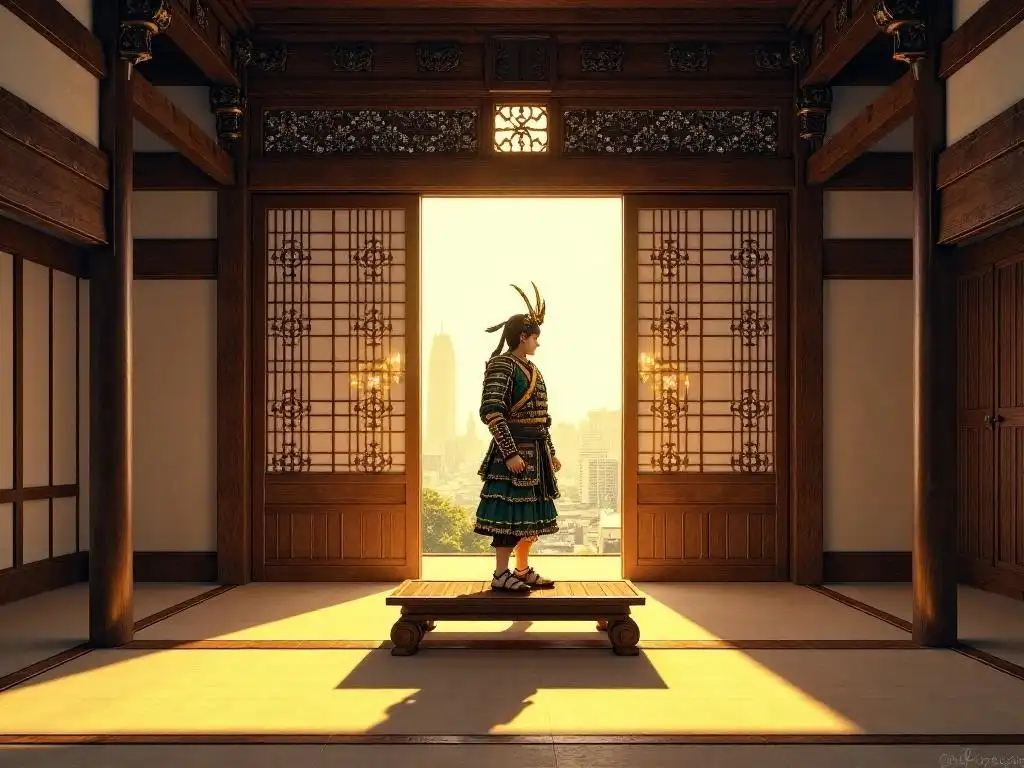
The early years of the Ashikaga Shogunate, established in 1336 by Ashikaga Takauji, were marked by significant political and social transformation. Unlike the Kamakura Shogunate that preceded it, which was characterized by a more centralized authority, the Ashikaga Shogunate adopted a more decentralized form of governance. This shift allowed for greater autonomy among regional lords (daimyos), leading to a complex web of alliances and rivalries across the country.
The Ashikaga governance structure was influenced by the existing feudal system but sought to assert the shogunate's authority through a combination of military power and diplomatic negotiations. The initial challenges faced by the Ashikaga included maintaining control over the vast territories while also managing the diverse interests of powerful daimyos. As a result, the governance system evolved, reflecting the dynamic interplay between the central authority of the shogunate and the local powers.
Administrative Framework and Local Governance
The administrative framework of the Ashikaga Shogunate was characterized by a dual structure comprising the central government and local governance systems. At the top, the shogunate established a bureaucratic apparatus that included various offices responsible for tax collection, law enforcement, and military organization. Below this central authority, the daimyos governed their respective domains, exerting significant control over local affairs.
Local governance varied widely across regions due to the differing levels of power held by daimyos. Some regions saw the emergence of vassal states where local lords pledged loyalty to the shogun in exchange for autonomy, while others experienced direct shogunal rule. This created a patchwork of governance styles, often leading to conflicts over jurisdiction and authority.
In addition to military and administrative roles, local governance during this period emphasized the importance of economic management, which included land surveys and tax assessments to ensure the shogunate's financial stability.
The Role of the Shogun and Daimyo in Governance
The shogun, as the military ruler, held paramount power in theory, but in practice, the governance of the Ashikaga Shogunate was a complex dance between the shogun and the daimyos. The shogun’s authority was often challenged by powerful daimyos, who controlled vast territories and had their own military forces. This necessitated a system of negotiation and alliance-building, with the shogun needing to balance power among the daimyos to maintain overall stability.
Daimyos, in their role as regional lords, operated with a degree of independence that was often critical for local governance. They were responsible for law and order, tax collection, and local military defense. The relationship between the shogun and the daimyos was often transactional, characterized by mutual dependency but also rivalry. This delicate balance of power ultimately influenced the governance dynamics throughout the Muromachi period, leading to periods of both cooperation and conflict.
Cultural Developments Under Ashikaga Rule
The Ashikaga Shogunate not only shaped political dynamics but also had a profound impact on Japanese culture. The period saw significant advancements in the arts, philosophy, and social practices, reflecting the governance's ability to foster cultural growth alongside political authority.
Influence of Zen Buddhism and Art on Governance
Zen Buddhism played a crucial role in shaping the cultural landscape during the Ashikaga era, influencing both governance and the arts. The shogunate's patronage of Zen temples and practices led to the establishment of a cultural milieu that valued simplicity, introspection, and aesthetic beauty. This influence was particularly evident in the development of ink painting, tea ceremonies, and garden design, which became essential elements of Japanese culture.
The governance of the Ashikaga Shogunate embraced Zen ideals, which emphasized discipline and harmony. This philosophical framework extended into the political realm, where leaders sought to cultivate a sense of order and stability. The aesthetic principles derived from Zen also found their way into the architecture of government buildings and the design of landscapes, reflecting the intertwining of governance and cultural expression.
The Emergence of Noh Theatre and Its Political Implications
Noh theatre emerged as a significant cultural form during the Ashikaga period, intertwining artistic expression with political commentary. Initially a performance art for the elite, Noh began to incorporate themes of loyalty, honor, and the samurai ethos, which resonated with the political climate of the time.
The shogunate recognized the potential of Noh as a tool for influencing public sentiment and legitimizing authority. Performances often depicted historical events or moral lessons that aligned with the shogunate's values. As such, Noh theatre not only served as entertainment but also played a role in the political landscape, reinforcing the narratives that supported Ashikaga governance.
The Role of the Ashikaga in Promoting Cultural Exchange
The Ashikaga Shogunate was instrumental in promoting cultural exchange both within Japan and with foreign entities, particularly through trade and diplomacy. The period saw increased interactions with Chinese culture, especially through the importation of goods, ideas, and artistic practices. The Ashikaga shogunate encouraged this exchange, leading to the introduction of new philosophies and artistic techniques that enriched Japanese culture.
Moreover, the Muromachi period was characterized by a flourishing of commerce and travel, which facilitated cultural diffusion. The shogunate's policies supported the movement of artisans and scholars, fostering a vibrant cultural dialogue that contributed to the evolution of Japanese identity. This openness to cultural exchange not only enhanced Japan's artistic traditions but also solidified the Ashikaga's role as cultural patrons, further intertwining governance with cultural development.
Challenges to Ashikaga Governance
The governance of the Ashikaga Shogunate faced numerous challenges during its reign from 1336 to 1573. These challenges stemmed both from internal conflicts and external pressures, which ultimately weakened the shogunate's authority and effectiveness. Understanding these challenges is crucial for comprehending the complexities of governance during the Muromachi period and the eventual decline of the Ashikaga Shogunate.
Internal Conflicts and the Rise of Regional Powers
One of the primary challenges to Ashikaga governance was the emergence of internal conflicts, particularly among the samurai class and regional daimyōs. After the Kamakura Shogunate's fall, local warlords began to consolidate power, leading to increased territorial disputes and rivalries. These regional powers often defied the central authority of the Ashikaga Shogunate, seeking to expand their influence and control over local resources.
The internal strife culminated in several significant conflicts, including the ongoing power struggles between the Ashikaga family itself and other influential clans. The shogunate's inability to maintain a strong military presence and enforce its will over these factions contributed to a fractured political landscape. This fragmentation resulted in a shift in allegiance from the central government to regional daimyōs, undermining the Ashikaga's governance.
Economic Decline and Financial Issues
Economic stability is crucial for effective governance, and the Ashikaga Shogunate faced significant financial challenges. The inability to maintain a stable tax system, coupled with the rising costs of warfare and administration, led to increasing debts and economic decline. This financial instability was exacerbated by a reliance on the revenue generated from agriculture, which faced its own set of challenges due to changing climatic conditions and agricultural practices.
Many samurai were becoming disillusioned with their decreasing stipends, which had direct implications for loyalty to the shogunate. As regional powers grew stronger and began to establish their own economic systems, the Ashikaga Shogunate's fiscal authority weakened further. This economic decline not only affected the military capabilities of the shogunate but also eroded its social legitimacy, as peasants and samurai alike began to question the effectiveness of the central government.
The Impact of Natural Disasters on Governance
Natural disasters also played a significant role in challenging the governance of the Ashikaga Shogunate. Japan experienced several devastating earthquakes, floods, and famines during the Muromachi period, which had profound impacts on agriculture and, by extension, the economy. These disasters disrupted food supply chains and led to widespread famine, further straining the already weakened economic resources of the shogunate.
The shogunate's response to these calamities was often perceived as inadequate, leading to a decline in public trust. As local leaders stepped in to provide relief and aid, their authority grew at the expense of the Ashikaga governance. The inability to effectively manage the repercussions of natural disasters highlighted the shogunate's diminishing power and contributed to the overall instability of governance during this era.
The Decline of the Ashikaga Shogunate
The decline of the Ashikaga Shogunate was marked by a series of critical events and transformations that ultimately led to its downfall. The period not only saw internal discord but also the rise of new political dynamics, which reshaped the governance landscape in Japan.
The Onin War and Its Consequences for Governance
The Onin War, which erupted in 1467, was a pivotal event that significantly impacted the stability of the Ashikaga Shogunate. This civil war arose from a succession dispute within the Ashikaga family and quickly escalated into a larger conflict involving various daimyōs who sought to assert their power. The war lasted for nearly a decade and devastated the capital, Kyoto, leading to significant loss of life and destruction of infrastructure.
The consequences of the Onin War were far-reaching. It not only weakened the Ashikaga's control over the capital but also marked the beginning of the Warring States period (Sengoku period), where regional daimyōs increasingly vied for power. The war led to a fragmentation of authority, as local leaders took advantage of the chaos to carve out their own territories, further diminishing the shogunate's influence.
Fragmentation of Power and the Warring States Period
Following the Onin War, Japan entered a phase of profound fragmentation characterized by the rise of powerful daimyōs and the establishment of autonomous domains. The lack of centralized authority allowed these local warlords to expand their territories and engage in continuous warfare, leading to a chaotic political environment.
This era, known as the Warring States period, saw the Ashikaga Shogunate struggling to maintain relevance. The shogunate's inability to unify the country or exert control over the daimyōs led to a significant erosion of its political power. The decentralized governance structure that emerged during this time further complicated any efforts to restore the shogunate's authority.
Analyzing the Causes of the Fall of the Ashikaga Shogunate
The fall of the Ashikaga Shogunate can be attributed to a combination of internal and external factors. Internally, the shogunate struggled with governance due to rising regional powers, economic decline, and the consequences of devastating wars. Externally, the changing political dynamics of the Warring States period and the increasing autonomy of local leaders further undermined the shogunate's authority.
The inability to adapt to these challenges ultimately led to the shogunate's demise in 1573 when it was overthrown by Oda Nobunaga, marking the end of the Muromachi period. This transition set the stage for the unification of Japan under a new political order, demonstrating the profound impact of the Ashikaga governance history on the subsequent developments in Japanese history.
Legacy of the Ashikaga Shogunate Governance History
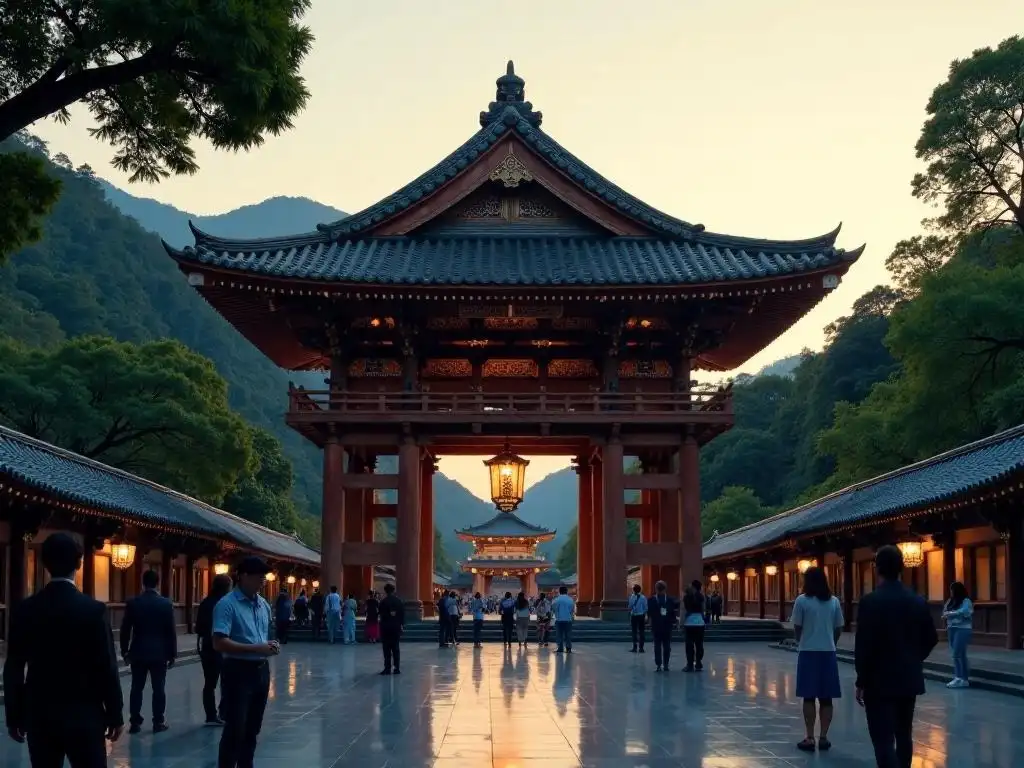
The Ashikaga Shogunate, which ruled from 1336 to 1573, left an indelible mark on the governance history of Japan. Its legacy is characterized by a unique blend of feudal governance, cultural dynamism, and the complexities of power dynamics. The Ashikaga period, also known as the Muromachi period, was pivotal in transitioning Japan from the rigid structures of the Kamakura Shogunate to a more decentralized and culturally rich society. This legacy shaped future Japanese governance, influencing both the political landscape and cultural identity of the nation.
One significant aspect of the Ashikaga governance legacy is the establishment of a more flexible feudal system. Unlike its predecessor, the Ashikaga Shogunate encouraged regional daimyo (feudal lords) to wield substantial local power, which ultimately led to a fragmented political landscape. This decentralization allowed for a rich diversity of cultural and political expressions across Japan, fostering regional identities that would persist even beyond the shogunate's fall.
Moreover, the Ashikaga Shogunate also contributed to the development of the samurai class's social structure, which emphasized loyalty and honor. These values became deeply rooted in Japanese culture and significantly influenced the behavior and governance of subsequent leaders in the Tokugawa Shogunate and beyond.
Influence on Subsequent Japanese Governance Models
The governance model established by the Ashikaga Shogunate had far-reaching implications for subsequent political structures in Japan. The shogunate's approach to power, which emphasized alliances with local daimyo and a more decentralized governance system, paved the way for the rise of the Tokugawa Shogunate. The Tokugawa period (1603-1868) would adopt and adapt many elements from the Ashikaga governance framework, particularly the reliance on local lords to maintain control over various regions.
Additionally, the Ashikaga Shogunate's promotion of cultural and intellectual pursuits, which included the flourishing of arts such as Noh theater and the tea ceremony, contributed to a distinct Japanese identity that would be embraced by future leaders. The political philosophies and practices of the Ashikaga era influenced the governance of later shogunates, as they sought to balance central authority with local autonomy, creating a model that would last for centuries.
Historical Interpretation and Modern Perspectives
Historically, the Ashikaga Shogunate has been interpreted through various lenses, ranging from its role in promoting cultural advancements to its eventual decline and the implications of its governance. Scholars have debated the effectiveness of Ashikaga governance, often highlighting the shogunate's inability to maintain unified control over the country, which led to the Warring States period (Sengoku) that followed.
Modern perspectives on the Ashikaga Shogunate have shifted, with a greater appreciation for its contributions to Japan's cultural and political evolution. Contemporary historians emphasize the shogunate's role in fostering regional governance and cultural developments that laid the groundwork for Japan's eventual modernization. This re-evaluation acknowledges the complexities of governance during the Muromachi period and its lasting impact on Japanese identity.
The Ashikaga Shogunate’s Role in Shaping Japanese Identity
The Ashikaga Shogunate played a crucial role in shaping the Japanese identity during the Muromachi period. Through its patronage of the arts and encouragement of regional culture, the shogunate fostered a sense of shared identity among the diverse clans and regions of Japan. The flourishing of cultural practices, such as Zen Buddhism, ink painting, and the tea ceremony, became emblematic of the era and contributed to a unique Japanese aesthetic that persists today.
Furthermore, the Ashikaga governance model, which celebrated local customs and governance, encouraged a sense of pride among the various daimyo and their subjects. This local autonomy allowed for the development of distinct regional identities, which would later contribute to a more unified national identity as Japan transitioned into the modern era.
Conclusion: Reflecting on the Ashikaga Shogunate Governance
As we reflect on the governance history of the Ashikaga Shogunate, it becomes clear that its influence extends far beyond its temporal reign. The shogunate's governance structure, cultural advancements, and regional autonomy shaped a unique political landscape that would inform Japan's future governance.
Summary of Key Points in Ashikaga Governance History
- Decentralized Governance: The Ashikaga Shogunate established a more flexible feudal system, allowing local daimyo greater power and influence.
- Cultural Flourishing: The period saw significant advancements in arts, literature, and philosophy, contributing to a distinct Japanese cultural identity.
- Influence on Future Models: The governance practices of the Ashikaga Shogunate laid the groundwork for the Tokugawa Shogunate and shaped Japan's political evolution.
Final Thoughts on the Impact of the Ashikaga Shogunate on Japan’s Political Landscape
The Ashikaga Shogunate remains a crucial chapter in Japan's political history, illustrating the complexities of governance during a time of cultural and social transformation. Its legacy not only influenced subsequent governance models but also played a vital role in shaping the Japanese identity that continues to resonate in contemporary society. The lessons learned from the Ashikaga period serve as a reminder of the importance of balancing central authority with local autonomy—a principle that remains relevant in modern governance discussions.
References and Further Reading
Delving into the governance history of the Ashikaga Shogunate offers a profound understanding of Japan's political evolution during the Muromachi Period. A variety of resources can enrich your exploration of this pivotal era, encompassing suggested literature and additional resources that provide comprehensive insights into the Ashikaga Shogunate and its governance.
Suggested Literature on Ashikaga Shogunate Governance
-
"The Ashikaga Shogunate: 1336–1573" by William Wayne Farris
This book provides a detailed account of the political structures, key figures, and socio-economic conditions that characterized the Ashikaga Shogunate. Farris meticulously examines the shogunate's role in shaping Japan’s governance during the Muromachi Period.
-
"Japan’s Early Modern World: The Rise of the Samurai" by Charles D. Sheldon
Sheldon's work focuses on the rise of the samurai class and its influence on governance during the Ashikaga era. The author explores the interplay between military power and political authority, shedding light on the governance systems established during this time.
-
"The Muromachi Period: A Historical Overview" by John Whitney Hall
This comprehensive overview offers insights into the political dynamics, cultural developments, and the intricate governance structure of the Muromachi Period. Hall’s analysis emphasizes the complexities of Ashikaga rule and its impact on Japanese society.
-
"Feudal Japan: A History of the Ashikaga Shogunate" by Rachael J. Dwyer
Dwyer's book examines the feudal systems implemented by the Ashikaga Shogunate, highlighting the governance challenges and transformations that occurred throughout its reign. The author provides a critical evaluation of the political decisions that shaped the period.
-
"The Politics of the Muromachi Period" by Kuroda Toshio
Kuroda’s work delves into the political maneuvers and governance strategies employed by the Ashikaga Shogunate. This literature is particularly valuable for understanding the internal and external conflicts that influenced governance during this time.
Additional Resources for Exploring Muromachi Period History
-
Online Databases and Archives
Websites such as the National Diet Library of Japan and Japan Center for Asian Historical Records offer access to primary sources, documents, and historical records from the Muromachi Period, facilitating in-depth research into the governance of the Ashikaga Shogunate.
-
Documentary Series and Educational Videos
Platforms like YouTube host educational content that explores the Muromachi Period. Documentaries provide visual narratives and expert interviews that can help contextualize the governance practices of the Ashikaga Shogunate within the broader spectrum of Japanese history.
-
Academic Journals
Journals such as the Journal of Japanese Studies and Monumenta Nipponica publish scholarly articles focusing on various aspects of the Ashikaga Shogunate and Muromachi governance. These articles often feature detailed analyses and contemporary interpretations of historical events.
-
Museums and Exhibitions
Visit museums specializing in Japanese history, such as the Tokyo National Museum or the Kyoto National Museum, which often host exhibitions dedicated to the Muromachi Period. These exhibits can provide tangible insights into the culture, politics, and governance of the era.
-
Online Courses and Lectures
Platforms like Coursera and edX offer courses related to Japanese history, including segments dedicated to the Ashikaga Shogunate. These courses, often taught by university professors, provide structured learning and expert perspectives on governance in feudal Japan.
By utilizing these references and resources, you can gain a deeper appreciation for the complexities of Ashikaga Shogunate governance history and its lasting impact on Japan.
- Introduction to the Ashikaga Shogunate Governance History
- Overview of the Muromachi Period
- Significance of the Ashikaga Shogunate in Japanese History
- The Establishment of the Ashikaga Shogunate
- Governance during the Early Years of the Ashikaga Shogunate
- Cultural Developments Under Ashikaga Rule
- Challenges to Ashikaga Governance
- The Decline of the Ashikaga Shogunate
- Legacy of the Ashikaga Shogunate Governance History
- The Ashikaga Shogunate’s Role in Shaping Japanese Identity
- Conclusion: Reflecting on the Ashikaga Shogunate Governance
- References and Further Reading
Frequently Asked Questions
What was the Ashikaga Shogunate?
The Ashikaga Shogunate was a feudal military government that ruled Japan during the Muromachi period from the 14th to the 16th century, marking a significant era in Japanese history.
How did the Ashikaga Shogunate come to power?
The Ashikaga Shogunate rose to power after the Genko War (1331-1333), when Ashikaga Takauji betrayed the Kamakura Shogunate, leading to the establishment of a new government centered in Kyoto.
What were the main characteristics of Ashikaga governance?
The governance of the Ashikaga Shogunate was marked by decentralization, reliance on feudal lords, and a complex relationship with the Imperial court, which influenced political stability and power dynamics.
How did the Ashikaga Shogunate impact Japanese culture?
During its rule, the Ashikaga Shogunate fostered a cultural renaissance, promoting the arts, including Noh theater and the tea ceremony, which significantly shaped Japan's cultural identity.
What led to the decline of the Ashikaga Shogunate?
The decline of the Ashikaga Shogunate was due to internal strife, the rise of regional warlords, and the Onin War (1467-1477), which fragmented its authority and paved the way for the warring states period.
Final Reflection: The Enduring Legacy of Ashikaga Shogunate Governance
The governance history of the Ashikaga Shogunate remains profoundly relevant today, as it offers critical insights into the complexities of leadership and power dynamics. In a world where political structures continue to evolve, the lessons learned from the rise and fall of the Ashikaga Shogunate remind us that governance is not merely about authority but also about the delicate balance of relationships, culture, and societal needs. The intricate tapestry of Muromachi governance serves as a powerful reminder that the foundations of leadership can shape the course of history, for better or worse.
Culturally and socially, the Ashikaga Shogunate has left an indelible mark on Japan's identity, influencing art, philosophy, and governance practices that resonate even today. The era's unique blend of feudal power and cultural flourishing exemplifies how leadership can foster creativity and innovation. The true test of leadership is how well you function in a crisis.
This quote encapsulates the challenges faced by the Ashikaga leaders, whose governance strategies were often put to the test amidst internal strife and external pressures. Their legacy invites us to reflect on how past governance models can inform contemporary practices and inspire future leaders.
As we contemplate the lessons from the Ashikaga Shogunate, I encourage you to reflect on your own leadership journey and the impact you can have within your community. Consider how the principles of governance discussed in this article can be applied to your life, whether in personal relationships, professional environments, or civic engagement. By embracing the complexities of leadership and learning from history, we can strive to create a more harmonious and effective society, honoring the lessons of the past while paving the way for a brighter future.
Unveil the Legacy of the Ashikaga Shogunate!
Thank you for immersing yourself in the fascinating world of the Ashikaga Shogunate! You've journeyed through the intricate layers of Muromachi governance and discovered the profound impact it had on Japan's historical landscape. Now, it's time to take your newfound knowledge to the next level!
Here are some specific actions you can take right now to deepen your understanding and engage with this incredible history:
- Dive deeper: Explore related articles on our site to discover how the Ashikaga era influenced later periods in Japan.
- Join the conversation: Share your thoughts on what surprised you most about the Ashikaga governance or ask questions in our dedicated comment section below!
- Connect with others: Follow us on social media to discuss historical insights and become part of a vibrant community of history enthusiasts.
What aspect of the Ashikaga Shogunate intrigues you the most, and how do you see its influence shaping Japan's future? We can’t wait to hear your insights!