
Governance and Warfare: How Military Conflicts Shaped the Muromachi Era

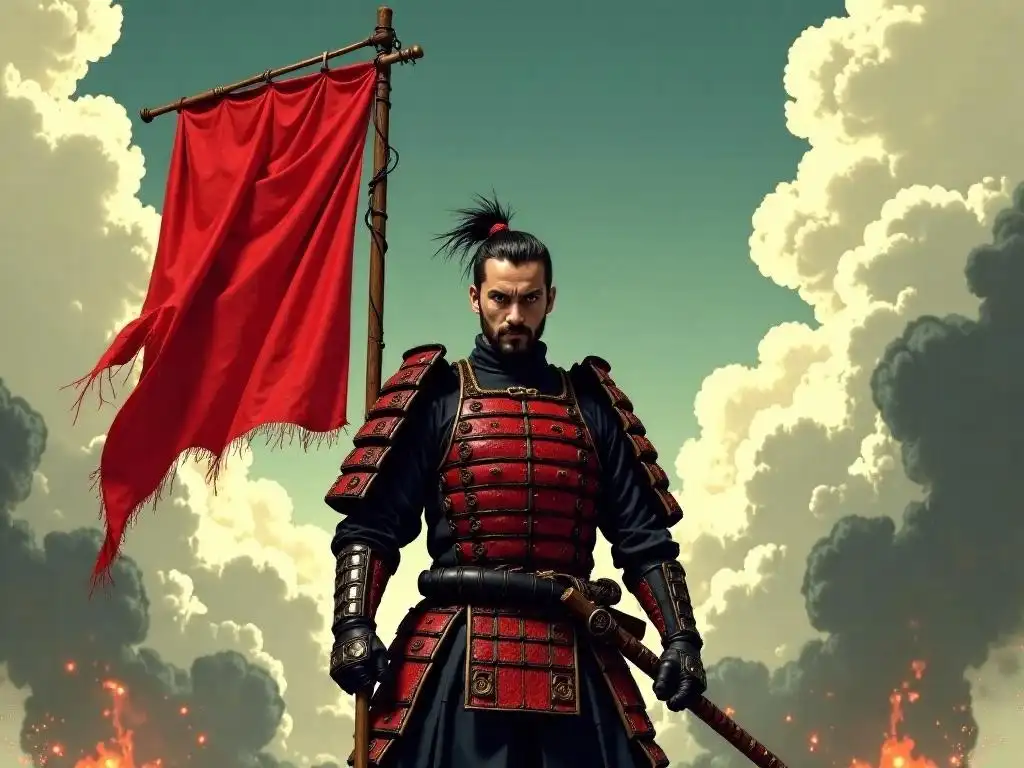
Welcome to Feudal Japan History! Dive into the captivating world of the Muromachi era, where the intricate tapestry of governance and warfare unfolds. Our latest article, "Governance and Warfare: How Military Conflicts Shaped the Muromachi Era," invites you to unravel the fierce battles and political maneuvers that defined this pivotal period in Japan's history. What drove these military conflicts, and how did they influence societal structures? Join us on this journey through time to uncover the answers and explore the profound impact of feudal Japan’s military landscape. Your adventure in history begins now!
Introduction to the Muromachi Era
The Muromachi Era, spanning from the 14th to the 16th centuries, is a pivotal period in Japanese history characterized by a unique blend of governance, culture, and military conflict. This era, named after the Muromachi district of Kyoto where the Ashikaga shogunate was based, was marked by significant social and political transformations that were largely influenced by military engagements. Understanding the Muromachi era military conflicts is crucial to grasping how warfare shaped not only the political landscape but also the cultural and societal frameworks of Japan during this time.
As feudal lords (daimyō) vied for power and control, the intricate relationship between governance and warfare became apparent. Conflicts such as the Onin War and the Nanboku-chō Wars were not merely battles for land; they were also struggles for legitimacy and governance that would leave a lasting impact on Japan’s political structure. This article delves into the key military conflicts of the Muromachi Era and examines their profound influence on both governance and society.
Overview of the Muromachi Period
The Muromachi Period (Muromachi jidai) can be defined by its unique political structure, characterized by the rule of the Ashikaga shogunate. Established by Ashikaga Takauji in 1336, this regime marked a shift from the Kamakura shogunate's military governance to a more decentralized feudal system. During this time, power was fragmented among various daimyō, leading to a complex tapestry of alliances and rivalries.
Key features of the Muromachi Period include:
- Political Fragmentation: The authority of the Ashikaga shogunate was often challenged by powerful regional lords.
- Cultural Flourishing: This era witnessed the rise of distinctive cultural practices, including the development of Noh theater, tea ceremonies, and ink painting.
- Military Innovations: The introduction of firearms and new tactics fundamentally changed the nature of warfare in Japan.
Overall, while the Muromachi Period was a time of cultural richness, it was also marked by significant instability fueled by ongoing military conflicts.
Significance of Military Conflicts in Governance
Military conflicts during the Muromachi Era played a crucial role in shaping governance structures. These conflicts were not just about territorial gains; they often dictated the balance of power among the daimyō and affected the legitimacy of the ruling shogunate.
Some key points regarding the significance of military conflicts include:
- Legitimacy and Authority: Victories in battle often translated into increased legitimacy for leaders, allowing them to solidify their power and influence over vassals and regions.
- Feudal Alliances: Conflicts necessitated shifting alliances and loyalties, which in turn altered political landscapes and governance strategies.
- Socioeconomic Impact: Warfare led to economic shifts, with resources being redirected towards military endeavors, affecting local economies and governance at various levels.
Understanding these dynamics is essential to appreciate how military conflicts influenced the governance of the Muromachi Era and set the stage for future developments in Japanese history.
Key Military Conflicts of the Muromachi Era
The Onin War: Catalyst for Change
The Onin War (1467-1477) was a significant conflict that marked a turning point in the Muromachi Era. This war erupted in Kyoto over succession disputes and escalated into a power struggle between the Ashikaga shogunate and various daimyō factions.
Key aspects of the Onin War include:
- Destruction of Kyoto: The conflict led to widespread destruction, altering the urban landscape and diminishing the shogunate's authority.
- Rise of the Warring States Period: The aftermath of the Onin War contributed to the onset of the Sengoku period, characterized by near-constant military conflict and power struggles among daimyō.
- Political Fragmentation: The war exemplified the inability of the Ashikaga shogunate to maintain control, paving the way for regional warlords to assert their dominance.
The Impact of the Nanboku-chō Wars
The Nanboku-chō Wars (1336-1392) were a series of conflicts that arose from the rivalry between the Northern Court and the Southern Court during the transition from the Kamakura to the Muromachi Period.
Significant points regarding these wars include:
- Division of Power: The wars created a division that weakened central authority and allowed for the rise of local powers.
- Cultural Impacts: The conflicts had lasting effects on Japanese culture, influencing art and literature as various factions sought to legitimize their rule.
- Enduring Legacy: The resolution of the Nanboku-chō Wars ultimately led to the establishment of the Ashikaga shogunate, yet the divisions it created continued to influence Japanese politics for generations.
Regional Conflicts and Their Influence on Governance
Beyond the major wars, numerous regional conflicts throughout the Muromachi Era also played a crucial role in shaping governance.
These conflicts included:
- Struggles for Dominance: Local daimyō engaged in frequent skirmishes for territorial control, leading to shifting allegiances and political instability.
- Impact on Local Governance: The need for military might encouraged daimyō to develop more structured governance systems to manage their territories effectively.
- Military Feudalism: The prevalence of warfare reinforced the feudal system, where loyalty and military service became the basis for political power and control.
The military conflicts of the Muromachi Era were not only pivotal in shaping the political landscape of Japan, but they also had profound implications for governance, culture, and society. Understanding these conflicts is essential to grasp the complexities of this historical period.
The Role of Samurai in Muromachi Warfare
The Muromachi era, spanning from the 14th to the 16th centuries, was marked by significant military conflicts that influenced the governance and social structure of Japan. Central to these conflicts were the samurai, a warrior class that evolved both in their martial abilities and cultural identity. Samurai during the Muromachi period were not only skilled fighters but also held substantial political influence, often serving as retainers to powerful lords or daimyōs.
The nature of warfare during this time necessitated a transformation in samurai tactics and strategies. Battles became more organized, with emphasis on formations and the use of new weaponry, including the introduction of firearms in the late 16th century. The samurai's role extended beyond the battlefield; they were also key figures in negotiations and political maneuvering, leveraging their military prowess to gain land and influence.
Moreover, the samurai's loyalty to their lords was paramount, encapsulating the feudal bond that defined the era. This loyalty was not merely a matter of service but was also tied to the samurai code of honor, which dictated their conduct both on and off the battlefield.
Evolution of Samurai Culture During Conflicts
The conflicts of the Muromachi era catalyzed a profound evolution in samurai culture. Initially, samurai were primarily warriors focused on martial skills and battlefield success. However, as warfare evolved, so did the expectations of samurai. The rise of the Ashikaga Shogunate and the proliferation of local daimyōs led to a more complex societal structure, where samurai were expected to embody virtues of loyalty, honor, and governance.
Art and culture flourished during this period, partly as a response to the chaos of warfare. The samurai began to embrace cultural pursuits such as tea ceremonies, poetry, and the arts, which were seen as a means to refine their status. The ideal of the well-rounded samurai emerged, where martial prowess was complemented by intellectual and artistic achievements.
This transformation also influenced the samurai's perception of their role in society. They began to see themselves as protectors of the realm, not just skilled warriors. The integration of these cultural elements into their identity also helped legitimize their social standing during times of political turbulence.
Samurai Clans and Their Political Power
The Muromachi era was characterized by the rise of powerful samurai clans, such as the Takeda, Uesugi, and Oda, each vying for control and influence over territories. These clans played crucial roles not only in military conflicts but also in shaping regional governance. The political power of these clans was closely tied to their military success; victories in battle often translated to increased landholdings and authority.
Clan loyalty was paramount, leading to intricate alliances and rivalries that would dictate the political landscape. Some clans would form coalitions to strengthen their position against common foes, while others engaged in fierce competition for dominance. This rivalry often led to prolonged conflicts, which further influenced the governance structures in place, prompting shifts in power dynamics and territorial control.
The impact of samurai clans extended beyond mere military might; they were instrumental in enforcing laws, collecting taxes, and maintaining order within their domains. Thus, the political landscape of the Muromachi period was profoundly shaped by the military endeavors and ambitions of these clans.
The Influence of Bushido on Governance and Warfare
The samurai code of Bushido, which translates to "the way of the warrior," became a guiding principle during the Muromachi era. This code emphasized virtues such as loyalty, honor, bravery, and self-discipline, greatly influencing both the conduct of warfare and the governance of the time. Adherence to Bushido was seen as essential for maintaining the samurai's social status and moral integrity.
In warfare, the principles of Bushido governed not only how battles were fought but also the treatment of prisoners and the conduct of samurai in victory and defeat. This ethical framework contributed to a certain level of chivalry in conflicts, with samurai expected to fight honorably and to uphold their reputation.
Bushido's influence also extended to governance, where samurai leaders were expected to embody these virtues in their political roles. The integration of Bushido into governance helped to foster a sense of responsibility among samurai lords, promoting justice and the welfare of their subjects. This emphasis on moral leadership was vital in maintaining loyalty among vassals and the populace, further solidifying the samurai's role as both warrior and ruler.
Political Structures Shaped by Military Conflicts
The military conflicts of the Muromachi era were instrumental in shaping the political structures of Japan. The struggle for power among various clans and the central authority of the Ashikaga Shogunate led to a dynamic and often volatile political landscape. As conflicts arose, new governance models emerged, reflecting the need for stability in a time of turmoil.
The Emergence of the Ashikaga Shogunate
The Ashikaga Shogunate rose to prominence following the overthrow of the Kamakura Shogunate, marking a significant shift in Japan's political structure. Established by Ashikaga Takauji in 1336, this new regime faced immediate challenges, including internal dissent and regional conflicts among rival samurai clans.
The Ashikaga Shogunate implemented a feudal system that allowed for a degree of autonomy among local daimyōs while maintaining overarching control. This balance was critical in managing the constant power struggles of the era, as local lords were often more loyal to their clan than to the shogunate itself. The shogunate's reliance on military strength and political alliances helped stabilize the region, even as it grappled with the realities of warfare.
This period also saw the shogunate promoting cultural developments, which served to legitimize its rule and unify the samurai class under a common identity, further influencing the political structures of the time.
Feudal System Dynamics During the Muromachi Era
The feudal system during the Muromachi era was characterized by a complex web of allegiances and power dynamics that were heavily influenced by military conflicts. The relationships between the shogunate, regional daimyōs, and samurai created a hierarchical structure that defined governance and social order.
Daimyōs held significant power over their territories, often acting independently while still recognizing the shogunate's authority. This duality led to a patchwork of governance, where local leaders could exert considerable influence on their domains. Military conflicts often resulted in shifts in power, as victorious clans expanded their territories and diminished rival factions.
The feudal system also facilitated the rise of the merchant class, as warfare necessitated the development of trade routes and economic networks. The burgeoning economy allowed for greater resources to be allocated for military campaigns, further entrenching the connection between warfare and political governance.
Local Governance and Military Leadership
Local governance during the Muromachi period was heavily influenced by military leadership, as samurai lords took on the roles of both military commanders and local rulers. This duality allowed for effective management of territories, where military prowess was necessary for maintaining order and defending against external threats.
The samurai's responsibilities included enforcing laws, collecting taxes, and ensuring the welfare of their subjects. In times of conflict, local leaders were expected to mobilize their forces and defend their lands, reinforcing the notion that military strength was integral to governance.
Moreover, the influence of local governance extended to the community level, where samurai were often involved in civic affairs. This involvement helped cultivate loyalty among the populace, as samurai leaders were seen as protectors of their communities, further intertwining the roles of governance and military leadership during this tumultuous period.
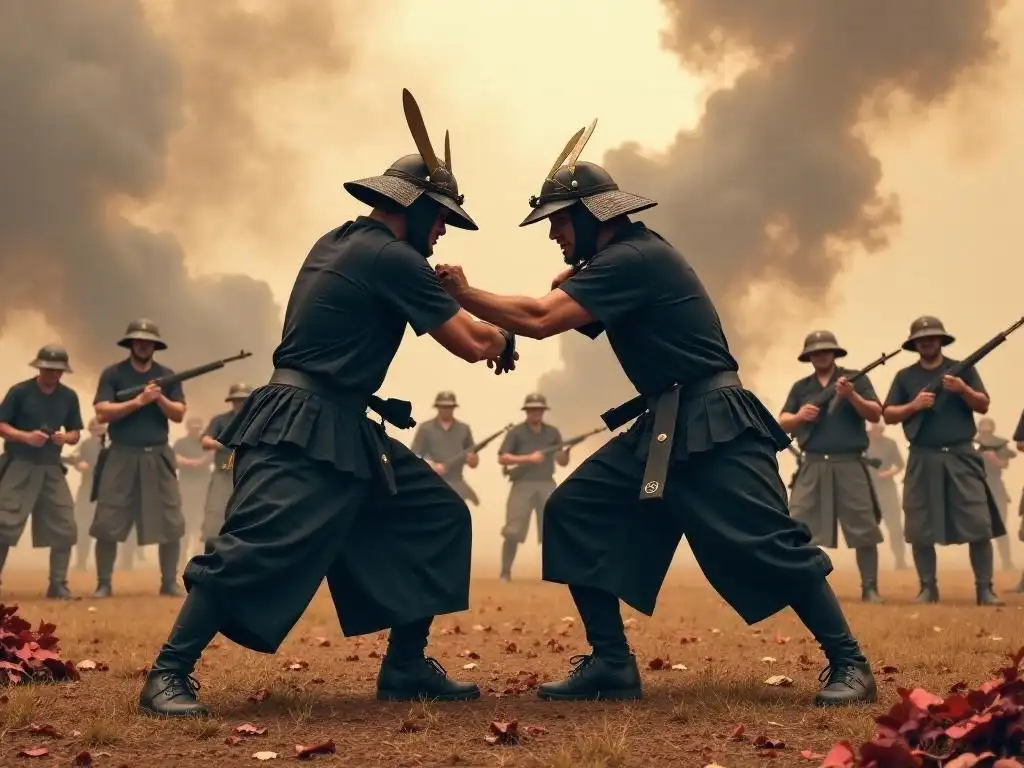
The Muromachi era (1336-1573) was marked by significant military conflicts that not only shaped the political landscape of Japan but also fostered profound cultural and social transformations. Warfare during this period influenced various aspects of life, including art, literature, social structures, and religious practices. The constant threat of conflict led to a society that was more adaptive and reflective of its tumultuous environment, resulting in rich cultural expressions and shifts in social dynamics.
Changes in Art and Literature Inspired by Conflict
The military conflicts of the Muromachi period were pivotal in shaping the artistic and literary output of the time. Artists and writers drew inspiration from the struggles, valor, and tragedies of war, leading to the emergence of new styles and themes.
- Warrior Culture in Art: The portrayal of samurai and battles became prevalent in paintings, woodblock prints, and sculptures. These artworks often depicted the heroism of warriors, emphasizing bushido, the way of the warrior. Notable artists, such as Kano Masanobu, began to create works that celebrated the martial spirit, which resonated deeply with the societal values of the time.
- Literary Reflections: Literature flourished with the rise of war narratives and poetry that reflected the experiences of conflict. Noteworthy works include “The Tale of the Heike,” which chronicles the rise and fall of the Taira clan and serves as a poignant reminder of the impermanence of life, a theme echoed in many Muromachi writings. The literature of the period often grappled with themes of loyalty, honor, and the futility of war, thus offering insight into the collective psyche of a society in turmoil.
The Shift in Social Hierarchies Due to Military Engagements
Warfare during the Muromachi era significantly altered social hierarchies and power dynamics within Japanese society. The constant state of conflict necessitated a reevaluation of roles and status among various social classes.
- Rise of the Samurai Class: As military conflicts escalated, the samurai class gained prominence. They not only became the ruling elite but also the embodiment of the social order, eclipsing traditional aristocratic families. This shift was characterized by the samurai's loyalty to their lords and the establishment of a feudal system where land was exchanged for military service.
- Effects on Peasantry: The burdens of warfare fell heavily on the peasantry, leading to increased taxation and conscription. In response, peasant uprisings became more common, challenging the established hierarchies. This period saw the emergence of a more assertive peasant class, which began to demand rights and better conditions, thus altering the social fabric of feudal Japan.
The Role of Religion and Spirituality in Wartime Governance
Religion and spirituality played a crucial role in the governance of wartime Japan during the Muromachi era. As conflicts raged, leaders often turned to spiritual guidance to legitimize their authority and rally support.
- Buddhism and Shintoism: Both Buddhism and Shintoism were utilized to promote ideals of loyalty, sacrifice, and divine favor in battle. Temples and shrines became centers of both spiritual and political power, where warriors sought blessings for victory and protection. This intertwining of religion with governance reinforced the moral framework within which military actions were justified.
- The Influence of Zen Buddhism: Zen Buddhism gained traction among the samurai, who found its teachings on discipline and mindfulness beneficial in the chaos of warfare. The principles of Zen were often integrated into military strategy and personal conduct, promoting a philosophy that emphasized inner peace amidst external conflict. This spiritual approach influenced not only warfare but also governance, as leaders sought to embody these ideals in their rule.
Conclusion: Lasting Effects of Military Conflicts on Governance
The military conflicts of the Muromachi era had enduring implications for the governance of Japan, leaving a legacy that shaped the political landscape for centuries to come. The interplay between warfare and governance fostered a complex relationship that influenced various facets of society.
Summary of Key Points on Muromachi Era Military Conflicts
- Cultural Reflections: The artistic and literary expressions during the Muromachi period were deeply influenced by the experiences of conflict, showcasing the valor and tragedy of war.
- Social Hierarchies: The rise of the samurai and the challenges faced by the peasantry illustrated the fluidity of social structures in response to the demands of warfare.
- Spiritual Guidance: Religion served as a critical component in legitimizing military actions and providing moral support to warriors and leaders alike.
Reflection on the Legacy of Warfare in Japanese Governance
The legacy of warfare during the Muromachi era is evident in the evolution of Japanese governance. The samurai code of conduct, the integration of religious principles in state affairs, and the cultural heritage shaped by conflict all contributed to the development of a unique political identity. This era laid the groundwork for subsequent periods of Japanese history, as the lessons learned from warfare continued to influence governance, societal values, and cultural expressions long after the Muromachi period had ended.
References and Further Reading
To gain a deeper understanding of the Muromachi era, particularly the military conflicts that shaped its governance, a selection of key texts and academic articles is invaluable. These resources provide a comprehensive overview of the complex interactions between warfare and political authority during this transformative period in Japanese history.
Key Texts on the Muromachi Era and Military Conflicts
-
"The Muromachi Period: 1336-1573" by John F. Richards
This foundational text explores the political structures and military conflicts of the Muromachi period, providing insights into how the Ashikaga shogunate navigated challenges from both rival clans and external threats.
-
"Warriors of Japan as Portrayed in the War Tales" by Thomas D. Conlan
Conlan examines the narratives surrounding samurai warriors during the Muromachi era, detailing how these stories reflect the societal values and conflicts of the time. This book emphasizes the cultural aspects of warfare and their implications for governance.
-
"The Age of the Samurai: Japan’s 700-Year History of Warrior Culture" by Stephen Turnbull
This text offers a broader context for understanding the military tradition in Japan, with specific focus on the Muromachi period. Turnbull details key battles, warriors, and strategies that defined the era.
-
"The Ashikaga Shogunate: 1336-1573" by Michael F. McNally
This book delves deeply into the political machinations of the Ashikaga shogunate, highlighting how military conflicts influenced governance and led to shifts in power dynamics.
Suggested Academic Articles for Deeper Insight
-
"Civil War and the Rise of the Samurai: The Impact of Military Conflicts on Governance during the Muromachi Era"
This article analyzes the civil wars that erupted during the Muromachi period and their influence on the political landscape. It discusses how these conflicts affected the authority of the shogunate and the regional daimyo.
-
"The Role of the Samurai in the Muromachi Period: A Study of Military Culture and Governance"
This scholarly piece investigates the dual role of samurai as both warriors and civil administrators, examining how their military obligations shaped their governance practices.
-
"Feudal Structures and Military Power: The Ashikaga Shogunate in the Muromachi Era"
This article provides an in-depth look at the Ashikaga shogunate's feudal system, focusing on how military conflicts necessitated adaptations in governance strategies to maintain control over diverse factions.
-
"From Conflict to Cohesion: The Socio-Political Evolution of the Muromachi Era"
This academic work explores the long-term impacts of military conflicts on social cohesion and governance during the Muromachi period, highlighting the emergence of new political entities and alliances.
Each of these texts and articles contributes to a richer understanding of how military conflicts shaped governance during the Muromachi era, offering varied perspectives that may enhance your research into this pivotal time in Japanese history.
- Introduction to the Muromachi Era
- Key Military Conflicts of the Muromachi Era
- The Role of Samurai in Muromachi Warfare
- Political Structures Shaped by Military Conflicts
- Cultural and Social Impacts of Warfare
- Conclusion: Lasting Effects of Military Conflicts on Governance
- References and Further Reading
- What were the major military conflicts during the Muromachi era?
- How did the governance structure change during the Muromachi era?
- What role did the samurai play in the Muromachi era?
- How did warfare affect Japanese society during the Muromachi era?
- Can you explain the impact of the Onin War on the Muromachi era?
Frequently Asked Questions
What were the major military conflicts during the Muromachi era?
The Muromachi era military conflicts included significant battles such as the Onin War and the Sengoku period conflicts. These clashes profoundly influenced the political landscape of Japan.
How did the governance structure change during the Muromachi era?
The era saw a shift towards decentralized governance, where daimyos gained power and local lords exerted control. This change was largely a response to the ongoing military conflicts.
What role did the samurai play in the Muromachi era?
The samurai became pivotal as both warriors and political figures during this time, often aligned with various daimyos in military conflicts to gain land and influence.
How did warfare affect Japanese society during the Muromachi era?
Military conflicts brought about changes in social hierarchy, leading to the rise of the warrior class and shifts in economic practices due to the demands of warfare.
Can you explain the impact of the Onin War on the Muromachi era?
The Onin War (1467-1477) marked a significant turning point, leading to widespread destruction and the breakdown of central authority, which set the stage for the Sengoku period of constant military conflict.
Final Reflection: The Enduring Legacy of Muromachi Era Military Conflicts
The military conflicts of the Muromachi era are not merely historical events; they are pivotal moments that shaped the governance and societal structures of Japan, leaving an indelible mark on the nation’s identity. Today, as we navigate a world still grappling with the consequences of warfare and power struggles, understanding the dynamics of the Muromachi era offers vital insights into how conflicts can redefine governance and influence cultural narratives. The lessons drawn from this tumultuous period resonate profoundly in our contemporary society, reminding us that the past is never truly behind us.
Cultural and social landscapes are continuously molded by the echoes of historical conflicts, and the Muromachi era serves as a testament to this ongoing influence. The power struggles during this time not only determined the political landscape but also fostered a rich tapestry of cultural developments, from art to philosophy. As historian John W. Hall noted, The past is not a dead letter; it is a living force that shapes our present and future.
This observation highlights the importance of recognizing how the military conflicts of the Muromachi era continue to inform our understanding of authority, identity, and societal cohesion in modern Japan.
As we reflect on the lessons of the Muromachi era, I invite you to consider how the themes of governance and warfare manifest in your own life and community. What can we learn from the past to foster peace and understanding in our present?
Embrace the opportunity to engage with history, not just as a series of events, but as a source of wisdom that can guide our actions today. By acknowledging the complexities of our historical narratives, we can cultivate a more informed and compassionate society, paving the way for a future where the lessons of conflict lead to harmony rather than division.
Uncover the Impact of Warfare on Governance!
Thank you for diving into the fascinating world of the Muromachi Era with us! You’ve gained insights into how military conflicts influenced governance during this transformative period in Japan’s history. Now it's time to take that knowledge a step further and engage more deeply.
Here are some actions you can take to expand your understanding and continue exploring:
- Join a discussion forum focused on Japanese history—share your thoughts and learn from fellow enthusiasts.
- Read a book about the socio-political landscape of the Muromachi Era to gain deeper insights and context.
- Consider visiting a local museum that features exhibitions on feudal Japan, where you can explore artifacts that bring this era to life.
What aspect of the Muromachi Era intrigues you the most: the wars, the political strategies, or their lasting influence on modern Japan?