
The Role of the Daimyo: Feudal Lords Under Tokugawa Rule

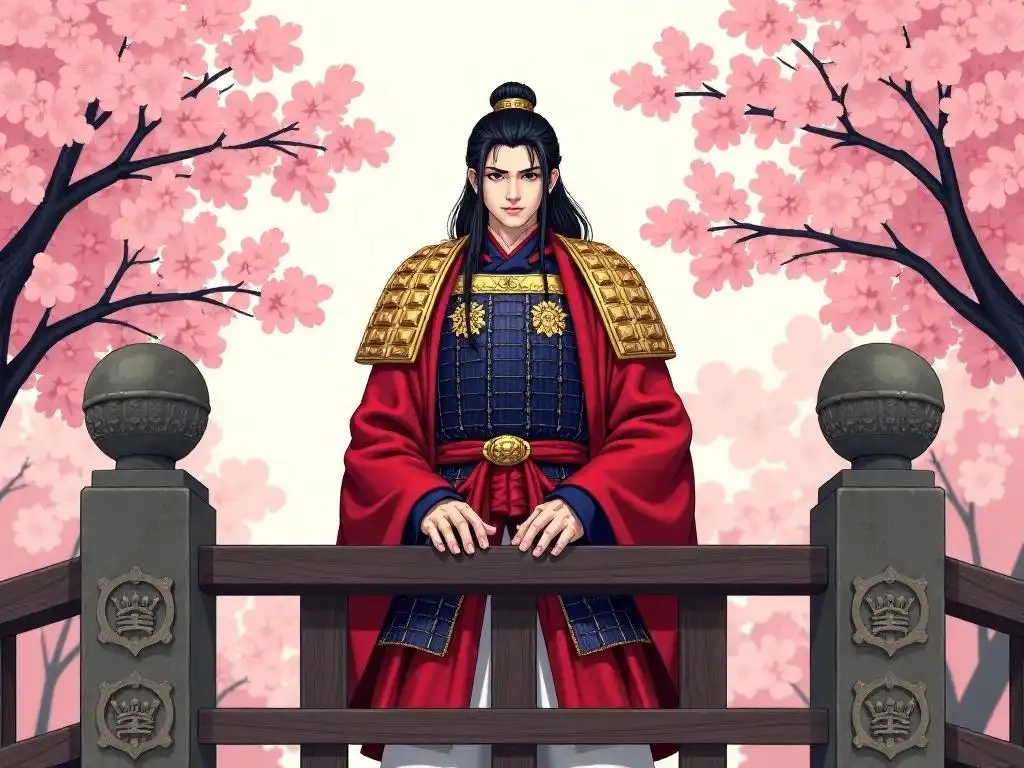
Welcome to Feudal Japan History, where we embark on an enthralling journey through the intricate tapestry of Japan's feudal era. In our latest article, "The Role of the Daimyo: Feudal Lords Under Tokugawa Rule," we delve into the pivotal influence of the daimyo—the powerful feudal lords who shaped the political landscape of Tokugawa Japan. What secrets did these formidable leaders hold that allowed them to wield such authority? Join us as we uncover their fascinating roles, the dynamics of their power, and the lasting impact they left on Japan's history. Your exploration starts here—dare to learn more!
In the intricate tapestry of Japan's feudal era, the role of the daimyo stands out as a pivotal element during the Tokugawa Shogunate (1603-1868). These feudal lords, who commanded vast territories and held significant power, shaped the socio-political landscape of Japan. The Tokugawa period was marked by a unique system of governance that relied heavily on the loyalty and influence of the daimyo, creating a complex relationship between them and the ruling shogunate. This article aims to explore the multifaceted role of the daimyo, examining their historical context, significance, and the dynamics of their power within the Tokugawa framework.
Introduction to the Daimyo in Tokugawa Japan
The term "daimyo" refers to the powerful feudal lords who were instrumental in governing Japan's various regions during the feudal period. Under Tokugawa rule, the daimyo were not just military commanders but also key players in the political and economic arenas of the time. Understanding their role requires a deep dive into the historical context that defined their authority and responsibilities.
Overview of the Daimyo's Historical Context
The rise of the daimyo can be traced back to the Sengoku period (1467-1603), a time of constant military conflict and political fragmentation. As warlords consolidated power over territories, they emerged as local rulers with their own armies and domains. The Tokugawa Shogunate sought to stabilize Japan after this tumultuous era by establishing a centralized government, yet it relied on the daimyo to maintain control over their respective lands.
- Key Events Leading to Tokugawa Rule:
- Unification of Japan under Oda Nobunaga and Toyotomi Hideyoshi.
- The establishment of the Tokugawa Shogunate by Tokugawa Ieyasu in 1603.
- Implementation of the "sankin-kotai" system, which required daimyo to alternate their residence between their domains and Edo (modern-day Tokyo).
Significance of Daimyo in Feudal Japan
The daimyo played a crucial role in maintaining social order and governance within their territories. They were responsible for:
- Taxation and Resource Management: Collecting taxes from the peasantry and overseeing agricultural production.
- Military Service: Maintaining a standing army to protect their lands and support the shogunate when necessary.
- Cultural Patronage: Supporting the arts, education, and local traditions, contributing to Japan's rich cultural heritage.
The Structure of Power: Daimyo and the Tokugawa Shogunate
Understanding the role of the daimyo also necessitates an examination of the power structure that existed within Tokugawa Japan. The relationship between the daimyo and the shogunate was characterized by a delicate balance of power, which was crucial for the stability of the nation.
The Hierarchical System of Feudal Japan
Feudal Japan operated on a strict hierarchical system, with the Emperor at the top, though largely a ceremonial figure. Below him were the shogun, followed by the daimyo, samurai, and peasants. This organization facilitated a clear distribution of responsibilities and power, yet it also created tensions that could erupt into conflict.
- Hierarchy Breakdown:
- Shogun: The military ruler and de facto leader of Japan.
- Daimyo: Lords who governed their domains and pledged loyalty to the shogun.
- Samurai: Warriors serving the daimyo, upholding the code of bushido.
- Peasants: The backbone of the economy, providing labor and resources.
Relationship Between the Daimyo and the Shogun
The bond between the daimyo and the shogun was complex and often fraught with tension. While the shogun relied on the daimyo for military support and regional governance, he also implemented measures to keep them in check to prevent rebellion.
- Control Mechanisms:
- Sankin-kotai: Required daimyo to spend every other year in Edo, effectively keeping their families as hostages.
- Surveillance: The shogunate established a network of spies and informants to monitor daimyo activities.
Role of Daimyo in the Political Landscape of Tokugawa Era
Daimyo were not merely subordinates; they were influential political actors in their own right. Their decisions and allegiances could sway the course of Japanese history.
- Influence on Policy: Some daimyo were able to shape local laws and governance, allowing for a degree of autonomy within the broader Tokugawa framework.
- Economic Power: The wealth generated from their domains allowed some daimyo to become formidable economic powers, influencing trade and resource allocation.
The daimyo were integral to the political, social, and economic fabric of Tokugawa Japan. Their role as feudal lords not only defined their own fiefdoms but also played a critical part in the overarching narrative of Japan's feudal history. Understanding the complexities of their influence offers valuable insights into the governance and societal structures of this remarkable era.
Responsibilities and Functions of the Daimyo
The daimyo, as the feudal lords of Japan during the Tokugawa period (1603-1868), held significant responsibilities and functions that were crucial to the governance and stability of the era. Each daimyo ruled over a specific domain, managing land, people, and resources within their territory. Their primary role was to serve as local rulers under the overarching authority of the Tokugawa shogunate, ensuring the implementation of shogunal policies while maintaining autonomy in local governance.
The responsibilities of the daimyo included various administrative, military, and economic duties. They were tasked with collecting taxes, enforcing laws, and maintaining order within their domains. Furthermore, the daimyo acted as the primary military leaders, responsible for the defense of their territories and the mobilization of samurai warriors when required. Additionally, their economic management involved overseeing agricultural production, trade, and resource extraction, which were vital to the prosperity of their lands.
The role of the daimyo also extended to cultural patronage, influencing local customs and supporting arts and education. Through these multifaceted responsibilities, the daimyo played a pivotal role in shaping the social, economic, and political landscape of Tokugawa Japan.
Governance and Administration by the Daimyo
The governance and administration of the daimyo were characterized by a blend of centralized authority imposed by the Tokugawa shogunate and the local autonomy exercised by the daimyo themselves. Each daimyo governed their domain through a structured hierarchy, which typically included samurai retainers, local officials, and administrators. This structure allowed for efficient management of resources and the enforcement of laws.
Daimyo were required to maintain a balance between loyalty to the shogunate and the needs of their subjects. They were responsible for enforcing shogunal laws and policies while also addressing local grievances and ensuring public welfare. This dual obligation often placed daimyo in complex political situations, requiring them to navigate their relationships with both the shogunate and the local populace adeptly.
Additionally, the daimyo held the power to grant land, titles, and privileges to their samurai vassals, fostering loyalty and service. This feudal system created a network of obligation and allegiance, which was essential for maintaining order and stability within the daimyo's domain.
Military Obligations of the Daimyo
Military obligations were a cornerstone of the daimyo's role during the Tokugawa period. As feudal lords, they were responsible for raising and leading armies composed primarily of samurai warriors when their domain faced threats or during conflicts. The daimyo had to ensure their samurai were well-trained and equipped, as military prowess was crucial for maintaining power and influence.
Under the Tokugawa system, the daimyos were required to participate in a policy known as "sankin-kōtai," which mandated that they alternate their residence between their domains and Edo, the shogunal capital. This system served multiple purposes: it ensured the presence of the daimyo in Edo, reducing their ability to conspire against the shogunate, and it allowed the shogunate to monitor their military capabilities closely.
In times of war, the daimyo had to mobilize their forces swiftly, demonstrating their loyalty to the shogunate. Failure to fulfill military obligations could lead to severe consequences, including loss of land, status, and even life. Thus, military responsibilities were not only a reflection of their feudal duties but also a vital means of maintaining their power and securing their domains.
Daimyo’s Role in Economic Management
The economic management of their domains was another critical aspect of the daimyo’s responsibilities. Each daimyo was tasked with ensuring the prosperity of their territory, which involved overseeing agricultural production and managing local trade and resources. The economic success of a domain was essential for funding the daimyo's military obligations and supporting the samurai class.
Daimyo implemented policies to improve agricultural output, such as irrigation projects and crop rotation techniques. They often established relationships with merchants and traders to enhance local commerce. By promoting economic activities, the daimyo could increase tax revenues, which were crucial for maintaining their courts and supporting their samurai retainers.
Moreover, the daimyo played a significant role in the development of local infrastructure, such as roads and markets, facilitating trade and communication. Their economic policies not only supported their domains but also contributed to the overall stability and growth of Tokugawa Japan, fostering a flourishing economy during this period.
The Cultural Influence of the Daimyo
The cultural influence of the daimyo during the Tokugawa period was profound, as they were instrumental in shaping the artistic and cultural landscape of Japan. Their patronage of the arts, involvement in samurai culture, and impact on local traditions contributed to a rich cultural heritage that defined the era.
Patronage of Arts and Culture by Daimyo
Daimyo were notable patrons of the arts, supporting various cultural activities such as theater, literature, and visual arts. Many daimyo established their own cultural institutions, inviting artists, poets, and performers to their courts. This patronage fostered a vibrant artistic environment, which led to the development of distinctive styles and forms of art.
The traditional Japanese tea ceremony, for instance, was significantly influenced by the aesthetic values of the daimyo. They often hosted elaborate tea gatherings, emphasizing beauty, refinement, and the appreciation of nature. Such cultural practices not only showcased the daimyo's wealth and sophistication but also reinforced their status as cultured leaders.
Additionally, the daimyo's support of literature and poetry contributed to the preservation and promotion of Japanese literary traditions. The interplay between the arts and the political landscape helped create a unique cultural identity that thrived during the Tokugawa period.
The Daimyo and Samurai Culture
The relationship between the daimyo and samurai culture was central to the social structure of Tokugawa Japan. As the feudal lords, the daimyo embodied the ideals of the samurai class, promoting values such as loyalty, honor, and martial prowess. The daimyo's role as military leaders and protectors of their domains reinforced the samurai's status as the warrior elite.
Daimyo often implemented codes of conduct for their samurai, emphasizing discipline and ethical behavior. These codes, such as bushido, guided the samurai in their duties and interactions, ensuring that loyalty to the daimyo was paramount. This relationship fostered a sense of camaraderie and mutual obligation, which was essential for maintaining loyalty among samurai.
Moreover, the daimyo's influence extended to the training and education of samurai, as they were responsible for providing instruction in martial arts, strategy, and ethics. This connection between the daimyo and samurai culture solidified the social hierarchy and contributed to the stability of Tokugawa Japan.
Impact of Daimyo on Local Traditions and Customs
The impact of the daimyo on local traditions and customs was significant, as they shaped the cultural practices and social norms of their domains. Each daimyo brought their own unique influences, which often blended with local customs, resulting in distinct regional identities within the broader framework of Tokugawa Japan.
Daimyo often sponsored festivals and public events that reflected both their cultural heritage and the traditions of their subjects. These events served to strengthen community ties and reinforce the daimyo's authority. Additionally, the daimyo's involvement in local rituals and ceremonies helped to legitimize their rule and foster loyalty among the populace.
The patronage of religious institutions was another area where daimyo had a considerable impact. By supporting shrines and temples, they not only promoted spiritual practices but also solidified their position as protectors of the local community. This intertwining of political power with cultural and religious practices further enhanced the daimyo’s influence over local traditions.
Overall, the daimyo played a crucial role in shaping the cultural landscape of Tokugawa Japan, ensuring that their legacy would endure long after the feudal system had ended.
The Daimyo's Domain: Land and Resources

The daimyo, as feudal lords during the Tokugawa period, played a pivotal role in the socio-political landscape of Japan. Their domains were not merely territories; they were intricate systems of governance, agriculture, and economy that significantly influenced the stability and prosperity of Tokugawa Japan. Understanding the structure and management of these domains sheds light on the broader implications of the daimyo's role during this era.
Overview of Daimyo Territories and Landholdings
Daimyo territories were composed of vast landholdings called han, which varied in size and productivity. Each han was governed by a daimyo, who had control over the land and the peasants living on it. The size of these domains ranged from a few thousand to several hundred thousand koku, a unit of measurement based on rice production. The daimyos were responsible for collecting taxes, maintaining law and order, and ensuring the welfare of their subjects.
The Tokugawa Shogunate implemented a system of alternate attendance ( sankin-kotai), which required daimyos to spend every other year in Edo (modern-day Tokyo), the shogunal capital. This practice not only limited the power of the daimyo by dispersing their resources but also provided the shogunate with a means to keep the lords under close surveillance. Therefore, the geographic distribution and management of these territories were crucial for maintaining the balance of power in feudal Japan.
Agricultural Practices Under Daimyo Rule
Agriculture was the backbone of the daimyo's economy and, by extension, Tokugawa Japan's prosperity. The daimyos implemented various agricultural practices to maximize the productivity of their lands. This included the introduction of new farming techniques, crop rotation, and the cultivation of diverse crops beyond rice, such as wheat, barley, and various vegetables.
The daimyo also invested in irrigation systems and infrastructure improvements to enhance agricultural output. They often organized labor from local peasants to build dikes and canals, ensuring that farmland was fertile and accessible. This not only improved food security for their subjects but also bolstered the daimyo's wealth through increased taxation derived from agricultural surplus.
Economic Contributions of Daimyo to Tokugawa Japan
The economic role of the daimyo extended beyond agriculture. They were integral to the development of local economies within their domains, promoting trade and commerce. The establishment of market towns and the improvement of roads facilitated the movement of goods and resources, fostering economic interdependence among different regions.
Moreover, the daimyos often engaged in the production of goods such as textiles and crafts, which contributed to the burgeoning merchant class. This created a vibrant economy that supported the Tokugawa regime, as the wealth generated from these activities allowed the shogunate to maintain its military and administrative power. The daimyo’s economic contributions were therefore crucial not only for their own territories but also for the overall stability and growth of Tokugawa Japan.
The Decline of Daimyo Power
Despite their significant roles, the power of the daimyo began to wane towards the latter part of the Tokugawa period. Several factors contributed to this decline, culminating in a transformation of the political landscape in Japan.
Factors Leading to the Erosion of Daimyo Authority
A combination of internal and external pressures led to the erosion of daimyo authority. Internally, the rigid class structure and the increasing power of the samurai class created tensions within the domains. Many samurai became disillusioned with their roles, leading to unrest and revolts against their lords.
Externally, the Tokugawa Shogunate faced mounting pressure from foreign powers, particularly in the mid-19th century. The arrival of Commodore Matthew Perry and the subsequent opening of Japan to Western trade disrupted the established socio-economic order. The influx of foreign goods and ideas challenged the traditional practices upheld by the daimyo and their authority.
The Impact of Western Influence on Daimyo's Role
The Western influence in Japan brought about significant changes to the political and economic landscape. As foreign ideas permeated Japanese society, many daimyos found themselves at a crossroads. Some attempted to modernize their domains by adopting Western technologies and practices, while others resisted change, clinging to the traditional feudal system.
This divergence in response not only weakened the collective power of the daimyo but also exposed them to criticism from within and outside their domains. The inability to unify and adapt effectively to the changing circumstances led to further diminishment of their authority, as the shogunate struggled to maintain control amidst growing dissent.
The Meiji Restoration and the End of Daimyo Rule
The culmination of these factors came with the Meiji Restoration in 1868, which marked the end of the Tokugawa Shogunate and the feudal system in Japan. The restoration sought to modernize Japan and centralize power under the emperor, effectively abolishing the daimyo's feudal privileges.
The domains were dismantled, and the daimyos were compensated for their lost territories with government bonds. This transformation facilitated the establishment of a modern nation-state, where power was consolidated in the hands of the emperor and a new bureaucratic elite. The daimyo's role in Japanese society was irrevocably altered, as the feudal structure gave way to a new era that embraced industrialization and modernization.
The role of the daimyo in Tokugawa Japan was multifaceted, comprising land management, economic development, and governance. However, the decline of their power set the stage for Japan's transition into the modern era, highlighting the complex interplay between traditional authority and the forces of change.
Conclusion: The Legacy of the Daimyo in Japanese History
The daimyo played a critical role in shaping the political and social landscape of Japan during the Tokugawa Shogunate, which lasted from 1603 to 1868. As powerful feudal lords, they governed vast territories and were integral to the stability and order of the nation during this period. The legacy of the daimyo is multifaceted; it can be seen in the cultural practices they supported, the administrative systems they established, and the socio-political structures that emerged from their governance.
Not only did the daimyo contribute to the economic development of Japan through land management and trade, but they also fostered cultural advancements by patronizing the arts, education, and religion. The samurai culture, which emphasized loyalty and honor, was heavily influenced by the daimyo, who served as both military leaders and protectors of their domains. This cultural and political framework laid the groundwork for Japan’s transition into the modern era, influencing various aspects of Japanese society even after the abolition of the feudal system.
Lasting Effects of Daimyo Governance in Modern Japan
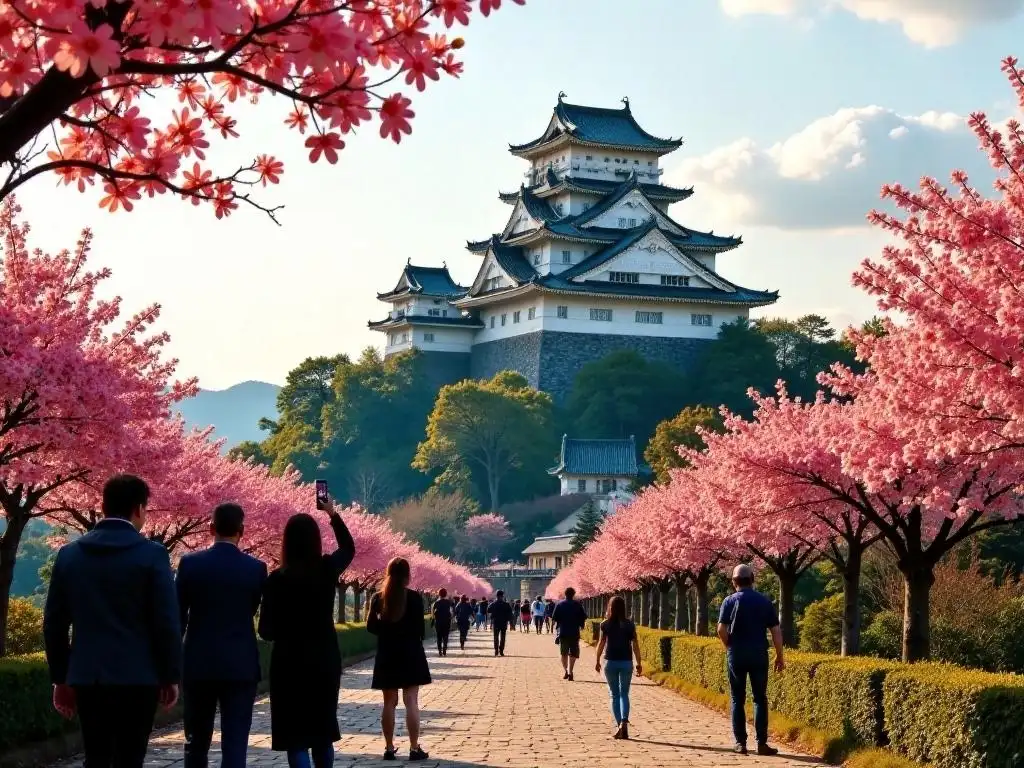
The governance of the daimyo has left a lasting impact on the political and administrative practices in modern Japan. Many structures established during the Tokugawa period continue to influence contemporary governance. The concept of regional autonomy, which the daimyo exercised, can be traced to Japan’s current system of prefectures, where local governments have a degree of control over their regions.
Moreover, the daimyo's emphasis on education and the arts contributed to a literate and culturally rich society, aspects that are still celebrated in modern Japan. The legacy of the samurai class, which evolved from the warrior culture of the daimyo, is also evident in Japan's martial arts, ethics, and even corporate culture, emphasizing loyalty, discipline, and honor.
Reflection on the Daimyo's Role in Feudal Society
The role of the daimyo in feudal society cannot be overstated. They were not merely feudal lords; they were central figures in a complex hierarchy that defined social order. The relationship between the daimyo and their vassals, the samurai, was built on mutual obligation, loyalty, and service, creating a strong sense of identity among the warrior class.
Additionally, the daimyo’s governance style varied widely, with some fostering a sense of local identity and community, while others ruled with an iron fist. This diversity in leadership styles contributed to a rich tapestry of regional cultures and practices, which remain a significant aspect of Japan’s cultural heritage today. The daimyo’s ability to adapt to changing circumstances, such as the shift from military to administrative roles, illustrates their critical role in maintaining stability during turbulent times.
References and Further Reading on Daimyo and Tokugawa Japan
Suggested Books and Articles for In-depth Study
-
"The Tokugawa World" by Peter Nosco
This book provides a comprehensive overview of the Tokugawa period, exploring the political, cultural, and social dynamics of the era.
-
"Daimyo: The Feudal Lords of Japan" by Anthony J. Bryant
An in-depth exploration of the life and governance of the daimyo, offering insights into their influence on Japanese history.
-
"Samurai and the Unsheathed Sword: The Daimyo and the Tokugawa Shogunate" by William Wayne Farris
This work discusses the relationship between the samurai and the daimyo, highlighting their roles in the feudal system.
Online Resources for Exploring Feudal Japan History
-
The National Diet Library of Japan
A wealth of digital resources and historical documents related to the Tokugawa period and the daimyo.
-
The Japan Studies Association
Offers various scholarly articles and papers focusing on Japan's feudal history, including the role of the daimyo.
-
Japanese Historical Society
Provides access to lectures and discussions surrounding the political history of Japan, with a focus on the Tokugawa Shogunate and its feudal lords.
- Introduction to the Daimyo in Tokugawa Japan
- The Structure of Power: Daimyo and the Tokugawa Shogunate
- Responsibilities and Functions of the Daimyo
- The Cultural Influence of the Daimyo
- The Daimyo's Domain: Land and Resources
- The Decline of Daimyo Power
- Conclusion: The Legacy of the Daimyo in Japanese History
- Lasting Effects of Daimyo Governance in Modern Japan
- Reflection on the Daimyo's Role in Feudal Society
- References and Further Reading on Daimyo and Tokugawa Japan
Frequently Asked Questions
What was the role of the Daimyo in Tokugawa Japan?
The Daimyo were powerful feudal lords who governed their own domains and were crucial in maintaining political stability and social order during the Tokugawa period.
How did the Daimyo influence Japanese culture?
The Daimyo played a significant role in promoting arts and literature, sponsoring cultural activities, and establishing schools that contributed to the rich cultural tapestry of Japan.
What was the relationship between the Daimyo and the shogunate?
The Daimyo were vassals of the shogunate, required to show loyalty and provide military support, while also being subject to strict regulations to prevent any challenge to the shogun's authority.
How did the Daimyo manage their domains?
Daimyo implemented effective administrative systems to manage their lands, including tax collection, resource allocation, and maintaining peace and order within their territories.
What changes occurred in the Daimyo's role after the Meiji Restoration?
Following the Meiji Restoration, the Daimyo lost their power and privileges as Japan transitioned to a modern state, leading to the dissolution of the feudal system and the establishment of a centralized government.
Final Reflection: The Enduring Legacy of the Daimyo in Tokugawa Japan
The role of the daimyo in Tokugawa Japan remains a pivotal aspect of understanding the complexities of feudal governance and social structure that shaped modern Japan. As we navigate through contemporary discussions on leadership, power dynamics, and societal organization, the historical significance of the daimyo serves as a reminder of how localized authority can influence national stability. The intricate relationships between the daimyo and the shogunate not only defined an era but also laid the groundwork for Japan's eventual modernization.
The influence of the daimyo extends beyond mere historical curiosity; it resonates within our cultural and social landscapes today. The hierarchical structure established during the Tokugawa period reflects ongoing themes of governance and community leadership that we still grapple with.
As noted by historian John W. Hall, “The daimyo were not just feudal lords; they were the architects of a unique social order that balanced power and responsibility.” This observation underscores the importance of understanding the daimyo's role in fostering a sense of identity and cohesion within their domains, which continues to inform our views on leadership and community engagement.
As we reflect on the lessons from the daimyo's governance, let us consider how we can apply these insights in our own lives. How can we embody the principles of responsibility, local engagement, and balanced authority in our communities today?
I invite you to reflect on your role within your own sphere of influence, recognizing that the legacy of the daimyo is not just a relic of the past but a call to action for present and future leaders. Embrace the opportunity to cultivate a sense of responsibility and connection, ensuring that the lessons of history guide us toward a more harmonious and engaged society.
Unveil the Legacy of the Daimyo in Feudal Japan!
Thank you for diving into the intricate world of the Daimyo and their significant role under Tokugawa rule. We hope you gained valuable insights into their influence and legacy in shaping Japan. Now, let's take those insights and turn them into action!
Here are some ways you can further explore this captivating history:
- Dive deeper: Read a book or watch a documentary about the Tokugawa era to enhance your understanding of Japan's feudal system and the leadership of the Daimyo.
- Join a community: Connect with fellow history enthusiasts or participate in online forums to share your thoughts and discoveries about feudal Japan.
- Share your newfound knowledge: Engage in discussions with friends or on social media about the role of the Daimyo, sparking conversations that keep history alive.
What aspect of the Daimyo's influence on modern Japan intrigues you the most?