
The Role of Diplomacy in the Tokugawa Shogunate: Navigating International Relations


Welcome to Feudal Japan History, where we invite you to journey through the fascinating tapestry of Japan's feudal era. In today's exploration, we delve into the intricate diplomacy of the Tokugawa Shogunate, a pivotal chapter that shaped international relations in an age of isolation and strategic alliances. Discover how the Shogunate navigated the complex waters of political intrigue and foreign engagement, unveiling secrets that influenced not just Japan, but the wider world. Are you ready to unlock the mysteries of this influential period? Join us as we unravel the layers of history that defined Japan's diplomatic landscape!
Introduction to Tokugawa Shogunate Diplomacy History
The Tokugawa Shogunate, which ruled Japan from 1603 to 1868, was a pivotal era marked by significant political, social, and cultural transformations. Central to its governance was a complex system of diplomacy that not only shaped Japan's internal policies but also defined its interactions with the outside world.
This period is often characterized by a remarkable degree of isolationism, yet it also witnessed strategic diplomatic engagements that were crucial for maintaining stability and managing foreign relations. Understanding the Tokugawa Shogunate diplomacy history unveils how the shogunate navigated international challenges, established trade routes, and maintained peace in an era rife with potential conflict.
Historical Context of Tokugawa Diplomacy
The Establishment of the Tokugawa Shogunate
The Tokugawa Shogunate was founded by Tokugawa Ieyasu after his victory at the Battle of Sekigahara in 1600. This victory marked the beginning of over two centuries of relative peace known as the Edo period. The shogunate established a centralized feudal system that emphasized social order and stability. To secure its power, the Tokugawa regime implemented a variety of diplomatic strategies, including:
- Sankin-kōtai: This policy required feudal lords (daimyō) to alternate their residence between their domains and Edo, the shogunate's capital. This practice not only helped control the daimyō but also facilitated diplomatic interactions.
- Marriage Alliances: Strategic marriages were often arranged to solidify alliances and foster relationships with powerful clans, ensuring loyalty to the shogunate.
- Cultural Exchanges: The shogunate promoted cultural diplomacy through art, literature, and the exchange of ideas, which helped to create a shared identity among the ruling class.
Global Relations During the Tokugawa Era
While the Tokugawa Shogunate is frequently associated with isolationist policies, particularly the Sakoku (closed country) policy that limited foreign influence, it also engaged in selective diplomacy that shaped its international relations. Key aspects include:
- Trade with the Dutch: The Dutch East India Company was granted a trading post on Dejima, an artificial island in Nagasaki Bay. This relationship allowed the shogunate to access Western technology and knowledge while maintaining strict control over foreign interactions.
- Relations with Korea: The shogunate maintained a tributary relationship with Korea, characterized by diplomatic missions known as "Tongsinsa." These missions facilitated cultural exchanges and trade, reflecting a balanced approach to diplomacy in Northeast Asia.
- Interactions with the Ryukyu Kingdom: The Ryukyu Islands served as an important cultural and trade link between Japan, China, and Southeast Asia. The shogunate's diplomatic engagement with the Ryukyu Kingdom highlighted its maritime interests and regional influence.
The Tokugawa Shogunate employed a multifaceted approach to diplomacy that balanced isolation with strategic engagement, laying the foundation for Japan's future interactions on the global stage. Understanding these dynamics provides invaluable insights into the diplomatic history of this significant period.
Key Diplomatic Strategies of the Tokugawa Shogunate
The Tokugawa Shogunate, ruling from 1603 to 1868, adopted a variety of diplomatic strategies to maintain stability and control over Japan while managing international relations. Central to their approach was the establishment of a rigid class system and a policy of isolationism that limited foreign influence. The Shogunate utilized diplomacy not only to consolidate power domestically but also to navigate interactions with foreign entities, ensuring that Japan's sovereignty remained intact.
One of the key strategies was the use of strategic marriages and alliances among daimyo (feudal lords) to secure loyalty and minimize conflict within Japan. Additionally, the Shogunate engaged in diplomatic missions to present Japan as a unified entity to the outside world. This involved sending envoys to establish formal relationships and negotiate trade agreements, which were critical for economic stability.
Moreover, the Shogunate leveraged its diplomatic strategies to control foreign trade and influence, particularly through the use of designated trading posts and limited interactions with foreign powers. This careful balancing act allowed the Tokugawa Shogunate to maintain peace and order during a time of potential upheaval both domestically and in the broader Asian context.
Sakoku Policy: Isolation and Control
The Sakoku policy, enacted in the 1630s, was a cornerstone of Tokugawa diplomacy that aimed to isolate Japan from foreign influences while simultaneously controlling the limited foreign interactions that did occur. Under this policy, Japanese citizens were forbidden to travel abroad, and any foreign ships that arrived without permission were often turned away or met with hostility. The primary goal was to eliminate the threat of colonialism and prevent the spread of Christianity, which the Shogunate viewed as a destabilizing force.
The Sakoku policy allowed for some controlled trade, primarily with the Dutch and Chinese, who were restricted to the port of Nagasaki. By limiting foreign contact to specific nations, the Tokugawa Shogunate could monitor and manage external influence, thereby consolidating its power and ensuring the preservation of traditional Japanese culture and governance.
The policy remained in effect for over two centuries, shaping Japan's international relations and contributing to its eventual modernization, as the isolation also led to stagnation in various fields. The Shogunate’s commitment to this policy ultimately set the stage for the challenges Japan would face when it reopened to the world in the mid-19th century.
Diplomatic Engagements with Neighboring Countries
While the Tokugawa Shogunate primarily focused on isolation, it also engaged in selective diplomacy with neighboring countries. Relations with Korea and the Ryukyu Islands were particularly notable. The Shogunate established a tributary relationship with Korea, wherein Korea recognized the authority of the Shogunate in exchange for trade benefits and military protection.
Additionally, the Ryukyu Kingdom served as an important intermediary for trade between Japan and other Asian nations. The Shogunate maintained a careful balance in these relationships, ensuring that they did not challenge Japan's sovereignty while profiting from their economic exchanges.
Diplomatic missions were often sent to these neighboring countries to solidify alliances and foster trade relations. These engagements were crucial for the Shogunate, as they not only provided essential resources but also served as a means of demonstrating Japan's strength and stability in the region.
Notable Diplomatic Missions and Treaties
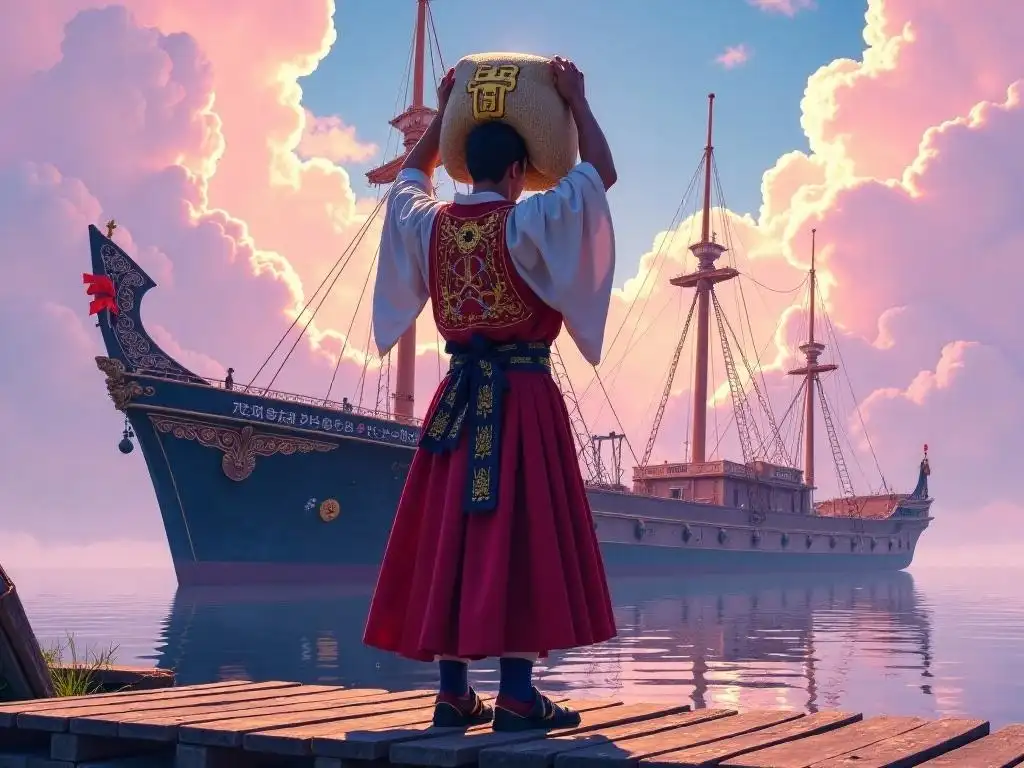
The Tokugawa Shogunate's diplomatic missions were pivotal in shaping Japan's foreign relations and establishing its presence on the international stage. These missions often aimed to negotiate treaties, establish trade routes, and foster goodwill with foreign powers. Notable missions included those to the Netherlands, Korea, and even the Americas, reflecting the Shogunate's strategic approach to diplomacy.
The Role of Dutch Trade and Diplomacy
The Dutch played a unique role in Tokugawa diplomacy, as they were the only European nation allowed to trade with Japan during the Sakoku period. The Dutch East India Company established a trading post in Nagasaki, where they engaged in commerce while adhering to the strict regulations set by the Shogunate.
Dutch traders acted as intermediaries, providing Japan with valuable information about European technology and culture while also facilitating the exchange of Japanese goods such as silk and ceramics. Their presence was crucial in maintaining a limited but essential connection between Japan and the outside world. The diplomatic relationship with the Dutch was marked by mutual respect for each other’s sovereignty, allowing for a stable and profitable exchange.
The Dutch also played a vital role in the dissemination of Western knowledge in Japan, introducing scientific advancements and new ideas that would later influence Japan's modernization efforts in the 19th century.
The English and French Diplomatic Ventures
Attempts by England and France to establish diplomatic relations with Japan during the Tokugawa period were met with limited success. English traders initially sought to establish a presence in Japan, but their efforts were hindered by the strict regulations of the Shogunate and the lack of understanding of Japanese customs and protocols.
The French, on the other hand, made several attempts to engage with Japan, including a notable mission in the 17th century led by the French Jesuit missionary, François de la Salle. However, these ventures did not lead to lasting diplomatic relations, as the Shogunate prioritized its isolationist policies and viewed foreign influence with suspicion.
Despite these challenges, the increasing interest from European powers highlighted the limitations of the Sakoku policy and foreshadowed the eventual end of Japan's isolation. The diplomatic interactions with England and France, though limited, underscored the Tokugawa Shogunate's strategic focus on maintaining control over foreign relations while navigating the complex dynamics of international diplomacy.
The Impact of Tokugawa Diplomacy on Japan’s Future
The diplomacy practiced during the Tokugawa Shogunate (1603-1868) had profound implications for Japan's trajectory, influencing not only the immediate political landscape but also the nation's long-term interactions with the world. By establishing a policy of sakoku, or "closed country," the Tokugawa regime sought to limit foreign influence and maintain internal stability. This approach had significant impacts on Japan's future, shaping its economic, cultural, and political developments for centuries.
One of the most notable impacts was the preservation of Japanese culture and identity. By controlling foreign interactions, the Tokugawa Shogunate allowed traditional Japanese customs, philosophies, and arts to flourish, unencumbered by external influences. This cultural isolation laid the groundwork for a unique Japanese identity that would be both challenged and reaffirmed during the Meiji Restoration in the late 19th century.
However, the diplomatic stance of isolationism also had its drawbacks. The lack of engagement with Western powers meant that Japan lagged behind in technological and military advancements that were rapidly evolving in Europe and America. This disparity would become evident in the mid-19th century when external pressures forced Japan to open its borders, leading to a rapid modernization that starkly contrasted with the earlier isolationist policies.
Long-term Effects of Isolationist Policies
The long-term effects of the Tokugawa Shogunate's isolationist policies were multifaceted. Economically, while Japan enjoyed a period of relative peace and stability, the lack of international trade limited its growth. Domestic trade flourished, particularly among the merchant classes, but Japan's exclusion from global markets hindered its potential for economic expansion. This isolation ultimately created a dichotomy within Japanese society, where the urban merchant class began to amass wealth while the rural peasantry remained largely impoverished.
Politically, the isolationist policies cultivated a sense of national unity and identity, but this cohesion was challenged when external forces, such as Commodore Matthew Perry's arrival in 1853, demanded Japan's opening. The inability to adapt to international pressures led to significant internal strife, resulting in the Meiji Restoration, which sought to modernize Japan and reintegrate it into the global community.
Culturally, the isolation policies allowed Japan to develop a rich tapestry of arts, literature, and philosophy, largely unaffected by Western thoughts. However, when Japan eventually reopened to the world, the clash between traditional values and Western modernity posed challenges that necessitated a reevaluation of its cultural identity.
Lessons Learned from Tokugawa Diplomacy History
Tokugawa diplomacy history offers several lessons that remain relevant today. One of the key takeaways is the importance of adaptability in foreign policy. The rigidity of the isolationist stance ultimately led to Japan's vulnerability when confronted with modern powers. Nations today can learn the importance of being responsive to global changes and the necessity of engaging in diplomacy to navigate complex international landscapes.
Furthermore, the Tokugawa era illustrates the balance between national identity preservation and international engagement. While it is essential to maintain cultural identity, a complete withdrawal from global interactions can lead to stagnation. Countries should strive to embrace their unique cultural heritage while actively participating in international dialogues.
Lastly, the period highlights the consequences of internal divisions exacerbated by foreign relations. The Tokugawa Shogunate faced significant challenges from both external pressures and internal dissent. This underscores the need for cohesive national strategies that unite diverse social and political factions in pursuit of a common goal.
Conclusion: The Legacy of Tokugawa Shogunate Diplomacy
The legacy of Tokugawa Shogunate diplomacy is one of complex contradictions. While the policies of isolationism provided a framework for cultural flourishing and social stability, they also sowed the seeds for future conflict and transformation. The shogunate's diplomatic choices shaped Japan's engagement with the world, ultimately leading to a pivotal transformation during the Meiji Restoration.
The era's impact is still felt today as Japan continues to navigate its identity in a global context. As the nation reflects on its historical experiences, the lessons from Tokugawa diplomacy remain relevant, emphasizing the need for a balanced approach to international relations that honors tradition while embracing change. The Tokugawa Shogunate's diplomatic history serves as a critical chapter in understanding Japan's evolution and the ongoing interplay between isolation and engagement in its foreign policy.
References
The study of Tokugawa Shogunate diplomacy is enriched by various primary and secondary sources that provide insights into the political maneuvers, treaties, and international relations of the period. Below are some key references that are instrumental in understanding the complexities of diplomatic practices during the Tokugawa era:
- Books and Academic Journals:
- "Japan's Early Modern History: 1600-1868": by John W. Hall provides an extensive overview of the political and diplomatic landscape during the Tokugawa period.
- "The Tokugawa World" edited by J. Thomas Rimer and Van Gessel is a collection of essays examining various aspects of Tokugawa culture, including its diplomatic relations.
- "Diplomacy of the Tokugawa Shogunate" by Richard Storry discusses the intricacies of foreign relations and how the shogunate navigated international diplomacy.
- Primary Sources:
- Letters and Treaties: Original documents such as the treaties with the Dutch and the Spanish, and correspondence between the shogunate and foreign powers are crucial for understanding the official stance and policies.
- "The Journal of a Dutch Trader" by Jan Joosten van Lodensteijn provides firsthand accounts of the interactions between the Dutch East India Company and the Tokugawa government.
- Online Databases and Archives:
- The National Diet Library of Japan offers digital collections that include historical documents related to the Tokugawa Shogunate's foreign relations.
- The Japanese Historical Text Initiative provides access to translated texts, critical for non-Japanese speakers researching the period.
- Documentaries and Educational Resources:
- Documentaries focusing on the Tokugawa Shogunate often include segments on diplomacy, illustrating how international relations influenced domestic policies.
- Educational platforms like Khan Academy and Coursera sometimes feature courses on Japanese history that incorporate discussions on Tokugawa diplomacy.
- Historical Societies and Journals:
- The Association for Asian Studies publishes various journals that include articles on Tokugawa diplomacy, offering scholarly perspectives and research findings.
- Local historical societies often have archives or publications that delve into specific aspects of the Tokugawa period, including its diplomatic relations.
Utilizing these references can provide a robust understanding of the Tokugawa Shogunate's approach to diplomacy, highlighting the era's significance in shaping Japan's international relations.
- Introduction to Tokugawa Shogunate Diplomacy History
- Historical Context of Tokugawa Diplomacy
- Key Diplomatic Strategies of the Tokugawa Shogunate
- Notable Diplomatic Missions and Treaties
- The Impact of Tokugawa Diplomacy on Japan’s Future
- Long-term Effects of Isolationist Policies
- Lessons Learned from Tokugawa Diplomacy History
- Conclusion: The Legacy of Tokugawa Shogunate Diplomacy
- References
- What was the Tokugawa Shogunate known for in terms of diplomacy?
- How did the Tokugawa Shogunate manage foreign relations?
- What impact did diplomacy have on Japan's economy during the Tokugawa period?
- Were there any significant diplomatic treaties during the Tokugawa Shogunate?
- How did the diplomatic strategies of the Tokugawa Shogunate influence modern Japan?
Frequently Asked Questions
What was the Tokugawa Shogunate known for in terms of diplomacy?
The Tokugawa Shogunate is recognized for its isolationist policies and careful navigation of international relations, focusing on maintaining stability and control over Japan.
How did the Tokugawa Shogunate manage foreign relations?
The Tokugawa Shogunate utilized trade agreements and diplomatic missions to engage with foreign powers while limiting direct contact to mitigate external influences.
What impact did diplomacy have on Japan's economy during the Tokugawa period?
Diplomacy played a crucial role in enhancing Japan's trade networks, allowing for economic growth and the exchange of goods and ideas while preserving national security.
Were there any significant diplomatic treaties during the Tokugawa Shogunate?
Yes, the Tokugawa Shogunate established important treaties, like the Sakoku Edicts, which formalized Japan's isolation while allowing limited trade with specific countries such as the Netherlands and China.
How did the diplomatic strategies of the Tokugawa Shogunate influence modern Japan?
The diplomatic strategies of the Tokugawa Shogunate laid the groundwork for Japan's future foreign relations, balancing national interests with international engagement as it transitioned into the modern era.
Final Reflection: The Enduring Legacy of Tokugawa Shogunate Diplomacy
The intricate web of diplomacy during the Tokugawa Shogunate remains profoundly relevant today, as it exemplifies the delicate balance of power and the art of negotiation in international relations. In an era where global interactions are more complex than ever, understanding the historical context of diplomatic strategies can provide invaluable insights into contemporary issues. The Tokugawa Shogunate's approach to diplomacy not only shaped Japan's foreign relations but also set a precedent for how nations can navigate the challenges of coexistence and competition.
The impact of Tokugawa diplomacy resonates through the ages, influencing not just Japan but the broader cultural and social landscape of international relations. The careful management of foreign interactions during this period highlights the importance of strategic communication and cultural exchange. As historian John W. Hall noted, The Tokugawa period was marked by a unique blend of isolation and engagement, illustrating that diplomacy can take many forms.
This observation underscores the idea that diplomacy is not merely about treaties and negotiations but also about understanding and respecting cultural differences, a lesson that is increasingly vital in our interconnected world.
As we reflect on the lessons of the Tokugawa Shogunate, let us consider how we can apply these principles of diplomacy in our own lives. In a time when division often overshadows dialogue, we are called to embrace the spirit of negotiation and understanding. I invite you to think about how you can foster connections in your community, engage in meaningful conversations, and navigate conflicts with empathy and respect. By embodying the diplomatic spirit of the Tokugawa era, we can contribute to a more harmonious and cooperative future for all.
Unveil the Secrets of Diplomacy in Feudal Japan!
Thank you for diving into the fascinating world of the Tokugawa Shogunate with us! You've explored the intricate web of international relations that shaped Japan's history during this pivotal era. Now, it’s time to take your newfound knowledge and engage with it on a deeper level.
Here’s how you can continue your journey:
- Join a discussion group focused on diplomacy in historical contexts—share insights and learn from others!
- Read more about influential figures from the Tokugawa era and their diplomatic strategies—consider exploring biographies or scholarly articles.
- Share your thoughts with friends or on social media—how do you think the lessons learned from the Tokugawa Shogunate can be applied to today’s international relations?
What aspect of Tokugawa diplomacy intrigues you the most, and how do you see it influencing modern diplomatic practices?