
The Tokugawa Shogunate and Its Relations with the Ainu People


Welcome to Feudal Japan History, where we invite you to journey through the intricate tapestry of Japan’s feudal era. Dive deep into the Tokugawa Shogunate and Its Relations with the Ainu People, a pivotal chapter that unravels the complexities of cultural exchanges and political dynamics during this influential period. As we explore the nuances of these interactions, you’ll uncover stories that challenge conventional narratives and reveal the rich heritage of the Ainu community. Prepare to enrich your understanding and spark your curiosity as we delve into a world where power, culture, and identity intertwine. Let the exploration begin!
- Introduction to the Tokugawa Shogunate Ainu Relations
- Historical Context of the Tokugawa Shogunate
- Early Interactions Between the Tokugawa Shogunate and the Ainu
- Policies and Attitudes of the Tokugawa Shogunate Towards the Ainu
- Economic Impact of Tokugawa Shogunate Ainu Relations
- Social and Cultural Interactions
- Conflicts and Tensions
- The Decline of the Tokugawa Shogunate and Its Impact on the Ainu People
- Conclusion: The Legacy of Tokugawa Shogunate Ainu Relations
- References and Further Reading on Tokugawa Shogunate and Ainu Relations
- Frequently Asked Questions
- Final Reflection: Understanding the Tokugawa Shogunate's Legacy in Ainu Relations
- Unveil New Perspectives on Ainu Heritage!
Introduction to the Tokugawa Shogunate Ainu Relations
The Tokugawa Shogunate, which ruled Japan from 1603 to 1868, represents a pivotal era in the nation’s political history. This period not only solidified the power of the samurai class but also shaped the intricate relationships between various ethnic groups within Japan, including the Ainu people. The Ainu, an indigenous group primarily residing in the northern regions of Japan, particularly Hokkaido, played a significant role in the socio-political landscape during the Tokugawa era.
Understanding the relations between the Tokugawa Shogunate and the Ainu is crucial for grasping the broader dynamics of feudal Japan, where power struggles, cultural exchanges, and territorial integrations were commonplace. This article seeks to provide a comprehensive exploration of these relations, shedding light on the interactions, conflicts, and policies that defined the engagement between the Tokugawa government and the Ainu communities.
Overview of the Tokugawa Shogunate
The Tokugawa Shogunate was established by Tokugawa Ieyasu after his victory at the Battle of Sekigahara in 1600, marking the beginning of over two and a half centuries of relative peace known as the Edo period. The Tokugawa regime implemented a strict social hierarchy, often referred to as the "four divisions of society," which included the samurai, farmers, artisans, and merchants. This system was integral in maintaining control and order within Japan, as the shogunate sought to prevent the rise of rival factions.
The shogunate also enforced isolationist policies, known as sakoku, which restricted foreign influence and trade. While this led to a flourishing of Japanese culture and arts, it also limited the Tokugawa government's direct engagement with the Ainu, whose territories were on the fringes of the shogunate's control. The relationship was characterized by a mixture of conflict over territory and attempts at diplomacy, as the Ainu sought to assert their autonomy while navigating the pressures of the expanding Tokugawa state.
Significance of Ainu People in Feudal Japan
The Ainu people hold a distinct and significant position in the historical narrative of feudal Japan. As indigenous inhabitants of Hokkaido and parts of the Kuril Islands and Sakhalin, the Ainu developed a unique culture with their own language, religion, and traditions that were markedly different from the dominant Japanese society. Their subsistence practices, primarily based on hunting, fishing, and foraging, were intricately linked to the rich natural resources of their homeland.
During the Tokugawa period, the Ainu faced increasing encroachment from Japanese settlers and the Tokugawa government, leading to tensions and conflicts over land and resources. The shogunate’s policies towards the Ainu were often pragmatic, reflecting a desire to integrate Ainu territories into the Japanese domain while also attempting to manage relationships through trade and diplomacy. The significance of these interactions extends beyond mere territorial control; they influenced cultural exchanges and the socio-economic dynamics of the region.
The relations between the Tokugawa Shogunate and the Ainu people illustrate a complex interplay of power, culture, and resistance that defined an essential aspect of Japan's feudal history. Understanding these dynamics allows for a deeper appreciation of both the Tokugawa era and the enduring legacy of the Ainu within Japan’s historical landscape.
Historical Context of the Tokugawa Shogunate

Rise of the Tokugawa Shogunate
The Tokugawa Shogunate, established in 1603 by Tokugawa Ieyasu, marked the beginning of a new political era in Japan, often referred to as the Edo period. This period followed a long period of civil strife known as the Sengoku period, characterized by constant military conflict among various feudal lords. Ieyasu's rise to power was a culmination of strategic alliances, military victories, and political acumen.
- Battle of Sekigahara (1600): The decisive battle that paved the way for Tokugawa Ieyasu's dominance over Japan. Ieyasu's forces defeated those loyal to the Toyotomi clan, effectively ending the power struggle.
- Establishment of the Shogunate: In 1603, Ieyasu was appointed shogun by the emperor, formalizing his control over Japan. The Tokugawa Shogunate became synonymous with centralized feudal rule.
During the Tokugawa era, Japan experienced relative peace and stability, allowing for economic growth, cultural development, and a strict social hierarchy. This stability was largely maintained through a system of alliances, marriages, and the strategic placement of loyal vassals in key positions.
Political Structure and Governance
The Tokugawa Shogunate operated under a complex political structure that combined elements of feudalism with centralized governance. The shogun held supreme power, but local daimyō (feudal lords) retained significant autonomy over their domains.
- Shogunate Authority: The shogun was the military ruler and had control over national policy, military affairs, and foreign relations.
- Daimyō System: The daimyō were powerful feudal lords who governed various regions of Japan. They were required to maintain a certain level of loyalty to the shogunate, which was enforced through the sankin-kōtai system—requiring daimyō to spend alternating years at the shogunal capital, Edo.
The Tokugawa regime was characterized by a strict caste system, which included:
- Samurai: The warrior class, serving the daimyō and shogun.
- Farmers: The backbone of the economy, providing food and resources.
- Artisans: Skilled craftsmen contributing to cultural and economic development.
- Merchants: Often wealthy, but at the bottom of the social hierarchy, as they were not seen as producers.
This structure helped maintain order and control over a diverse population, contributing to the long-lasting stability of the Tokugawa era.
Geographical and Cultural Background of the Ainu People
The Ainu people, indigenous to the northern regions of Japan, particularly Hokkaido, have a distinct cultural identity that contrasts with the dominant Japanese society of the Tokugawa period. Understanding their geographical and cultural background is crucial to analyzing the Tokugawa Shogunate Ainu relations.
- Geographical Distribution: Historically, the Ainu inhabited areas such as Hokkaido, the Kuril Islands, and parts of Sakhalin. Their environment comprised forests, rivers, and coastal regions, which were vital for their subsistence lifestyle, including hunting, fishing, and foraging.
- Cultural Practices: The Ainu have a rich cultural heritage, including unique spiritual beliefs that honor natural elements and ancestral spirits. Their traditional practices, such as the Iomante (bear ceremony), reflect their deep connection to the land and its resources.
- Language and Society: The Ainu language, distinct from Japanese, is part of the larger cultural identity that includes traditional crafts, clothing, and music. Their societal structure is generally egalitarian, with communal decision-making processes that differ from the hierarchical nature of Japanese society.
The interactions between the Tokugawa Shogunate and the Ainu people were complex, often marked by tension and conflict over land and resources. The shogunate's policies towards the Ainu were influenced by the need to control and assimilate these indigenous populations into the broader framework of Japanese governance and culture. Understanding these dynamics is essential for comprehending the broader narrative of Tokugawa Japan and its treatment of diverse ethnic groups.
Early Interactions Between the Tokugawa Shogunate and the Ainu
Initial Contact and Cultural Exchange
The early interactions between the Tokugawa Shogunate and the Ainu people were marked by a complex tapestry of cultural exchanges and mutual influences. Initially, contact occurred primarily during the late 16th and early 17th centuries, as Japanese merchants and fishermen began to venture into the northern territories of Hokkaido, where many Ainu communities resided. This period saw a blend of cultures, as both parties exchanged goods and customs.
The Ainu, known for their distinct language and rich traditions, engaged with Japanese traders through barter systems, exchanging local resources such as fish, furs, and wild game for Japanese agricultural products and tools. This interaction fostered a degree of cultural exchange, with the Ainu adopting some Japanese practices while also influencing Japanese perspectives on the northern wilderness and its resources.
However, these initial interactions were not devoid of tension. The Japanese viewed the Ainu as "barbarians" in contrast to their own culture, leading to a complex dynamic of both cooperation and conflict. The Tokugawa Shogunate, while seeking to assert its authority, often imposed its own cultural norms, which sometimes led to misunderstandings and resentment among the Ainu.
Trade Relations with the Ainu Communities
As the Tokugawa Shogunate solidified its power, trade relations with the Ainu communities became a significant aspect of the economic landscape in the region. The shogunate recognized the potential of Hokkaido's resources and sought to control trade routes to maximize profit.
The trade agreements established during this period were primarily centered on the exchange of goods. The Ainu provided valuable furs, fish, and other natural resources, while the Japanese offered rice, textiles, and metal tools. This mutually beneficial relationship led to an increase in trade activity, with Ainu traders often traveling to Japanese settlements to engage in commerce.
The Tokugawa government implemented a system of taxation on trade, which allowed them to exert control over Ainu economic activities. While this system created a framework for trade, it also placed financial burdens on Ainu communities, leading to economic pressures that would have lasting impacts on their traditional ways of life.
Impact of Japanese Expansion into Ainu Territories
The expansion of Japanese influence into Ainu territories during the Tokugawa period had profound implications for Ainu society. As the shogunate sought to consolidate power and expand its reach, areas traditionally inhabited by the Ainu began to see an influx of Japanese settlers. This migration was often sanctioned by the government, which viewed the settlement of Japanese farmers and traders as a means of solidifying control over Hokkaido.
This expansion resulted in the displacement of Ainu communities, disrupting their traditional lifestyles and access to resources. The introduction of Japanese agricultural practices altered the ecological landscape, leading to competition for land and resources that had been historically shared or exclusively utilized by the Ainu.
Moreover, the Tokugawa policies often marginalized Ainu voices, limiting their agency in political and economic matters. The shogunate's focus on assimilation and control led to a gradual erosion of Ainu cultural practices and social structures. This period marked the beginning of significant challenges for the Ainu, as they navigated the complexities of maintaining their identity amidst increasing Japanese dominance.
Overall, the interactions between the Tokugawa Shogunate and the Ainu people set the stage for a tumultuous relationship characterized by trade, cultural exchange, and conflict, the effects of which are still felt today.
Policies and Attitudes of the Tokugawa Shogunate Towards the Ainu

The Tokugawa Shogunate's relationship with the Ainu people was complex and marked by a mix of policies aimed at controlling, assimilating, and exploiting the Ainu population and their resources. The Shogunate’s approach was heavily influenced by its broader political objectives and the strategic importance of Hokkaido, the principal Ainu territory, during the early modern period.
Shogunate Policies on Ainu Land and Resources
The Tokugawa Shogunate's policies regarding Ainu land and resources can be characterized by a systematic effort to exert control over Hokkaido. Initially, the Shogunate established a series of policies aimed at promoting Japanese settlement in Ainu territories, which often resulted in the encroachment upon traditional Ainu lands:
- Land Surveys and Taxation: The Shogunate conducted extensive land surveys in the 17th century, leading to the imposition of taxes on Ainu land. This shift severely undermined Ainu autonomy and traditional land-use practices, as they were forced to adapt to the new taxation system.
- Regulation of Resources: The Tokugawa government implemented strict regulations on the use of natural resources. The Ainu were often limited in their hunting and fishing activities, which disrupted their subsistence lifestyle. For example, the introduction of fishing regulations curtailed their traditional fishing rights, favoring Japanese fishermen instead.
- Encouragement of Settlement: To further consolidate control, the Shogunate encouraged Japanese agricultural settlement in Hokkaido. This policy not only displaced many Ainu communities but also facilitated the assimilation of Ainu culture into Japanese society.
These policies reflect the Tokugawa Shogunate's broader objectives of consolidating power and expanding its territorial influence, often at the expense of indigenous populations.
Cultural Assimilation and Resistance
Cultural assimilation was a significant aspect of the Tokugawa Shogunate's interactions with the Ainu people. The Shogunate employed various methods to promote Japanese culture and diminish Ainu customs:
- Education and Religion: The introduction of Japanese education and Shinto practices aimed to instill Japanese values among the Ainu. Missionary efforts by Buddhist and Shinto groups were particularly pronounced, as they sought to convert the Ainu and integrate them into Japanese society.
- Cultural Suppression: Traditional Ainu practices, such as their unique spiritual rituals and the use of the Ainu language, faced suppression under Shogunate policies. The promotion of the Japanese language and customs further marginalized Ainu cultural expressions.
Despite these assimilation efforts, resistance from the Ainu community was evident:
- Uprisings and Rebellions: The Ainu people occasionally staged uprisings in response to oppressive policies. Notable among these was the Shakushain Rebellion in the 1660s, which was a direct response to land encroachments and resource exploitation. While the rebellion was ultimately suppressed, it highlighted the Ainu's resistance to Tokugawa rule.
- Preservation of Culture: Despite the pressures of assimilation, many Ainu communities endeavored to preserve their cultural identity. This included maintaining their traditional practices, such as the Ainu custom of bear ceremonies, which remained integral to their cultural heritage.
The interplay of assimilation and resistance illustrates the resilience of the Ainu people in the face of external pressures.
Legal Status of the Ainu Under Tokugawa Rule
The legal status of the Ainu during the Tokugawa period was ambiguous and often discriminatory. The Shogunate's policies created a unique framework that affected the Ainu's rights and societal standing:
- Lack of Legal Recognition: The Ainu were not recognized as a distinct ethnic group under Japanese law, a status that rendered them vulnerable to exploitation and discrimination. They were often seen as subjects of the Shogunate rather than as independent peoples with rights.
- Regulatory Framework: The Tokugawa government implemented policies that categorized the Ainu within Japan's broader social hierarchy, often placing them at the bottom. This classification affected their access to resources, legal protections, and rights in disputes with Japanese settlers.
- Economic Exploitation: The legal framework facilitated the economic exploitation of Ainu resources. Japanese merchants and settlers often took advantage of the lack of legal recourse available to the Ainu, leading to widespread disenfranchisement and economic hardship.
The legal status of the Ainu under Tokugawa rule was characterized by marginalization and exploitation, which had lasting effects on their community and culture. The intersection of these legal policies with broader Shogunate objectives reveals a complex relationship that shaped the fate of the Ainu people during this pivotal period in Japanese history.
Economic Impact of Tokugawa Shogunate Ainu Relations
The economic interactions between the Tokugawa Shogunate and the Ainu people were pivotal in shaping the socio-economic landscape of feudal Japan. These relations, characterized by trade, resource exploitation, and differing economic roles, had profound implications for both the Tokugawa regime and the Ainu communities. Understanding these dynamics offers insight into the broader economic context of the period.
Trade Dynamics between the Tokugawa Shogunate and Ainu
Trade between the Tokugawa Shogunate and the Ainu was essential for the economic sustenance of both parties. The Ainu, indigenous to Hokkaido and parts of northeastern Honshu, engaged in trade with the Japanese, exchanging valuable resources such as furs, fish, and marine products.
- Key Trade Goods:
- Furs: Ainu hunters provided high-quality furs, particularly from sea otters and martens, which were highly sought after in Japanese markets.
- Fish: The Ainu's expertise in fishing contributed significantly to the Tokugawa economy, especially in the supply of salmon and other seafood.
- Medicinal Plants: The Ainu were knowledgeable about local flora, offering various medicinal plants that were valuable for traditional Japanese medicine.
The Tokugawa government established trade relations through official trading posts, which facilitated commerce but also imposed restrictions that favored Tokugawa interests. This uneven power dynamic often led to tensions, as the Ainu had to navigate a complex system of trade regulations imposed by the Shogunate.
Resource Exploitation and Economic Disparities
The Tokugawa Shogunate's expansion into Ainu territories brought significant resource exploitation, leading to stark economic disparities. The Shogunate, in its quest for economic growth, exploited the natural resources of Hokkaido, resulting in several consequences:
- Deforestation and Land Use: The influx of Japanese settlers into Ainu lands led to extensive deforestation for agriculture and logging. This not only disrupted the Ainu's traditional ways of life but also diminished the availability of resources they relied upon.
- Fishing Rights: The Shogunate's control over fishing licenses further marginalized the Ainu, as Japanese fishermen were prioritized, reducing the Ainu's access to their ancestral fishing grounds.
- Economic Dependence: As the Ainu became increasingly dependent on trade with the Tokugawa Shogunate, their economic autonomy deteriorated. The trade agreements often favored the Shogunate, leading to a cycle of poverty and disenfranchisement among Ainu communities.
The Role of the Ainu in Tokugawa Economy
Despite their marginalized status, the Ainu played a crucial role in the Tokugawa economy, particularly in sectors reliant on their unique skills and knowledge.
- Cultural Exchange and Innovation: The interaction between the Ainu and Japanese traders facilitated a cultural exchange that influenced local practices. The Ainu introduced various fishing techniques and hunting methods that were integrated into the broader Tokugawa economy.
- Labor Force: Many Ainu individuals found employment in Japanese fishing and fur trading enterprises, albeit often under exploitative conditions. Their labor sustained important economic activities crucial for the Tokugawa Shogunate's growth.
- Culinary Contributions: The Ainu's traditional cuisine, which included unique methods of preparing fish and game, slowly began to influence Japanese culinary practices, showcasing the interdependence between the two cultures.
The economic impact of the Tokugawa Shogunate Ainu relations was multifaceted, encompassing trade dynamics, resource exploitation, and the Ainu's role within the Tokugawa economy. While these interactions brought certain benefits, they ultimately marked a period of economic disparity and cultural tension, shaping the historical narrative of both the Tokugawa Shogunate and the Ainu people.
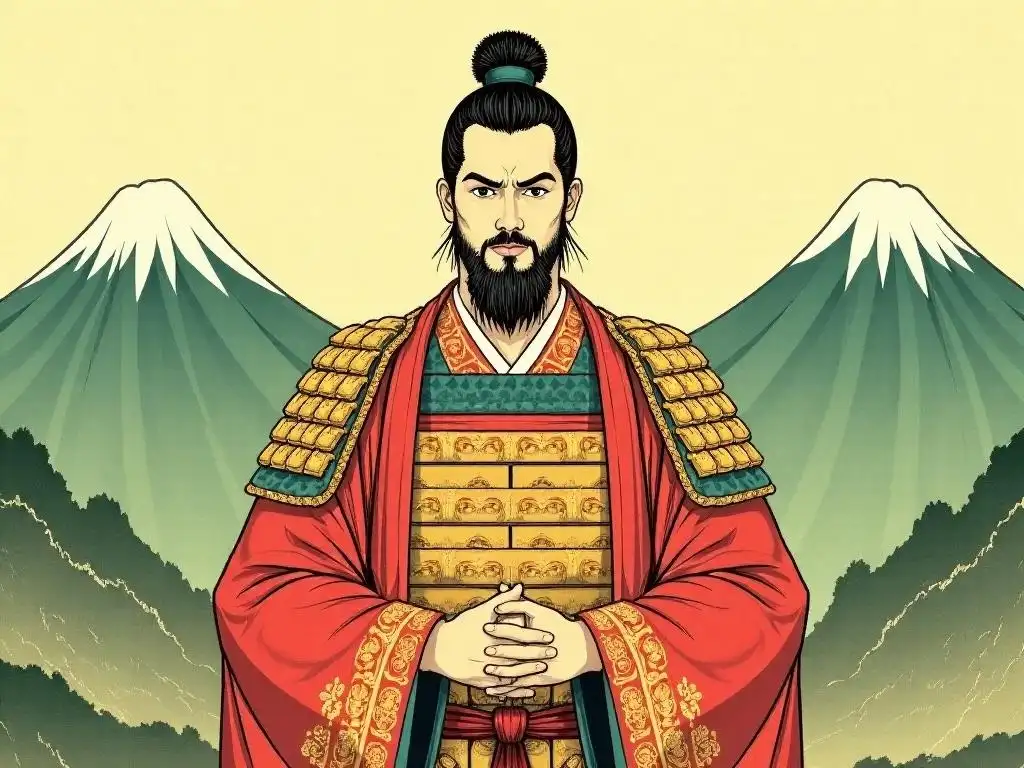
The relationship between the Tokugawa Shogunate and the Ainu people was not solely defined by political maneuvering or military engagements; it also encompassed a rich tapestry of social and cultural interactions. This multifaceted engagement between the two groups was marked by both conflict and cooperation, shaping the identities and cultural landscapes of both the Tokugawa regime and the Ainu communities.
Cultural Exchange and Influence
The Tokugawa Shogunate, which ruled from 1603 to 1868, initiated various policies that inadvertently facilitated cultural exchanges with the Ainu. As the Shogunate expanded its territory, particularly into Hokkaido, the cultural interactions increased, leading to a complex blend of traditions.
- Trade Relations: The Tokugawa Shogunate established trade routes that connected the Japanese mainland with Ainu territories. This trade was not limited to goods but extended to cultural artifacts and ideas. For example, Ainu craftsmanship, particularly in weaving and fishing gear, gained recognition among Japanese merchants.
- Language and Communication: The interactions also led to a form of linguistic exchange. While the Ainu language remained distinct, there was a gradual incorporation of Japanese terms, particularly in trade contexts. This linguistic melding facilitated better communication and understanding between the two groups.
- Art and Craftsmanship: The Ainu people were known for their intricate wood carvings and textiles. These artistic expressions began to influence Japanese aesthetics, leading to the incorporation of Ainu motifs into Japanese art. Conversely, some Japanese art forms, such as pottery styles, found their way into Ainu practices, illustrating a two-way cultural flow.
Ainu Religion and Spiritual Practices
The spiritual beliefs of the Ainu people were deeply rooted in animism, with a reverence for nature and a pantheon of deities associated with various elements of the environment. The Tokugawa Shogunate's approach towards these beliefs reflected a combination of tolerance and curiosity.
- Shamanistic Practices: Ainu shamanism played a significant role in their society, with rituals centered around nature spirits known as "kamuy." These practices were often observed by Japanese officials and traders, leading to a mutual respect for Ainu spirituality, despite underlying differences.
- Influence of Shinto: As the Tokugawa Shogunate promoted Shinto as a state religion, some Ainu began to adopt elements of Shinto practices. This syncretism was particularly evident in rituals and festivals, where Ainu deities were sometimes honored alongside Shinto gods, creating a unique blend of belief systems.
- Cultural Preservation: Despite the pressures of assimilation, many Ainu held onto their traditional beliefs, using them as a form of resistance against the encroaching influence of Tokugawa policies. This preservation of culture was essential in maintaining Ainu identity amidst external challenges.
Tokugawa Cultural Practices Influencing Ainu Society
The Tokugawa Shogunate's policies and cultural practices had a notable impact on Ainu society, both positively and negatively. As the Shogunate sought to consolidate power and control over the northern territories, its cultural influence began to permeate Ainu communities.
- Agricultural Techniques: The introduction of advanced agricultural techniques by the Tokugawa government had a significant impact on Ainu subsistence practices. Ainu people started to adopt rice cultivation, which altered their traditional hunting-gathering lifestyle and incorporated new agricultural festivals into their calendar.
- Clothing and Fashion: The influence of Japanese clothing styles began to seep into Ainu attire. While traditional Ainu garments remained prevalent, modifications inspired by Tokugawa fashion trends emerged, particularly in everyday wear, showcasing a blend of practicality and aesthetic appeal.
- Social Hierarchies: The Tokugawa emphasis on social order and hierarchy affected Ainu societal structures. The introduction of class distinctions within Ainu communities mirrored the rigid class system of Tokugawa Japan, leading to shifts in leadership and power dynamics among Ainu clans.
The interactions between the Tokugawa Shogunate and the Ainu people were marked by a complex interplay of cultural exchange, religious influences, and societal changes. This multifaceted relationship played a crucial role in shaping the identities of both groups during this pivotal period in Japanese history.
Conflicts and Tensions
Major Conflicts between Ainu and Tokugawa Forces
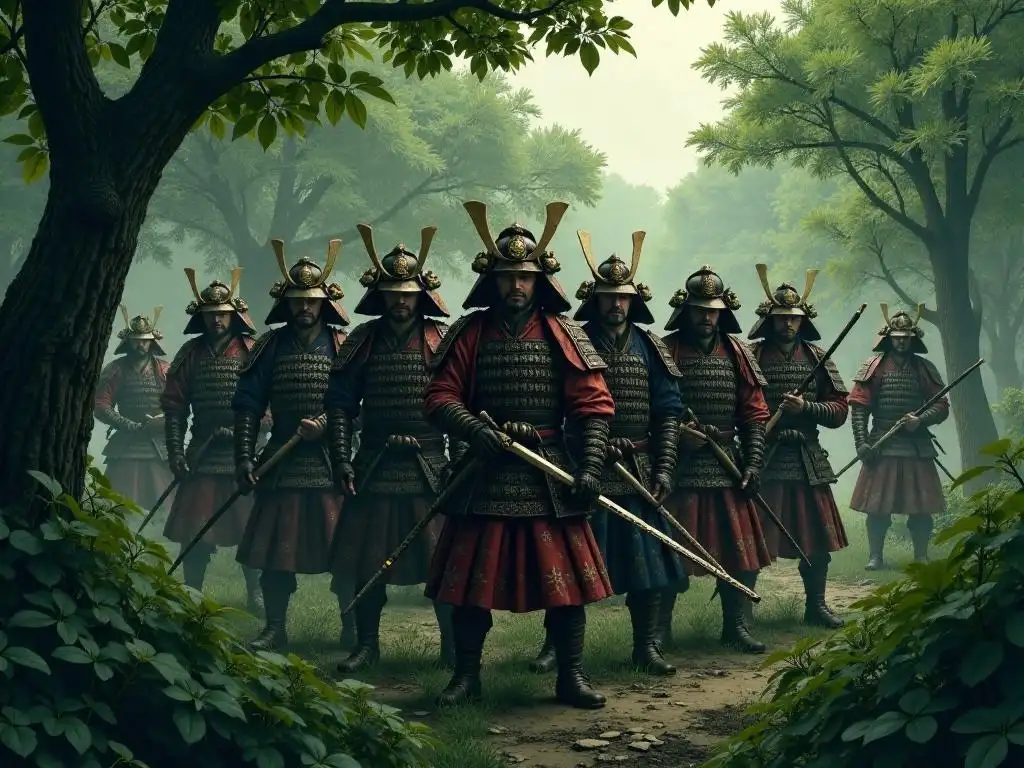
The relationship between the Ainu people and the Tokugawa Shogunate was marked by significant conflicts and tensions, primarily driven by territorial expansion and resource competition. One of the most notable conflicts occurred in the early 17th century, specifically during the Shakushain’s Revolt (1669-1672). This uprising was led by Shakushain, an Ainu chieftain, who sought to protect Ainu lands from encroachment by Japanese settlers and the imposition of taxes.
The revolt was sparked by the Tokugawa Shogunate's increasing control over Hokkaido (known as Ezo during this period), where Ainu communities thrived. The Shogunate viewed the Ainu as subjects to be integrated into the Japanese realm, while the Ainu sought to maintain their autonomy and traditional way of life. The conflict escalated into violence, with Ainu warriors engaging in guerilla tactics against the more organized Tokugawa forces.
Despite initial successes by the Ainu, the Shogunate ultimately crushed the revolt, resulting in significant casualties on both sides. The repercussions of this conflict extended beyond immediate violence; it showcased the growing disparity between the Ainu and the Japanese settlers, leading to further hostilities.
Responses of the Tokugawa Shogunate to Ainu Resistance
In response to Ainu resistance, the Tokugawa Shogunate employed a multi-faceted approach that included military action, legal reforms, and diplomatic measures. After the suppression of Shakushain's Revolt, the Shogunate recognized the need to establish a more structured governance model over Ainu territories. This included the establishment of the Ezo Province and the appointment of officials to oversee Ainu affairs.
The Shogunate also enacted policies aimed at assimilating the Ainu into Japanese culture. These policies included:
- Taxation: The imposition of taxes on Ainu communities, often requiring them to pay in rice or other goods, which strained their traditional subsistence practices.
- Cultural Assimilation: Efforts to promote Japanese culture and language through education and religious conversion, which aimed to reduce Ainu cultural practices.
- Trade Regulations: The introduction of regulated trade practices that limited Ainu access to certain resources, thereby exerting control over their economic activities.
Despite these measures, Ainu resistance persisted. The Shogunate's response was often characterized by a cycle of repression and temporary concessions, leading to a complex relationship marked by both conflict and attempts at coexistence.
Long-term Effects of Conflict on Ainu Communities
The conflicts during the Tokugawa era had profound long-term effects on Ainu communities, reshaping their social, economic, and cultural landscape. The military confrontations and subsequent policies implemented by the Tokugawa Shogunate significantly undermined Ainu autonomy and traditional ways of life.
- Loss of Land: Ongoing territorial expansion by Japanese settlers resulted in the displacement of Ainu communities. Many Ainu were forced to abandon their ancestral lands, leading to a loss of identity and traditional practices tied to the land.
- Cultural Erosion: The assimilation policies promoted by the Tokugawa government led to a gradual erosion of Ainu culture. Traditional practices, languages, and beliefs faced suppression, as Ainu were encouraged to adopt Japanese customs.
- Economic Dependence: The introduction of taxation and regulated trade created economic dependency on the Tokugawa system. Ainu communities increasingly relied on Japanese markets for their livelihood, which disrupted their traditional subsistence economy.
- Social Fragmentation: The conflicts and subsequent policies contributed to the fragmentation of Ainu society. Internal divisions emerged as some Ainu sought collaboration with the Tokugawa for economic survival, while others resisted assimilation.
The Tokugawa Shogunate's relations with the Ainu were characterized by conflict and a struggle for power, leading to significant long-term consequences that have impacted Ainu communities to this day. The legacy of these conflicts continues to resonate in contemporary discussions regarding Ainu rights and cultural preservation.
The Decline of the Tokugawa Shogunate and Its Impact on the Ainu People
The decline of the Tokugawa Shogunate, which ruled Japan from 1603 to 1868, marked a significant turning point not only in Japanese history but also in the lives of the Ainu people, indigenous inhabitants of Hokkaido and surrounding regions. The implications of this decline were profound, as the Ainu faced shifting dynamics in their political, social, and cultural circumstances.
Various factors contributed to the weakening of the Tokugawa Shogunate's power, culminating in its eventual downfall. These factors include:
- Economic Strain:
- The shogunate's heavy taxation on the peasantry led to widespread discontent.
- Economic disparities became pronounced, as the merchant class began to accumulate wealth, challenging the traditional samurai class.
- Social Unrest:
- Peasant uprisings, such as the Akō Incident, highlighted the growing dissatisfaction among the lower classes.
- The samurai class, facing financial difficulties, also became increasingly restless, prompting internal conflicts within the ruling hierarchy.
- External Pressures:
- Western imperialism posed a significant threat, exemplified by Commodore Matthew Perry's arrival in 1853, which forced Japan to reconsider its isolationist policies.
- The unequal treaties imposed by foreign powers undermined the shogunate’s authority and legitimacy.
- Political Factionalism:
- The rise of pro-imperial factions among the samurai, particularly the Chōshū and Satsuma clans, initiated a push toward the restoration of imperial power.
- This factionalism ultimately led to the Boshin War (1868-1869), which effectively dismantled the Tokugawa regime.
Changes in Ainu Status Post-Tokugawa Era
With the fall of the Tokugawa Shogunate, the Ainu experienced significant changes in their status and treatment in Japanese society:
- Increased Assimilation Efforts:
- The Meiji Restoration (1868) saw the Japanese government implementing policies aimed at assimilating the Ainu into mainstream Japanese culture.
- These policies included the banning of traditional Ainu practices and the promotion of Japanese language and customs, leading to cultural erosion.
- Loss of Land and Rights:
- The new government embarked on extensive land reclamation projects, which resulted in the expropriation of Ainu lands for agricultural development.
- Ainu people were marginalized and often forced into labor on their ancestral lands, losing their rights to self-determination.
- Recognition and Activism:
- By the late 19th and early 20th centuries, there was a growing awareness of Ainu rights, leading to the formation of Ainu advocacy groups.
- Despite ongoing struggles, these groups began to challenge the narrative of Ainu inferiority and fight for recognition of their cultural heritage.
Legacy of Tokugawa Shogunate Ainu Relations in Modern Japan
The legacy of Tokugawa Shogunate Ainu relations continues to resonate in contemporary Japan, shaping both cultural identity and political discourse:
- Cultural Revitalization:
- In recent decades, there has been a resurgence in Ainu culture, with efforts to revive traditional practices, languages, and customs.
- The Japanese government officially recognized the Ainu as an indigenous people in 2008, paving the way for cultural preservation initiatives.
- Political Recognition and Rights:
- The Ainu have gained increased visibility in political circles, prompting discussions on indigenous rights and self-governance.
- Legislative measures, such as the Ainu Promotion Act of 2019, have been implemented to support Ainu cultural and economic development.
- Ongoing Challenges:
- Despite advancements, the Ainu continue to face challenges related to discrimination and socioeconomic disparities.
- The struggle for full recognition and rights persists, emphasizing the need for continued advocacy and support from both the Ainu community and Japanese society at large.
The Tokugawa Shogunate's relations with the Ainu people significantly influenced the latter's historical trajectory and cultural identity, with the effects of this relationship still evident in modern Japan’s ongoing discussions about indigenous rights and cultural preservation.
Conclusion: The Legacy of Tokugawa Shogunate Ainu Relations

Summary of Key Points
The interactions between the Tokugawa Shogunate and the Ainu people represent a complex tapestry woven from political, economic, and cultural threads. Key points from this relationship include:
- Political Dynamics: The Tokugawa Shogunate established policies that significantly impacted the Ainu, particularly through the control of trade and the regulation of territory. The Shogunate’s emphasis on centralization often marginalized Ainu authority and autonomy.
- Economic Exchange: The Ainu were integral to the economy of Hokkaido, engaging in fur trading and other exchanges with the Japanese. The Tokugawa government recognized the economic value of the Ainu, yet often exploited their resources while providing little in return.
- Cultural Interactions: While there were instances of cultural exchange, such as the adoption of certain Ainu practices by Japanese settlers, the overarching narrative is one of cultural suppression. The Shogunate’s policies often aimed to assimilate the Ainu into Japanese culture, undermining their unique identity.
- Military Engagements: Conflicts arose between the Tokugawa forces and the Ainu, particularly in response to territorial encroachments. These confrontations illustrate the tensions inherent in the Shogunate's expansionist policies.
Reflection on Historical Interactions and Their Relevance Today
The legacy of Tokugawa Shogunate Ainu relations resonates today in various ways:
- Cultural Preservation: The historical suppression of Ainu culture has led to a contemporary movement aimed at revitalizing and preserving Ainu traditions and language. Understanding the Tokugawa era is crucial for contextualizing these efforts.
- Political Recognition: Modern Japan has begun to recognize the Ainu as an indigenous people, a significant shift from the Tokugawa period where their status was largely ignored. This recognition is essential for ongoing discussions about indigenous rights and representation.
- Societal Implications: The historical interactions between the Tokugawa Shogunate and the Ainu remind us of the broader patterns of colonialism and cultural assimilation that have played out globally. Analyzing these dynamics encourages a deeper understanding of how historical narratives shape contemporary societal structures.
The relations between the Tokugawa Shogunate and the Ainu people reflect a multifaceted history characterized by conflict, exchange, and cultural survival. As we continue to explore this legacy, it becomes increasingly important to acknowledge and learn from the past in order to foster a more inclusive future for all cultural identities within Japan.
References and Further Reading on Tokugawa Shogunate and Ainu Relations
Suggested Books and Articles
To gain a deeper understanding of the Tokugawa Shogunate Ainu relations, the following books and articles provide comprehensive insights and analyses:
- "Ainu: Spirit of a Northern People" by William W. Fitzhugh and Chisato O. Dubreuil
- This book delves into the cultural and spiritual life of the Ainu people, offering a robust context for their interactions with the Tokugawa Shogunate. It covers historical perspectives and the nuances of Ainu identity during the feudal era.
- "The Ainu and the Japanese: The Dynamics of Cultural Change" by Takashi Fujitani
- Fujitani explores the complex relationship between the Ainu and the Japanese, focusing on the socio-political dynamics during the Tokugawa period. This work examines how policies enacted by the shogunate affected Ainu communities.
- "Japan's Ainu: The People Who Were Forgotten" by Eileen Tannouchi
- This article provides a detailed examination of the Ainu people's marginalization under the Tokugawa regime, discussing the implications of shogunate policies on their welfare and cultural heritage.
- "The Impact of the Tokugawa Shogunate on Ainu Culture" by Hiroshi Nakagawa
- Nakagawa's work analyzes the direct impacts of Tokugawa governance on Ainu culture, particularly in areas such as trade, language, and social structure.
- "Colonization in Early Modern Japan: The Case of the Ainu" by J. Edward Hunter
- This paper presents a critical analysis of the colonization processes initiated by the Tokugawa Shogunate, exploring how these efforts affected the Ainu's land and resources.
Documentaries and Academic Resources
For visual learners and those seeking a more engaging format, the following documentaries and academic resources provide enriching perspectives on Tokugawa Shogunate Ainu relations:
- "The Last Ainu: Japan's Indigenous People" (Documentary)
- This documentary captures the struggles and survival of the Ainu people, providing historical context on their relationship with the Tokugawa Shogunate. It highlights personal stories, rituals, and the ongoing fight for recognition.
- "Ainu: The Forgotten People of Japan" (Documentary)
- Featuring interviews with Ainu elders and historians, this documentary explores the impact of Tokugawa policies on Ainu identity and culture while offering insights into contemporary Ainu issues.
- Academic Journal: "Japanese Studies"
- This journal often includes articles on the Tokugawa period and its ethnic relations, with several issues dedicated to the Ainu. Accessing specific articles can yield valuable academic findings and discussions on the subject.
- Online Resources from the National Museum of Ethnology, Japan
- The museum’s website provides access to various exhibits, research papers, and discussions related to the Ainu and their history, particularly during the Tokugawa era.
By engaging with these resources, readers can enhance their understanding of the intricate dynamics between the Tokugawa Shogunate and the Ainu people, gaining insights into historical, cultural, and societal aspects of this unique relationship.
Frequently Asked Questions
What was the Tokugawa Shogunate?
The Tokugawa Shogunate was a feudal regime in Japan that lasted from 1603 to 1868, characterized by strict social order, economic growth, and isolationist foreign policies.
How did the Tokugawa Shogunate interact with the Ainu people?
The Tokugawa Shogunate had a complex relationship with the Ainu people, involving trade, cultural exchanges, and at times, conflict over land and resources in northern Japan.
What were the Ainu people's status during the Tokugawa era?
During the Tokugawa era, the Ainu people were often marginalized and faced discrimination, yet they maintained their cultural practices and engaged in limited trade with the Japanese.
What impact did the Tokugawa Shogunate have on Ainu culture?
The Tokugawa Shogunate's policies led to significant changes in Ainu culture, including the assimilation pressures and the loss of autonomy, as well as the introduction of Japanese goods and practices.
Why is the study of Tokugawa Shogunate Ainu relations important?
Studying Tokugawa Shogunate Ainu relations is crucial for understanding the historical context of indigenous rights in Japan and the cultural dynamics between dominant and marginalized groups during this era.
Final Reflection: Understanding the Tokugawa Shogunate's Legacy in Ainu Relations
The intricate Tokugawa Shogunate Ainu relations serve as a profound reminder of the complexities of cultural interaction and governance. As we navigate an increasingly interconnected world, the historical dynamics between the Tokugawa Shogunate and the Ainu people resonate with contemporary discussions about identity, power, and coexistence. This historical narrative not only sheds light on the past but also compels us to reflect on the ongoing implications of colonialism and cultural preservation in today's society.
The legacy of the Tokugawa Shogunate's interactions with the Ainu continues to shape the cultural and social landscape of Japan and beyond. The Ainu's struggle for recognition and rights is emblematic of broader issues faced by indigenous populations worldwide. As we witness a resurgence of interest in indigenous rights and cultural heritage, it is essential to acknowledge the lessons learned from history. Those who cannot remember the past are condemned to repeat it.
– George Santayana. This quote encapsulates the importance of understanding our history to foster a more inclusive future.
As we close this exploration of the Tokugawa Shogunate and its relations with the Ainu people, I invite you to reflect on your own connections to cultural heritage and the significance of acknowledging diverse histories. Consider how you can contribute to a more equitable society that honors the voices and experiences of marginalized communities. By fostering awareness and empathy, we can all play a part in shaping a future that respects and celebrates the rich tapestry of human experience.
Unveil New Perspectives on Ainu Heritage!
Thank you for exploring the intricate relationship between the Tokugawa Shogunate and the Ainu people with us. Your interest in this pivotal era enriches your understanding of Japan's diverse history and cultural tapestry. Now, let’s take the next step to deepen that knowledge!
- Dive deeper: Research more about Ainu traditions and share an inspiring article or documentary you discover with friends or on social media!
- Join the conversation: Engage in local history forums or online groups focused on feudal Japan to exchange insights and experiences.
- Make a difference: Consider supporting initiatives aimed at preserving Ainu culture to help keep their rich heritage alive for future generations!
What aspect of Ainu culture fascinates you the most, and in what ways do you believe it could shape modern Japan?