
The Global Perspective: How Foreign Influence Shaped Shogunate Policies

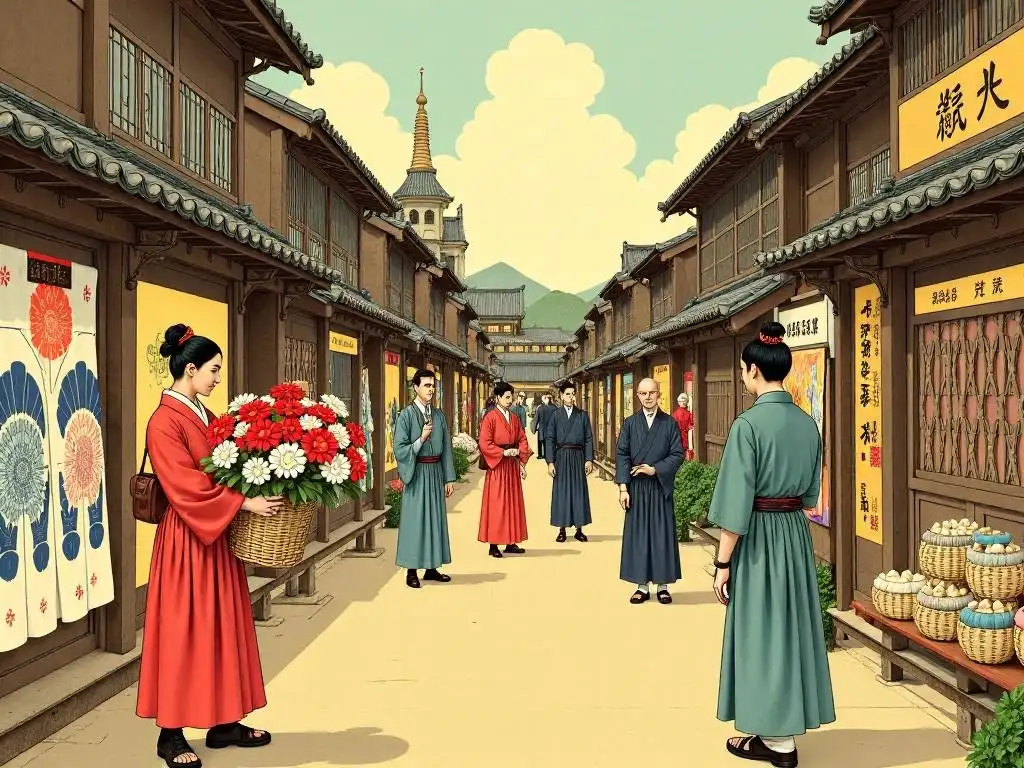
Welcome to Feudal Japan History, where we embark on a captivating journey through the intricate tapestry of Japan's feudal era. Dive deep into the powerful forces that shaped this unique period, exploring the profound impact of foreign influence on shogunate policies. Our latest article, "The Global Perspective: How Foreign Influence Shaped Shogunate Policies," unravels the complexities of international relations and their pivotal role in Japan's political landscape. Are you ready to uncover the hidden connections that transformed a nation? Join us as we delve into the fascinating interplay of culture and power that defined an era!
Introduction to Foreign Influence on Shogunate Policies
The feudal era of Japan, spanning from the 12th to the 19th centuries, is marked by a complex interplay of internal dynamics and external influences. Among the myriad factors that shaped the policies of the shogunate, foreign influence stands out as a significant force.
This article delves into how interactions with other nations, whether through trade, diplomacy, or conflict, profoundly impacted the governance and societal structures established by the shogunate. By examining both the overt and subtle ways foreign nations influenced Japanese policies, we can gain a deeper understanding of the intricate tapestry that defines Japan's political history during this era.
Overview of Japan’s Feudal Era
Japan’s feudal era was characterized by a hierarchical social structure dominated by the samurai class, with the shogunate at the pinnacle of political power. The shoguns, military leaders who ruled in the name of the emperor, implemented policies that not only reflected domestic priorities but also responded to external pressures. The era can be divided into several key periods, each marked by distinct shogunates such as the Kamakura, Ashikaga, and Tokugawa, all of which navigated foreign relations in unique ways.
- Kamakura Period (1185-1333): Established the shogunate system, focusing on military governance.
- Ashikaga Period (1336-1573): Witnessed the rise of powerful regional lords and increasing foreign interactions.
- Tokugawa Period (1603-1868): Marked by isolationist policies, yet still influenced by limited trade with foreign entities.
Understanding these periods provides context for analyzing the foreign influences that shaped shogunate policies.
The Role of Foreign Relations in Shogunate Governance
Foreign relations played a crucial role in the governance of the shogunate, affecting trade, military alliances, and cultural exchanges. The shogunate's response to foreign influence was often a balancing act, as leaders sought to protect Japan's sovereignty while also recognizing the benefits of engaging with foreign powers.
- Trade Agreements: The shogunate established trade relationships, particularly with European countries, which brought in new goods and ideas.
- Diplomatic Missions: Envoys were sent to and received from foreign nations, influencing diplomatic protocols and military strategies.
- Cultural Exchange: Foreign influence also permeated cultural aspects, from the introduction of new technologies to the adoption of foreign customs.
These interactions not only shaped the policies of the shogunate but also had lasting effects on Japanese society.
Historical Context of Foreign Influence
To fully appreciate the impact of foreign influence on shogunate policies, it is essential to examine the historical context surrounding these interactions. Japan's geographical isolation and cultural homogeneity made it particularly sensitive to external influences, which often led to significant shifts in governance and policy.
Key Periods of Foreign Interaction
Throughout Japan's feudal era, several key periods stand out for their significant foreign interactions:
- The Mongol Invasions (1274 and 1281): These invasions prompted the shogunate to strengthen its military defenses and reconsider its diplomatic stance towards neighboring countries.
- The Arrival of Europeans (16th Century): European traders and missionaries brought new ideas and technologies, challenging traditional Japanese practices and beliefs.
- The Sakoku Edict (1635): A response to the perceived threats from foreign influence, the Tokugawa shogunate enforced isolationist policies that limited foreign interactions, yet these policies were shaped by the experiences of earlier foreign relations.
These periods illustrate the dynamic nature of foreign influence on shogunate policies, laying the groundwork for understanding the complexities of Japan’s political history during the feudal era.
Mechanisms of Foreign Influence on Shogunate Policies
The influence of foreign nations on the policies of the Japanese shogunate was complex and multifaceted. Various mechanisms facilitated this interaction, including trade, cultural exchanges, and military alliances. These factors not only reshaped Japan's internal policies but also altered its standing in the global arena.
- Trade: The exchange of goods and ideas through trade routes allowed foreign nations to introduce new commodities and philosophies, influencing local economies and governance.
- Cultural Exchange: The influx of foreign customs, art, and knowledge often prompted the shogunate to adapt its own cultural practices, leading to shifts in how governance was approached.
- Military Alliances: Partnerships with foreign powers sometimes dictated domestic policies, as the need for military support or technology transfer influenced strategic decisions.
Each of these mechanisms played a pivotal role in shaping the policies of the shogunate and its response to external pressures.
Trade Agreements and Economic Policies
Trade agreements were crucial in shaping shogunate policies, particularly during the Edo period (1603-1868). The shogunate engaged in selective trade with European powers, particularly the Dutch and the Portuguese, which had significant implications for Japan's economy and governance.
- Dutch Trade: The Dutch were allowed to trade at Nagasaki under strict regulations. This relationship not only provided Japan with access to Western goods but also limited the influence of Christianity, as the Dutch were primarily interested in trade rather than missionary work.
- Economic Policies: The shogunate implemented policies to manage these trade relationships, regulating imports and exports to maintain a favorable balance of trade. This included tariffs and taxes that shaped the economic landscape of Japan.
- Impact on Domestic Economy: The introduction of new products, such as tobacco and textiles, influenced local markets and agricultural practices, leading to a shift in economic power and governance strategies.
These trade agreements were instrumental in integrating Japan into the global economy while allowing the shogunate to maintain control over foreign influences.
Cultural Exchange and Its Impact on Governance
Cultural exchanges between Japan and foreign nations significantly impacted the shogunate's governance. As new ideas and artistic influences flowed into Japan, they prompted shifts in societal norms and political structures.
- Art and Literature: Traditional Japanese art forms began to incorporate Western techniques, leading to the emergence of new styles that reflected both local and foreign influences. This artistic evolution often mirrored shifts in political thought and governance.
- Philosophical Ideas: The introduction of Western philosophical concepts, such as individualism and rationalism, prompted Japanese scholars to reassess traditional Confucian values, affecting policies related to governance and social hierarchy.
- Educational Reforms: Cultural exchanges led to the establishment of schools that taught Western sciences and philosophies, which ultimately influenced the shogunate’s approach to governance and statecraft.
The blending of cultures not only enriched Japanese society but also necessitated a reevaluation of existing governance structures in response to new ideas.
Military Alliances and Strategic Partnerships
Military alliances and partnerships with foreign powers were pivotal in shaping the shogunate's policies and strategic decisions. These alliances often emerged from a need to bolster defenses against potential invasions or to navigate the complexities of international relations.
- Alliances with European Powers: The shogunate formed military partnerships with European nations, particularly during the early Edo period, seeking access to advanced weaponry and military techniques. This had a profound impact on Japan's military modernization efforts.
- Regional Defense Strategies: The shogunate’s strategic partnerships often influenced its domestic policies regarding military organization and the distribution of resources, leading to the establishment of a more centralized military structure.
- Impact on Diplomacy: These alliances also shaped Japan's diplomatic stance, as the shogunate had to balance foreign interests with domestic stability, often leading to tensions with neighboring countries.
Ultimately, military alliances were a key mechanism by which foreign influence permeated shogunate policies, affecting both military and diplomatic strategies.
Case Studies of Foreign Influence on Shogunate Policies
Examining specific case studies provides insight into how foreign influences directly impacted shogunate policies and the broader implications for Japanese society.
The Impact of Christianity on Japanese Society
The arrival of Christianity in Japan during the 16th century marked a significant turning point in the shogunate’s approach to foreign influence. Initially welcomed by some daimyos, Christianity posed both cultural and political challenges as it grew in popularity.
- Initial Acceptance: European missionaries, such as the Jesuits, were initially able to establish a foothold in Japan, converting thousands and introducing new cultural practices.
- Backlash and Persecution: As the shogunate perceived Christianity as a threat to social order and loyalty to the emperor, it implemented severe anti-Christian policies, leading to the persecution of Christians and the eventual expulsion of missionaries.
- Long-term Effects: The shogunate's response to Christianity shaped its policies regarding foreign religions and ideologies, reinforcing a national identity rooted in traditional beliefs and practices.
This case study illustrates the dynamic interplay between foreign influence and domestic policy, showcasing the shogunate's efforts to maintain control over its society.
The Role of Western Science and Technology
The influence of Western science and technology during the late Edo period had profound implications for Japan's development and governance. As the shogunate became aware of advancements in the West, it began to reassess its isolationist policies.
- Introduction of Western Knowledge: Through limited trade and cultural exchanges, Western scientific knowledge began to permeate Japanese society, particularly in fields such as medicine, astronomy, and military technology.
- Impact on Policy Reform: The realization of Japan's technological lag compared to Western nations prompted the shogunate to adopt reforms aimed at modernization, influencing policies in education, military organization, and industry.
- Transition to the Meiji Restoration: This growing awareness of Western advancements ultimately contributed to the decline of the shogunate and the rise of the Meiji Restoration, as Japan sought to transform itself into a modern nation-state.
The case of Western science and technology highlights how foreign influence catalyzed significant internal changes within the shogunate, leading to a pivotal transformation in Japan's political landscape.
The Shogunate's Response to Foreign Influence
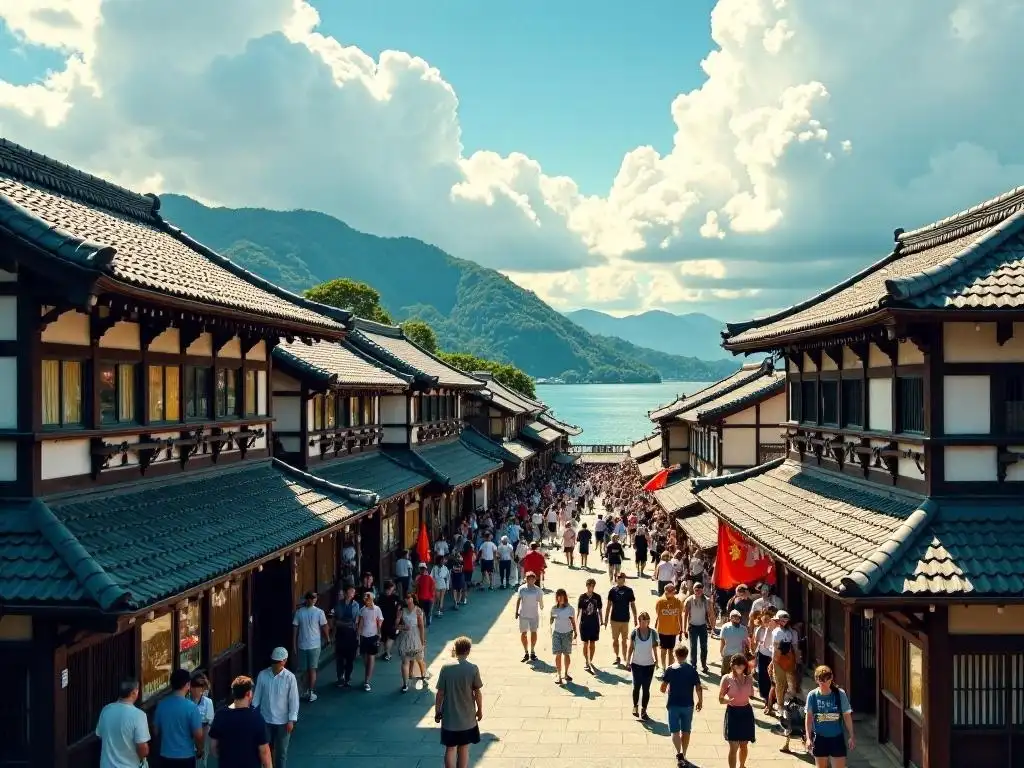
Throughout its history, the Japanese shogunate faced various waves of foreign influence that significantly shaped its policies and strategies. These influences came from different sources, including European traders, missionaries, and neighboring Asian countries. The shogunate's response to foreign influence was often characterized by a complex interplay of adaptation and resistance, reflecting a delicate balance between embracing new ideas and protecting traditional Japanese values.
The initial encounters with foreign powers, particularly during the 16th century, led to a period of openness where trade flourished, and new technologies and ideas were introduced. However, as the shogunate established its authority, it became increasingly wary of foreign influence, culminating in significant policy shifts aimed at maintaining control over Japanese society. This response laid the groundwork for later isolationist policies and a cautious approach to external relations, ultimately shaping the trajectory of Japan's political landscape.
Isolation Policies: Sakoku and Its Implications
One of the most notable responses to foreign influence was the implementation of the Sakoku policy, which began in the early 17th century. This policy effectively isolated Japan from the rest of the world for over two centuries, allowing only limited foreign interactions. Under Sakoku, foreign trade was restricted to specific ports, such as Nagasaki, where the Dutch and Chinese were granted limited access, while all other foreign entities were excluded.
The implications of this isolation were profound. On one hand, it helped preserve Japan's cultural identity and prevent the spread of foreign ideologies that could challenge the shogunate's authority. On the other hand, it stunted technological progress and limited Japan's engagement with the global community, which would later have consequences when the country was forced to confront modern powers in the mid-19th century. This duality of Sakoku illustrates the shogunate's attempt to navigate the complexities of foreign influence while aiming to maintain stability and control.
Adaptation and Resistance to Foreign Ideas
The shogunate's approach to foreign ideas was marked by a combination of adaptation and resistance. While the early encounters with Europeans brought valuable knowledge in fields such as navigation, military tactics, and agriculture, the shogunate was cautious about fully embracing these innovations. The introduction of Christianity, for example, was met with significant resistance, leading to the persecution of Christians and the eventual ban on the religion.
At the same time, the shogunate recognized the importance of adapting certain foreign technologies to enhance its military and agricultural capabilities. The adoption of firearms in the 16th century is a prime example, demonstrating the shogunate's ability to integrate useful foreign innovations while rejecting those that threatened its social order. This selective adaptation played a crucial role in shaping the shogunate's policies and societal structures, highlighting the tension between embracing progress and safeguarding tradition.
Long-Term Effects of Foreign Influence on Shogunate Policies
The long-term effects of foreign influence on shogunate policies are evident in various aspects of Japanese society and governance. These effects can be categorized into significant transformations in culture, lasting impacts on political structures, and lessons learned from historical foreign relations.
Transformation of Japanese Society and Culture
The foreign influence experienced during the shogunate era led to profound transformations in Japanese society and culture. The initial openness to foreign ideas resulted in the introduction of new artistic styles, culinary practices, and scientific knowledge. For instance, the influence of Dutch learning, known as Rangaku, fostered advancements in medicine, astronomy, and technology.
However, the later isolationist policies also had a lasting impact on cultural development. While the shogunate sought to preserve traditional Japanese customs, the limited exchange with the outside world meant that Japan developed uniquely during this period. The synthesis of foreign and indigenous elements created a distinct cultural landscape that would resonate in modern Japan. This blend of influences continues to shape Japanese identity, reflecting the complex legacy of foreign relations.
Lasting Impact on Modern Japanese Political Structures
The policies and practices established during the shogunate have had enduring effects on modern Japanese political structures. The centralization of power under the shogunate laid the groundwork for the emergence of a more centralized government in the Meiji era. The experiences of isolation and the eventual opening to foreign powers influenced Japan's approach to governance and international relations in the contemporary world.
Post-shogunate, Japan sought to modernize rapidly, adopting aspects of Western political systems while maintaining elements of its traditional governance. This balance between modernity and tradition can be traced back to the shogunate's historical responses to foreign influence, illustrating how past interactions continue to inform Japan's political evolution.
Lessons Learned from Historical Foreign Relations
The experience of the shogunate with foreign influence offers valuable lessons for understanding contemporary international relations. The dual approach of adaptation and resistance serves as a reminder of the complexities involved in navigating foreign interactions. The eventual consequences of isolation highlight the importance of engaging with the global community to foster progress and avoid stagnation.
Moreover, the historical context of foreign relations during the shogunate emphasizes the need for countries to balance their national interests with the realities of an interconnected world. Japan's journey through foreign influence has shaped its diplomatic strategies, allowing it to emerge as a significant player on the global stage while remaining attuned to its cultural heritage. These lessons continue to resonate as nations grapple with the challenges and opportunities presented by globalization.
Conclusion: The Legacy of Foreign Influence on Shogunate Policies
The legacy of foreign influence on shogunate policies is intricate and multifaceted, significantly shaping Japan's political landscape during the feudal era. The interactions with various nations, whether through trade, diplomacy, or military encounters, provided Japan with a spectrum of ideas and practices that influenced governance and societal norms.
The shogunate's responses to these external pressures were not merely reactive; they involved a nuanced adaptation of foreign concepts to fit within the pre-existing cultural and political framework of Japan. This dynamic interplay between foreign influence and domestic policy helped forge a unique path for Japan, culminating in a blend of traditional and modern governance that would eventually lay the groundwork for Japan’s modernization in the late 19th century.
Summary of Key Insights
- Adaptation of Ideas: The shogunate's policies were often a reflection of how foreign ideas were adapted to align with Japanese societal norms. For instance, the introduction of Western technology and military tactics during the late Edo period was pivotal in transforming Japan's defense and economic systems.
- Trade Relations: The establishment of trade relations, particularly with the Portuguese and Dutch, introduced new commodities and cultural practices that influenced Japanese society. The shogunate’s embrace of certain foreign goods and ideas often came hand-in-hand with a cautious approach to maintain sovereignty and cultural integrity.
- Diplomatic Engagements: Shogunate diplomacy with countries like Korea and China highlighted the importance of foreign relations in maintaining peace and stability. Treaties and alliances were crafted not only for economic benefit but also as a means of political maneuvering.
- Cultural Exchange: The cultural exchanges that occurred due to foreign influence enriched Japanese arts, sciences, and literature. This cultural infusion was often met with resistance but ultimately led to a broader understanding of the world beyond Japan’s shores.
Reflection on the Importance of Understanding Foreign Influence in Feudal Japan
Understanding the foreign influence on shogunate policies is crucial for grasping the complexities of Japan's historical evolution. It is a reminder that Japan's identity was not formed in isolation but was the result of continuous interaction with external forces. This perspective allows historians and scholars to appreciate the fluidity of cultural and political boundaries during the feudal era.
Furthermore, recognizing these influences helps to contextualize Japan's rapid modernization in the Meiji Restoration, illustrating how historical legacies shape contemporary society. By studying the interplay of foreign ideas and domestic policies, we can gain valuable insights into the resilience and adaptability of Japanese culture throughout its history.
Further Reading and Resources
Recommended Books on Shogunate Policies and Foreign Influence
- "The Making of Modern Japan" by Bruce Cumings: This comprehensive work offers insights into how foreign influences shaped the political landscape of Japan from the feudal period to the modern era.
- "Japan's Response to the West: A History of Foreign Relations" by David John Lu: A detailed exploration of Japan's engagements with various foreign powers and the subsequent impacts on its political policies.
- "A History of Japan: 1334 to 1615" by George Sansom: This book provides an in-depth look at the Muromachi and early Edo periods, focusing on how foreign interactions influenced governance.
- "The Age of the Samurai: Japan's World War II" by John W. Dower: Though focused on a later time, this book helps frame the earlier foreign influences that led to Japan's military developments.
Online Resources for Exploring Japan’s Feudal History
- National Museum of Japanese History (Rekihaku): Offers a plethora of articles and resources that delve into Japan's feudal past, including foreign influences on shogunate policies.
- The Japan Times Archives: A valuable repository of articles that discuss various aspects of Japan’s history, including foreign relations during the shogunate periods.
- Japan Society: This organization provides educational resources and events that focus on Japanese culture and history, including online lectures and articles on feudal Japan.
- The Internet History Sourcebooks Project: A collection of public domain and copy-permitted historical texts that include primary sources related to Japan's feudal era and foreign interactions.
By delving into these resources, readers can further their understanding of how foreign influence shaped the policies of the shogunate and the broader context of Japan's historical narrative.
- Introduction to Foreign Influence on Shogunate Policies
- Historical Context of Foreign Influence
- Mechanisms of Foreign Influence on Shogunate Policies
- Case Studies of Foreign Influence on Shogunate Policies
- The Shogunate's Response to Foreign Influence
- Long-Term Effects of Foreign Influence on Shogunate Policies
- Conclusion: The Legacy of Foreign Influence on Shogunate Policies
- Further Reading and Resources
Frequently Asked Questions
What were the main foreign influences on shogunate policies in Japan?
Foreign influence on shogunate policies primarily came from European traders and missionaries, particularly during the 16th and 17th centuries, leading to cultural exchanges and shifts in political strategies.
How did trade impact the shogunate's decisions?
Trade introduced new goods and ideas, prompting the shogunate to adapt its economic policies to incorporate foreign products, which in turn influenced social structures and class dynamics.
What role did religion play in shaping shogunate policies?
The arrival of Christian missionaries sparked significant cultural tension, leading to policies that aimed to restrict foreign religious influence and consolidate control over the Japanese populace.
How did the shogunate respond to foreign threats?
The shogunate often enacted isolationist policies as a response to foreign threats, such as the Sakoku (closed country) policy, which limited foreign trade and maintained national sovereignty.
What legacy did foreign influence leave on modern Japan?
The foreign influence on shogunate policies laid the groundwork for Japan's modernization, helping to transition from a feudal society to a more globalized nation in the Meiji era.
Final Reflection: The Enduring Legacy of Foreign Influence on Shogunate Policies
The intricate interplay of foreign influence on shogunate policies is not merely a historical footnote; it is a lens through which we can understand the complexities of cultural exchange and adaptation. Today, as nations grapple with globalization and the rapid exchange of ideas, the lessons from Japan's past resonate with increasing urgency. The shogunate's ability to adapt and respond to foreign pressures serves as a powerful reminder of the importance of flexibility and openness in governance and society.
Cultural and social landscapes are continually shaped by the ebb and flow of external influences, much like the shogunate experienced centuries ago. The policies enacted during that era were not just reactions to foreign powers; they were also reflections of Japan's evolving identity in a world that was rapidly changing. As historian John Dower aptly stated, History is not just a record of what happened; it is a lens through which we can understand our present and shape our future.
This observation underscores the ongoing relevance of examining how foreign influences can mold national policies and cultural identities.
As we reflect on the lessons from the shogunate, I invite you to consider how foreign influences shape your own life and community. What aspects of your culture have been enriched by outside perspectives? Embrace the diversity around you and recognize that, much like the shogunate, we have the power to adapt and grow in response to the world. Let us carry forward the spirit of inquiry and openness, allowing the past to guide us as we navigate the complexities of our interconnected future.
Unveil the Impact of Global Influences in Feudal Japan!
Thank you for diving deep into the fascinating interplay of foreign influences and Shogunate policies. Your interest not only enriches your understanding but also encourages you to explore how historical currents shaped nations. Now, it’s time to take that knowledge a step further!
Here are a few actionable steps for you to consider:
- Delve deeper into primary texts and artifacts to truly immerse yourself in the historical context.
- Share your insights with friends or on social media to spark discussions about the enduring impact of foreign influence.
- Organize or join a local history club to share and discuss findings about the Shogunate and its international relationships, enriching discussions with diverse viewpoints.
Which insight from today’s exploration resonates most with you, and how do you think these historical influences continue to shape modern perspectives?