
The Taira and Minamoto Clans: A Deep Dive into Their Histories

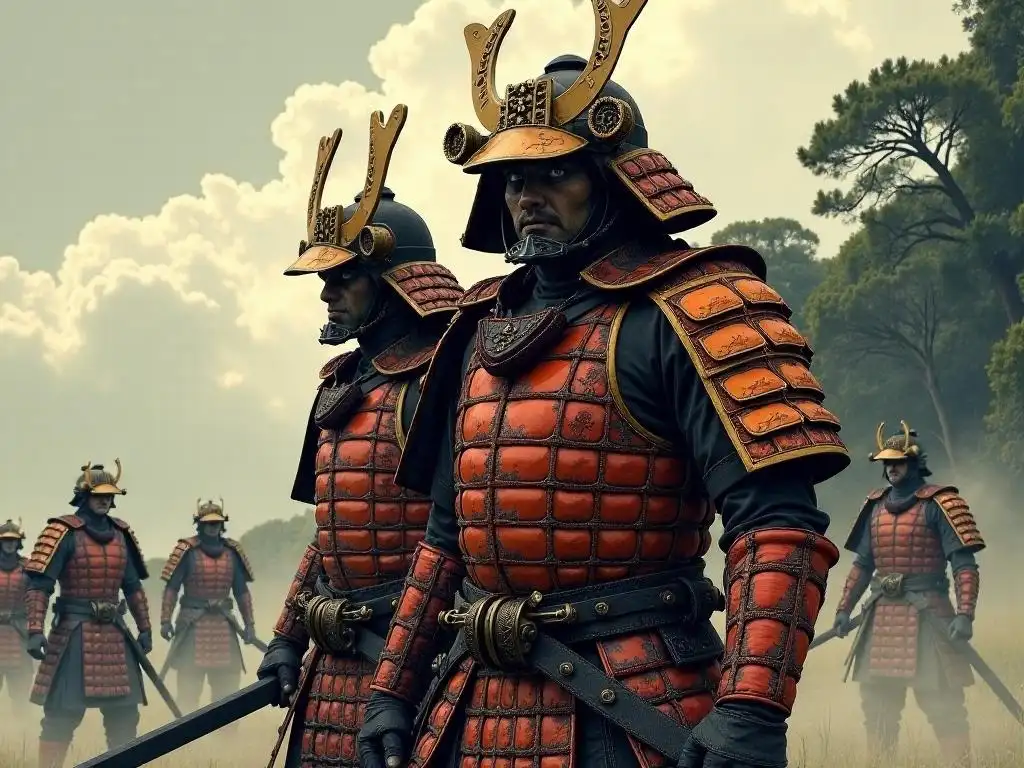
Welcome to Feudal Japan History, where we embark on a captivating journey through the intricate tapestry of Japan's feudal era. Here, we delve deep into the political histories that shaped a nation, with our spotlight shining on the legendary Taira and Minamoto clans. What drove their fierce rivalries? How did their legacies influence modern Japan? Prepare to uncover the dramatic tales of power, conflict, and cultural evolution that defined an age. Join us as we explore the rich narratives that still echo through time, inviting you to discover more about these pivotal figures in Japan's history.
The Taira and Minamoto clans stand as two of the most influential families in the annals of Japanese history, particularly during the tumultuous period of the late Heian era, culminating in the Genpei War (1180-1185). Their rivalry not only shaped the political landscape of feudal Japan but also laid the groundwork for the samurai culture that would dominate the nation for centuries.
In this comprehensive exploration, we will delve into the intricate histories, cultural significance, and societal impacts of these two clans, aiming to provide a thorough understanding of their legacy and contributions to Japan's feudal era. By examining the rise and fall of the Taira and Minamoto clans, we uncover the complexities of loyalty, warfare, and governance during a pivotal moment in Japan's political history.
Historical Background of the Taira Clan
The Taira clan, also known as the Heike, originated from the ancient imperial family of Japan. Established in the late 8th century, they gained prominence under the leadership of Taira no Kiyomori in the 12th century. Kiyomori's strategic marriages and political maneuvers allowed the Taira clan to rise to power, dominating the imperial court and securing high-ranking positions.
Key points about the Taira clan include:
- Origins: Descendants of the powerful Fujiwara clan.
- Expansion: Gained control over important provinces through military prowess and alliances.
- Cultural Contributions: Patronage of the arts, notably Noh theater and literature.
As the clan flourished, so did its enemies, particularly the Minamoto clan, which would ultimately challenge their supremacy.
Historical Background of the Minamoto Clan
In contrast, the Minamoto clan, also known as the Genji, traces its lineage to the imperial family but began to rise in prominence as a military power in the late 9th century. The clan was characterized by its warrior ethos and loyalty to the emperor. Figures such as Minamoto no Yoritomo would redefine the clan's role in Japanese history, culminating in the establishment of the Kamakura shogunate.
Notable aspects of the Minamoto clan include:
- Military Prowess: Renowned for their skilled warriors and strategic acumen.
- Leadership: Minamoto no Yoritomo established the first shogunate, shifting power from the imperial court to the samurai class.
- Cultural Influence: The Minamoto clan also contributed to the development of bushido, the samurai code of honor.
This historical backdrop sets the stage for the intense conflict between the Taira and Minamoto clans during the Genpei War, which would determine the future of Japan.
The Genpei War: A Clash of Titans
The Genpei War was not merely a battle for power; it represented a clash of contrasting ideals and cultural values. While the Taira were seen as the embodiment of courtly refinement, the Minamoto epitomized the martial spirit of the samurai. This struggle for supremacy would lead to significant battles, political intrigue, and lasting consequences for the future of Japan.
- Key Battles:
- Battle of Dan-no-ura: The decisive naval battle that marked the end of Taira dominance.
- Siege of Fukuhara: A critical moment showcasing the tactics of both clans.
As we delve deeper into the legacies of the Taira and Minamoto clans, we will explore their influences on Japanese culture, governance, and the establishment of the samurai class, providing a comprehensive understanding of their historical significance.
- Historical Background of the Taira Clan
- Historical Background of the Minamoto Clan
- The Genpei War: A Clash of Titans
- What were the Taira and Minamoto clans known for in feudal Japan?
- How did the Taira clan rise to power?
- What was the significance of the Genpei War between the Taira and Minamoto clans?
- How did the cultural aspects of the Taira and Minamoto clans influence Japanese society?
- What legacy did the Taira and Minamoto clans leave in modern Japan?
Introduction to the Taira and Minamoto Clans
The Taira and Minamoto clans were two of the most powerful and influential families in Japan during the feudal era, particularly during the late Heian period. Their rivalry culminated in the Genpei War (1180-1185), a significant conflict that shaped the course of Japanese history. This section delves into the intricate histories of these clans, highlighting their origins, key figures, and the socio-political dynamics that defined their existence.
Overview of the Taira Minamoto Clan History
The Taira clan, originally known as the Taira no Kiyomori, rose to prominence in the late 12th century. They were known for their military prowess and political influence, particularly under the leadership of Kiyomori, who became the first commoner to hold the position of regent. The Taira clan's power peaked as they controlled the imperial court and wielded significant authority over the provinces.
Conversely, the Minamoto clan, also known as the Genji, traces its lineage to the imperial family and was initially seen as a rival faction. The Minamoto clan's history is marked by key figures such as Minamoto no Yoritomo, who played a crucial role in the Genpei War. After the Taira clan's defeat, Yoritomo established the Kamakura shogunate, marking the beginning of military governance in Japan.
The conflict between the Taira and Minamoto clans was not merely a struggle for power; it represented a clash of ideals, cultural values, and military strategies. The Taira were often characterized by their courtly elegance and affiliation with the imperial court, while the Minamoto embraced a more martial ethos, appealing to the samurai class.
Importance of the Taira and Minamoto Clans in Feudal Japan
The significance of the Taira and Minamoto clans extends beyond their military confrontations; they were instrumental in shaping the political landscape of feudal Japan. Their conflict during the Genpei War led to the establishment of a new political order—the samurai class's ascendance and the decline of imperial authority.
- Cultural Impact: The Taira and Minamoto clans were patrons of the arts, influencing literature, poetry, and drama. The Tale of the Heike, which chronicles the rise and fall of the Taira clan, remains a classic of Japanese literature. Similarly, the Minamoto clan's legacy is reflected in various cultural practices and traditions that continue to influence Japanese society.
- Political Structure: The aftermath of the Genpei War saw the establishment of the Kamakura shogunate, which shifted power from the imperial court to military leaders. This set a precedent for the feudal structure that characterized Japan for centuries, where local lords (daimyō) held power, and samurai served as their warriors.
- Historical Legacy: The rivalry between the Taira and Minamoto clans has left an indelible mark on Japanese history. Their stories are not only tales of conflict but also reflections of broader societal changes that paved the way for the unique socio-political fabric of Japan, influencing subsequent generations and historical narratives.
The Taira and Minamoto clans are pivotal figures in the history of feudal Japan, embodying the complexities of power, culture, and warfare that defined the era. Understanding their histories provides valuable insights into the formation of modern Japan and the enduring legacy of the samurai.
The Historical Background of the Taira Clan
Origins of the Taira Clan
The Taira clan, also known as the Heike, traces its origins back to the late 7th century. The clan is believed to have descended from Taira no Masakado, a significant figure who played a crucial role in the early formation of samurai clans. The Taira clan's power began to solidify during the Heian period (794-1185), a time characterized by the rise of aristocratic families and the establishment of a feudal structure in Japan.
The origins of the Taira clan can be linked to the Taira no Takamori, who served as a provincial governor, or shugo, in the northern regions of Japan. Over time, the clan expanded its influence, particularly in the western provinces, where they developed stronghold territories. By the late 11th century, the Taira had emerged as one of the most powerful clans in Japan, often rivaling the Minamoto clan.
Key factors contributing to the Taira clan's rise included:
- Marriage Alliances: Strategic marriages with other powerful families helped the Taira consolidate power and expand their influence.
- Military Prowess: The clan was known for its strong military capabilities, often engaging in conflicts with other clans and asserting dominance over rival factions.
- Cultural Contributions: The Taira clan made significant contributions to the arts and culture of the Heian period, particularly in the fields of poetry and literature.
Key Figures in Taira Clan History
The Taira clan produced several notable figures who played pivotal roles in Japanese history. Among them, the following stand out:
- Taira no Kiyomori: Perhaps the most prominent leader of the Taira clan, Kiyomori rose to power during the late Heian period. He was instrumental in the clan's dominance and is known for his ambitious nature and ruthless tactics. Kiyomori's reign marked the peak of the Taira clan's power, but it also sowed the seeds for their eventual downfall due to his tyrannical rule.
- Taira no Yoshitomo: As Kiyomori's father, Yoshitomo played a significant role in establishing the Taira clan's military strength. His conflicts with the Minamoto clan began a series of rivalries that would culminate in the Genpei War.
- Taira no Munemori: Following Kiyomori's death, Munemori took over leadership during a tumultuous period for the clan. His inability to adapt to changing conditions and maintain alliances ultimately led to the clan's decline during the Genpei War.
These figures not only shaped the Taira clan's history but also influenced the broader context of the political landscape in feudal Japan.
Major Events Involving the Taira Clan
The Taira clan's history is marked by several significant events that shaped the course of the Genpei War and the clan's legacy. Key events include:
- The Rise of Kiyomori (1156): Kiyomori's ascension to power marked a turning point for the Taira clan. His aggressive political maneuvers and military successes allowed the clan to dominate the imperial court, but also created deep resentment among rival clans, particularly the Minamoto.
- The Genpei War (1180-1185): This conflict between the Taira and Minamoto clans was catalyzed by personal grievances and power struggles. The war resulted in several key battles, including the Battle of Uji and the Battle of Dan-no-ura, which ultimately led to the Taira clan's defeat. The Minamoto's victory in 1185 solidified their control over Japan and marked the end of the Taira's dominance.
- The Destruction of the Taira Clan: Following their defeat, many Taira leaders were killed, and the clan's remnants were scattered. The aftermath of the Genpei War was not just a military defeat but also a cultural shift, as the Minamoto clan established the Kamakura shogunate, changing the political landscape of Japan.
The Taira clan's historical significance lies not only in their military engagements but also in their contributions to Japanese culture and politics during a transformative era in feudal Japan. Their legacy continues to be studied and revered in Japanese history, particularly in literature and drama.
The Historical Background of the Minamoto Clan
Origins of the Minamoto Clan
The Minamoto clan, originally known as the Seiwa Genji, traces its lineage back to the Yamato dynasty, specifically to Emperor Seiwa, who reigned in the 9th century. This clan is one of the four major noble families of Japan and is notable for its significant role in the political landscape of feudal Japan. The Minamoto were established as a distinct clan when the emperor granted certain members of the imperial family the title of “Minamoto,” signifying their status as warrior families separated from the imperial lineage.
In the late Heian period, the Minamoto clan emerged as a powerful military force, leveraging their connections with the imperial court to gain lands and influence. Their origins are steeped in the warrior ethos, embodying the samurai ideals of honor and loyalty, which would later define the samurai culture of Japan. The clan’s early members were often involved in local governance and military campaigns, which solidified their reputation as formidable warriors.
Key Figures in Minamoto Clan History
The history of the Minamoto clan is marked by several key figures whose actions shaped the trajectory of Japanese history:
- Minamoto no Yoritomo (1147–1199): The most prominent figure of the Minamoto clan, Yoritomo was the first shogun of the Kamakura shogunate. After the Genpei War, he centralized power away from the emperor and established a military government that would dominate Japan for centuries. His leadership transformed the clan into the ruling family of Japan.
- Minamoto no Yoshitsune (1159–1189): A legendary warrior and Yoritomo’s half-brother, Yoshitsune is celebrated for his military prowess during the Genpei War. His strategic brilliance in the battles against the Taira clan, particularly the decisive victory at the Battle of Dan-no-ura, solidified the Minamoto’s dominance. Despite his heroics, his rivalry with Yoritomo ultimately led to his tragic downfall.
- Minamoto no Yoshinaka (1154–1184): Another notable figure, Yoshinaka was a cousin of Yoritomo and played a key role in the early stages of the Genpei War. His temporary rise to power showcased the clan's internal conflicts and the complexities of feudal allegiances.
These individuals exemplify the clan's dynamic nature and the internal and external challenges they faced, ultimately shaping the course of Japanese history.
Major Events Involving the Minamoto Clan
The Minamoto clan was involved in numerous significant events that shaped feudal Japan:
- The Genpei War (1180–1185): This civil war between the Taira and Minamoto clans was a defining conflict of the late Heian period. It was marked by a series of battles, including notable confrontations such as the Battle of Uji and the Battle of Dan-no-ura, which ultimately led to the Minamoto's victory and the downfall of the Taira clan.
- Establishment of the Kamakura Shogunate (1192): Following their victory in the Genpei War, Minamoto no Yoritomo established the Kamakura shogunate, marking the beginning of Japan's feudal era. This was a pivotal moment as it shifted the center of power from the imperial court in Kyoto to a military dictatorship.
- The Mongol Invasions (1274 and 1281): Although the Minamoto clan was not directly in power during these invasions led by Kublai Khan, the legacy of the clan's military organization and tactics influenced the samurai’s response to these threats. The successful repulsion of the Mongol invasions further solidified the samurai's status as defenders of Japan.
- The Decline of the Minamoto Influence: The clan's influence waned in the late 13th century, with internal strife and rivalry among samurai clans leading to the rise of other powerful families, such as the Ashikaga. This shift illustrated the transient nature of power in feudal Japan and set the stage for the subsequent civil wars.
The Minamoto clan's historical significance is profound, reflecting the complexities of feudal allegiances, the evolution of the samurai class, and the intricate political landscape of Japan during the medieval period. Their legacy continues to resonate in Japanese culture, literature, and historical narratives.
The Rise of the Taira and Minamoto Clans
The emergence of the Taira and Minamoto clans during Japan's feudal era marked a critical juncture in the country's political landscape. Their rivalry not only shaped the course of Japanese history but also set the stage for the Genpei War, a transformative conflict that would redefine power structures in the late 12th century.
Factors Leading to the Rise of the Taira Clan
The Taira clan, originally known as the "Taira no," rose to prominence through a combination of military prowess, strategic marriages, and political maneuvering.
- Military Strength: The Taira clan was well-known for its formidable warriors, who often excelled in naval battles. Their prowess was particularly evident during the late Heian period when they dominated the seas and conducted successful raids against rival clans.
- Strategic Marriages: The Taira clan secured their influence through strategic alliances formed via marriage. By marrying into powerful families, they forged connections that amplified their social and political capital. For example, Taira no Kiyomori's marriage to the daughter of the powerful Fujiwara clan solidified their status.
- Political Maneuvering: Taira no Kiyomori's rise to power was marked by his ability to navigate the complex political landscape of the Heian court. By positioning himself as a loyal supporter of the emperor while simultaneously undermining rivals, he was able to consolidate power and elevate the Taira clan’s status.
- Control of Kyoto: The Taira clan's control over the capital, Kyoto, further solidified their power. Kiyomori's influence over the imperial court allowed him to dictate terms and gain favor with the emperor, enhancing the clan's standing and resources.
Factors Leading to the Rise of the Minamoto Clan
In contrast to the Taira clan, the Minamoto clan's ascent was characterized by resilience and strategic planning following historical setbacks.
- Military Tradition: The Minamoto clan's lineage traced back to the imperial family, and they were renowned for their martial skills. This military tradition enabled them to rally support from samurai across the nation, particularly in the Kanto region.
- Exile and Alliance: Following the Heian period, many Minamoto leaders were exiled due to rivalries. However, this exile allowed figures like Minamoto no Yoritomo to build ties with disenchanted samurai and local leaders, creating a network of loyalty that would prove invaluable.
- Establishment of a Base: Yoritomo’s establishment of a base in Kamakura was pivotal. This coastal town became a center of power for the Minamoto clan and served as a base for their military operations against the Taira.
- Incorporation of Local Forces: By integrating local samurai and warriors into their ranks, the Minamoto clan expanded their military capabilities. This incorporation of diverse forces created a strong coalition that could effectively challenge the Taira’s dominance.
The Role of Politics and Alliances in Their Ascendancy
The ascendance of both the Taira and Minamoto clans can be attributed heavily to their political acumen and ability to forge strategic alliances.
Political Strategies
- Taira Clan: The Taira clan's political strategy revolved around gaining favor within the imperial court. Kiyomori's ability to manipulate court politics allowed him to diminish the power of rival clans and maintain a strong grip on the emperor.
- Minamoto Clan: In contrast, the Minamoto clan capitalized on their exile to build alliances with other disgruntled samurai and families. This strategy of uniting various factions under a common cause laid the groundwork for their eventual success in the Genpei War.
Alliances and Betrayals
- Mutual Alliances: Both clans understood the importance of alliances. The Taira often allied with influential families like the Fujiwara, while the Minamoto sought to unite the disparate samurai under their banner. The shifting allegiances often changed the balance of power, making the political landscape highly volatile.
- Betrayal and Conflict: As their ambitions grew, alliances sometimes faltered, leading to betrayals. The Taira's overreach eventually alienated former allies, while the Minamoto's rise was marked by both betrayal and shifting loyalties, culminating in the unavoidable conflict of the Genpei War.
The interplay of these factors illustrates how the Taira and Minamoto clans navigated the complex political landscape of their time, using both military strength and diplomatic skill to secure their places in history. Their rise set the stage for the ensuing conflict that would shape the future of Japan.
The Genpei War: Conflict Between the Taira and Minamoto Clans
The Genpei War (1180-1185) stands as a pivotal conflict in Japanese history, marking the struggle between two of the most powerful clans of the era: the Taira and the Minamoto. This civil war was not just a battle for political dominance but also a clash of cultures, ideologies, and military strategies that would shape the future of Japan. The outcome of this conflict led to the rise of the samurai class and the establishment of the Kamakura shogunate, altering the course of Japanese governance and society for centuries to come.
Causes of the Genpei War
The roots of the Genpei War lie in a complex interplay of political intrigue, familial rivalries, and the evolving nature of power during the late Heian period. Here are the primary causes that led to this monumental conflict:
- Political Power Struggles:
- The Taira clan had risen to prominence under Taira no Kiyomori, who held significant power in the imperial court. His dominance incited jealousy and resentment among other noble families, particularly the Minamoto clan.
- The Minamoto, led by Minamoto no Yoritomo, sought to reclaim their status and power, which had been diminished by the Taira’s control.
- Imperial Favoritism:
- The Taira clan's close ties to the imperial family created animosity among rival clans. The perception that the Taira were monopolizing imperial favor fueled Minamoto discontent.
- Disputes over court appointments and influence, particularly over the emperor's decisions, exacerbated tensions.
- Family Feuds and Alliances:
- The conflict was also deeply personal, with historical feuds between the clans, including the infamous incident of the “Heiji Rebellion” (1160), where Minamoto no Yoshitomo was defeated by the Taira. This defeat sowed the seeds of revenge among the Minamoto.
- The shifting alliances among lesser clans further complicated the landscape, as both sides sought to secure support from other powerful families.
- Socioeconomic Factors:
- The rise of the warrior class and the changing nature of land ownership contributed to the clans' rivalry. As local power began to shift from the court aristocracy to military leaders, both the Taira and Minamoto recognized the need to assert their influence over territories and resources.
Major Battles of the Genpei War
The Genpei War featured several significant battles that showcased the military prowess and strategies of both clans. Some of the most notable battles include:
- Battle of Ishibashiyama (1180):
- This early battle set the stage for the conflict, with the Minamoto forces launching a surprise attack against the Taira.
- The victory bolstered Minamoto morale and encouraged further uprisings against Taira dominance.
- Battle of Uji (1180):
- A fierce engagement where the Minamoto attempted to cross the Uji River, leading to a brutal confrontation.
- The Taira forces, despite being outnumbered, showcased their tactical skill and managed to inflict significant casualties on the Minamoto.
- Battle of Yashima (1185):
- One of the most iconic battles, where the Taira fleet faced off against the Minamoto forces on the water.
- The Minamoto's strategic use of surprise and naval tactics led to a decisive victory, crippling Taira naval power.
- Battle of Dan-no-ura (1185):
- The final and most decisive battle of the Genpei War, fought in the straits of Shimonoseki.
- The Minamoto forces achieved a stunning victory, leading to the downfall of the Taira clan, with many Taira warriors, including young Emperor Antoku, perishing or being captured.
Key Strategies Employed by Both Clans
Throughout the Genpei War, both the Taira and Minamoto clans employed various military strategies that highlighted their strengths and weaknesses. Here are some key strategies utilized by each clan:
Taira Clan Strategies:
- Naval Superiority:
- The Taira clan capitalized on their naval strength, conducting raids and controlling important waterways to disrupt Minamoto supply lines.
- Their fleet was well-equipped and played a crucial role in battles, particularly at Yashima.
- Hit-and-Run Tactics:
- Utilizing their knowledge of the terrain, Taira forces often engaged in guerrilla warfare, striking swiftly and retreating before the enemy could mount a counterattack.
- Psychological Warfare:
- The Taira aimed to intimidate their opponents through displays of power and by leveraging their connections to the imperial court, seeking to demoralize the Minamoto.
Minamoto Clan Strategies:
- Alliances with Lesser Clans:
- The Minamoto sought to forge alliances with other clans who were discontented with Taira rule, expanding their military strength and regional influence.
- Leadership and Loyalty:
- Minamoto no Yoritomo’s charismatic leadership inspired loyalty among his followers. His ability to rally support was crucial in recruiting warriors to his cause.
- Adaptation and Innovation:
- The Minamoto adapted their tactics based on the evolving battlefield conditions. For instance, the incorporation of archers and the use of surprise maneuvers proved advantageous in key battles.
Through this intricate tapestry of causes, battles, and strategies, the Genpei War not only determined the fate of the Taira and Minamoto clans but also laid the foundation for Japan's feudal system and the rise of the samurai class. The legacies of this conflict continue to resonate in Japanese history, culture, and identity.
Cultural and Societal Impacts of the Taira and Minamoto Clans
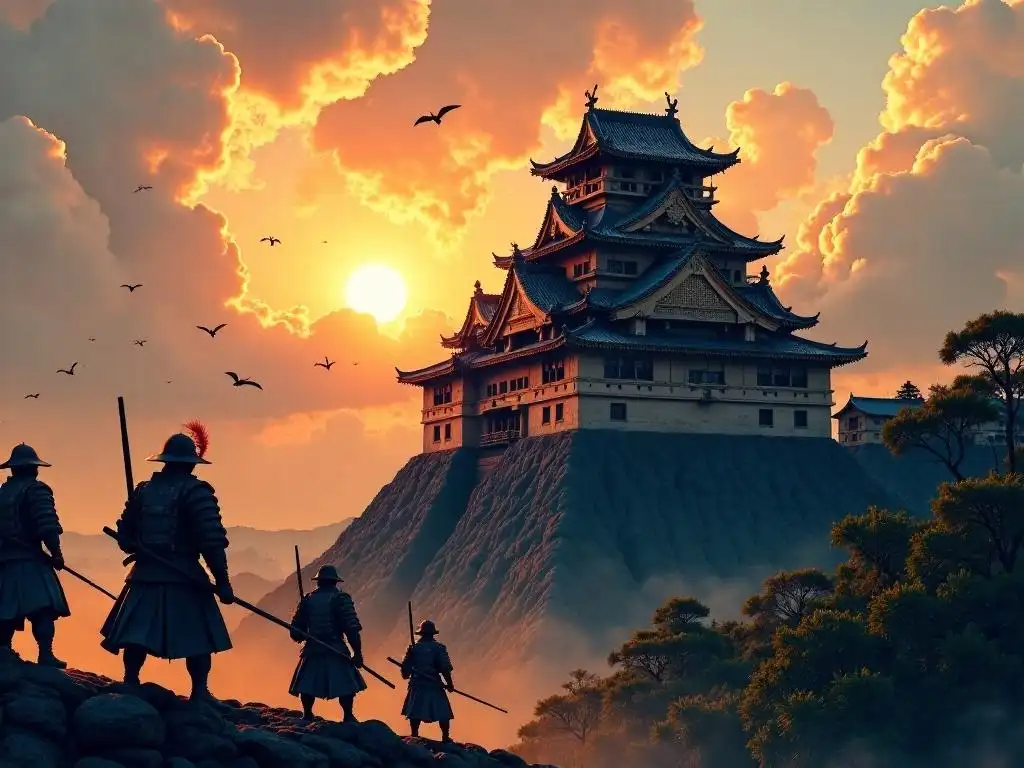
The Taira and Minamoto clans were not only pivotal in the political landscape of feudal Japan but also played significant roles in shaping cultural and societal norms that resonate even today. Their contributions influenced various aspects of Japanese life, including literature, art, and social structures, leaving a legacy that continues to be studied and celebrated.
Taira Clan Contributions to Japanese Culture
The Taira clan, known for its artistic and cultural patronage, made notable contributions to Japanese culture during its prominence. Their influence is particularly evident in the realm of literature and the performing arts.
- Literature and Poetry: The Taira clan was instrumental in the development of classical Japanese literature. They were patrons of the Heike Monogatari, an epic tale that chronicles the rise and fall of the Taira clan. This work not only serves as a historical account but also as an artistic masterpiece that captures the ethos of the era. The poetry of the Taira clan often reflected the themes of impermanence and the beauty of nature, echoing the Buddhist philosophies that permeated their society.
- Theatrical Arts: The Taira clan's influence extended into the world of Noh theater, which flourished during the late feudal period. Noh plays often drew on historical events and figures, including the Taira, embedding their stories within the fabric of Japanese performance art. The clan's emphasis on aesthetics can be seen in the elaborate costumes and stage designs that characterized this genre.
- Architecture and Gardens: The Taira clan also contributed to the development of Japanese aesthetics in architecture and garden design. They favored the creation of serene landscapes, which were often reflected in the gardens of their estates, showcasing a deep appreciation for harmony with nature. The Shinden-zukuri style of Heian period architecture, which emphasized elegance and simplicity, can be traced back to their influence.
Minamoto Clan Contributions to Japanese Society
While the Taira clan focused more on cultural refinement, the Minamoto clan's contributions were foundational to the societal structure of feudal Japan.
- Establishment of the Samurai Ethos: The Minamoto clan is credited with solidifying the samurai code of conduct, known as bushido. This code emphasized loyalty, honor, and martial prowess, shaping the identity of the samurai class. The Minamoto’s rise to power marked the beginning of a new social order where loyalty to one’s lord became paramount, fundamentally altering the feudal system in Japan.
- Feudal Governance: The Minamoto clan established the first shogunate in Japanese history, the Kamakura Shogunate, in 1192. This marked a significant shift in governance from the imperial court to military rule, laying the groundwork for future shogunates. The Minamoto's governance model was characterized by decentralized power, which granted local lords (daimyos) significant autonomy, thus shaping the political landscape of Japan for centuries.
- Influence on Warfare and Military Strategy: The Minamoto clan's military innovations during the Genpei War, including the use of cavalry and strategic alliances, transformed Japanese warfare. Their tactics influenced subsequent military campaigns and established precedents for future battles, emphasizing the importance of strategic planning and resource management.
The Legacy of the Taira and Minamoto Clans in Modern Japan
The cultural and societal contributions of the Taira and Minamoto clans continue to influence modern Japan in various ways.
- Cultural Heritage: The narratives of the Taira and Minamoto clans remain integral to Japanese cultural identity. Festivals, performances, and literature celebrating their stories can be found throughout Japan. For instance, the annual Heike Matsuri in Fukuoka commemorates the Taira clan and their legacy, showcasing traditional music and dance that reflect their historical significance.
- Samurai Symbolism: The samurai ideals promoted by the Minamoto clan have permeated modern Japanese society, becoming symbols of honor and resilience. The concept of bushido is often evoked in discussions about ethics, leadership, and personal conduct, reflecting a deep-rooted respect for the values established during feudal times.
- Art and Media: The tales of the Taira and Minamoto clans have inspired countless works in modern literature, film, and television. Their epic struggles and heroic narratives continue to captivate audiences, demonstrating the enduring nature of their historical impact. Modern adaptations often reinterpret these stories, keeping their legacy alive in contemporary culture.
The Taira and Minamoto clans left profound cultural and societal impacts that shaped the course of Japanese history. Their contributions extend beyond their time, influencing modern beliefs, practices, and the arts, highlighting the intricate tapestry of Japan’s feudal past.
Conclusion: The Enduring Legacy of the Taira and Minamoto Clans

The Taira and Minamoto clans played pivotal roles during the Genpei War, shaping the trajectory of Japan's political landscape. Their legacies extend beyond mere military encounters; they represent the intricate tapestry of feudal Japan's social and cultural evolution. The aftermath of their conflict not only led to the establishment of the Kamakura shogunate but also influenced the ideologies and values that permeated Japanese society for centuries.
The tales of valor, betrayal, and honor associated with the Taira and Minamoto clans continue to resonate through literature, theater, and modern media. The tales of heroes like Yoshitsune and the tragic fall of the Taira are embedded in the national consciousness, symbolizing the eternal struggle for power and the complexities of loyalty and enmity.
Reflection on the Taira Minamoto Clan History
Reflecting on the Taira Minamoto clan history, we see a narrative rich with lessons about the nature of power and the human condition. The Taira clan, once a dominant force, showcased the fragility of power as they fell from grace. In contrast, the Minamoto clan's rise from relative obscurity to prominence underscores the themes of resilience and strategic acumen.
- Cultural Influences:
- The Taira and Minamoto clans were not only military rivals but also pivotal in shaping Japan's cultural landscape. Their stories have been immortalized in various art forms, including:
- Noh and Kabuki theater: These traditional forms often depict the events of the Genpei War, bringing to life the heroics and tragedies of both clans.
- Literature: Works such as "The Tale of the Heike" reflect the historical significance and moral lessons drawn from the lives of these clans.
- The Taira and Minamoto clans were not only military rivals but also pivotal in shaping Japan's cultural landscape. Their stories have been immortalized in various art forms, including:
- Political Structures:
- The conflict between the Taira and Minamoto clans led to significant changes in political structures, paving the way for the shogunate system. This transformation established a precedent for future governance, influencing Japan’s political trajectory for centuries to come.
- Social Hierarchies:
- The rise and fall of these clans also had profound implications for social hierarchies within feudal Japan. The shifting allegiances and the eventual establishment of the samurai class as a dominant social force can be traced back to the outcomes of the Genpei War.
The Importance of Understanding Their Roles in Feudal Japan
Understanding the roles of the Taira and Minamoto clans in feudal Japan is crucial for several reasons:
- Historical Insight: Their conflict is a lens through which we can examine the broader socio-political dynamics of feudal Japan, including the interplay of power, loyalty, and betrayal.
- Cultural Heritage: The legacies of these clans have shaped Japanese identity, influencing cultural norms, artistic expressions, and societal values that persist to this day.
- Lessons in Leadership: The rise and fall of these clans provide timeless lessons in leadership, strategy, and the consequences of ambition. Their stories remind us of the volatility of power and the enduring nature of human conflict.
The history of the Taira and Minamoto clans encapsulates the essence of feudal Japan, offering rich insights into its political, cultural, and social evolution. Their legacies endure, reminding us of the complexities of human nature and the lasting impact of historical narratives.
Additional Resources for Further Exploration
Recommended Books on Taira and Minamoto Clan History
Exploring the tumultuous histories of the Taira and Minamoto clans is essential for understanding the dynamics of feudal Japan. Here are some recommended books that provide in-depth analysis and narratives about these clans:
-
"The Tale of the Heike"
This epic account chronicles the rise and fall of the Taira clan during the Genpei War. It is a primary source that offers rich insights into the historical context and cultural impact of the conflicts.
-
"Minamoto no Yoshitsune: A Tale of Loyalty and Betrayal" by John J. McClain
This book delves into the life of one of the most famous figures in the Minamoto clan. It examines his legendary status and the complexities of his relationships within feudal society.
-
"The Samurai: A Military History" by Stephen Turnbull
This comprehensive text covers the evolution of the samurai class, including the significant roles played by the Taira and Minamoto clans in shaping military tactics and governance.
-
"The Genpei War: The Battle for Japan's Soul" by Richard McBride
Focusing specifically on the Genpei War, this book provides detailed accounts of battles, strategies, and the socio-political implications of the war between the Taira and Minamoto clans.
-
"Warriors of Japan: From Sumo to Samurai" by Paul Varley
This work examines the broader context of warrior culture in Japan, shedding light on how the Taira and Minamoto clans fit into this historical narrative.
Documentaries and Films Depicting the Genpei War
Visual media can bring historical events to life in a compelling way. Here are some noteworthy documentaries and films that depict the Genpei War and the Taira and Minamoto clans:
-
"The Tale of the Heike" (Anime Series)
This animated series brings to life the epic story of the Taira clan and their downfall, making it accessible for a modern audience while remaining true to the historical narrative.
-
"Kagemusha" (1980)
Directed by Akira Kurosawa, this film, while fictional, draws inspiration from the conflicts between the clans and showcases the samurai ethos prevalent during the feudal era.
-
"The Last Samurai" (2003)
Though primarily focused on the Meiji Restoration, this film evokes themes of loyalty and the warrior spirit that originated during the time of the Taira and Minamoto clans.
-
"Heike Monogatari" (1963)
This classic film provides a dramatized representation of the Heike clan's final battles, emphasizing the emotional and cultural aspects of the Genpei War.
Online Resources for Learning About Feudal Japan
The internet is a treasure trove of information for those wishing to deepen their understanding of feudal Japan and the Taira and Minamoto clans. Here are some valuable online resources:
-
The Japanese Historical Society
A dedicated website featuring articles, research papers, and resources related to Japan's feudal history, including detailed studies on the Taira and Minamoto clans.
-
Feudal Japan: A Comprehensive Online Archive
This digital archive hosts a variety of primary sources, including documents, images, and scholarly articles that explore the feudal period in Japan.
-
YouTube Channels
Channels such as History Time and NativLang feature engaging videos that cover various aspects of feudal Japan, including the Genpei War, making learning visually appealing.
-
Podcasts on Japanese History
The "History of Japan" podcast provides episodes dedicated to the Taira and Minamoto clans, offering a narrative style that is informative and easy to follow.
Leveraging these additional resources will enhance your understanding of the Taira and Minamoto clan history and the broader context of feudal Japan.
Frequently Asked Questions
What were the Taira and Minamoto clans known for in feudal Japan?
The Taira and Minamoto clans were prominent samurai families that played crucial roles in the political and military conflicts during Japan's feudal era, particularly in the Genpei War.
How did the Taira clan rise to power?
The Taira clan rose to power through strategic alliances and military prowess, becoming key players in the Heian period and influencing the imperial court.
What was the significance of the Genpei War between the Taira and Minamoto clans?
The Genpei War (1180-1185) was a pivotal conflict that led to the decline of the Taira clan and the ascendancy of the Minamoto, marking the beginning of the Kamakura shogunate.
How did the cultural aspects of the Taira and Minamoto clans influence Japanese society?
Both clans contributed to the cultural landscape of Japan, fostering art, literature, and traditions that shaped the samurai ethos and Japanese identity during the feudal era.
What legacy did the Taira and Minamoto clans leave in modern Japan?
The Taira and Minamoto clans left a lasting legacy in Japanese history, influencing literature, theater, and even modern politics, as their stories continue to resonate in contemporary Japanese culture.
Final Reflection: The Enduring Legacy of the Taira and Minamoto Clans
The histories of the Taira and Minamoto clans are not merely relics of the past; they resonate deeply with our contemporary understanding of power, conflict, and cultural identity. As we explore their stories, we uncover the complexities of human ambition and the consequences of rivalry that shaped Japan's historical landscape. The struggles and triumphs of these clans remind us that history is not just a series of events but a tapestry woven with the threads of human experience.
The impact of the Taira and Minamoto clans extends far beyond their time, influencing modern Japanese culture, literature, and even national identity. Their legendary battles and the rich narratives surrounding them continue to inspire countless works of art, literature, and film, serving as a reminder of the timeless themes of honor, loyalty, and the quest for power. History is not a burden on the memory but an illumination of the soul.
This quote encapsulates how the legacies of these clans illuminate our understanding of human nature and societal evolution.
As we reflect on the lessons drawn from the Taira and Minamoto clans, let us consider how their stories can inspire us in our own lives. Take a moment to ponder the values of resilience, strategy, and the importance of understanding our history. Embrace the opportunity to learn from the past, allowing it to guide your actions and decisions in the present. In doing so, we not only honor the legacies of these remarkable clans but also empower ourselves to shape a future that acknowledges the lessons of history.
Unveil the Legacy: Take the Next Step in Your Journey!
Thank you for exploring the rich histories of the Taira and Minamoto clans with us! Understanding their rivalries and influences not only enhances your knowledge of Feudal Japan but also inspires us to draw parallels to today’s world. **Now is the perfect time to take immediate action to deepen your exploration! **
Here’s how you can get started:
- Explore more! Visit our extensive collection of articles on lesser-known figures from Feudal Japan and uncover the intricate tapestry of history.
- Join the conversation! Share your insights or discoveries in our community forum and connect with fellow history enthusiasts.
- Delve deeper! Consider reading primary sources or highly recommended books to gain a firsthand perspective on these epic tales.
What aspects of the Taira and Minamoto clans intrigue you the most, and how do you perceive their legacies shaping modern society?