
The Influence of Western Ideas on the Tokugawa Shogunate

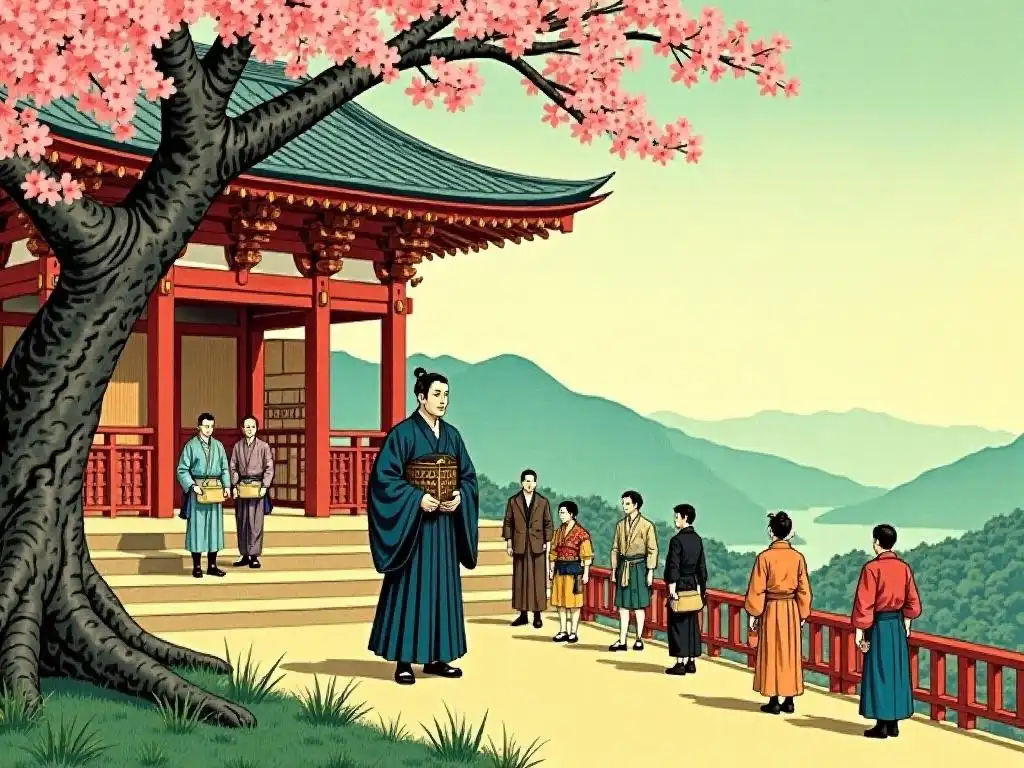
Welcome to Feudal Japan History! Here, we invite you to embark on a fascinating journey through Japan's feudal era, where every article unravels the intricate tapestry of historical, cultural, and societal dynamics. In our featured exploration, we delve into "The Influence of Western Ideas on the Tokugawa Shogunate," a pivotal chapter that reveals how external forces shaped one of Japan's most enduring regimes. What transformations did these Western ideologies spark within the Tokugawa framework? Stay with us as we peel back the layers of history, igniting your curiosity and deepening your understanding of this captivating period.
The Tokugawa Shogunate, which lasted from 1603 to 1868, was a pivotal period in Japanese history characterized by the consolidation of power under the Tokugawa family and the implementation of a strict social order. However, this era was also marked by the gradual infiltration of Western ideas, which played a significant role in shaping Japan's political, social, and cultural landscape.
Understanding the Western influence on the Tokugawa Shogunate is crucial in comprehensively grasping the dynamics of this historical period, as it laid the groundwork for Japan's eventual modernization and engagement with the world. In this article, we will explore the key aspects of the Tokugawa Shogunate, the nature of Western influence, and the major players involved in this transformative phase of Japanese history.
Introduction to the Tokugawa Shogunate
Overview of the Tokugawa Period
The Tokugawa period, also known as the Edo period, was marked by relative peace and stability following years of civil war. Under the shogunate's rule, Japan experienced significant developments in the arts, economy, and society. The feudal system was firmly established, with a rigid class structure that included samurai, farmers, artisans, and merchants. The shogunate implemented policies to isolate Japan from foreign influences, but this isolation could not fully prevent the seepage of Western ideas, particularly in areas such as technology, philosophy, and trade.
Key Figures in the Tokugawa Shogunate
Several prominent figures shaped the Tokugawa Shogunate's policies and responses to Western influence. Key leaders such as Tokugawa Ieyasu, the founder of the shogunate, and his successors navigated the complex landscape of internal and external pressures. Additionally, influential samurai and scholars who embraced Western knowledge played important roles in the introduction and adaptation of foreign ideas.
Understanding Western Influence
Definition of Western Influence in Historical Context
Western influence refers to the impact of European and American ideologies, technologies, and cultures on Japan during the Tokugawa period. This influence was not uniform; it encompassed a range of elements, including political theory, military technology, and cultural practices. The interaction between Western and Japanese ideas led to both conflict and cooperation, ultimately shaping Japan's trajectory towards modernization.
The Role of Trade and Diplomacy in Introducing Western Ideas
Trade and diplomacy were crucial conduits for Western influence during the Tokugawa period. Despite the isolationist policies of the shogunate, limited trade with European nations, particularly the Dutch and the Portuguese, allowed for the exchange of goods and ideas. The Dutch, who were granted access to Japan through the island of Dejima, became a primary source of Western knowledge, introducing advancements in science, medicine, and philosophy.
Major Western Powers Involved with Japan During the Tokugawa Era
Several Western powers sought to engage with Japan during the Tokugawa Shogunate. The Portuguese were among the first to establish contact, bringing firearms and Christianity. However, it was the Dutch who maintained a more significant and lasting relationship, focusing on trade and the dissemination of knowledge. Later, the United States, particularly under Commodore Matthew Perry, made headlines with its efforts to open Japan to the West, leading to the eventual end of the Tokugawa Shogunate and the onset of the Meiji Restoration.
Areas of Influence
The Tokugawa Shogunate, which ruled Japan from 1603 to 1868, was characterized by a strict social order, economic stability, and isolationist policies. However, during this period, various Western ideas began to infiltrate Japanese society, particularly in political, economic, and cultural realms. Understanding these areas of influence helps to reveal how external forces shaped Japan’s development, even under a regime committed to maintaining its traditions and sovereignty.
Political Influence of Western Ideas on the Tokugawa Government
Western political ideas began to permeate the Tokugawa Shogunate in the late 18th and early 19th centuries, primarily through contact with European traders and missionaries. These ideas included notions of democracy, individual rights, and constitutional governance. The influx of Western literature and political theory challenged the absolutist rule of the shogunate and prompted some Japanese intellectuals to rethink governance structures.
One key example is the introduction of the concept of popular sovereignty, which posited that the authority of the government derives from the consent of the governed. This idea was starkly opposed to the Tokugawa belief in a divinely ordained hierarchy. The westernization of military tactics and organization, prompted by the arrival of Western powers, also influenced the Tokugawa government. The need to modernize in response to foreign threats led to debates about military reform and the potential adoption of a more modern state structure.
Economic Influence of Western Trade Practices
The arrival of Western traders in the 19th century significantly impacted the Tokugawa economy. Initially, the shogunate maintained a policy of seclusion (sakoku), limiting foreign contact. However, as Western nations sought trade agreements, the Tokugawa government faced pressure to open up Japan to foreign commerce. The Treaty of Kanagawa in 1854 marked a turning point, as it ended Japan's isolation and established trade relations with the United States.
This exposure to Western economic practices introduced Japan to new goods, technologies, and trade methods. The adoption of Western-style banking systems, industrial manufacturing techniques, and transportation infrastructure began to reshape the Japanese economy. The agrarian-focused economy of the Tokugawa period was increasingly challenged by the need for modernization and competition in international markets.
Cultural Influence from the West
Culturally, the Western influence during the Tokugawa period manifested through literature, art, and science. The introduction of Western education and scientific thought started to transform traditional Japanese education, leading to a system that included mathematics, astronomy, and medicine. The incorporation of Western artistic styles also began to emerge, particularly in painting and architecture, reflecting changing tastes and global interactions.
Literary exchanges further enriched Japanese culture, with translations of Western works expanding the intellectual horizons of the Japanese populace. This cultural infusion sometimes led to a duality in identity, where traditional Japanese values coexisted with new Western ideals, creating a vibrant tapestry of thought and expression.
The Response of the Tokugawa Shogunate
In response to the growing Western influence, the Tokugawa Shogunate exhibited a complex interplay of resistance and gradual acceptance. This duality was largely a reflection of the shogunate's commitment to maintaining order and tradition while confronting the undeniable changes brought about by external forces.
Initial Resistance to Western Influence
The Tokugawa Shogunate initially reacted to Western influence with significant resistance. The leadership viewed the influx of foreign ideas and trade as a direct threat to their authority and the stability of the social order. This was evident in their strict enforcement of isolationist policies, which sought to limit foreign presence and influence.
The arrival of Commodore Matthew Perry in 1853, with his "black ships," exemplified this resistance, as it sparked fear among the ruling elite. The shogunate attempted to suppress Western ideas through censorship and a revival of traditional values, aiming to insulate Japanese society from external influence. However, this resistance ultimately proved to be a temporary measure, as the pressures of modernization and foreign engagement continued to mount.
Gradual Acceptance of Western Concepts
As the 19th century progressed, the Tokugawa Shogunate began to recognize the necessity of adapting to Western influences. This gradual acceptance was driven by the realization that Japan could not remain isolated without risking subjugation by more technologically advanced nations. Reformist elements within the shogunate began advocating for the adoption of Western practices in governance, military, and economic affairs.
By the mid-1860s, there was a notable shift in policy as the shogunate started to implement reforms aimed at modernizing the military and improving trade relations. The establishment of schools that taught Western sciences and the promotion of infrastructure projects signaled a significant change in attitude. This acceptance laid the groundwork for the eventual Meiji Restoration, which fully embraced Westernization and modernization, leading to profound transformations in Japanese society.
Case Studies of Western Influence
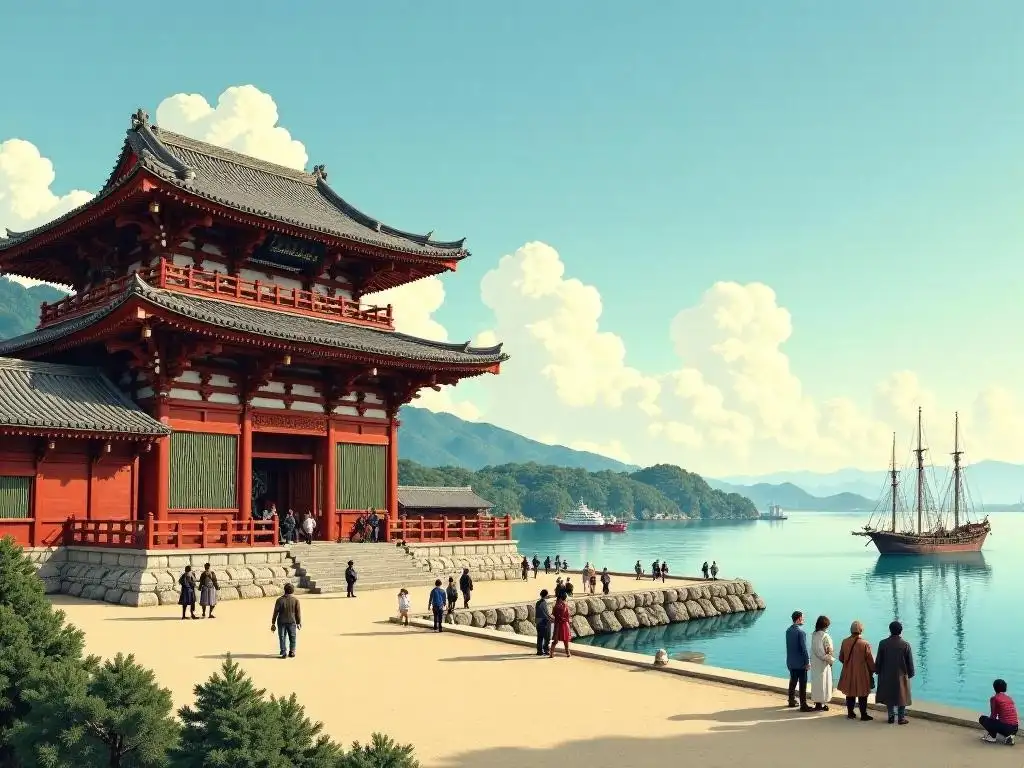
The influence of Western ideas on the Tokugawa Shogunate can be understood through a series of significant events and policies that reshaped Japan's political and social landscape. These case studies illustrate the complex interactions between Japan and the West during a period of isolation and eventual transformation.
The Perry Expedition and Its Impact on Japan
The Perry Expedition, led by Commodore Matthew Perry of the United States Navy in 1853, marked a pivotal moment in Japan’s history. Perry's arrival in Tokyo Bay with a fleet of "black ships" was a direct challenge to Japan's isolationist policies. His mission was to open Japan to trade and establish diplomatic relations with the Western powers.
The impact of the Perry Expedition was profound:
- Forced Opening of Japan: The expedition resulted in the Convention of Kanagawa in 1854, which opened two Japanese ports to American trade and laid the groundwork for similar agreements with other Western nations.
- Cultural Exchange: The influx of Western ideas, technology, and culture began, leading to significant changes in Japanese society. This included the introduction of Western science, medicine, and military techniques.
- Political Realignment: The Shogunate faced increasing pressure to modernize in response to these external threats, leading to internal strife and questioning of its authority.
The Perry Expedition was a catalyst that triggered a series of events culminating in the eventual downfall of the Tokugawa Shogunate.
The Unequal Treaties and Their Consequences
Following the Perry Expedition, Japan was forced to sign a series of "unequal treaties" with Western powers, which imposed unfavorable terms on the Japanese. These treaties included the Treaty of Kanagawa and subsequent agreements with Britain, France, and the Netherlands.
The consequences of these treaties were significant:
- Loss of Sovereignty: The unequal treaties eroded Japan’s sovereignty, granting extraterritorial rights to foreigners and establishing foreign-controlled areas within Japanese cities.
- Economic Disruption: The unequal trade agreements led to economic instability, as Japanese markets were flooded with Western goods, undermining local industries.
- Social Unrest: The treaties generated widespread resentment among the Japanese populace, leading to increased calls for reform and contributing to the rise of anti-Shogunate sentiments.
These treaties highlighted the vulnerability of the Tokugawa Shogunate and accelerated the demand for modernization and change.
The Meiji Restoration: A Shift in Perspective
The discontent resulting from the Perry Expedition and the unequal treaties culminated in the Meiji Restoration of 1868, a significant transformation that marked the end of the Tokugawa Shogunate. This period was characterized by:
- Restoration of Imperial Rule: The Meiji Restoration restored power to the Emperor, symbolizing a rejection of the Tokugawa Shogunate’s rule and a shift towards centralized governance.
- Rapid Modernization: The new government embraced Western ideas and technologies, leading to sweeping reforms in various sectors, including military, education, and infrastructure. The slogan "Fukoku Kyohei" (Rich Country, Strong Army) encapsulated the ambition to strengthen Japan.
- Cultural Adaptation: Japan selectively adopted Western cultural elements, blending them with traditional practices. This period saw the emergence of a national identity that incorporated Western influences.
The Meiji Restoration represented a fundamental shift in perspective, as Japan transitioned from isolation to becoming a significant player on the global stage.
Conclusion
Summary of Western Influence on the Tokugawa Shogunate
The Western influence on the Tokugawa Shogunate was marked by a series of transformative events that challenged the existing social and political order. The Perry Expedition forced Japan to confront the realities of international power dynamics, while the unequal treaties exposed the vulnerabilities of the Shogunate. Ultimately, these pressures contributed to the Meiji Restoration, which fundamentally altered Japan's trajectory.
Legacy of Western Ideas in Modern Japan
The legacy of Western ideas during the Tokugawa period has had lasting impacts on modern Japan. The rapid modernization initiated during the Meiji era laid the foundation for Japan's emergence as a global power. Elements of Western governance, industrial practices, and cultural influences continue to shape contemporary Japanese society. The experiences of adaptation and resistance during the Tokugawa Shogunate serve as a reminder of the complexities inherent in cultural exchange and modernization.
Further Reading and Research on Western Influence in Japanese History
The influence of Western ideas on the Tokugawa Shogunate is a nuanced topic that has been explored through various scholarly works. To gain a deeper understanding of this interplay, readers can turn to a selection of comprehensive resources that delve into the intricacies of Japan’s feudal era. Below are recommended books, articles, and online platforms that provide rich insights into the Western influence during this pivotal period in Japanese history.
Recommended Books and Articles
- "Japan and the West: The Birth of Modern Japan" by Thomas D. Dyer
- This book examines the transformation of Japan from a feudal society to a modern state influenced by Western ideologies, with a focus on the Tokugawa period.
- "The Tokugawa World" edited by James L. McClain
- A collection of essays that explore various aspects of Tokugawa society, including the impact of foreign ideas and technologies on Japan.
- "Japan's Response to the West: The Tokugawa Shogunate and the Foreigners" by David J. Lu
- This work provides a detailed analysis of how the Tokugawa Shogunate interacted with Western nations and the repercussions of these encounters on Japanese policy.
- "The Making of Modern Japan" by John Dower
- Dower’s comprehensive history includes discussions on the Tokugawa Shogunate and the Western influences that shaped Japan's transition into modernization.
- "The Western Impact on Japan: A Historical Perspective" by K. Watanabe
- An insightful article that explores the multifaceted ways in which Western concepts permeated Japanese culture, governance, and society during the Tokugawa era.
Online Resources for Exploring Tokugawa History
- The National Diet Library of Japan
- Offers a digital archive of historical documents and research materials related to the Tokugawa Shogunate and its interactions with Western powers.
- The Japan Times: Historical Archives
- A valuable online resource that features articles and essays discussing historical events, including the Western influence on the Tokugawa period.
- The Tokugawa Institute for Contemporary Japanese Studies
- Provides access to research papers, seminars, and publications that focus on the Tokugawa Shogunate and its historical context, including Western influences.
- JSTOR
- An extensive digital library that hosts scholarly articles and journals covering various aspects of Japanese history, including studies on the Tokugawa Shogunate and Western interactions.
- YouTube – Documentaries on Japanese History
- Various educational channels offer documentaries and lectures that describe the Tokugawa era's political landscape and the influence of Western ideas on Japan.
These resources serve as valuable tools for anyone looking to deepen their knowledge of the Tokugawa Shogunate and the significant Western influence that shaped its policies and societal structure.
- Introduction to the Tokugawa Shogunate
- Understanding Western Influence
- Areas of Influence
- The Response of the Tokugawa Shogunate
- Case Studies of Western Influence
- Conclusion
- Further Reading and Research on Western Influence in Japanese History
Frequently Asked Questions
What was the Tokugawa Shogunate?
The Tokugawa Shogunate was a feudal regime in Japan that lasted from 1603 to 1868, characterized by a strict social hierarchy and isolationist policies.
How did Western ideas impact the Tokugawa Shogunate?
Western influence introduced new concepts in science, technology, and politics, challenging the traditional Japanese values and leading to gradual reforms within the Shogunate.
What role did trade play in the Western influence on Japan?
Trade with Western nations exposed Japan to new ideas and technologies, particularly through the Dutch who were permitted limited access to Japanese ports during the Shogunate's isolationist period.
Were there any conflicts arising from Western influence?
Yes, the tension between maintaining traditional values and adapting to Western ideas led to internal conflicts, contributing to the downfall of the Tokugawa regime.
How did the Tokugawa Shogunate respond to Western pressure?
The Shogunate initially resisted Western pressure, but eventually adopted selective reforms in military and industrial sectors to strengthen Japan against foreign powers, leading to significant societal changes.
Final Reflection: The Enduring Legacy of Western Influence on the Tokugawa Shogunate
The interplay between Western ideas and the Tokugawa Shogunate is not merely a historical footnote; it is a profound illustration of how cultures can shape and transform one another. Today, as globalization continues to blur the lines between distinct cultures, the lessons drawn from the Tokugawa era remind us of the complexities and nuances involved in cultural exchange. The impact of Western influence during this time was not just a catalyst for change but a pivotal moment that redefined Japan's trajectory, echoing the ongoing dialogue between tradition and modernity.
Cultural exchanges, like those seen during the Tokugawa Shogunate, have lasting implications that resonate through time. The introduction of Western ideas challenged the rigid structures of Japanese society and governance, fostering a climate of intellectual curiosity and adaptation. As historian John Dower aptly stated, "> The encounter with the West was not merely an invasion; it was a transformative dialogue that reshaped Japan's identity." This observation underscores the importance of understanding how historical interactions can influence contemporary cultural landscapes, reminding us that the past is a living entity that continues to inform our present.
As we reflect on the intricate tapestry of Western influence on the Tokugawa Shogunate, I invite you to consider how these historical lessons can be applied to our lives today. Embrace the idea that cultural exchange is not a threat but an opportunity for growth and understanding. Let us strive to engage with diverse perspectives, fostering a dialogue that honors our unique identities while remaining open to the enriching power of collaboration. In doing so, we can ensure that the legacy of the Tokugawa Shogunate serves as a beacon for navigating the complexities of our interconnected world.
Embrace the Legacy of Tokugawa: Take Action Today!
Thank you for exploring the fascinating influence of Western ideas on the Tokugawa Shogunate! You’ve gained valuable insights into a pivotal moment in history that shaped Japan's identity. Now, it’s time to dive deeper and make a meaningful impact on your understanding of this era.
Here are some specific actions you can take right now:
- Connect with fellow history enthusiasts by joining a discussion group or online forum dedicated to Japanese history. This is a great way to share insights and learn from others.
- Start your research journey by selecting a specific Western idea and tracing its impact on the policies of the Tokugawa Shogunate. Consider sharing your findings in a blog post or via social media to spark discussion.
- Visit a local museum or historical site that features exhibits on feudal Japan. Engaging with the rich culture firsthand will help you create connections between the past and the present!
Which Western idea do you think had the most significant impact on the Tokugawa Shogunate, and why do you believe it resonates today? Let’s continue the conversation!