
The Evolution of Tokugawa Samurai Armor: More Than Just Warfare

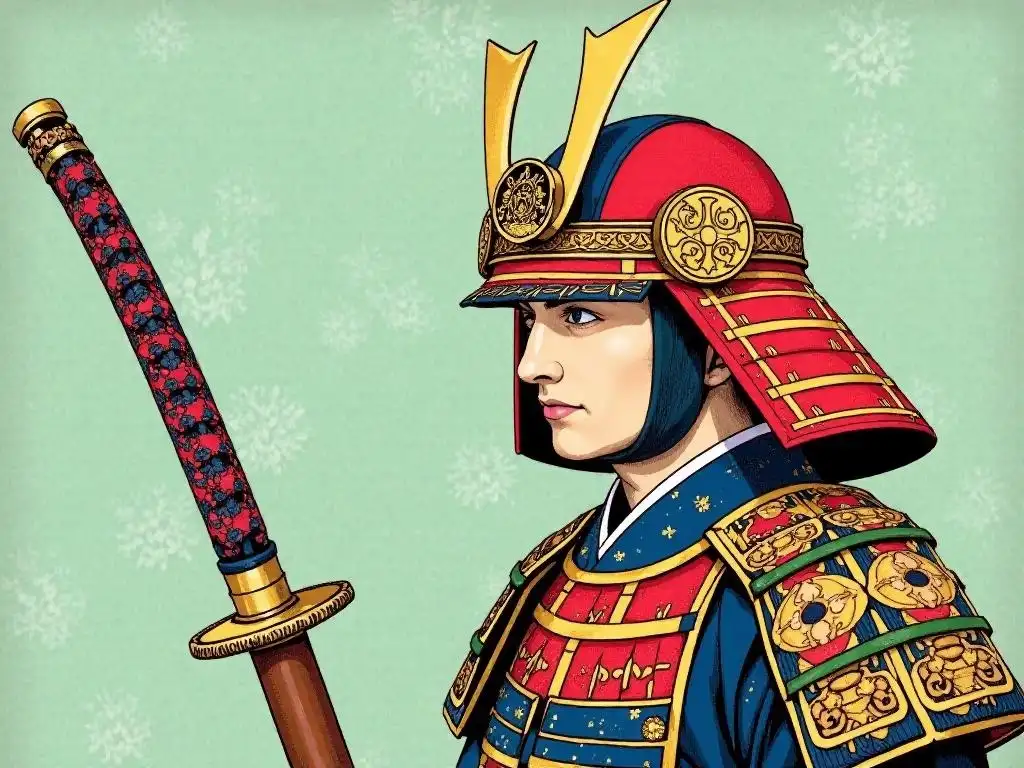
Welcome to Feudal Japan History, where we delve deep into the fascinating tapestry of Japan’s feudal era! In this exploration, we invite you to discover the intricate world of Tokugawa samurai armor history. More than mere protective gear, these remarkable pieces embody the artistry, culture, and social hierarchies of their time. What secrets do they hold about the warriors who wore them? Join us as we uncover the evolution of samurai armor, revealing its profound significance in warfare and beyond. Your journey into the captivating realm of political history begins here!
The Tokugawa period, spanning from 1603 to 1868, is a defining era in Japan's history, characterized by a unique blend of peace, stability, and cultural flourishing. Central to this period is the role of the samurai, not only as warriors but also as custodians of tradition and culture. The evolution of Tokugawa samurai armor reflects the intricate dynamics of warfare, societal status, and artistic expression during this time. This article delves into the history of Tokugawa samurai armor, examining its significance beyond the battlefield and its evolution through various historical contexts.
Introduction to Tokugawa Samurai Armor
Overview of the Tokugawa Shogunate Era
The Tokugawa Shogunate, established by Tokugawa Ieyasu, marked a significant shift from the preceding Sengoku period—a time of constant military conflict and social upheaval. The unification of Japan under the Tokugawa regime brought about a prolonged era of peace known as the Edo period. During this time, the samurai class transitioned from battlefield warriors to bureaucrats and cultural leaders, significantly influencing the design and usage of armor.
- Key Features of the Tokugawa Shogunate:
- Political Stability: The shogunate instituted strict social hierarchies and a centralized government.
- Cultural Flourishing: The period saw advancements in art, literature, and philosophy.
- Samurai Evolution: The role of samurai shifted towards governance, leading to changes in their armor.
Importance of Samurai Armor in Feudal Japan
Samurai armor was not merely a protective gear but a symbol of status, identity, and artistry. It represented the values of the samurai class and their adherence to bushido, the way of the warrior. Armor was meticulously crafted to reflect the wearer’s rank and clan affiliation, featuring intricate designs and materials.
- Symbolic Aspects of Samurai Armor:
- Status Symbol: Armor displayed the social rank of a samurai.
- Cultural Identity: Variations in design represented different clans and regions.
- Artistic Expression: Armor was often adorned with elaborate motifs and craftsmanship.
Historical Context of Tokugawa Samurai Armor
The Origins of Samurai Armor in Japan
The history of samurai armor can be traced back to the Heian period (794-1185), where early forms of armor began to take shape. Initially, armor was designed for mobility and protection against arrows and swords, utilizing materials such as leather and iron.
- Early Armor Characteristics:
- Heian Armor: Primarily composed of layers of cloth and leather.
- Kamakura Innovations: Introduction of metal components for enhanced protection.
Transition from Heian to Kamakura Armor Styles
As warfare evolved, so did the design of samurai armor. The Kamakura period (1185-1333) marked a significant transition, as armor became more sophisticated in both function and aesthetics. The introduction of new materials and construction techniques led to changes that would influence Tokugawa armor.
- Key Developments:
- Increased Use of Iron: For better defense against weapons.
- Kusazuri: The segmented skirt of armor providing mobility.
- Kabuto Helmets: Complex designs that signified rank and lineage.
The Role of Armor in the Tokugawa Period
During the Tokugawa era, the role of armor shifted considerably. While samurai were still expected to be prepared for warfare, the emphasis on peace and stability led to a decline in the practical use of armor for battle. Instead, armor became a ceremonial and cultural artifact, symbolizing the samurai’s connection to their heritage.
- Cultural Significance:
- Ceremonial Use: Armor was worn during festivals and rituals.
- Art as Legacy: Armor pieces became valued collectibles, reflecting the artistry of the era.
- Military Parades: Showcased the power and prestige of samurai clans.
In exploring the history of Tokugawa samurai armor, we uncover a narrative that transcends mere warfare, revealing a profound connection to Japan’s cultural and societal fabric during the feudal era.
Key Features of Tokugawa Samurai Armor
Tokugawa samurai armor is characterized by its unique blend of functionality, artistry, and cultural symbolism. One of the most prominent features is the use of lamellar construction, where small plates are laced together to create a flexible yet protective barrier. This design allowed for a greater range of movement while still offering substantial defense against swords and arrows.
Additionally, the armor often included a kabuto (helmet), which was not only protective but also showcased intricate designs and family crests, known as mon. The do (cuirass), the main body armor piece, was typically adorned with lacquer and sometimes featured elaborate motifs that reflected the samurai’s status and clan allegiance. The overall structure of Tokugawa armor was not only practical for combat but also a canvas for personal and familial expression.
Materials Used in Tokugawa Armor Construction
The construction of Tokugawa armor utilized a variety of materials, each chosen for its specific properties and availability. Iron and leather were the primary materials, providing durability and protection. The iron plates were often tempered to enhance strength, while leather was used for its flexibility and comfort.
In addition to these materials, artisans employed silk and cotton for the interior padding and lacing, ensuring that the armor was not only functional but also comfortable to wear. Lacquering techniques were crucial in the armor’s construction, as they provided a water-resistant finish that protected the iron from rust and extended the armor's lifespan.
Design Elements: Functionality Meets Aesthetics
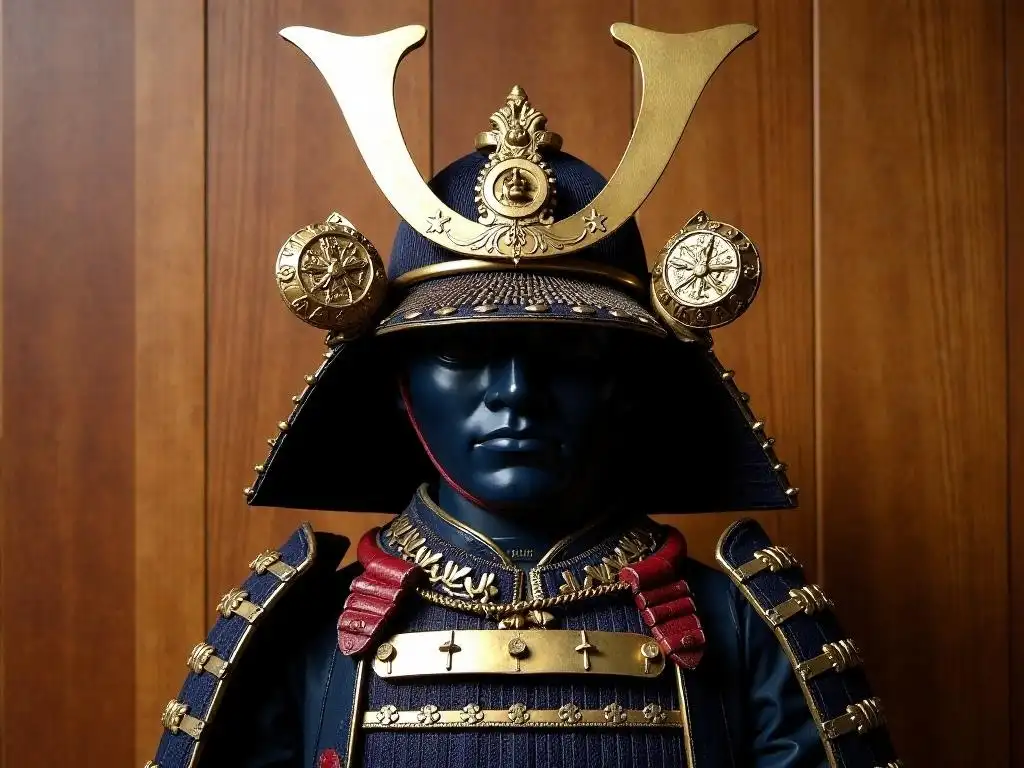
The design of Tokugawa samurai armor reflects a harmonious balance between functionality and aesthetics. Armor pieces were meticulously crafted to ensure they were lightweight and allowed for agility in battle, while also featuring ornate designs that signified the wearer’s status.
Decorative elements included family crests, intricate patterns, and vibrant colors that expressed the samurai's identity and heritage. The sode (shoulder guards) and kusazuri (skirted plates) not only provided additional protection but were also often embellished with artistic motifs and colors that represented the samurai's clan.
Furthermore, the overall silhouette of the armor was carefully considered, ensuring that it conferred an imposing presence on the battlefield while allowing for maneuverability. This duality of purpose is a hallmark of Tokugawa armor design.
Innovations in Armor Technology During the Tokugawa Era
The Tokugawa period (1603-1868) saw significant advancements in armor technology, reflecting the era's evolving warfare and cultural values. One notable innovation was the development of lighter materials and construction techniques that enhanced mobility without sacrificing protection.
Additionally, firearms began to influence armor design, prompting changes in how armor was constructed to counteract gunfire. This led to the integration of reinforced areas in the armor, particularly around vital organs, while still maintaining traditional designs.
Furthermore, the artistic techniques in lacquering and decoration evolved, allowing for greater customization and expression of identity. These innovations not only catered to the practical needs of the samurai but also contributed to the rich cultural heritage of the Tokugawa period.
Cultural Significance of Tokugawa Samurai Armor
Tokugawa samurai armor transcended its primary function as a protective gear in warfare; it also held deep cultural significance. The armor embodied the samurai's code of honor (Bushido), representing their commitment to duty, loyalty, and martial skill. Beyond functionality, the armor became a symbol of the samurai’s identity and cultural legacy.
The aesthetic elements of the armor were often intertwined with spiritual beliefs, as the designs and motifs were believed to carry protective qualities. This connection to spirituality emphasized the armor's role not just in battle but as a representation of the samurai's life philosophy.
Armor as a Symbol of Status and Identity
In Tokugawa society, armor was not merely a tool for warfare; it was a powerful symbol of social status and identity. The intricacy of the armor's design, the materials used, and the family crest displayed were all indicators of a samurai’s rank and lineage. High-ranking samurai often wore elaborate and richly decorated armor, which set them apart from lower-ranking warriors.
Moreover, the act of donning armor was a ceremonial practice that reinforced the samurai’s identity as a warrior. It marked the transition from the everyday persona to that of a combatant, embodying the values of honor and bravery deeply ingrained in samurai culture.
The Influence of Zen Buddhism on Armor Design
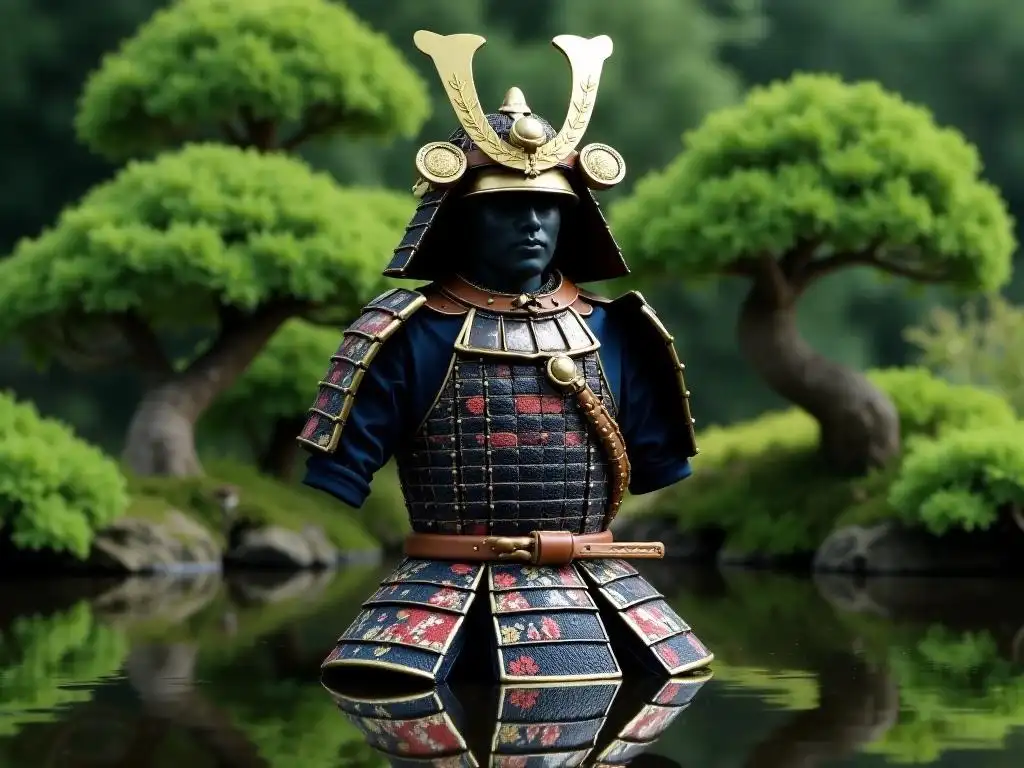
Zen Buddhism significantly influenced the aesthetic and philosophical aspects of Tokugawa samurai armor. The principles of simplicity, harmony, and mindfulness permeated the design process, leading to armor that was not only functional but also spiritually resonant.
The minimalist approach often seen in armor designs reflected the Zen ideal of reducing distractions and focusing on the essential. This is evident in the use of subdued colors and harmonious motifs, which conveyed a sense of tranquility and balance. Additionally, the practice of mindfulness in armor-making emphasized the importance of skill and precision, hallmarks of both Zen philosophy and samurai craftsmanship.
The Role of Armor in Samurai Rituals and Ceremonies
Armor played a pivotal role in various samurai rituals and ceremonies, serving as a focal point in significant life events and cultural practices. For instance, the dressing ceremony (shizoku) was a ritual that involved donning the armor in a prescribed manner, emphasizing its importance as a talisman of protection and identity.
Furthermore, armor was often featured in ceremonial displays during festivals and clan gatherings, showcasing the samurai's lineage and the artistry of their armor. These rituals reinforced the connection between the samurai and their armor, transforming it into a symbol of not only their martial prowess but also their cultural heritage and social standing within the feudal hierarchy.
The Evolution of Armor Styles Throughout the Tokugawa Period
The Tokugawa period, spanning from 1603 to 1868, marked a significant transformation in the design, function, and cultural symbolism of samurai armor. This era was characterized by relative peace, which fundamentally altered the role of the samurai and the armor they wore. Armor began to evolve not solely as protective gear for battle but also as a representation of status, artistry, and tradition.
Throughout the Tokugawa period, armor styles varied significantly. Early designs reflected practical needs for warfare, while later periods witnessed a blend of functionality with aesthetic considerations. The evolution of armor styles during this time underscores the broader societal changes in Japan, reflecting shifts in the samurai's identity and the diminishing role of military conflict.
Early Tokugawa Armor: Characteristics and Styles
In the early years of the Tokugawa shogunate, armor was primarily designed for combat. The typical armor set, known as dō (chest armor), was composed of lacquered iron or leather, providing essential protection while allowing for mobility. One notable characteristic of early Tokugawa armor was the use of kabuto (helmets), which were often adorned with intricate crests and designs that signified the wearer's clan and status.
The sode (shoulder guards) were also prominently featured in these designs, crafted to protect the shoulders and arms without hindering movement. The overall aesthetic of early Tokugawa armor was heavily influenced by the practical needs of warfare, emphasizing durability and functionality over decorative elements. However, even in these early designs, there were hints of artistic expression, as skilled craftsmen began integrating elaborate motifs and colors into the armor, foreshadowing the later developments in armor aesthetics.
Mid-Tokugawa Developments: Shifts in Design and Function
As the Tokugawa period progressed into its mid-stage, the role of armor began to shift significantly. With the establishment of peace under the Tokugawa shogunate, the need for combat-ready armor diminished. This period saw the introduction of more decorative elements, as samurai began to wear armor that reflected their status rather than their need for protection in battle.
The do (chest armor) became more ornate, showcasing elaborate designs and intricate lacquering techniques. Additionally, the introduction of lighter materials allowed for more comfortable wear, emphasizing the armor's role as a symbol of prestige rather than a functional battle gear.
Furthermore, the menpo (face armor) evolved to include artistic features, often depicting fierce expressions to instill fear in adversaries, despite the reduced likelihood of engagement in warfare. The mid-Tokugawa period thus represented a fascinating blend of function and fashion, where armor became a canvas for personal and clan identity, reflecting the changing nature of samurai culture.
Late Tokugawa Armor: Influences from Western Styles
In the late Tokugawa period, the increasing exposure to Western cultures began to influence the design of samurai armor. As Japan opened its borders to foreign trade and ideas, elements from Western military styles began to infiltrate traditional armor design. This transition is evident in the incorporation of new materials and techniques, leading to armor that was not only lighter but also more versatile.
The adoption of the tachi (long sword) and variations in armor design reflected these Western influences. For instance, the introduction of new fastenings and the shift towards more uniform designs showcased a blending of Eastern and Western aesthetics. Additionally, the late Tokugawa armor often featured more practical designs that catered to the needs of ceremonial purposes rather than battle readiness.
As Japan faced the pressure of foreign powers, the samurai began to adapt their armor not just for warfare but also for display during formal occasions. This evolution highlights the adaptability of samurai culture, as they embraced new ideas while maintaining a connection to their historical roots.
The Decline of Traditional Samurai Armor
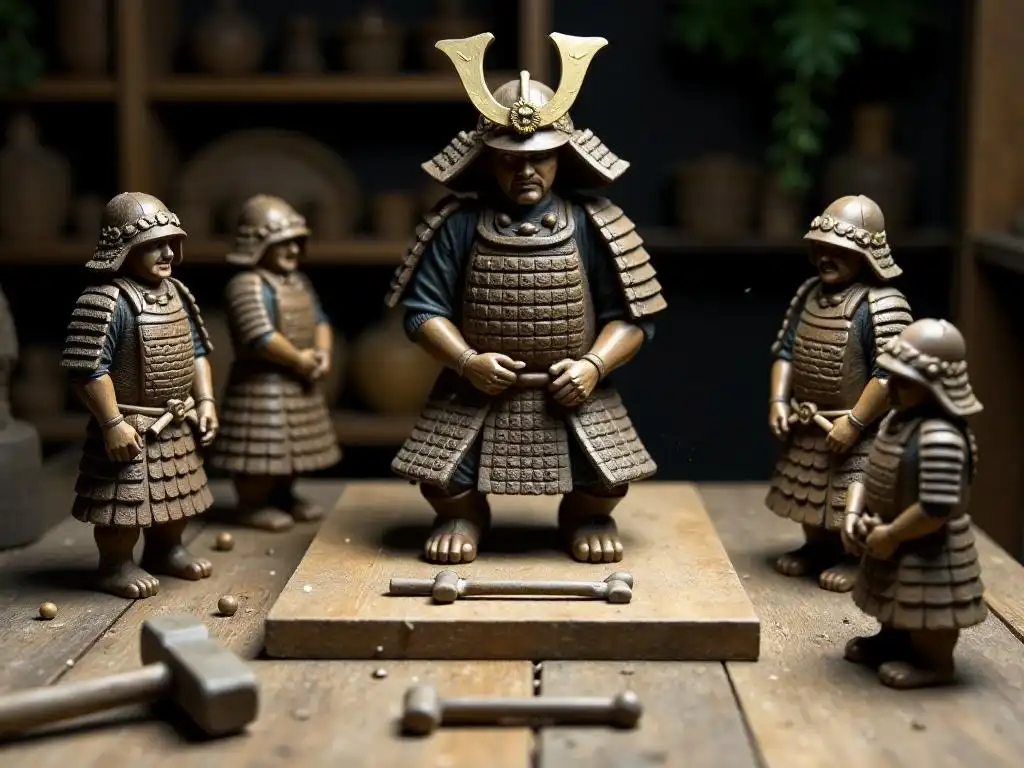
The decline of traditional samurai armor can be traced to the profound societal changes brought about by the Meiji Restoration in 1868. This pivotal moment reshaped the samurai's role in Japan, transitioning from feudal warriors to subjects of a modern nation-state. As the new government sought to modernize and standardize military practices, traditional armor became increasingly obsolete.
The Impact of the Meiji Restoration on Samurai Culture
The Meiji Restoration marked a dramatic shift in Japanese society, leading to the disbandment of the samurai class and the establishment of a conscript army. With this transformation, the need for traditional armor diminished significantly. The samurai's role as elite warriors was replaced by a modern military structure, rendering their distinctive armor largely ceremonial.
Moreover, the Meiji government promoted Western-style military uniforms, which further diminished the status of traditional samurai armor. As a result, many samurai families began to sell or repurpose their ancestral armor, leading to a decline in the craftsmanship and cultural significance associated with these artifacts. The once-proud symbol of the samurai's identity became a relic of a bygone era.
The Transition from Warfare to Peace: Analyzing Armor's Role
As Japan transitioned from a state of constant warfare to a period of peace, the role of armor shifted dramatically. Instead of being a necessary tool for survival, armor became a symbol of heritage and tradition. The focus on martial prowess gave way to an emphasis on cultural identity and historical legacy.
In this new context, armor was often showcased during festivals and ceremonies, reminding the populace of the samurai's storied past. Museums and collections began to preserve these artifacts, and the artistry of armor-making took on a new significance, celebrated for its craftsmanship rather than its functionality in battle.
This transition reflects broader societal changes in Japan, as the values of honor, loyalty, and martial skill were transformed into a cultural narrative that emphasized the samurai's historical contributions to the nation. The decline of traditional samurai armor, therefore, symbolizes not just the end of an era of warfare, but also the evolution of Japanese society as it embraced modernization while cherishing its rich history.
Conclusion: The Legacy of Tokugawa Samurai Armor
The Tokugawa period, spanning from 1603 to 1868, was marked by a unique evolution of samurai armor that not only served practical purposes in warfare but also became a profound symbol of status and identity within Japanese culture. The intricate designs, craftsmanship, and materials used in Tokugawa samurai armor reflect the values of the era, emphasizing honor, loyalty, and the aesthetic sensibilities of the time. As the Tokugawa Shogunate solidified its power, the armor evolved from being merely functional to becoming a canvas for artistic expression, blending form and function seamlessly.
The legacy of Tokugawa samurai armor is evident in various aspects of Japanese society today. Its influence can be seen in modern martial arts, fashion, and cultural festivals that celebrate Japan's rich history. The armor has transcended its original martial purpose, becoming an enduring symbol of the samurai ethos and the cultural heritage of Japan. This legacy continues to inspire artists, historians, and enthusiasts alike, highlighting the importance of preserving and understanding this fascinating aspect of Japan's feudal history.
Lasting Influences on Japanese Culture and Modern Armor
The impact of Tokugawa samurai armor extends beyond its time, resonating through various facets of contemporary Japanese culture. For instance, the principles of craftsmanship that defined the creation of armor have influenced modern artisans and designers, leading to a resurgence of interest in traditional Japanese crafts. Fashion designers often draw inspiration from the aesthetic elements of samurai armor, incorporating its elegant lines and intricate patterns into modern clothing.
Moreover, the samurai spirit, embodied in the armor, continues to inspire Japanese martial arts. Schools of Kendo and other disciplines emphasize the values of discipline, respect, and honor—principles that were central to the samurai code. The armor itself, often displayed in martial arts studios and competitions, serves as a reminder of the historical roots of these practices.
In addition, the armor's influence is palpable in popular culture, including anime, video games, and films that romanticize the samurai and their traditions. This ongoing fascination ensures that the legacy of Tokugawa samurai armor remains vibrant and relevant in today’s global culture, fostering a connection to Japan's past.
Reflections on the Historical Importance of Tokugawa Samurai Armor
The historical significance of Tokugawa samurai armor lies not only in its practical use during battles but also in its representation of the social structure and political dynamics of feudal Japan. Armor was a status symbol, identifying warriors' ranks and lineage, and served as a means of expressing loyalty to the Tokugawa Shogunate. The evolution of armor styles during this period reflected broader societal changes and the shifting attitudes towards warfare, peace, and the role of the samurai in society.
As Japan transitioned from a time of constant warfare to an era of relative peace, the function of samurai armor evolved. It became less about battlefield utility and more about ceremonial use and display. This shift marked a significant change in the samurai identity, as they began to navigate their roles in a peaceful society while still upholding their storied traditions.
Reflecting on this historical importance allows us to appreciate the complexity of samurai culture and the transitional dynamics of the Tokugawa period. The armor serves as a testament to the art and discipline of the samurai and remains an enduring symbol of Japan's feudal past, providing insight into the values and beliefs that shaped an era.
References and Further Reading
Suggested Books and Articles on Tokugawa Samurai Armor History
- "The Samurai: A Military History": by John M. Collins - This comprehensive book explores the military strategies and armaments of the samurai, providing a detailed look at armor evolution during the Tokugawa era.
- "The History of Samurai Armor" by Michiko Yamakawa - A scholarly analysis of the development of samurai armor throughout different periods, with a focus on the Tokugawa Shogunate.
- "Warriors of Japan: The History of the Samurai": by Michael C. A. H. Hurst - This text delves into the cultural significance of the samurai and their armament, including the evolution of armor styles in the Tokugawa period.
Online Resources for Exploring Feudal Japan History
- The Samurai Archives - A website dedicated to the study of samurai history, featuring articles, timelines, and resources related to Tokugawa samurai armor.
- Japan National Museum - Offers virtual tours and extensive collections of samurai armor, artifacts, and scholarly articles on the Tokugawa era.
- The Tokyo National Museum - An online resource showcasing exhibitions related to samurai culture and armor, providing insights into their historical context and significance.
- Introduction to Tokugawa Samurai Armor
- Historical Context of Tokugawa Samurai Armor
- Key Features of Tokugawa Samurai Armor
- Materials Used in Tokugawa Armor Construction
- Design Elements: Functionality Meets Aesthetics
- Innovations in Armor Technology During the Tokugawa Era
- Cultural Significance of Tokugawa Samurai Armor
- Armor as a Symbol of Status and Identity
- The Influence of Zen Buddhism on Armor Design
- The Role of Armor in Samurai Rituals and Ceremonies
- The Evolution of Armor Styles Throughout the Tokugawa Period
- The Decline of Traditional Samurai Armor
- Conclusion: The Legacy of Tokugawa Samurai Armor
- References and Further Reading
- What is the significance of Tokugawa samurai armor in Japanese history?
- How did the design of samurai armor evolve during the Tokugawa period?
- What materials were commonly used in Tokugawa samurai armor?
- How did warfare tactics influence the development of samurai armor?
- What role did samurai armor play in Japanese culture beyond warfare?
Frequently Asked Questions
What is the significance of Tokugawa samurai armor in Japanese history?
The Tokugawa samurai armor represents the cultural and military advancements of the samurai class during the Tokugawa shogunate, highlighting their role in protecting feudal Japan.
How did the design of samurai armor evolve during the Tokugawa period?
The design of samurai armor evolved to include aesthetic elements alongside functionality, reflecting both status and artistry in the armor's craftsmanship.
What materials were commonly used in Tokugawa samurai armor?
Tokugawa samurai armor was typically made from materials such as iron, leather, and silk, combining durability with intricate designs for visual appeal.
How did warfare tactics influence the development of samurai armor?
Changes in warfare tactics during the Tokugawa shogunate led to armor that prioritized mobility and protection, adapting to the evolving battlefield environment of the time.
What role did samurai armor play in Japanese culture beyond warfare?
Beyond its martial use, samurai armor served as a symbol of honor, status, and identity, deeply embedded in the social fabric of feudal Japan and its traditions.
Final Reflection: The Legacy of Tokugawa Samurai Armor Beyond Warfare
The evolution of Tokugawa samurai armor is not merely a tale of warfare; it is a profound narrative that intertwines artistry, culture, and identity. Today, as we navigate a world increasingly defined by technology and globalization, the intricate craftsmanship and historical significance of samurai armor remind us of the importance of heritage and the stories woven into our past. The armor serves as a symbol of resilience and honor, echoing the values that shaped an era and continue to inspire us.
Cultural artifacts like the Tokugawa samurai armor have a lasting impact on our understanding of history and identity. The armor represents not just a means of protection in battle but also a canvas for artistic expression and a reflection of societal values during the Tokugawa period.
As we admire these pieces, we are reminded of the words of historian John W. Hall: > “The samurai were not just warriors; they were the embodiment of a cultural ethos that valued loyalty, honor, and the pursuit of excellence.” This ongoing influence shapes our cultural landscape, encouraging us to appreciate the depth of our histories and the narratives that define us.
As we conclude this exploration of Tokugawa samurai armor, I invite you to reflect on your own heritage and the stories that have shaped your identity. Consider how the lessons from the past can inform your present and future. Whether it’s through preserving traditions, embracing cultural diversity, or fostering a sense of honor in your daily life, let the legacy of the samurai inspire you to carve your own path with purpose and integrity. The armor may have evolved, but its essence remains a powerful reminder of who we are and what we can become.
Unveil the Legacy of Samurai Armor and Take Action Today!
Thank you for exploring the fascinating evolution of Tokugawa samurai armor! You've delved into the intricate blend of artistry and functionality that defines this remarkable era in Japanese history. Now, it's time to connect more deeply with this legacy and inspire others with your newfound knowledge.
Here are some ways you can continue your journey and share the incredible world of samurai culture:
- Join a local history group or online forum to discuss and further explore samurai armor and its significance in contemporary culture.
- Share this article with friends or on social media to spark conversations about the rich heritage of feudal Japan.
- Create an art piece or write a short story inspired by the ideals of honor and bravery that the samurai embodied. Let your creativity shine!
What aspect of samurai culture inspires you the most, and how will you share that inspiration with others?