
The Complexities of Tokugawa Succession: Power Struggles Within the Shogunate

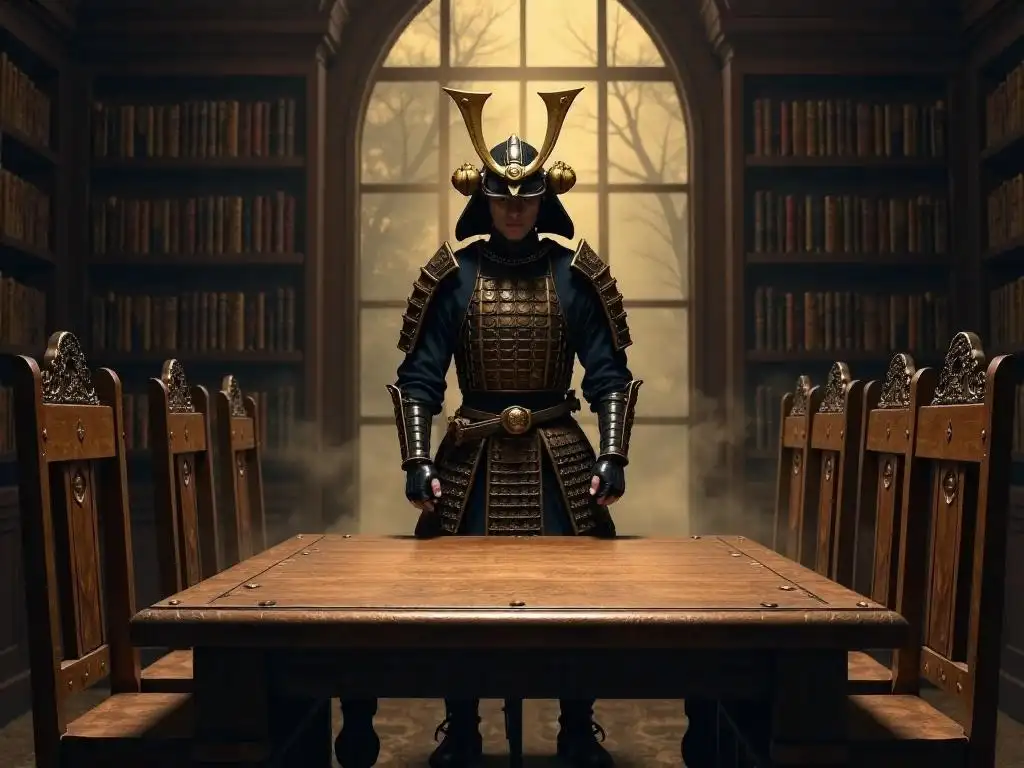
Welcome to Feudal Japan History, where we invite you to journey through the intricate tapestry of Japan's feudal era. Immerse yourself in the depths of our expert-driven articles that unravel the fascinating complexities of historical power dynamics. In our featured piece, "The Complexities of Tokugawa Succession: Power Struggles Within the Shogunate," we delve into the intriguing rivalries and alliances that defined the Tokugawa shogunate. What motivated these power struggles, and how did they shape the course of Japan's history? Join us as we uncover the captivating stories behind the political maneuvers that forged a nation. Your exploration starts now!
Introduction to the Tokugawa Shogunate
The Tokugawa Shogunate, which ruled Japan from 1603 to 1868, marked a pivotal period in Japanese history, characterized by relative peace, political stability, and isolation from foreign influence. Established by Tokugawa Ieyasu after his victory at the Battle of Sekigahara, this era is known for its strict social hierarchy and the consolidation of power in the hands of the shogunate.
However, beneath the veneer of stability lay intricate power struggles that defined the very fabric of Tokugawa governance. These conflicts, often fueled by familial ties and rivalries among the samurai, reveal the complexities of succession within the shogunate, demonstrating how personal ambition and political maneuvering could disrupt the peace.
Understanding the dynamics of Tokugawa shogunate power struggles is essential for grasping the broader historical narrative of feudal Japan. These struggles not only influenced the political landscape of the time but also had lasting implications for the country’s transition into modernization. In this article, we will explore the various facets of Tokugawa succession, highlighting key figures, defining moments, and the ultimate impact of these power struggles on Japanese society.
Overview of the Tokugawa Era
The Tokugawa era is often referred to as the Edo period, named after the city of Edo (modern-day Tokyo), which became the seat of power for the shogunate. Lasting for over two and a half centuries, this time was marked by the following key characteristics:
- Political Centralization: The shogunate implemented a feudal system that centralized authority and maintained control over the daimyos (feudal lords).
- Cultural Flourishing: This era saw significant developments in arts, literature, and theater, including the rise of kabuki and ukiyo-e.
- Sakoku Policy: The shogunate adopted a policy of national isolation, restricting foreign trade and interactions, which influenced Japan's cultural and political landscape significantly.
Understanding these elements provides a robust context for examining the power struggles that occurred within the shogunate.
Significance of Power Struggles in Feudal Japan
Power struggles during the Tokugawa period were not merely personal conflicts; they shaped the political framework of feudal Japan. These struggles often revolved around:
- Legitimacy of Rule: Disputes regarding succession were tied to questions of legitimacy and loyalty among the samurai class.
- Territorial Control: Rivalries often resulted in disputes over land and resources, which could escalate into military confrontations.
- Social Stability: The outcome of these struggles had profound implications for the social order, affecting the lives of common people and the samurai alike.
By analyzing these power dynamics, one can gain insight into the fragility of peace during the Tokugawa period and the factors that ultimately led to its decline.
The Tokugawa Succession: An Overview
The succession within the Tokugawa Shogunate was complex, often marred by disputes and challenges that highlighted the delicate balance of power within the ruling elite. Understanding these succession issues is crucial for grasping the broader historical implications of the shogunate's governance.
Definition of Succession within the Tokugawa Shogunate
Succession in the Tokugawa Shogunate was not a straightforward affair. It involved:
- Bloodlines: The Tokugawa family sought to maintain control through direct lineage, but rival branches often emerged, claiming legitimacy.
- Adoption Practices: In some cases, adopted heirs were preferred over biological sons, creating further complexities in determining rightful successors.
- Political Alliances: Marriages and alliances with powerful daimyos were instrumental in securing succession, intertwining familial loyalty with political strategy.
These factors contributed to an environment rife with intrigue and competition, where the question of who would lead could shift the balance of power dramatically.
Key Figures in Tokugawa Succession
Several pivotal figures emerged throughout the Tokugawa Shogunate's history, each playing a significant role in the power struggles that defined the era. Some notable individuals include:
- Tokugawa Ieyasu: The founder of the shogunate whose decisions set the stage for future successions.
- Tokugawa Hidetada: Ieyasu's son, whose reign was marked by attempts to solidify the family's power amidst emerging rivalries.
- Tokugawa Iemitsu: The third shogun, known for his efforts to strengthen the shogunate's authority but also faced significant challenges from other clans.
These figures exemplify the intertwined nature of familial loyalty and political ambition during the Tokugawa period, encapsulating the essence of its power struggles.
As we delve deeper into the complexities of Tokugawa succession, we will uncover the intricate relationships and strategies that shaped the course of Japanese history during this fascinating era.
Historical Context of Tokugawa Power Struggles
The Tokugawa shogunate, established in 1603, marked a pivotal era in Japan's history characterized by relative peace, economic stability, and cultural development. However, beneath this facade of tranquility lay intricate power struggles that shaped the political landscape of the time. Understanding the historical context of these struggles is crucial to grasp the complexities of Tokugawa succession and the governance of Japan during this period.
The Tokugawa shogunate emerged after a prolonged period of civil war known as the Sengoku period, where various samurai clans vied for control over Japan. Tokugawa Ieyasu, a prominent daimyo, successfully unified the country after his victory at the Battle of Sekigahara in 1600. His consolidation of power was not simply a matter of military might; it involved strategic alliances, marriages, and the establishment of a bureaucratic governance structure that would dominate Japanese politics for over 250 years.
The Establishment of the Tokugawa Shogunate
The establishment of the Tokugawa shogunate was a response to the chaotic political environment of Japan in the late 16th century. After unifying Japan, Tokugawa Ieyasu sought to create a stable government that would prevent the return of civil war. He instituted a feudal system where power was decentralized yet tightly controlled, allowing local lords (daimyo) to govern their domains while pledging loyalty to the shogunate.
Ieyasu implemented various policies to ensure loyalty and minimize dissent among the daimyo. One of the most significant was the sankin-kotai system, which required daimyo to alternate their residence between their domains and Edo (modern-day Tokyo). This practice not only reduced the financial resources available for rebellion but also allowed the shogunate to keep a close watch on the daimyo and their families.
Key Events Leading to Power Struggles
Several key events set the stage for power struggles within the Tokugawa shogunate. The death of Tokugawa Ieyasu in 1616 left a power vacuum, raising questions about succession and governance. His son, Tokugawa Hidetada, succeeded him but faced challenges in maintaining the same level of control and authority.
The internal conflicts among the daimyo, who were often motivated by personal ambition and regional interests, further complicated the political landscape. Notably, the 1614 edict prohibiting Christianity and the subsequent persecution of Christians created rifts between the shogunate and certain daimyo who supported the Catholic faith. These events exacerbated tensions and foreshadowed the power struggles that would emerge in the following decades.
Major Power Struggles in Tokugawa History
The Tokugawa era witnessed several significant power struggles that not only defined the shogunate but also influenced the socio-political dynamics of feudal Japan. These conflicts were often marked by intrigue, manipulation, and shifting alliances among various factions within the shogunate.
The Struggle for Control: Tokugawa Ieyasu and His Heirs
The succession of Tokugawa Ieyasu's heirs was fraught with intrigue and competition. Ieyasu carefully positioned his sons and grandsons in key roles, but the question of who would ultimately succeed him was contentious. His son, Tokugawa Hidetada, was seen as a stabilizing figure, yet he faced challenges from Ieyasu's other sons, particularly Tokugawa Yoshinao, who held significant power as the daimyo of the Owari domain.
The rivalry among Ieyasu's descendants contributed to a divided power structure within the shogunate. The lack of a clear and universally accepted line of succession led to factions forming around different heirs, creating an environment ripe for conflict. Moreover, the influence of the Council of Elders (Eda), which was established to advise the shogun, often complicated the dynamics of succession, as council members had their own interests and allegiances.
The Role of the Council of Elders (Eda) in Succession
The Council of Elders (Eda) played a crucial role in the power struggles within the Tokugawa shogunate. Comprised of senior daimyo and trusted advisors, the council was responsible for advising the shogun on governance and military matters. However, the council's composition and the loyalty of its members were often subjects of contention.
As succession issues arose, the council became a battleground for political maneuvering. Different factions within the council would align themselves with various heirs, seeking to enhance their own power and influence. This led to a series of political intrigues, alliances, and betrayals that shaped the course of Tokugawa history.
The Impact of the 1637 Shimabara Rebellion on Power Dynamics
The Shimabara Rebellion of 1637-1638 was a significant event that highlighted the fragility of the Tokugawa shogunate's authority. Sparked by heavy taxation and persecution of Christians in the Shimabara region, the rebellion saw a coalition of disgruntled peasants and Christian converts rise against the shogunate.
The shogunate's response to the rebellion was both brutal and revealing. The swift and decisive military action taken to quell the uprising reinforced the shogunate's power but also exposed underlying discontent among the populace. This event prompted the shogunate to reassess its policies, particularly in relation to religious freedom and economic burdens on the lower classes.
Moreover, the aftermath of the rebellion led to increased scrutiny of the daimyo's loyalty and governance practices, further influencing power dynamics within the shogunate. The fear of future uprisings resulted in a more authoritarian approach to governance, as the Tokugawa leadership sought to eliminate dissent and maintain a firm grip on power.
The Influence of External Forces on Tokugawa Succession
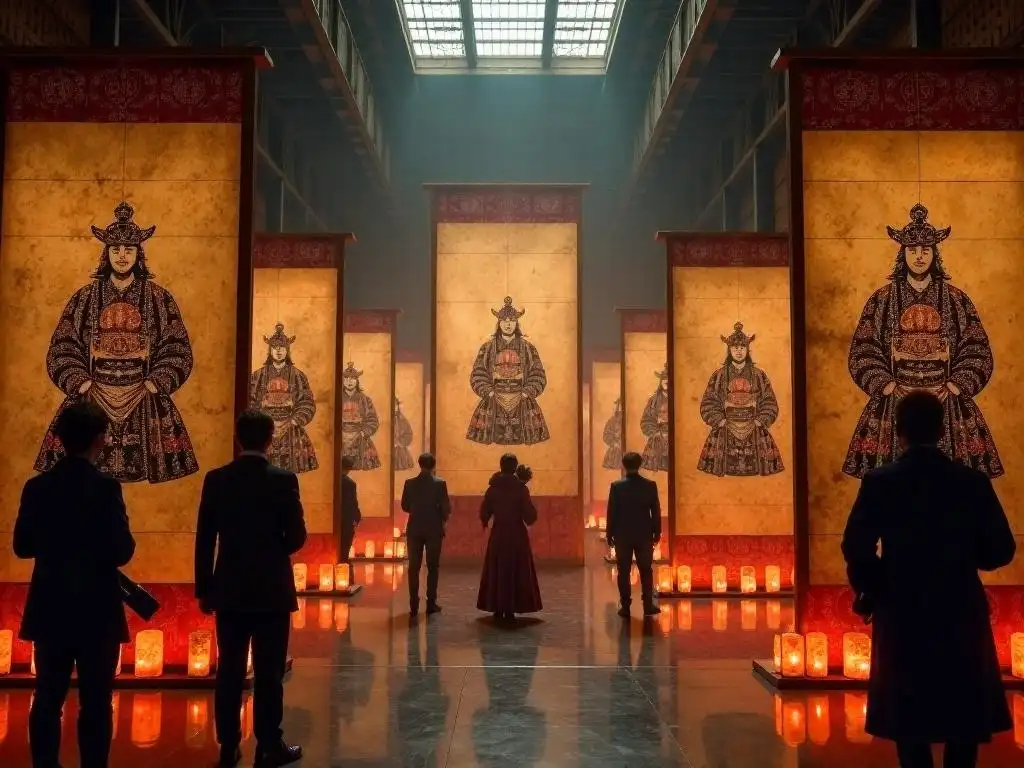
The Tokugawa Shogunate, which ruled Japan from 1603 to 1868, was significantly impacted by various external forces that played a crucial role in shaping its succession dynamics. As Japan maintained a policy of sakoku (closed country), the interactions with foreign nations were limited, yet the external influences that did penetrate the isolationist walls had lasting consequences on the stability of the shogunate. The arrival of Western powers in the mid-19th century, particularly the United States under Commodore Perry in 1853, forced Japan to reevaluate its foreign relations and internal governance structures.
These encounters with foreign entities not only challenged the shogunate's authority but also exposed the weaknesses in its governance, particularly in military and economic domains. As Western nations began to demand trade concessions and political recognition, the legitimacy of the Tokugawa leadership came under scrutiny, fostering an environment ripe for internal dissent and power struggles. This external pressure complicated the already intricate succession processes, as rival factions sought to leverage foreign relations to their advantage, often aligning themselves with Western powers or adopting Western ideologies to bolster their claims to power.
The Role of Foreign Relations in Domestic Power Struggles
Foreign relations during the Tokugawa period became a critical battleground for domestic power struggles. The shogunate's approach to foreign diplomacy, particularly its initial isolationist stance, created opportunities for rival daimyō (feudal lords) to challenge the shogunate's authority. Factions within the Tokugawa hierarchy often exploited these foreign relations to gain leverage against their rivals. For example, some daimyō sought to modernize their armies with Western technology and sought alliances with foreign powers, viewing this as a means to enhance their own power bases.
The arrival of foreign influences also ignited intellectual movements within Japan that questioned the legitimacy of the shogunate and called for the restoration of imperial power. The Sonnō jōi (“Revere the Emperor, Expel the Barbarians”) movement emerged during this time, advocating for the overthrow of the Tokugawa regime in favor of a return to imperial rule. This ideological shift not only intensified the power struggles within the shogunate but also spurred the rise of various factions that vied for influence and control during a time of significant political upheaval.
Internal vs. External Pressures: A Balancing Act
The Tokugawa Shogunate's leadership faced a constant balancing act between internal and external pressures that significantly influenced succession dynamics. Internally, the shogunate grappled with the need to maintain control over a diverse array of daimyō, each with their own ambitions and loyalties. The intricate system of alternate attendance (sankin-kōtai) was implemented to ensure loyalty among the daimyō, yet this system also strained resources and created resentment.
Externally, the threat posed by foreign powers demanding trade and diplomatic relations forced the shogunate to adapt its policies and strategies. The need to modernize in response to these pressures often conflicted with the traditionalist elements within the shogunate, leading to factionalism that further complicated succession issues. As rival factions within the Tokugawa structure sought to exploit both the internal dissatisfaction and the external threats, the shogunate found itself in a precarious position, where the very forces that threatened its existence also shaped the nature of its succession struggles.
Consequences of Power Struggles in the Tokugawa Shogunate
The power struggles within the Tokugawa Shogunate had profound consequences that reverberated throughout Japan's political, social, and economic landscapes. The conflicts over succession not only destabilized the shogunate but also influenced the nature of governance, the role of the emperor, and the future of feudal Japan. As factions vied for control, the resultant instability created a fertile ground for dissent and rebellion, leading to significant transformations in Japanese society.
Political Ramifications of Succession Conflicts
The political ramifications of the succession conflicts were far-reaching. The inability to establish a clear line of succession often resulted in power vacuums and conflicts that destabilized the shogunate. Key figures within the Tokugawa family, such as Tokugawa Ieyasu’s descendants, found themselves in precarious positions, as rival daimyō took advantage of the chaos to assert their influence. This not only weakened the shogunate’s power but also led to the emergence of alternative political movements that sought to challenge Tokugawa authority, culminating in the Boshin War (1868-1869) and the eventual Meiji Restoration.
The internal strife within the shogunate also encouraged the rise of the imperial court as a symbolic authority, culminating in the restoration of the emperor to political power. This shift marked the end of the feudal era and the beginning of modern Japan, demonstrating how power struggles within the shogunate had lasting implications for the political structure of the nation.
Social and Economic Impacts on Feudal Japan
The social and economic impacts of the Tokugawa power struggles were equally significant. As rival factions engaged in power plays, the resulting instability led to widespread discontent among the lower classes. Farmers and merchants faced economic hardships due to the constant conflicts, which disrupted trade and agricultural production. The imposition of heavy taxes to fund military campaigns and maintain the shogunate’s authority further exacerbated social tensions.
Additionally, the power struggles contributed to a growing sense of nationalism among the populace. As various groups rallied against the shogunate and its perceived failures, a collective identity began to form that transcended feudal allegiances. This burgeoning nationalism ultimately played a crucial role in the transformation of Japanese society during the late 19th century.
The complexities of Tokugawa succession and the associated power struggles significantly influenced the political, social, and economic landscape of feudal Japan, setting the stage for the dramatic changes that would follow in the wake of the shogunate's decline.
Conclusion: The Legacy of Tokugawa Power Struggles
The power struggles within the Tokugawa shogunate not only shaped the political landscape of Japan during the Edo period but also left a profound legacy that influenced subsequent generations. The intricate dynamics of leadership, loyalty, and conflict fostered an environment where allegiances were constantly tested, ultimately leading to a highly stratified society. The shogunate's attempts to manage these conflicts through various means—such as the establishment of a rigid class hierarchy and a centralized bureaucracy—illustrate the complexities of governance in a feudal context.
These power struggles also laid the groundwork for future political movements in Japan, as the tensions between the ruling elite and the samurai class foreshadowed the unrest that would eventually culminate in the Meiji Restoration. The legacy of the Tokugawa era continues to resonate in modern Japan, where the echoes of feudal loyalty and conflict can still be observed in cultural practices and societal structures.
Reflection on the Complexity of Leadership in the Tokugawa Era
Leadership during the Tokugawa era was characterized by a delicate balance of power and responsibility. The shogunate had to navigate various factions, including regional daimyōs, court nobles, and the burgeoning merchant class, each vying for influence. This complexity often resulted in strategic marriages, alliances, and betrayals, showcasing the multifaceted nature of governance.
Moreover, the shogunate's reliance on vassalage and loyalty created a paradox where power was both centralized and decentralized. While the shōgun wielded ultimate authority, the daimyōs maintained significant autonomy within their domains, leading to a fragmented political landscape. This intricate web of relationships necessitated keen political acumen and adaptability from leaders, underlining the fact that effective governance in the Tokugawa period required more than mere military strength; it demanded an understanding of human nature and the art of diplomacy.
The Lasting Impact of Succession Conflicts on Japanese History
Succession conflicts within the Tokugawa shogunate had far-reaching implications for Japanese history. These struggles not only affected the stability of the shogunate itself but also influenced the broader socio-political environment of Japan. The rivalries and disputes over leadership positions often resulted in civil unrest, which in turn weakened the shogunate's authority and paved the way for external challenges.
One of the most significant consequences of these conflicts was the eventual decline of the shogunate's power, culminating in the rise of the Meiji Restoration in the late 19th century. The internal divisions and weakened central authority created a vacuum that allowed for the re-emergence of imperial power and the rapid modernization of Japan. Thus, the legacy of Tokugawa succession conflicts is not merely a tale of power struggles but a critical chapter in the transformation of Japan from a feudal society to a modern nation-state.
Further Reading and Resources
For those interested in exploring the complexities of the Tokugawa shogunate and its power struggles in greater depth, a variety of resources are available. Books, scholarly articles, and online platforms provide valuable insights into this pivotal period of Japanese history.
Recommended Books on Tokugawa Shogunate Power Struggles
- "The Tokugawa World" by James L. McClain - This comprehensive work delves into the political structure, culture, and society of the Tokugawa shogunate, providing context for its power struggles.
- "War and State Formation in Ancient China and Early Modern Japan" by Victoria Tin-bor Hui - This book offers a comparative analysis of state formation and conflict, shedding light on the unique challenges faced by the Tokugawa leadership.
- "The Collapse of the Tokugawa Shogunate, 1862-1868" by Jansen, Marius B. - A focused examination of the events leading to the shogunate's demise, exploring the internal conflicts that precipitated the change.
Online Resources for Deeper Understanding of Tokugawa History
- The National Diet Library of Japan - A digital archive providing access to historical documents and publications related to the Tokugawa period.
- Japan National Tourism Organization (JNTO) - Offers cultural insights and historical context about key locations from the Tokugawa era.
- Stanford University's "The Tokugawa Shogunate" - A collection of academic articles and resources dedicated to the study of Tokugawa history, accessible for researchers and enthusiasts alike.
These resources serve as a gateway to a deeper understanding of the complexities and legacies of the Tokugawa shogunate power struggles, enriching the knowledge of anyone interested in this fascinating era of Japanese history.
- Introduction to the Tokugawa Shogunate
- The Tokugawa Succession: An Overview
- Historical Context of Tokugawa Power Struggles
- Major Power Struggles in Tokugawa History
- The Influence of External Forces on Tokugawa Succession
- Consequences of Power Struggles in the Tokugawa Shogunate
- Conclusion: The Legacy of Tokugawa Power Struggles
- Further Reading and Resources
- What were the main causes of the power struggles within the Tokugawa shogunate?
- How did the Tokugawa shogunate maintain control during these struggles?
- What role did the samurai class play in the Tokugawa power struggles?
- How did the power struggles affect Japanese society during the Tokugawa era?
- What were the long-term consequences of these power struggles for Japan?
Frequently Asked Questions
What were the main causes of the power struggles within the Tokugawa shogunate?
The power struggles primarily stemmed from succession disputes, competing daimyō interests, and the influence of external forces that challenged the shogunate's authority.
How did the Tokugawa shogunate maintain control during these struggles?
The shogunate employed a system of checks and balances among the daimyō, enforced strict social hierarchies, and utilized political marriages to solidify alliances and curb dissent.
What role did the samurai class play in the Tokugawa power struggles?
The samurai class was pivotal, as they often aligned with different factions, influenced military engagements, and acted as loyal retainers or rebels, impacting the balance of power.
How did the power struggles affect Japanese society during the Tokugawa era?
These struggles led to social instability, shifts in economic power, and changes in cultural norms, as various factions sought to assert their dominance over the population.
What were the long-term consequences of these power struggles for Japan?
The long-term consequences included the eventual decline of the Tokugawa shogunate, paving the way for the Meiji Restoration and significant changes in Japan's political and social landscape.
Final Reflection: Understanding the Legacy of Tokugawa Shogunate Power Struggles
The complexities of the Tokugawa shogunate power struggles resonate profoundly in today's political landscape, illustrating how the quest for power can shape societies and influence governance. The intricate dynamics of succession during this pivotal era remind us that the battles for authority are not merely historical footnotes but rather lessons that echo through time, highlighting the fragility of power and the consequences of ambition.
Cultural narratives surrounding power and authority continue to evolve, yet the lessons from the Tokugawa shogunate remain relevant. The struggles within the shogunate not only defined the political landscape of Japan but also influenced social hierarchies and cultural identities that persist today. As historian John W. Hall noted, The past is never dead. It's not even past.
This quote encapsulates the enduring impact of historical power struggles, urging us to recognize how these events shape our contemporary understanding of leadership and governance.
As we reflect on the intricate power dynamics of the Tokugawa shogunate, I invite you to consider how these lessons apply to your own life and the systems around you. What can we learn from the past about the nature of power and its implications for our future?
Embrace the opportunity to engage with history not just as a series of events but as a source of wisdom that can guide our actions and decisions in the present. Let the complexities of the Tokugawa succession inspire you to think critically about authority, responsibility, and the legacy we create for future generations.
Unveil the Secrets of Tokugawa Power Dynamics!
Thank you for diving into the intricate world of the Tokugawa Shogunate with us! Your curiosity about the complex power struggles within this historic era not only enriches your understanding but also keeps history alive. Now, it’s time to take that knowledge and put it into action!
- Explore further: Read additional articles on our site about key figures within the Shogunate to deepen your insight into their complexities.
- Join the conversation: Share your thoughts on our forum! What do you believe were the most pivotal moments in the succession of the Tokugawa leadership?
- Engage with others: Follow us on social media to connect with fellow history enthusiasts. Let’s discuss what lessons we can learn from the power dynamics of the Shogunate and how they relate to contemporary issues.
How do you think the leadership struggles during the Tokugawa era can inform our understanding of modern political disputes?