
The Genpei War and Its Reflection in Modern Japanese Culture

Welcome to Feudal Japan History, where we embark on a fascinating journey through the intricate tapestry of Japan's feudal era. Here, we delve into the depths of history, culture, and society to uncover the rich narratives that shaped a nation. In our featured article, we explore the Genpei War and Its Reflection in Modern Japanese Culture, unveiling the profound cultural impacts that continue to resonate in today’s Japan.
Prepare to be intrigued as we reveal how this pivotal conflict not only influenced political landscapes but also left an indelible mark on art, literature, and identity. What echoes of the Genpei War can you find in contemporary Japan? Let’s dive in and discover together!
- Introduction to the Genpei War and Its Cultural Significance
- Historical Context of the Genpei War
- Cultural Reflections of the Genpei War in Modern Japan
- The Genpei War in Japanese Performing Arts
- The Genpei War's Impact on Japanese National Identity
- Conclusion
- References
- Frequently Asked Questions
- Final Reflection: The Enduring Legacy of the Genpei War in Modern Japan
- Unveil the Legacy of the Genpei War in Today's Japan!
Introduction to the Genpei War and Its Cultural Significance
The Genpei War (1180–1185) stands as one of the pivotal conflicts in Japanese history, marking the transition from the classical Heian period to the feudal age. This epic struggle between the Taira and Minamoto clans not only altered the political landscape of Japan but also laid the foundation for cultural narratives that continue to resonate in modern society.
As we delve into the intricacies of the Genpei War, we will explore its historical significance and the profound cultural impact it has had on Japan, shaping everything from literature and theater to national identity and values. Through a comprehensive examination of this conflict, we aim to uncover how the themes of honor, loyalty, and conflict are woven into the fabric of contemporary Japanese culture.
Overview of the Genpei War
The Genpei War erupted from the longstanding rivalry between the Taira and Minamoto clans, fueled by personal grievances and political ambitions. This conflict was characterized by a series of bloody battles, strategic alliances, and shifting loyalties. Key events, such as the Battle of Dan-no-ura, not only determined the fate of the clans but also symbolized the broader struggle for power in the nation. The war culminated in the establishment of the Kamakura shogunate, which would govern Japan for over a century, signifying a shift towards military rule and feudalism.
Some notable features of the Genpei War include:
- Key Battles: Major confrontations that defined the war, including the Battle of Ichi-no-Tani and the Battle of Yashima.
- Cultural Figures: Prominent warriors and leaders like Minamoto no Yoritomo and Taira no Kiyomori, whose legacies shaped historical narratives.
- Literary Reflections: The war inspired various literary works, including The Tale of the Heike, which chronicles the rise and fall of the Taira clan and serves as a cultural touchstone.
Importance of the Genpei War in Japanese History
The Genpei War is not merely a historical event; it represents a critical turning point in Japan's evolution. The end of the war saw the decline of the imperial court's power and the rise of the samurai class, which would dominate Japanese society for centuries. This shift had far-reaching implications, including:
- Political Transformation: Establishment of the shogunate system, which centralized military power under the shogun and decentralized authority away from the emperor.
- Cultural Evolution: The war's themes of loyalty and valor became embedded in the samurai ethos, influencing Japanese culture and societal values.
- Historical Legacy: The conflict set the stage for subsequent power struggles and conflicts in Japanese history, influencing both governance and cultural production for generations.
Purpose of Exploring the Cultural Impact of the Genpei War
Understanding the cultural impact of the Genpei War is essential for comprehending modern Japanese identity and cultural expressions. The war's narratives have transcended time, finding their way into various art forms, including:
- Literature: The portrayal of the Genpei War in classical and contemporary literature continues to evoke themes of heroism and tragedy.
- Theater: Kabuki and Noh theater often draw upon stories from the war, reflecting its enduring influence on Japanese performing arts.
- Film and Media: Modern adaptations and historical dramas keep the memory of the Genpei War alive, illustrating its relevance to contemporary audiences.
By examining these cultural manifestations, we can better appreciate how the Genpei War continues to shape and inform Japanese society, reflecting values and themes that resonate even today.
Historical Context of the Genpei War
The Genpei War (1180-1185) was a pivotal conflict in Japanese history that marked the transition from the Heian period to the Kamakura period. This war primarily involved the Taira and Minamoto clans, two of the most powerful families in Japan at the time. Understanding the historical context of the Genpei War is crucial to grasping its cultural impact on modern Japan.
The Political Landscape of Feudal Japan
The political landscape during the late Heian period was characterized by a fragmented power structure. The imperial court in Kyoto had become increasingly ineffectual, with real power concentrated in the hands of powerful noble families. This era saw the rise of the samurai class, who wielded military power and often acted independently of the emperor's authority.
- Decline of Imperial Power: As the imperial court lost control, local warlords known as daimyō began to consolidate power, leading to a feudal system where allegiance was often sworn to personal lords rather than the emperor.
- Rise of the Samurai: The samurai emerged as a distinct warrior class, bound by a code of loyalty and honor called bushidō. This cultural framework fostered a warrior ethos that would influence Japanese society for centuries.
- Taira and Minamoto Rivalry: The Taira and Minamoto clans, both of noble lineage, competed for power and influence. Their rivalry was not merely a personal feud; it represented broader tensions within the feudal system of Japan, as clans sought to assert dominance over one another.
Key Figures Involved in the Genpei War
Several key figures played significant roles in the Genpei War, each embodying the complexities of loyalty, honor, and ambition that defined the era.
- Minamoto no Yoritomo: As the leader of the Minamoto clan, Yoritomo's strategic acumen and ability to unite various factions under his banner were crucial in the Minamoto's ultimate victory. His establishment of the Kamakura shogunate laid the groundwork for a new political order in Japan.
- Taira no Kiyomori: The ambitious leader of the Taira clan, Kiyomori was instrumental in expanding Taira influence during the early stages of the conflict. His aggressive tactics and desire for power ultimately led to his downfall.
- Minamoto no Yoshitsune: A legendary figure in Japanese history, Yoshitsune was Yoritomo's half-brother and a brilliant military tactician. His daring strategies and heroic exploits during the war contributed significantly to the Minamoto's success.
- Taira no Tomomori: A key commander for the Taira, Tomomori was involved in several major battles against the Minamoto forces. His determination and leadership were pivotal, but ultimately fell short against the strategic prowess of the Minamoto.
Major Battles and Events During the Genpei War
The Genpei War was marked by several significant battles and events that shaped the course of Japanese history.
- Battle of Dan-no-ura (1185): This naval battle was a decisive confrontation that culminated in the defeat of the Taira clan. The Minamoto's victory here not only ended the war but also symbolized the shift of power towards the samurai class.
- Siege of Fukuryū-ji: This siege exemplified the tactics employed by both clans. The Taira's stronghold was besieged by the Minamoto, showcasing the strategic importance of controlling key locations during the conflict.
- The Death of Kiyomori: The death of Taira no Kiyomori marked a turning point in the war. His passing led to disarray within the Taira ranks, providing the Minamoto with the opportunity to capitalize on their weakened foes.
- The Fall of the Taira Clan: The ultimate defeat of the Taira clan led to a significant reorganization of power in Japan. The Minamoto's victory at Dan-no-ura not only ended the Genpei War but also set the stage for the establishment of the Kamakura shogunate, a new form of governance that would influence Japan for centuries to come.
The Genpei War was more than just a power struggle; it was a foundational moment that shaped the trajectory of Japanese history and culture, leaving a lasting legacy that continues to resonate in modern Japan.
Cultural Reflections of the Genpei War in Modern Japan
The Genpei War, fought between 1180 and 1185, marked a pivotal transformation in Japan's political landscape, ushering in the Kamakura period. Its influence extends beyond mere historical events, resonating deeply within modern Japanese culture. This section explores the various ways in which the cultural impact of the Genpei War is reflected across literature and visual arts, showcasing its enduring legacy.
Literature and the Genpei War
The Genpei War has served as a rich source of inspiration for Japanese literature, influencing both classical and contemporary works. Authors have drawn from the themes of bravery, loyalty, and the complexities of human conflict, weaving narratives that reflect the era’s ethos.
Notable Works Inspired by the Genpei War
Several key literary works capture the essence of the Genpei War. Among them:
- Heike Monogatari: This epic tale chronicles the rise and fall of the Taira clan during the Genpei War. Its poetic narrative blends historical fact with folklore, emphasizing tragic heroism and the impermanence of power.
- Kanjincho: A Noh play that dramatizes a pivotal moment during the Genpei War, showcasing themes of loyalty and the moral dilemmas faced by samurai.
- Modern Novels: Contemporary authors like Yoshikawa Eiji have revisited the Genpei War, creating works that explore the emotional and psychological impacts of war, resonating with readers today.
These works not only recount historical events but also delve into the human experience, making the Genpei War's legacy relevant across time.
Themes of Honor and Conflict in Literature
Central to the literature inspired by the Genpei War are themes of honor and conflict. The samurai code of bushido, emphasizing loyalty to one's lord and the importance of personal honor, permeates many narratives.
- Honor: Characters often grapple with the expectations of loyalty and sacrifice, reflecting the values of samurai culture. The tragic fates of figures like Minamoto no Yoshinaka and Taira no Kiyomori serve as poignant reminders of the costs of ambition and loyalty.
- Conflict: The internal and external conflicts faced by characters illustrate the tumultuous nature of the era. From battles of strength to moral dilemmas, these stories resonate with modern audiences by highlighting the complexities of human emotions.
Through literature, the Genpei War is immortalized, providing insights into the human condition that continue to be relevant in contemporary Japan.
Visual Arts and the Representation of the Genpei War
Visual arts have played a crucial role in depicting the Genpei War, capturing its dramatic intensity and cultural significance. Artists have employed various mediums to convey the emotions and narratives associated with this historic conflict.
Paintings and Illustrations Depicting the Genpei War
Numerous paintings and illustrations have vividly represented scenes from the Genpei War, bringing historical events to life:
- Ukiyo-e Prints: These woodblock prints often depict famous battles and heroic figures from the Genpei War, such as Yoshitsune and Kagekiyo. Artists like Utagawa Kuniyoshi have portrayed dramatic moments, emphasizing the valor and tragedy of the warriors.
- Contemporary Art: Modern artists continue to explore the themes of the Genpei War, using mixed media and installations to reflect on its legacy. These works often engage with the historical narratives while infusing contemporary perspectives.
The Influence of the Genpei War on Modern Japanese Art
The Genpei War's cultural impact is evident in the evolution of modern Japanese art. Artists draw upon the visual motifs and storytelling techniques of the past:
- Symbolism: The use of samurai imagery and battle scenes serves as a metaphor for personal and societal struggles in modern Japan. Artists convey messages about honor, sacrifice, and the human experience, resonating with contemporary audiences.
- Cultural Festivals: Events celebrating the Genpei War, such as reenactments and art exhibitions, showcase the enduring relevance of this historical period. These cultural expressions foster a deeper understanding of Japan's heritage and its ongoing influence on modern society.
Through visual arts, the Genpei War continues to inspire and provoke thought, bridging the gap between history and contemporary culture.
The Genpei War's cultural impact on Japan is profound and multifaceted, permeating literature and visual arts. Its themes of honor, conflict, and human emotion resonate across generations, ensuring that the lessons of this pivotal era remain relevant in modern society.
The Genpei War in Japanese Performing Arts
Kabuki and Noh: Theatrical Interpretations of the Genpei War
The Genpei War, a pivotal conflict in Japanese history, has significantly influenced traditional performing arts, particularly Kabuki and Noh theater. These forms of dramatization provide rich narratives that encapsulate the conflict's essence, offering audiences a blend of historical insight and artistic expression.
Kabuki, known for its vibrant costumes and dynamic performances, often portrays the heroic and tragic figures from the Genpei War. One of the most notable pieces is Kanjincho, which recounts the story of Yoshitsune, a legendary warrior of the Minamoto clan. The play highlights themes of loyalty and betrayal, mirroring the complexities of the war itself. Performers engage in elaborate choreography, accompanied by live music, immersing audiences in the emotional turmoil of the characters.
In contrast, Noh theater adopts a more subdued and introspective approach. It often emphasizes the spiritual aspects of the Genpei War. For instance, plays like Yoshitsune Senbon Zakura focus on the ghostly apparitions of fallen warriors, exploring themes of revenge and the transient nature of life. The slow movements and minimalistic staging of Noh allow for deep contemplation, reflecting on the war's impact on the Japanese psyche.
Both forms of theater contribute to the enduring legacy of the Genpei War, as they not only entertain but also educate, conveying moral lessons and historical narratives that resonate with contemporary audiences.
Influence on Modern Japanese Cinema
The impact of the Genpei War extends beyond traditional performing arts and into modern Japanese cinema. Filmmakers have drawn upon the war's rich historical backdrop to craft compelling narratives that explore its themes and characters, thereby shaping contemporary cultural perceptions of this era.
Films That Portray the Genpei War
Several films have emerged that vividly depict the Genpei War, showcasing its significance in Japanese history. Notable examples include:
- Kagemusha (1980) - Directed by Akira Kurosawa, this film portrays the life of a thief who impersonates a warlord during the turbulent times of the Genpei War. The film explores themes of identity, honor, and the burden of leadership.
- The Last Samurai (2003) - Although set in the Meiji Restoration, this film draws heavily on the legacy of the samurai, a class shaped by the conflicts of the Genpei War. The portrayal of samurai values and the clash of cultures serves as a reflection of the war's enduring impact.
- The Tale of the Heike (various adaptations) - This classic epic has been adapted into numerous films, highlighting the tragic struggles between the Taira and Minamoto clans. The adaptations often emphasize the moral dilemmas faced by the warriors, making it a rich source for cinematic storytelling.
These films not only provide entertainment but also serve as cultural touchstones, allowing viewers to engage with the historical narratives of the Genpei War.
Analysis of Characters and Themes in Cinema
Characters from the Genpei War are often portrayed with depth and complexity in modern cinema, embodying themes that resonate with contemporary audiences.
- Heroism and Tragedy: Central figures like Minamoto no Yoshitsune are depicted as tragic heroes, celebrated for their valor yet doomed by their circumstances. This duality reflects the broader theme of conflict between personal ambition and societal duty.
- Loyalty and Betrayal: The relationships among characters often highlight the fragile nature of loyalty in times of war. For instance, the portrayal of Taira no Kiyomori emphasizes the consequences of ambition and betrayal, demonstrating how personal conflicts can escalate into wider societal ramifications.
- Cultural Legacy: Through their narratives, these films invite reflection on Japan's historical identity. The Genpei War is not just a backdrop but a lens through which modern audiences can explore themes of honor, sacrifice, and the complexities of human relationships.
The Genpei War's cultural impact on Japan is profound, manifesting through various artistic mediums, especially in performance and film. These interpretations not only preserve historical narratives but also facilitate an ongoing dialogue about the values and lessons derived from this critical period in Japanese history.
The Genpei War's Impact on Japanese National Identity
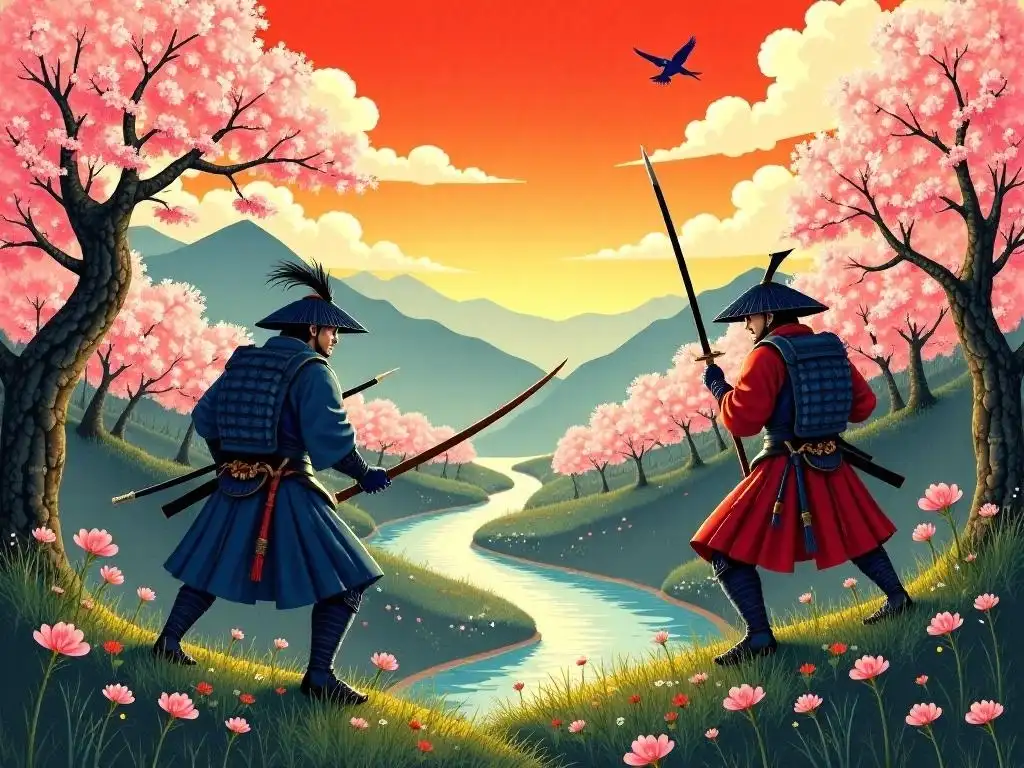
The Genpei War, fought between 1180 and 1185, was not only a pivotal conflict that marked the end of the Heian period but also a significant event that shaped the national identity of Japan. This war, which pitted the Taira clan against the Minamoto clan, established the groundwork for samurai culture and the subsequent rise of the Kamakura shogunate. The cultural impact of the Genpei War on Japan can be observed in various aspects, including literature, the arts, and the broader historical narrative that informs Japan's national identity today.
How the Genpei War Shaped Historical Narratives
The Genpei War has left an indelible mark on Japanese historical narratives, influencing how the past is interpreted and remembered. Chronicles such as the "Heike Monogatari" (The Tale of the Heike) narrate the events of the war and the downfall of the Taira clan, emphasizing themes of honor, loss, and the impermanence of power. This epic not only serves as a historical account but also as a moral lesson that resonates with the Japanese ethos.
- Themes of Loyalty and Betrayal: The war's narratives encapsulate the concepts of loyalty to one's clan and the tragic consequences of betrayal. These themes have been absorbed into the cultural fabric of Japan, often referenced in literature and popular media.
- Heroic Ideals: Figures like Minamoto no Yoshitsune are immortalized as heroic icons, embodying the samurai spirit. This has helped forge a collective identity that values bravery, skill in battle, and a sense of justice.
- Cultural Reflections: The stories stemming from the Genpei War have influenced not only historical texts but also modern interpretations in films, anime, and literature, reinforcing the war's significance in shaping Japan's cultural identity.
The Genpei War in Education and Public Memory
The Genpei War is a crucial component of Japan's educational curriculum, particularly in history classes where its impact on the formation of the samurai class and the feudal system is emphasized.
- Curriculum Inclusion: The battles and strategies employed during the Genpei War are studied in schools, highlighting the conflict's role in Japanese history and its implications for future governance.
- Public Memory: The war is commemorated through various forms of public memory, including museums, historical sites, and educational programs that aim to preserve and propagate the lessons learned from this era.
- Cultural Festivals: Various festivals celebrate the legacy of the Genpei War, such as the "Heike Matsuri," which reenacts battles and pays homage to the warriors of the time. These events serve to educate the public while also fostering a sense of community and national pride.
Commemoration and Remembrance of the Genpei War
The commemoration of the Genpei War extends beyond educational settings into the cultural and social spheres of modern Japan.
- Monuments and Shrines: Numerous monuments and shrines are dedicated to key figures and events of the Genpei War. For instance, the Yoshitsune Shrine in Kōchi honors Minamoto no Yoshitsune, symbolizing the enduring legacy of the war.
- Art and Literature: The Genpei War continues to inspire contemporary artists, writers, and filmmakers. Works that revisit the themes of the Genpei War often explore concepts of heroism, tragedy, and the fleeting nature of success, resonating with modern Japanese society.
- Cultural Identity: As a foundational event in the history of the samurai and the emergence of Japan’s feudal system, the Genpei War contributes significantly to the cultural identity and heritage of Japan, reminding citizens of the values of courage and resilience that have shaped their society.
The Genpei War's cultural impact in Japan is profound and multifaceted, influencing historical narratives, educational practices, and ongoing commemorative efforts. Its legacy remains a vital part of Japan's national identity, illustrating how historical events can shape a nation’s culture and collective memory.
Conclusion
Summary of the Cultural Impact of the Genpei War in Japan
The Genpei War (1180-1185) was not just a pivotal conflict in Japanese history, but also a significant cultural touchstone that has resonated throughout the centuries. Its outcomes shaped the very fabric of Japanese society, influencing literature, art, and theater.
One of the most notable reflections of this impact can be found in the epic tale of "The Tale of the Heike" (平家物語), which chronicles the rise and fall of the Taira clan against the Minamoto. This literary work has not only preserved the historical narrative but also infused it with themes of honor, tragedy, and the impermanence of life, echoing the Buddhist philosophy prevalent in the era.
In addition to literature, the Genpei War’s influences can be seen in traditional Japanese theater forms such as Noh and Kabuki, which often depict scenes and characters from the war. The characters of Yoshitsune and Benkei, for example, have become legendary figures, representing loyalty and valor. These forms of dramatic expression continue to be celebrated and performed, ensuring that the war's cultural legacy remains vibrant.
Future Implications for Understanding Japanese Culture
As scholars and enthusiasts of Japanese culture continue to explore the Genpei War's legacy, its implications extend into contemporary understanding of identity and nationalism in Japan. The conflict's narratives offer insights into the values that have shaped modern Japanese society, such as the concepts of loyalty, honor, and the warrior spirit. Modern adaptations in media, including films, novels, and video games, often draw upon the themes established during the Genpei War, demonstrating how historical events can inform current cultural expressions.
Furthermore, the war's impact on the samurai ethos has become a foundational element in the national consciousness. Understanding the cultural nuances derived from the Genpei War can provide a deeper appreciation for Japanese martial arts, philosophy, and even modern corporate culture, where the principles of loyalty and dedication still hold significant weight.
Final Thoughts on the Legacy of the Genpei War
The legacy of the Genpei War transcends its military significance, embedding itself deeply within the cultural identity of Japan. Its enduring influence is a testament to how historical events can shape societal values, artistic expression, and national identity. From literature to performance arts, the echoes of the Genpei War continue to resonate, reminding us of the complex interplay between history and culture.
As modern Japan navigates its place in a rapidly changing world, the lessons and narratives rooted in the Genpei War offer a lens through which to examine contemporary issues—be it in the realm of politics, social dynamics, or cultural preservation. The war's cultural impact remains a crucial element in understanding Japan's past, present, and future.
References
Suggested Further Reading on the Genpei War
The Genpei War, a pivotal conflict in Japanese history, has inspired numerous works that explore its intricacies and implications. For those looking to delve deeper into the subject, the following resources are recommended:
- "The Tale of the Heike": This epic narrative chronicles the rise and fall of the Taira clan, providing a literary perspective on the war's events and their cultural significance.
- "Genpei: The Story of the Genpei War" by John R. Lombard: This book offers a detailed historical account of the conflict, examining the political and military strategies employed by both the Taira and Minamoto clans.
- "The Samurai: A Military History" by Stephen Turnbull: This work places the Genpei War within the broader context of samurai culture and military history, highlighting its lasting impact on Japanese society.
Notable Academic Works on the Cultural Impact of the Genpei War
The cultural ramifications of the Genpei War are profound, influencing various aspects of Japanese art, literature, and societal norms. Here are some notable academic works that explore these themes:
- "The Cultural Legacy of the Genpei War" by Akira Yoshimura
- This study examines how the war has shaped Japanese cultural identity, particularly through folklore, theater, and visual arts. It emphasizes the enduring themes of honor, loyalty, and tragedy that resonate in contemporary Japanese culture.
- "War and Peace in the Japanese Imagination" by Thomas W. L. Tsubaki
- Tsubaki's work investigates how the Genpei War reflects broader concepts of war and peace in Japanese thought. It delves into the psychological and philosophical implications of the conflict, noting its relevance in modern discourse on nationalism and identity.
- "The Influence of the Genpei War on Modern Japanese Literature" by Haruko Shinoda
- This research highlights how literary representations of the Genpei War have evolved over time, impacting contemporary authors and their approaches to themes of conflict and heroism.
- "Art and Memory in Post-Genpei Japan" by Michiko Hasegawa
- Hasegawa explores the evolution of artistic expressions following the Genpei War, analyzing how historical memory has been preserved and transformed in various art forms, including painting, sculpture, and performance.
These works provide a comprehensive understanding of how the Genpei War continues to influence modern Japanese culture, ensuring its place in both historical and contemporary discussions.
Frequently Asked Questions
What was the Genpei War?
The Genpei War was a civil conflict between the Taira and Minamoto clans from 1180 to 1185. This war marked the beginning of the feudal era in Japan and set the stage for the eventual rise of the shogunate.
How did the Genpei War influence Japanese culture?
The Genpei War had a profound cultural impact in Japan, influencing literature, theater, and even visual arts. Many stories and legends that emerged from this conflict continue to be celebrated in modern Japanese culture.
What are some modern representations of the Genpei War?
Modern representations of the Genpei War can be found in films, manga, and video games, showcasing its lasting legacy. These adaptations often highlight the heroism and tragedy of the war, resonating with contemporary audiences.
How did the Genpei War affect Japanese society?
The war led to significant social changes, including the establishment of the samurai class and a shift in power dynamics. This conflict laid the groundwork for a feudal system that would dominate Japan for centuries.
Why is the Genpei War significant in Japanese history?
The Genpei War is significant because it marked the transition from imperial rule to military governance. This period also set the cultural and political foundations that shaped modern Japan.
Final Reflection: The Enduring Legacy of the Genpei War in Modern Japan
The Genpei War, a pivotal conflict in Japanese history, continues to resonate deeply within contemporary culture, highlighting the timeless themes of honor, struggle, and the quest for identity. As we navigate through the complexities of modern society, the echoes of this historical event remind us of the profound impact that our past can have on our present and future. The stories of the Minamoto and Taira clans serve as a powerful lens through which we can examine our own values and conflicts, emphasizing the importance of understanding history to grasp the nuances of cultural evolution.
Cultural narratives stemming from the Genpei War have shaped not only literature and theater but also the very fabric of Japanese identity. The tales of heroism and tragedy from this era are woven into the collective consciousness of Japan, influencing everything from anime to traditional festivals.
As noted by historian John W. Hall, > “History is not just what happened; it is what we make of what happened.” This perspective invites us to reflect on how the lessons of the Genpei War continue to inspire resilience and creativity in modern Japanese society, fostering a sense of unity and purpose among its people.
As we contemplate the cultural impact of the Genpei War, I encourage you to reflect on your own connection to history and how it shapes your identity. Consider the stories that resonate with you and the values they instill. Let the lessons of perseverance and honor from this historical conflict inspire you to embrace your own challenges and contribute positively to your community. In doing so, we not only honor the past but also pave the way for a more enriched and culturally aware future.
Unveil the Legacy of the Genpei War in Today's Japan!
Thank you for diving into the fascinating world of the Genpei War and its rich influence on modern Japanese culture! By exploring this pivotal moment in history, you've uncovered insights into how past events shape contemporary identities.
Now it's time to take action and connect even deeper with this legacy:
- Dive deeper into this history: Explore recommended readings and documentaries that provide a more profound understanding of the Genpei War.
- Join the conversation: Share your thoughts or experiences related to this period in our community forum. Engage with others who share your passion for this captivating chapter of history!
- Discover cultural reflections: Attend a local exhibition or performance that highlights elements of Japanese culture inspired by the Genpei War—experience the past come alive!
How do you see the echoes of the Genpei War reflected in modern Japanese culture today? Let's ignite a discussion in the comments below!