
The Role of Samurai During the Tokugawa Era: Guardians of Peace or Instruments of War?

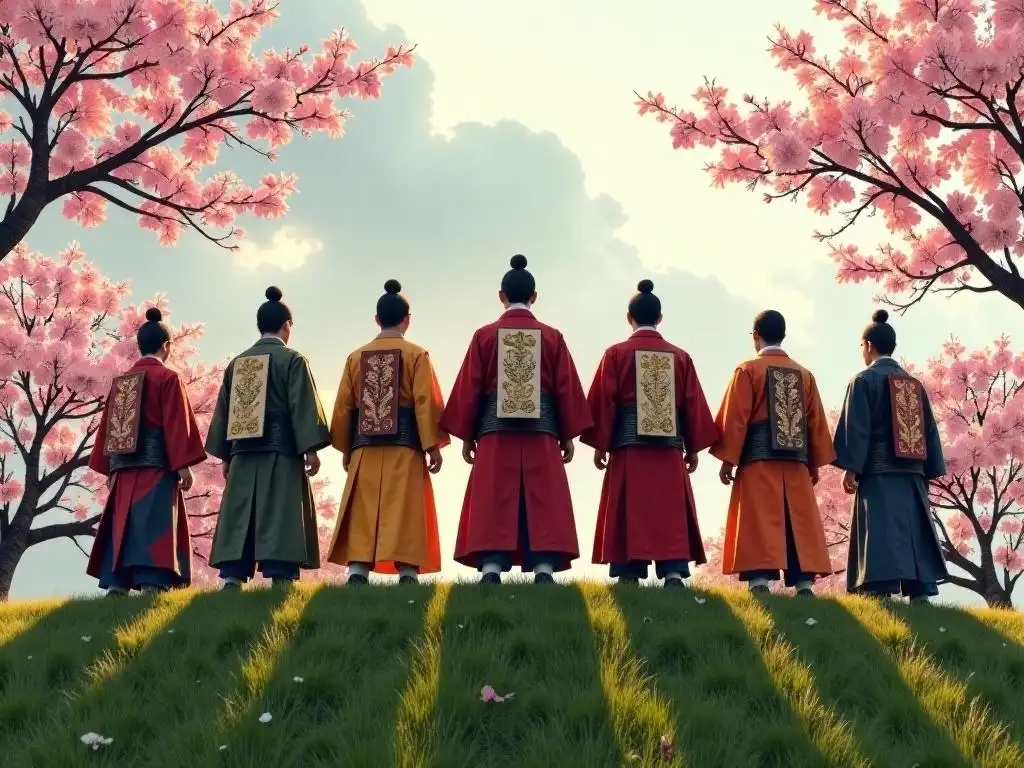
Welcome to Feudal Japan History! Step into the captivating world of Japan’s feudal era, where honor, loyalty, and power played a delicate dance across the archipelago. In our featured article, "The Role of Samurai During the Tokugawa Era: Guardians of Peace or Instruments of War?
", we unravel the complex narrative of the samurai—those enigmatic warriors who shaped the political landscape of Tokugawa Japan. Are they the noble protectors of societal harmony, or do they serve a more tumultuous purpose? Join us as we explore this pivotal chapter in history and discover the multifaceted roles these legendary figures played in a time of both stability and strife.
The Tokugawa Era (1603-1868) marks a pivotal period in Japanese history, characterized by relative peace, stability, and a strict social hierarchy under the rule of the Tokugawa shogunate. Central to this era were the samurai, a class traditionally associated with warfare and martial prowess. However, their role during the Tokugawa period evolved significantly, prompting an intriguing debate: were they primarily guardians of peace, or did they remain instruments of war? This article delves into the multifaceted role of samurai in Tokugawa Japan, examining their historical context, societal functions, and the transformations they underwent during this time.
Introduction to Samurai in Tokugawa Japan
Overview of the Tokugawa Era
The Tokugawa Era was established after the tumultuous Sengoku period, a time marked by civil wars and regional conflicts. Tokugawa Ieyasu, the founder of the shogunate, implemented a centralized government that aimed to consolidate power and promote peace across the nation. This era saw the formalization of a class system, with the samurai at the top, followed by farmers, artisans, and merchants. The policies of the Tokugawa shogunate, known as "sakoku" (closed country), further isolated Japan from foreign influences, allowing the samurai class to adapt to a more peaceful existence.
Importance of Samurai in Feudal Japan
Samurai were not just warriors; they were also cultural and political figures. They upheld the code of bushido, emphasizing loyalty, honor, and discipline. As a result, samurai became the enforcers of the shogunate's laws and maintainers of order within their domains. Their role extended beyond the battlefield; they became scholars, administrators, and patrons of the arts. Thus, the samurai's importance in feudal Japan was multifaceted, contributing to the cultural and social fabric of society.
The Evolution of the Samurai Role in Tokugawa Japan
Historical Background of Samurai Pre-Tokugawa
Before the Tokugawa period, samurai were primarily engaged in warfare, serving as military retainers for feudal lords (daimyō). Their existence was closely tied to the constant conflicts of the Sengoku period, where their skills in combat were paramount. The samurai class was defined by their ability to wield swords and command troops, with their status often reliant on their martial success. Notable figures like Oda Nobunaga and Toyotomi Hideyoshi exemplified this warrior ethos, leading to the unification of Japan and the foundation for the Tokugawa shogunate.
Changes in Samurai Status During the Tokugawa Shogunate
With the establishment of peace, the role of the samurai began to shift dramatically. The need for constant military readiness diminished, leading to a decline in their martial activities. Many samurai found themselves in administrative roles, overseeing local governance and land management. This transition was marked by the following changes:
- Administrative Responsibilities: Samurai became bureaucrats, managing the affairs of their domains and collecting taxes.
- Cultural Patronage: They began to support and engage in cultural pursuits, such as poetry, calligraphy, and tea ceremonies, reflecting a more intellectual and artistic dimension to their identity.
- Social Hierarchy: Despite their declining military function, samurai retained a privileged status in society, maintaining significant influence over the lower classes.
The samurai of the Tokugawa era navigated a complex landscape of peace and governance, reshaping their identity from warriors to guardians of a stable society. This evolution raises critical questions about their legacy as protectors or as instruments of war, setting the stage for a deeper exploration of their role in Japan's political history.
Samurai as Guardians of Peace
The role of samurai during the Tokugawa era, often perceived through the lens of warfare and conflict, also encompassed significant responsibilities in maintaining peace and order. This duality of purpose is essential to understanding the samurai's position and influence in Tokugawa Japan, where the shogunate sought to establish a stable society after a prolonged period of civil wars.
The Peaceful Society of Tokugawa Japan
The Tokugawa shogunate, established in 1603, marked a pivotal shift towards peace, often referred to as the "Edo period." Under the leadership of Tokugawa Ieyasu and his successors, Japan experienced over 250 years of relative peace. This era saw a decline in large-scale warfare, allowing for the emergence of a more civil society.
The emphasis on peace was not merely a product of military might but also a calculated strategy to ensure political stability and economic growth. The samurai, as the ruling class, were tasked with enforcing laws, protecting the populace, and fostering social order. This era also witnessed the development of a rigid class structure, with the samurai at the top, symbolizing authority and responsibility. The peaceful society fostered cultural advancements, trade, and urbanization, all of which were supported by the samurai's role as guardians.
Samurai Duties in Maintaining Order and Governance
Samurai were not just warriors; their duties extended into governance and public service. They served as administrators, judges, and police officers, enforcing the law and managing local affairs. The samurai's code of ethics, known as Bushido, emphasized loyalty, honor, and discipline, which they applied to their roles in governance.
Maintaining order was crucial during the Tokugawa era, as the shogunate implemented policies to control the population and prevent uprisings. Samurai were responsible for suppressing dissent and maintaining peace through various means, from direct enforcement of the law to participating in the shogunate's intelligence network. Their presence in local communities often acted as a deterrent to crime and disorder.
Contributions to Cultural and Social Stability
The samurai's influence extended beyond military and administrative duties; they were also instrumental in promoting cultural and social stability. During this time, the samurai engaged in the patronage of arts, literature, and education, which flourished under their support. The development of Noh and Kabuki theater, as well as the tea ceremony, were significantly influenced by samurai culture.
Moreover, the samurai were seen as role models and leaders within their communities. They upheld the values of loyalty and honor, thereby reinforcing the moral fabric of society. By embodying these ideals, they contributed to a stable social structure where loyalty to the shogunate and adherence to social hierarchies were paramount.
Samurai as Instruments of War
While the samurai played a crucial role in maintaining peace, their origins and some of their functions during the Tokugawa era cannot be separated from their militaristic roots. The samurai class was formed during Japan's feudal age, a period characterized by constant warfare and territorial disputes.
The Militaristic Origins of the Samurai Class
The samurai class emerged in the late 12th century, originally serving as military retainers for powerful lords or daimyō. Their skills in combat and strategies were developed through centuries of warfare, creating a warrior elite focused on martial prowess. This militaristic foundation continued to influence the samurai's identity, even in a time of peace.
The transition from warriors to administrators did not erase their martial heritage; instead, it transformed their role. The samurai maintained their weapons and training, prepared to respond to threats, whether external invasions or internal conflicts. This readiness for warfare, even during times of peace, illustrated the complex nature of their identity in Tokugawa Japan.
The Role of Samurai in Internal Conflicts
Despite the overarching peace, the Tokugawa era was not devoid of conflict. Internal strife did occur, often instigated by rival factions within the samurai class. The samurai were involved in various uprisings, such as the Oni no Koshigoe rebellion and the Boshin War, which highlighted their dual role as both guardians of peace and instruments of war.
During these conflicts, samurai were called upon to assert their martial skills. Their training and experience in battle were crucial in maintaining or challenging the established order. Such internal conflicts often stemmed from dissatisfaction with the shogunate or rivalries among daimyō, reflecting the tensions that could arise even in a time marked by relative stability.
Impact of Samurai Warfare on Tokugawa Society
The legacy of samurai warfare during the Tokugawa era left a lasting impact on Japanese society. While the shogunate prioritized peace, the samurai's readiness for battle influenced military strategies, political alliances, and social hierarchies. Their involvement in conflicts shaped the political landscape, sometimes resulting in significant shifts in power.
Moreover, the existence of a warrior class maintained a military ethos within society. The samurai's codes and principles continued to resonate, affecting the values of later generations. The interplay between their roles as guardians of peace and instruments of war illustrates the complexities of the samurai's legacy in Tokugawa Japan, reflecting both their historical significance and the evolving nature of their responsibilities.
The Duality of Samurai Identity
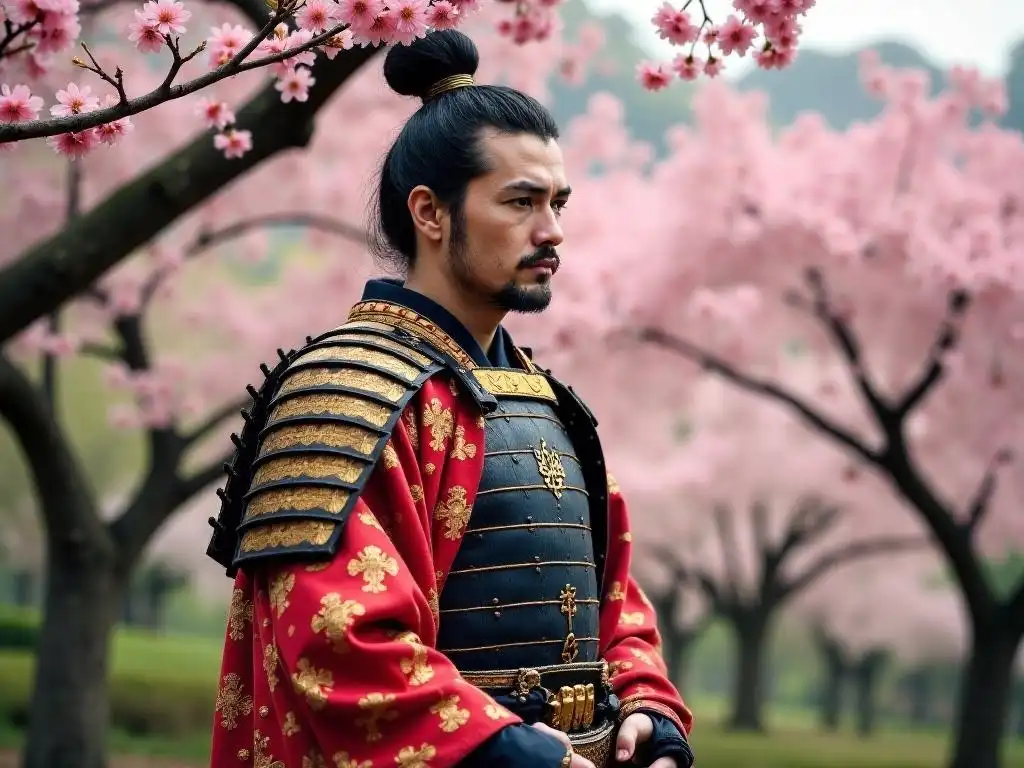
The samurai of the Tokugawa era (1603-1868) existed within a complex framework that blended martial prowess with civil governance. This duality created a unique identity for the samurai, positioning them as both warriors and administrators. The period marked a significant transition from constant warfare to relative peace, leading to a transformation in the samurai's role within society.
As peace prevailed under the Tokugawa shogunate, the samurai were required to adapt from their traditional roles as battlefield warriors to those of bureaucrats, educators, and cultural leaders. This shift not only affected their daily lives but also influenced their social status and the perception of their identity in society. The samurai were expected to embody the ideals of loyalty, honor, and discipline, which became increasingly relevant in a time of stability.
Balancing Warrior Ethos and Bureaucratic Responsibilities
The balancing act between maintaining their warrior ethos and fulfilling bureaucratic responsibilities was central to the samurai's identity during the Tokugawa era. Samurai were often tasked with administrative roles, including tax collection, law enforcement, and governance of local territories. These duties required a different skill set than that of the battlefield, prompting many samurai to cultivate abilities in diplomacy, management, and education.
Despite the shift towards peacetime duties, the samurai maintained a martial spirit. Many engaged in regular training in martial arts and continued to uphold the traditional values of their class. This duality often created internal conflicts, as some samurai struggled to reconcile their identities as warriors with their new roles as civil servants. The challenge was to find a harmonious balance that honored their heritage while adapting to the demands of a changing society.
The Philosophy of Bushido in Peace and War
Bushido, the "way of the warrior," served as the ethical framework guiding samurai conduct throughout the Tokugawa era. This philosophy emphasized virtues such as loyalty, honor, and self-discipline, which remained relevant whether in peace or conflict. During the Tokugawa period, Bushido evolved to reflect the societal changes, integrating Confucian ideals and emphasizing moral rectitude alongside martial skill.
In times of peace, Bushido encouraged samurai to engage in cultural pursuits, such as poetry, tea ceremonies, and calligraphy, fostering a sense of refinement and intellectualism. However, the principles of Bushido also provided a foundation for samurai to act decisively in the face of conflict, ensuring that their actions aligned with their ethical beliefs. This dual application of Bushido made it a powerful tool for navigating the complexities of their roles, reinforcing their identity as both guardians of peace and instruments of war when necessary.
Case Studies of Notable Samurai During the Tokugawa Era
Example 1: Tokugawa Ieyasu
Tokugawa Ieyasu, the founder of the Tokugawa shogunate, exemplified the duality of samurai identity. Originally a feudal lord and warrior, Ieyasu played a pivotal role in unifying Japan after a century of civil strife. His strategic acumen in both military and political arenas allowed him to secure his position as shogun, establishing a regime that prioritized stability and governance over warfare.
During his tenure, Ieyasu implemented policies that reinforced the samurai's bureaucratic roles, promoting education and civil service among the warrior class. His legacy emphasized the importance of peace, leading to a flourishing of culture and commerce in feudal Japan. Ieyasu's life and choices illustrate how a samurai could transition from the battlefield to the council chamber, embodying the virtues of Bushido in both spheres.
Example 2: Date Masamune
Date Masamune, known for his distinct appearance and formidable reputation, was another notable figure of the Tokugawa era. Although Masamune was a competent warrior, he also recognized the necessity of adopting a more diplomatic approach during times of peace. He established alliances and engaged in trade, which helped bolster his domain's economy while promoting cultural exchanges.
Masamune's multifaceted persona as both a warrior and a leader allowed him to navigate the complexities of the Tokugawa regime effectively. His legacy includes not only military prowess but also contributions to the arts and culture, showcasing the broader spectrum of samurai roles during this transformative period.
Analysis of Their Roles in Peace and Conflict
Analyzing the roles of Tokugawa Ieyasu and Date Masamune reveals how the samurai adapted to the socio-political landscape of the Tokugawa era. Both figures illustrate the balance between martial and bureaucratic responsibilities, exemplifying how samurai could be effective leaders while upholding the warrior ethos of Bushido.
Ieyasu's focus on stability and governance laid the groundwork for a peaceful Japan, while Masamune's diplomatic efforts and cultural patronage highlighted the diverse capabilities of samurai beyond warfare. Their legacies serve as reminders of the nuanced roles samurai played during a time that sought to harmonize the ideals of a warrior class with the demands of a more peaceful society, ultimately redefining what it meant to be a samurai in Tokugawa Japan.
The Decline of Samurai Influence
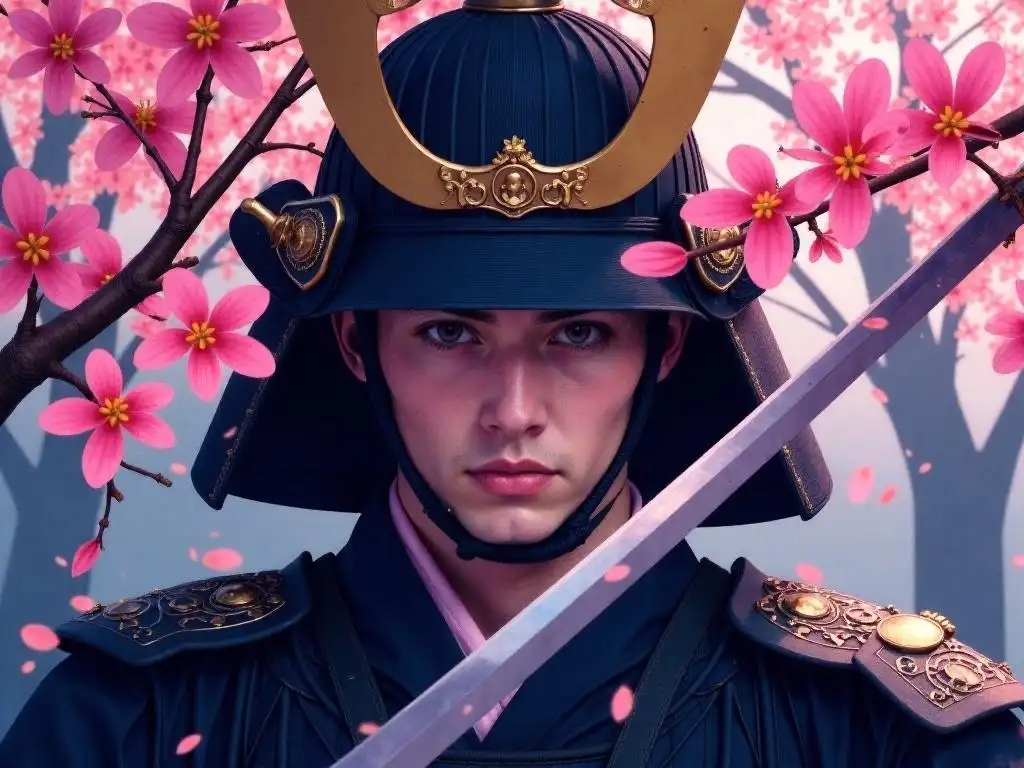
The Tokugawa era, which spanned from 1603 to 1868, was a time of relative peace in Japan after centuries of civil strife. However, this peace came at a cost to the samurai class, whose influence and power began to wane as the shogunate solidified its control. By the late Tokugawa period, the samurai were no longer the dominant military force they had once been, leading to a significant decline in their societal role.
As the era progressed, the rigid social hierarchy established by the Tokugawa shogunate increasingly marginalized the samurai. They were systematically replaced in military roles by more efficient means of governance, leading to a slow erosion of their traditional power. This decline was exacerbated by economic changes and the rise of a merchant class, which began to flourish in the peace of the Tokugawa period, ultimately redefining wealth and influence in Japanese society.
Factors Leading to the Diminishing Role of Samurai
Several key factors contributed to the diminishing role of the samurai during the Tokugawa era:
- Economic Shifts: The flourishing merchant class gained economic power, leading to a shift in societal dynamics. With the rise of commerce, wealth became more accessible to those outside the samurai class, undermining their social dominance.
- Peace and Stability: The long-lasting peace under Tokugawa rule diminished the need for a standing warrior class. With no wars to fight, many samurai found themselves without purpose, leading to discontent and a re-evaluation of their role in society.
- Government Reforms: The Tokugawa shogunate implemented various reforms that reduced the samurai's military responsibilities and centralized power. These reforms aimed to maintain order, but they also restricted the samurai's ability to act independently.
- Cultural Changes: As the samurai transitioned from warriors to bureaucratic roles, their martial skills became less valued. The emergence of new cultural and philosophical ideas, such as Confucianism, emphasized scholarly pursuits over martial prowess.
The Meiji Restoration and Its Impact on Samurai Legacy
The Meiji Restoration of 1868 marked a dramatic turning point for Japan, leading to the abolishment of the feudal system and the samurai class. The Restoration aimed to modernize Japan and strengthen it against foreign powers, which necessitated significant political and social changes.
The samurai, once revered as the elite warrior class, found themselves stripped of their privileges and status. The new Meiji government implemented a series of reforms that effectively dismantled the samurai's traditional roles. The abolition of the samurai's stipends and the establishment of a conscript army meant that their military function was entirely replaced.
Despite this decline, the legacy of the samurai lived on in various forms. Many former samurai became influential in the new government, utilizing their education and skills for administrative purposes. Furthermore, the romanticized ideals of bushido, the way of the warrior, persisted in Japanese culture, influencing literature, arts, and national identity throughout the modernization process.
Conclusion
Summary of Samurai's Role in Tokugawa Japan
The samurai's role during the Tokugawa era evolved significantly from that of warriors to bureaucrats as peace settled over Japan. While they initially held considerable power and influence, their status diminished due to economic changes, government policies, and cultural shifts. The period highlighted their adaptability, yet it also underscored the challenges they faced in a rapidly changing society.
Reflection on Their Legacy as Guardians of Peace or Instruments of War
The legacy of the samurai is complex. On one hand, they were guardians of peace, maintaining order and stability during an era of tranquility. On the other hand, their historical roots as instruments of war cannot be ignored. The duality of their existence raises intriguing questions about their identity and contributions to Japanese society. Ultimately, the samurai embody a unique blend of martial valor and cultural significance, leaving a lasting imprint on Japan's history that continues to be celebrated and debated today.
Further Reading and Resources
For those interested in delving deeper into the complex role of samurai during the Tokugawa era, a variety of books and articles provide a wealth of information. These resources encompass both scholarly research and accessible narratives that highlight the cultural, political, and social dynamics of this fascinating historical period.
Recommended Books on Samurai and Tokugawa Japan
-
"Samurai: The Story of a Warrior Tradition" by John M. Mann
This book offers an engaging overview of the samurai tradition, tracing its evolution from the Heian period to the Tokugawa era, exploring how these warriors adapted to changing political landscapes.
-
"The Tokugawa World" edited by Peter Nosco
A comprehensive anthology that examines various aspects of life during the Tokugawa shogunate, including governance, economy, and the samurai class's role in shaping Japanese society.
-
"Hagakure: The Book of the Samurai" by Yamamoto Tsunetomo
A classic text that provides insight into the philosophy of the samurai, reflecting on duty, loyalty, and the warrior code, which was influential during the peaceful yet rigid Tokugawa period.
-
"Warriors of Japan: The Story of the Samurai and the Ninja" by James A. Michener
This book discusses the historical context of the samurai alongside the ninja, providing a balanced perspective on their respective roles and contributions throughout Japan's feudal history.
-
"The Samurai: A Military History" by Stephen Turnbull
Turnbull's work focuses on the military aspects of the samurai, detailing their strategies and battles while highlighting how these elements transformed during the Tokugawa period.
Additional Articles on Feudal Japan History
-
"The Samurai Code: Bushido and Its Influence on Japanese Culture"
This article explores the samurai's ethical code of conduct, known as Bushido, and how it shaped social norms and values during the Tokugawa era.
-
"The Impact of the Tokugawa Shogunate on Samurai Culture"
An in-depth analysis of how the Tokugawa shogunate influenced samurai culture, leading to a shift from warriors of war to bureaucrats and peacekeepers.
-
"Samurai and the Arts: Cultural Contributions During the Tokugawa Era"
This piece discusses the artistic and cultural advancements made by samurai, showcasing their contributions to literature, theater, and visual arts during a time of peace.
-
"Revisiting the Samurai: Myth and Reality in Tokugawa Japan"
An investigative article that debunks common myths surrounding samurai, providing a nuanced view of their actual roles and daily lives in Tokugawa Japan.
These resources collectively contribute to a richer understanding of the multifaceted role of samurai in Tokugawa Japan, offering valuable insights into their legacy as both guardians of peace and instruments of war.
- Introduction to Samurai in Tokugawa Japan
- The Evolution of the Samurai Role in Tokugawa Japan
- Samurai as Guardians of Peace
- Samurai as Instruments of War
- The Duality of Samurai Identity
- Balancing Warrior Ethos and Bureaucratic Responsibilities
- The Philosophy of Bushido in Peace and War
- Case Studies of Notable Samurai During the Tokugawa Era
- The Decline of Samurai Influence
- Conclusion
- Further Reading and Resources
- What was the primary role of the samurai during the Tokugawa era?
- How did the Tokugawa shogunate impact the status of the samurai?
- Were the samurai only warriors during the Tokugawa period?
- What cultural contributions did samurai make during the Tokugawa era?
- How did the perception of samurai change by the end of the Tokugawa era?
Frequently Asked Questions
What was the primary role of the samurai during the Tokugawa era?
The samurai primarily served as warriors and administrators, maintaining order and enforcing the will of the ruling shogunate to ensure stability in society.
How did the Tokugawa shogunate impact the status of the samurai?
The Tokugawa shogunate created a more peaceful society, which diminished the military role of the samurai, transforming them into more of a bureaucratic and cultural class.
Were the samurai only warriors during the Tokugawa period?
No, while samurai were originally known as warriors, during the Tokugawa period, many became involved in administration, education, and art, embodying a broader cultural role.
What cultural contributions did samurai make during the Tokugawa era?
The samurai significantly influenced Japanese culture, promoting the arts, literature, and philosophy, which led to the development of traditional practices such as tea ceremonies and martial arts.
How did the perception of samurai change by the end of the Tokugawa era?
By the end of the Tokugawa era, the perception of samurai shifted from noble warriors to feudal retainers, as their relevance declined with the onset of modernization and the end of the feudal system.
Final Reflection: The Dual Legacy of Samurai in Tokugawa Japan
The role of samurai during the Tokugawa era remains profoundly relevant today, as it encapsulates the intricate balance between peace and conflict. In a world where the echoes of historical conflicts still resonate, understanding the samurai's duality as both guardians of peace and instruments of war offers critical insights into how societies navigate power dynamics and governance. The samurai's legacy challenges us to reflect on the complexities of authority and the moral responsibilities that come with it.
Culturally, the samurai's influence extends far beyond their historical context, shaping modern perceptions of honor, loyalty, and discipline. Their ethos continues to inspire various aspects of Japanese culture, from literature to film, and even in contemporary discussions about leadership and ethics. As the renowned philosopher Daisaku Ikeda once said, The true warrior is one who conquers himself.
This notion emphasizes the ongoing relevance of the samurai's internal struggle, reminding us that the greatest battles often occur within ourselves, influencing our actions in the world.
As we reflect on the samurai's legacy, I invite you to consider how the lessons learned from their era can be applied to your own life. What does it mean to be a guardian of peace in your community, and how can you balance the forces of conflict and harmony? Embrace the samurai spirit by cultivating resilience, integrity, and a commitment to justice in your daily actions. The past holds valuable lessons for the future, and it is up to each of us to carry forward the ideals that promote peace and understanding in our own lives.
Embrace the Legacy of the Samurai!
Thank you for taking the time to delve into the fascinating world of the samurai during the Tokugawa era! You've gained insight into their complex roles as both guardians of peace and instruments of war. Now, it's time to take that knowledge and turn it into action!
- Explore further: Immerse yourself in this captivating history by reading more about the cultural and societal influences of the samurai. Check out additional articles on Feudal Japan to expand your understanding!
- Join the conversation: Share your thoughts about the samurai's duality with friends or in online communities. Start a discussion about their impact on modern Japanese culture or how they are perceived in historical narratives.
- Unveil your knowledge: Challenge yourself by creating a small presentation or blog post on how the samurai's legacy continues to influence contemporary society.
As you reflect on the samurai's role in shaping history, consider this: What does the legacy of the samurai inspire in you, and how can it influence your perspective on conflict and peace in today's world?