
Understanding the Bakufu: The Military Government of the Shogun

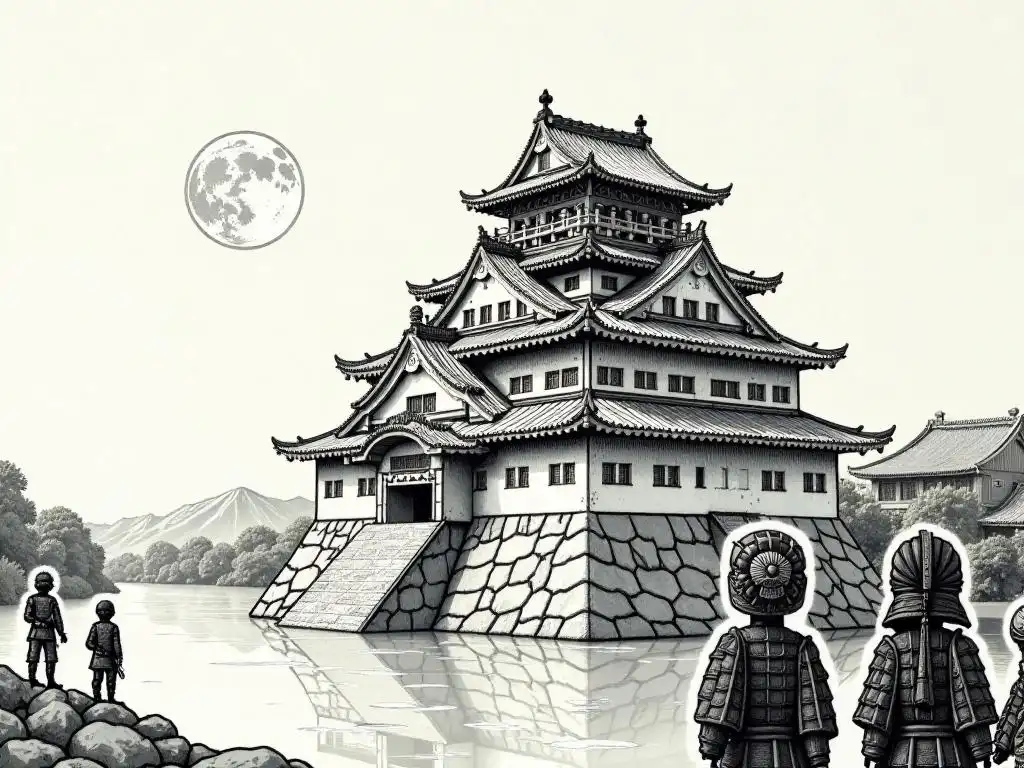
Welcome to Feudal Japan History, where we invite you to journey back in time to uncover the intricate tapestry of Japan's feudal era. Delve into the Bakufu military government, a powerful institution that shaped the very fabric of Japanese society under the rule of the Shogun. What drove these military leaders to consolidate power, and how did their governance influence the culture and politics of their time? Prepare to ignite your curiosity as we unravel the complexities of this pivotal period in history. Read on to discover the fascinating dynamics of the Bakufu and its lasting legacy!
Introduction to Bakufu and Its Significance in Japan
The term Bakufu refers to the military government established in Japan during its feudal era, primarily characterized by the rule of the shogun. This system was pivotal in shaping Japan's political landscape, influencing not only governance but also societal structures and cultural developments. The Bakufu embodied a significant shift from imperial rule to a military-based governance model, which prioritized the authority of the shogun and his samurai class. Understanding the intricacies of the Bakufu is essential for comprehending the broader historical context of feudal Japan, as it symbolizes the complex interplay between military power and political authority.
Definition of Bakufu: Military Government Explained
The Bakufu literally translates to "tent government," a term that originated from the military encampments of the shoguns. This designation reflects its roots in military leadership and the transient nature of its authority. The Bakufu functioned as a centralized military government, where the shogun served as the supreme commander of the armed forces and exercised control over the country through a network of regional lords known as daimyō.
Key characteristics of the Bakufu include:
- Military Leadership: The shogun held ultimate power, often overshadowing the emperor's authority.
- Feudal System: The Bakufu operated on a feudal system, where land ownership and loyalty defined relationships among the samurai, daimyō, and the shogunate.
- Legal and Administrative Functions: The Bakufu was responsible for law enforcement, taxation, and maintaining order within its territories.
Historical Context of the Bakufu in Feudal Japan
The establishment of the Bakufu marked a critical turning point in Japanese history. Originating in the late 12th century with the Kamakura Bakufu, this military government arose amidst a backdrop of clan warfare and political instability. As various clans vied for power, the need for a centralized authority became increasingly apparent. The Kamakura period (1185-1333) saw the first shogunate emerge, setting the stage for subsequent Bakufu systems, including the Ashikaga and Tokugawa shogunates.
Each iteration of the Bakufu brought unique contributions to Japan's governance:
- Kamakura Bakufu: Established the precedent of military rule and began the samurai's rise to prominence.
- Ashikaga Bakufu: Introduced cultural developments, including the flourishing of arts and Zen Buddhism.
- Tokugawa Bakufu: Achieved unprecedented stability and isolation, leading to a distinct period of peace known as the Edo period.
The Structure of the Bakufu Military Government
The Bakufu's military government was characterized by a hierarchical structure that facilitated effective governance and control over the samurai class and the broader populace. This organization was vital for maintaining order and ensuring loyalty among the various feudal lords.
Hierarchical Organization of the Bakufu
The hierarchy within the Bakufu was meticulously organized, often visualized as follows:
- Shogun: The top military leader with absolute power.
- Daimyō: Feudal lords who governed specific regions and pledged allegiance to the shogun.
- Samurai: The warrior class who served the daimyō and upheld the code of bushido.
This hierarchical structure ensured that the shogun could maintain control over the entire nation, while the daimyō managed local affairs and the samurai enforced loyalty and order.
Key Figures in the Bakufu: Shogun, Daimyo, and Samurai
Understanding the roles of key figures within the Bakufu is crucial for grasping its political dynamics:
- Shogun: As the head of the Bakufu, the shogun was the de facto ruler of Japan, wielding military and political power. Famous shoguns like Minamoto no Yoritomo and Tokugawa Ieyasu played pivotal roles in shaping the direction of feudal Japan.
- Daimyō: These regional lords held significant power, managing their domains and providing military support to the shogun. The loyalty of the daimyō was essential for the stability of the Bakufu.
- Samurai: The backbone of the military government, samurai were not only warriors but also administrators and landowners. Their loyalty to their daimyō and adherence to bushido were vital for the maintenance of the feudal order.
The Bakufu's intricate structure and the roles of its key figures highlight the interplay between military governance and the feudal system that defined Japan's historical landscape. Understanding these elements provides a clearer insight into the complexities of Japanese political history during the feudal era.
The Role of the Shogun in the Bakufu System
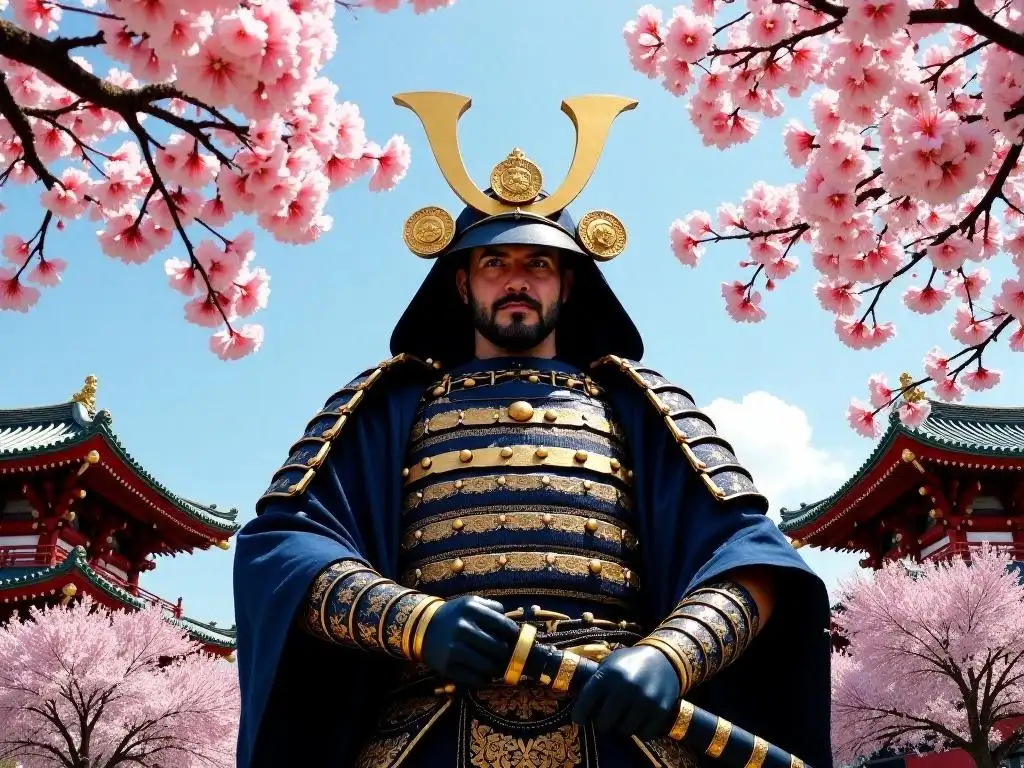
The shogun served as the de facto ruler of Japan during the feudal era, wielding substantial military and political power within the Bakufu system. This hierarchical structure was established to maintain order and manage the complexities of governance in a time marked by warfare and regional conflicts. The shogun's authority was primarily based on military strength, commanding loyalty from samurai and regional lords (daimyōs) who were essential to the shogunate's stability. The shogun's role encompassed a blend of military leadership and administrative oversight, enabling him to enforce laws, collect taxes, and control land.
Under the Bakufu system, the shogun not only directed military campaigns but also established a network of governance that extended across the country. This included appointing various officials and managing relationships with the daimyōs, ensuring that loyalty was maintained through a mix of reward, threat, and political maneuvering. The shogun was responsible for the overall security of the realm, which often included strategic alliances and military campaigns against rival factions. Thus, the role of the shogun was pivotal in shaping Japan's feudal landscape, as they acted as the central authority amidst the decentralized power held by the daimyōs.
Powers and Responsibilities of the Shogun
The powers of the shogun were extensive, encompassing military, political, and judicial authority. Key responsibilities included:
- Military Command: The shogun was the supreme military leader, responsible for national defense and the conduct of military campaigns. This role required strategic acumen and the ability to mobilize resources effectively.
- Judicial Authority: The shogun had the power to adjudicate disputes and enforce laws. This judicial role was crucial in maintaining order and resolving conflicts among the samurai and the common people.
- Administrative Control: The shogun oversaw the administration of the Bakufu, appointing officials to manage various regions and ensuring that the policies were implemented effectively.
- Taxation and Economic Management: The shogun was responsible for the collection of taxes from the daimyōs, which were vital for funding military campaigns and maintaining the shogunate's administrative apparatus.
The shogun's power was not absolute, as he had to navigate the complexities of feudal allegiances and the ambitions of powerful daimyōs. However, the shogun's ability to wield both military and administrative power was essential for the stability and longevity of the Bakufu system.
The Shogun's Relationship with the Emperor
The relationship between the shogun and the emperor was intricate and often characterized by a delicate balance of power. While the emperor held a revered position as the spiritual and cultural leader of Japan, the shogun operated as the political ruler. This dynamic was rooted in a political compromise established during the Kamakura period, where the shogunate gained control while the emperor retained ceremonial authority.
The shogun often sought to legitimize his rule through the emperor's endorsement, which was vital for gaining acceptance among the populace and the warrior class. This relationship allowed the shogun to present himself as the protector of the state and the emperor's interests. Over time, especially during the Tokugawa period, the emperor became more of a symbolic figure, with the shogun exercising practical governance and decision-making. The shogunate's ability to maintain this balance was crucial for the stability of the political system, preventing conflicts between the two powers that could undermine the authority of the Bakufu.
The Evolution of Bakufu Through Different Periods
The Bakufu system evolved significantly throughout Japan's feudal history, adapting to changing political, social, and cultural contexts. Each period brought unique characteristics and challenges that shaped the nature of military governance.
Kamakura Bakufu: The Birth of Military Governance
The Kamakura Bakufu, established in 1192 by Minamoto no Yoritomo, marked the inception of military governance in Japan. This era was characterized by the consolidation of power among the samurai class and the establishment of a new political order that prioritized military might over noble lineage. The Kamakura Bakufu faced immediate challenges, such as the Mongol invasions in the late 13th century, which tested the resilience of this new regime.
During this period, the shogunate implemented a system of land distribution, granting land to loyal warriors in exchange for military service. This feudal structure strengthened the loyalty of samurai and created a class of warriors committed to the shogun's authority. However, internal strife, including conflicts among rival clans and dissatisfaction among the samurai, ultimately led to the decline of the Kamakura Bakufu by the late 14th century.
Ashikaga Bakufu: Cultural Flourishing and Political Challenges
The Ashikaga Bakufu, founded in 1336 by Ashikaga Takauji, signified a shift towards a more culturally vibrant era. This period saw the rise of the Muromachi culture, characterized by advancements in arts, literature, and the development of Zen Buddhism. The Ashikaga shogunate, however, struggled with political instability and the challenge of managing powerful daimyōs.
While the Ashikaga Bakufu promoted cultural flourishing, it faced significant challenges, including the Onin War (1467-1477), which led to a breakdown of centralized authority. The shogunate's weakening grip on power resulted in the rise of local warlords, setting the stage for a fragmented Japan and paving the way for the emergence of the Tokugawa Bakufu.
Tokugawa Bakufu: Stability and Isolation
The Tokugawa Bakufu, which began in 1603 with Tokugawa Ieyasu's ascension, is often viewed as the most stable and enduring of the shogunates. This era was marked by significant political and social control, which was established through a strict caste system and a policy of sakoku (national isolation). The Tokugawa shogunate effectively curtailed foreign influence and maintained peace through a balance of power among the daimyōs.
Under Tokugawa rule, Japan experienced a period of economic growth, urbanization, and cultural development, including the flourishing of the Edo period arts. However, by the mid-19th century, increasing internal strife and external pressures led to the decline of the Tokugawa Bakufu, culminating in the Meiji Restoration of 1868, which marked the end of feudal governance in Japan.
Through these distinct periods, the Bakufu system adapted to the evolving landscape of Japanese society, laying the groundwork for modern governance while leaving a lasting legacy on Japan's political and cultural history.
The Functioning of the Bakufu in Daily Governance
The Bakufu, or shogunate, was the military government that effectively ruled Japan during the feudal period. It played a critical role in the daily governance of the nation, providing a framework for administration, law, and economic management. The shogun, the supreme military leader, was at the helm of this structure, supported by a network of daimyo (feudal lords) and samurai warriors who enforced the Bakufu’s policies across their territories. This hierarchical system allowed for a degree of local autonomy while maintaining overall control through the Bakufu’s centralized authority.
The Bakufu's governance was characterized by a series of councils and bureaucratic offices that managed various aspects of state affairs. Each region was overseen by a daimyo, who was responsible for the administration of the local populace, tax collection, and law enforcement. The Bakufu ensured that these local leaders adhered to its policies through a combination of rewards and threats, creating a delicate balance of power that helped maintain stability in the realm.
Administrative Functions of the Bakufu
The administrative functions of the Bakufu were multifaceted and essential for maintaining order and governance throughout Japan. The shogunate employed a structured bureaucracy that included various officials tasked with specific responsibilities. Key administrative roles included:
- Shikken (Regent): The shikken acted as the shogun's deputy, particularly during the Kamakura period, managing day-to-day affairs and representing the shogun in his absence.
- Jito (Stewards): Jito were appointed to oversee manors and lands, ensuring that taxes were collected and local disputes were resolved.
- Shugo (Constables): These officials managed military affairs in the provinces, maintaining peace and security while also serving as the shogun's representatives.
This bureaucratic structure allowed the Bakufu to exercise control over vast territories, facilitating effective governance through a system that balanced local autonomy with centralized authority.
Legal System Under the Bakufu: Justice and Order
The legal system under the Bakufu was crucial for establishing justice and maintaining order in society. The shogunate implemented a code of laws known as the Gokinai and other regulations that dictated the conduct of samurai and commoners alike. These laws were enforced through local magistrates, who were appointed by the Bakufu and held the authority to adjudicate disputes and administer punishments.
Key aspects of the legal system included:
- Feudal Laws: Samurai were bound by a strict code of conduct known as bushido, which dictated their behavior and responsibilities. Violations could lead to severe penalties, including loss of status or even death.
- Dispute Resolution: The Bakufu established courts to handle civil and criminal cases, ensuring that justice was served fairly. The process often involved mediation to resolve conflicts amicably.
- Punishments: The legal system utilized a range of punishments, from fines to executions, reflecting the severity of the crime. Public executions were common and served as a deterrent.
This legal framework helped the Bakufu maintain social order and reinforced the power of the shogunate in governance.
Economic Policies and Taxation in Bakufu Japan
The Bakufu's economic policies were instrumental in sustaining the feudal structure and ensuring the wealth of the shogunate. Primarily agrarian, Japan's economy relied on the production of rice, which served as the main form of currency and tax. The Bakufu implemented a system of taxation that was both complex and strategic, designed to maximize revenue while minimizing peasant discontent.
- Land Taxation: The primary tax was levied on agricultural production, with rice being the primary commodity. Each region was assessed based on the fertility of the land and its capacity for production.
- Market Regulations: The Bakufu regulated trade and commerce to maintain economic stability. This included setting prices for goods and controlling the flow of resources.
- Infrastructure Development: The shogunate invested in infrastructure, such as roads and waterways, to facilitate trade and movement of troops, thus enhancing economic growth.
These policies ensured that the Bakufu could finance its military campaigns, support the samurai class, and maintain its control over the provinces.
The Influence of the Bakufu on Japanese Society and Culture
The Bakufu had a profound impact on Japanese society and culture, shaping the lives of the people and influencing various aspects of daily life. The structure of the feudal system established a distinct social hierarchy, which played a critical role in the organization of society.
Military Influence on Society and Class Hierarchy
The Bakufu's military governance established a rigid class hierarchy, with samurai at the top, followed by farmers, artisans, and merchants. This stratification was reinforced by the samurai's role as both warriors and administrators, who were expected to uphold the values of loyalty and honor.
- Samurai Class: The samurai were not only responsible for military defense but also for governance, serving as local leaders and enforcers of the Bakufu's laws. Their status was revered, and they played a critical role in the cultural identity of Japan.
- Peasantry: Farmers were crucial to the economy, as their labor supported the samurai class. However, they faced heavy taxation and restrictions, which often led to resentment and uprisings.
- Cultural Exchange: The interactions between the different classes fostered cultural developments, as the samurai adopted various artistic and literary forms from the merchant class, leading to a rich cultural tapestry.
This military influence established a society where loyalty to the shogun was paramount, and the social structure remained largely unchanged for centuries.
Cultural Developments During the Bakufu Era
The Bakufu era was marked by significant cultural developments that reflected the complexities of Japanese society. The stability provided by the shogunate allowed for the flourishing of arts, literature, and philosophy, which were often sponsored by the samurai class.
- Literature: The rise of samurai literature, such as the Tale of the Heike, depicted the lives and values of the warrior class, while poetry forms like haiku became popular among the elite.
- Theater: Traditional forms of theater, including Noh and Kabuki, emerged during this period, reflecting societal themes and the samurai ethos.
- Art and Architecture: The Bakufu also influenced the visual arts, with the development of unique styles in painting and the construction of impressive castles that symbolized power.
These cultural developments not only enriched Japanese society but also laid the groundwork for future artistic expressions.
The Legacy of the Bakufu in Modern Japan
The legacy of the Bakufu continues to resonate in modern Japan, shaping its political structures, social norms, and cultural identity. The systems established during the feudal era have left an indelible mark on the nation's history.
- Political Structures: Elements of the Bakufu's governance can be seen in contemporary Japan's political institutions, where centralized authority and regional governance coexist.
- Cultural Heritage: Many cultural practices, such as martial arts and traditional festivals, trace their origins to the Bakufu period, reflecting the enduring influence of samurai values.
- Historical Memory: The romanticized image of the samurai and the shogunate era persists in popular culture, from films to literature, fostering a sense of national identity tied to this rich historical narrative.
The Bakufu military government profoundly impacted Japan, shaping its governance, society, and culture in ways that continue to influence the nation today.
Challenges Faced by the Bakufu Military Government
The Bakufu, or military government of the shogun, faced numerous challenges throughout its existence, which were pivotal in shaping Japan's political landscape. These challenges spanned various aspects, including internal conflicts, foreign relations, and significant events that marked the decline of the Bakufu. Understanding these challenges provides insight into the complexities and dynamics of feudal Japan.
Internal Conflicts and Power Struggles
Internal conflicts within the Bakufu often stemmed from power struggles among the samurai class and rival clans. The shogunate was not a monolithic entity; it consisted of various factions that vied for influence and control. Key examples include:
- The Genpei War (1180-1185): This conflict between the Taira and Minamoto clans not only established the first shogunate but also set a precedent for future power struggles. The Minamoto victory led to the establishment of the Kamakura Bakufu.
- The Kamakura Period Infighting: During the Kamakura period, the shogunate grappled with discontent from powerful regional lords (daimyō) who sought autonomy, leading to rebellions like the Jōkyū War (1221).
- The Ashikaga Shogunate Fragmentation: In the 14th century, the Ashikaga Bakufu faced significant challenges, including the Onin War (1467-1477), which erupted due to a succession dispute and ultimately led to the Sengoku period, characterized by widespread civil war and fragmentation of power.
These internal conflicts not only weakened the authority of the shogunate but also highlighted the fragile nature of feudal allegiance and governance.
Foreign Relations and External Threats
The Bakufu's foreign relations were characterized by both diplomatic endeavors and military threats. Japan's geographic isolation made it relatively insulated, yet several external challenges emerged:
- Mongol Invasions (1274 and 1281): The most significant external threat during the Kamakura period came from the Mongol Empire. The failed invasions underscored the importance of naval power and led to a strengthened sense of Japanese identity.
- The Rise of European Powers: With the arrival of Portuguese traders in the 16th century, Japan faced new dynamics in trade and technology. The Bakufu struggled to manage the influence of Christianity and foreign traders, leading to the eventual sakoku (closed country) policy in the early Edo period.
- The Opium Wars and Western Imperialism: As the Bakufu neared its decline in the 19th century, pressure from Western powers highlighted Japan's vulnerabilities. The unequal treaties that followed forced Japan to reconsider its isolationist policies.
These foreign relations often placed the Bakufu in a precarious position, balancing the need for diplomacy with the demands of national defense.
The Decline of the Bakufu: Factors and Events
The decline of the Bakufu was a complex process influenced by various factors and significant events that undermined its stability:
- Economic Strains: The feudal economy was heavily reliant on agriculture, and poor harvests often led to famine and civil unrest. The rising costs of maintaining the military and bureaucracy strained resources, contributing to financial instability.
- Rise of the Merchant Class: The emergence of a wealthy merchant class challenged the traditional social hierarchy. This shift in economic power began to erode the authority of the samurai and the Bakufu.
- Political Reforms and the Meiji Restoration: The late 19th century saw increasing calls for political reform, culminating in the Meiji Restoration of 1868. This movement dismantled the Bakufu system and led to the establishment of a centralized government, marking a significant turning point in Japanese history.
These factors collectively contributed to the eventual collapse of the Bakufu, paving the way for modern governance in Japan.
Conclusion: The Lasting Impact of the Bakufu on Japan's Political Landscape
The Bakufu military government played a crucial role in shaping Japan's political landscape, leaving a legacy that continues to influence contemporary governance.
Reflections on the Bakufu Military Government's Legacy
The legacy of the Bakufu is reflected in various aspects of Japanese society and governance. Key reflections include:
- Centralization vs. Feudalism: The Bakufu's attempts to centralize power laid the groundwork for modern governance structures, even as it struggled with feudal loyalties.
- Cultural Contributions: The period saw significant cultural developments, including the rise of the samurai code (bushidō) and artistic expressions that remain integral to Japanese identity.
- Historical Memory: The Bakufu's history is often romanticized in Japanese culture, serving as a symbol of national pride and resilience against external threats.
The Transition to Modern Governance in Japan
The transition from the Bakufu to modern governance was marked by significant changes:
- Adoption of Western Institutions: The Meiji Restoration brought about the adoption of Western political, military, and educational systems, transforming Japan into a modern state.
- Constitutional Developments: The promulgation of the Meiji Constitution in 1889 established a parliamentary system, moving away from the feudal structure of the Bakufu.
- Continued Influence of Samurai Values: Despite the transition, many samurai values and concepts persisted, influencing Japanese culture, ethics, and governance well into the modern era.
The Bakufu military government was a pivotal institution in Japan's feudal history, whose challenges and transformations contributed significantly to the nation’s evolution into a modern state.
References for Further Reading on Bakufu and Feudal Japan
To gain a deeper understanding of the Bakufu and the broader context of feudal Japan, a variety of resources—both print and digital—are available. These references encompass scholarly texts, historical analyses, and online platforms that provide valuable insights into the military government of the shogun and its impact on Japanese society.
Suggested Books and Articles
-
"The Rise of the Samurai" by Chris H. Goto-Jones
This book delves into the origins and evolution of the samurai class, providing context on how the Bakufu emerged and solidified its power during feudal Japan.
-
"Shogun: The Life of Tokugawa Ieyasu" by John Man
This biography of Tokugawa Ieyasu, the founder of the Tokugawa shogunate, offers an in-depth look at his strategies and policies that shaped the Bakufu system.
-
"Japan's Feudal Period: The Age of the Samurai" by Pierre-François Souyri
This comprehensive work covers the socio-political structures of feudal Japan, with a focus on the Bakufu's role in governance and military affairs.
-
"The Bakufu: A History of the Military Government in Japan" by William Wayne Farris
Farris provides a detailed examination of the Bakufu's structure, operations, and its influence on Japanese history, making it a must-read for anyone interested in this period.
-
"Warriors of Japan as Portrayed in the War Tales" by Paul Vari
This scholarly article explores how the tales of warriors reflect the values and societal structures of the Bakufu, offering insights into the cultural aspects intertwined with military governance.
Recommended Online Resources
-
The National Diet Library of Japan
This digital library offers a range of primary sources related to the Bakufu, including historical documents, manuscripts, and scholarly articles that can be valuable for research.
-
The Japan Guide
A comprehensive online platform that includes sections on feudal Japan, the samurai, and the Bakufu, providing both historical overviews and detailed articles.
-
The Metropolitan Museum of Art: Heilbrunn Timeline of Art History
This resource includes entries on Japanese art during the feudal era, showcasing how the Bakufu influenced cultural production alongside military governance.
-
Japan Society
This organization provides educational resources, articles, and events that focus on Japanese history and culture, including the Bakufu's role in shaping modern Japan.
-
Asia for Educators - Columbia University
This educational site features various resources and lesson plans related to Japanese history, including the role of the Bakufu in the feudal system, making it suitable for both educators and learners.
These resources offer a solid foundation for anyone interested in exploring the complexities of the Bakufu and its significance in Japan's feudal history.
- Introduction to Bakufu and Its Significance in Japan
- Definition of Bakufu: Military Government Explained
- Historical Context of the Bakufu in Feudal Japan
- The Structure of the Bakufu Military Government
- The Role of the Shogun in the Bakufu System
- The Evolution of Bakufu Through Different Periods
- The Functioning of the Bakufu in Daily Governance
- The Influence of the Bakufu on Japanese Society and Culture
- Challenges Faced by the Bakufu Military Government
- Conclusion: The Lasting Impact of the Bakufu on Japan's Political Landscape
- References for Further Reading on Bakufu and Feudal Japan
Frequently Asked Questions
What was the Bakufu in feudal Japan?
The Bakufu, or shogunate, was the military government established by the shogun. It played a crucial role in governing Japan during the feudal era, often overshadowing the emperor's authority.
How did the Bakufu affect Japanese society?
The Bakufu's rule significantly shaped Japanese society by enforcing a strict class system and maintaining peace through the samurai class, which upheld loyalty and military prowess.
What were the main functions of the Bakufu government?
The Bakufu was responsible for military defense, tax collection, and maintaining law and order. It also managed land distribution and the relationships between various daimyos.
How did the Bakufu influence Japanese culture?
Under the Bakufu, cultural developments flourished, including arts, literature, and theater. The samurai ethos became a vital part of Japanese identity, influencing many cultural practices.
When did the Bakufu system come to an end?
The Bakufu system ended in 1868 with the Meiji Restoration, which restored imperial rule and marked the transition to a modern nation-state, dissolving the feudal structures of Japan.
Final Reflection: The Enduring Legacy of the Bakufu Military Government in Japan
The Bakufu military government of Japan is not merely a historical phenomenon; it represents a pivotal chapter in the evolution of governance and societal structure that continues to resonate today. As we explore the complexities of the Bakufu, we uncover the intricate relationship between power, culture, and identity that shaped Japan's trajectory. The lessons learned from this era are invaluable, reminding us that understanding our past is essential for navigating the present and future.
The influence of the Bakufu extends far beyond its temporal existence, permeating the cultural and social fabric of Japan. The hierarchical systems established during this time laid the groundwork for modern governance and societal norms. As we reflect on the Bakufu's legacy, we recognize its role in shaping not only political structures but also cultural identities. History is not a burden on the memory but an illumination of the soul.
This quote encapsulates the essence of studying the Bakufu; it invites us to appreciate how historical governance models can inform our understanding of contemporary society.
As we conclude this exploration of the Bakufu, I invite you to reflect on how the principles of leadership, authority, and community established during this era can inform your own life. Consider how the lessons of the past can inspire you to engage with your community, challenge existing power structures, and cultivate a deeper understanding of your cultural heritage. Embrace the opportunity to learn from history, allowing it to guide your actions and decisions as you contribute to the ongoing narrative of your own society.
Unlock the Secrets of the Bakufu!
Thank you for journeying through the fascinating world of the Bakufu with us! We hope this exploration has enriched your understanding of the military government led by the Shogun. Now, it’s time to take what you've learned and dive deeper into this captivating chapter of history.
Here’s how you can expand your insights and connect with others who share your passion for Feudal Japan:
- Explore additional resources on our website to deepen your knowledge about the various shogunates and their impacts on Japanese society.
- Join our community discussion on social media to share your thoughts, ask questions, and connect with fellow history enthusiasts.
- Challenge yourself by creating a timeline of key events during the Bakufu era to visualize its developments and significance.
What aspect of the Bakufu intrigues you the most, and how do you think it shaped modern Japan? We’d love to hear your thoughts!