
Tokugawa Shogunate: The Era of Peace and Its Political Innovations

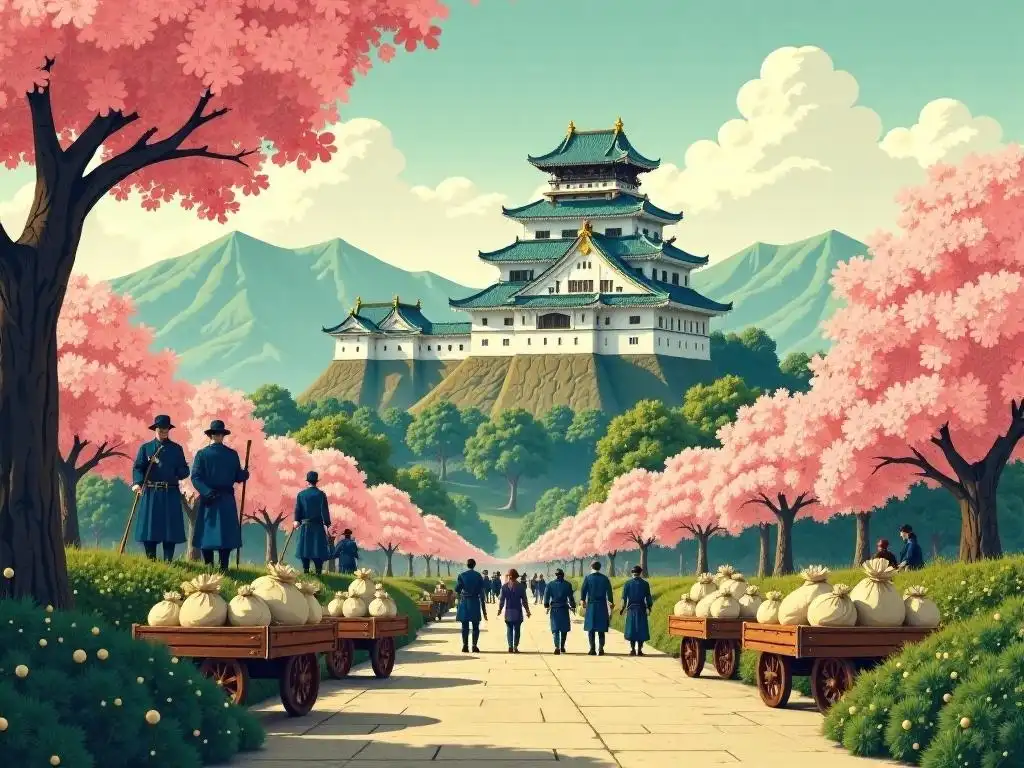
Welcome to Feudal Japan History! Here, we invite you to embark on a captivating journey through the intricate tapestry of Japan's feudal era, where history, culture, and society intertwine. In our featured article, "Tokugawa Shogunate: The Era of Peace and Its Political Innovations," we delve into the remarkable political innovations that transformed Japan under the Tokugawa Shogunate.
What strategies did the shogunate employ to maintain peace and stability for over two centuries? Join us as we uncover the secrets of this pivotal period, sparking your curiosity and encouraging you to explore the depths of Japan’s rich history. Discover how these innovations laid the groundwork for the nation we know today!
- Introduction to the Tokugawa Shogunate
- Historical Context of the Tokugawa Shogunate
- Political Structure of the Tokugawa Shogunate
- Tokugawa Shogunate Political Innovations
- Economic Innovations Under the Tokugawa Shogunate
- Social and Cultural Impact of Tokugawa Political Innovations
- Challenges to the Tokugawa Shogunate's Political Innovations
- Legacy of the Tokugawa Shogunate's Political Innovations
- Conclusion
-
Frequently Asked Questions
- What was the Tokugawa Shogunate?
- What were some key political innovations during the Tokugawa Shogunate?
- How did the Tokugawa Shogunate maintain control over Japan?
- What impact did the Tokugawa Shogunate have on Japanese society?
- How did the political innovations of the Tokugawa Shogunate influence modern Japan?
- Final Reflection: The Enduring Legacy of Tokugawa Shogunate Political Innovations
- Unleash Your Curiosity: Dive Deeper into the Tokugawa Era!
Introduction to the Tokugawa Shogunate
The Tokugawa Shogunate, which lasted from 1603 to 1868, represents a pivotal period in Japan's history, often referred to as the "Edo Period." This era is characterized by relative peace, stability, and isolation from foreign influence, allowing for significant cultural and societal development. The Tokugawa regime established a centralized feudal system that effectively governed the country through a combination of military might and political savvy.
This article will delve into the political innovations that emerged during the Tokugawa Shogunate, shaping not only the governance of Japan but also influencing its social structure and cultural evolution. Understanding these innovations is crucial for comprehending how the Tokugawa Shogunate laid the groundwork for modern Japan.
Overview of the Tokugawa Era
The Tokugawa Era marks a unique juncture in Japanese history, emerging after a long period of civil war and political fragmentation. The establishment of Tokugawa Ieyasu as shogun in 1603 signified the beginning of a new political order. Under the Tokugawa Shogunate, Japan was organized into a hierarchy of domains, each ruled by a daimyō, who were obliged to serve the shogun and adhere to his laws.
This system of governance was underpinned by several key features:
- Sankin-kōtai (Alternate Attendance): A policy requiring daimyōs to spend alternating years in the capital, Edo (modern-day Tokyo), to ensure loyalty and control.
- Strict Social Hierarchy: Society was divided into distinct classes, including the samurai, farmers, artisans, and merchants, each with specific roles and regulations.
- Isolationist Policies: The sakoku (closed country) policy effectively limited foreign influence and trade, allowing the Tokugawa regime to maintain internal stability.
These aspects not only solidified Tokugawa control but also fostered a unique cultural identity that thrived in relative peace.
Significance of Political Innovations in Feudal Japan
The political innovations of the Tokugawa Shogunate were instrumental in creating a stable environment that allowed for cultural and economic growth. These innovations included:
- Centralized Governance:
- The establishment of a shogunate that centralized power while allowing local daimyōs a degree of autonomy created a balance that maintained stability within the realm.
- Legal Codification:
- The Tokugawa regime implemented a series of legal codes that standardized laws across the domains, which not only facilitated governance but also promoted a sense of fairness and justice among the populace.
- Economic Policies:
- By promoting agriculture and trade, the Tokugawa Shogunate laid the foundation for economic prosperity. The reforms led to the emergence of a merchant class that contributed significantly to urban development.
- Cultural Flourishing:
- The peace and stability of the era allowed for the flourishing of arts and culture, including literature, theater, and visual arts, which enriched Japanese cultural heritage.
The political innovations of the Tokugawa Shogunate were not merely administrative changes but were pivotal in shaping the societal fabric of feudal Japan, leading to an era marked by peace and cultural richness. Understanding these innovations provides invaluable insight into how Japan transitioned from a feudal society to a modern nation-state.
Historical Context of the Tokugawa Shogunate
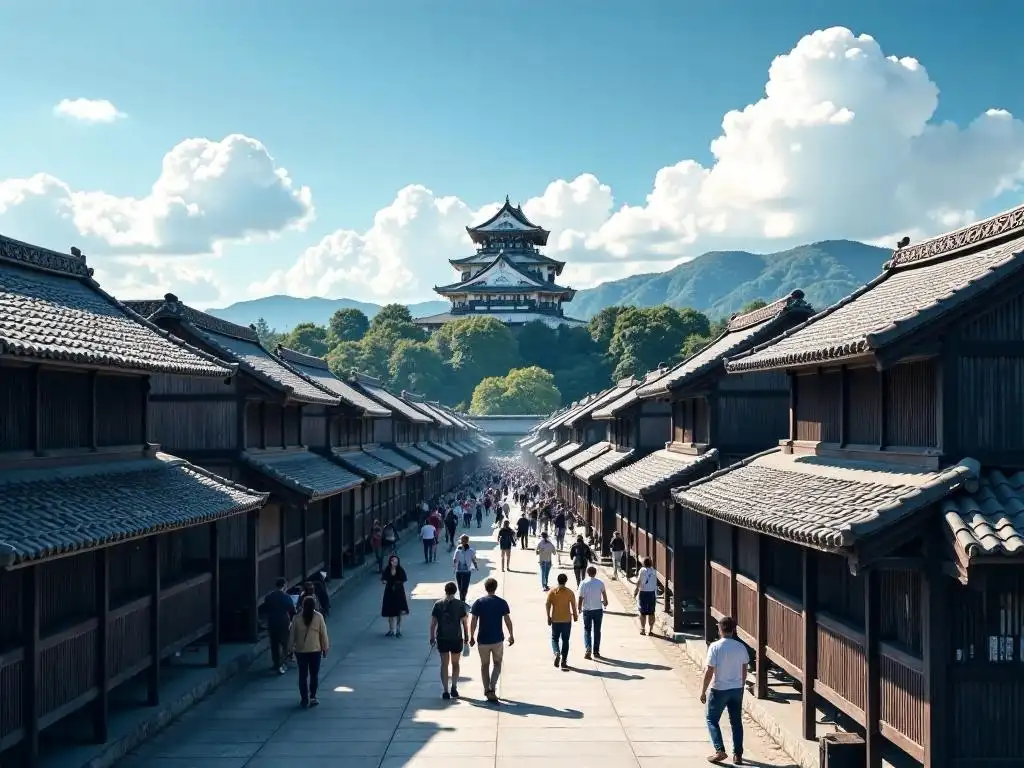
The Tokugawa Shogunate, which lasted from 1603 to 1868, marked a significant shift in Japan's political landscape. This era followed a period of intense warfare known as the Sengoku period, characterized by the fragmentation of power among various feudal lords (daimyō) and a constant struggle for dominance. The establishment of the Tokugawa Shogunate brought about a long-lasting peace, known as the Pax Tokugawa, which facilitated not only political stability but also economic growth and cultural development.
The Tokugawa Shogunate was founded by Tokugawa Ieyasu, a prominent leader who emerged as the victor in the Battle of Sekigahara in 1600. This battle was crucial as it set the stage for Ieyasu's consolidation of power and the eventual establishment of the shogunate. The era is noted for its strict social hierarchy and governance, which created a unique socio-political environment that influenced Japan's cultural and economic life for over two and a half centuries.
The Rise of the Tokugawa Clan
The Tokugawa clan's ascent to power can be traced back to its strategic alliances and military prowess. Originating from the Mikawa province, the clan gained prominence under Tokugawa Ieyasu, who was born in 1543. Ieyasu was initially a vassal to the powerful warlord Oda Nobunaga and later allied with Toyotomi Hideyoshi, who unified Japan to a large extent. After Hideyoshi's death, Ieyasu seized the opportunity to assert his dominance, culminating in the pivotal Battle of Sekigahara.
- Strategic Alliances: Ieyasu formed crucial alliances with various daimyō, which helped him build a supportive network across Japan.
- Military Innovations: The Tokugawa clan adopted and improved military tactics that emphasized discipline and organization, setting them apart from rivals.
- Political Acumen: Ieyasu's keen understanding of political maneuvering allowed him to maintain control over his vassals and prevent uprisings, which was essential for the establishment of the shogunate.
With these factors combined, the Tokugawa clan successfully transitioned from a regional power to the ruling shogunate of Japan, establishing a governance model that would last for generations.
Key Events Leading to the Establishment of the Shogunate
Several key events were instrumental in the establishment of the Tokugawa Shogunate, each contributing to the clan's consolidation of power and the eventual creation of a centralized political system.
- The Battle of Sekigahara (1600): This decisive battle is often regarded as the turning point for the Tokugawa clan. Ieyasu's victory over the coalition of rival daimyō allowed him to assert control over Japan, laying the foundations for his shogunate.
- The Edict of 1603: Following his victory, Ieyasu was appointed shōgun by the emperor, granting him legitimate authority over Japan. This edict formalized the Tokugawa's rule and established the framework for governance.
- Consolidation of Power: In the years following the establishment of the shogunate, Ieyasu implemented policies that centralized power, such as the creation of a system where daimyō were required to spend alternating years in Edo (modern Tokyo), effectively keeping them under surveillance and reducing their ability to rebel.
- The Sakoku Policy: In the 1630s, the Tokugawa Shogunate began to implement isolationist policies, which restricted foreign influence and trade. This policy was crucial in maintaining the stability and unity of Japan during the shogunate's rule.
Through these events, the Tokugawa Shogunate was able to secure its position as the dominant political power in Japan, ushering in an era of relative peace and stability that allowed for significant political innovations and cultural development.
Political Structure of the Tokugawa Shogunate
Shogunate Governance and Hierarchical System
The Tokugawa Shogunate, established in 1603 by Tokugawa Ieyasu, introduced a sophisticated political structure that allowed for over 250 years of relative peace known as the Edo period. This governance model was characterized by a centralized authority, where the shogun held supreme power over the daimyō (feudal lords) and samurai. The hierarchical system was pivotal in maintaining order and stability throughout Japan.
At the top of this hierarchy was the Shogun, who wielded both military and political power. Below the shogun, the daimyō governed specific domains, each with their own territories and armies. This arrangement created a feudal system where loyalty and allegiance were paramount. The daimyō, in turn, were supported by samurai who served as their retainers.
To manage this vast system, the Tokugawa implemented several key policies:
- Sankin-kōtai (Alternate Attendance System): This policy required daimyō to spend every other year in Edo (modern-day Tokyo), effectively tying them to the capital and ensuring they remained under the shogun's watchful eye.
- Control of Domains: The shogunate monitored the daimyō's power by limiting their military capabilities and controlling their finances, reducing the likelihood of rebellion.
- Bannermen and Vassals: The shogunate also relied on a class of vassals known as hatamoto—direct retainers to the shogun—who served in various administrative and military roles, bolstering the central authority.
This governance structure facilitated a well-organized administration that prioritized stability and control, laying the groundwork for the innovative political practices that defined the Tokugawa era.
Roles and Responsibilities of the Shogun
The role of the shogun was multifaceted, encompassing both military leadership and administrative governance. As the de facto ruler of Japan, the shogun's responsibilities included:
- Military Command: The shogun was the supreme military leader, tasked with defending the realm against external threats and maintaining internal order. This required strategic acumen and the ability to mobilize resources effectively.
- Political Authority: The shogun's authority extended to the entire nation, allowing for the enforcement of laws and the creation of policies. This included overseeing diplomatic relations and trade, especially with foreign nations, albeit with a largely isolationist approach.
- Judicial Oversight: The shogunate established a system of courts to administer justice, with the shogun having the final say in legal matters. This judicial power reinforced the shogun’s authority and ensured the rule of law.
- Economic Control: The shogun also played a significant role in the economy by regulating trade and taxation. The implementation of standardized currency and control of resources were vital for maintaining the shogunate's economic stability.
- Cultural Patronage: The shogun was not only a political and military figure but also a cultural patron. Under Tokugawa rule, there was a flourishing of arts and culture, which helped legitimize the shogunate's power and foster a sense of national identity.
The combination of these responsibilities allowed the shogun to effectively govern Japan, ensuring the Tokugawa Shogunate's political innovations were both practical and enduring.
The Samurai Class and Its Influence on Politics
The samurai class played a crucial role in the political landscape of the Tokugawa Shogunate. As the warrior class, samurai were not only military retainers but also governed local affairs and enforced the shogun's decrees. Their influence can be categorized into several key areas:
- Military Service: Samurai were bound by a code of loyalty and honor, known as bushidō, which dictated their conduct both on and off the battlefield. Their martial skills ensured that the shogunate could maintain a strong military presence without the necessity of a standing army.
- Land Management: Many samurai were granted land or stipends in exchange for their service, making them local leaders who managed agricultural production and collected taxes. This local governance allowed the shogunate to extend its control without direct intervention.
- Cultural Integration: The samurai also played a role in the cultural development of Japan. As patrons of the arts, they influenced literature, philosophy, and aesthetics, which ultimately contributed to the political culture of the era. Their educational pursuits led to a more literate society, which in turn facilitated informed civic engagement.
- Political Alliances: Samurai often formed alliances that could influence the political landscape. Their loyalty to their daimyō created a network of feudal relationships that were essential for maintaining the power dynamics of the Tokugawa era.
The samurai class was integral to the political innovations of the Tokugawa Shogunate. Their roles as warriors, land managers, and cultural custodians helped shape a stable society that thrived for centuries under the shogunate’s rule.
Tokugawa Shogunate Political Innovations

Centralization of Power
The Role of the Tokugawa Shogunate in Unifying Japan
The Tokugawa Shogunate, which ruled from 1603 to 1868, played a pivotal role in the unification of Japan following a century of civil war and chaos known as the Sengoku period. Under the leadership of Tokugawa Ieyasu, the shogunate established a central authority that effectively brought together the fragmented daimyo (feudal lords) under a unified political framework. This centralization was not merely a consolidation of power but also involved a series of strategic political innovations that ensured the stability and longevity of the regime.
One of the most significant measures was the Sankin-kōtai system, which mandated that daimyo spend alternating years in the shogunal capital of Edo (modern-day Tokyo). This policy restricted their power and wealth, as it forced them to leave their domains and reside in Edo, where they were subject to the shogunate's control. By doing so, the Tokugawa Shogunate effectively curtailed the potential for rebellion, fostering loyalty among the daimyo and diminishing their individual military capabilities.
Implementation of Feudal Policies
Feudal policies during the Tokugawa era were innovative in their approach to governance. The shogunate implemented a strict hierarchical structure that defined the roles of various classes within society, including samurai, peasants, artisans, and merchants. This structure not only facilitated the administration of justice but also ensured economic stability through regulated land usage and taxation.
The shogunate also enforced strict social order through the four-class system, which categorized people into distinct groups: samurai, peasants, artisans, and merchants. This classification reinforced the Tokugawa ideology of loyalty and duty, binding the samurai to serve their lords while ensuring that peasants provided the agricultural output necessary for sustenance.
Furthermore, the shogunate imposed a series of prohibitive laws that restricted the movement of people and goods, effectively controlling trade and maintaining order within the realm. These laws led to a flourishing of local economies and trade networks, which, despite the restrictions, contributed to the overall prosperity of Japan during the Edo period.
The Baku-Han System
Explanation of the Baku-Han Structure
The Baku-Han system was a unique administrative framework established by the Tokugawa Shogunate, which combined the elements of military governance (baku) with feudal domains (han). Each han was governed by a daimyo, who was granted authority over their territory while remaining under the shogun’s overarching rule. This dual structure created a balance of power that allowed the shogunate to exert control while granting local autonomy.
Under this system, the shogunate maintained direct control over certain regions, known as shōen, which were exempt from daimyo rule. These regions were crucial for the shogunate's revenue and served as a means to exert influence over the more powerful daimyo. The Baku-Han system's design was instrumental in ensuring that no single daimyo could challenge the shogunate's authority, facilitating a degree of stability throughout Japan.
Impact on Regional Governance
The Baku-Han system significantly influenced regional governance in Japan, shaping the political landscape of the Tokugawa period. By allowing daimyo to govern their territories, the shogunate fostered a sense of local identity and loyalty among the populace, while ensuring that these lords could not amass too much power.
Moreover, the Baku-Han structure encouraged economic development within the han, as daimyo were incentivized to improve agricultural productivity and trade within their domains. This led to increased local governance and administrative efficiency, as daimyo sought to maximize their resources to meet the shogunate's expectations.
The stability provided by the Baku-Han system ultimately contributed to the long-lasting peace known as the Pax Tokugawa, which characterized the Edo period. This era of peace enabled cultural and economic advancements, further solidifying the Tokugawa Shogunate's legacy as a transformative period in Japanese history.
The Sankin-kōtai System
The Sankin-kōtai system, also known as the "alternate attendance" system, was a pivotal political innovation introduced by the Tokugawa Shogunate during the early 17th century. This system required the daimyōs (feudal lords) to spend every other year in Edo (modern-day Tokyo), the seat of the shogunate, while their families remained there as hostages during their absence. This innovative mechanism not only served as a means of control over the daimyōs but also significantly influenced the political landscape of feudal Japan.
By mandating the daimyōs to travel to Edo, the Tokugawa regime effectively limited their power and reduced the risk of rebellion. The system ensured that the shogunate could closely monitor the daimyōs' activities, maintaining a balance of power among the various feudal lords. Additionally, the elaborate process of travel and the maintenance of residences in both Edo and their home domains imposed significant financial burdens on the daimyōs. This economic strain further constrained their ability to raise armies or oppose the shogunate's authority.
Overview of Alternate Attendance
The alternate attendance (Sankin-kōtai) system was formally established in 1635 by Tokugawa Iemitsu, the third shōgun of the Tokugawa Shogunate. The system required daimyōs to alternate their residence between their home provinces and Edo, where they had to fulfill various duties and engage in courtly life.
Key Features of the Sankin-kōtai System
- Traveling Requirements: Daimyōs were required to make the long journey to Edo every other year, often accompanied by large retinues that included samurai, servants, and family members.
- Financial Obligations: The expenses incurred during travel and the maintenance of a residence in Edo created a significant financial burden, effectively limiting the military capabilities of the daimyōs.
- Hostage System: While a daimyō was in Edo, their family remained in their home domain as hostages, ensuring their loyalty to the shogunate.
The alternate attendance system facilitated a more centralized governance structure, allowing the shogunate to exert pressure on the daimyōs and maintain a semblance of peace throughout Japan. It also fostered cultural exchanges and economic ties between different regions, as daimyōs would often bring back ideas and artisans from Edo to their home provinces.
Effects on Daimyo and Local Governance
The Sankin-kōtai system had profound implications for both the daimyōs and local governance across feudal Japan. As daimyōs were compelled to spend significant portions of their time in Edo, their direct influence over their home domains was inevitably diminished.
Political and Social Impacts
- Increased Central Control: The shogunate's ability to monitor and control the daimyōs led to a more stable and centralized political climate, reducing the likelihood of uprisings or independent actions against the shogunate.
- Economic Strain: The financial burden of maintaining two households and the costs associated with travel led many daimyōs to rely heavily on taxes from their subjects, which could foster resentment and unrest within their domains.
- Cultural Exchange: The frequent movement between regions allowed for cultural diffusion, as daimyōs brought back influences from Edo, leading to the spread of art, literature, and innovations across the country.
Local Governance Challenges
The requirement for daimyōs to be frequently absent from their provinces created challenges in local governance. Many regions faced difficulties in administration due to the lack of direct oversight and the reliance on lower-ranking samurai and officials to manage affairs. This often led to inconsistencies in governance and the potential for corruption or abuse of power by local officials.
The Sankin-kōtai system not only exemplified the Tokugawa Shogunate's political innovations but also played a crucial role in shaping the socio-political landscape of feudal Japan, reinforcing the shogunate’s authority while simultaneously redistributing power dynamics among the daimyōs and their domains.
Economic Innovations Under the Tokugawa Shogunate
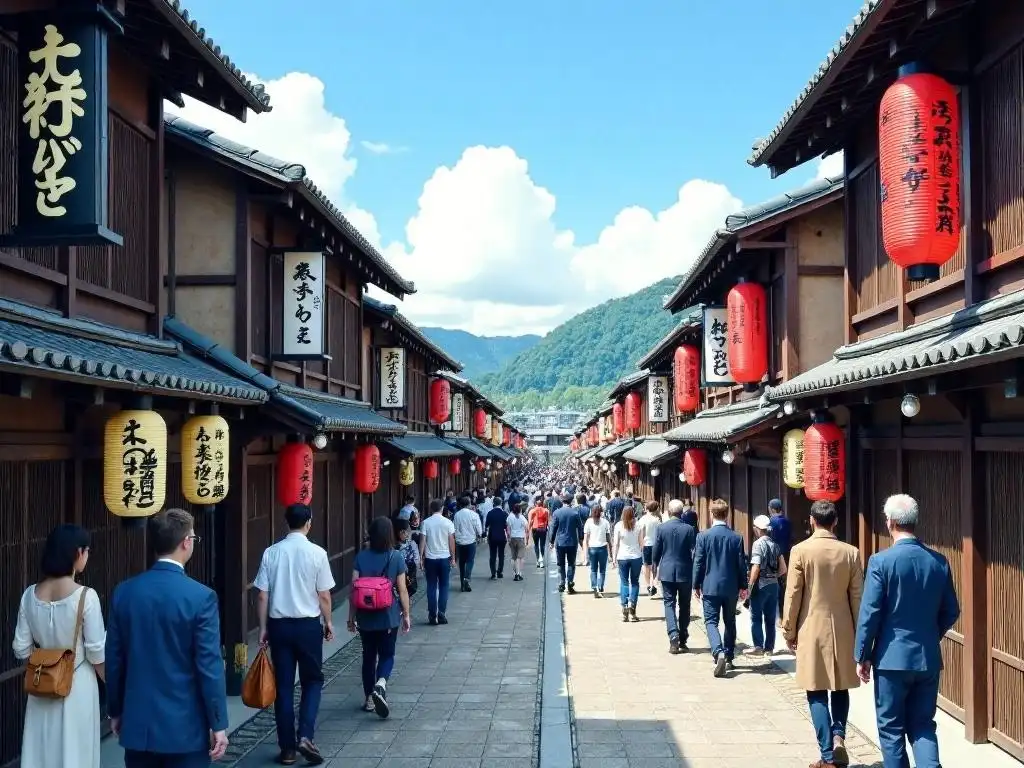
The Tokugawa Shogunate, which ruled Japan from 1603 to 1868, is often celebrated for its political stability and economic innovations that laid the groundwork for modern Japan. This era witnessed significant reforms that transformed agriculture, trade, and overall economic structures, fostering a period of peace known as the Edo period. Below, we explore the key economic innovations that emerged during this transformative era.
Agricultural Reforms
Techniques and Policies that Enhanced Productivity
The Tokugawa Shogunate implemented a series of agricultural reforms that significantly increased productivity and ensured food security across the nation. Some notable techniques and policies included:
- Land Reclamation: The shogunate encouraged the reclamation of marshlands and the development of new agricultural lands. This practice expanded arable land and allowed more farmers to engage in rice production, which was the backbone of the economy.
- Irrigation Systems: Advanced irrigation techniques were introduced, including the construction of dikes, canals, and reservoirs. These systems improved water management, leading to better crop yields, particularly in rice cultivation.
- Crop Rotation and Diversification: Farmers adopted crop rotation methods and diversified their crops beyond rice to include millet, barley, and vegetables. This not only enhanced soil fertility but also reduced the risk of famine by ensuring a more varied food supply.
- Seed Improvement: The Tokugawa era saw the introduction of better seed varieties and agricultural tools, such as improved plows. This innovation allowed farmers to increase their efficiency and productivity.
- Tax Incentives: The shogunate introduced policies that provided tax relief for farmers who adopted new agricultural practices. This incentivization encouraged innovation and the adoption of improved farming methods.
These agricultural reforms led to a significant increase in food production and contributed to the overall economic stability of the Tokugawa Shogunate, allowing the population to flourish and urban centers to grow.
Trade Regulations and Economic Stability
Control over Internal and External Trade
The Tokugawa Shogunate established comprehensive trade regulations that played a crucial role in stabilizing the economy. The following aspects highlight the shogunate's approach to trade:
- Sankin-kotai System: Under this system, feudal lords (daimyo) were required to alternate their residence between their domains and Edo (modern-day Tokyo). This practice not only ensured loyalty but also stimulated local economies as daimyo traveled with retinues and spent money on goods, services, and infrastructure.
- National Seclusion Policy (Sakoku): Enforced in the early 17th century, this policy restricted foreign trade and limited interactions with European powers. Japan engaged primarily with the Dutch and Chinese, which allowed the shogunate to maintain control over external trade while protecting domestic industries from foreign competition.
- Development of Market Towns: The shogunate promoted the growth of market towns (jokamachi) where commerce could thrive. These towns facilitated trade among regions and helped standardize prices, contributing to a more stable economy.
- Regulated Merchant Class: The Tokugawa government implemented regulations that organized the merchant class, allowing them to flourish while keeping their influence in check. This led to the rise of a wealthy merchant class (chōnin) that played a vital role in the economy without challenging the political order.
- Monetary Reforms: The shogunate introduced a standardized currency system, which facilitated trade and commerce. With a stable monetary system, transactions became more efficient, and economic exchanges flourished.
These trade regulations not only maintained internal peace but also created a robust economic environment that supported the Tokugawa Shogunate's political innovations. By controlling trade effectively, the shogunate ensured that wealth was distributed in a way that upheld its authority while fostering economic growth.
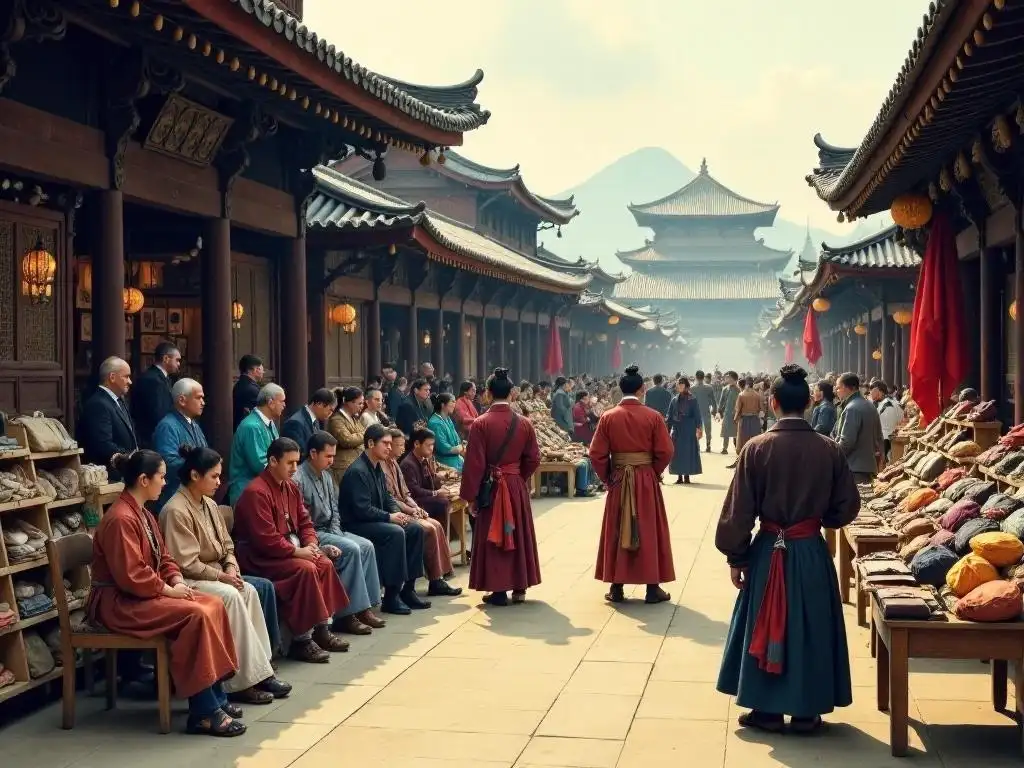
The Tokugawa Shogunate, established in 1603, introduced significant political innovations that reshaped Japan's social hierarchy. One of the hallmark changes was the rigid class system, which categorized society into four primary classes:
- Samurai (warriors)
- Farmers (peasants)
- Artisans
- Merchants
This structure aimed to maintain stability and order within society, reinforcing the idea that each class had a defined role. The samurai, previously the ruling elite, found themselves in a complex position as political innovations began to redefine their status.
The Shift in Samurai Status
Under the Tokugawa regime, the samurai's role transitioned from military leaders to bureaucratic officials. The prolonged peace, known as the Edo period, diminished the samurai's martial relevance, leading to a decline in their traditional status. Instead of engaging in warfare, samurai were encouraged to adopt administrative duties and engage in scholarly pursuits. This shift contributed to a growing sense of identity among the samurai as educated individuals rather than merely warriors.
Moreover, the Tokugawa government implemented policies that limited the samurai's ability to engage in commerce, emphasizing their identity as guardians of peace rather than as economic stakeholders. Economic restrictions on samurai further diminished their income, contrasting sharply with the rising wealth of merchants. As a result, a new class of wealthy merchants began to emerge, challenging the traditional social order and leading to increased tension between classes.
Cultural Flourishing During the Tokugawa Period
The political innovations of the Tokugawa Shogunate not only transformed the social hierarchy but also paved the way for a unique cultural flourishing. The era saw a remarkable development in arts, literature, and philosophy, influenced primarily by the stability and peace established by the shogunate.
Influence of Political Stability on Arts and Culture
The relative peace allowed for the proliferation of cultural activities and the emergence of new artistic styles. The Ukiyo-e (pictures of the floating world) became a popular form of art, reflecting the lives of the merchant class and the beauty of nature. Notable artists like Hokusai and Hiroshige produced iconic woodblock prints that captured the essence of everyday life during this period.
Literature also thrived, with the rise of Kabuki theater and Noh performances that entertained and educated the public. The works of authors such as Saikaku and Bakin explored themes of love, morality, and the human experience, resonating deeply with the populace.
Furthermore, the Tokugawa regime encouraged the development of Confucianism as a guiding philosophy, promoting values such as loyalty, duty, and education. This intellectual environment nurtured a class of scholars and thinkers who contributed to the cultural richness of the period, establishing a legacy that would influence Japan for generations to come.
The political innovations of the Tokugawa Shogunate had far-reaching social and cultural impacts, redefining societal hierarchies and fostering an environment where arts and culture could flourish. This era not only shaped Japan's historical narrative but also laid the groundwork for its modern identity.
Challenges to the Tokugawa Shogunate's Political Innovations
The Tokugawa Shogunate, despite its political innovations and the establishment of a relatively peaceful era known as the Edo period, faced significant internal dissent and social unrest. This unrest stemmed from various sources, including economic hardship, social stratification, and the growing discontent among the samurai class.
- Economic Disparities:
- During the early years of the Tokugawa rule, the shogunate implemented a rigid class system where the samurai were at the top, followed by farmers, artisans, and merchants.
- However, as the economy grew, merchants began to accumulate wealth, leading to tension between the wealthy merchant class and the financially constrained samurai. This economic disparity fueled resentment and calls for reform.
- Social Stratification:
- The Tokugawa Shogunate's policies enforced a strict social hierarchy that limited mobility and opportunity for the lower classes.
- Many peasants were burdened with heavy taxes, leading to widespread poverty and agrarian revolts. Notable uprisings, such as the Tenpo Reforms of the 1830s, aimed to address these issues but were largely ineffective, resulting in increased dissatisfaction.
- Intellectual Movements:
- The rise of Confucianism and other philosophical movements during this era encouraged intellectual discourse, leading to calls for political reform and a more equitable society.
- The Mito School and other factions began advocating for the restoration of the emperor's power, challenging the legitimacy of the Tokugawa rule.
Internal dissent during the Tokugawa Shogunate was fueled by economic disparities, social stratification, and the rise of intellectual movements, all of which posed challenges to the shogunate's political innovations and stability.
External Pressures and the Arrival of Commodore Perry
The mid-19th century marked a turning point for the Tokugawa Shogunate as external pressures, particularly from Western nations, began to mount. The arrival of Commodore Matthew Perry in 1853 brought the issue of foreign diplomacy to the forefront, challenging the shogunate's political innovations and its isolationist policies.
- Opening of Japan:
- Commodore Perry's expedition, backed by the United States, aimed to open Japan to Western trade after years of self-imposed isolation (sakoku).
- The subsequent Treaty of Kanagawa in 1854, which forced Japan to open two ports to American ships, marked a significant departure from Tokugawa policies and highlighted the shogunate's inability to control foreign relations.
- Impact on Sovereignty:
- The unequal treaties imposed by foreign powers undermined the shogunate's authority, as they were seen as humiliating and indicative of Japan's vulnerability.
- This loss of sovereignty fostered a nationalist sentiment, leading to increased calls for the restoration of imperial rule and the reassertion of Japan's independence.
- Rise of Anti-Shogunate Sentiment:
- The external pressures from Western nations galvanized opposition against the Tokugawa Shogunate, culminating in the Boshin War (1868-1869).
- Groups advocating for the emperor’s restoration, known as Choshu and Satsuma, emerged, leading to the eventual downfall of the Tokugawa regime and significant political change in Japan.
The arrival of Commodore Perry and the subsequent foreign pressures highlighted the limitations of the Tokugawa Shogunate's political innovations, leading to both a challenge to its authority and a transformation in Japan’s political landscape.
Legacy of the Tokugawa Shogunate's Political Innovations

The Tokugawa Shogunate, which ruled Japan from 1603 to 1868, is renowned for its political innovations that not only brought about a prolonged period of peace, known as the Edo period, but also laid the groundwork for Japan's modern political landscape. The legacy of these innovations can be observed in several aspects of contemporary Japanese governance and societal structure.
Lasting Effects on Modern Japan
One of the most significant political innovations of the Tokugawa Shogunate was the establishment of a centralized feudal system. This system effectively controlled the daimyō (feudal lords) and ensured loyalty through a combination of political maneuvering and social strategy. Key elements include:
- Bakuhan System: The dual government structure, where the shogunate wielded military power while daimyō governed their domains, fostered a sense of order and stability that persisted into modern governance.
- Sankin-kōtai: This policy required daimyō to alternate their residence between their domains and Edo (modern-day Tokyo). This not only maintained loyalty but also stimulated economic activity and cultural exchange.
These innovations contributed to the emergence of a centralized state that emphasized bureaucratic governance, which can still be seen today in Japan's administrative practices. Moreover, the shogunate's commitment to social order and hierarchy has influenced Japan’s corporate structure and societal norms.
Comparative Analysis with Other Historical Political Systems
When comparing the Tokugawa political innovations to other historical political systems, several distinct features emerge:
- Contrast with European Feudalism: Unlike the fragmented nature of European feudalism, where local lords often vied for power, the Tokugawa system maintained a strong central authority that curtailed the potential for civil war. This stability allowed for economic and cultural growth, setting it apart from European counterparts that experienced frequent conflicts.
- Similarities to the Ming Dynasty: Both the Tokugawa Shogunate and the Ming Dynasty in China implemented centralized governance and strict social hierarchies. However, the Tokugawa's unique approach to managing its daimyō through the sankin-kōtai system provided a more effective means of maintaining control than the Ming’s reliance on bureaucracy alone.
| Political System | Centralization | Control of Nobility | Stability Period |
|---|---|---|---|
| Tokugawa Shogunate | High | Strong | 1603-1868 |
| European Feudalism | Low | Weak | Varies |
| Ming Dynasty | Medium | Moderate | 1368-1644 |
The Tokugawa Shogunate's political innovations were crucial in shaping Japan's historical trajectory and have left an indelible mark on its modern political and social systems. Understanding these innovations provides deeper insights into how Japan transitioned from feudalism to a more centralized and bureaucratic state, distinguishing itself on the global stage.
Conclusion
Summary of the Tokugawa Shogunate's Political Innovations
The Tokugawa Shogunate, which lasted from 1603 to 1868, is renowned for its significant political innovations that shaped Japan’s governance and societal structure. One of the most notable advancements was the establishment of a centralized feudal system, which effectively consolidated power under the shogunate while maintaining the autonomy of regional daimyōs. This duality allowed the Tokugawa regime to implement policies that fostered stability and order.
Key Political Innovations:
- Sankin-kōtai System: This system required daimyōs to alternate residence between their domains and Edo (modern-day Tokyo). This not only curtailed the power of the daimyōs but also stimulated economic activity in the capital.
- Strict Social Hierarchy: The Tokugawa regime enforced a rigid caste system that categorized society into four main classes: samurai, farmers, artisans, and merchants. This hierarchy maintained social order and minimized class mobility, which contributed to the regime's stability.
- Bans on Christianity: The shogunate implemented policies to suppress Christianity, viewing it as a threat to their authority. The complete isolation of Japan from foreign influence during this period was a strategic political move to maintain control and prevent external disruptions.
These innovations collectively fostered a prolonged period of peace, often referred to as the "Pax Tokugawa," allowing for economic growth, cultural development, and the flourishing of arts and literature.
Reflection on the Era of Peace in Japan's Political History
The era of peace under the Tokugawa Shogunate represents a pivotal moment in Japan's political history. The political innovations introduced during this time laid the groundwork for a stable society that would endure for over two centuries. The shogunate’s ability to maintain peace through strict governance and social order is often contrasted with the preceding Sengoku period, characterized by constant warfare and instability.
The Tokugawa peace was not merely the absence of conflict; it created an environment where commerce thrived, cities grew, and the samurai class adapted to new roles as bureaucrats and landowners rather than warriors. This transformation had far-reaching implications for Japan's development, leading to advancements in infrastructure, culture, and education.
By examining the political innovations of the Tokugawa Shogunate, one can appreciate how they shaped Japan's trajectory and provided a unique model of governance that balanced authority with regional autonomy. The era serves as a critical study in the effectiveness of political frameworks in ensuring societal harmony and progress, which remains relevant in discussions of governance today.
Frequently Asked Questions
What was the Tokugawa Shogunate?
The Tokugawa Shogunate was a period of Japanese history (1603-1868) marked by political stability and economic growth, established by Tokugawa Ieyasu after the Battle of Sekigahara.
What were some key political innovations during the Tokugawa Shogunate?
The Tokugawa Shogunate implemented several political innovations, including the sankin-kōtai system, which required daimyōs to alternate their residence between their domains and Edo, promoting loyalty and stability.
How did the Tokugawa Shogunate maintain control over Japan?
The Shogunate maintained control through a strict social hierarchy, enforced laws, and monitored daimyōs, ensuring political power remained centralized in Edo while allowing regional autonomy.
What impact did the Tokugawa Shogunate have on Japanese society?
The Tokugawa era fostered a unique cultural identity, with developments in arts, literature, and theater, while also promoting a peaceful society that thrived on commerce and trade.
How did the political innovations of the Tokugawa Shogunate influence modern Japan?
The political innovations laid the groundwork for modern governance in Japan, introducing concepts of central authority and bureaucratic administration that influenced Japan's political landscape even after the Shogunate's fall.
Final Reflection: The Enduring Legacy of Tokugawa Shogunate Political Innovations
The political innovations of the Tokugawa Shogunate not only shaped Japan's historical landscape but also resonate profoundly in today's political discourse. As we navigate an increasingly complex world, the lessons from this era remind us of the importance of stability, governance, and the balance of power. The Tokugawa period exemplifies how strategic political frameworks can foster peace and prosperity, a striking reminder that effective governance is timeless.
The influence of the Tokugawa Shogunate extends beyond its historical confines, echoing in contemporary discussions about governance and social order. The innovations in administration and the establishment of a centralized power structure laid the groundwork for modern political systems in Japan and beyond. As historian John W. Hall aptly noted, The Tokugawa Shogunate was not merely a regime; it was a profound rethinking of governance that continues to inform our understanding of statecraft.
This underscores the relevance of Tokugawa innovations in shaping societal norms and political ideologies that persist to this day.
As we reflect on the lessons from the Tokugawa Shogunate, I invite you to consider how these historical insights can inform your own understanding of leadership and governance. What can we learn from their approach to political stability and innovation? Embrace the opportunity to apply these lessons in your life, whether in personal decision-making, community engagement, or broader societal contributions. Let the legacy of the Tokugawa Shogunate inspire you to seek balance and innovation in your own endeavors, fostering a more harmonious and prosperous future.
Unleash Your Curiosity: Dive Deeper into the Tokugawa Era!
Thank you for journeying through the fascinating world of the Tokugawa Shogunate with us! We hope you gained valuable insights into this remarkable era of peace and political innovation. Now, let’s keep the momentum going and explore further!
Here are some exciting next steps you can take:
- Engage with history: Delve into the lives and contributions of prominent figures of the Tokugawa period and their lasting impact on modern Japan.
- Join the discussion: Contribute your insights on how the political innovations of this era could inform contemporary governance in your community.
- Explore further: Uncover lesser-known events during the Tokugawa Shogunate that significantly reshaped Japanese society.
What aspect of the Tokugawa Shogunate has piqued your interest the most, and how do you think it relates to today's political landscape? We’d love to hear your thoughts!