
The Impact of Buddhism and Shintoism on the Genpei War

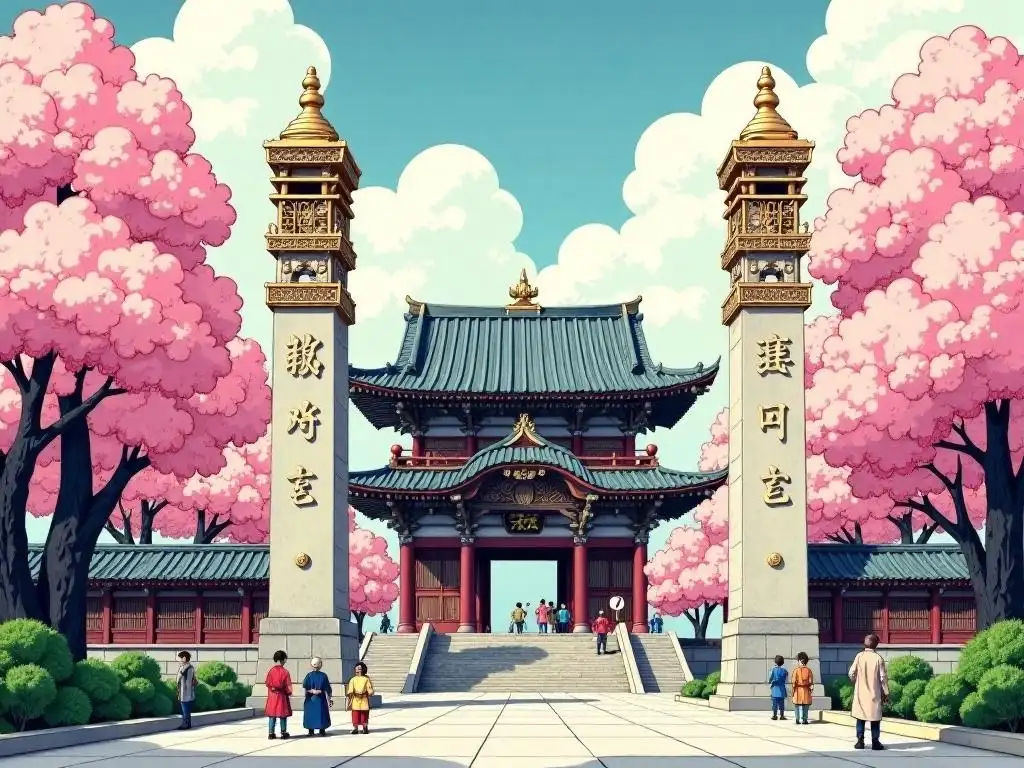
Welcome to Feudal Japan History, where we embark on a captivating journey through the intricate tapestry of Japan's feudal era. In our featured article, “The Impact of Buddhism and Shintoism on the Genpei War,” we delve into the profound influences that shaped one of history's most pivotal conflicts. Discover how these ancient belief systems intertwined with politics and warfare, igniting a struggle that would forever alter Japan's landscape. Are you ready to unravel the secrets of this transformative period? Continue exploring to unveil the rich narratives that lie at the heart of feudal Japan!
The Genpei War, fought between 1180 and 1185, was a pivotal conflict in Japanese history that ultimately led to the establishment of the Kamakura shogunate. Beyond the military and political ramifications, this war was deeply intertwined with the spiritual and religious fabric of Japan, particularly through the influences of Buddhism and Shintoism.
Understanding how these two religions shaped the motivations, actions, and philosophies of the samurai class provides a richer context to the events of the Genpei War. This article will delve into the complex interplay of these religious beliefs and their significant impact on the socio-political landscape of the time.
Introduction to the Genpei War
Overview of the Genpei War
The Genpei War was a series of battles between the Taira and Minamoto clans, marking a significant turning point in the struggle for power in Japan. This conflict was characterized by brutal warfare, shifting alliances, and the emergence of new military tactics. The war culminated in the decisive Battle of Dan-no-ura, where the Minamoto clan emerged victorious, effectively ending the Taira’s dominance and paving the way for a new era of governance.
Significance of the Genpei War in Japanese History
The Genpei War is not only notable for its immediate effects on the political landscape of Japan but also for its lasting legacy. It set the stage for the feudal system that would dominate Japanese society for centuries. The rise of the samurai class as a powerful political force and the establishment of the shogunate introduced new governance structures and societal norms that would shape Japan's future. Moreover, the war influenced cultural developments, including literature and art, that reflected the tumultuous times.
The Role of Buddhism in the Genpei War
Historical Context of Buddhism in Japan
Buddhism was introduced to Japan in the 6th century, bringing with it a rich set of teachings and practices that gradually permeated various aspects of Japanese life. By the time of the Genpei War, Buddhism had established itself as a significant religious force, influencing the samurai's worldview. Various sects, such as Tendai and Pure Land Buddhism, offered spiritual guidance and moral frameworks that resonated with the warrior ethos.
Buddhist Ideals and Their Influence on Samurai Ethics
Buddhist concepts such as compassion, detachment, and the impermanence of life profoundly influenced samurai ethics. The samurai, often seen as the epitome of loyalty and honor, found a moral compass in Buddhist teachings that emphasized the importance of righteous action and the fleeting nature of existence. This philosophical backdrop played a crucial role in shaping their motivations during the Genpei War, often fueling a sense of duty and sacrifice amongst the warriors.
Notable Buddhist Figures During the Genpei War
Several prominent Buddhist figures emerged during the Genpei War, offering spiritual support and guidance to the samurai. One notable figure was Kōbō Daishi, also known as Kūkai, whose teachings inspired many warriors. His emphasis on compassion and spiritual practice resonated deeply, providing solace amid the chaos of war. Another significant figure was Hōnen, the founder of Pure Land Buddhism, whose teachings on salvation through faith became particularly influential during this tumultuous period. These individuals not only shaped the spiritual landscape of the time but also influenced the actions and decisions of the samurai involved in the conflict.
The Role of Shintoism in the Genpei War
Overview of Shintoism and Its Beliefs
Shintoism, as the indigenous faith of Japan, is characterized by its deep reverence for kami (spirits or gods), nature, and ancestors. It is a polytheistic belief system that emphasizes the importance of ritual practices and the connection between the physical and spiritual realms.
In the context of the Genpei War, which spanned from 1180 to 1185, Shintoism played a crucial role in shaping the motivations and actions of the warring clans. The belief in kami provided warriors with a sense of divine support and legitimacy for their battles, as they sought the favor of these spirits to ensure victory and prosperity.
The fundamental tenets of Shintoism include purity, harmony with nature, and the importance of ritual. These elements influenced the conduct of warfare, as clans often performed purification rites before engaging in battle, believing that such actions would garner the blessings of the kami. Furthermore, the connection to ancestral spirits was vital, as warriors fought not only for their clans but also to honor their lineage and uphold their family's honor.
Shinto Shrines and Their Importance to the Warring Clans
During the Genpei War, Shinto shrines served as vital spiritual and strategic centers for the warring clans. These shrines were often dedicated to specific kami and were believed to be places where divine energy resided. Clans would frequently visit shrines to pray for success in battle, seek protection, and perform rituals to appease the kami. The Iwashimizu Hachimangu Shrine, dedicated to Hachiman (the god of war), became particularly significant for the Minamoto clan, as they sought Hachiman's blessing before their decisive engagements.
The physical presence of shrines in the landscape also acted as symbols of clan identity and power. Control over a shrine could legitimize a clan's authority and reinforce its claims to the land, as the spiritual and temporal realms were deeply intertwined. Therefore, the importance of Shinto shrines extended beyond religion; they were also critical components of political strategy during the conflicts of the Genpei War.
The Influence of Shinto Rituals on Warfare
Shinto rituals significantly influenced the conduct of warfare during the Genpei War. Before battles, warriors engaged in purification rituals to cleanse themselves of impurities and to invoke the protection of the kami. These rites often included offerings of rice, sake, and other sacred objects to establish a connection with the divine. The belief in the kami's involvement in human affairs meant that warriors approached battles with a sense of purpose and moral obligation, believing that their actions were sanctioned by the gods.
Moreover, the rituals served to unify the warriors within a clan, fostering camaraderie and a shared sense of destiny. This collective spirituality not only inspired individual bravery but also strengthened the resolve of the troops, as they believed their cause was just and divinely supported. The intertwining of Shinto practices with military endeavors thus played a pivotal role in shaping the ethos of the samurai during the Genpei War.
Intersections of Buddhism and Shintoism
The Relationship Between Buddhism and Shintoism in Feudal Japan
The relationship between Buddhism and Shintoism in feudal Japan was characterized by both competition and cooperation. While Shintoism was the native religion focused on kami worship, Buddhism was introduced from China and Korea and flourished from the 6th century onwards. Over time, the two belief systems began to influence one another, leading to a unique religious landscape where adherents often practiced elements of both faiths.
During the Genpei War, this syncretism emerged as clans sought to harness the strengths of both belief systems. Shinto provided a direct connection to the kami and ancestral spirits, while Buddhism offered teachings on morality, compassion, and the impermanence of life. This blending of beliefs allowed warriors to draw upon a broader spiritual framework, influencing their motivations and actions during the conflict.
Syncretism of Buddhist and Shinto Practices Among Samurai
The samurai class exemplified the syncretism of Buddhist and Shinto practices during the Genpei War. Many samurai integrated Buddhist principles into their lives while maintaining Shinto rituals, creating a spiritual blend that enhanced their warrior ethos. For instance, samurai would often visit Shinto shrines for guidance and blessings before battle, while also participating in Buddhist meditation and teachings to cultivate discipline and mindfulness.
This duality was reflected in the rituals performed by samurai leaders, who would invoke both Shinto kami and Buddhist deities to seek protection and success in battle. The adoption of Buddhist practices, such as chanting sutras or engaging in meditation, allowed warriors to prepare mentally for the challenges of warfare, reinforcing their resolve and focus.
Case Studies of Key Battles and Rituals
Several key battles of the Genpei War illustrate the intersections of Buddhism and Shintoism through specific rituals and practices. The Battle of Dan-no-ura in 1185, which marked a decisive victory for the Minamoto clan, was preceded by elaborate rituals invoking the blessings of both Hachiman and various Buddhist figures. The Minamoto leaders sought divine favor from both traditions, demonstrating the interconnectedness of their spiritual beliefs.
Additionally, rituals such as the “Shinto purification” before battles were often complemented by Buddhist prayers for the souls of fallen warriors. This blending of practices underscored the complexity of religious beliefs during the Genpei War, revealing how samurai utilized the strengths of both Shintoism and Buddhism to navigate the challenges of warfare and their spiritual journeys. Such case studies affirm the profound influence of these religions in shaping the motivations, actions, and outcomes of the conflict.
The Influence of Buddhism and Shintoism on the Combatants
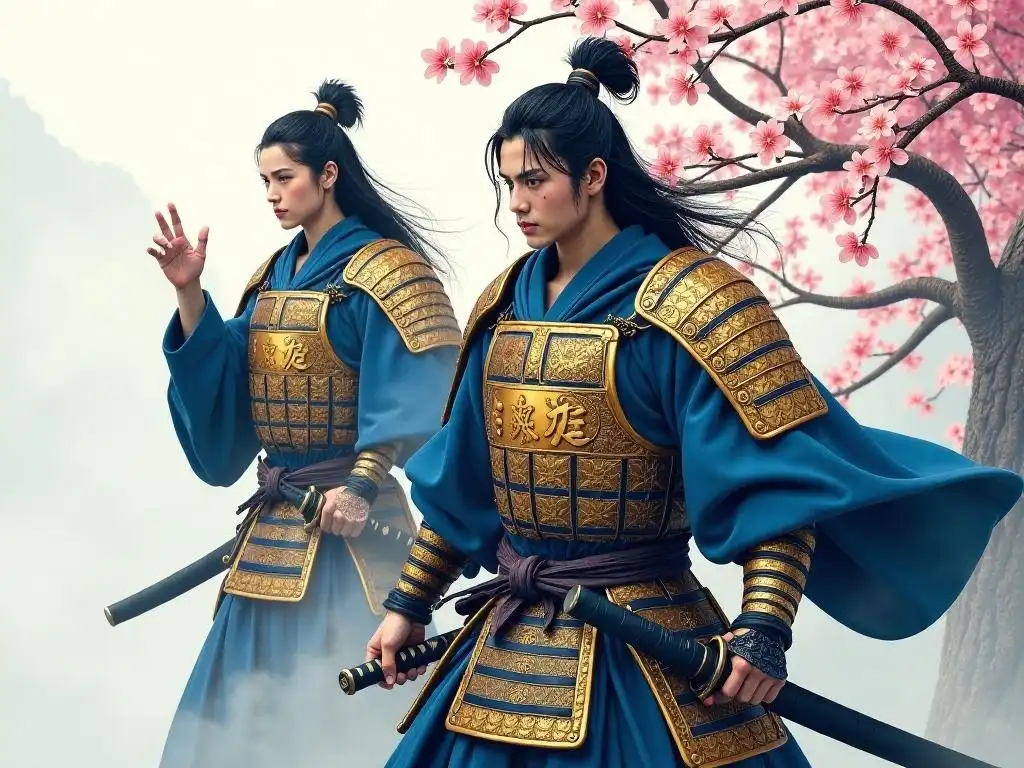
The Genpei War (1180–1185) was not just a struggle for political power between the Taira and Minamoto clans; it was also deeply influenced by the spiritual beliefs of the time. Buddhism and Shintoism played significant roles in shaping the motivations and actions of the samurai warriors involved in this conflict. Both religions provided frameworks for understanding life, death, and the moral implications of warfare, impacting the combatants’ decisions and strategies on the battlefield.
How Beliefs Shaped the Mentality of Samurai Warriors
Samurai warriors were expected to uphold a code of conduct known as Bushido, which was significantly influenced by both Buddhism and Shintoism. The concepts of honor, loyalty, and sacrifice permeated their belief systems, guiding warriors in their actions. For instance, the Buddhist notion of impermanence encouraged samurai to accept death as part of their duty, fostering a mindset where they could face battle with equanimity. This acceptance of mortality often led to acts of valor, where warriors would fight fiercely, believing they were fulfilling their karmic obligations.
Additionally, Shintoism, with its emphasis on kami (spiritual beings or gods), instilled a sense of divine purpose in the samurai. The belief that they were acting under the watchful eyes of deities motivated many to perform heroic deeds, seeing themselves as instruments of divine will. This fusion of Buddhist and Shinto beliefs among the samurai created a unique warrior ethos that prioritized both spiritual fulfillment and martial prowess.
The Role of Spirituality in Battle Strategies
Spirituality played a crucial role in the formulation of battle strategies during the Genpei War. Leaders often sought divine guidance through rituals, prayers, and offerings to the kami, believing that their success in battle depended on the favor of the gods. For example, before major engagements, commanders would consult with priests or offer sacrifices to gain insights into their opponents' weaknesses or the best timing for an attack.
Moreover, the use of prophetic visions and omens was prevalent. Certain warriors would interpret signs from nature or engage in meditation to receive spiritual insights that could sway the course of battle. This reliance on spirituality not only influenced strategic decisions but also shaped the morale of the troops, as they believed their cause was just and divinely sanctioned.
Examples of Buddhist and Shinto Practices in Combat
Numerous practices from Buddhism and Shintoism found their way into the battlefield during the Genpei War. For instance, before engaging in combat, samurai often performed rituals to purify themselves and their weapons, invoking the protection of kami and seeking the blessings of the Buddha. The use of shimenawa (sacred ropes) to mark battlefields or shrines was common, signifying the area as sacred ground and ensuring the warriors fought with a sense of honor and respect for the spirits.
Additionally, the chanting of sutras or prayers before battles was a common practice among Buddhist samurai. This not only served to calm their minds and prepare them spiritually but also reinforced their commitment to the principles of compassion and righteousness, even amidst the chaos of war. These practices exemplified how deeply intertwined religion was with the martial culture of the time.
The Cultural Legacy of Buddhism and Shintoism Post-Genpei War
The aftermath of the Genpei War saw significant cultural shifts that were heavily influenced by the prevailing Buddhist and Shinto beliefs. The establishment of the Kamakura shogunate marked a new era where these religions continued to shape the socio-political landscape of Japan.
Long-Term Effects on Japanese Society and Culture
In the years following the Genpei War, the integration of Buddhist and Shinto elements into daily life became more pronounced. The samurai class, having emerged victorious, began to establish a societal framework that incorporated these religious principles into governance and societal norms. Temples and shrines were built, leading to the proliferation of religious practices that emphasized the harmony between martial duty and spiritual devotion.
Moreover, the concept of Bushido began to crystallize into a formalized code that combined the ethical teachings of Buddhism with the spiritual and cultural values of Shintoism. This code not only influenced the samurai but also permeated the broader Japanese culture, affecting art, literature, and philosophy.
The Evolution of Religious Practices After the Genpei War
The Genpei War catalyzed the evolution of religious practices in Japan. The period witnessed a growing syncretism between Buddhism and Shintoism, where rituals and beliefs began to merge. This blending culminated in the emergence of new sects and practices that reflected the complexities of Japanese spirituality.
For instance, Shingon and Tendai schools of Buddhism flourished during and after this time, incorporating local deities and practices into their teachings. Similarly, Shinto shrines began to adopt Buddhist elements, leading to the proliferation of Shinto-Buddhist ceremonies that celebrated both traditions. This evolution significantly shaped Japanese religious identity, making it more inclusive and diverse.
Influence on Later Conflicts and Wars in Japan
The impact of Buddhism and Shintoism on the Genpei War set precedents for later conflicts in Japan. The spiritual framework established during this period influenced the samurai ethos in subsequent wars, including the Mongol invasions and the battles of the Sengoku period.
Warriors continued to rely on the same spiritual beliefs to justify their actions and bolster their resolve. The traditions of seeking divine favor before battles, performing rituals for purification, and adhering to the principles of Bushido remained integral to the samurai identity throughout Japan's feudal history. Consequently, the legacy of the Genpei War and its intertwining with Buddhism and Shintoism can still be observed in the cultural and spiritual fabric of modern Japan.
Conclusion
The Genpei War, a pivotal conflict in Japanese history, was not merely a battle for political power but also a profound reflection of the religious beliefs that shaped feudal society. Buddhism and Shintoism played significant roles, influencing both the motivations of the warriors and the cultural backdrop of the era.
Their impact can be observed in the moral frameworks that guided samurai conduct, the spiritual justifications for warfare, and the communal identity fostered among the clans involved. This interplay of faith and conflict highlights the complexity of feudal Japan, where religious beliefs were intricately woven into the fabric of daily life and governance.
Summary of Buddhism and Shintoism's Impact on the Genpei War
Buddhism and Shintoism profoundly influenced the Genpei War, impacting the motivations, actions, and outcomes of the conflict.
- Buddhism offered philosophical underpinnings that encouraged resilience and valor in battle. The belief in karma and the impermanence of life motivated warriors to strive for honor and glory, often leading them to view their participation in the war as a path toward spiritual enlightenment.
- Shintoism, with its emphasis on kami (spirits) and the divine right of the imperial family, instilled a sense of nationalism and loyalty. The Taira and Minamoto clans both invoked Shinto deities to legitimize their claims to power, fostering a narrative of divine support that was crucial for rallying troops and garnering public support.
The fusion of these religious ideologies created a unique environment where spiritual beliefs directly influenced military strategies, clan alliances, and the overall conduct of the war.
Reflections on the Importance of Religion in Feudal Japan
The significance of Buddhism and Shintoism in the context of the Genpei War extends beyond mere influence on the battlefield; it underscores the vital role religion played in shaping feudal Japanese society. Religion served as a unifying force, providing a common framework for understanding the world and the social order.
- Social Cohesion: Both Buddhism and Shintoism fostered a sense of belonging and identity among different clans and classes, binding people together through shared beliefs and practices.
- Moral Guidance: Religious teachings provided ethical guidelines for samurai conduct, emphasizing virtues such as loyalty, courage, and honor, which were crucial for maintaining order and discipline during the tumultuous period of the Genpei War.
- Cultural Legacy: The impact of these religions continued to resonate beyond the conflict, influencing Japan's cultural, artistic, and political developments in the subsequent centuries.
Understanding the interplay between religion and conflict in the Genpei War offers essential insights into the broader narrative of feudal Japan, revealing how deeply entrenched beliefs shaped the course of history.
Further Reading
Recommended Books on Buddhism, Shintoism, and the Genpei War
-
"Buddhism in Japan: A Cultural History" by Richard K. Payne
This book provides a comprehensive overview of the evolution of Buddhism in Japan, including its influence on samurai culture during the feudal era.
-
"Shinto: The Kami Way" by Sokyo Ono
A foundational text that explores Shinto beliefs and practices, crucial for understanding their impact on Japan's historical and cultural development.
-
"The Genpei War: The Rise of the Samurai" by Thomas D. Conlan
An engaging account of the Genpei War, detailing the key events, figures, and religious contexts that shaped this transformative conflict.
Articles and Journals for In-Depth Study of Feudal Japan
-
"Religion and War in Japan: The Influence of Buddhism and Shintoism"
A scholarly article examining the intersection of religion and warfare in Japan, particularly during the feudal period.
-
"Sacred Spaces: Shinto Shrines in the Context of the Genpei War"
This journal article explores the role of Shinto shrines as sites of worship and their significance to the clans involved in the Genpei War.
-
"Buddhism and the Samurai: The Ethical Framework of the Warrior Class"
An analysis of how Buddhist teachings influenced the samurai code, providing insights relevant to the Genpei War and its aftermath.
- Introduction to the Genpei War
- The Role of Buddhism in the Genpei War
- The Role of Shintoism in the Genpei War
- Intersections of Buddhism and Shintoism
- The Influence of Buddhism and Shintoism on the Combatants
- The Cultural Legacy of Buddhism and Shintoism Post-Genpei War
- Conclusion
- Further Reading
Frequently Asked Questions
What was the Genpei War?
The Genpei War (1180-1185) was a civil conflict between the Taira and Minamoto clans in Japan, marking a significant period leading to the establishment of the Kamakura shogunate.
How did Buddhism influence the Genpei War?
Buddhism played a key role in shaping the morality and ethics of samurai warriors, providing a spiritual framework that influenced their motivations and actions during the conflict.
What role did Shintoism play during the Genpei War?
Shintoism, as Japan's indigenous faith, fostered a sense of national identity and spiritual legitimacy for the clans, influencing their divine claims to power and the justification for war.
How did the cultural aspects of Buddhism and Shintoism affect society during the Genpei War?
The cultural aspects of both religions shaped the societal norms and values of the time, affecting everything from warrior conduct to community support for the clans involved in the conflict.
What is the significance of the Genpei War in the context of Buddhism and Shintoism?
The Genpei War marked a turning point in Japanese history, where the interplay of Buddhism and Shintoism not only influenced the outcome of the war but also led to the fusion of spiritual and political power in Japan's subsequent eras.
Final Reflection: The Enduring Influence of Buddhism and Shintoism on the Genpei War
The intricate relationship between Buddhism, Shintoism, and the Genpei War reveals how spiritual beliefs can shape historical narratives and societal conflicts. Today, as we navigate a world often divided by ideology and belief, understanding the profound impact of these religions during one of Japan's most tumultuous periods serves as a reminder of the power of faith in influencing human actions and decisions. The Genpei War was not merely a battle for power; it was a clash deeply rooted in the spiritual convictions of its time, illustrating how the interplay of religion and politics can alter the course of history.
Culture and belief systems are not static; they evolve and resonate through generations, shaping our identities and societal structures. The influence of Buddhism and Shintoism during the Genpei War continues to echo in modern Japan, where these traditions still play a vital role in cultural practices and national identity. As we reflect on this historical conflict, we can appreciate how these spiritual frameworks provided not only justification for warfare but also a sense of purpose and community among the warring factions. Religion is the opium of the people,
Karl Marx once said, but in the context of the Genpei War, it was also the catalyst for unity and division, illustrating the complex nature of faith in human affairs.
As we conclude this exploration of the Genpei War's religious dimensions, I invite you to reflect on the role of belief in your own life and society. Consider how your values and convictions shape your actions and interactions with others. Just as Buddhism and Shintoism influenced the warriors of the past, your beliefs can inspire positive change and foster understanding in today's world. Let us carry forward the lessons learned from this historical narrative, striving for a future where faith serves as a bridge rather than a barrier, guiding us toward harmony and collective growth.
Embrace the Teachings: Transform Your Understanding of Feudal Japan!
Thank you for diving into the intriguing interplay of Buddhism and Shintoism during the Genpei War! Your interest in how these profound philosophies shaped critical historical events enriches your understanding of Japan's feudal past.
Now, it’s time to take your newfound insights further. Here are a few actions you can take right now:
- Dive Deeper: Explore additional resources on the philosophies of Buddhism and Shintoism—consider reading a comprehensive book or watching an insightful documentary that unpacks these beliefs.
- Join the Conversation: Share your thoughts and insights in our online community! Engage with fellow history enthusiasts by commenting below or participating in our discussion forums.
- Reflect and Connect: Meditate on how these philosophies influence modern life. Think about how incorporating aspects of spiritual practice could enhance your personal journey.
What aspect of Buddhism or Shintoism intrigues you most as it relates to the Genpei War, and how do you see its reflections in today’s world? Let's ignite a conversation on this captivating topic!